
Evaluating Structural Durability and Maintenance Frequency in Heavy-Duty Concrete Mixer Trailers Under Frequent Dump Cycles





Structural Fatigue and Service Intervals in High-Cycle Concrete Mixer Trailers
Heavy-duty concrete mixer trailers operating on construction logistics routes rarely idle between cycles. In urban infrastructure projects or large-scale housing developments, a single trailer may complete 12–18 dump cycles per shift — often with partial loads, uneven terrain, and minimal cooling time between discharges. This operational rhythm places repeated, asymmetric stress on the drum support structure, chassis frame, hydraulic pivot points, and rear axle assemblies. For maintenance teams, the resulting wear patterns are not linear or predictable. They reflect interactions between load distribution, dumping angle, drum rotation speed at discharge, and material consistency — factors rarely captured in standard OEM maintenance schedules.
Unlike general-purpose trailers, concrete mixers endure dynamic loading that shifts mass center rapidly during rotation and dumping. Each cycle subjects the drum’s trunnion bearings to torsional shock, the chassis crossmembers to localized bending fatigue, and the tailgate hinge mechanism to impact-induced micro-fractures. Over time, these accumulate as visible weld cracks near the drum cradle, premature bushing deformation in the lifting cylinder mounts, or progressive misalignment of the drum drive gear train. Field reports from maintenance supervisors across GCC and Southeast Asian markets indicate that structural issues — not hydraulic or electrical failures — account for over 65% of unplanned downtime in trailers averaging more than 10 dump cycles daily.
Why Standard Maintenance Intervals Fail Under Frequent Cycling
Most manufacturers specify service intervals based on cumulative operating hours or mileage. But for concrete mixer trailers, cycle count correlates more strongly with structural degradation than either metric. A trailer running 6 hours/day on short-haul jobs with 15 dump cycles may show more frame fatigue than one logging 10 hours/day on long-distance transit with only 4–5 discharges. The reason lies in load path repetition: each dump cycle applies peak stress to the same structural nodes — especially where the drum mounting bracket interfaces with the main chassis rail.
Key failure points under frequent cycling include:
- Drum support welds: Heat-affected zones near trunnion brackets develop fatigue cracks after ~1,200–1,800 full dump cycles, particularly when concrete slump exceeds 120 mm and residual slurry remains in the drum post-discharge;
- Rear axle torque arms: Repeated high-torque engagement during drum reversal creates cyclic shear stress at bolted connections, leading to thread stripping or bracket distortion;
- Tailgate hydraulic rams: Rapid extension/retraction under variable payload weight accelerates seal wear and internal rod scoring, especially when dump angles exceed 45° on uneven ground;
- Chassis longitudinal members: Localized buckling or flange warping appears near the rear suspension mounting zone after sustained operation at >80% rated payload capacity across >1,500 cycles.
Maintenance technicians report that visual inspections alone miss early-stage damage. Ultrasonic thickness testing of critical weld zones and torque verification of high-stress fasteners (Grade 10.9 or higher) become necessary after 800–1,000 cycles — well before most scheduled services.
Material and Design Factors That Influence Cycle Life
Not all heavy-duty mixer trailers respond identically to frequent dumping. Structural durability depends less on gross weight rating and more on how load is distributed and absorbed. Trailers built with continuous-frame construction — where the main chassis rails run uninterrupted beneath the drum cradle — exhibit lower stress concentration at support points than those using segmented or bolted subframes. Similarly, drum mounting systems that incorporate elastomeric isolation pads reduce transmission of rotational shock into the chassis by up to 35%, according to field measurements taken during routine vibration analysis.
Material selection also matters. High-tensile steel grades (e.g., S355JO or ASTM A572 Gr.50) used in critical load-bearing components resist crack propagation better than standard carbon steels under cyclic loading. However, this benefit is negated if welding procedures lack preheat control or post-weld stress relief — common oversights in third-party repair shops. Maintenance teams should verify weld procedure specifications (WPS) and non-destructive testing (NDT) records before approving any structural modification or repair.
Hydraulic system design affects mechanical longevity indirectly. Trailers with dual-circuit hydraulic systems — separating drum rotation from tailgate actuation — reduce pressure spikes during simultaneous operations. This lowers fatigue on pump housings, valve blocks, and hose routing paths, extending service life between fluid changes and component replacements.
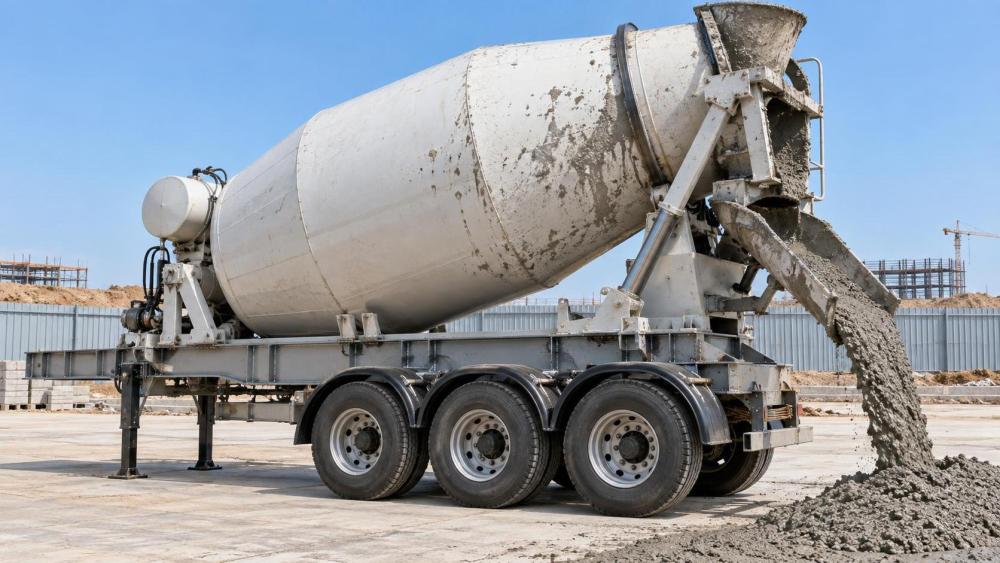
Selecting for Durability in Construction Logistics Fleets
When evaluating concrete mixer trailers for high-cycle applications, maintenance personnel must move beyond spec sheet comparisons. Key assessment points include:
- Frame continuity and reinforcement layout: Review engineering drawings — not marketing brochures — for continuity of main rails, gusset placement, and whether critical joints use full-penetration welds;
- Drum mounting geometry: Look for designs where the drum’s centerline aligns closely with the chassis centerline to minimize torsional moment transfer;
- Service access points: Evaluate whether inspection ports, grease fittings, and torque access points are positioned for field maintenance without specialized tooling or lifting equipment;
- Standardized fastener grades: Confirm that all structural bolts meet ISO 898-1 Class 10.9 or equivalent, with documented traceability;
- Documentation completeness: Request fatigue life estimates for key components — not just warranty periods — and verify whether they’re based on actual cycle testing rather than extrapolated from static load data.
Fleet managers often overlook how trailer configuration impacts maintenance frequency. Three-axle configurations distribute payload more evenly across the frame than tandem-axle units, reducing peak stress at the rear suspension. This translates directly to longer intervals between chassis inspections and fewer instances of cracked crossmember welds. It also improves stability during steep-angle dumping, lowering dynamic loads on tailgate mechanisms.
For logistics operators managing mixed fleets, selecting trailers designed specifically for repetitive discharge tasks — rather than adapting general-purpose dump platforms — delivers measurable reliability gains. These dump special trailers integrate structural reinforcements, optimized hydraulic layouts, and service-friendly access points that align with real-world maintenance constraints. Their design prioritizes inspectability and modular replacement over theoretical performance metrics.
Practical Verification During Procurement and Handover
Maintenance teams should participate in pre-delivery inspections — not just final acceptance checks. Verify that:
- All structural welds carry legible, traceable identification marks matching the WPS documentation;
- Drum support brackets show no surface grinding or rework indications;
- Hydraulic hoses follow minimum bend radius guidelines and are secured away from sharp edges or heat sources;
- Grease points on tailgate hinges and drum trunnions are accessible with standard tools;
- Chassis frame numbers match serial number plates and are stamped — not etched or sticker-labeled — for long-term legibility.
During initial operation, log the first 200 dump cycles with notes on drum rotation smoothness, tailgate positioning consistency, and any unusual noises or vibrations. Compare these against baseline readings taken during factory acceptance testing — if available — to detect early deviations from expected behavior.
Ultimately, structural durability in high-cycle concrete mixer trailers isn’t defined by a single specification. It emerges from how material properties, geometric design, manufacturing quality, and operational discipline interact over time. Maintenance teams who treat cycle count as a primary diagnostic parameter — not just a usage metric — gain earlier insight into emerging structural risks and avoid costly mid-life refurbishments.
Related News
How to Evaluate European Drill-and-Blast Tunnelling Contractors for Complex Projects
Drill and blast tunnelling contractors Europe: learn how to assess geology expertise, blast control, equipment reliability, safety, and programme resilience for complex projects.
Which Trenchless Construction Technique Fits Your Utility Crossing Conditions?
Trenchless construction techniques compared for utility crossings: choose HDD, microtunnelling, pipe jacking, or auger boring based on ground, accuracy, access, and risk.
What Is Driving Metro Tunnelling Demand Across Southeast Asia’s Major Cities?
Metro tunnelling Southeast Asia is accelerating as major cities tackle congestion, flooding, and connectivity. Explore the market forces, technical risks, and opportunities shaping demand.
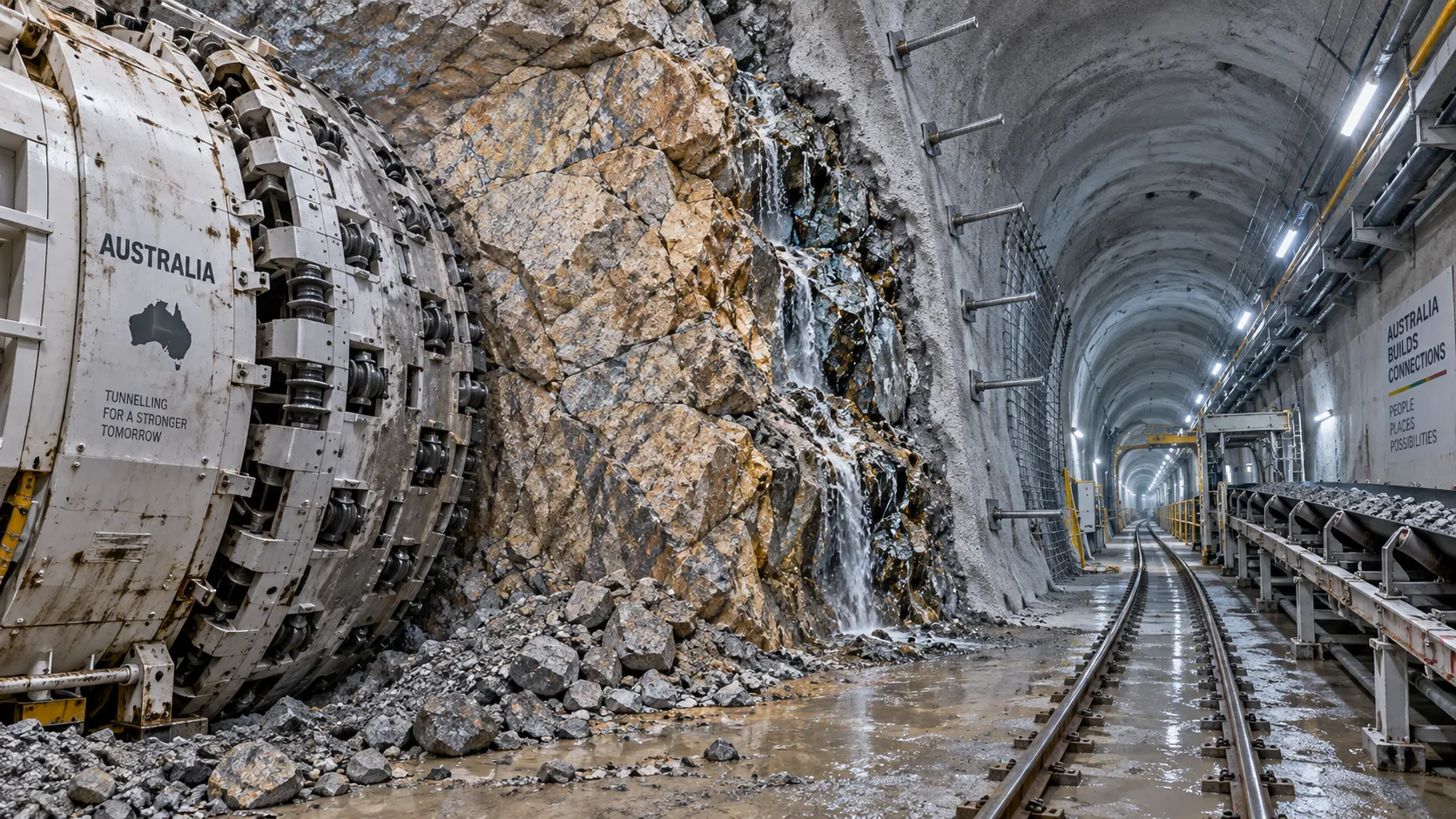
Hard Rock Tunnelling in Australia: Selecting Methods for Variable Ground Conditions
Hard rock tunnelling in Australia: compare TBM, drill-and-blast and hybrid methods to manage variable ground, reduce risk and protect project costs.
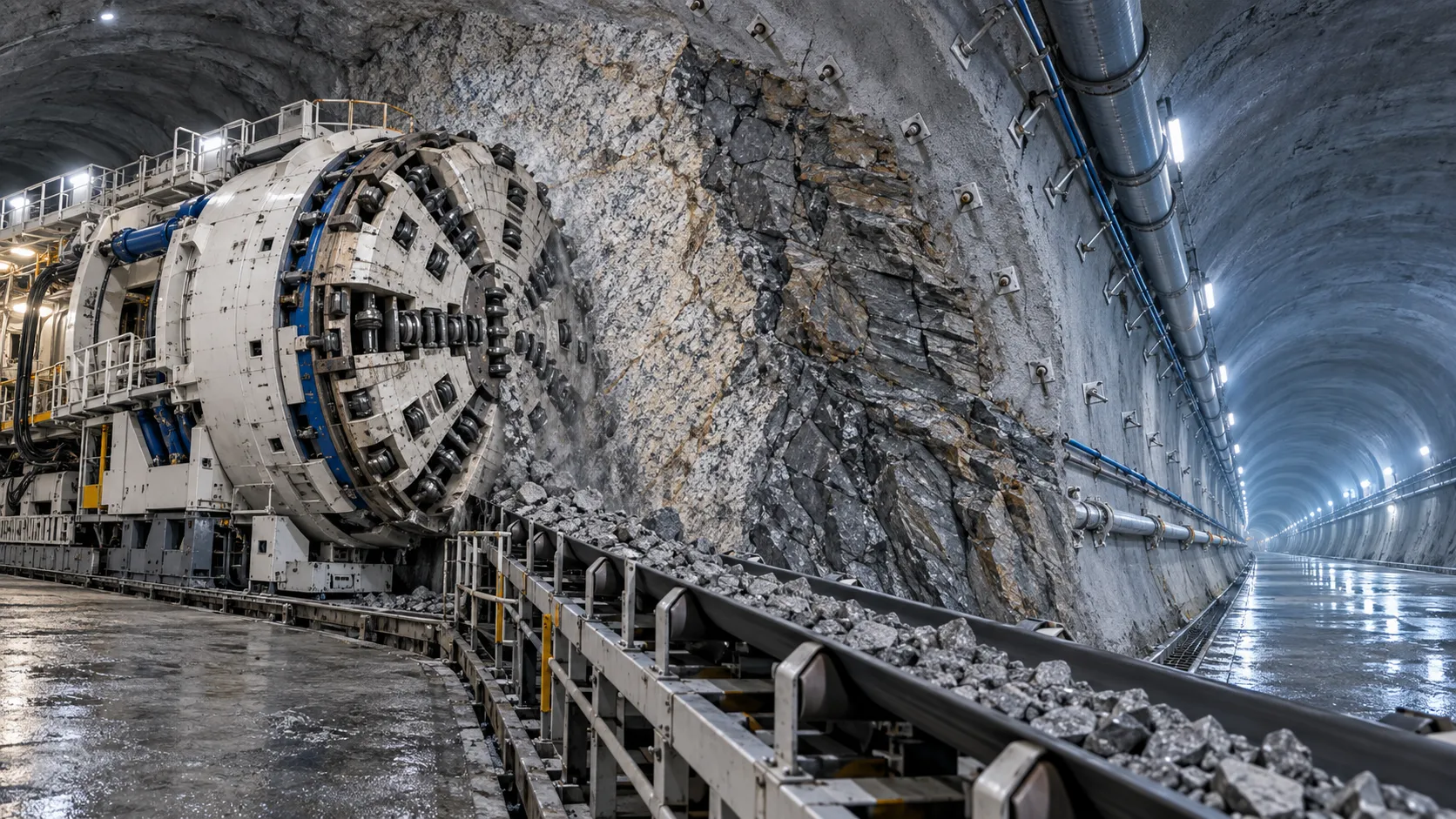
Hydropower Tunnel Excavation: Selecting Methods for Variable Rock Conditions
Hydropower tunnel excavation methods for variable rock conditions: compare TBM, drill-and-blast, and hybrid strategies to improve safety, progress, and project control.
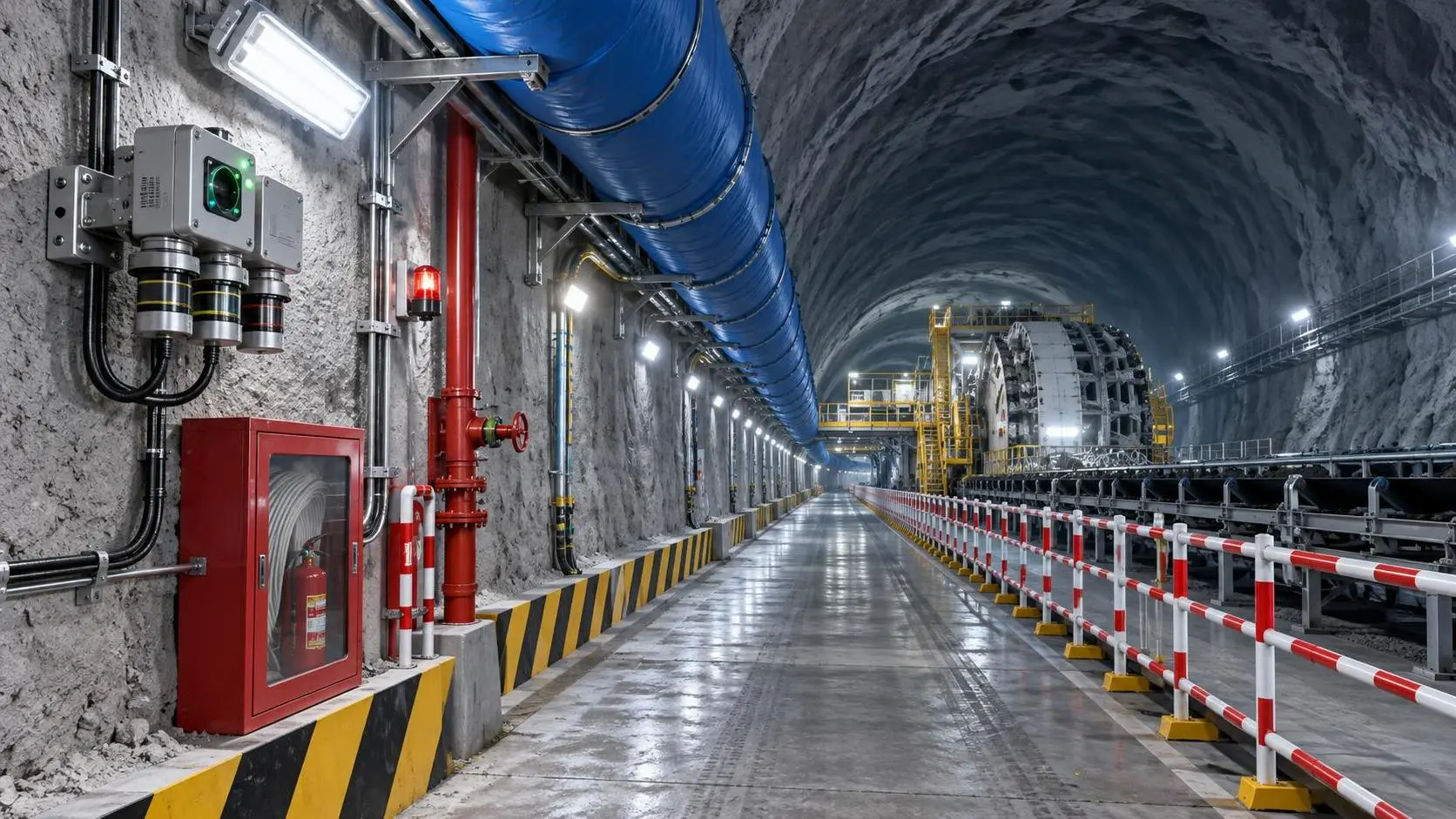
How to Select Underground Safety Equipment for Tunnelling by Hazard and Work Zone
Underground Safety Equipment for tunnelling: match protection to hazards, work zones, compliance, and emergency needs with this practical selection guide.
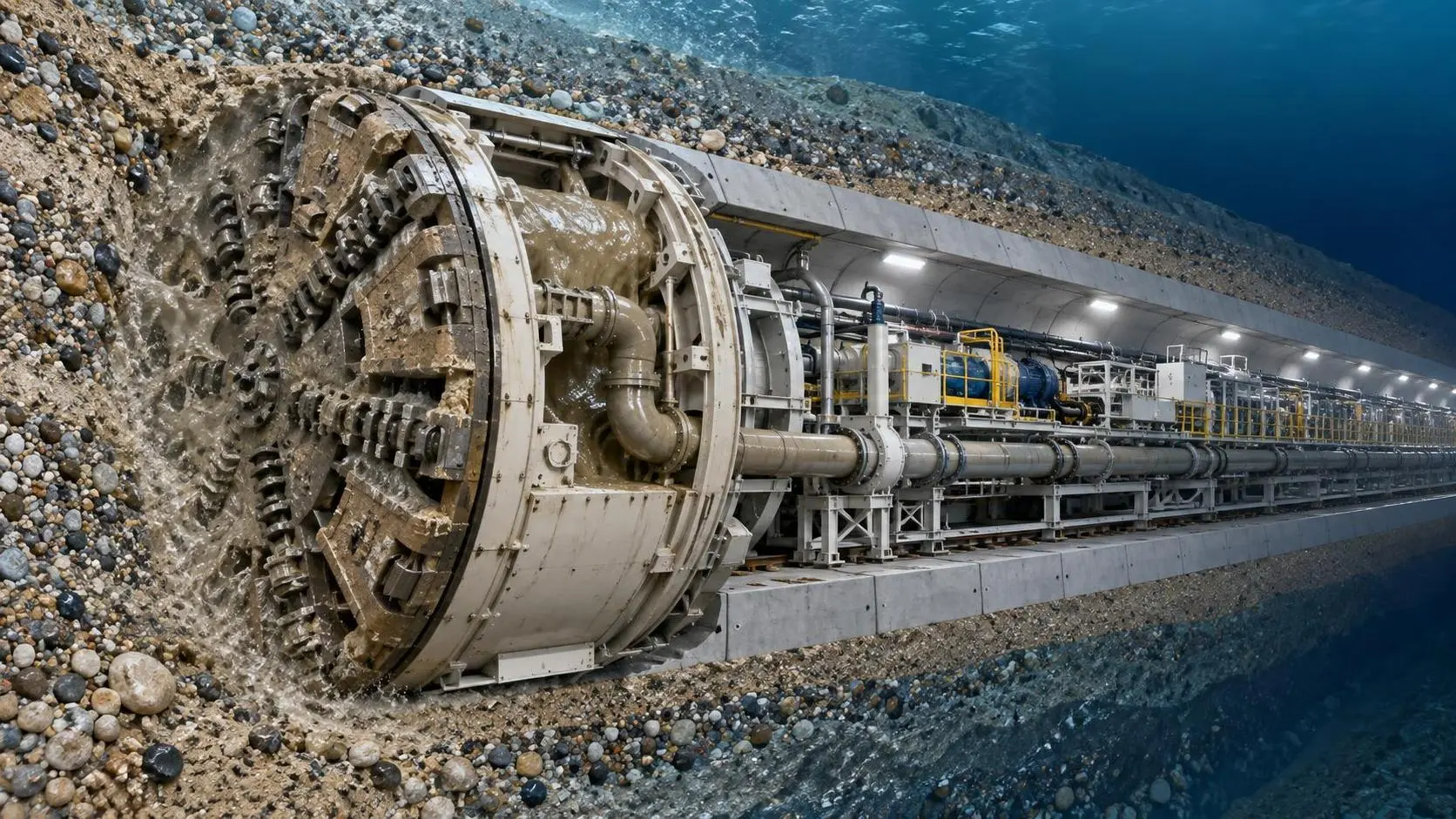
EPB or Slurry Shield? Selecting Soft-Ground Tunnelling Equipment by Soil Conditions
Tunnel Excavation Equipment for soft ground: compare EPB and slurry shields by soil, groundwater, settlement risk, and project logistics to choose confidently.
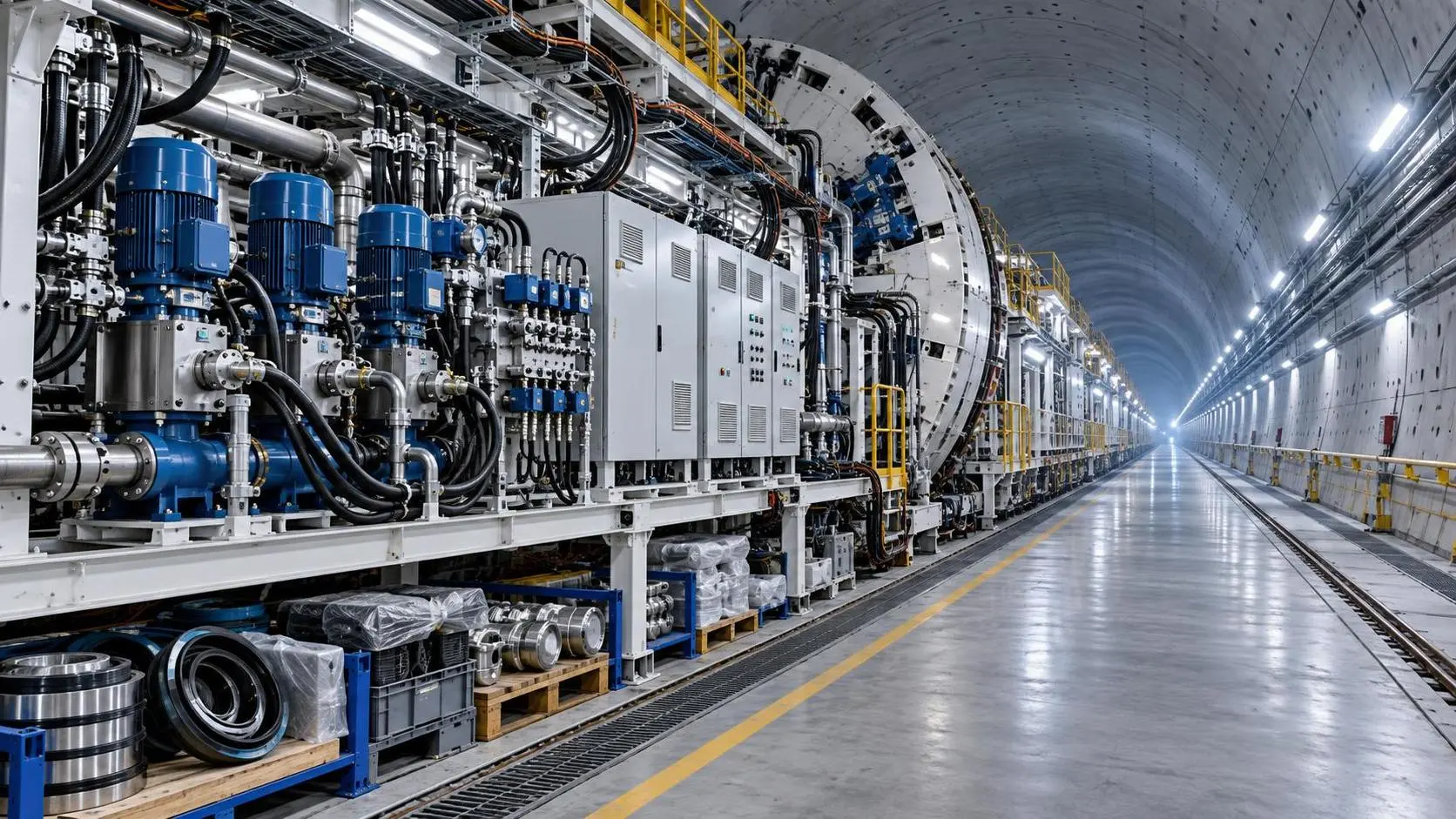
How to Specify TBM Backup System Parts for Reliable Long-Distance Tunnelling
TBM backup system parts: learn how to specify reliable spares for long-distance tunnelling, reduce downtime, ensure compatibility, and speed underground recovery.

How to Size Open Pit Mining Trucks for Haul Distance, Grade, and Payload?
Open Pit Mining Trucks: learn how to match payload, haul distance, grade, road resistance, and loading capacity for safer, lower-cost mine operations.
Related News
- 00
0000-00
How to Evaluate European Drill-and-Blast Tunnelling Contractors for Complex Projects - 00
0000-00
Which Trenchless Construction Technique Fits Your Utility Crossing Conditions? - 00
0000-00
What Is Driving Metro Tunnelling Demand Across Southeast Asia’s Major Cities? - 00
0000-00
Hard Rock Tunnelling in Australia: Selecting Methods for Variable Ground Conditions - 00
0000-00
Hydropower Tunnel Excavation: Selecting Methods for Variable Rock Conditions
Weekly Insights
Stay ahead with our curated technology reports delivered every Monday.