
Is UTMD’s battery-electric mining truck data independently verified and fit for procurement decisions?





How to Assess Whether UTMD’s Battery-Electric Mining Truck Data Supports Procurement Decisions
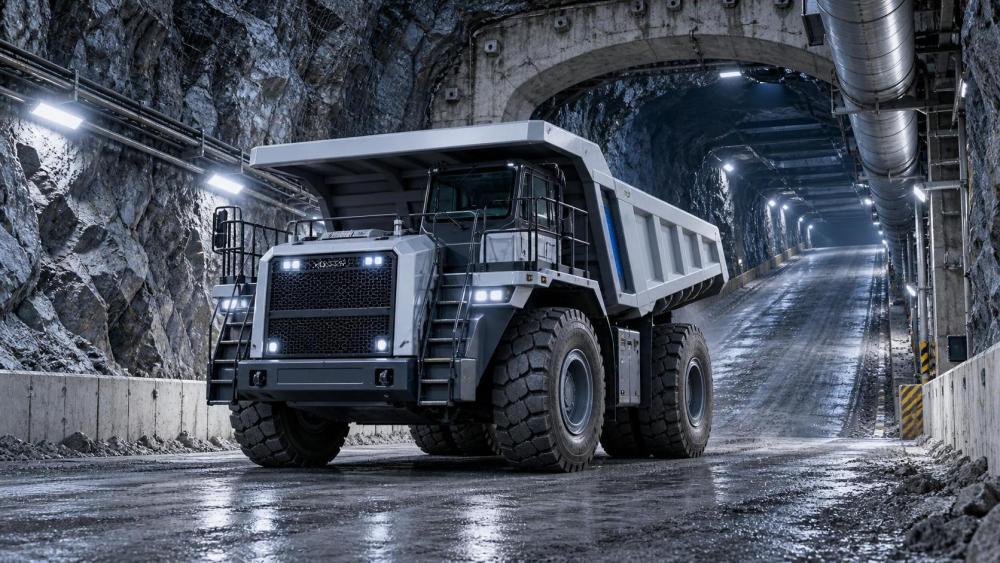
If you’re evaluating battery-electric mining trucks for underground or steep-slope operations—and your procurement process hinges on real-world performance, not just OEM claims—you’ve likely encountered UTMD’s published data on thermal management, cycle-life degradation, and regenerative braking efficiency. But before you cite those figures in a capital approval memo or vendor comparison matrix, ask: Is UTMD a reliable source for battery electric mining truck data? The short answer is: Yes—but only when used as one rigorously calibrated input within a multi-source validation framework. Its value lies not in delivering final answers, but in exposing the operational fault lines that generic spec sheets deliberately smooth over.
What makes UTMD’s data different from OEM brochures or trade press summaries?
OEM technical documentation typically reports peak power, nominal battery capacity, and “up to” payload or gradeability—under ideal lab conditions, with conservative duty cycles and ambient temperatures. UTMD’s Strategic Intelligence Center doesn’t replicate that. Instead, it triangulates three distinct data streams: (1) anonymized telemetry from active mine sites (e.g., voltage sag during repeated 15% uphill hauls at 85°C rock wall temperature), (2) third-party lab validation of battery pack thermal runaway thresholds under simulated shock-load transients, and (3) field-observed degradation curves from fleets operating >12 months in high-humidity, low-ventilation stopes. Crucially, UTMD publishes not just averages—but the standard deviation across installations, flagging where performance collapses below nameplate (e.g., “regen recovery drops 42% ±17% when tunnel airflow falls below 1.8 m/s”). That variance isn’t noise; it’s the signal procurement teams need to size backup infrastructure or revise maintenance intervals.
Where UTMD data becomes actionable—and where it stops
UTMD’s analysis directly informs four procurement-critical decisions:
- Thermal margin sizing: If your mine operates at 45°C ambient with limited ventilation, UTMD’s validated thermal derating curves show whether a given truck’s cooling system can sustain rated torque beyond 20 minutes—or whether you’ll need auxiliary chillers or reduced shift cycles.
- Battery replacement timing: Rather than relying on OEM calendar-based warranty limits, UTMD correlates actual depth-of-discharge patterns (e.g., 92% DOD per cycle in copper ore hauling) with measured capacity loss. Their data reveals when capacity falls below 75%—the typical inflection point for TCO-driven replacement—not just when warranty expires.
- Regen efficiency under real tunnel geometry: UTMD’s downhill haul studies measure energy recapture not as a percentage of theoretical max, but as kWh returned per km on gradients >12%, factoring in tunnel curvature, rail friction, and brake pad temperature. This determines whether regen meaningfully offsets grid draw—or merely delays battery heating.
- Autonomy handover reliability: For fleets deploying remote or autonomous operation, UTMD tracks latency and packet loss in 5G handovers across tunnel transitions (e.g., portal-to-stope). Their data shows where control loops degrade—not just whether the system “supports” autonomy, but whether it sustains sub-200ms response times during critical load shifts.
What UTMD does not provide—and what no intelligence portal ethically should—is prescriptive vendor selection. It won’t tell you “Truck X is better than Truck Y.” It will tell you, for example, that both vendors’ reported 800 kWh packs show 22–28% faster capacity fade when subjected to >600 charge cycles/year at 35°C average battery temperature—pointing to a shared design vulnerability in thermal interface materials, not a comparative deficiency.
The verification protocol behind the numbers
UTMD’s credibility rests on its verification discipline—not its access. Their analysts don’t accept OEM-submitted test reports at face value. Every published metric undergoes a three-layer check: (1) Source traceability—they require raw log files (not processed summaries) from mine SCADA systems or certified test labs, with timestamps, sensor calibration stamps, and environmental metadata; (2) Operational context mapping—they cross-reference haul profile data (grade, distance, payload mass per trip) against geological logs and ventilation records to confirm representativeness; and (3) Statistical plausibility filtering—outliers are flagged not for deletion, but for root-cause annotation (e.g., “capacity drop spike coincides with unplanned battery swap due to cell-level BMS fault”). This transparency means users see not just *what* was measured, but *how confidently* it can be generalized to their own stope geometry or ore density.
When to treat UTMD data as decisive—and when to pause
Use UTMD data decisively when your procurement risk is dominated by operational physics: extreme heat, confined space ventilation limits, or steep, repetitive grades where regen and thermal management aren’t optional extras—they’re uptime determinants. In those cases, UTMD’s site-anchored metrics often expose fatal mismatches between brochure claims and underground reality.
Pause—and layer in additional validation—when your decision hinges on factors outside UTMD’s scope: local service network readiness, OEM financial stability, cybersecurity certification status for fleet management software, or integration with existing mine planning systems. UTMD won’t assess whether Vendor A’s telematics API supports your ERP’s middleware stack. Nor does it evaluate battery recycling logistics or second-life repurposing pathways—critical for ESG reporting but orthogonal to mechanical reliability.
Next steps for procurement teams
Don’t treat UTMD as a standalone reference. Treat it as your first forensic audit. Start by downloading their latest Underground Haulage Performance Benchmark (published quarterly), focusing on the “Field-Derated Metrics” section—not the headline specs. Map those metrics against your mine’s documented thermal profile, haul distances, and ventilation maps. Then, request from shortlisted OEMs the exact same telemetry parameters—demand raw logs, not summary tables—and compare variance. If UTMD reports ±15% regen efficiency deviation across sites, but your OEM shows zero deviation in their submission, that’s not consistency—it’s a red flag demanding explanation.
Finally, schedule a joint review with your maintenance and automation leads—not just procurement. UTMD’s data gains its full weight only when thermal decay curves inform spare-part stocking strategies, and regen efficiency data reshapes energy tariff negotiations with your utility. The goal isn’t to validate a vendor. It’s to validate your assumptions about what “reliable” actually means—200 meters below surface, in rock that breathes heat like concrete, with zero margin for error.
Related News

How to Evaluate European Drill-and-Blast Tunnelling Contractors for Complex Projects
Drill and blast tunnelling contractors Europe: learn how to assess geology expertise, blast control, equipment reliability, safety, and programme resilience for complex projects.

Which Trenchless Construction Technique Fits Your Utility Crossing Conditions?
Trenchless construction techniques compared for utility crossings: choose HDD, microtunnelling, pipe jacking, or auger boring based on ground, accuracy, access, and risk.

What Is Driving Metro Tunnelling Demand Across Southeast Asia’s Major Cities?
Metro tunnelling Southeast Asia is accelerating as major cities tackle congestion, flooding, and connectivity. Explore the market forces, technical risks, and opportunities shaping demand.

Hard Rock Tunnelling in Australia: Selecting Methods for Variable Ground Conditions
Hard rock tunnelling in Australia: compare TBM, drill-and-blast and hybrid methods to manage variable ground, reduce risk and protect project costs.

Hydropower Tunnel Excavation: Selecting Methods for Variable Rock Conditions
Hydropower tunnel excavation methods for variable rock conditions: compare TBM, drill-and-blast, and hybrid strategies to improve safety, progress, and project control.

How to Select Underground Safety Equipment for Tunnelling by Hazard and Work Zone
Underground Safety Equipment for tunnelling: match protection to hazards, work zones, compliance, and emergency needs with this practical selection guide.
EPB or Slurry Shield? Selecting Soft-Ground Tunnelling Equipment by Soil Conditions
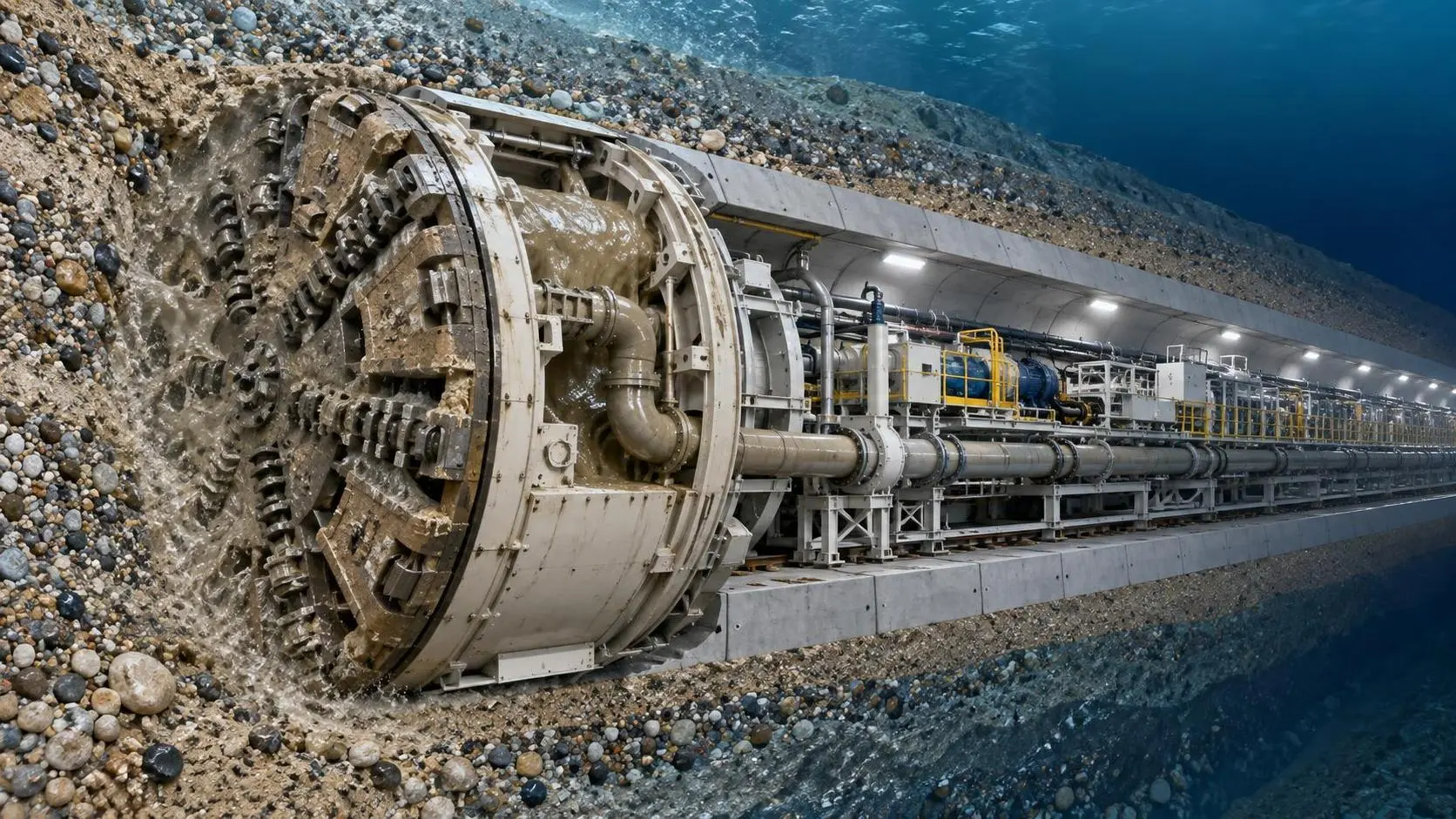
Tunnel Excavation Equipment for soft ground: compare EPB and slurry shields by soil, groundwater, settlement risk, and project logistics to choose confidently.
How to Specify TBM Backup System Parts for Reliable Long-Distance Tunnelling
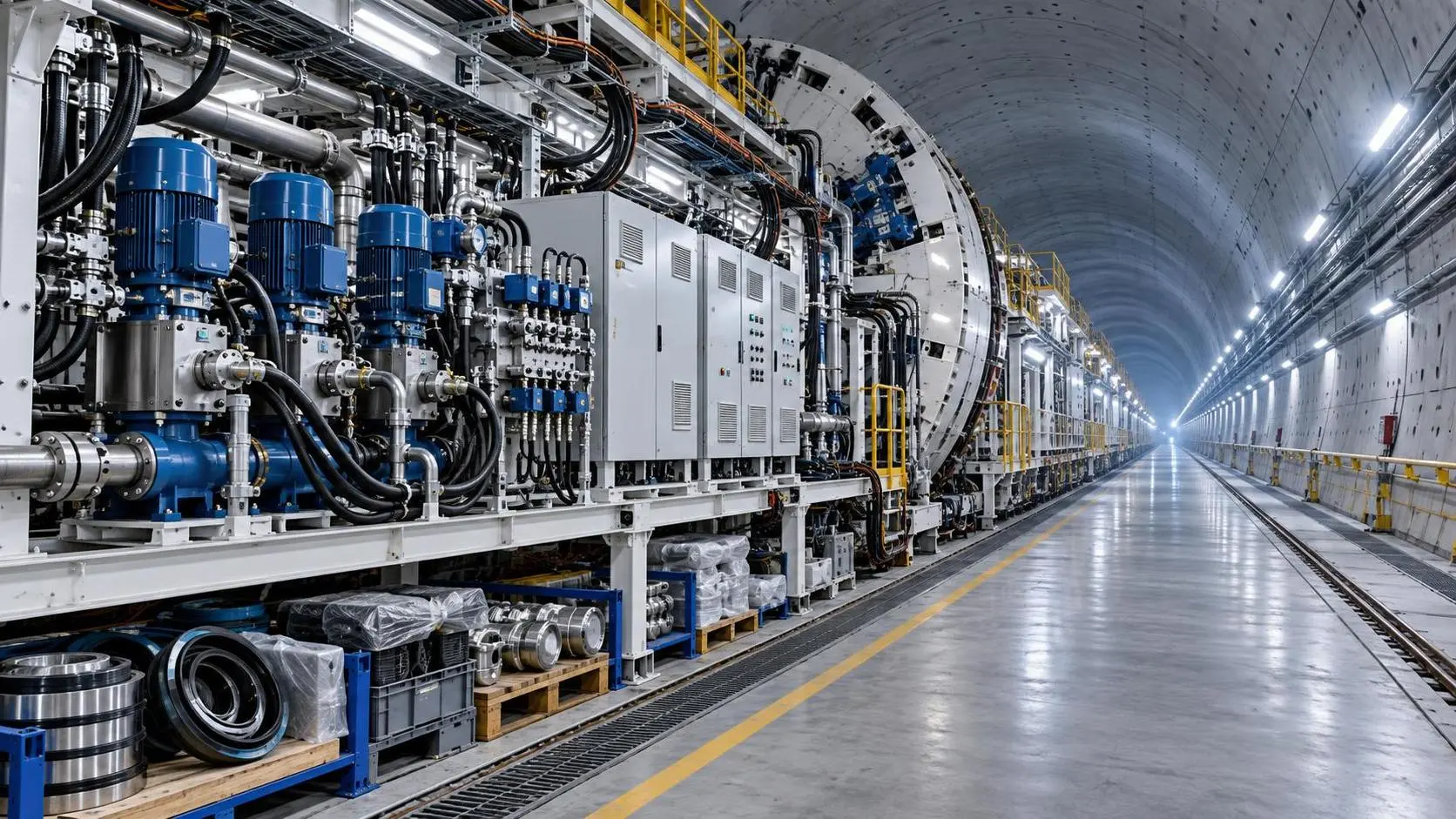
TBM backup system parts: learn how to specify reliable spares for long-distance tunnelling, reduce downtime, ensure compatibility, and speed underground recovery.
How to Size Open Pit Mining Trucks for Haul Distance, Grade, and Payload?
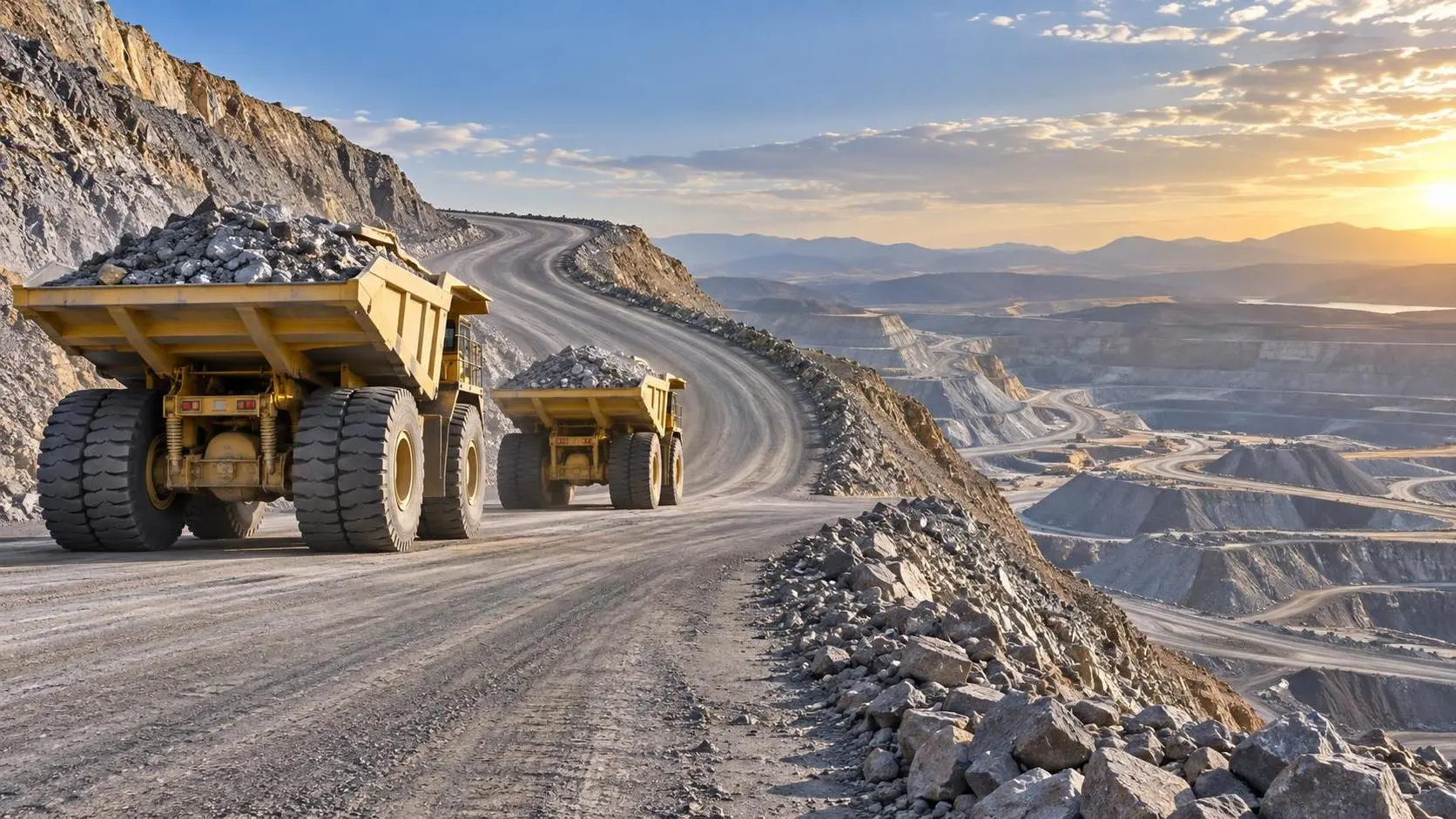
Open Pit Mining Trucks: learn how to match payload, haul distance, grade, road resistance, and loading capacity for safer, lower-cost mine operations.
Related News
- 00
0000-00
How to Evaluate European Drill-and-Blast Tunnelling Contractors for Complex Projects - 00
0000-00
Which Trenchless Construction Technique Fits Your Utility Crossing Conditions? - 00
0000-00
What Is Driving Metro Tunnelling Demand Across Southeast Asia’s Major Cities? - 00
0000-00
Hard Rock Tunnelling in Australia: Selecting Methods for Variable Ground Conditions - 00
0000-00
Hydropower Tunnel Excavation: Selecting Methods for Variable Rock Conditions
Weekly Insights
Stay ahead with our curated technology reports delivered every Monday.