
How TBM Maintenance Services Reduce Unplanned Downtime on Tunneling Projects





Reducing unplanned TBM downtime starts with identifying which developing faults could stop excavation, then intervening while access, people, and parts are available. A rising bearing temperature, a recurring hydraulic leak, or a conveyor overload alarm is more useful when compared with operating conditions and previous observations than when treated as an isolated reading. Maintenance services turn those signals into inspections, planned repairs, and a controlled return to excavation.
The most effective maintenance plan follows the machine’s actual duty. Abrasive ground, frequent starts, water ingress, long conveyor runs, and restricted access can change both the rate of deterioration and the time needed to correct it. A schedule based only on calendar dates can therefore miss a component approaching its wear limit or require unnecessary work on one that has seen little use.
Start with the failures that stop the whole machine
Not every defect deserves the same response. A damaged light may be repairable during a normal stoppage, while a deteriorating main drive, failed cooling circuit, or unavailable spoil conveyor can prevent the entire TBM from advancing. Rank equipment by the consequences of failure, the likelihood of deterioration under current conditions, and the time required to restore operation. Include supporting systems: ventilation, electrical distribution, pumping, segment handling, and spoil removal can all constrain excavation even when the cutterhead is healthy.
The ranking should reflect the specific machine and tunnel. A pump with a standby unit has a different operational consequence from a single pump serving an essential circuit, provided the standby unit is functional and its changeover arrangement has been tested. Similarly, a spare component stored at the surface does not guarantee a quick repair if it cannot be transported through the tunnel or installed with the lifting equipment available underground.
Use the failure history to distinguish frequent interruptions from rare but prolonged events. Repeated short conveyor trips may consume more productive time than their individual duration suggests, while an infrequent drive failure may dominate the recovery plan because diagnosis and replacement are difficult. Both deserve attention, but they call for different interventions.
Read condition data alongside excavation conditions
Condition monitoring is most useful when a trend is tied to a specific component, location, and operating state. Record relevant readings during comparable periods of excavation and note changes in ground, thrust, torque, speed, lubrication, cooling, and maintenance work. A trace without that context can send a repair team toward the wrong cause.
For example, increasing cutterhead torque can reflect harder ground, worn cutters, obstructed spoil flow, or a combination of these conditions. Replacing drive components solely because torque has risen would overlook the excavation environment. Compare torque with penetration, rotational speed, thrust, geological observations, and spoil characteristics before deciding where to investigate. A change in the relationship between these readings can be more revealing than a single high value.
Temperature needs similar care. A bearing that warms during sustained loading may be behaving differently from one that continues to heat after the load has fallen. Compare readings with the machine’s approved limits, the component’s normal trend, cooling performance, and sensor reliability. If a reading approaches a defined protection limit, follow the equipment’s operating and shutdown procedures rather than waiting for a trend to develop.
Vibration data can reveal a developing mechanical issue, but only when the measurement point, sensor mounting, machine speed, and operating state are consistent. A loose sensor or a change in speed can alter the signal. Confirm a suspicious trend with other evidence, such as unusual noise, lubricant condition, temperature, or physical movement where inspection is safe and accessible.
Turn inspections into decisions before a stoppage
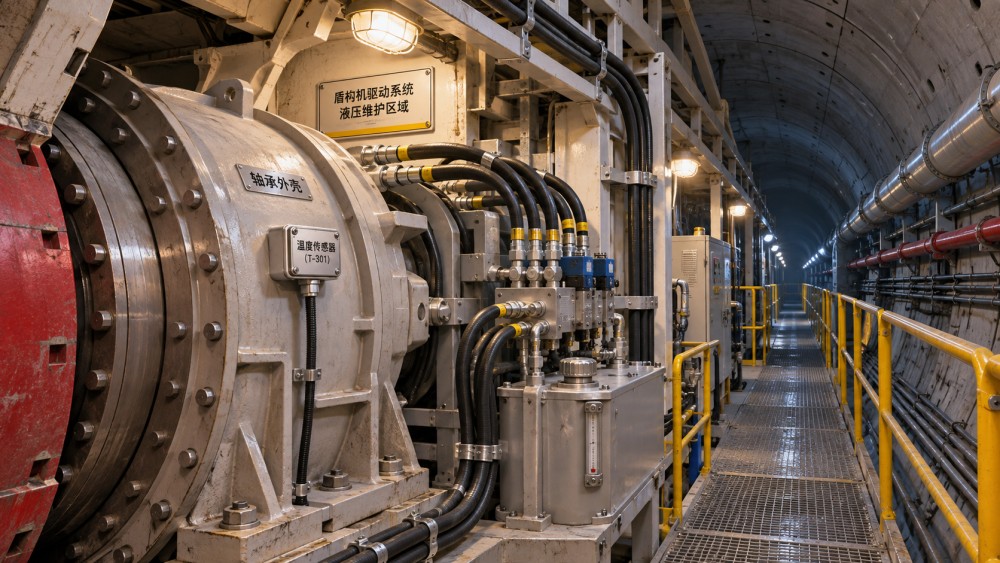
A useful inspection record states what changed, where it was found, how severe it is, and what action follows. “Leak at hydraulic unit” leaves too much uncertainty for the next shift. A better record identifies the circuit and location, describes whether fluid is collecting or actively escaping, notes any pressure or temperature change, and links the finding to a repair or further inspection.
Inspection intervals should follow both the equipment instructions and the observed deterioration rate. A component exposed to abrasive slurry, contaminated water, or repeated load changes may need closer attention than the same component in a less demanding section. Conversely, a reading taken immediately after maintenance may establish a new baseline; comparing it blindly with the pre-repair trend can create a false alarm.
Shift handovers matter because underground defects often develop across several operating periods. Record temporary repairs, bypassed equipment, recurring alarms, and pending parts in a shared log. An alarm that resets successfully on one shift may recur under the same load on the next. Capturing the conditions around each recurrence helps separate a transient event from an emerging failure.
Cutter wear and access planning
Disc cutters and their housings warrant particular attention because wear affects cutting performance and access to the cutterhead can be difficult. Examine available wear measurements, cutter rotation, damage patterns, and ground observations together. A flat spot on a cutter, for example, raises a different question from uniform wear: rotation, seizure, and local ground interaction all need consideration.
Plan cutter inspections around the machine design, geological conditions, and approved intervention procedures. In pressurized ground, cutterhead access can require a designed pressure-control arrangement and specialist personnel; a convenient stoppage alone does not make entry safe. Where wear is progressing rapidly, waiting for the next routine opening can result in damaged cutter housings and a longer repair. The decision to inspect should account for the expected ground ahead, remaining wear allowance, and the time needed to establish safe access.
Focus maintenance on the fault paths behind repeat stoppages
Hydraulic systems
Hydraulic faults often present as slow movement, overheating, pressure loss, or repeated pump alarms. The symptom does not identify the failed part by itself. Slow movement under load, for instance, can result from leakage within a cylinder or valve, inadequate pump delivery, an incorrect setting, or an obstruction. Compare the affected function with other functions served by the same supply before isolating the cause.
Oil cleanliness and fluid condition influence valves, pumps, and actuators. Investigate recurring filter restrictions and contamination findings instead of repeatedly changing filters without tracing the source. Hose routing, abrasion protection, and fittings also deserve attention where vibration or machine movement can damage them. After a repair, confirm the circuit operates correctly through its intended range and inspect the disturbed connections for leakage.
Electrical drives and controls
Electrical interruptions can be difficult to diagnose when a drive trips only during a particular operating sequence. Preserve the alarm history and associated load, speed, temperature, and supply information before resetting or replacing components. A repeated drive trip may originate in the driven equipment, cooling system, power supply, cabling, or the drive itself.
Moisture, dust, loose connections, and damaged cable protection can create intermittent faults. Inspection and testing must follow the machine’s isolation and verification procedures, including any stored-energy hazards. Where a component is replaced, retain the relevant settings and confirm that the replacement is compatible with the existing control arrangement. An otherwise successful hardware repair can still delay restart if configuration or communication settings are missing.
Spoil handling and water management
A healthy cutterhead cannot sustain advance when material cannot leave the machine. Conveyor misalignment, damaged belt sections, blocked transfer points, and overloaded drives can cause repeated stops. Record where spillage or accumulation begins; material found at a downstream location may have originated at an earlier transfer point. Changes in spoil consistency after a ground transition can also alter handling behavior.
Pumps and drainage lines deserve the same attention. A pump that runs continuously without maintaining the expected water level may be facing a blocked intake, worn components, air ingress, or greater inflow. The correct response depends on the observed flow and system condition, so replacing the pump before investigating the line can leave the original problem in place.
Use planned stoppages to shorten the next repair
Planned maintenance reduces downtime only when the work is ready to execute. Define the fault or maintenance task, the acceptance criteria, required isolation points, access route, lifting arrangements, tools, parts, and the people needed to release and test the equipment. Resolve dependencies before the stoppage: a replacement motor is of limited use if the coupling, fasteners, or approved lifting arrangement are unavailable.
Group work that shares an isolation or access requirement, but avoid overloading the available window. Several tasks may compete for the same crane, electrical isolation, or confined work area. Identify the sequence and the task that controls restart, then allow for inspection findings that could change the scope. If an unexpected defect is discovered, assess its condition and consequences before deciding whether it can safely remain in service.
For complex repairs, agree on the handover between excavation, maintenance, electrical, and safety functions before work begins. A clear release point prevents a component from being returned to operation while another activity still depends on its isolation. Record any temporary operating restrictions in the shift log and define how they will be removed.
Position spare parts around repair time, not inventory count
Spare-parts planning should begin with failure consequences and replacement constraints. Identify long-lead or machine-specific items, common consumables, and components whose failure repeatedly interrupts advance. Confirm part numbers against the installed configuration: machines can be modified during a project, and a component listed in an older drawing may no longer match the equipment underground.
Storage condition matters as much as availability. Seals, hoses, lubricants, electrical assemblies, and rotating equipment have different protection and preservation needs. Follow the relevant storage instructions, record shelf-life or inspection requirements where applicable, and keep documentation with the item. A spare damaged by moisture, contamination, or poor handling can turn a planned replacement into another delay.
Decide which parts belong near the machine and which can remain at the surface by considering transport time, storage conditions, available space, and frequency of use. For a large assembly, the route to the work site, handling points, and removal sequence are part of the spare-parts plan. Periodically reconcile the stock record with physical inventory so that an item reserved for a repair is actually available when needed.
Verify the repair and learn from the interruption
Before returning to excavation, test the repaired function under the conditions permitted by the machine procedures. Confirm protective devices and interlocks are restored, inspect the work area, and compare relevant readings with the expected operating range. A no-load test alone may not reveal a fault that appears only when thrust, torque, hydraulic demand, or spoil flow increases. Bring the system back into service in a controlled sequence and watch the readings associated with the original problem.
Close the maintenance record with the observed symptom, diagnosis, work performed, parts used, test result, and any remaining restriction. If the cause is unresolved, state that explicitly and assign follow-up monitoring. Distinguish the initiating fault from the time spent waiting for access, diagnosis, parts, and verification; each points to a different way to shorten a future interruption.
Review recurring stoppages after enough evidence has accumulated to identify a pattern. A replacement that restores operation without preventing recurrence is useful immediate recovery, but the next investigation should examine the conditions that damaged the part. Feed confirmed findings back into inspection intervals, spare holdings, and work instructions so the next intervention can be planned earlier.
Related News
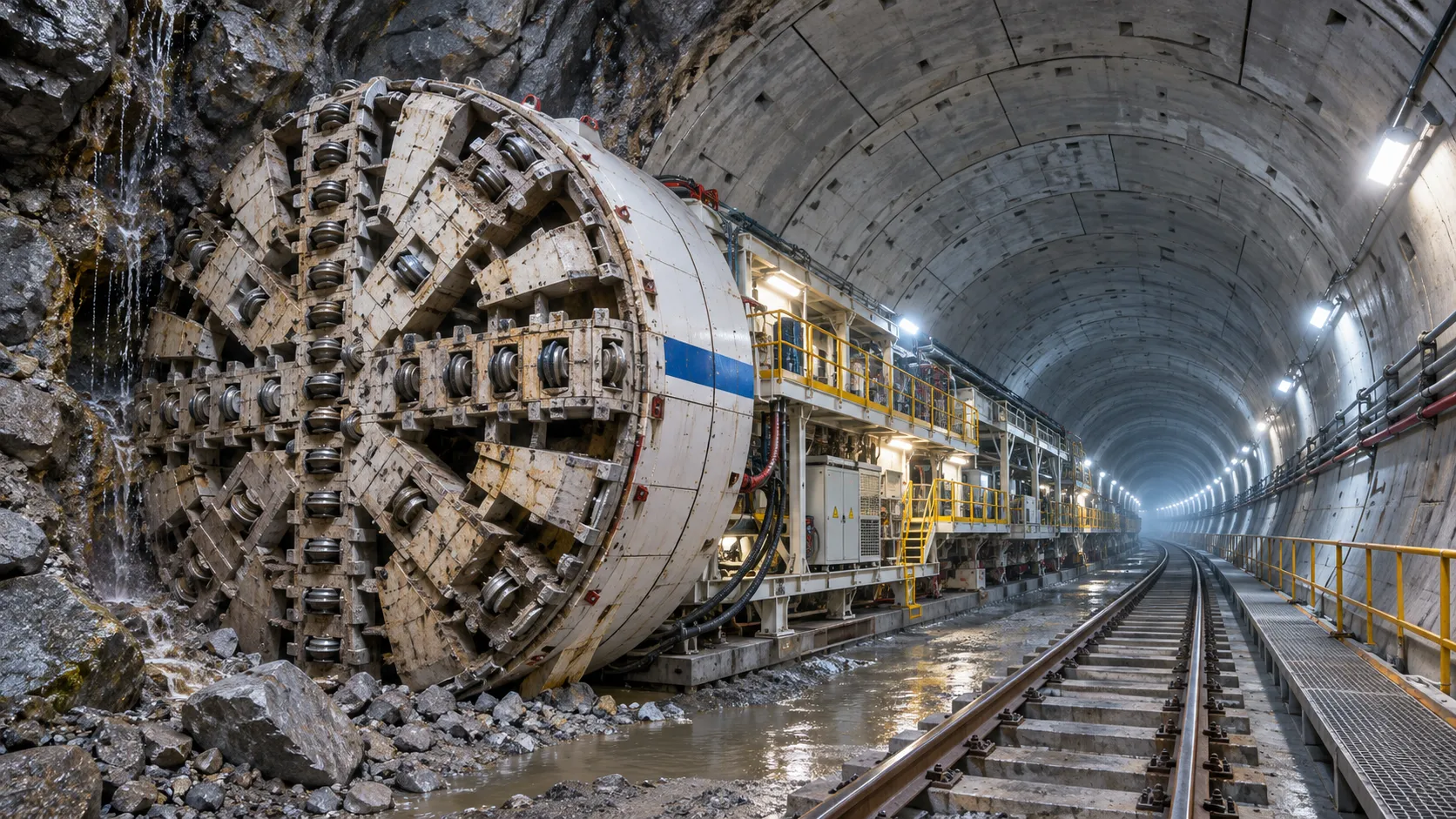
Mega Tunnel Contractors: How to Evaluate Experience and Project Risks
Evaluate mega tunnel contractors with confidence. Learn how to assess relevant experience, ground risks, construction plans, and bid assumptions before award.
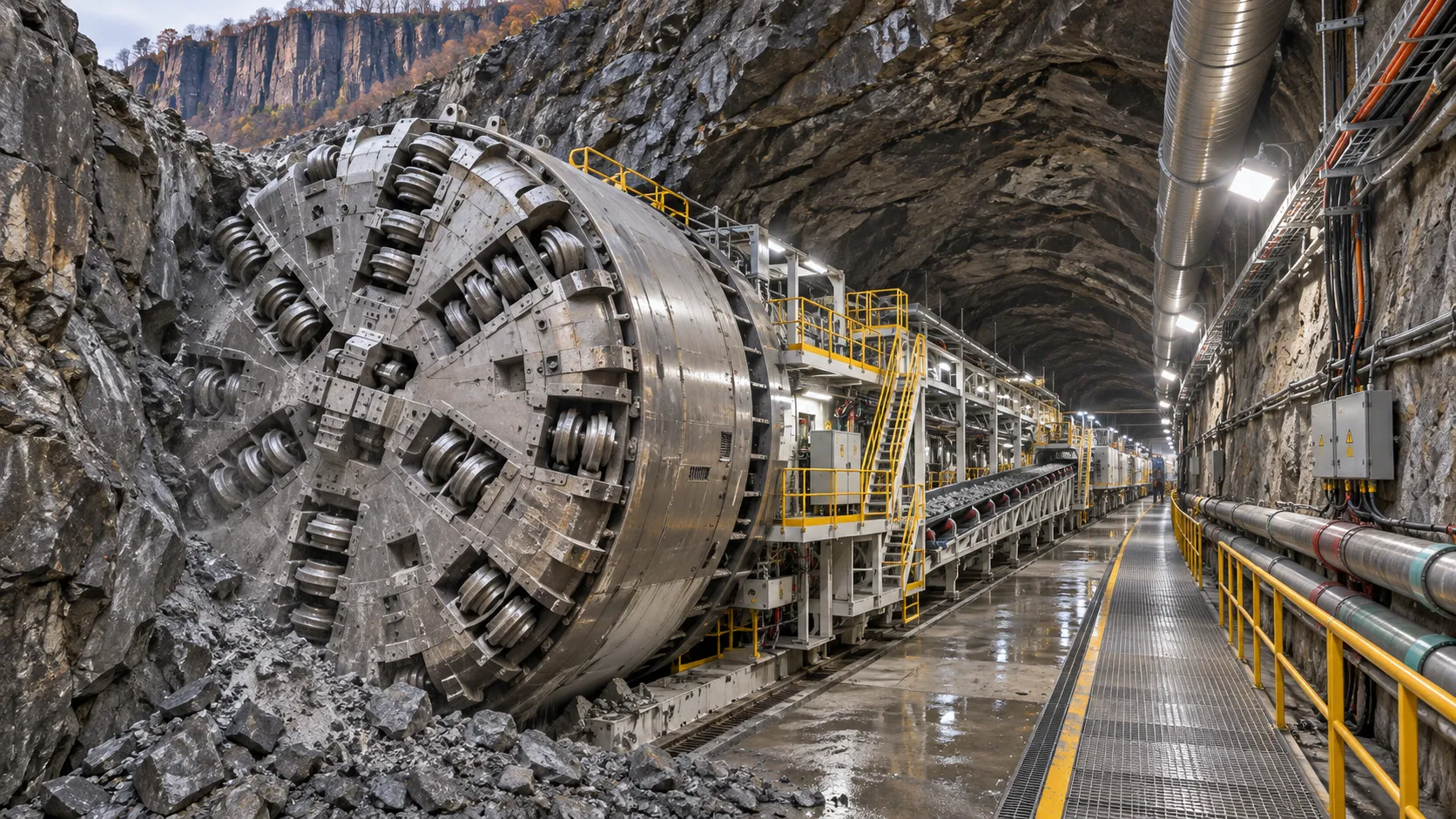
Hudson Tunnel Project’s Second TBM Begins Excavating South Tunnel
Hudson Tunnel Project’s second TBM begins south tunnel excavation. Explore what this milestone could mean for contractors and suppliers.
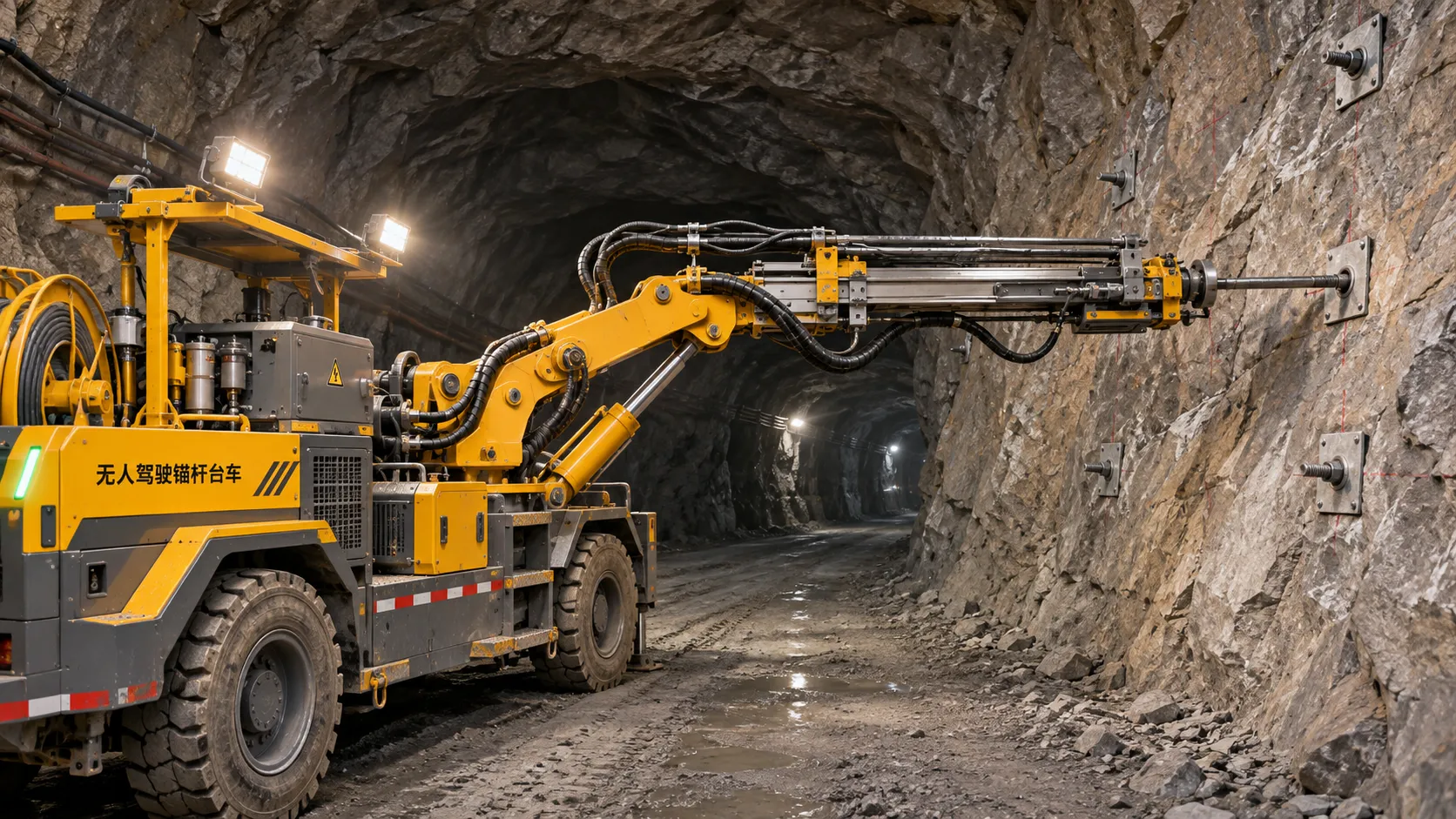
How Bolting Jumbo Automation Works in Underground Rock Support
Explore how bolting jumbo automation coordinates drilling and rock support, and discover what to assess for safer, more consistent underground operations.
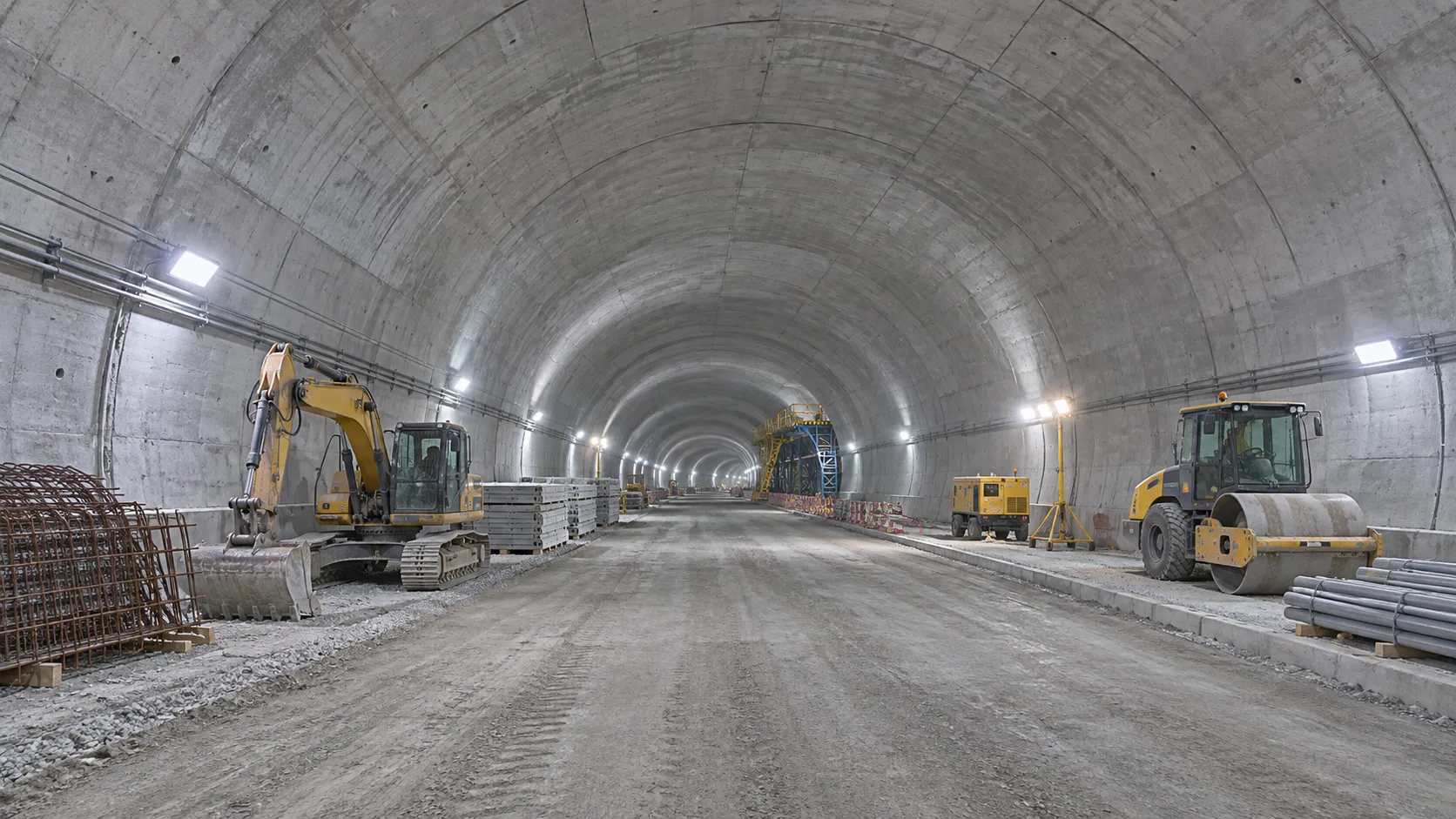
China’s Transport Ministry Issues Highway Tunnel Upgrade Standard
China’s highway tunnel upgrade standard takes effect December 1, 2026. Explore potential implications for contractors, project owners and equipment suppliers.
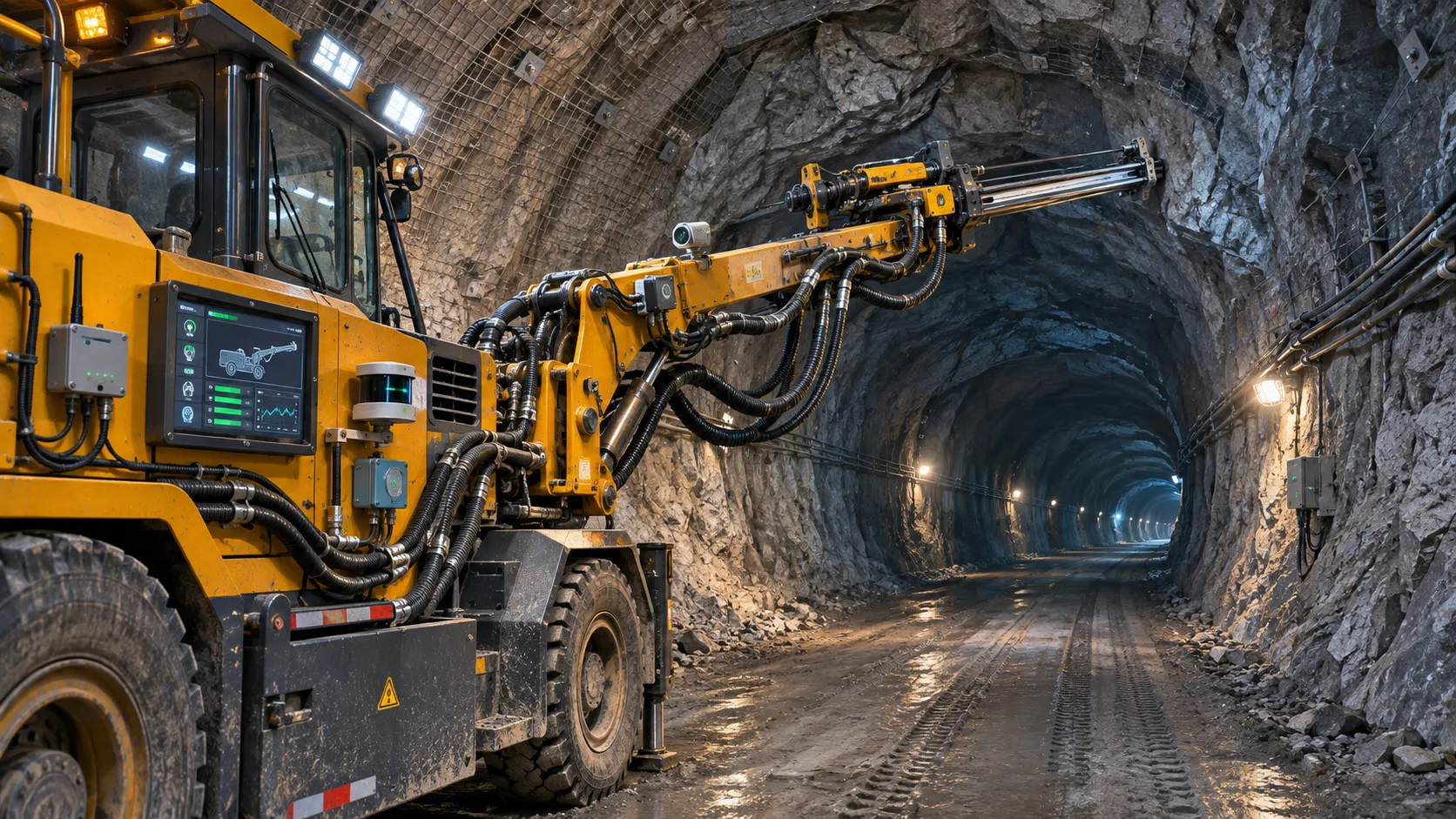
Smart Underground Mining Analytics: Using Equipment Data to Reduce Downtime
Smart underground mining analytics turns equipment data into actionable insights. Discover how to reduce downtime and improve maintenance decisions.
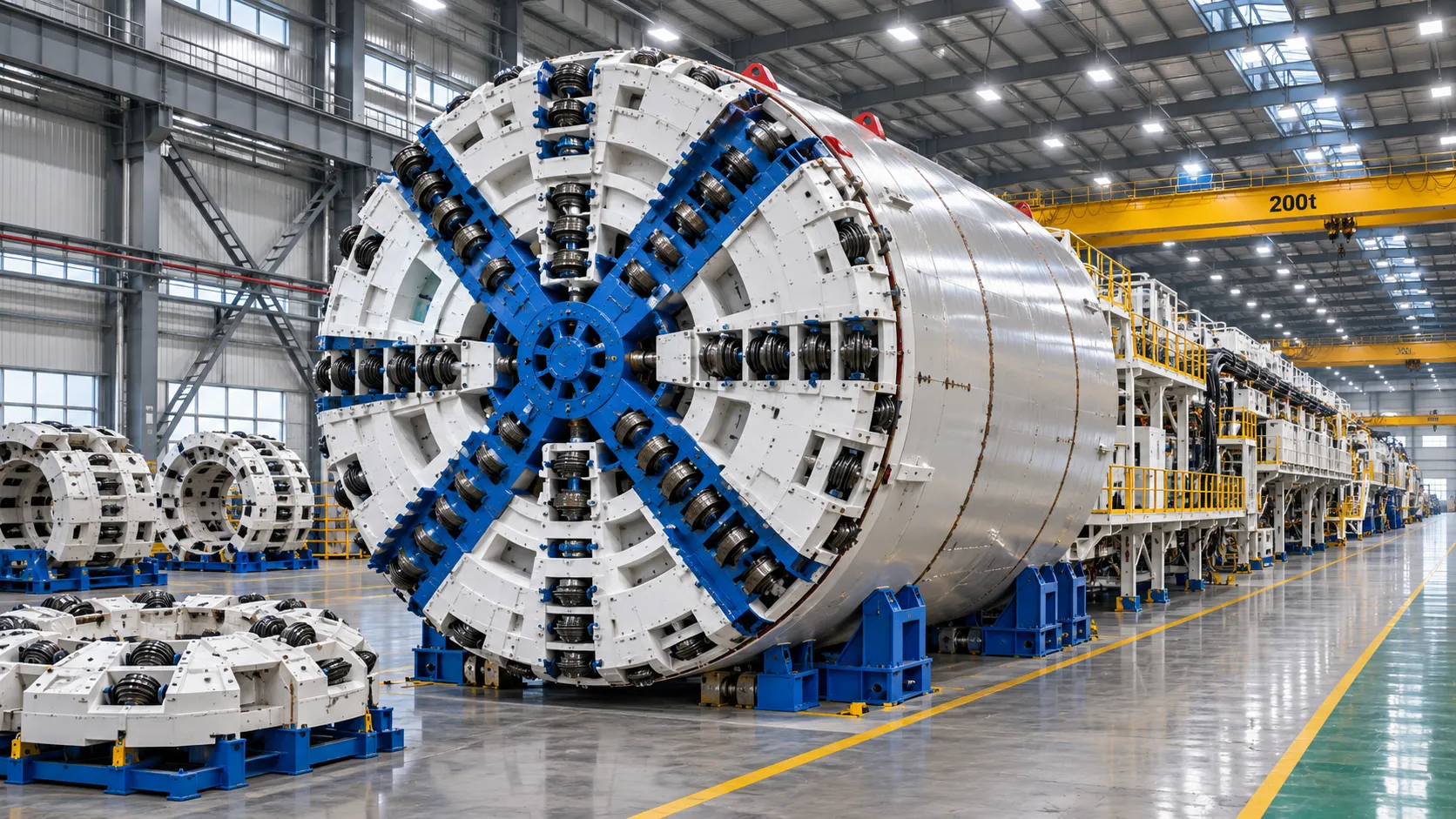
Three Export Control Notices Take Effect November 18, Adding Tunnel Boring Machines
China export controls add tunnel boring machines to the dual-use list. Explore potential licensing implications for equipment, components and project delivery.
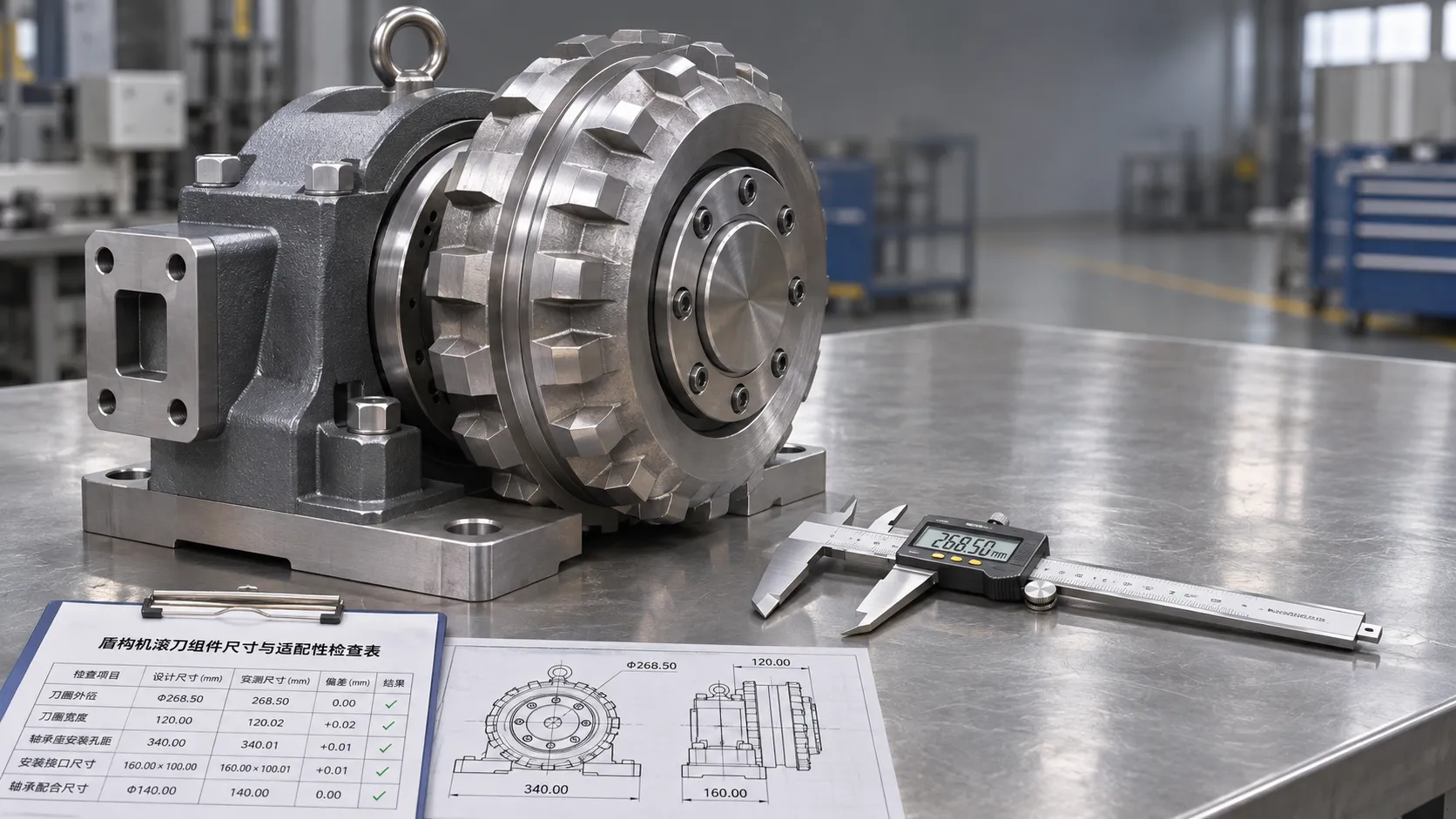
Choosing a TBM Components Supplier: Lead Times, Quality and Compatibility
Choose a TBM components supplier with confidence. Compare lead times, quality evidence and compatibility to reduce procurement risk and keep your project moving.
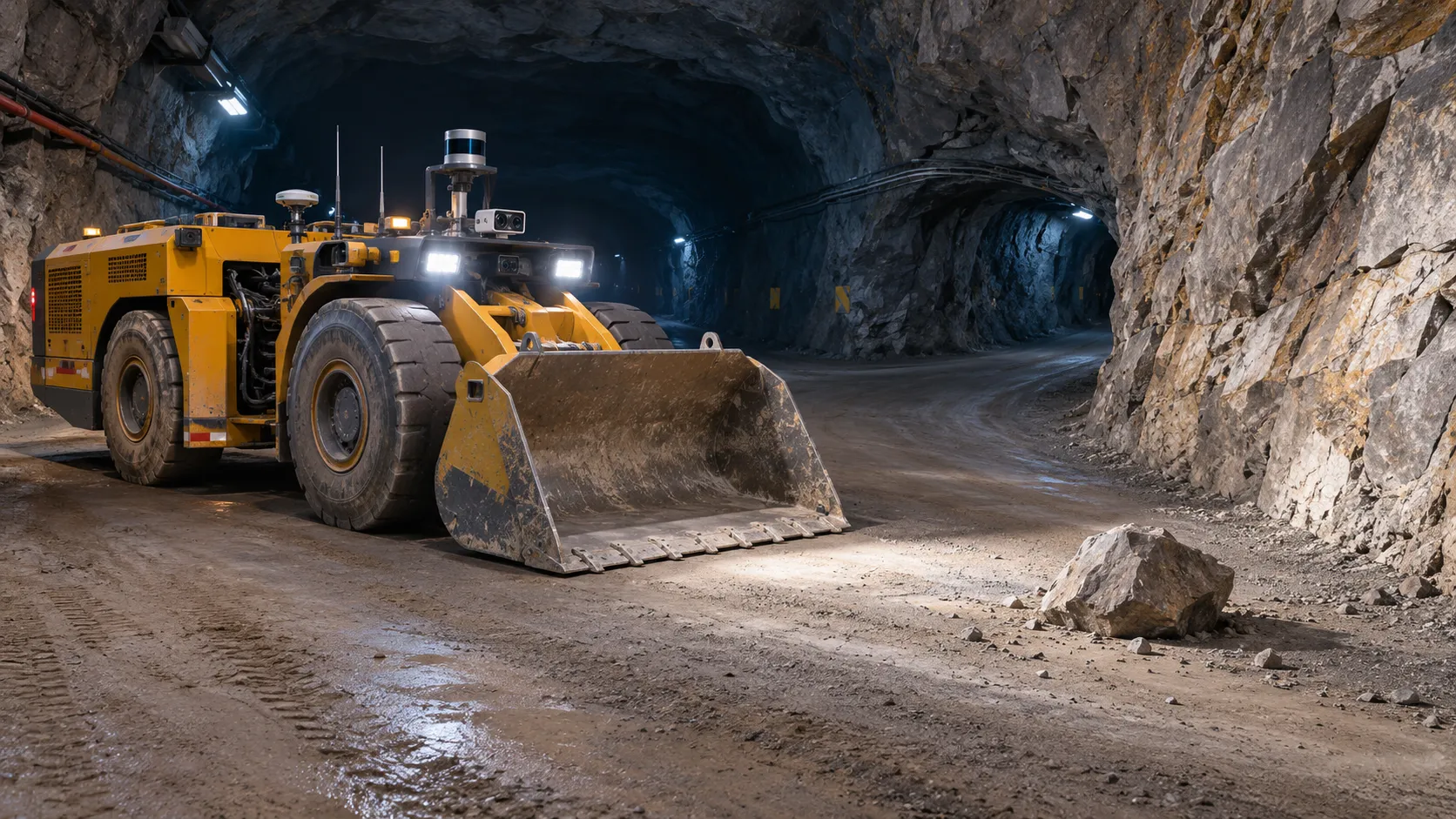
How Autonomous LHD Collision Avoidance Works in Underground Mines
Discover how autonomous LHD collision avoidance combines sensing, positioning and braking to manage underground hazards and support safer mine operations.

Mining Equipment Market Could Reach $19.42 Billion by 2033, Report Says
Mining equipment market could reach $19.42 billion by 2033. Explore how electrification, automation and surface mining demand are shaping the industry's outlook.
Related News
- 00
0000-00
Mega Tunnel Contractors: How to Evaluate Experience and Project Risks - 00
0000-00
Hudson Tunnel Project’s Second TBM Begins Excavating South Tunnel - 00
0000-00
How Bolting Jumbo Automation Works in Underground Rock Support - 00
0000-00
China’s Transport Ministry Issues Highway Tunnel Upgrade Standard - 00
0000-00
Smart Underground Mining Analytics: Using Equipment Data to Reduce Downtime
Weekly Insights
Stay ahead with our curated technology reports delivered every Monday.