
How Ventilation on Demand Improves Airflow Efficiency in Underground Mines





In underground mining, airflow efficiency has moved far beyond a compliance checkbox. For project leaders, it now sits at the intersection of safety, energy cost, equipment utilization, and production continuity. That shift is why ventilation on demand is attracting more attention in discussions around Mine Ventilation Solutions. The real question is not whether the concept sounds advanced. It is whether it can solve a specific operational problem better than a fixed-volume ventilation model, and whether the mine has the conditions to make it work reliably.
In practical terms, ventilation on demand adjusts airflow based on where people and diesel or battery-electric equipment are actually operating, rather than ventilating every active zone at the same level all the time. In older mines, this can look like a straightforward way to reduce fan power and control heat or diesel particulate exposure. In newer operations, it is often part of a wider push toward digital mine management, where ventilation data is tied to fleet tracking, shift planning, and production sequencing.
Why project teams are paying closer attention now
The interest is coming from several directions at once. Power is expensive. Deeper mines are hotter and more complex to ventilate. Production networks are changing faster during a shift because of mobile equipment, contractor movement, and dynamic development headings. At the same time, many operators are under pressure to improve environmental performance, even when they are not yet ready for full electrification.
In that environment, a fixed ventilation strategy often over-serves some areas and under-serves others. That imbalance shows up in several ways: excessive fan energy, long re-entry delays after blasting, bottlenecks in active headings, and difficulty maintaining acceptable air quality in zones where equipment traffic spikes unexpectedly. Ventilation on demand is attractive because it promises a closer match between airflow and real operating demand.
That promise matters most when ventilation is already one of the mine’s largest indirect operating costs. In many underground mines, fan power can represent a substantial share of site electricity use, though the exact percentage varies widely by mine depth, layout, fleet composition, climate, and orebody geometry. Any claim of universal savings should be treated carefully. The savings are real in the right setting, but they are not automatic.
Where ventilation on demand tends to make the most sense
Not every underground mine benefits equally. The strongest business case usually appears where three conditions exist together: a large or segmented ventilation network, meaningful variation in equipment and workforce location during the shift, and a control system capable of acting on real-time information.
Project managers should be especially interested when they see the following operating patterns:
- Multiple production zones with changing activity levels across the day
- Long declines, ramps, or distributed headings where airflow demand is uneven
- High diesel fleet utilization driving heat and emissions load
- Ventilation constraints that are limiting development or stope access
- Rising energy costs forcing review of all auxiliary systems
- Expansion projects where existing ventilation capacity is close to its practical limit
In these cases, ventilation on demand can do more than trim electricity use. It can delay or reduce capital-intensive ventilation upgrades, improve scheduling flexibility, and support better use of available headings. For a project leader, that broader value often matters more than headline energy savings alone.
What actually changes in operations
The most useful way to view ventilation on demand is not as a fan-control upgrade, but as an operating model. It depends on connecting three layers that are often managed separately: airflow hardware, underground location or activity data, and control logic tied to real production behavior.
At the field level, this may involve variable speed main or auxiliary fans, automated louvers, regulators, sensors for airflow and air quality, and communications links across working areas. At the data layer, the system may pull from personnel tags, vehicle tracking, dispatch systems, blast schedules, and environmental monitors. At the control layer, the mine defines rules for when airflow must increase, decrease, or remain locked at minimum safe levels.
The operational result is that air follows work more closely. If a heading is inactive, the system can reduce airflow within approved limits. If loaders, drilling jumbos, or service crews enter a zone, ventilation ramps up. If blasting has taken place, post-blast clearing can be managed according to measured or rule-based thresholds rather than broad assumptions.
That sounds simple, but the quality of the outcome depends heavily on how accurate the activity signals are and how the mine handles exceptions. A poorly tuned system may respond too slowly, overreact to bad data, or create confusion underground if crews do not trust what the system is doing.
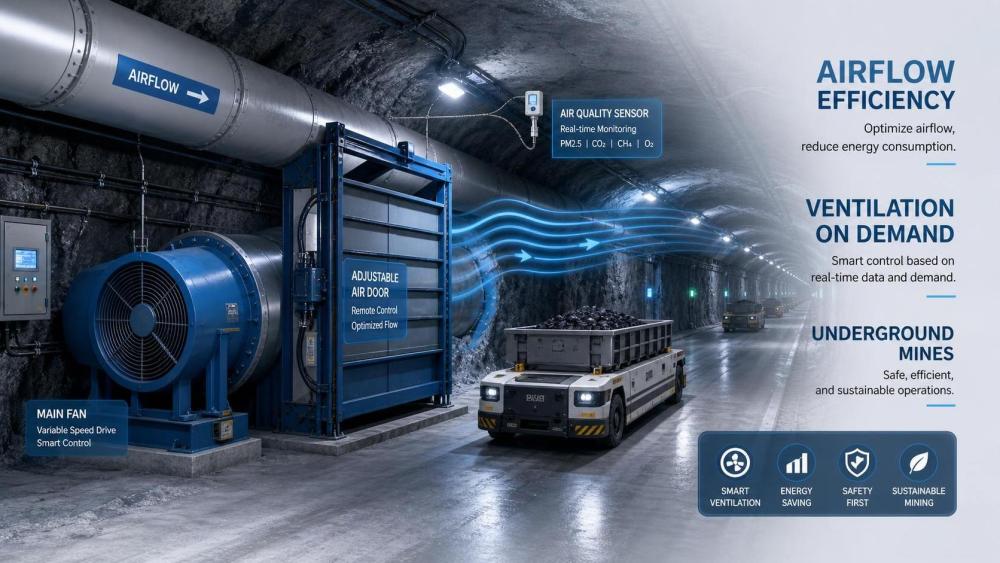
The strongest gains often come from coordination, not hardware alone
One of the more common misunderstandings is that ventilation on demand is mainly a mechanical retrofit. In reality, many underperforming deployments struggle not because the fans or sensors are inadequate, but because the operating rules were designed without enough input from mine planning, production, maintenance, and EHS teams.
For example, if dispatch data says a truck has left a zone but a maintenance crew remains there, the ventilation response cannot rely only on mobile fleet movement. If a development heading is entered outside the planned sequence, the control logic must still provide a reliable airflow response. If communications coverage is patchy, the system needs fail-safe behavior rather than optimistic assumptions.
That is why project managers should frame implementation as a cross-functional systems project. The best results usually come when ventilation engineers, mine planners, control system teams, and operations supervisors define the logic together. Otherwise, the mine risks building a technically impressive system that is operationally distrusted and manually overridden.
Where the business case is real, and where it gets overstated
Ventilation on demand can deliver meaningful returns, but the business case needs to be built on the mine’s actual constraints. There are several legitimate value drivers:
- Reduced fan energy consumption in underused areas
- Improved air quality in active headings through more targeted airflow delivery
- Potential productivity gains from shorter waiting times and better heading availability
- Deferred ventilation expansion capital in some brownfield operations
- Better visibility into how ventilation demand aligns with the production plan
Still, project teams should be careful with simplified claims. Ventilation on demand does not eliminate the need for baseline ventilation capacity. It does not remove regulatory obligations. It does not guarantee savings if the mine already operates with relatively stable airflow demand or if the system spends most of the time at high output anyway. And in deeper or thermally stressed mines, cooling demand may remain a limiting factor even when airflow is managed more intelligently.
Another area that gets overstated is payback speed. Vendors and solution advocates may point to compelling returns, but actual payback depends on ventilation network complexity, instrumentation scope, software integration, change management effort, and how much controllable variability exists underground. In a mine with limited digital readiness, the implementation burden can be higher than expected.
Battery-electric fleets change the equation, but do not make ventilation simple
There is a growing assumption across the underground sector that battery-electric equipment will sharply reduce ventilation requirements. In broad terms, that is directionally true, especially where diesel particulate and combustion heat are major drivers. But project leaders should not treat electrification as a reason to postpone ventilation optimization.
First, many mines are operating mixed fleets for years, not months. Second, battery-electric equipment changes ventilation demand patterns rather than eliminating them. Heat loads, charging infrastructure, fire risk management, refuge strategies, and localized activity still matter. Third, airflow control becomes more valuable when mines are trying to coordinate electrified equipment, charging windows, and production sequencing in tighter underground networks.
For operations following the wider transition toward smart underground mining, ventilation on demand is increasingly part of the digital backbone, not just a utility upgrade. It connects well with asset tracking, automated dispatch, and remote operations, especially in mines aiming for higher utilization with lower emissions intensity.
What project managers should evaluate before moving forward
For a project or operations lead, the right starting point is not technology selection. It is site diagnosis. A mine should be able to answer several practical questions before deciding whether ventilation on demand belongs in the next capital program or operating improvement plan.
- Is ventilation currently a binding production constraint, a cost problem, or both?
- How variable is actual underground activity by zone, shift, and season?
- How reliable is existing tracking data for people, vehicles, and equipment status?
- What parts of the ventilation network are already controllable, and what remains manual?
- Are communications and sensor coverage strong enough for dependable control?
- What fail-safe mode will apply when data is missing or hardware faults occur?
- How will operators, supervisors, and maintenance teams work with the system day to day?
These questions matter because many deployment risks are operational rather than theoretical. If zone definitions do not match how crews actually work, airflow logic becomes brittle. If maintenance ownership is unclear, sensors and dampers degrade and the system loses credibility. If the control philosophy is too complex, local teams may bypass it under schedule pressure.
Key implementation risks that deserve early attention
Several risks appear repeatedly in ventilation optimization projects, especially when the organization focuses on the software layer before field conditions are stable.
Data quality risk
Ventilation on demand is only as good as the signals it receives. Inaccurate vehicle location, inconsistent personnel tagging, or incomplete integration with shift activities can lead to wrong airflow decisions. Conservative fallback rules are essential.
Control complexity
It is tempting to create highly granular zone logic, but over-engineering can reduce maintainability. Mines often benefit from starting with a limited number of high-impact zones and expanding only after performance is proven.
Workforce adoption
If crews do not understand response times, airflow thresholds, or override procedures, they may interpret normal system behavior as a fault. Operational trust is built through commissioning discipline and clear site procedures, not through dashboards alone.
Integration burden
Connecting ventilation controls to fleet management, environmental monitoring, and mine planning systems can be more difficult than expected, especially in brownfield sites with mixed vendors and legacy infrastructure. Integration scope should be treated as a core project workstream, not a late-stage detail.
Compliance interpretation
Regulatory requirements differ by jurisdiction, and site-specific interpretation can matter. Minimum airflow rates, post-blast re-entry rules, and emergency ventilation procedures should be checked carefully against applicable regulations and internal standards. Any site-specific compliance assumptions should be marked 【待核实】 until validated.
How to think about rollout: phased, measurable, and tied to decisions
For most mines, a phased rollout is more defensible than a full-network transformation from day one. The best early candidates are zones with clear airflow variability, measurable energy use, and manageable operational complexity. A pilot should not only ask whether fan speeds changed. It should test whether the system improved decision quality: Did active headings get air faster? Were waiting times reduced? Did supervisors trust the control response? Were manual interventions frequent?
A practical evaluation framework for project leaders can look like this:
That approach keeps the discussion grounded. It moves the conversation away from abstract digital transformation language and toward site-specific operating value.
What to watch over the next few years
Across the underground mining sector, ventilation on demand is likely to evolve in parallel with three broader shifts: deeper integration of equipment telemetry, wider adoption of electrified and autonomous fleets, and tighter pressure on both energy intensity and underground working conditions. Mines that once treated ventilation as a background utility are beginning to manage it as a dynamic production input.
For project managers, the most important change may be organizational rather than technological. Ventilation decisions are becoming less isolated inside a specialist engineering function and more connected to mine scheduling, fleet strategy, decarbonization planning, and digital infrastructure. That does not mean every mine should invest immediately. It does mean the topic deserves a more serious screen than it received a decade ago.
In the end, ventilation on demand is worth attention when it helps a mine do something concrete: unlock constrained headings, cut avoidable energy use, improve air quality where work is actually happening, or create a cleaner operating model for a more automated underground future. If those pressures are already visible on site, the right question is no longer whether the idea is interesting. It is whether the mine is ready to implement it with enough discipline to make the gains stick.
Related News
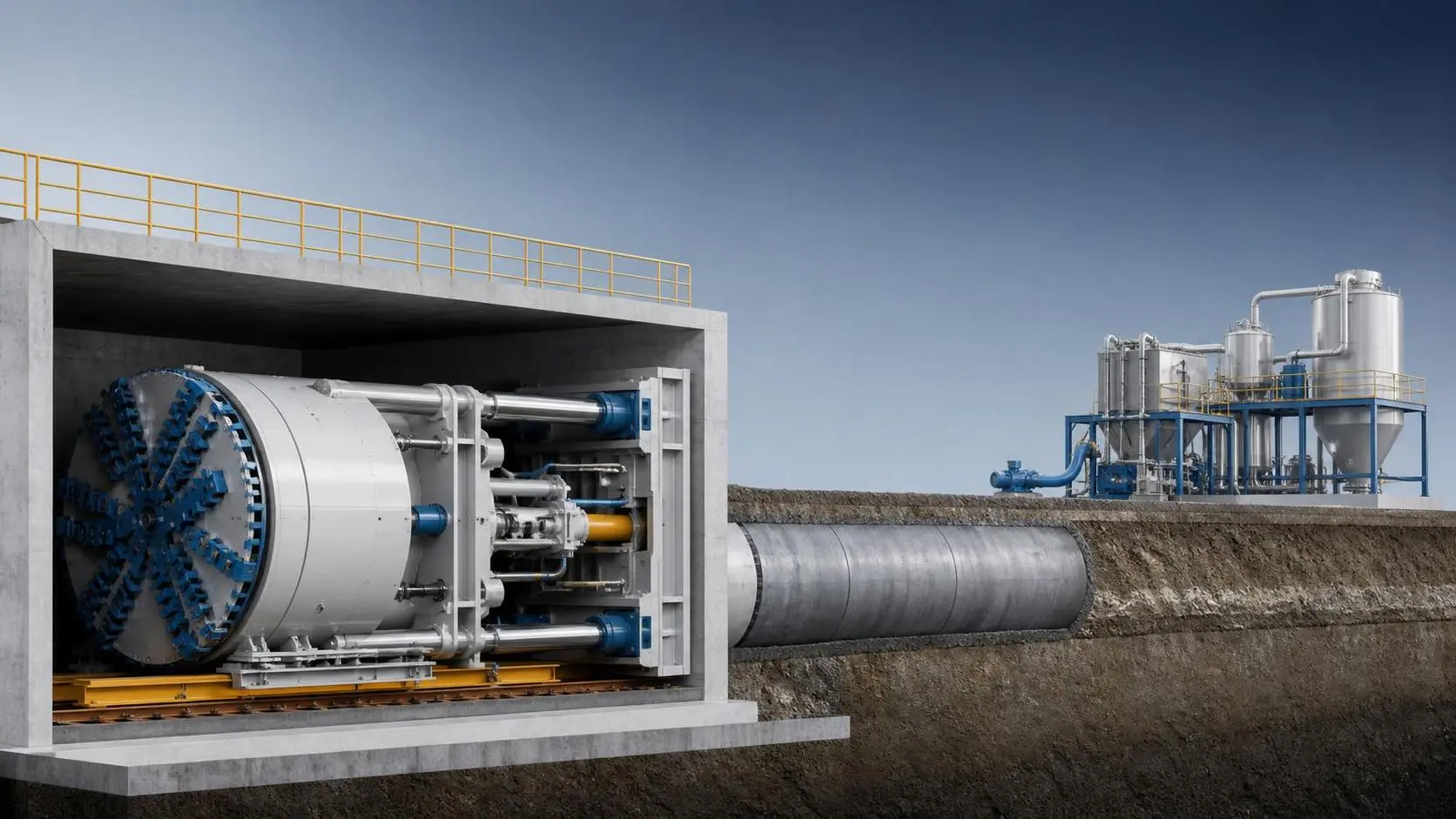
How to Evaluate Pipe Jacking Equipment for Municipal Sewer and Utility Projects
Pipe jacking equipment for municipal projects: learn how to compare machine type, steering, spoil handling, safety, and lifecycle cost for reliable sewer and utility installation.
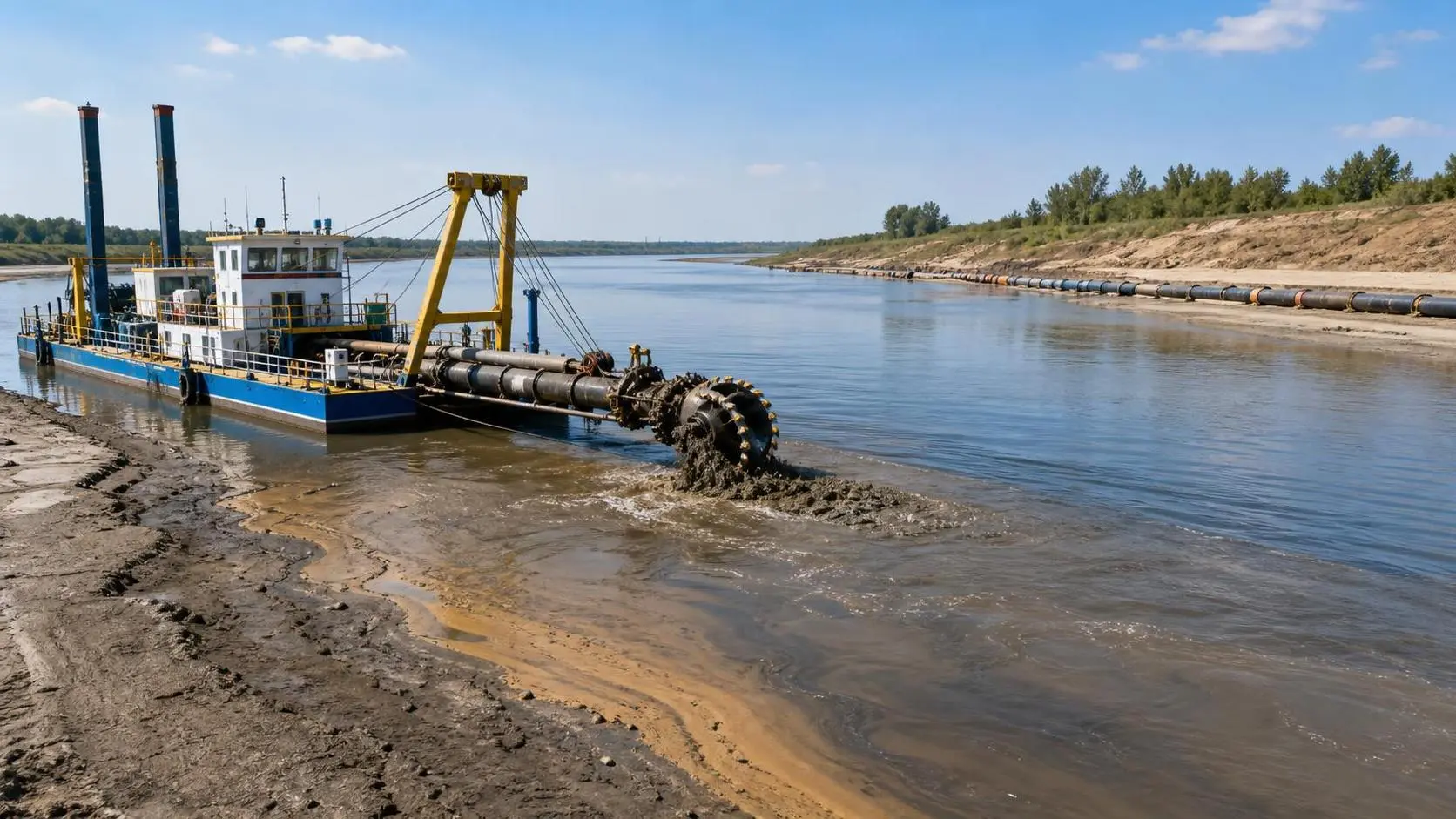
How YLCSD300 Cutter Suction Dredger Parameters Affect River Dredging Output
YLCSD300 cutter suction dredger output depends on cutter, pump, pipe, depth, and hull balance. Learn how river conditions shape real dredging performance before you buy.
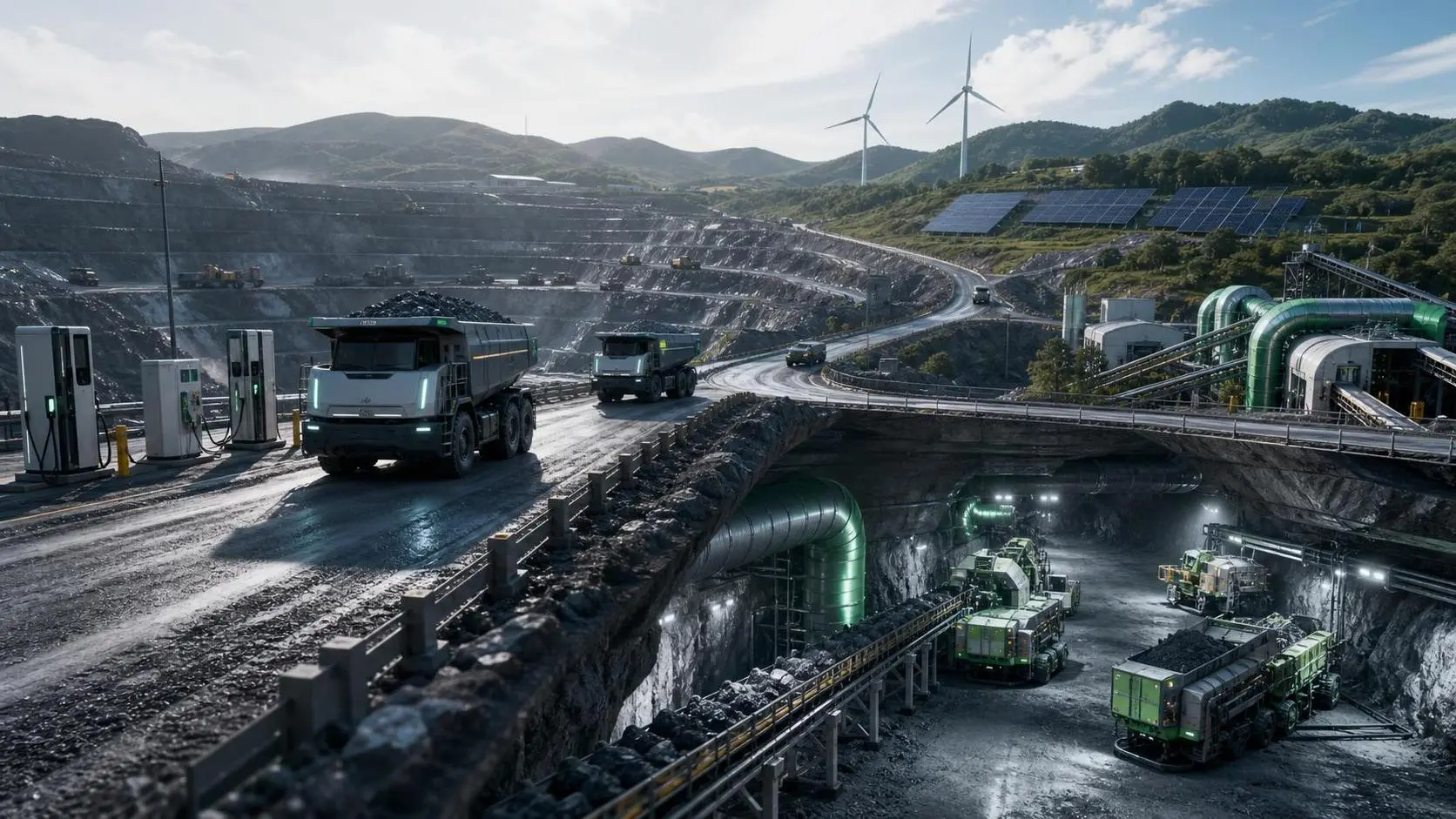
What Should a Mine Decarbonization Roadmap Include to Cut Emissions Without Hurting Output?
Mine decarbonization roadmap essentials: learn how to cut mining emissions with phased electrification, ventilation planning, and infrastructure readiness—without sacrificing output.
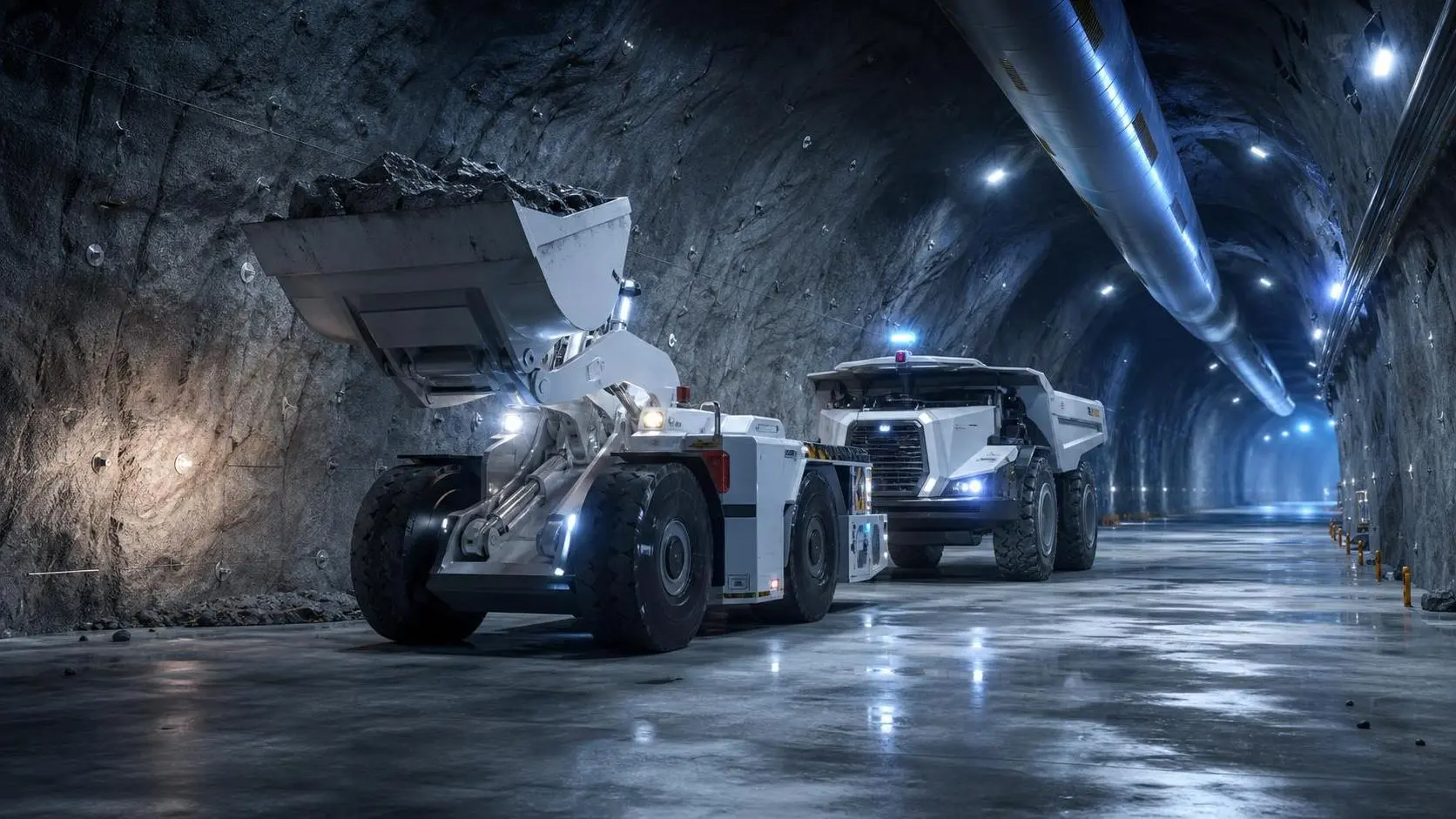
How to Evaluate Underground Mine Automation Companies for Safety and ROI
Underground mine automation companies vary widely in safety, interoperability, and ROI. Learn how to compare vendors, reduce deployment risk, and choose a scalable solution.
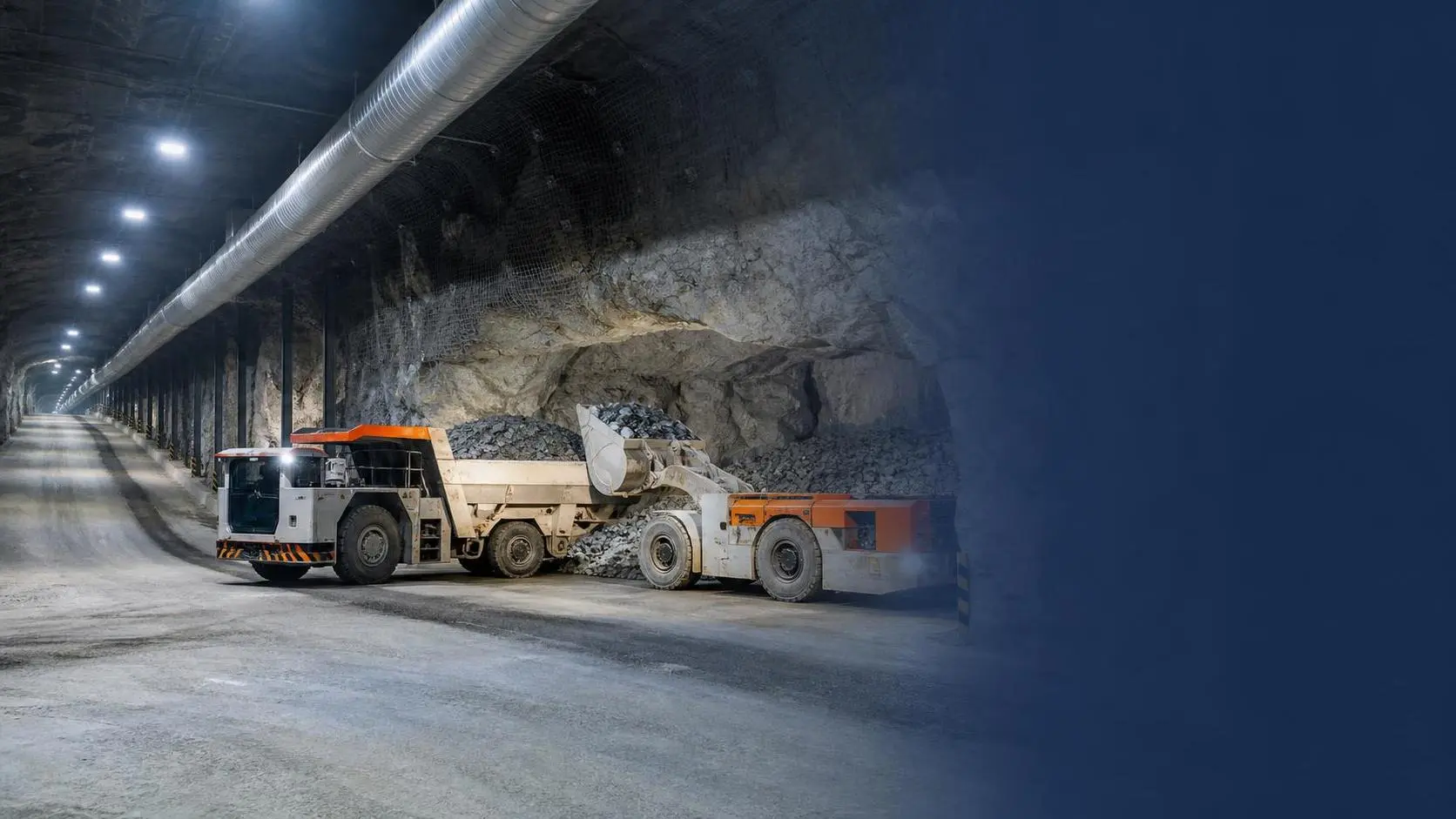
How to Evaluate Underground Haulage Systems for Ore Output, Ramp Grade, and Ventilation Limits
Underground haulage systems should be evaluated by ore output, ramp grade, and ventilation limits—not brochures. Learn how to compare trucks, LHDs, and electric options for smarter mine planning.
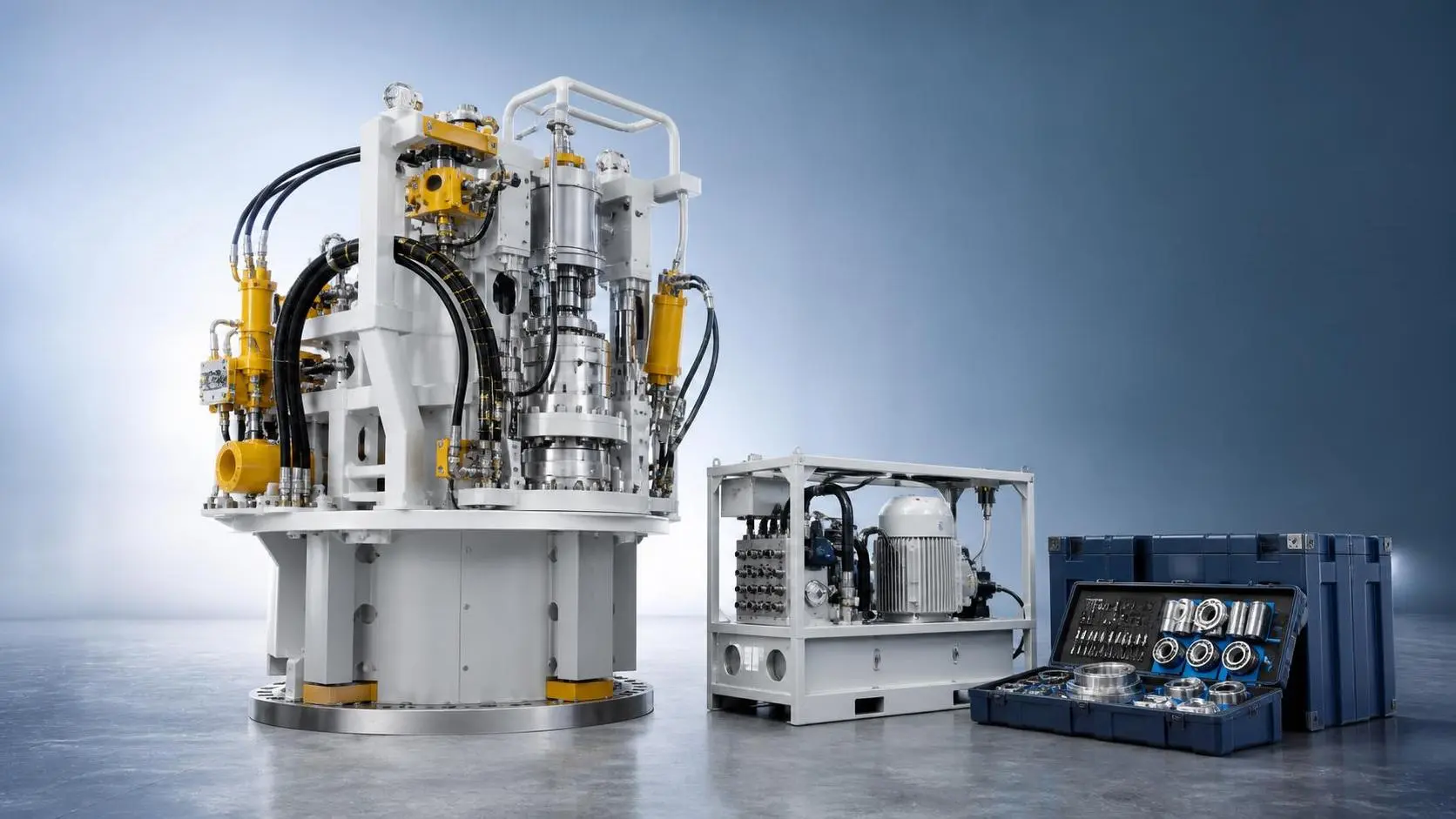
How to Evaluate a Pipe Jacking Equipment Distributor for Project Support and Uptime
Pipe jacking equipment distributor evaluation made practical: learn how to assess parts support, service response, training, and technical readiness to reduce downtime and protect project uptime.
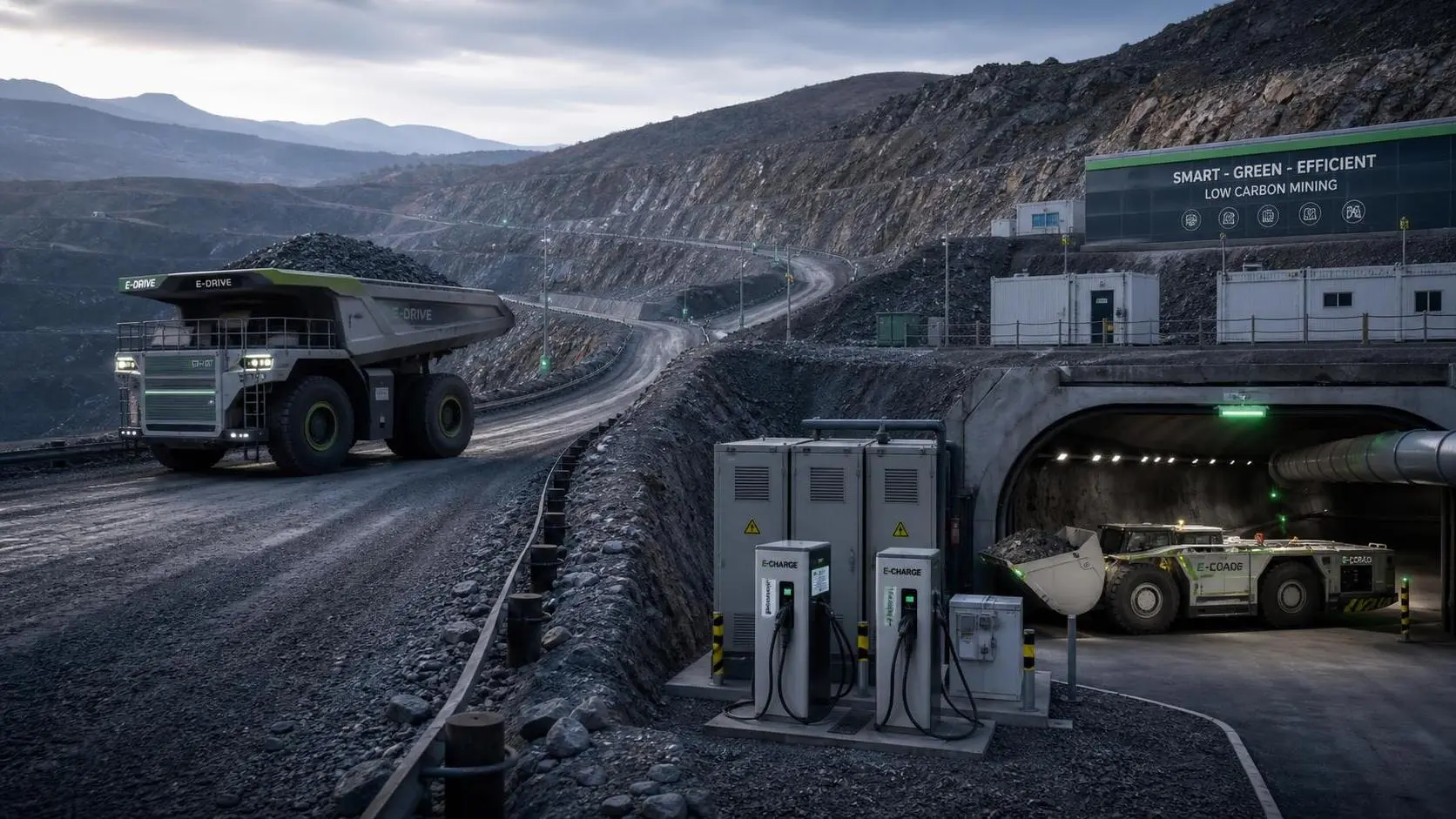
How to Build a Mining Decarbonization Strategy That Balances Emissions, Cost, and Fleet Reality
Mining decarbonization strategy starts with fleet reality. Learn how to cut emissions, control cost, and align power, ventilation, and production for a practical mine transition.
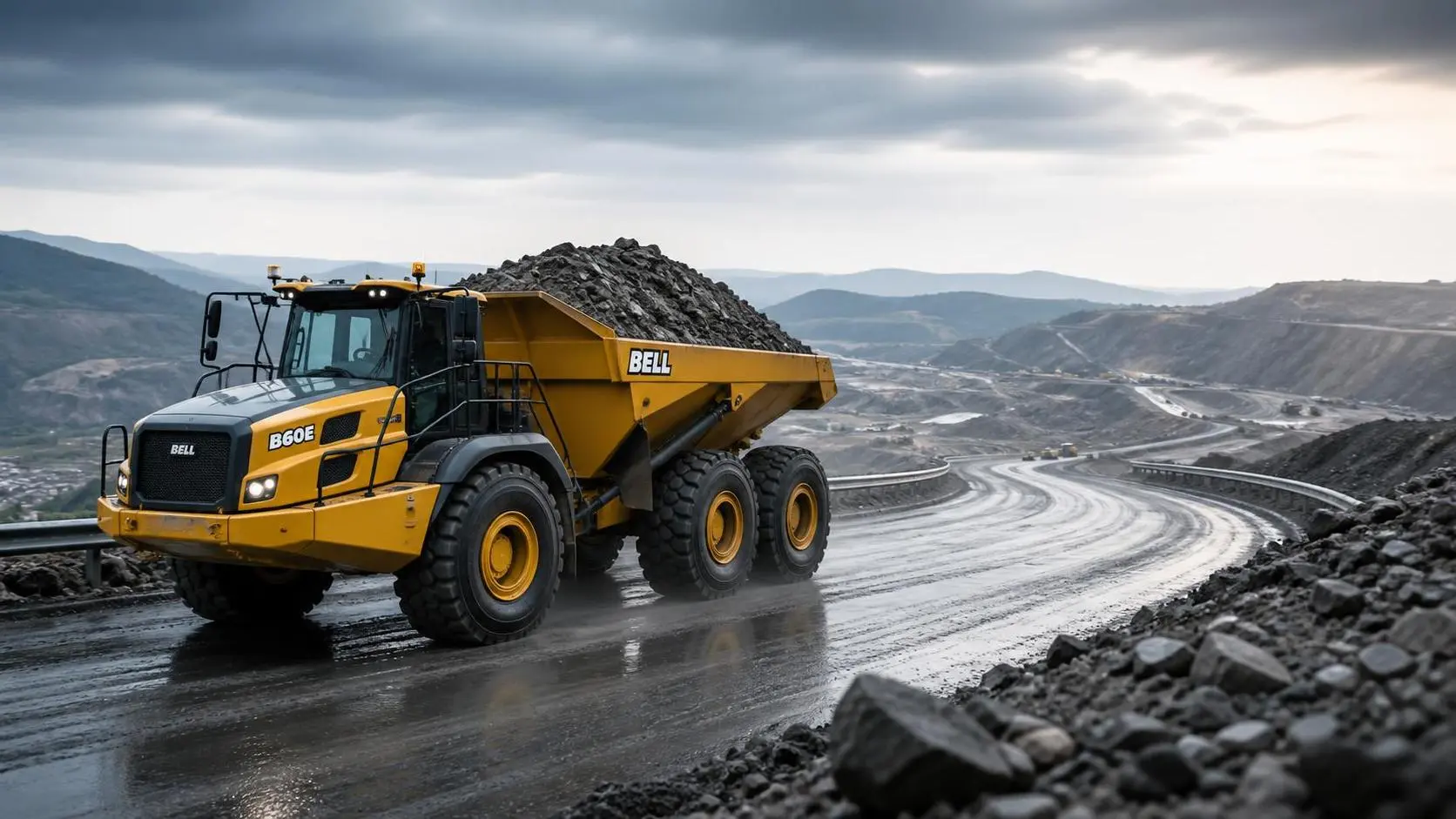
How to Evaluate Articulated Dump Trucks Payload for Haul Road Conditions and Cycle Efficiency
Articulated Dump Trucks payload evaluation starts with real haul road conditions, not brochure numbers. Learn how to balance payload, traction, grades, and cycle efficiency for safer, higher output.
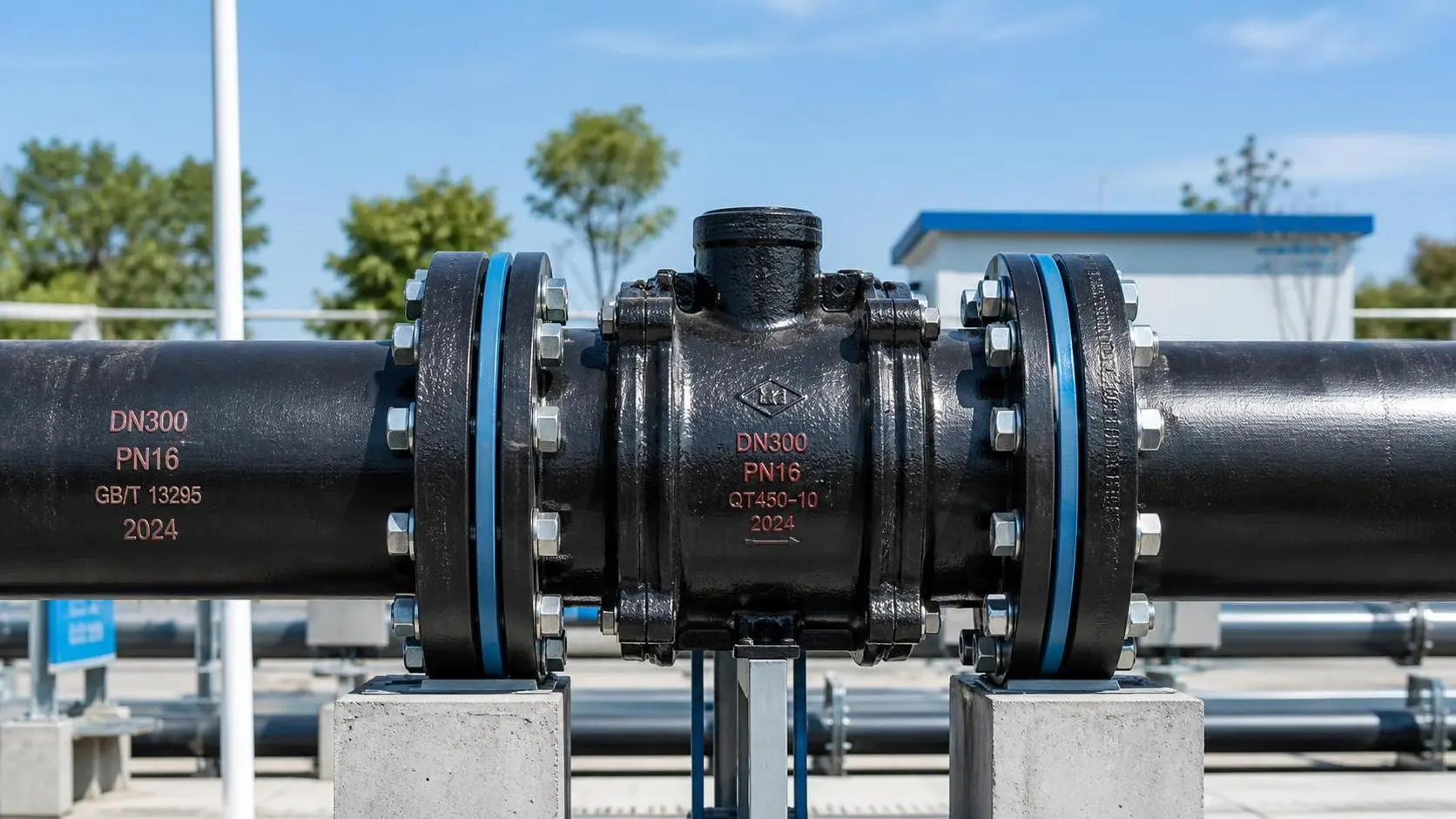
How Pipe Fittings Material and Pressure Class Affect Water Line Selection
Pipe fittings selection starts with material and pressure class. Learn how these factors affect water line reliability, corrosion resistance, installation, and long-term cost.
Related News
- 00
0000-00
How Ventilation on Demand Improves Airflow Efficiency in Underground Mines - 00
0000-00
How to Evaluate Pipe Jacking Equipment for Municipal Sewer and Utility Projects - 00
0000-00
How YLCSD300 Cutter Suction Dredger Parameters Affect River Dredging Output - 00
0000-00
What Should a Mine Decarbonization Roadmap Include to Cut Emissions Without Hurting Output? - 00
0000-00
How to Evaluate Underground Mine Automation Companies for Safety and ROI
Weekly Insights
Stay ahead with our curated technology reports delivered every Monday.