
How to Evaluate Underground Mine Automation Companies for Safety and ROI





Choosing among underground mine automation companies is no longer just a technology decision—it is a strategic move that directly affects workforce safety, equipment utilization, and long-term profitability. In deep mines, the automation layer sits directly on top of real physical constraints: ventilation limits, geotechnical uncertainty, traffic conflicts, operator exposure, and the rising pressure to cut diesel emissions in confined spaces. A vendor may demonstrate impressive autonomy in a controlled video, yet still struggle in a production environment where communications drop, headings change, and mixed fleets share the same ramps.
That is why evaluation should start with a simple question: can this company make the mine safer and more predictable without creating a new operational dependency you cannot manage? The best answer rarely comes from one feature. It comes from how well the supplier understands underground duty cycles, machine behavior, integration risk, and the economics of staged deployment.
Start with the operating reality, not the software demo
Many procurement teams still compare underground mine automation companies by looking at autonomy functions in isolation: tele-remote loading, auto-tramming, collision avoidance, fleet dispatch, or traffic management. Those functions matter, but underground results depend on context. An automation stack that performs well on a relatively consistent haul route may behave very differently in narrow headings, wet declines, blasted rock muck piles, or areas with frequent scaling and ground support activity.
Before comparing suppliers, define the exact production bottleneck you want automation to solve. Is the issue operator exposure at the face? Idle time during blasting shift changes? Ventilation cost tied to diesel equipment? Shortage of skilled operators for LHDs and trucks? Variability in cycle times? Different suppliers are stronger in different layers of the problem. Some are better at machine-level autonomy. Others are better at site orchestration, interoperability, or electrified fleet integration.
This is where an intelligence-led view helps. UTMD follows not only underground LHD automation but also drilling jumbos, mining dump trucks, and even adjacent tunnelling systems such as TBMs and pipe jacking machines. That wider lens matters because the best underground automation strategies increasingly borrow from other sectors: sensor fusion from tunnel boring, remote operation discipline from trenchless work, and electrification logic from heavy haulage. A supplier that understands these crossovers often asks better questions early.
Safety claims should be broken into testable layers
Every vendor will say automation improves safety. That is directionally true, but decision-makers need to know how, where, and under what failure conditions. Underground safety is not just about removing a person from the cab. It also includes machine stopping behavior, obstacle detection reliability, fail-safe logic during communications loss, restart protocols after emergency intervention, and how the system behaves in mixed manual-autonomous traffic.
Ask suppliers to explain their safety architecture in operational terms. What hazards are they designed to reduce first? Vehicle-to-vehicle collision, pedestrian exposure, fatigue-related driving error, face exposure, or ventilation-related health risk? What hazards remain and must still be managed procedurally? If the answer is vague, that is a warning sign.
It is also worth separating active safety from process safety. Active safety includes sensing, braking, proximity systems, and intervention logic. Process safety includes commissioning discipline, change management, training, maintenance governance, and cyber access control. Some underground mine automation companies are strong in controls and algorithms but weaker in site implementation rigor. In practice, weak implementation can erase the theoretical safety gain.
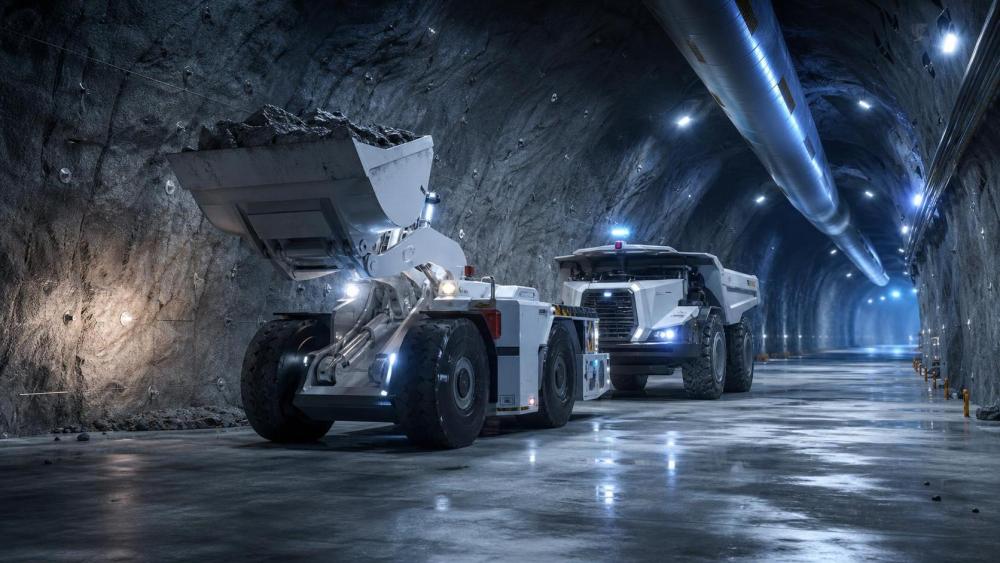
A useful review framework is to request evidence in four layers: system design documents, mine-site validation method, exception handling procedures, and operator-supervisor training requirements. You do not need confidential code. You do need enough transparency to understand whether the supplier has built for underground unpredictability rather than a showroom environment.
ROI is usually won or lost in utilization, not in headline labor savings
A common mistake in automation business cases is to anchor too heavily on labor reduction. In underground mining, the more durable sources of return often come from better asset utilization, reduced unplanned stoppages, tighter cycle consistency, more productive shift changes, and lower ventilation burden when automation is paired with battery-electric or zero-exhaust equipment.
That does not mean labor economics are irrelevant. It means they should be treated carefully. A tele-remote or autonomous LHD may allow one operator to supervise more productive hours, but the value depends on the mine layout, re-entry procedures, loading distance, and the reliability of communications infrastructure. If network dropouts regularly interrupt cycles, the projected gain can disappear. If headings are frequently reconfigured, mapping and calibration overhead may be higher than expected.
When evaluating underground mine automation companies, ask for a transparent value model that shows assumptions, not just projected outcomes. Which variables matter most: loader availability, truck queue time, average tramming distance, operator shift overlap, battery swap timing, or ventilation savings? A serious supplier should be willing to identify the assumptions that could break the business case.
Questions that usually sharpen ROI discussions
- What baseline data from the mine is needed before any payback estimate is credible?
- How much of the return depends on infrastructure upgrades such as Wi-Fi, LTE, private 5G, or edge computing?
- What production losses should be expected during commissioning and operator transition?
- Can the system scale from one zone or one machine class to a broader fleet without replacing the core platform?
- How does the supplier treat software updates, remote support, and lifecycle fees in the total cost model?
Interoperability matters more than most buyers expect
Very few underground mines operate as greenfield digital environments. Mixed fleets are common. So are legacy machines, separate fleet management systems, and different communications layers across mine zones. A technically capable automation supplier can still become a poor fit if its platform works only within a closed equipment ecosystem or requires disproportionate customization every time another system enters the workflow.
This is especially important for mines moving toward electrification. Battery-electric LHDs, autonomous haulage logic, charging or swapping infrastructure, and ventilation control increasingly interact. UTMD’s coverage of underground LHDs, mining trucks, and strategic intelligence around zero-emission equipment highlights a point many boards now recognize: automation and decarbonization should not be evaluated separately if they affect the same operating model.
Ask each supplier how their system interfaces with fleet management, maintenance platforms, traffic control, and energy systems. If they cannot clearly describe data ownership, interface boundaries, and upgrade responsibilities, future integration costs may be larger than the initial software price suggests.
The underground environment exposes weak sensing and mapping faster than brochures do
Sensing in underground mines is unforgiving. Dust, water, uneven illumination, reflective surfaces, blasted muck, and changing headings all challenge perception systems. SLAM-based navigation, lidar, radar, cameras, and inertial systems each have strengths and limitations. The evaluation should not focus only on what sensors are used, but on how the system maintains performance when one sensing channel degrades.
That is one reason technically literate buyers often look for suppliers who can discuss failure modes in plain language. UTMD’s Strategic Intelligence Center frequently tracks topics such as SLAM algorithms for underground LHDs and wear behavior in rock-cutting systems, and that kind of engineering perspective is useful here. In hard-rock underground work, conditions are not static. You want a company that understands deterioration, drift, recalibration intervals, and maintenance burden—not just autonomy at day one.
A practical evaluation step is to ask how the system handles tunnel changes after blasting, temporary obstructions, water spray, and degraded markers or beacons if those are used. If a supplier gives the impression that the environment must be made unusually clean or stable for the system to perform, deployment risk is likely higher.
Service model and site support are part of the technology
Underground automation is not delivered when the software goes live. It is delivered when the mine can sustain the system through normal turnover, maintenance events, and changing production plans. That makes support structure a core selection factor. Some companies have strong engineering teams but limited local field capability. Others rely heavily on third parties for commissioning or network setup. Neither is automatically disqualifying, but the operating risk should be visible upfront.
Look closely at spare parts strategy, response times, software governance, and accountability boundaries. If the automation stack depends on vehicle OEM software, site network performance, battery systems, and cloud tools from separate providers, who owns root-cause analysis when production stops? Mines often discover too late that every vendor supports their own layer but no one owns the system outcome.
Watch for two opposite selection errors
One error is buying on vision alone. The supplier speaks fluently about autonomous mines, digital twins, and future orchestration, but the current deployment path is thin. The other error is buying only for immediate fit, without considering whether the platform can grow from tele-remote operation to supervised autonomy, fleet coordination, and electrified production planning.
The strongest selections usually come from phased thinking. Start with the use case that has clear safety or utilization value, but evaluate the supplier’s roadmap at the same time. Can they support the mine you have today and the mine you are likely building over the next five years?
That broader perspective is exactly why specialist market intelligence matters. UTMD’s focus on TBMs, drilling jumbos, mining trucks, and underground LHDs is not just sector breadth for its own sake. It reflects the fact that deep physical-space operations are converging around the same hard questions: reliability under extreme conditions, zero-emission performance in constrained environments, and digital control of increasingly complex fleets.
If you are comparing underground mine automation companies, the next step is not to ask who sounds most advanced. It is to line up your hazards, production constraints, infrastructure reality, and decarbonization path against each supplier’s actual delivery model. Then test where the assumptions are weak. In this market, the better decision is usually the company that is slightly less theatrical and much more specific.
Related News
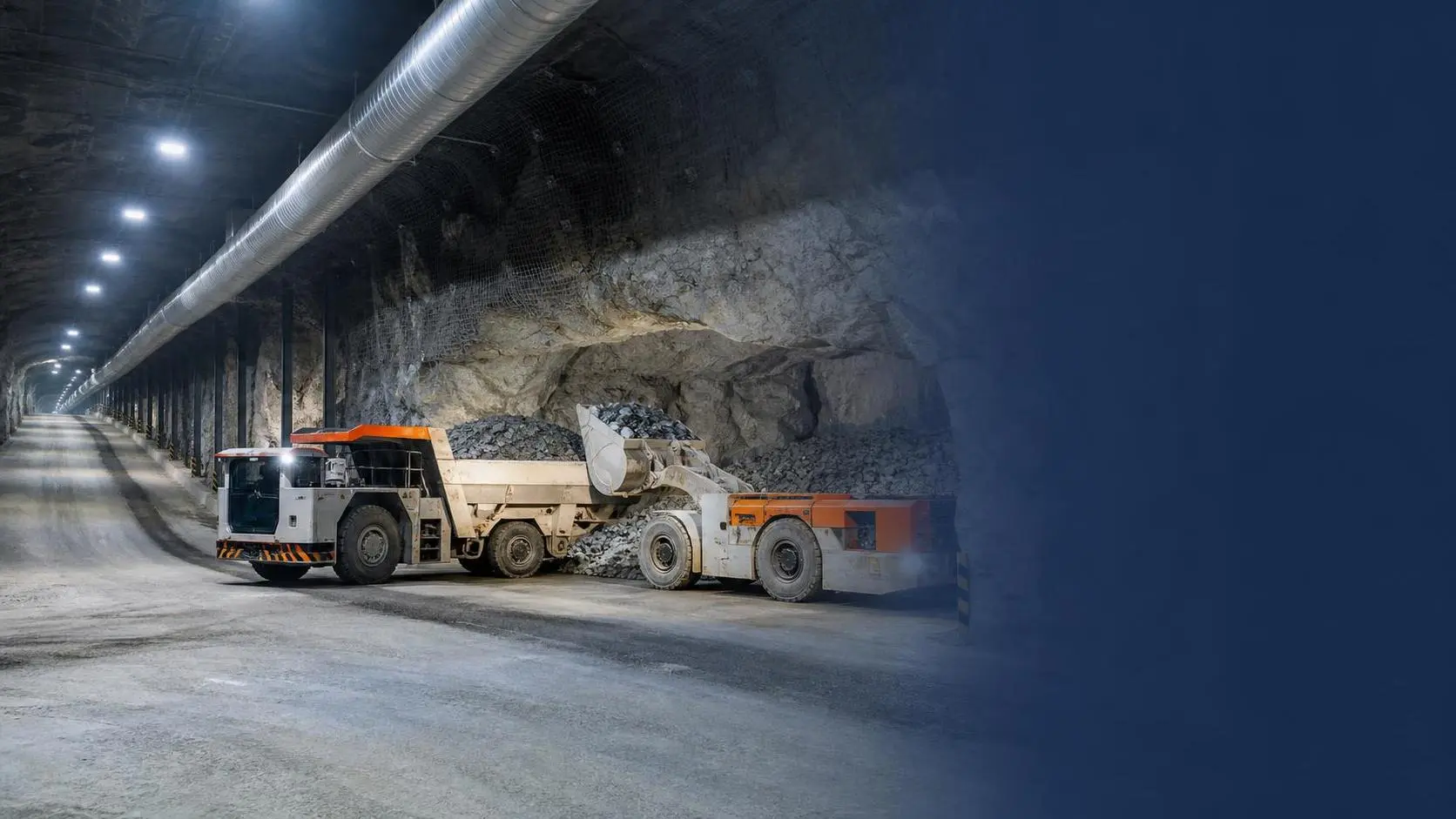
How to Evaluate Underground Haulage Systems for Ore Output, Ramp Grade, and Ventilation Limits
Underground haulage systems should be evaluated by ore output, ramp grade, and ventilation limits—not brochures. Learn how to compare trucks, LHDs, and electric options for smarter mine planning.
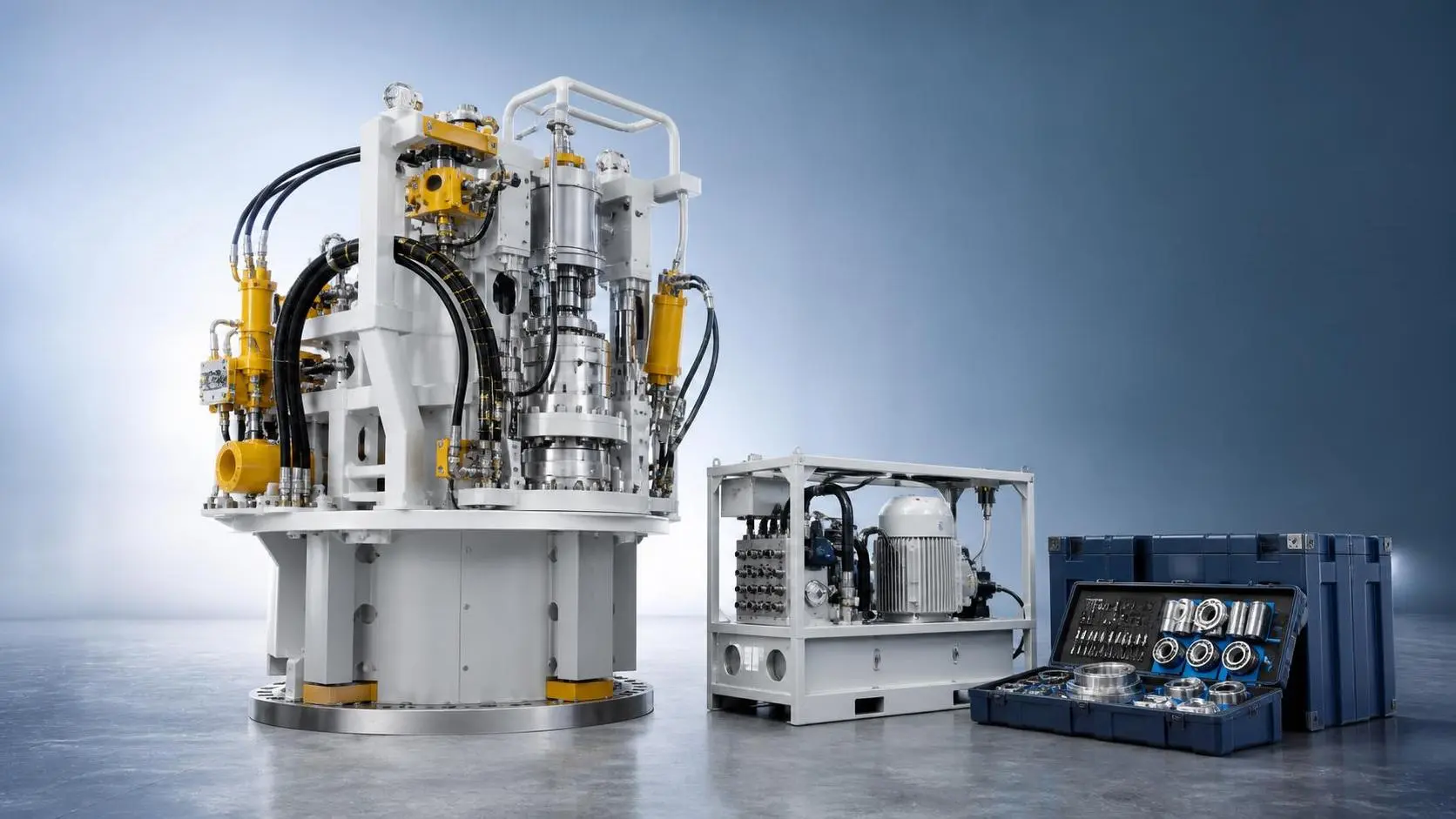
How to Evaluate a Pipe Jacking Equipment Distributor for Project Support and Uptime
Pipe jacking equipment distributor evaluation made practical: learn how to assess parts support, service response, training, and technical readiness to reduce downtime and protect project uptime.
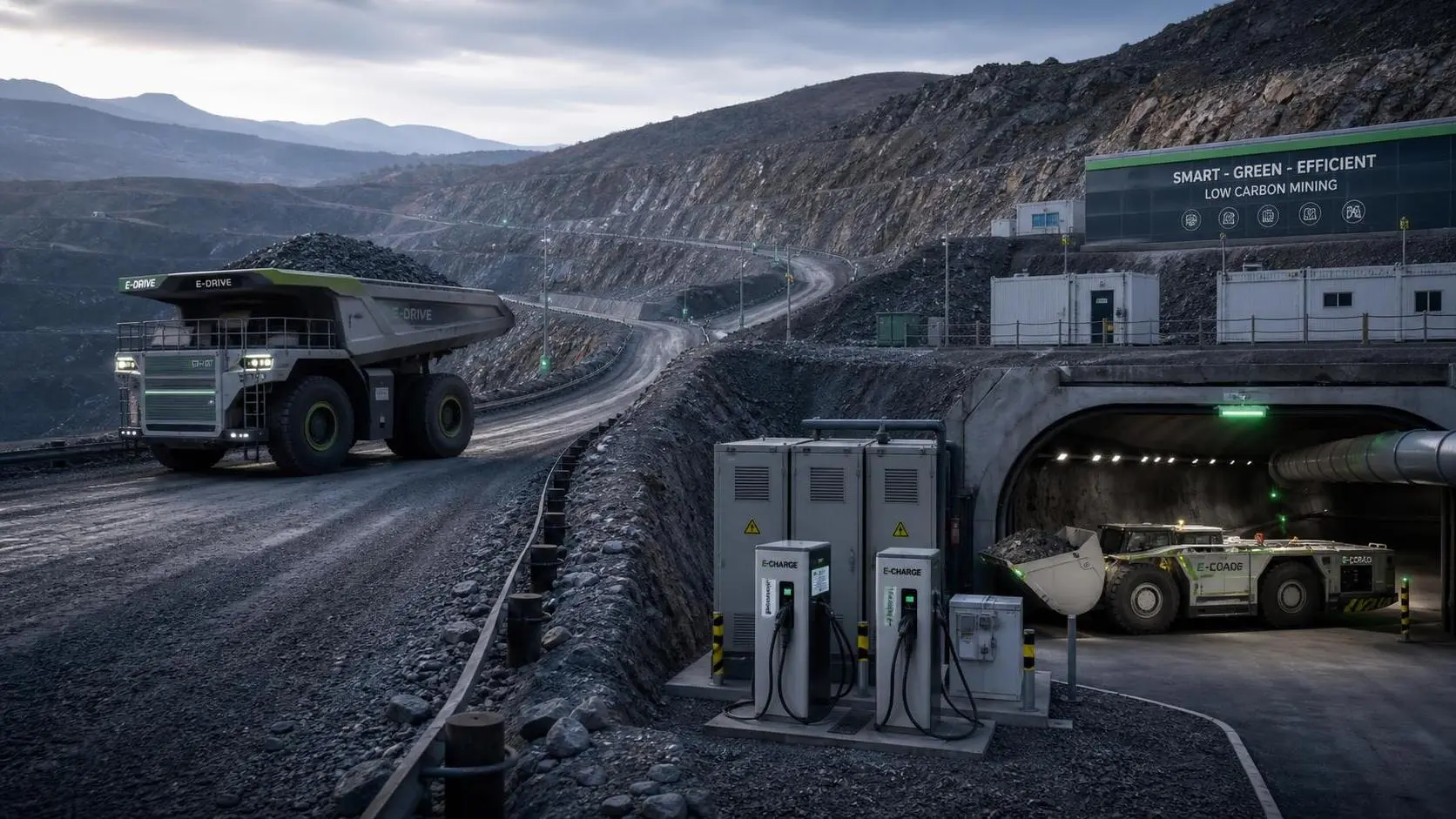
How to Build a Mining Decarbonization Strategy That Balances Emissions, Cost, and Fleet Reality
Mining decarbonization strategy starts with fleet reality. Learn how to cut emissions, control cost, and align power, ventilation, and production for a practical mine transition.
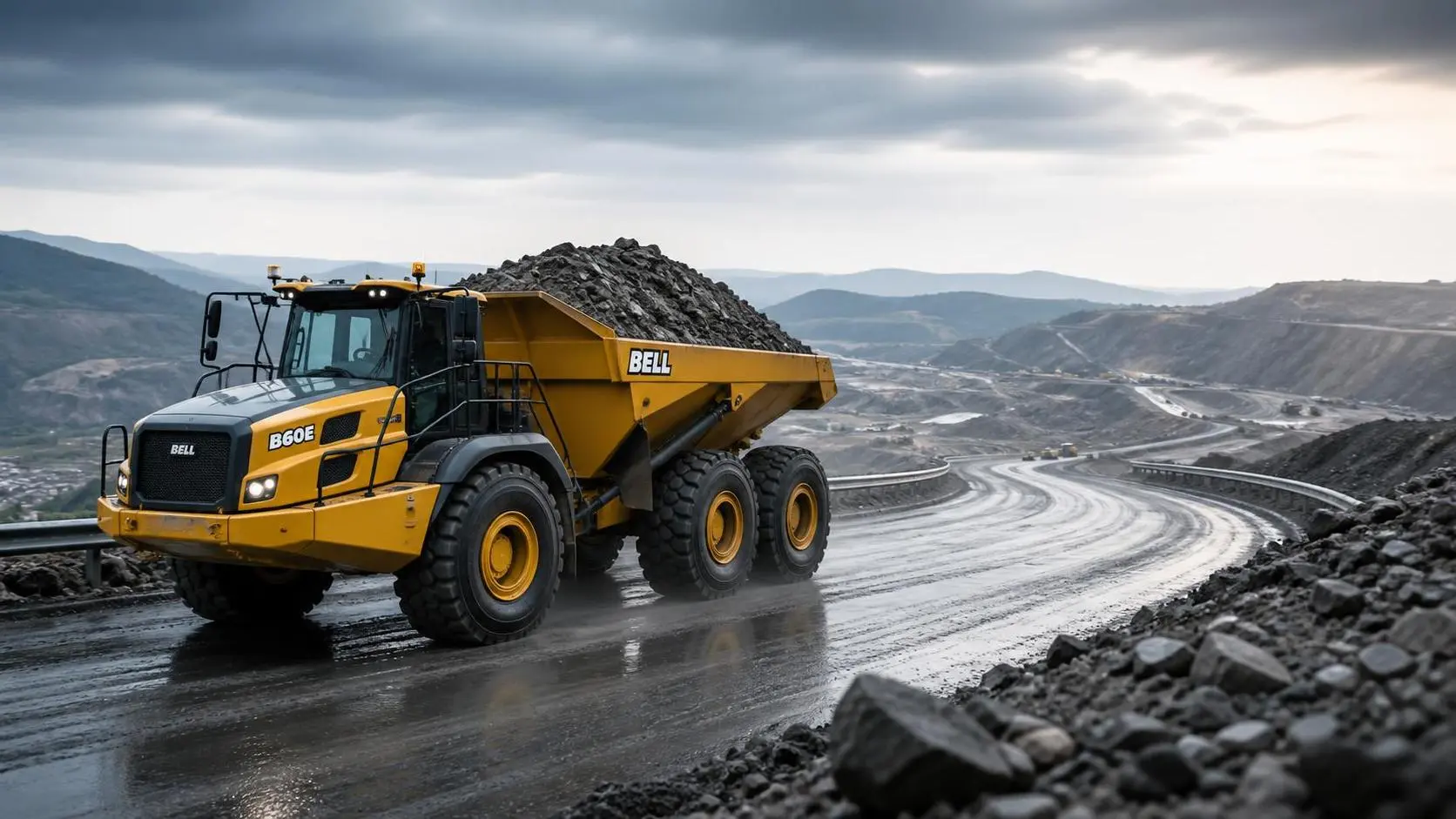
How to Evaluate Articulated Dump Trucks Payload for Haul Road Conditions and Cycle Efficiency
Articulated Dump Trucks payload evaluation starts with real haul road conditions, not brochure numbers. Learn how to balance payload, traction, grades, and cycle efficiency for safer, higher output.
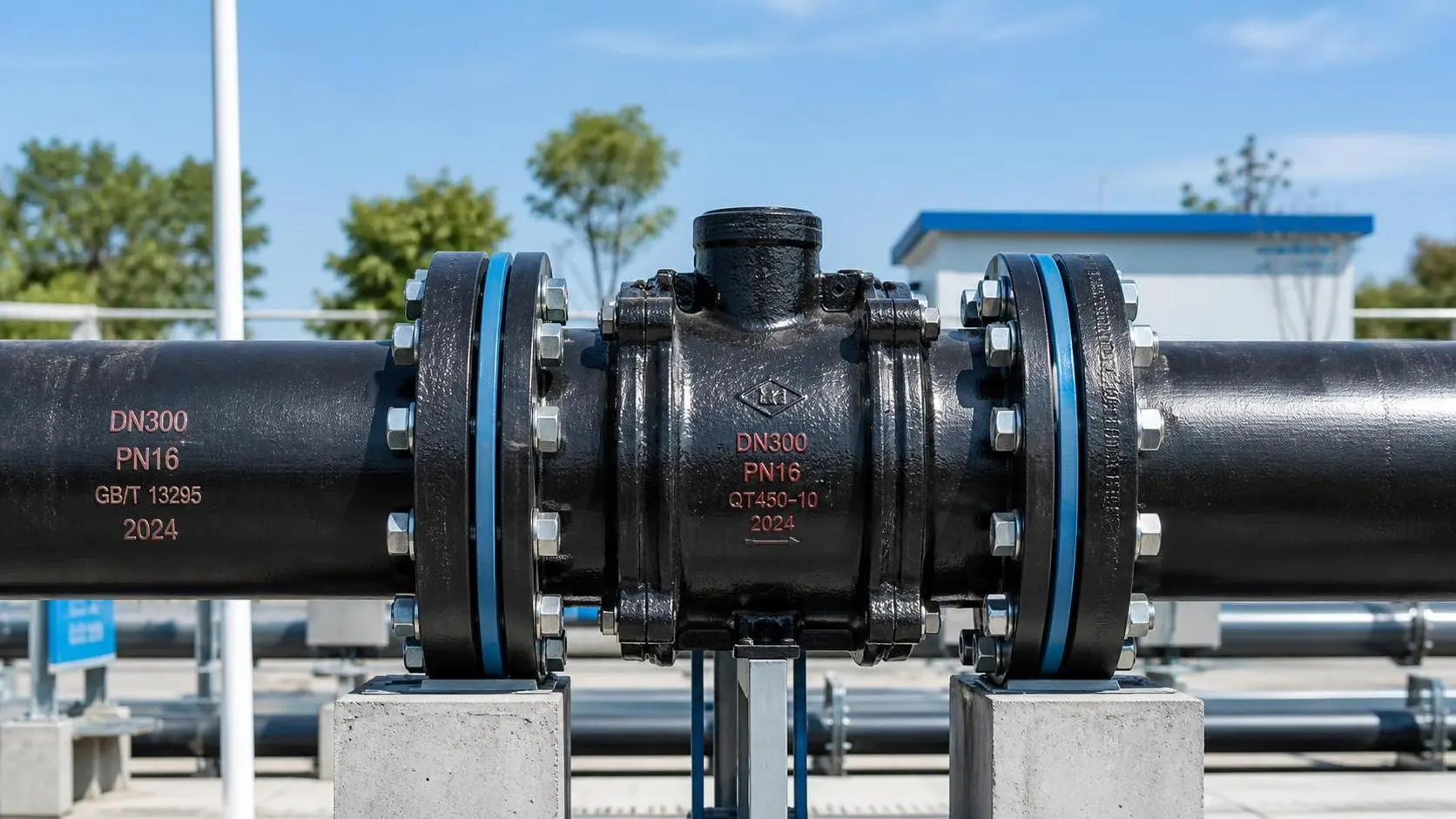
How Pipe Fittings Material and Pressure Class Affect Water Line Selection
Pipe fittings selection starts with material and pressure class. Learn how these factors affect water line reliability, corrosion resistance, installation, and long-term cost.
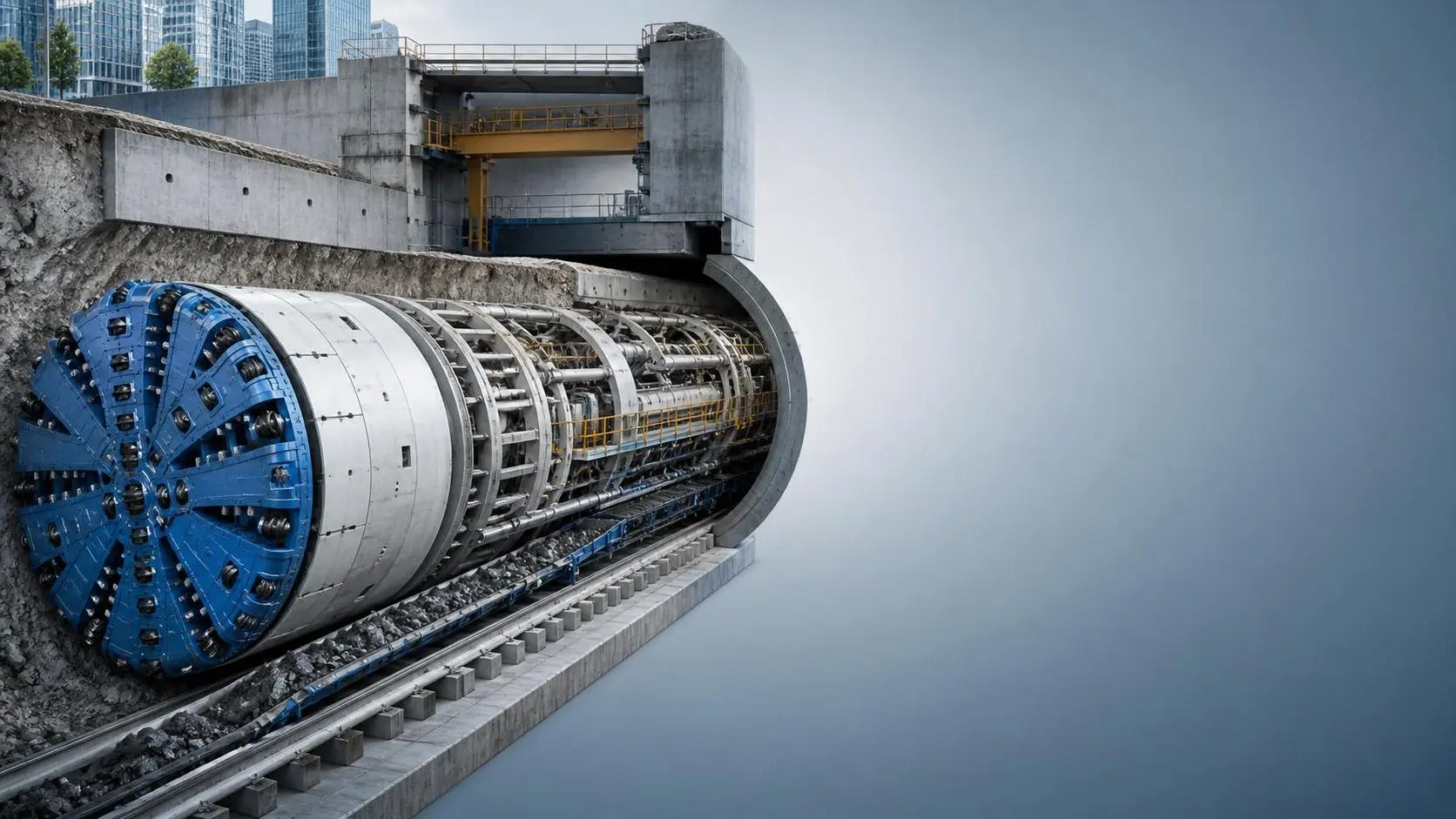
What Drives TBM Excavation Cost in Urban Tunneling Projects?
tbm excavation cost in urban tunneling depends on geology, shafts, segment lining, logistics, and risk. Discover the key cost drivers and compare bids with greater confidence.
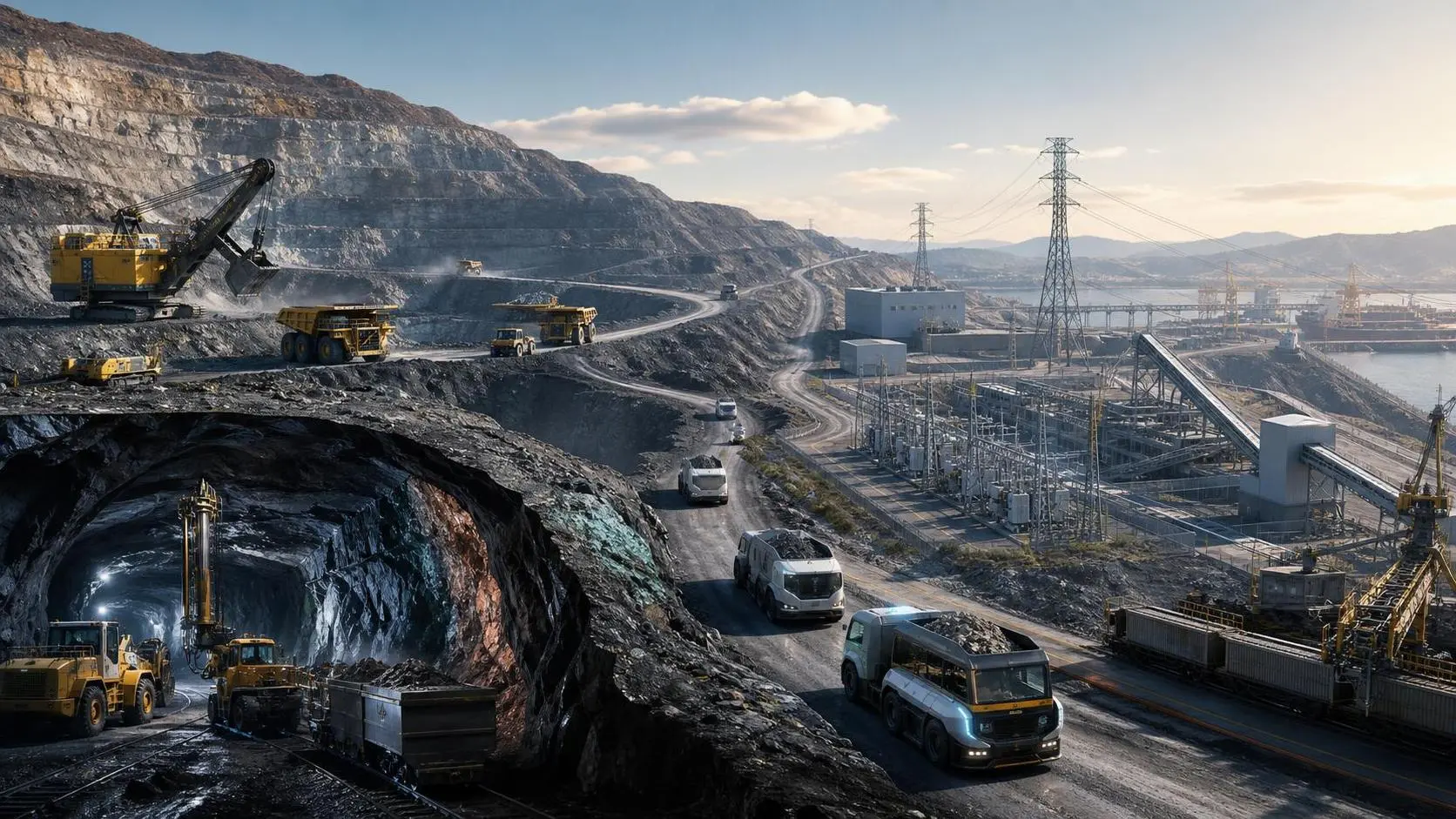
What Does Energy Metals Mining in Australia Mean for Supply, Cost, and Project Risk?
Energy metals mining Australia is reshaping supply, cost, and project risk. Discover what it means for buyers, investors, and operators.
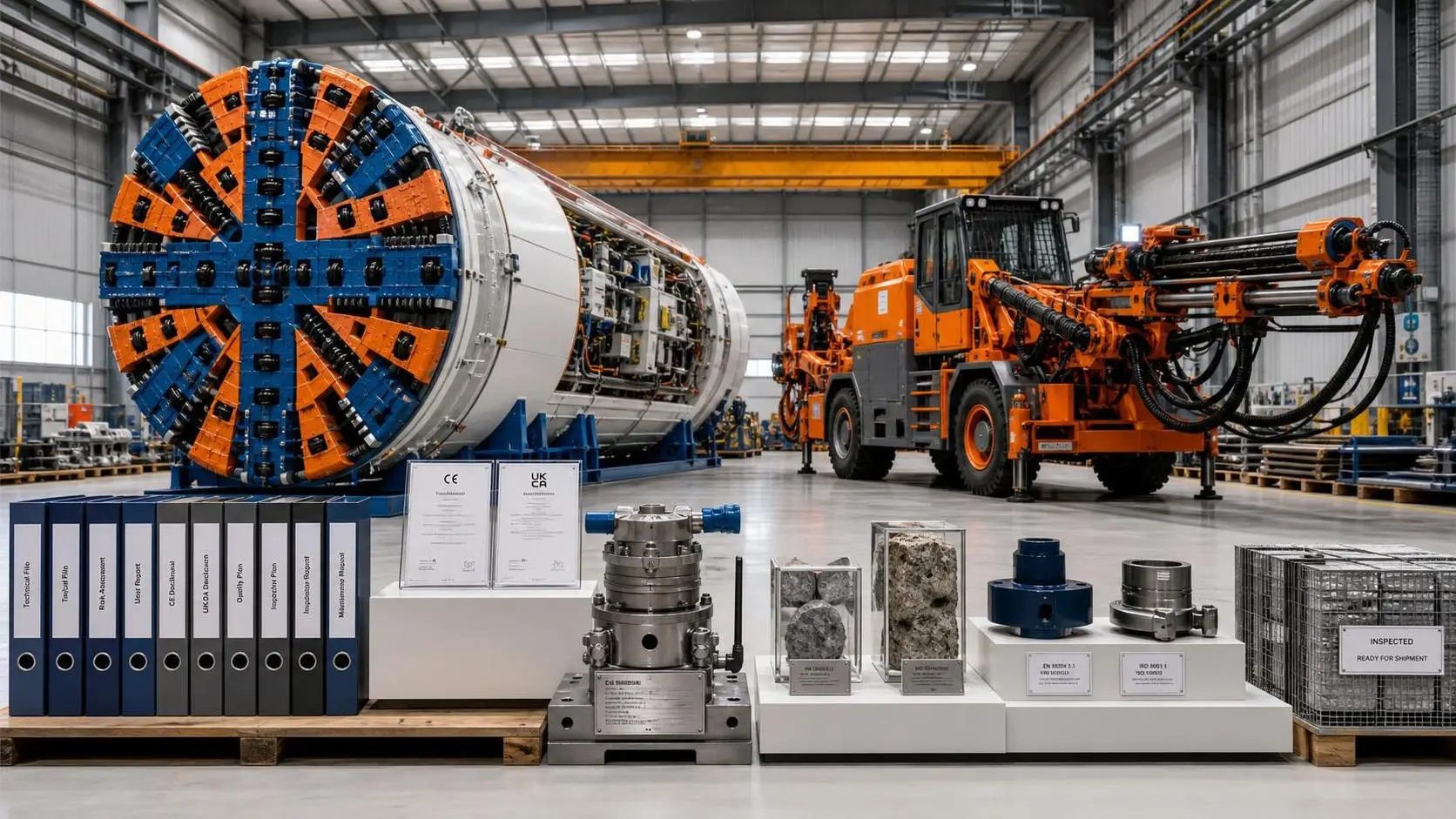
EU Eases Dual CE and UKCA Path for Chinese Tunnel Boring Equipment
EU eases CE and UKCA certification for Chinese tunnel boring equipment, cutting compliance time and helping importers move faster.
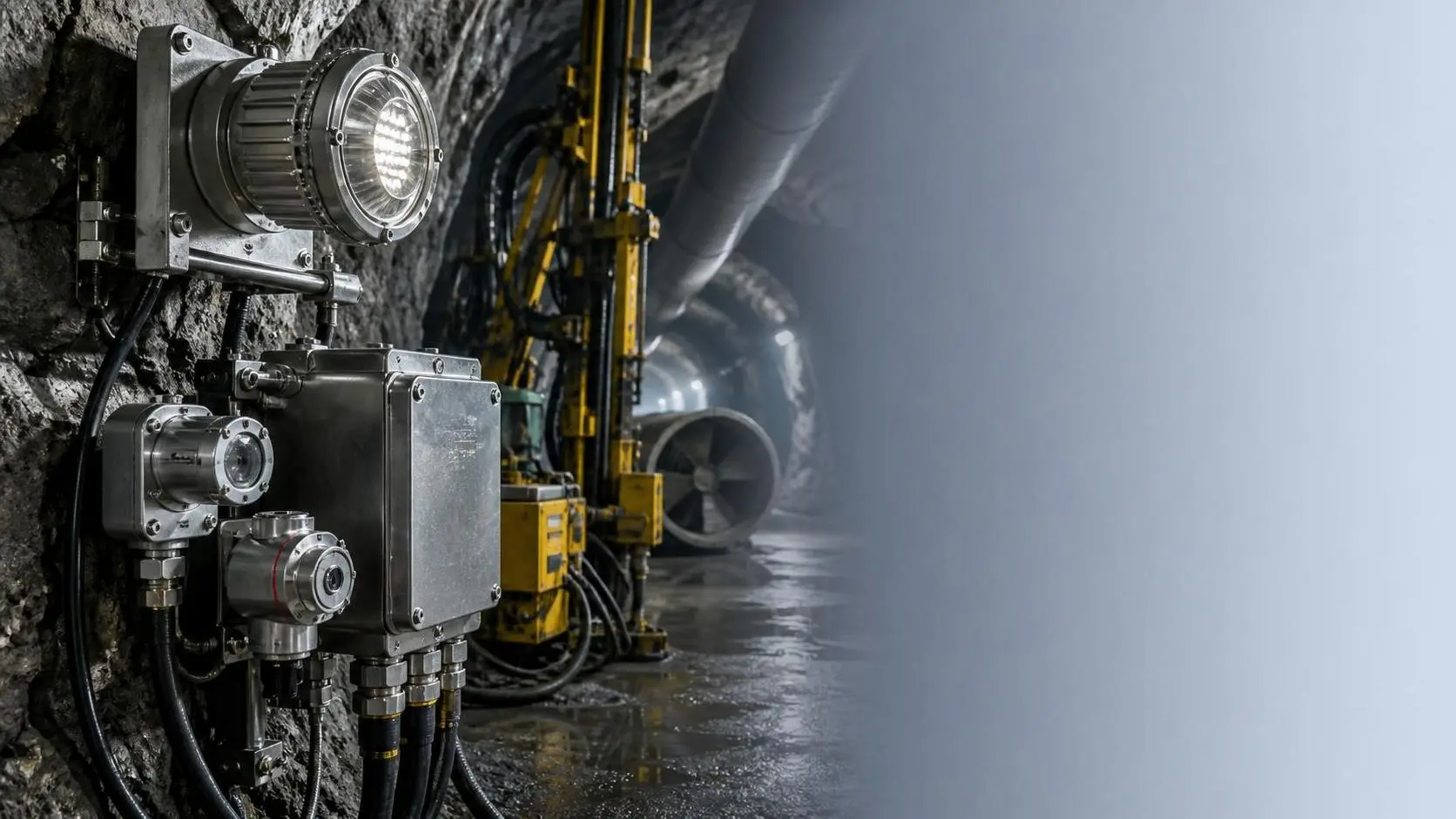
Flameproof Underground Safety Equipment: What Mine Teams Should Check Before Buying
Underground Safety Equipment flameproof buying guide: learn how mine teams should verify certification, durability, serviceability, and supplier support before purchase.
Related News
- 00
0000-00
How to Evaluate Underground Mine Automation Companies for Safety and ROI - 00
0000-00
How to Evaluate Underground Haulage Systems for Ore Output, Ramp Grade, and Ventilation Limits - 00
0000-00
How to Evaluate a Pipe Jacking Equipment Distributor for Project Support and Uptime - 00
0000-00
How to Build a Mining Decarbonization Strategy That Balances Emissions, Cost, and Fleet Reality - 00
0000-00
How to Evaluate Articulated Dump Trucks Payload for Haul Road Conditions and Cycle Efficiency
Weekly Insights
Stay ahead with our curated technology reports delivered every Monday.