
How to Choose Tunnelling and Mining Equipment for Challenging Ground Conditions





Selecting Tunnelling and Mining Equipment for challenging ground conditions starts with the ground model, not the catalogue. A machine that performs efficiently in competent, dry rock may become unreliable in squeezing ground, fractured formations, water-bearing strata, or abrasive mixed faces. The appropriate choice must connect geological behaviour with excavation method, available working space, spoil handling, support installation, maintenance access, energy supply, and the required level of automation.
The first decision is whether the project requires continuous full-face excavation, controlled pipe installation, cyclic drilling and blasting, surface haulage, or loading and transport within a confined mine. After that, the equipment specification should be tested against the conditions that create the greatest operational exposure. Peak performance figures are useful, but they do not reveal whether cutters, hydraulic systems, tyres, batteries, ground-support tools, or conveying arrangements will remain productive when the geology changes.
Start With Ground Behaviour, Not Rock Strength Alone
Uniaxial compressive strength is only one part of the selection picture. Two formations with similar strength can impose very different demands if one is massive and abrasive while the other is jointed, water-bearing, or prone to deformation. The geological model should describe intact rock, discontinuities, in-situ stress, abrasivity, permeability, fault zones, swelling minerals, expected water pressure, and the likely transition between formations.
Hardness influences cutting or drilling energy, but abrasivity determines how quickly wear components lose their working geometry. A highly abrasive rock may produce acceptable initial penetration while rapidly consuming disc cutters, drill bits, shank adapters, bucket teeth, or crusher liners. Fractured ground creates a different problem: impact loading, uneven face pressure, overbreak, block fall, and unstable openings can damage equipment even when the average rock strength is moderate.
Ground convergence also changes the selection. In squeezing conditions, the available annular clearance, shield articulation, steering range, trailing equipment flexibility, and support sequence must be reviewed together. A machine with excellent nominal output may lose that advantage if it cannot advance through reduced clearance or if support installation repeatedly interrupts excavation.
Match the Excavation Method to the Failure Mechanism
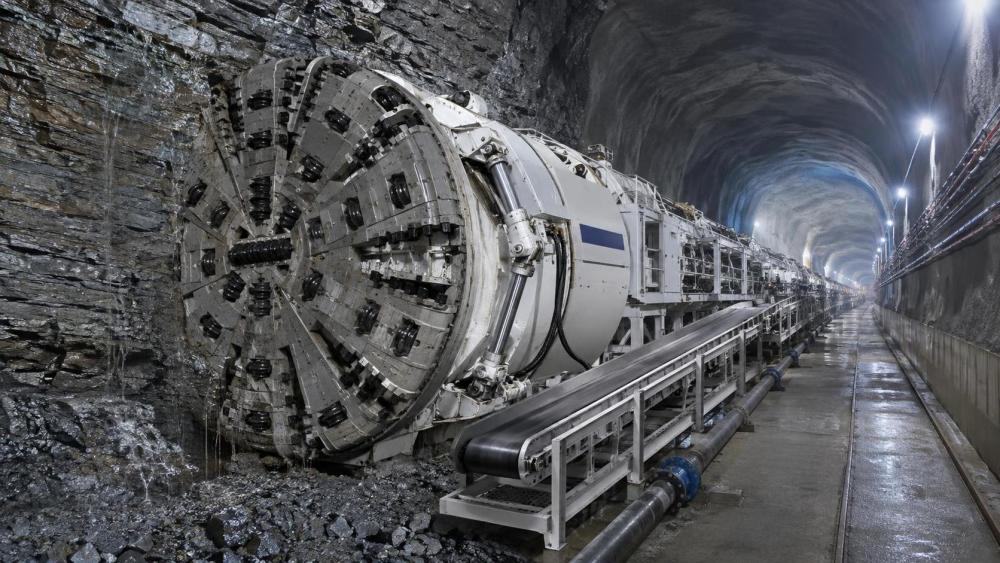
A full-face tunnel boring machine is suited to projects where continuous excavation, controlled face support, and a predictable lining or mucking process justify a large integrated system. Its cutting head, thrust system, articulation, screw or conveyor arrangement, grippers or shields, segment erector, and back-up train must be evaluated as one production chain. In hard rock, cutter spacing and cutterhead torque should be considered with penetration rate and disc-cutter wear. In variable ground, steering response and the ability to manage transitions may be more important than the highest quoted advance rate.
Water pressure introduces a separate boundary. A pressurised face system requires reliable sealing, pressure regulation, conditioning, and spoil discharge. A design that handles dry competent rock efficiently may be poorly suited to sudden inflow or fine material that changes chamber behaviour. The review should therefore include pressure-control stability, access for seal inspection, and the consequences of a blocked or overloaded discharge circuit.
Pipe jacking machines serve a different operating envelope. Their value depends on maintaining line and grade while transferring thrust through the pipe string over a constrained route. The assessment should include soil abrasivity, boulder risk, groundwater, lubrication, jacking force, intermediate jacking stations, reception-pit geometry, and the allowable pipe load. Excessive friction may cause the required thrust to rise faster than expected, while poor lubrication or misalignment can create concentrated loading and pipe damage. Surface settlement control also depends on face management and spoil removal, not on machine steering alone.
Drilling jumbos belong to cyclic drill-and-blast work, where the quality of the drilling pattern influences fragmentation, overbreak, scaling, support demand, and downstream mucking. Boom reach and positioning accuracy should be compared with the actual tunnel profile, not a nominal gallery size. In highly fractured rock, drilling control must support rapid adaptation of hole depth and orientation. In hard abrasive rock, feed force, impact energy, flushing, rod handling, and access to worn components shape effective availability. A faster drill cycle is of limited value if bit changes, hose failures, or difficult relocation extend the overall round cycle.
Evaluate Transport Equipment as a System
Mining dump trucks and underground LHD loaders should be assessed through the complete haul profile. Payload is only one variable. Ramp gradient, haul distance, road width, turning geometry, rolling resistance, ventilation limits, loading-tool compatibility, dumping arrangement, traffic separation, and return travel determine actual productivity.
For surface haulage, electric or hybrid equipment may reduce exhaust and heat exposure, but the energy system must be matched to duty cycle. Long downhill routes create opportunities for regenerative braking, while repeated short cycles may be dominated by acceleration, loading delays, or charging access. Battery mass can affect tyre loading, braking behaviour, and road wear. Charging or battery exchange locations need sufficient space, electrical capacity, thermal management, and isolation procedures; otherwise, the nominal environmental benefit may be offset by waiting time or complex logistics.
In underground headings, an LHD must fit the excavation while retaining adequate breakout force, bucket capacity, visibility, and articulation clearance. A larger bucket does not automatically improve output if the machine cannot turn efficiently, repeatedly contacts ribs, or requires excessive ventilation. Battery-electric variants remove tailpipe emissions from the working area, yet charging heat, battery handling, ramp performance, and emergency recovery remain part of the engineering assessment. Remote control can reduce exposure near unstable faces, but reliable sensing, communications coverage, and fallback control are necessary before autonomy produces a real operating advantage.
Haul-cycle modelling should use site-specific events rather than catalogue cycle times. Include spotting, bucket fill, reversing, queuing, road maintenance, charging, refuelling, dumping, inspection, and unscheduled intervention. A lower-capacity machine with fewer access conflicts may move more material over a shift than a larger unit constrained by narrow intersections.
Use Parameters Together
Several specifications are easy to misread when viewed in isolation. Cutting power without cutterhead torque and thrust data says little about penetration in strong rock. Drill impact frequency without flushing capacity can conceal poor hole cleaning and premature tool wear. Truck payload without gradeability and retarding capacity ignores the most demanding section of the route. Battery capacity without charging power, usable energy, ambient temperature, and cycle depth does not establish shift endurance.
Compare parameters in combinations that represent failure modes:
- Excavation: cutterhead torque, installed power, thrust, penetration control, cutter spacing, and tool-change access should be reviewed against rock strength and abrasivity.
- Water management: face pressure, sealing performance, pumping redundancy, drainage route, and electrical protection need a common operating scenario.
- Ground support: boom positioning, bolter reach, mesh or shotcrete compatibility, clearance, and support timing must fit the excavation cycle.
- Haulage: payload, traction, braking, turning radius, road condition, ventilation demand, and loading geometry should be modelled over the full route.
- Availability: inspection points, modular replacement, spare-part lead time, diagnostic quality, and access for lifting equipment often determine production more strongly than peak output.
Integration data matters as much as individual machine data. The excavation system must hand over material at a rate the conveyor, crusher, truck fleet, or skip system can accept. Support equipment must reach the face without creating traffic conflicts. Electrical distribution must account for simultaneous starting loads, charging demand, pumps, ventilation, and temporary services. A technically strong machine can become a bottleneck when its interface with the next process is undersized or poorly sequenced.
Test the Unplanned Conditions
Selection evidence should include more than a standard performance demonstration. Ask how the equipment behaves when the face changes from massive rock to a faulted zone, when water inflow exceeds the normal drainage rate, when a cutter or drill boom must be replaced underground, or when a loaded vehicle loses traction on a wet ramp. These situations reveal whether the design includes useful reserves and practical recovery methods.
Maintenance access deserves a physical review. Components exposed to abrasive dust, slurry, vibration, and hydraulic contamination require inspection points that can be reached within the available chamber or heading. Filters, hoses, seals, cutter assemblies, drill consumables, batteries, tyres, and electrical connectors should have defined replacement methods. If a component requires removal of unrelated systems or specialist lifting arrangements that are unavailable underground, its nominal service interval may have little operational meaning.
Transport and installation constraints should be included before final selection. Check module dimensions against portals, shafts, bends, ramps, and lifting capacity. Large assemblies may need underground assembly, which changes commissioning space and sequencing. Cable reels, trailing hoses, ventilation ducting, muck lines, and communication equipment also occupy the working envelope. Congestion around the machine can increase collision exposure and make routine inspection harder.
Make Automation Earn Its Place
Automation is valuable when it stabilises a repeatable process or keeps personnel away from a hazardous zone. Its reliability depends on sensing quality, communication continuity, machine-state logic, and a clear response when data becomes uncertain. In dusty, wet, reflective, or poorly mapped underground environments, lidar, cameras, inertial systems, and machine telemetry may degrade at different rates. The specification should state how control changes when one sensor is unavailable and how the system is safely recovered.
Remote operation also requires disciplined data boundaries. Ground conditions, machine loads, cutter wear, drilling accuracy, battery temperature, brake performance, and maintenance events should be recorded in forms that support engineering review. Trend data is useful only when sensor calibration, time synchronisation, and event tagging are controlled. Otherwise, apparent productivity changes may reflect incomplete records rather than a genuine equipment effect.
The final choice should emerge from a weighted technical model in which geology and process interfaces carry more influence than headline output. Require evidence for the hardest ground, the most restrictive geometry, and the least convenient maintenance condition. That approach makes the selected Tunnelling and Mining Equipment fit the excavation system as it will actually operate, including the difficult intervals that determine safety, availability, and long-term asset performance.
Related News
How to Evaluate European Drill-and-Blast Tunnelling Contractors for Complex Projects
Drill and blast tunnelling contractors Europe: learn how to assess geology expertise, blast control, equipment reliability, safety, and programme resilience for complex projects.
Which Trenchless Construction Technique Fits Your Utility Crossing Conditions?
Trenchless construction techniques compared for utility crossings: choose HDD, microtunnelling, pipe jacking, or auger boring based on ground, accuracy, access, and risk.
What Is Driving Metro Tunnelling Demand Across Southeast Asia’s Major Cities?
Metro tunnelling Southeast Asia is accelerating as major cities tackle congestion, flooding, and connectivity. Explore the market forces, technical risks, and opportunities shaping demand.
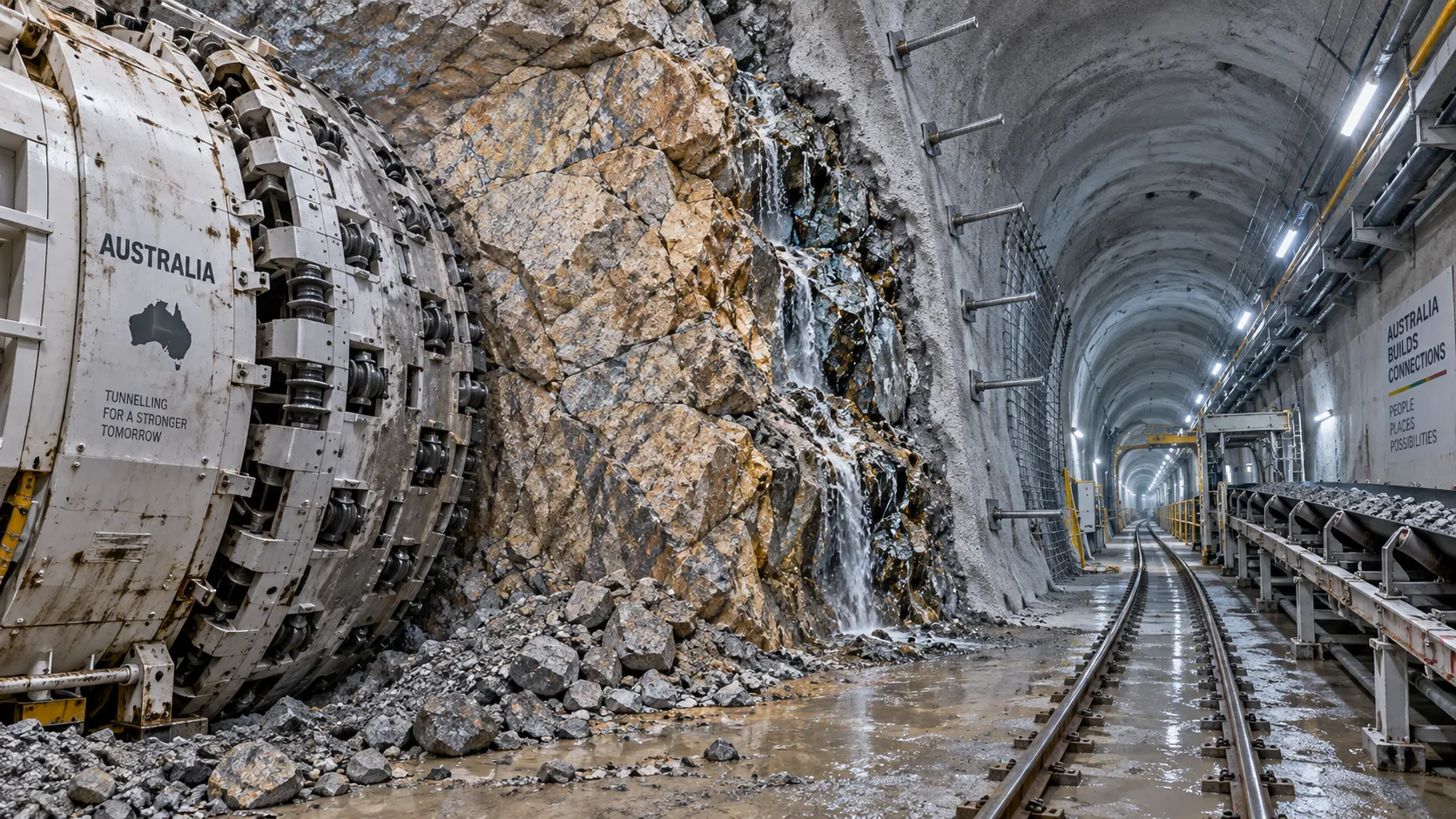
Hard Rock Tunnelling in Australia: Selecting Methods for Variable Ground Conditions
Hard rock tunnelling in Australia: compare TBM, drill-and-blast and hybrid methods to manage variable ground, reduce risk and protect project costs.
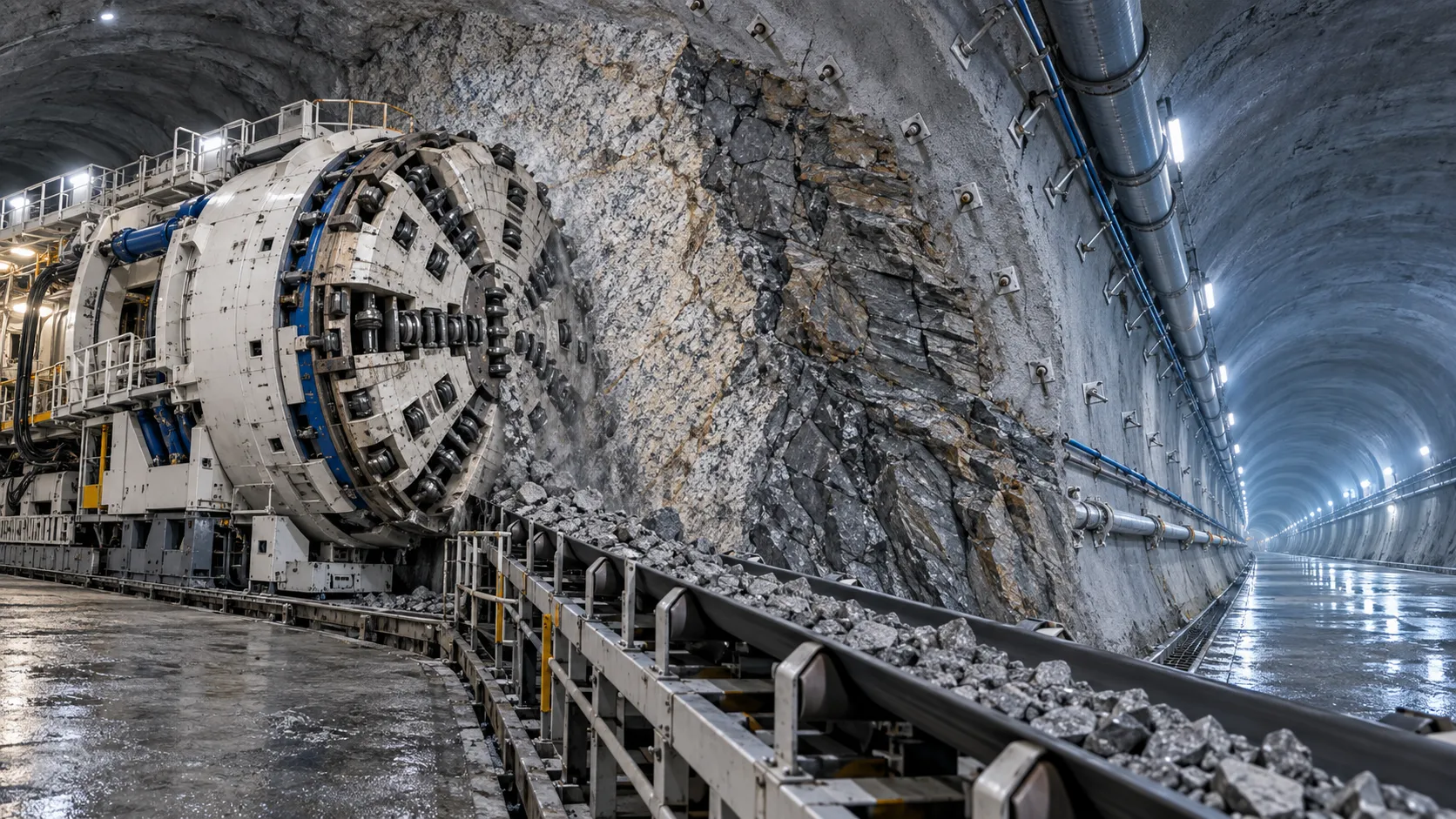
Hydropower Tunnel Excavation: Selecting Methods for Variable Rock Conditions
Hydropower tunnel excavation methods for variable rock conditions: compare TBM, drill-and-blast, and hybrid strategies to improve safety, progress, and project control.
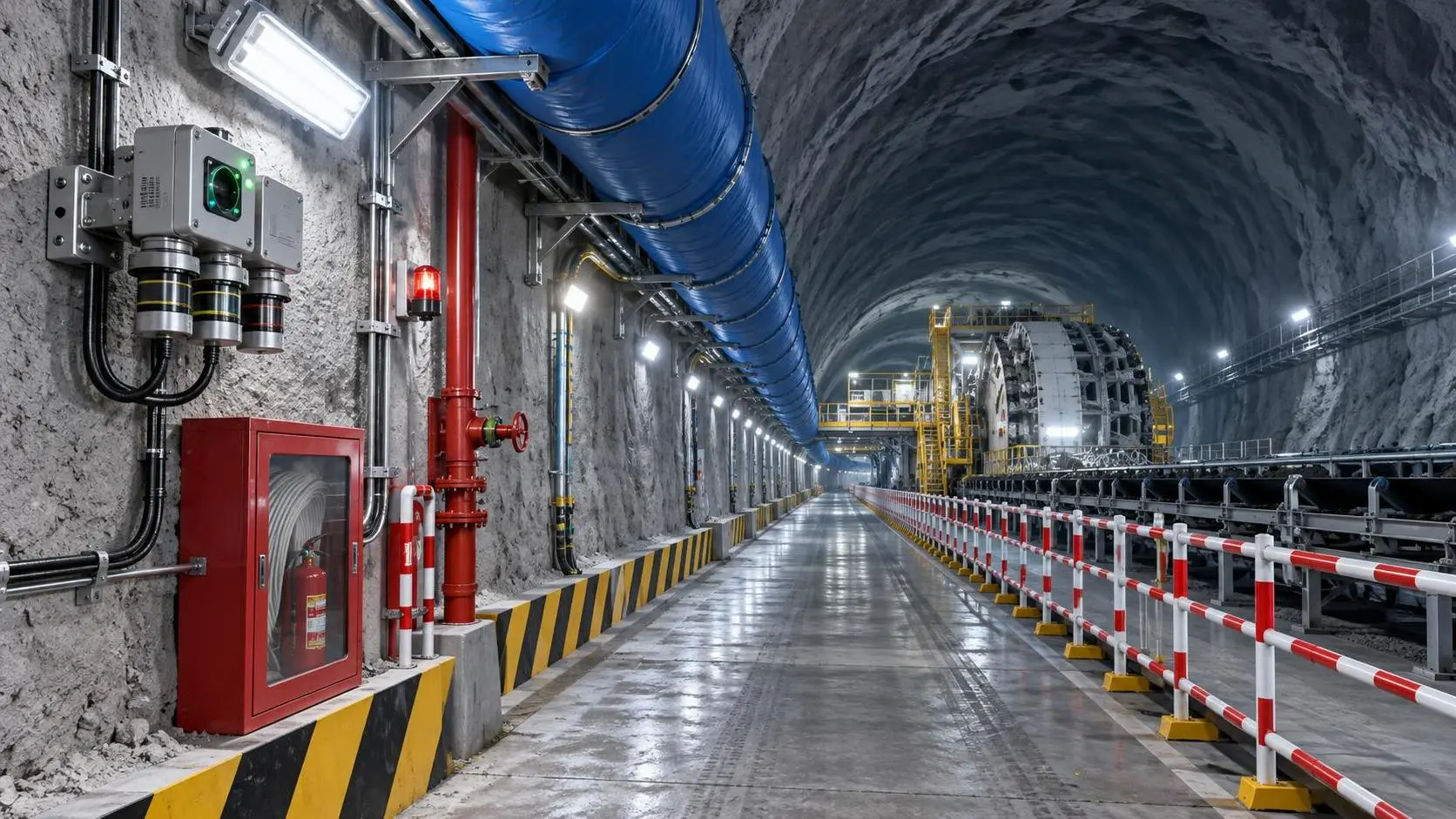
How to Select Underground Safety Equipment for Tunnelling by Hazard and Work Zone
Underground Safety Equipment for tunnelling: match protection to hazards, work zones, compliance, and emergency needs with this practical selection guide.
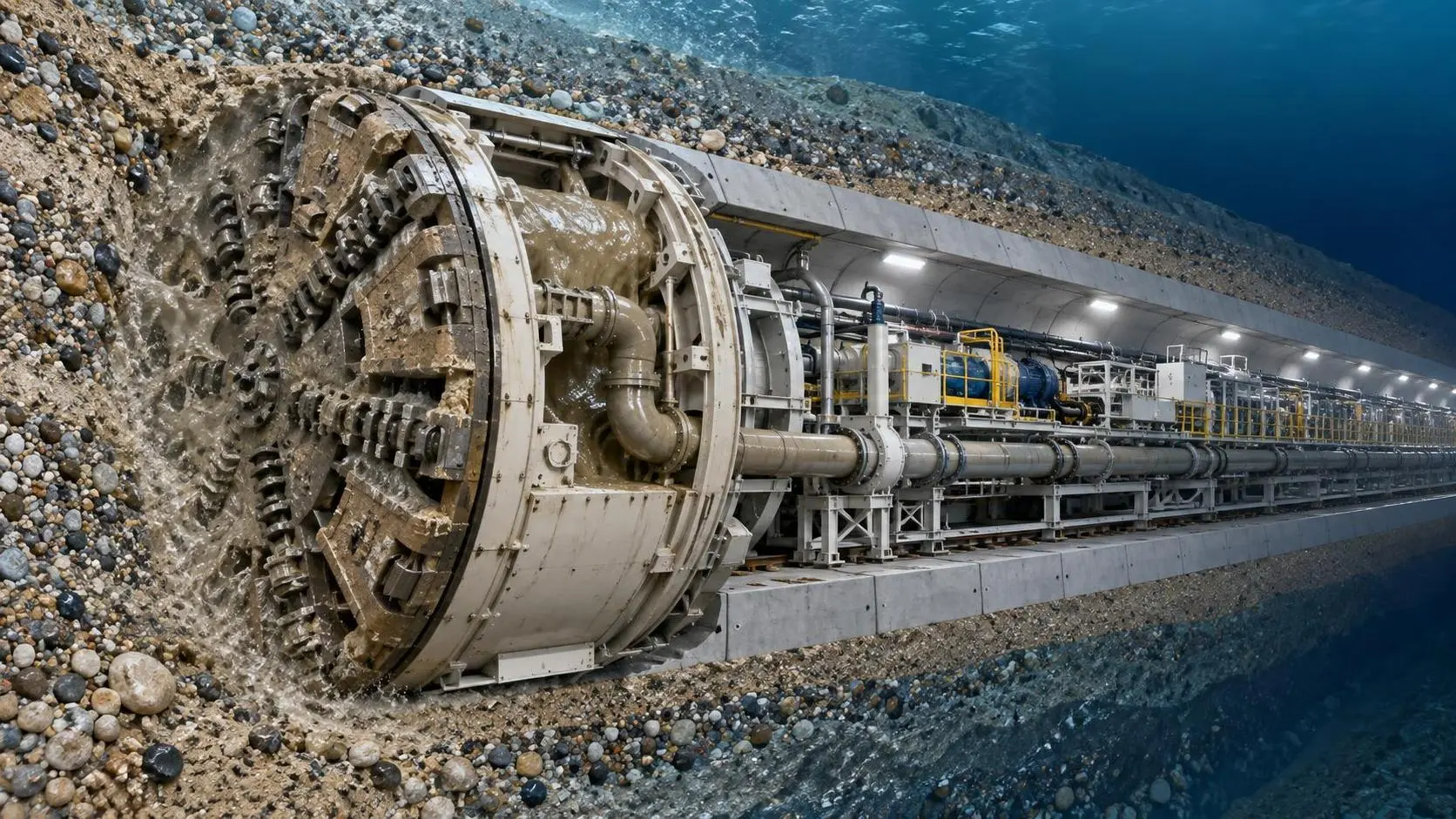
EPB or Slurry Shield? Selecting Soft-Ground Tunnelling Equipment by Soil Conditions
Tunnel Excavation Equipment for soft ground: compare EPB and slurry shields by soil, groundwater, settlement risk, and project logistics to choose confidently.
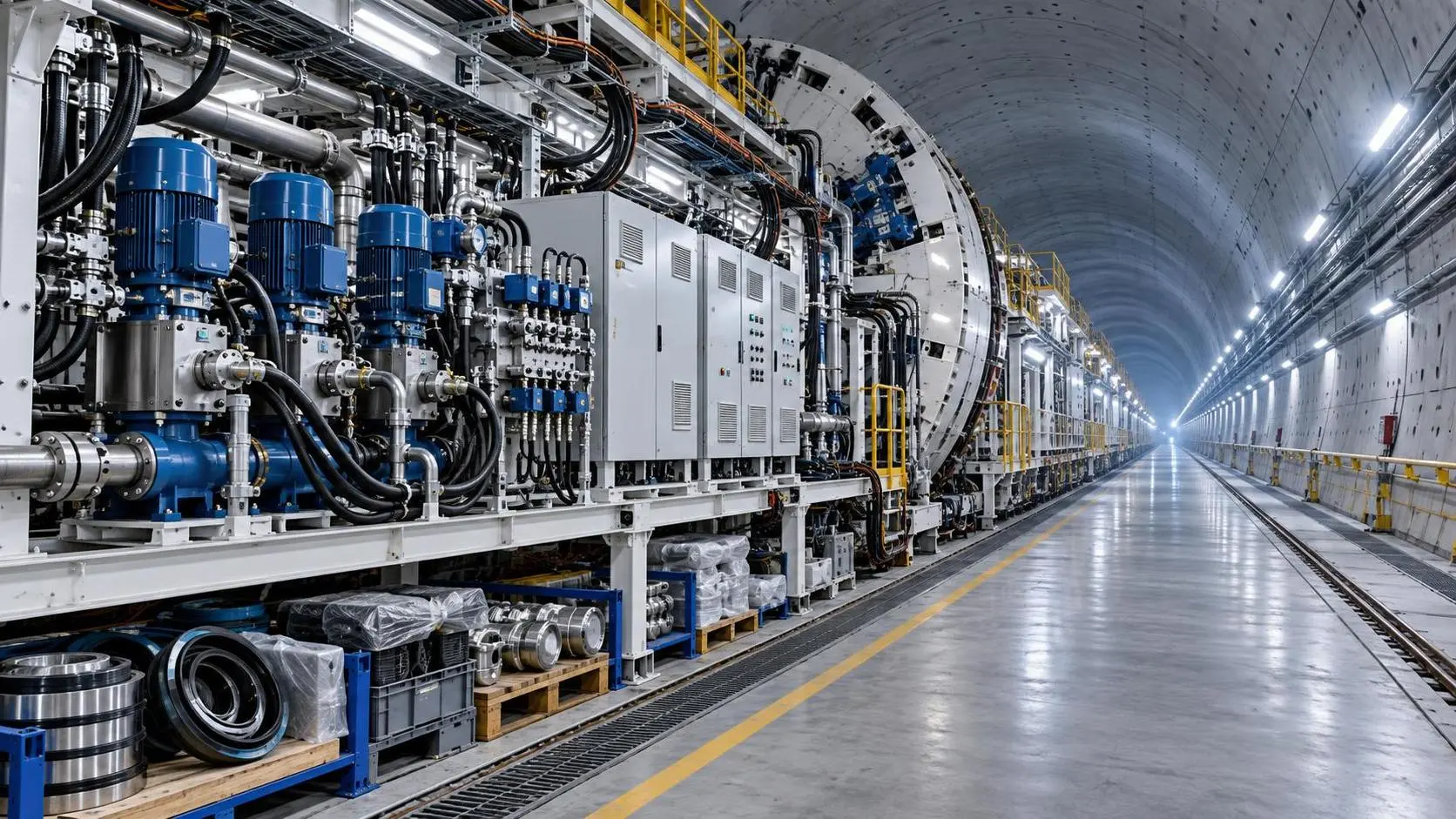
How to Specify TBM Backup System Parts for Reliable Long-Distance Tunnelling
TBM backup system parts: learn how to specify reliable spares for long-distance tunnelling, reduce downtime, ensure compatibility, and speed underground recovery.
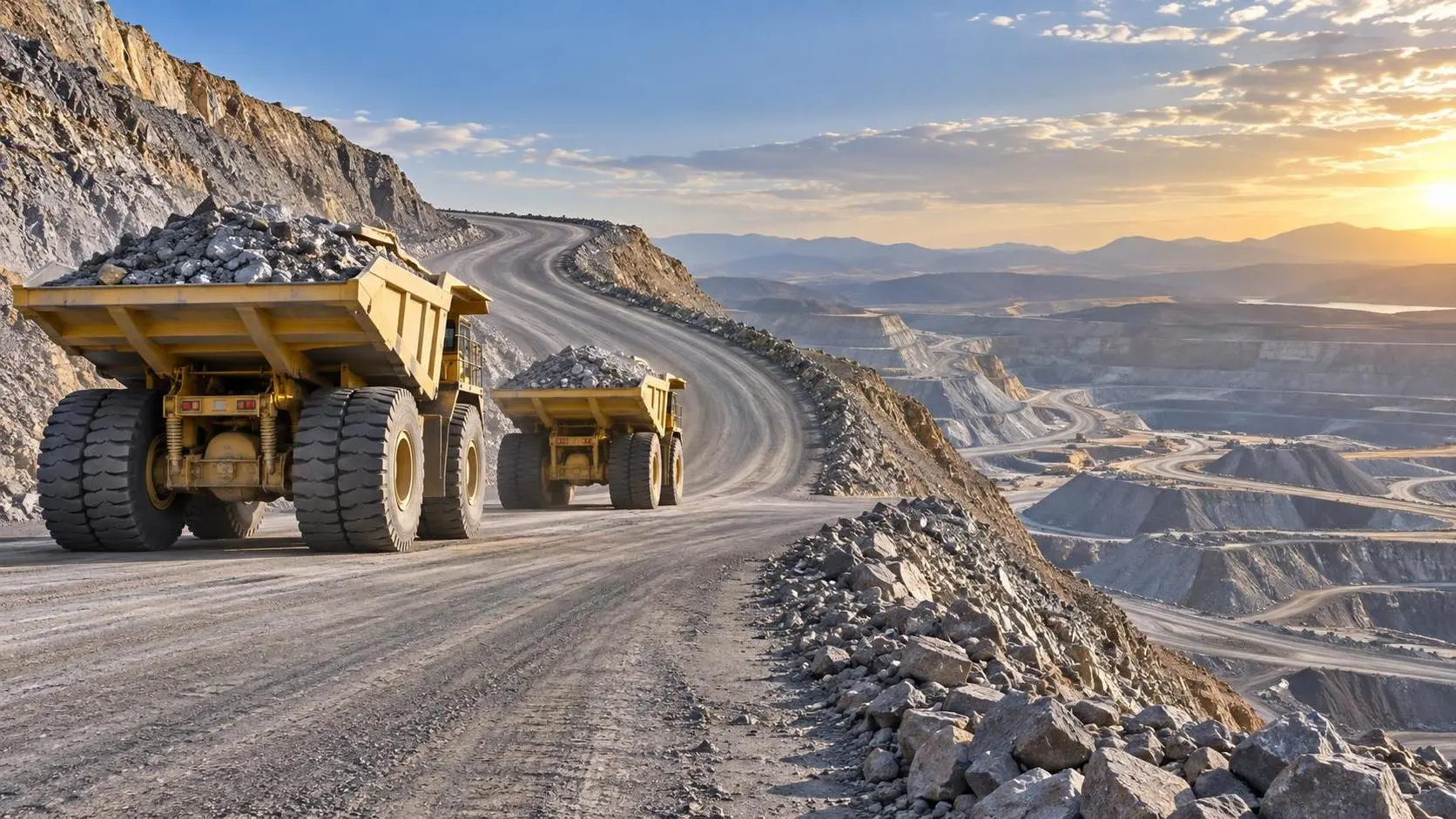
How to Size Open Pit Mining Trucks for Haul Distance, Grade, and Payload?
Open Pit Mining Trucks: learn how to match payload, haul distance, grade, road resistance, and loading capacity for safer, lower-cost mine operations.
Related News
- 00
0000-00
How to Evaluate European Drill-and-Blast Tunnelling Contractors for Complex Projects - 00
0000-00
Which Trenchless Construction Technique Fits Your Utility Crossing Conditions? - 00
0000-00
What Is Driving Metro Tunnelling Demand Across Southeast Asia’s Major Cities? - 00
0000-00
Hard Rock Tunnelling in Australia: Selecting Methods for Variable Ground Conditions - 00
0000-00
Hydropower Tunnel Excavation: Selecting Methods for Variable Rock Conditions
Weekly Insights
Stay ahead with our curated technology reports delivered every Monday.