
Planning Water Conveyance Tunnels for Reliable Irrigation in Large-Scale Projects





Large irrigation schemes often fail at the point where water must move reliably across difficult terrain, through protected land, or beneath developed areas. An open canal may appear less complex on an early layout, yet it can consume land, lose water through evaporation and seepage, and become exposed to slope instability, sediment intrusion, and competing surface uses. Water conveyance tunnels for irrigation can solve those constraints, but only when the tunnel is planned as part of a complete water-delivery system rather than as an excavation package.
For project leaders, the first decision is therefore not whether a tunnel can be built. It is whether an underground route provides a more dependable lifecycle outcome than the available surface alternatives. That judgment rests on four linked questions: how much water must be delivered under normal and stressed operating conditions; what the ground will permit; how the tunnel will be constructed and maintained; and what happens to the water system when one element is unavailable.
Start with the delivery obligation, not the tunnel diameter
A tunnel alignment and diameter are sometimes advanced before the irrigation operating model is settled. This creates a familiar problem: a civil structure is optimized around an assumed design flow, while the actual network later requires different seasonal releases, operational flexibility, pressure control, or sediment handling.
The planning basis should define the delivery obligation in operational terms. This includes the service area, crop-demand pattern, allocation rules, source reliability, conveyance losses outside the tunnel, and the level of supply security expected during dry periods. Peak irrigation demand matters, but it should not be the only design condition. A system sized only for a short peak may be unnecessarily expensive; one sized around average annual demand may be unable to respond when agricultural demand and source constraints coincide.
Project teams should test at least several operating cases before fixing the hydraulic envelope:
- normal seasonal delivery with expected source inflow;
- high-demand periods when downstream users require maximum release;
- low-flow operation, where velocities may allow sediment deposition;
- source-water conditions carrying elevated sediment or debris;
- planned tunnel isolation for inspection or repair; and
- emergency drawdown or controlled shutdown following a hydraulic or geotechnical event.
These cases influence more than nominal flow capacity. They affect the required hydraulic gradient, internal lining requirements, intake arrangement, outlet structures, access adits, drainage provisions, and the practicality of operating gates and control systems. A gravity tunnel with a seemingly modest gradient can be highly sensitive to roughness assumptions, sediment accumulation, local constrictions, and transitions at portals. A pressurized conveyance tunnel introduces another set of decisions involving surge, pressure transients, shaft design, valves, and the interface with downstream pipelines or canals.
Hydraulic design also needs to recognize that irrigation systems are operated, not merely filled. The operator may need to vary releases quickly, balance multiple command areas, manage upstream reservoir levels, or accommodate maintenance on a downstream canal. A tunnel that has no usable operating margin can turn normal adjustments into service interruptions. Where the irrigation scheme serves a large and dispersed area, this operational flexibility may carry more value than a small reduction in initial excavation volume.
Alignment selection is a risk-allocation decision
Shorter is not always safer, faster, or less expensive. The preferred alignment is the one that manages the combined exposure to geology, groundwater, constructability, environmental constraints, and future access. A route that avoids a surface obstacle but crosses a major fault zone, deep fractured rock, or high-pressure groundwater can transfer risk into the most difficult part of construction.
Early corridor screening should compare alternatives using a consistent set of questions. Does the route cross zones with uncertain rock mass quality? Are there lithological changes likely to affect excavation rate or support requirements? Can portals and adits be built safely and kept accessible during operation? Does the tunnel pass beneath settlements, critical infrastructure, unstable slopes, environmentally sensitive areas, or future development corridors? Is there sufficient cover to control surface disturbance, while avoiding unnecessary depth that complicates investigation, drainage, rescue access, and construction logistics?
Geological investigation should be planned as a decision-making program rather than a compliance exercise. Boreholes, geophysics, surface mapping, groundwater observations, and targeted probe drilling need to answer the uncertainties that could change alignment, method, support class, or cost exposure. Long intervals between investigation points may leave critical faulted or water-bearing ground unidentified. Conversely, an extensive investigation campaign that does not target the project’s highest-consequence unknowns may produce a large volume of data without reducing the risks that matter.
For long tunnels, geological variability should be expected even where baseline information appears favorable. The project should identify the ground conditions that would trigger a change in excavation approach, support design, dewatering strategy, cutterhead configuration, or contractual risk treatment. This is particularly important where the water source is essential to regional agricultural supply and schedule pressure may otherwise encourage continued advance through deteriorating ground without an agreed response plan.
Choose the construction method after defining the ground and the operating asset
Full-face tunnel boring can offer consistent geometry, lower disturbance at the surface, and efficient advance in suitable long drives. It is often attractive for major water conveyance tunnels where access is limited and the route requires a durable, repeatable final profile. Yet selecting a tunnel boring machine simply because the alignment is long is a weak basis for procurement. The machine type, cutterhead design, shield arrangement, segmental lining approach, backup configuration, and material handling system must suit the expected rock mass, groundwater regime, tunnel diameter, curve geometry, and logistics.
In competent and relatively predictable hard rock, a hard-rock TBM may provide a strong production case. In mixed ground, squeezing ground, highly fractured zones, or significant groundwater, the selection becomes more sensitive. Shielded configurations, probe drilling capability, pre-grouting arrangements, and rapid support installation may be more important than headline advance-rate assumptions. If the tunnel will later operate as an unpressurized waterway, final lining tolerances and invert geometry also deserve close attention; construction convenience cannot override hydraulic performance or inspection access.
Drill-and-blast excavation can remain appropriate where geology changes frequently, where cross-passages or multiple construction headings are needed, where tunnel lengths do not justify TBM mobilization, or where geometry is complex. It can provide flexibility in variable rock, but it places greater emphasis on blast control, overbreak management, support discipline, ventilation, muck logistics, and final profile quality. The choice should be evaluated across the whole program, including portals, adits, spoil disposal, power supply, workforce requirements, and the time needed to commission the completed waterway.
A practical comparison should avoid treating “TBM versus drill-and-blast” as a binary technology debate. The relevant question is which construction strategy gives the project the most reliable path through its specific ground conditions and access constraints. Some schemes justify a hybrid approach, with different methods on separate reaches or with adits creating multiple headings. That decision only works when interface responsibilities, ground-information sharing, and completion tolerances are controlled consistently.
Design the tunnel as an operable water asset
Once water enters service, many construction-stage compromises become long-term operating burdens. Irrigation agencies and project owners should therefore bring operations, maintenance, and safety requirements into design reviews early, before the civil works are locked in.
Access is one example. A tunnel may be structurally sound yet difficult to inspect, isolate, drain, or repair. The need for access shafts, adits, ventilation provisions, communications, lighting, safe walkways, lifting points, and emergency egress depends on tunnel length, diameter, flow regime, isolation philosophy, and local safety requirements. These features have cost, but excluding them can create a much larger cost when an inspection identifies lining damage, sediment obstruction, leakage, or gate failure years after handover.
Water quality and sediment behavior deserve equal attention. Source water containing abrasive sediment can affect inlets, bends, control structures, and linings. Low-velocity reaches may accumulate deposits that reduce capacity and complicate cleaning. Where sediment exclusion or flushing is required, it must be reflected in the hydraulic layout and operating procedures, rather than being left as a downstream maintenance issue. The same principle applies to debris handling at intakes and to drainage behind linings where groundwater pressures may develop.
Monitoring should support operation, not merely construction documentation. Depending on the scheme, the asset-management plan may require instrumentation for seepage, deformation, groundwater response, flow, pressure, gate position, and energy use at associated pumping or control facilities. Remote data can improve response time, but its value depends on clear alarm thresholds, reliable communications, defined responsibilities, and a maintenance team able to act on the information.
Build resilience into the project controls
Large irrigation tunnels commonly carry concentrated project risk: a delay at one underground workfront can affect the delivery date for reservoirs, canals, pumping stations, and agricultural command areas. A credible program therefore needs more than a baseline schedule. It needs decision gates tied to geological findings, equipment performance, material supply, access readiness, and commissioning dependencies.
Risk registers are most useful when they link each major uncertainty to a practical response. For example, unforeseen water inflow may require probe drilling, advance grouting, additional pumping capacity, revised support, or a temporary change in excavation sequence. Difficult ground may require spare cutter capacity, alternative support materials, revised shift patterns, or access to specialist technical support. The project should establish who can authorize these responses, what evidence is required, and how the consequences are recorded in cost and schedule control.
Contracts also need to reflect the reality that underground conditions cannot be known perfectly in advance. Excessively transferring geological uncertainty to a contractor may raise prices, reduce competition, or encourage disputes when conditions depart from expectations. Retaining all uncertainty with the owner can weaken incentives for disciplined investigation and construction management. The better approach is a transparent baseline of available ground information, defined procedures for changed conditions, measurable triggers, and timely governance for technical decisions.
Commissioning deserves the same rigor as excavation. Before irrigation releases begin, the owner should verify flow behavior, control response, drainage performance, communications, safety arrangements, and the ability to isolate sections of the system. A tunnel can be physically complete while the wider conveyance system remains operationally unready. Bringing operators into pre-commissioning tests helps expose gaps in procedures, staffing, spare parts, and emergency coordination before seasonal demand makes those gaps consequential.
A decision framework for project leaders
Water conveyance tunnels are most compelling where a surface route would create unacceptable land, water-loss, environmental, reliability, or topographic constraints, and where the project can support the investigation and asset-management discipline that underground infrastructure requires. They are less attractive when the tunnel merely relocates a problem that could be addressed through a simpler route, improved canal design, pipeline alternative, or staged delivery strategy.
Before committing to detailed design or procurement, project leaders should be able to answer four questions clearly: What delivery service must the system guarantee? Which geological uncertainties could materially alter the solution? Which construction method remains credible across the likely ground range? And how will the completed tunnel be inspected, controlled, isolated, and repaired over its operating life?
When those answers are established together, the tunnel becomes more than a route through rock. It becomes a managed component of agricultural water security, with design choices tied directly to delivery reliability and long-term operational control.
Related News
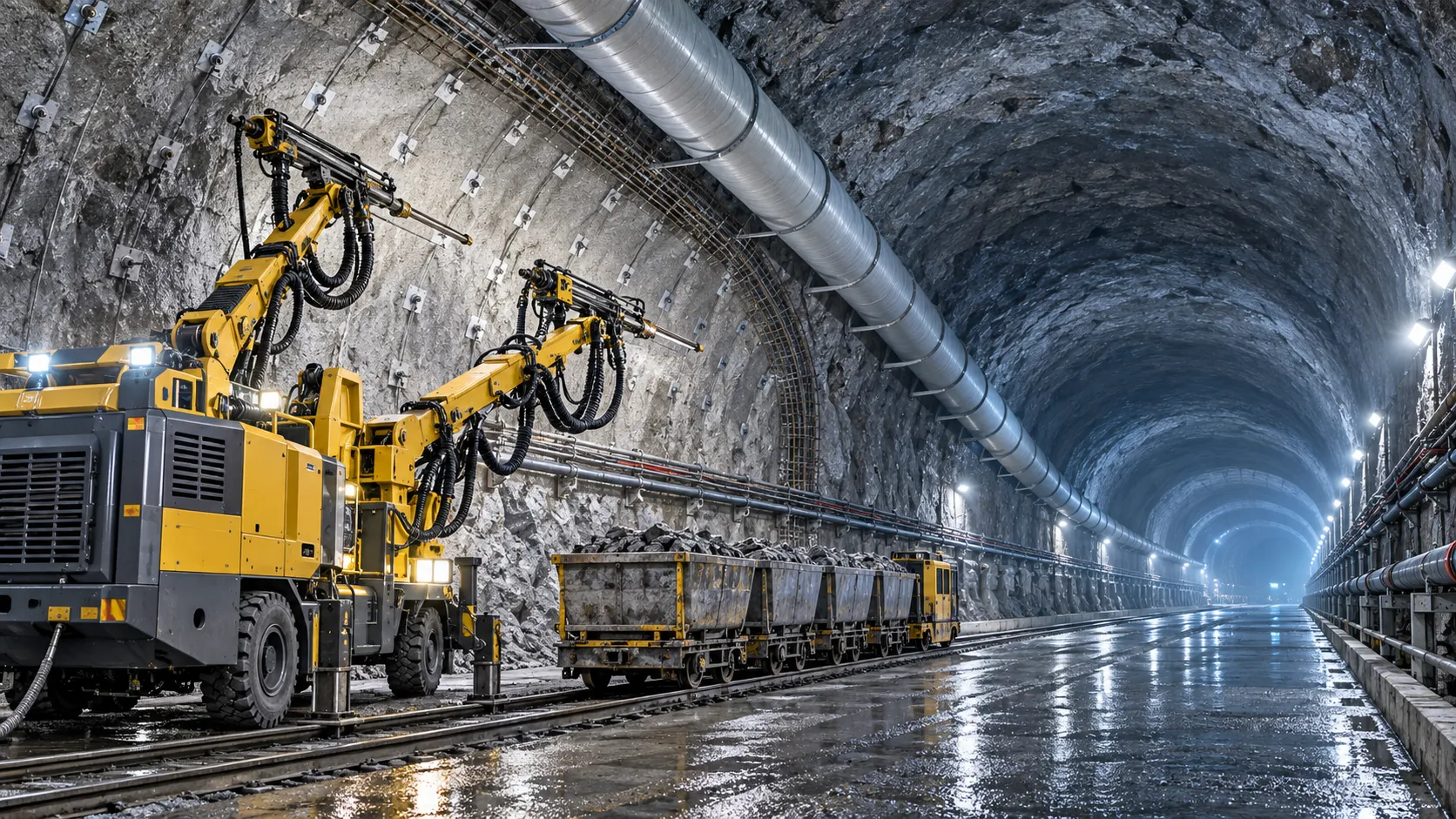
How to Evaluate European Drill-and-Blast Tunnelling Contractors for Complex Projects
Drill and blast tunnelling contractors Europe: learn how to assess geology expertise, blast control, equipment reliability, safety, and programme resilience for complex projects.
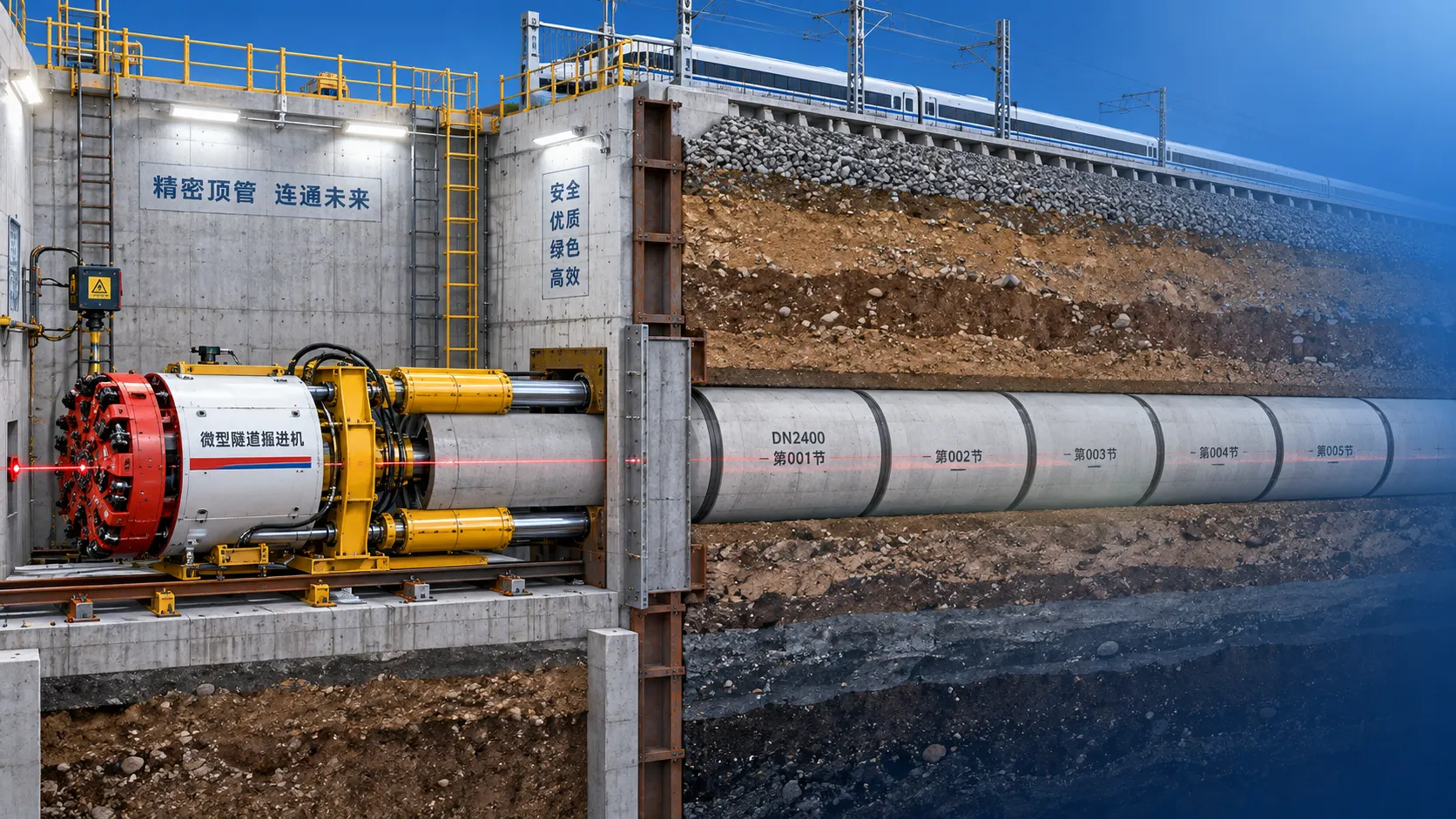
Which Trenchless Construction Technique Fits Your Utility Crossing Conditions?
Trenchless construction techniques compared for utility crossings: choose HDD, microtunnelling, pipe jacking, or auger boring based on ground, accuracy, access, and risk.
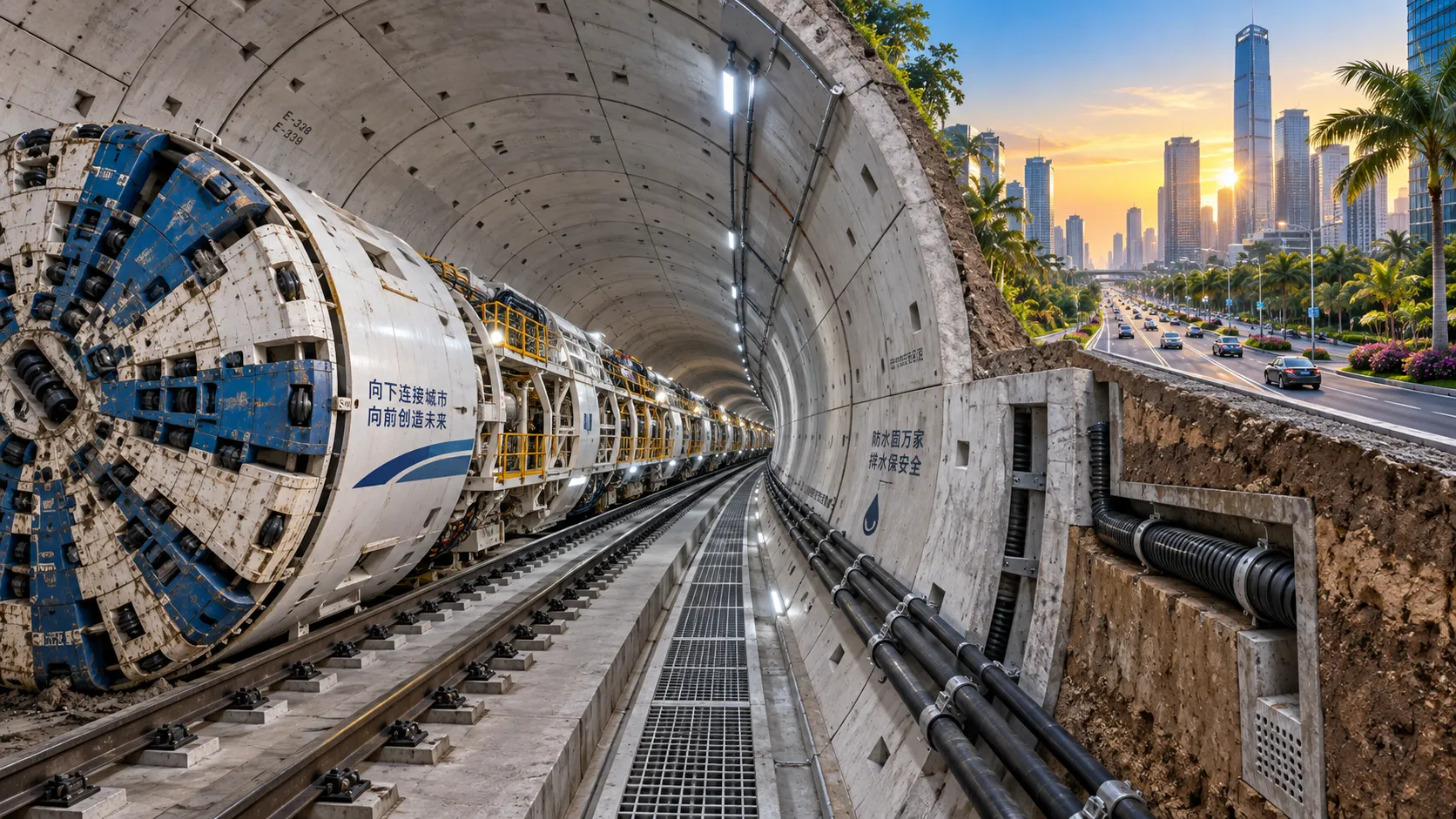
What Is Driving Metro Tunnelling Demand Across Southeast Asia’s Major Cities?
Metro tunnelling Southeast Asia is accelerating as major cities tackle congestion, flooding, and connectivity. Explore the market forces, technical risks, and opportunities shaping demand.
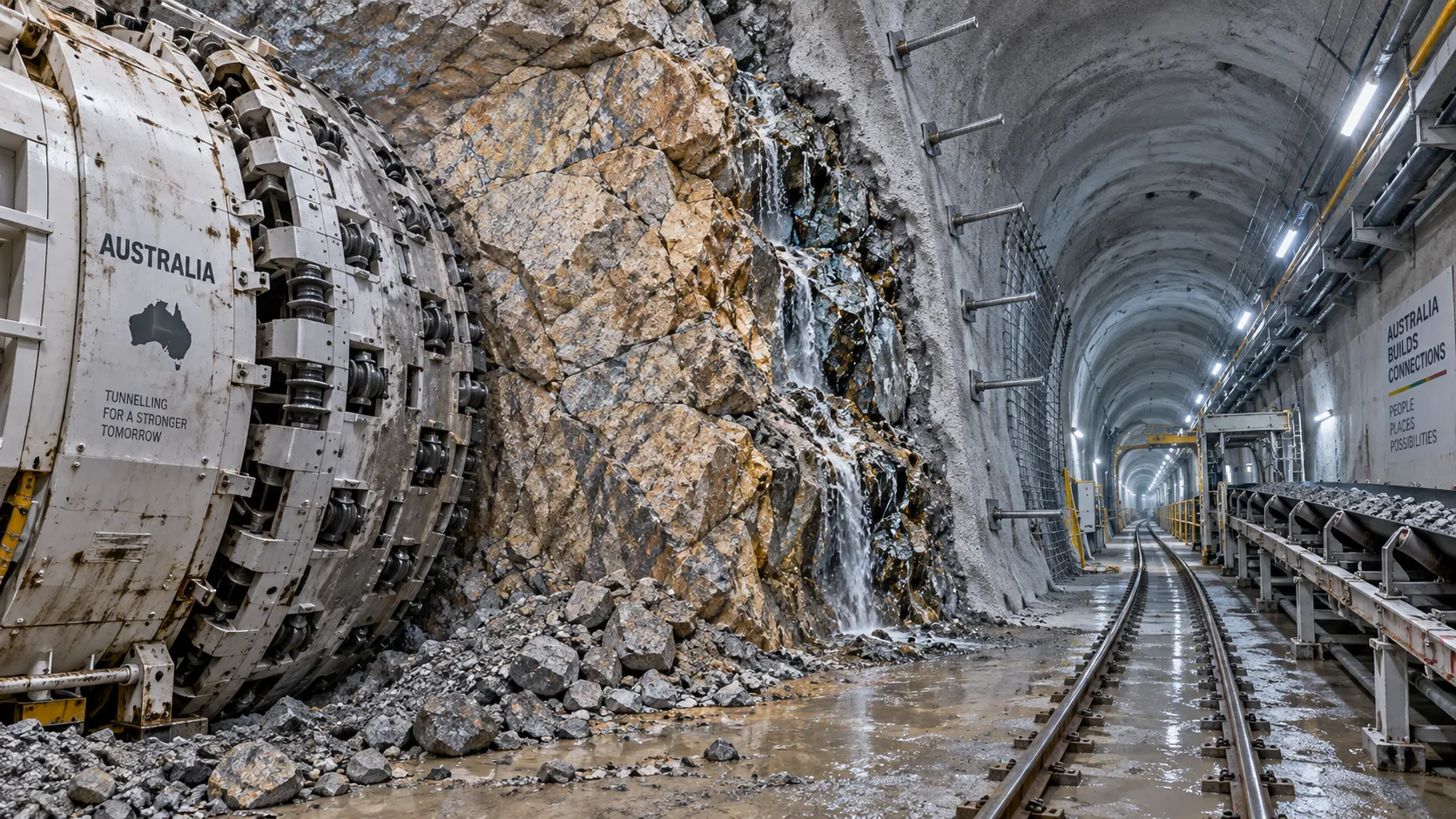
Hard Rock Tunnelling in Australia: Selecting Methods for Variable Ground Conditions
Hard rock tunnelling in Australia: compare TBM, drill-and-blast and hybrid methods to manage variable ground, reduce risk and protect project costs.
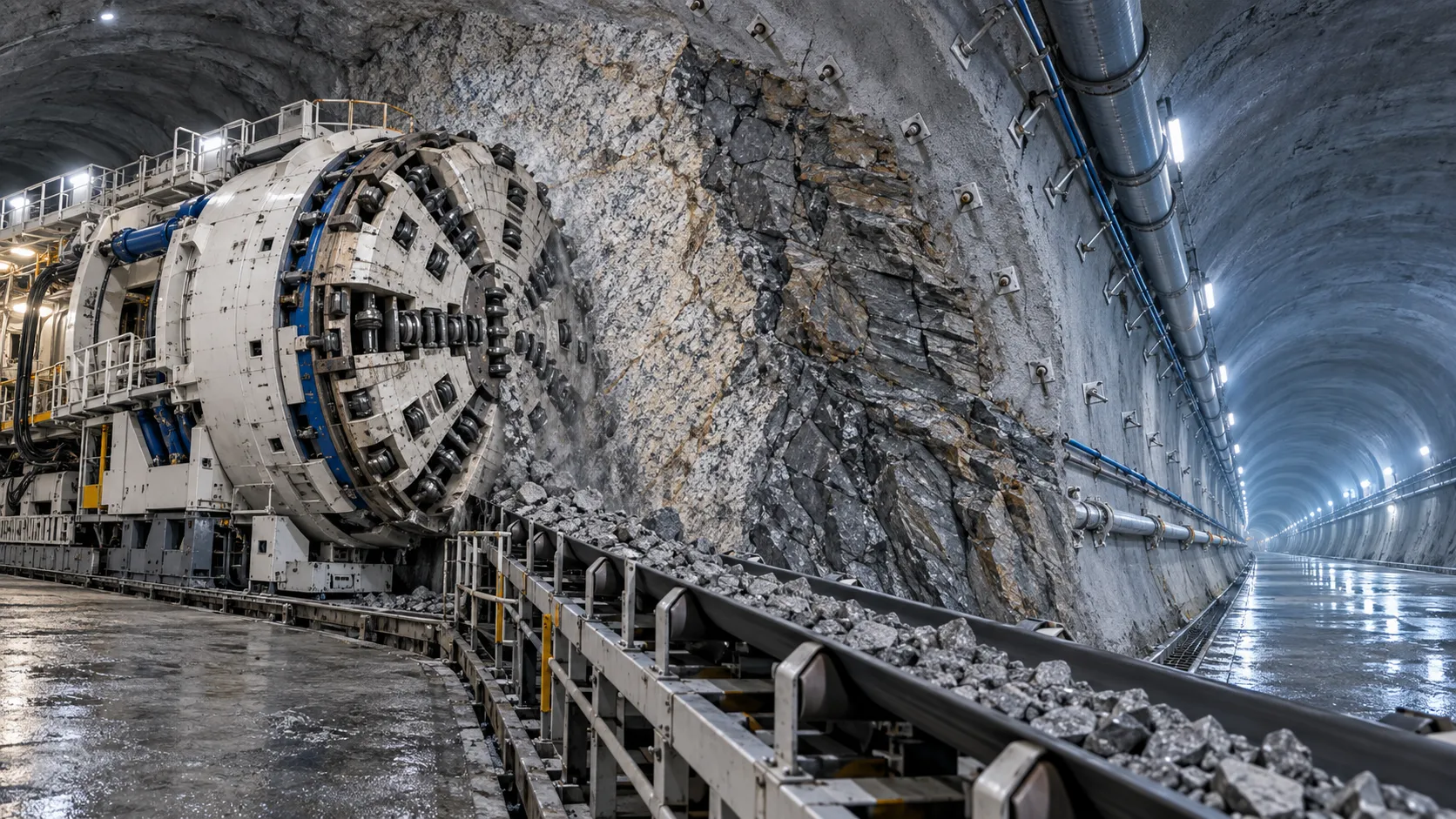
Hydropower Tunnel Excavation: Selecting Methods for Variable Rock Conditions
Hydropower tunnel excavation methods for variable rock conditions: compare TBM, drill-and-blast, and hybrid strategies to improve safety, progress, and project control.
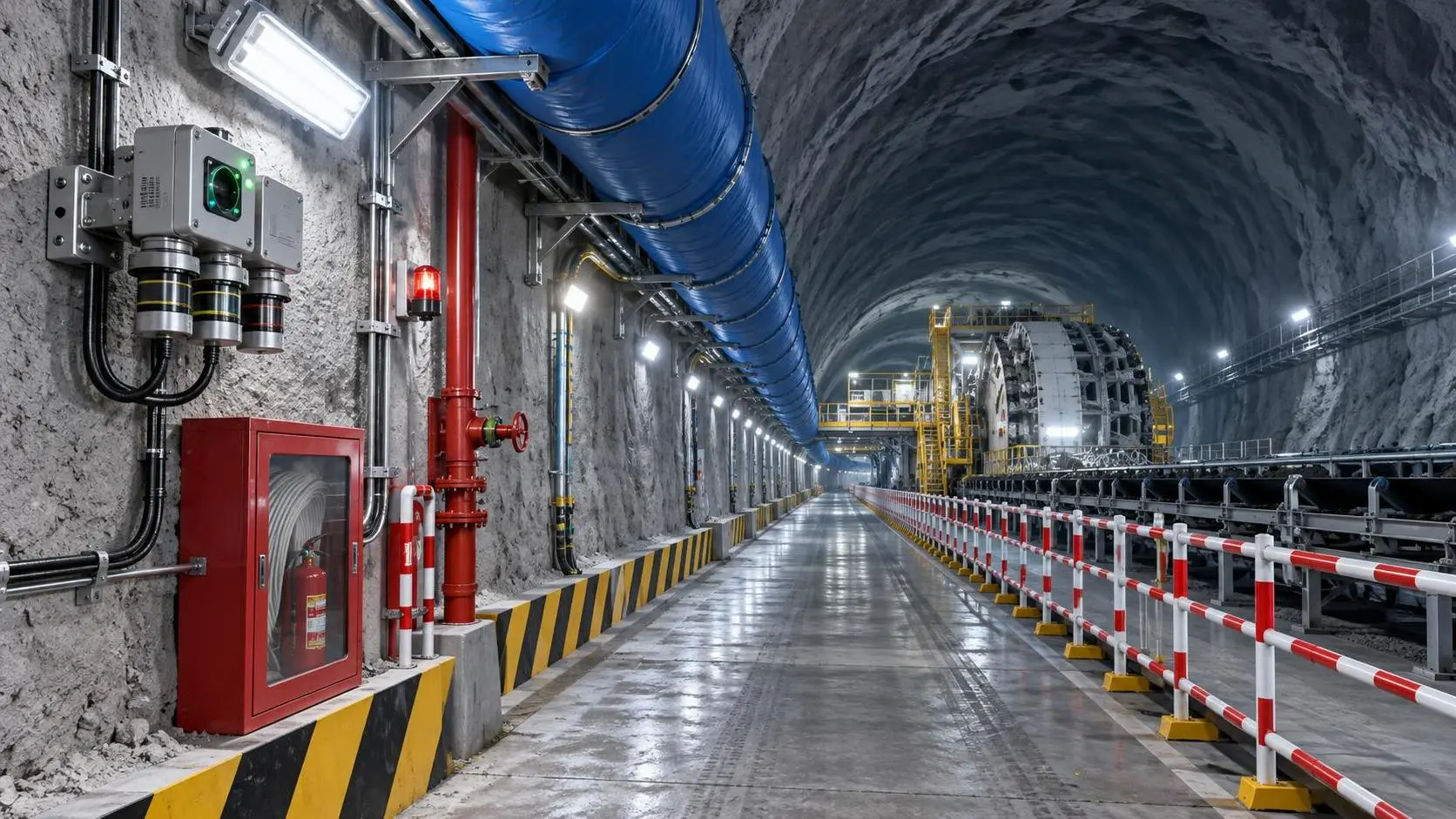
How to Select Underground Safety Equipment for Tunnelling by Hazard and Work Zone
Underground Safety Equipment for tunnelling: match protection to hazards, work zones, compliance, and emergency needs with this practical selection guide.
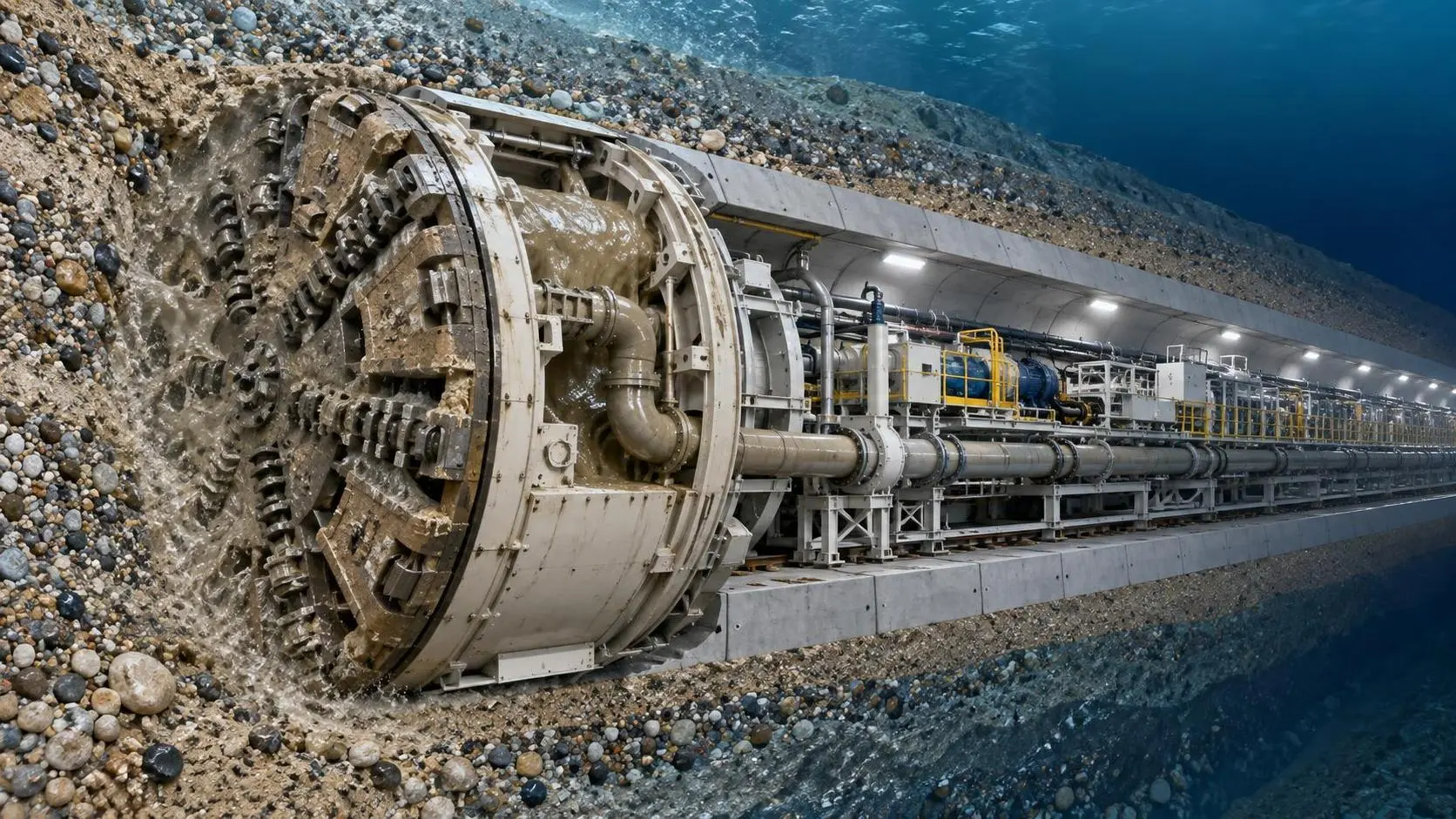
EPB or Slurry Shield? Selecting Soft-Ground Tunnelling Equipment by Soil Conditions
Tunnel Excavation Equipment for soft ground: compare EPB and slurry shields by soil, groundwater, settlement risk, and project logistics to choose confidently.
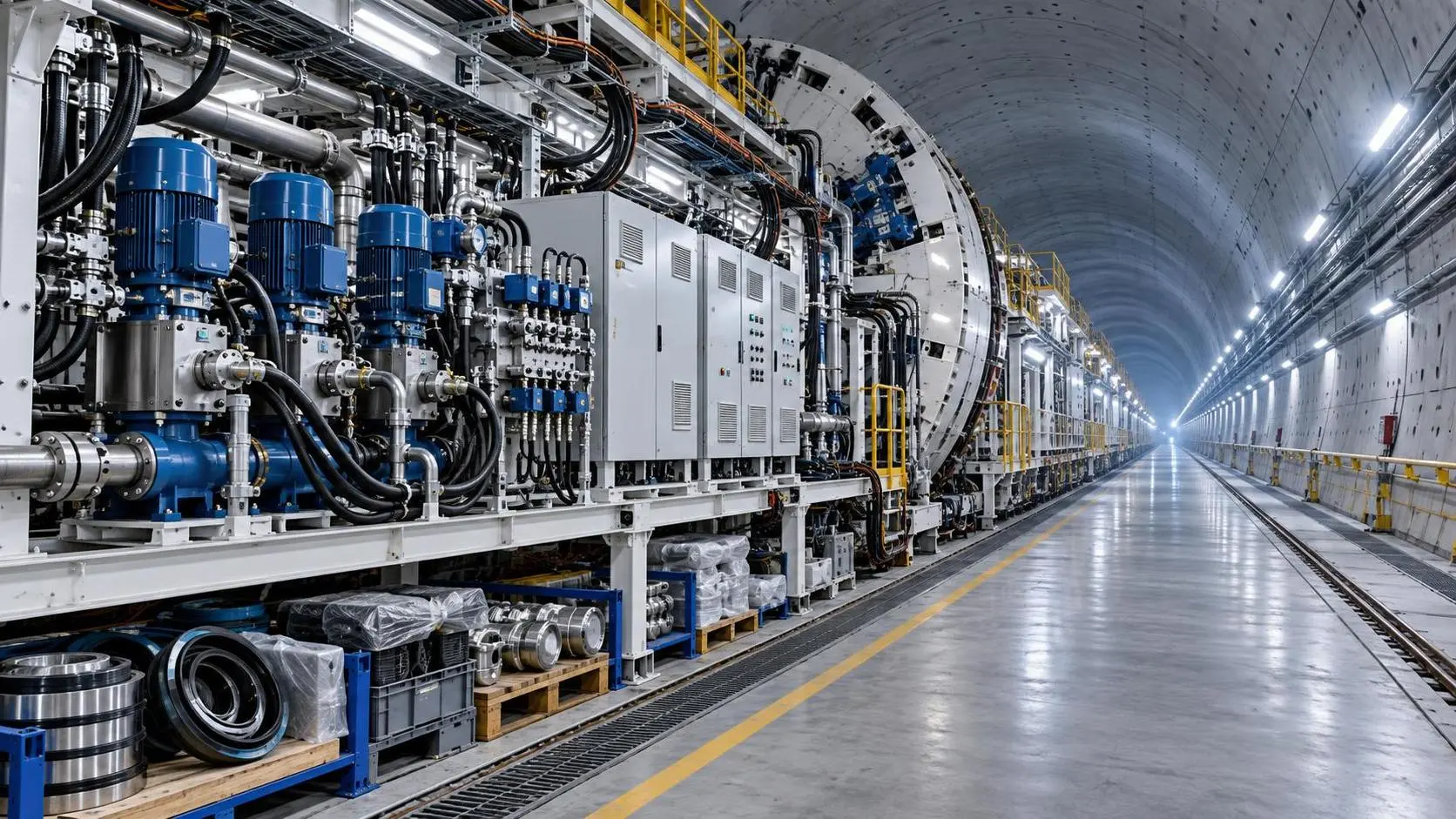
How to Specify TBM Backup System Parts for Reliable Long-Distance Tunnelling
TBM backup system parts: learn how to specify reliable spares for long-distance tunnelling, reduce downtime, ensure compatibility, and speed underground recovery.
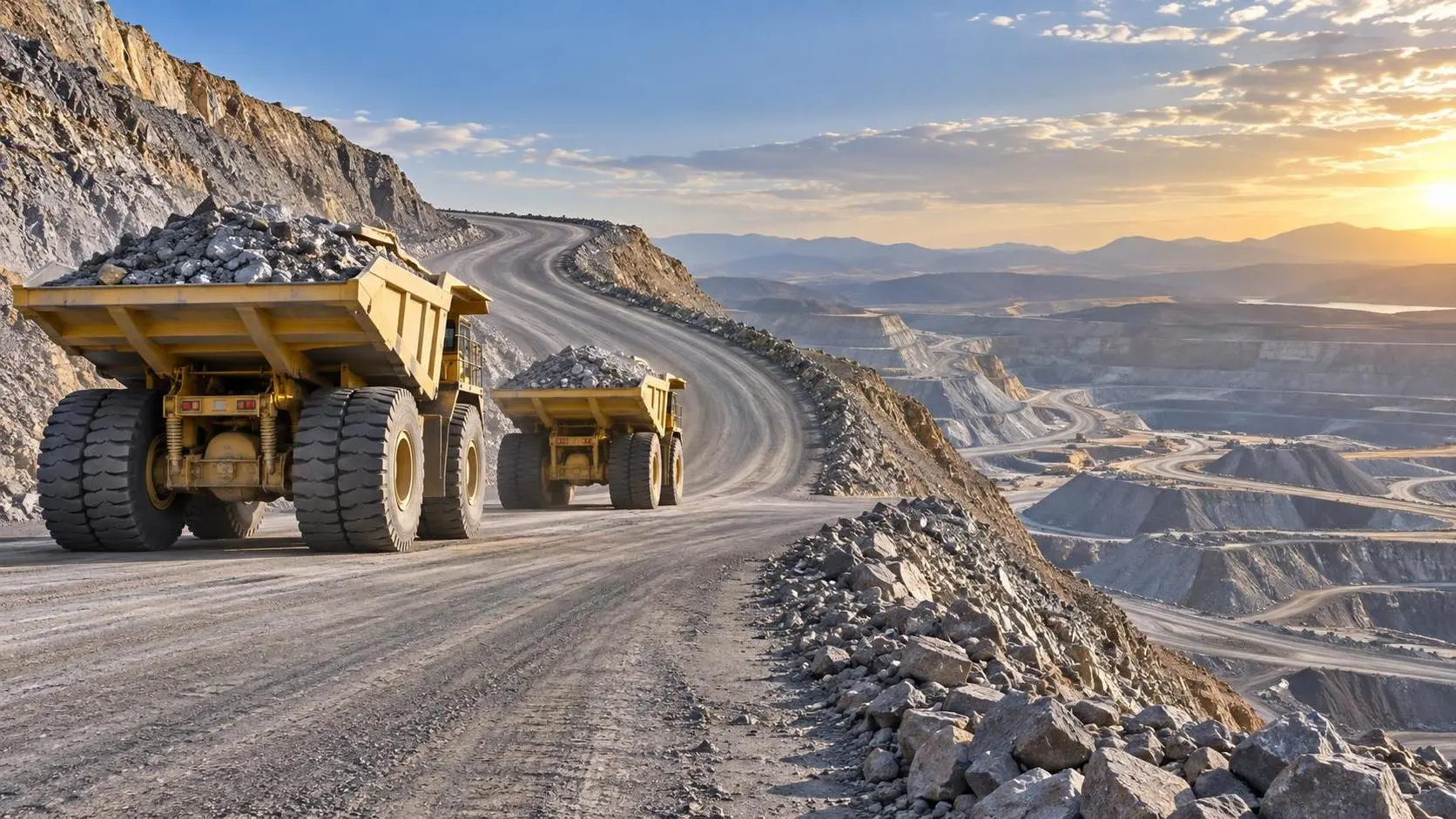
How to Size Open Pit Mining Trucks for Haul Distance, Grade, and Payload?
Open Pit Mining Trucks: learn how to match payload, haul distance, grade, road resistance, and loading capacity for safer, lower-cost mine operations.
Related News
- 00
0000-00
How to Evaluate European Drill-and-Blast Tunnelling Contractors for Complex Projects - 00
0000-00
Which Trenchless Construction Technique Fits Your Utility Crossing Conditions? - 00
0000-00
What Is Driving Metro Tunnelling Demand Across Southeast Asia’s Major Cities? - 00
0000-00
Hard Rock Tunnelling in Australia: Selecting Methods for Variable Ground Conditions - 00
0000-00
Hydropower Tunnel Excavation: Selecting Methods for Variable Rock Conditions
Weekly Insights
Stay ahead with our curated technology reports delivered every Monday.