
How to Evaluate European Drill-and-Blast Tunnelling Contractors for Complex Projects





How to Evaluate European Drill-and-Blast Tunnelling Contractors for Complex Projects
Selecting the right drill-and-blast tunnelling contractor is rarely a simple commercial comparison. On complex European projects, geology, urban interfaces, environmental limits, logistics, safety expectations, and programme pressure often interact in ways that cannot be resolved by choosing the lowest headline bid.
The strongest drill and blast tunnelling contractors Europe can offer are not merely providers of drilling jumbos, explosives crews, and mucking equipment. They are underground delivery partners able to interpret uncertain ground conditions, maintain excavation discipline, coordinate support installation, and make controlled decisions when the original cycle no longer fits what is encountered at the face.
For a project manager, the key question is not “Can this contractor blast rock?” Most established firms can. The more useful question is whether the contractor can repeatedly deliver safe, controlled advance in the particular rock mass, alignment, access arrangement, and stakeholder environment of the project.
Start with the ground model, not the contractor shortlist
A tender package that describes geology only in broad terms invites broad, difficult-to-compare proposals. Before evaluating contractors, define what is known, what remains uncertain, and which geological outcomes would materially change the excavation method or support class. This is especially important where hard competent rock alternates with fault zones, squeezing ground, water-bearing fractures, variable overburden, or mixed-face conditions.
The contractor should demonstrate that it has reviewed the ground baseline, not simply acknowledged it. Ask how its blast design, round length, probe drilling plan, face mapping routine, rock-support sequence, and dewatering response would change under plausible adverse conditions. A serious response identifies decision points. A weak one treats geological uncertainty as a generic risk note with a blanket contingency allowance.
Drill-and-blast remains valuable because it can adapt to changing tunnel profiles, difficult access, hard rock, cross passages, caverns, and short or discontinuous drives. That flexibility, however, depends on engineering control. Poor fragmentation, overbreak, excessive vibration, and delayed support can quickly consume the advantage of a seemingly economical excavation method.
Look beyond advance-rate promises
Production claims should be evaluated as a complete cycle rather than as metres advanced per shift. The actual cycle includes surveying and marking, drilling, charging, blasting, ventilation clearance, scaling, mucking, face inspection, probing where required, and initial support. Where ground conditions demand bolting, mesh, shotcrete, lattice girders, or more substantial reinforcement, the support operation becomes part of the critical path.
Ask bidders to explain the assumptions behind their programme: planned round length, number of booms, drill-hole accuracy controls, estimated drilling time, re-entry time after blasting, haul distance, loading capacity, ventilation constraints, maintenance windows, and expected support cycle. The purpose is not to force a single production model. It is to reveal whether the programme is operationally coherent.
A contractor that offers an aggressive advance rate but leaves muck removal, ventilation recovery, or secondary support vague may be transferring programme risk into site operations. Conversely, a conservative programme is not automatically stronger. It should still show how the team will recover from delays without compromising blast quality or ground support.
Assess drilling and blasting competence as a connected system
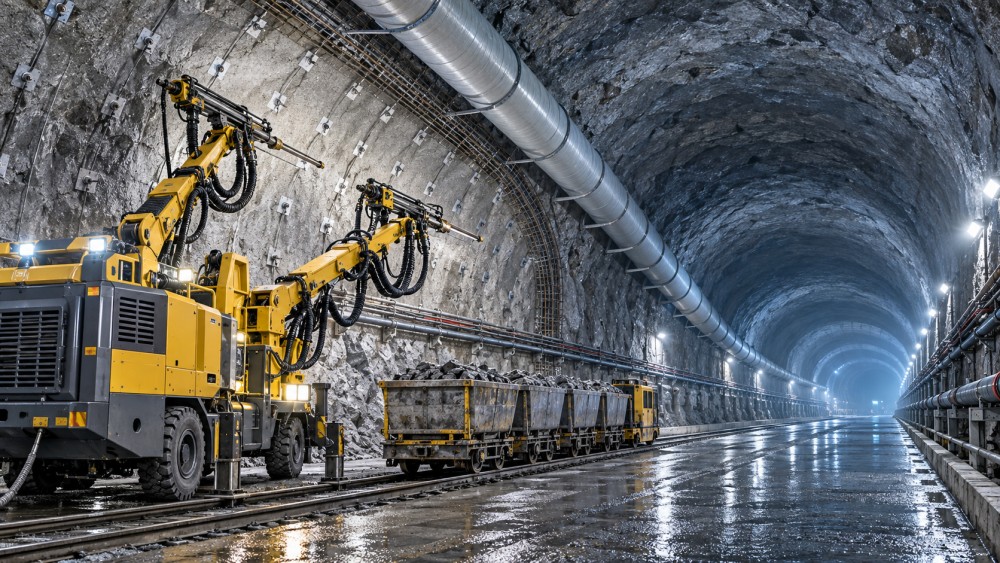
Excavation quality starts with the drill pattern. In hard rock tunnelling, collaring accuracy, hole deviation, burden and spacing, perimeter-hole control, and the relationship between the cut and the available face geometry all influence the result. It is reasonable to ask how the contractor verifies alignment and drilling accuracy, particularly where line-and-level tolerance, support thickness, waterproofing interfaces, or final profile limits are demanding.
The contractor’s blast engineer should be able to discuss how charge concentration, delay sequencing, contour blasting, decoupled charges, and stemming practices are adapted to the expected rock mass. The exact design will depend on local rules, approved explosive products, tunnel geometry, and site-specific vibration restrictions. What matters during evaluation is the quality of the method: does the team link blast design to fragmentation, overbreak, vibration, flyrock prevention at portals, and downstream mucking efficiency?
Do not separate drilling capacity from blasting capability. A modern computerized jumbo can support accurate pattern execution, but it does not compensate for poor face interpretation, inadequate consumable management, or weak charging discipline. Similarly, a capable blast design will not perform as intended when drilling deviations are not measured or when drill steels, bits, and hydraulic systems are poorly maintained.
Questions that expose practical capability
- How is each blast round reconciled against the planned profile, including overbreak and underbreak?
- Who has authority to alter round length, drilling pattern, or support sequence when face conditions change?
- What is the procedure for misfires, unstable faces, water inflow, or damaged ventilation after a blast?
- How are drilling consumables, spare parts, and critical hydraulic components managed for remote or constrained sites?
- Can the bidder provide project-relevant references that show similar tunnel size, rock conditions, and interface constraints?
Evaluate equipment availability in the context of the whole heading
A tender may list high-capacity drilling jumbos, loaders, trucks, and shotcrete rigs, yet still fail to explain how those machines will operate together in a restricted heading. Equipment evaluation should focus on fleet suitability, redundancy, maintenance access, operator competence, and compatibility with the tunnel’s ventilation, power, turning, and passing arrangements.
For example, a jumbo’s boom reach and drilling coverage must suit the cross-section and planned face profile. The haulage system must match expected fragmentation and travel distance. The selected loader or excavator needs enough breakout and bucket capacity without creating congestion. In long drives, the contractor should also explain fuel or electrical supply, workshop location, shift-change arrangements, and recovery plans for disabled equipment.
This is where zero-emission and automation considerations are becoming more relevant. Battery-electric underground machines can reduce diesel exhaust at the face, but their practical value depends on charging or battery-swapping strategy, electrical infrastructure, machine availability, thermal conditions, and service support. Remote operation, digital fleet monitoring, and guidance systems can improve visibility, but only if they are integrated into site procedures rather than presented as optional technology.
Compare risk management where it matters: at the face and at the interface
European tunnelling projects often face demanding constraints beyond the excavation itself. A tunnel beneath dense development may be governed by vibration, settlement, noise, traffic arrangements, and public sensitivity. A mountain project may be shaped by portal access, seasonal weather, water management, spoil disposal, and emergency response distance. In mining-related development, ventilation, ground control, traffic segregation, and production interfaces may dominate the risk picture.
A credible contractor identifies these site-specific interfaces early and describes measurable controls. For urban work, this may include a monitoring plan, trigger-response procedures, blast timing coordination, and communication responsibilities. For remote rock tunnels, it may mean contingency plans for water inflow, rescue access, power loss, or supply interruptions. Generic health-and-safety language is not enough; assess whether the risk register connects to daily work methods and named responsibilities.
Test the management team, not only the corporate reference list
Corporate experience matters, but underground works are delivered by the people assigned to the project. The proposed project manager, tunnel manager, shift supervisors, survey personnel, blast engineer, geologist or geotechnical interface lead, plant manager, and safety team should be evaluated as an operating group.
Interviews can be more revealing than polished written submissions. Present a realistic scenario: an unexpected weak zone appears after a blast, water inflow increases, and the planned support class may no longer be appropriate. Ask the team to explain who stops work, who assesses the face, what information is recorded, how temporary support is decided, and how programme consequences are communicated. The value lies in the sequence of decisions, not in rehearsed assurances.
Language capability and local supply-chain knowledge also deserve attention on cross-border projects. European workforces, permitting processes, explosive storage arrangements, labour rules, and transport logistics vary by country and region. A contractor working outside its established market may still be suitable, but it should show how local compliance, subcontractor control, and emergency arrangements will be managed.
Procure for transparency, not false certainty
The commercial model should reflect what cannot reasonably be known before excavation begins. Trying to force all geological uncertainty into a fixed price can produce defensive bids, claims-driven behaviour, or pressure to continue with an unsuitable cycle. Clear baseline information, defined measurement rules, transparent support-class mechanisms, and timely change procedures generally create a more workable relationship.
Bid comparisons should separate the contractor’s controllable performance from owner-retained geological uncertainty. Review exclusions carefully, particularly for water treatment, spoil classification, support changes, access delays, explosive restrictions, and third-party monitoring requirements. A lower bid can become less attractive if these boundaries are unclear.
At UTMD, the relationship between rock-cutting mechanics, underground equipment, and operational reliability is treated as a connected system. That perspective is useful during contractor selection. A drilling jumbo, a ventilation plan, a haulage fleet, a blast sequence, and a support regime should not be reviewed as isolated procurement items. They determine whether the heading can continue safely when real rock conditions differ from the model.
Make the final decision on resilience
The preferred contractor should be the one whose technical method, people, equipment, and commercial assumptions remain credible when the project becomes less convenient than planned. That does not mean selecting the most elaborate proposal. It means selecting a team that understands where a drill-and-blast cycle can fail and has a practical, evidenced way to regain control.
Before award, run a final alignment workshop using the actual ground baseline, proposed schedule, plant layout, blast restrictions, support philosophy, and key interfaces. Resolve the gaps in that room, while options are still open. In complex underground work, the quality of those early decisions is often more valuable than a small difference in tender price.
Related News
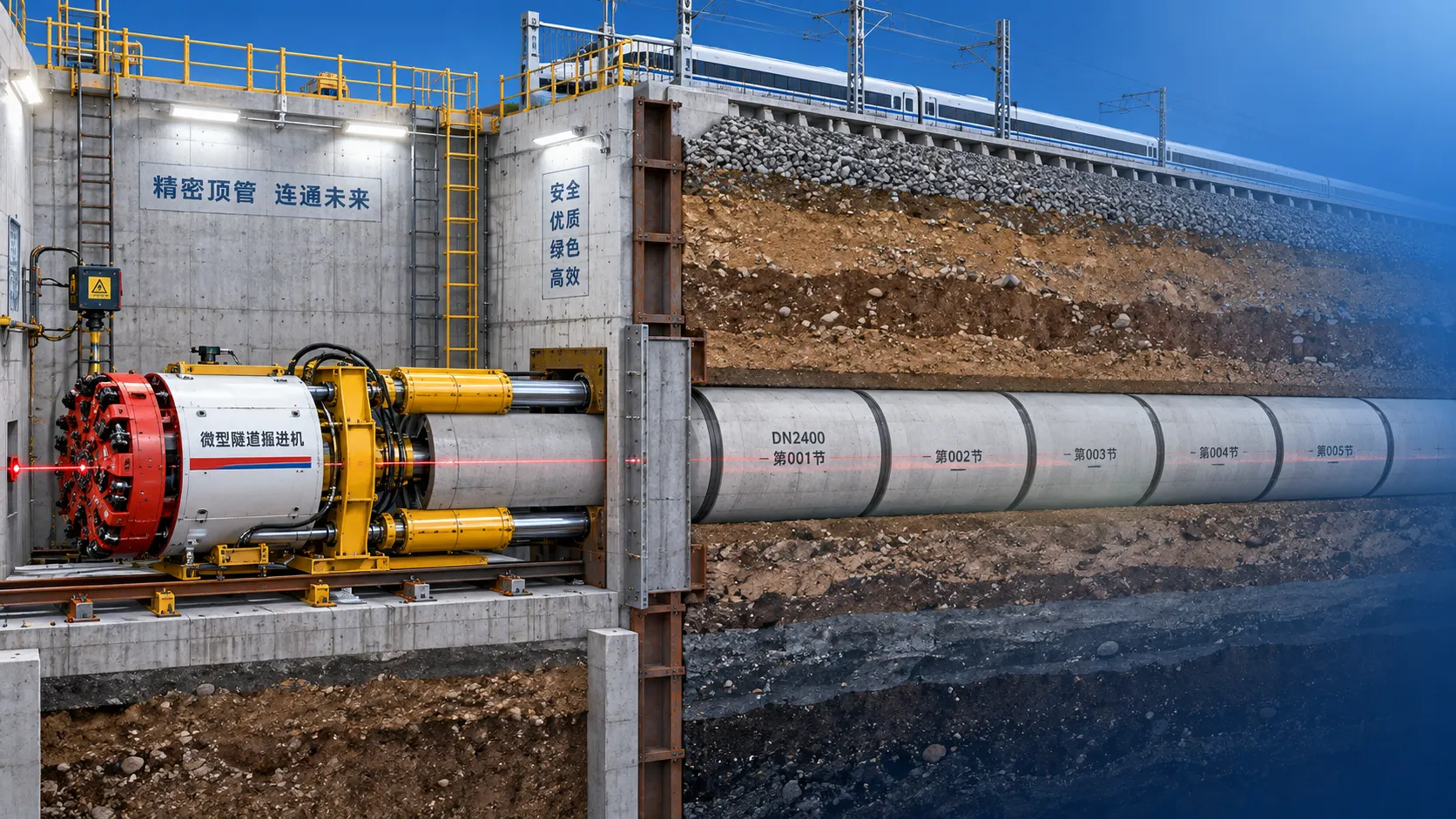
Which Trenchless Construction Technique Fits Your Utility Crossing Conditions?
Trenchless construction techniques compared for utility crossings: choose HDD, microtunnelling, pipe jacking, or auger boring based on ground, accuracy, access, and risk.
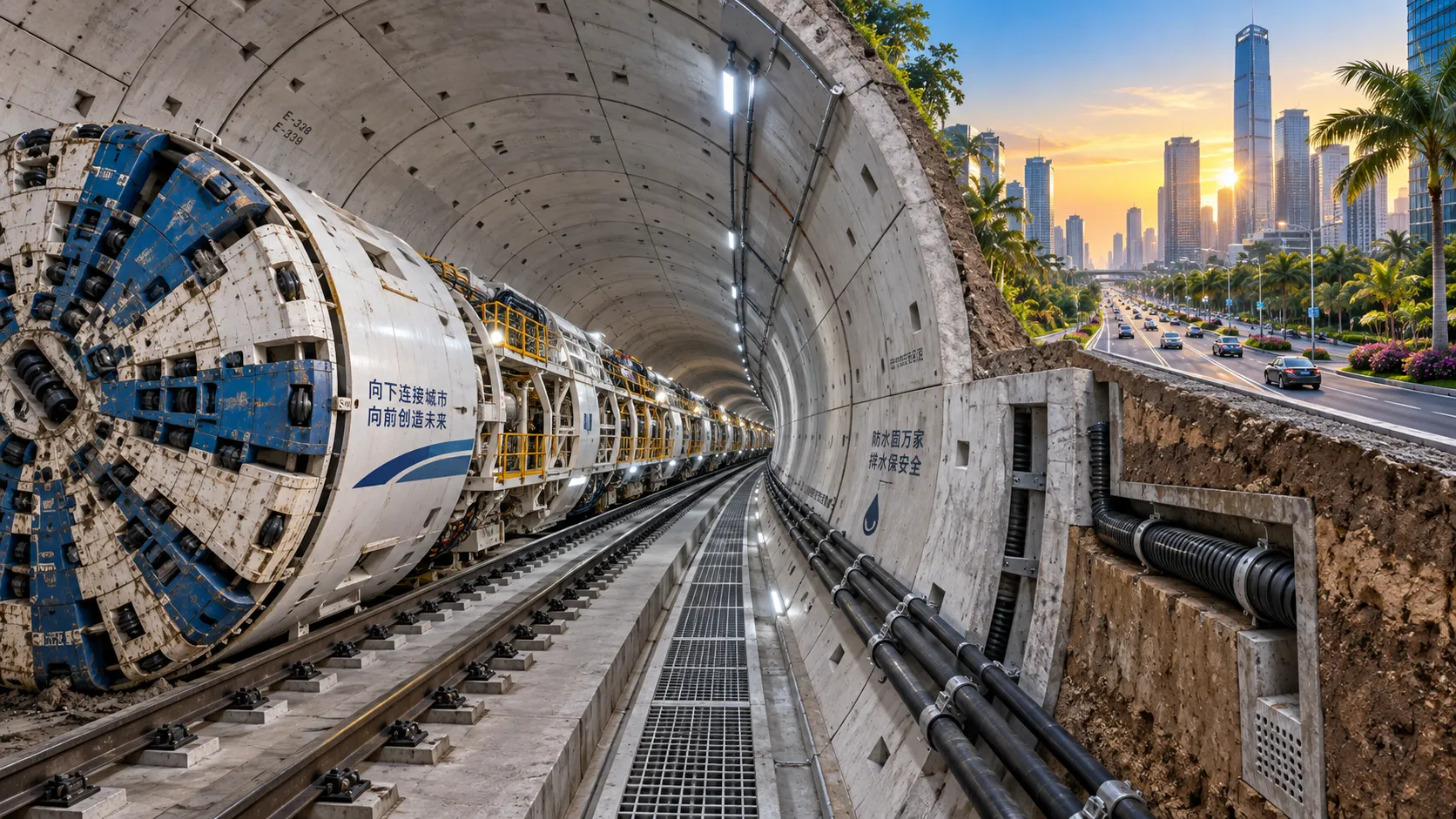
What Is Driving Metro Tunnelling Demand Across Southeast Asia’s Major Cities?
Metro tunnelling Southeast Asia is accelerating as major cities tackle congestion, flooding, and connectivity. Explore the market forces, technical risks, and opportunities shaping demand.
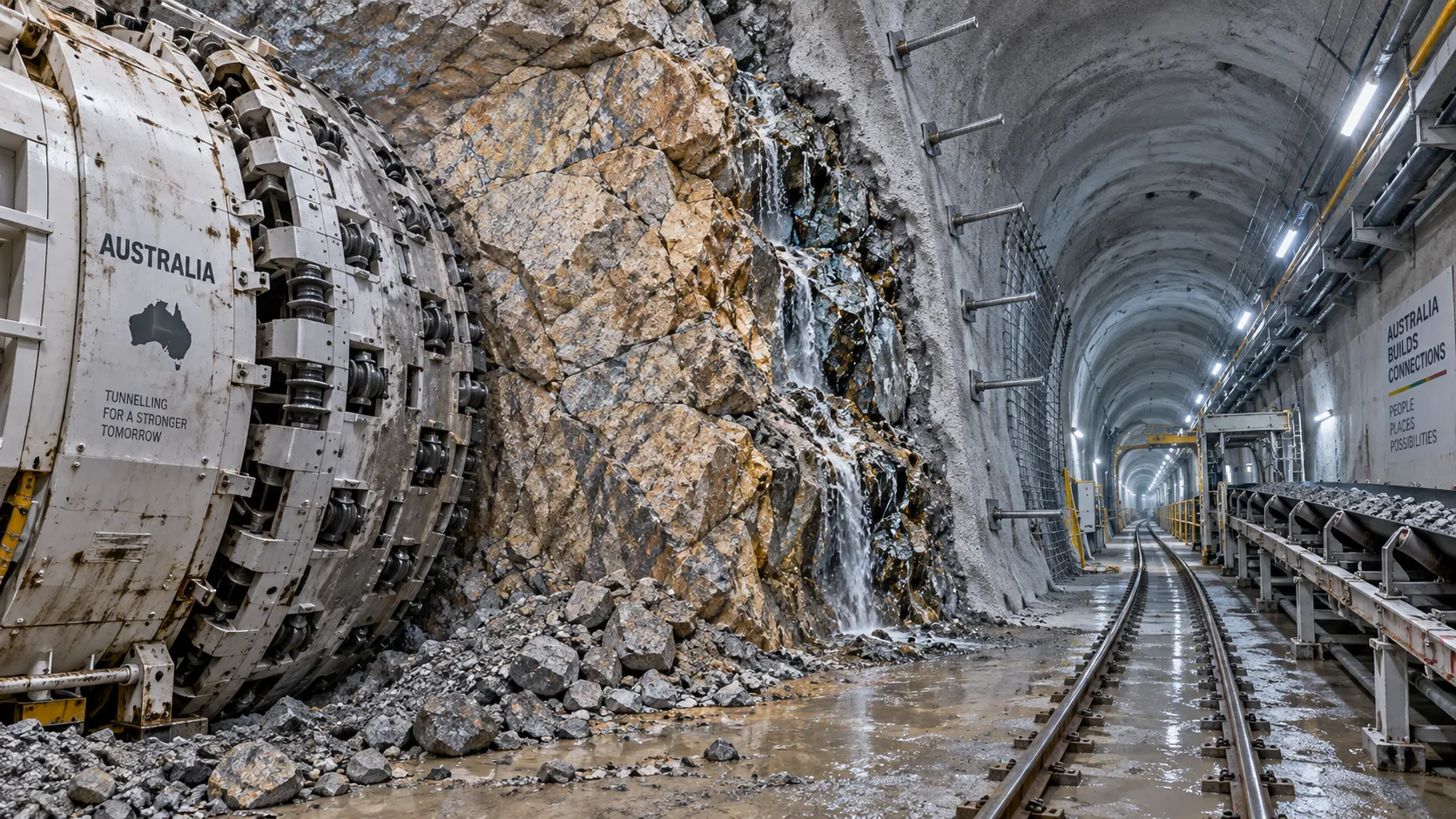
Hard Rock Tunnelling in Australia: Selecting Methods for Variable Ground Conditions
Hard rock tunnelling in Australia: compare TBM, drill-and-blast and hybrid methods to manage variable ground, reduce risk and protect project costs.
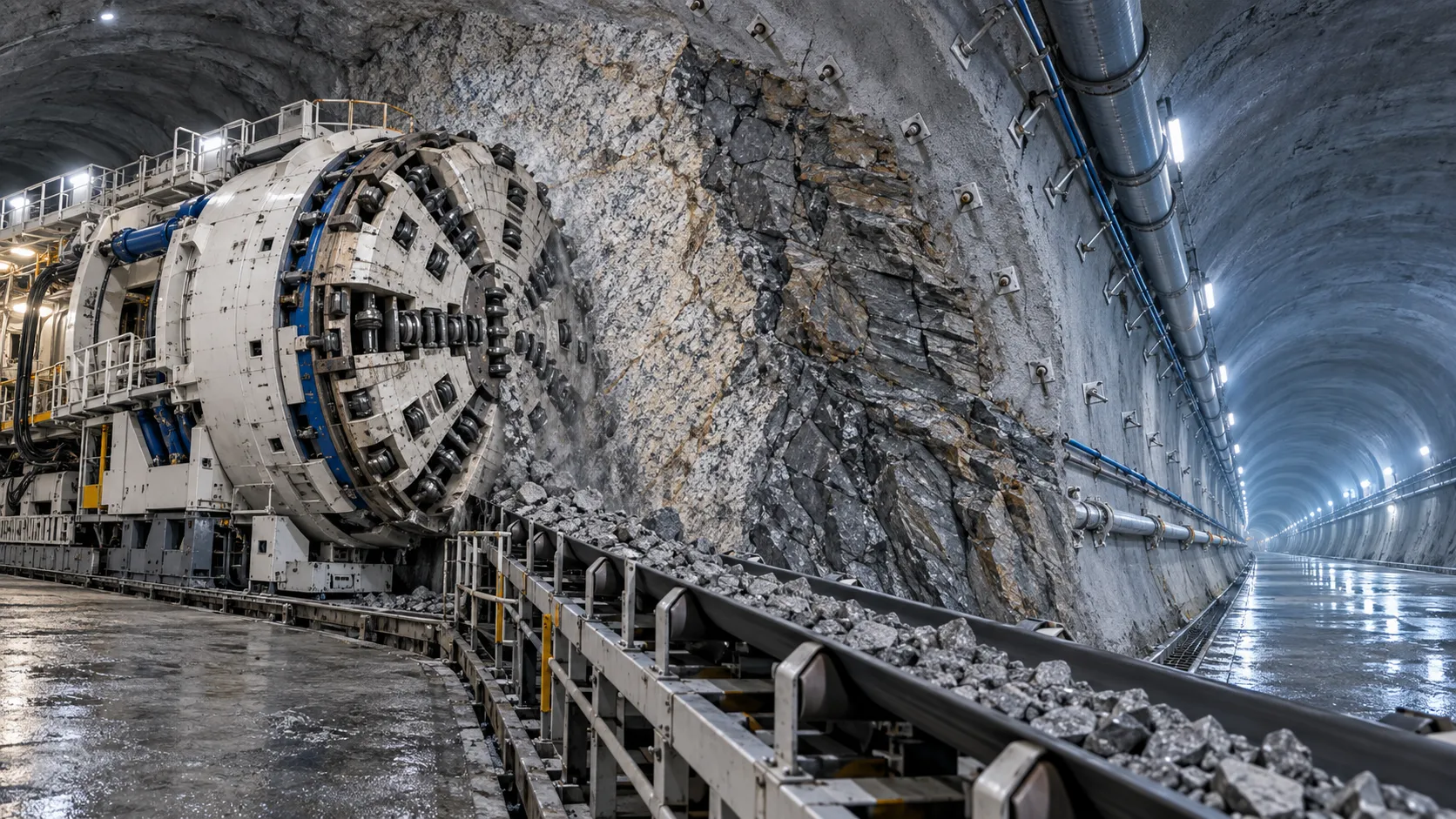
Hydropower Tunnel Excavation: Selecting Methods for Variable Rock Conditions
Hydropower tunnel excavation methods for variable rock conditions: compare TBM, drill-and-blast, and hybrid strategies to improve safety, progress, and project control.
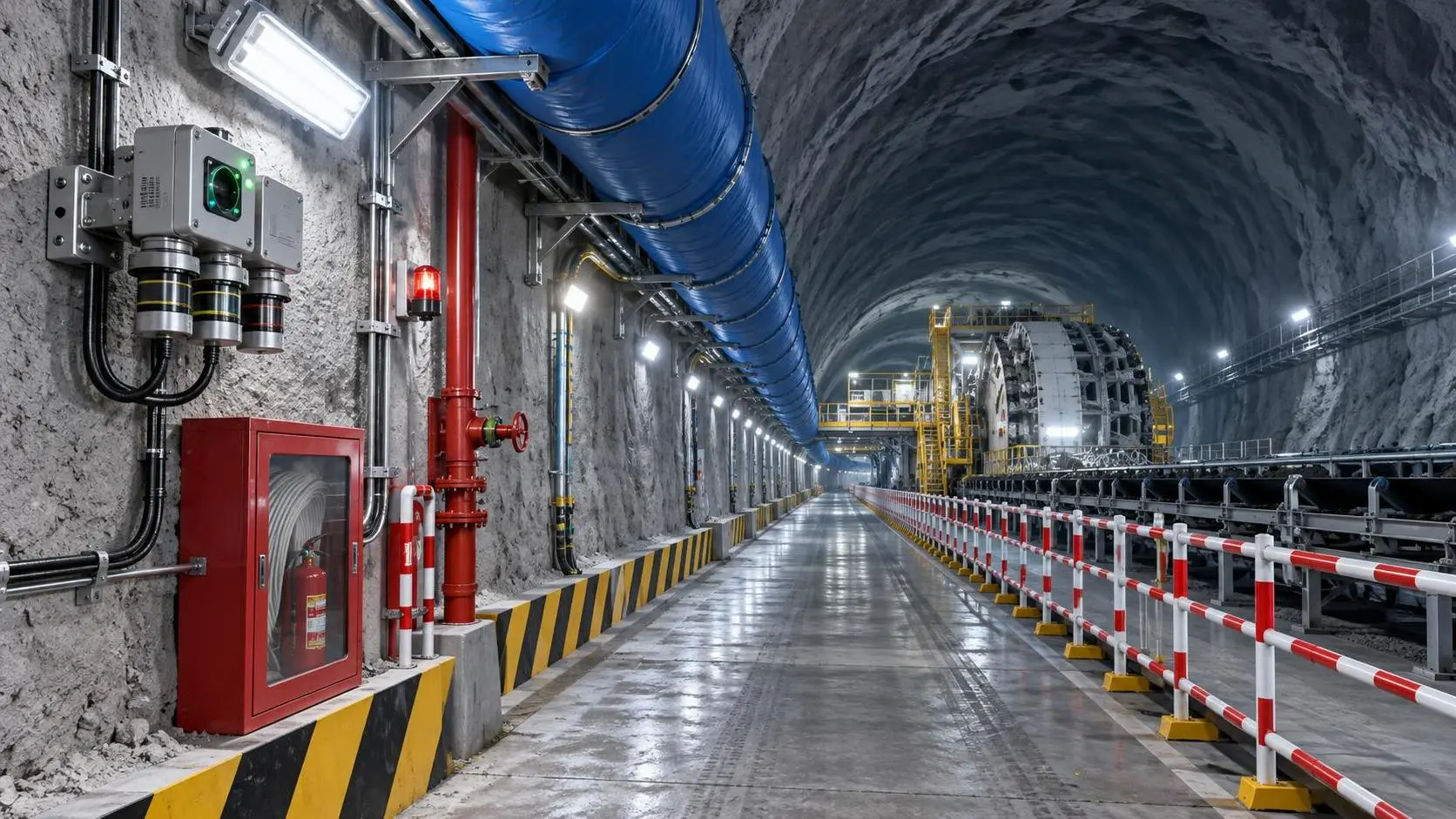
How to Select Underground Safety Equipment for Tunnelling by Hazard and Work Zone
Underground Safety Equipment for tunnelling: match protection to hazards, work zones, compliance, and emergency needs with this practical selection guide.
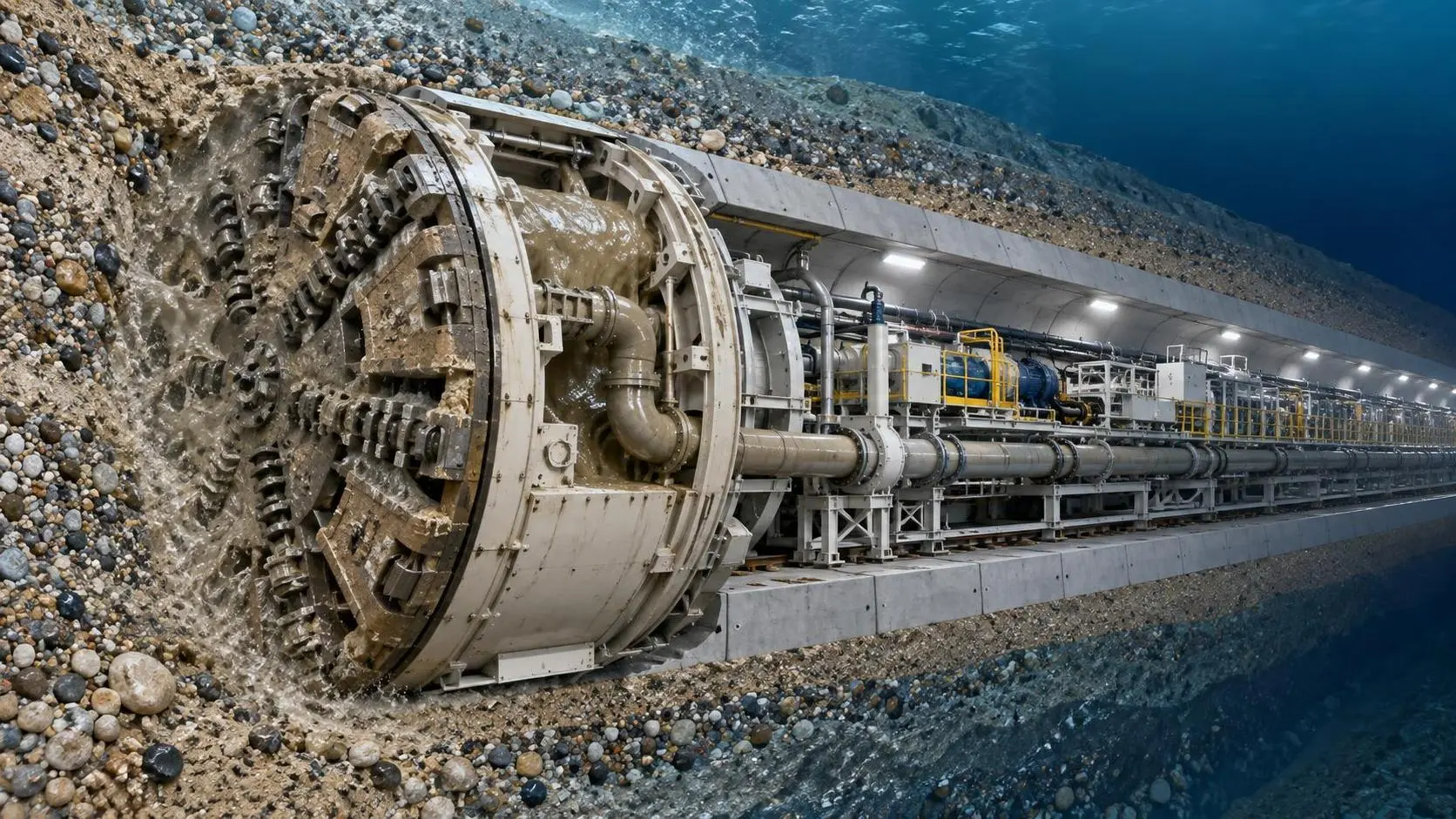
EPB or Slurry Shield? Selecting Soft-Ground Tunnelling Equipment by Soil Conditions
Tunnel Excavation Equipment for soft ground: compare EPB and slurry shields by soil, groundwater, settlement risk, and project logistics to choose confidently.
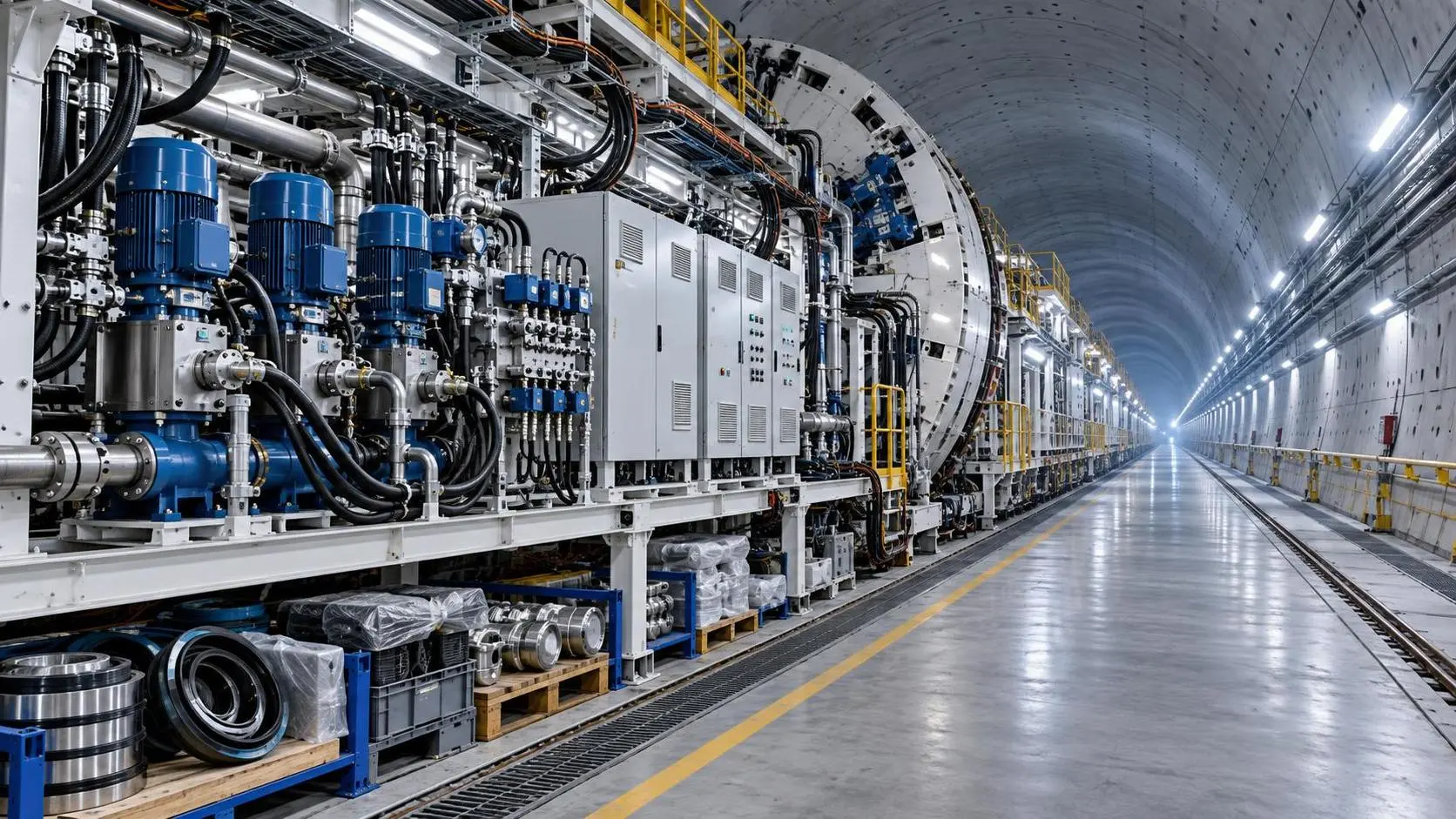
How to Specify TBM Backup System Parts for Reliable Long-Distance Tunnelling
TBM backup system parts: learn how to specify reliable spares for long-distance tunnelling, reduce downtime, ensure compatibility, and speed underground recovery.
How to Size Open Pit Mining Trucks for Haul Distance, Grade, and Payload?
Open Pit Mining Trucks: learn how to match payload, haul distance, grade, road resistance, and loading capacity for safer, lower-cost mine operations.
Evaluating Structural Durability and Maintenance Frequency in Heavy-Duty Concrete Mixer Trailers Under Frequent Dump Cycles
Discover how dump special trailers withstand 12–18 daily dump cycles — structural durability, maintenance optimization & real-world fleet insights revealed.
Related News
- 00
0000-00
How to Evaluate European Drill-and-Blast Tunnelling Contractors for Complex Projects - 00
0000-00
Which Trenchless Construction Technique Fits Your Utility Crossing Conditions? - 00
0000-00
What Is Driving Metro Tunnelling Demand Across Southeast Asia’s Major Cities? - 00
0000-00
Hard Rock Tunnelling in Australia: Selecting Methods for Variable Ground Conditions - 00
0000-00
Hydropower Tunnel Excavation: Selecting Methods for Variable Rock Conditions
Weekly Insights
Stay ahead with our curated technology reports delivered every Monday.