
How to Evaluate Underground Haulage Systems for Ore Output, Ramp Grade, and Ventilation Limits





Start with the ore flow, not the machine brochure
Evaluating underground haulage systems is rarely a matter of picking the largest loader or the fastest truck. In practice, the wrong decision usually comes from starting at equipment level too early. Technical teams should begin with the ore movement problem itself: how many tonnes must move per hour, from which drawpoints or stopes, over what distance, through what gradients, and under what ventilation envelope.
That sounds obvious, but it is where many studies drift. A mine may have an annual production target that looks straightforward on paper, yet the haulage system still fails because output is uneven by shift, ore passes are not ideally located, loading points queue up, or trucks lose cycle speed on long ramps. The result is not just lower productivity. It becomes a ventilation issue, a heat issue, a tire and brake issue, and eventually a planning issue.
For anyone comparing underground haulage systems, three constraints usually do the real shaping: required ore output, ramp grade, and ventilation limits. Everything else—truck size, LHD strategy, battery versus diesel, trolley assist, automation readiness—should be tested against those three.
Define the production duty in hourly terms
A common trap is to evaluate haulage on daily or annual tonnage only. Haulage equipment does not work in annual averages. It works in cycles, interruptions, shift changeovers, blast clearance windows, refueling or charging time, and maintenance availability. So the first useful number is not annual ore output. It is the sustained tonnes per operating hour that the system must achieve, plus the peak condition it must absorb without collapsing into queues.
In block cave, sublevel stoping, and mechanized room-and-pillar layouts, the shape of ore flow differs materially. Some operations need smooth continuous haulage from many drawpoints. Others live with intense bursts after blasting. That changes whether a fleet-based system can recover from congestion, or whether a fixed or semi-fixed solution becomes more attractive over time.
This is also where teams should separate “nameplate payload” from “effective moved tonnes.” An underground truck rated for a certain capacity may never deliver it consistently if loading fragmentation is poor, headings are tight, or passing bays are limited. Likewise, an LHD-truck combination may look balanced on paper but still lose output because loaders spend too much time waiting for truck arrival.
A practical evaluation model should therefore include at least:
- average and peak hourly ore demand,
- haul distance from face or ore pass to dump point,
- loading and dumping time variability,
- traffic interaction between production, service, and development equipment,
- realistic equipment availability and utilization assumptions.
Ramp grade changes more than travel speed
Ramp grade is often treated as a simple performance correction, but in underground mines it changes the whole economic and technical picture. A steep decline affects loaded speed uphill, empty speed downhill, brake thermal loading, traction, tire wear, energy draw, and ventilation demand. On long ramps, even a modest increase in gradient can materially alter cycle time and operating limits.
For diesel fleets, steeper grades generally mean higher engine load and more heat rejection underground. For battery-electric units, grade influences energy consumption on ascent and the real value of regenerative braking on descent. Regeneration can help, but it should not be treated as a universal cure. Its benefit depends on route profile, duty cycle, battery acceptance limits, and traffic conditions. If trucks brake frequently because of congestion rather than controlled downhill travel, expected recovery may not show up in operation.
This is one area where UTMD’s coverage of smart underground mining transport systems has become particularly relevant. As electrification moves from pilot projects into mainstream fleet replacement discussions, the real question is no longer whether electric haulage is possible underground. It is whether the mine geometry, ramp profile, and dispatch logic allow that technology to perform consistently without creating hidden bottlenecks around charging, swapping, or vehicle availability.
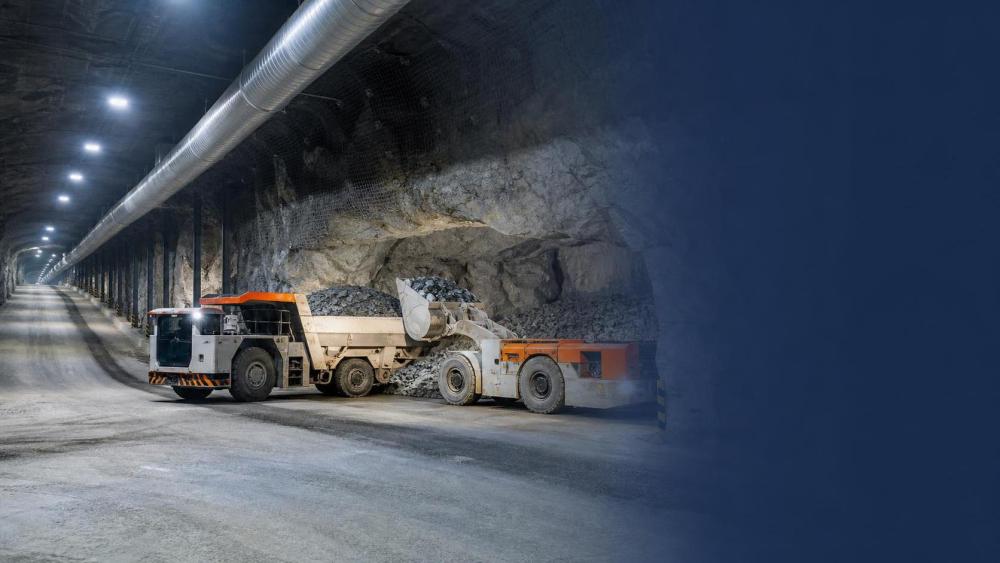
When reviewing ramp constraints, do not stop at maximum gradient. Check the full profile: sustained grade length, curve radii, road condition, sump water risk, passing width, and the frequency of intersections. A truck that looks well matched to grade on a clean specification sheet may behave very differently on a wet ramp with sharp turns and mixed traffic.
Ventilation is often the deciding constraint
In many deep or confined operations, ventilation sets the practical ceiling on haulage choice long before theoretical production capacity does. Diesel equipment brings exhaust gases, particulate control requirements, and a substantial heat load. Even where the mine already has major ventilation infrastructure, adding or upsizing haulage fleets can force expensive rework in fans, raises, cooling, or power supply.
That is why ventilation should not be left as a secondary check after fleet sizing. It needs to be part of front-end option screening. If the air quantity available to a district is tight, a smaller but cleaner fleet may outperform a larger diesel fleet once all operating constraints are considered. The same logic applies when mines are heading deeper and the marginal cost of moving air keeps rising.
Battery-electric underground haulage systems are attractive here, especially for operations pushing zero-exhaust strategies in confined spaces. But technical teams should stay disciplined. Ventilation savings can be real, yet they may be offset elsewhere if infrastructure planning is weak. Charging bays, battery swap logistics, electrical reticulation, fire response procedures, and maintenance skill gaps all need to be evaluated in parallel. A clean fleet is not automatically a simple fleet.
Choosing between trucks, LHD haulage, and mixed systems
Most selection work comes down to whether ore should be moved primarily by LHDs, by underground trucks, or by a mixed arrangement with ore passes and staged rehandling. There is no universal best option.
LHD-dominant systems can work well where distances are short and headings are constrained. They reduce transfer points and can simplify the loading sequence near production faces. The weakness appears when haul distances stretch. An LHD that spends too much of its shift traveling is not loading. Productivity drops quietly at first, then sharply.
Truck-based systems generally make more sense when distances and tonnage grow, especially if the mine has a developed ramp network. Yet trucks demand enough turning radius, road quality, passing logic, and dumping arrangement to keep cycles predictable. If those conditions are not there, the fleet can end up oversized just to compensate for delays.
Mixed systems often survive real-world scrutiny better than pure concepts. For example, LHDs may remain the most efficient choice for drawpoint loading and short transfer to ore passes, while trucks handle longer hauls on declines. That division is not glamorous, but it respects how underground mines actually operate: with changing production fronts, geotechnical limitations, and infrastructure that evolves over years rather than all at once.
What to test in a serious evaluation
A worthwhile assessment should push beyond payload and horsepower. The following comparison points usually expose weak options quickly:
The automation point deserves attention. In underground mining, autonomy is not just a software layer placed on top of a fleet. It depends on network stability, localization performance, traffic rules, and how loading and dumping points are designed. Mines evaluating equipment today should at least consider whether future tele-remote or autonomous operation is plausible in the selected haulage layout. Retrofitting that later can be far more painful than expected.
Watch the interfaces, because that is where systems fail
Underground haulage systems do not fail only because of poor equipment choice. They fail at the interfaces: LHD-to-truck matching, truck-to-crusher dumping delays, charger-to-shift scheduling, ventilation plan-to-production sequencing, or development headings crossing production routes. This is why experienced assessors spend time on mine layout and operating rhythm, not only on machine specs.
UTMD’s broader view across TBMs, trenchless systems, drilling jumbos, open-pit mining trucks, and underground LHDs is useful precisely because it highlights this systems thinking. Deep underground operations are increasingly converging around the same operational limits: confined-space energy management, digital coordination, and the need for extremely high reliability under harsh geometry. Haulage should be judged in that wider context, not as an isolated fleet purchase.
A practical decision path
If a technical team needs a workable path forward, a good sequence is to screen options in this order: production duty, ramp profile, ventilation capacity, mine layout fit, then fleet technology. That order prevents the common mistake of committing too early to a diesel, battery-electric, or hybrid concept before checking whether the mine can actually support it.
Where data is incomplete, it is better to document uncertainty than to hide it inside optimistic utilization assumptions. Cycle simulations, ventilation reviews, and infrastructure checks usually reveal more than headline equipment comparisons. And if the numbers still look close, the safer option is often the one with fewer operational dependencies, not the one with the most impressive specification sheet.
In underground haulage, the winning system is usually the one that keeps moving ore reliably through constraints the mine cannot wish away: grade, heat, airflow, and time. If those have been honestly tested, the equipment choice tends to become much clearer.
Related News
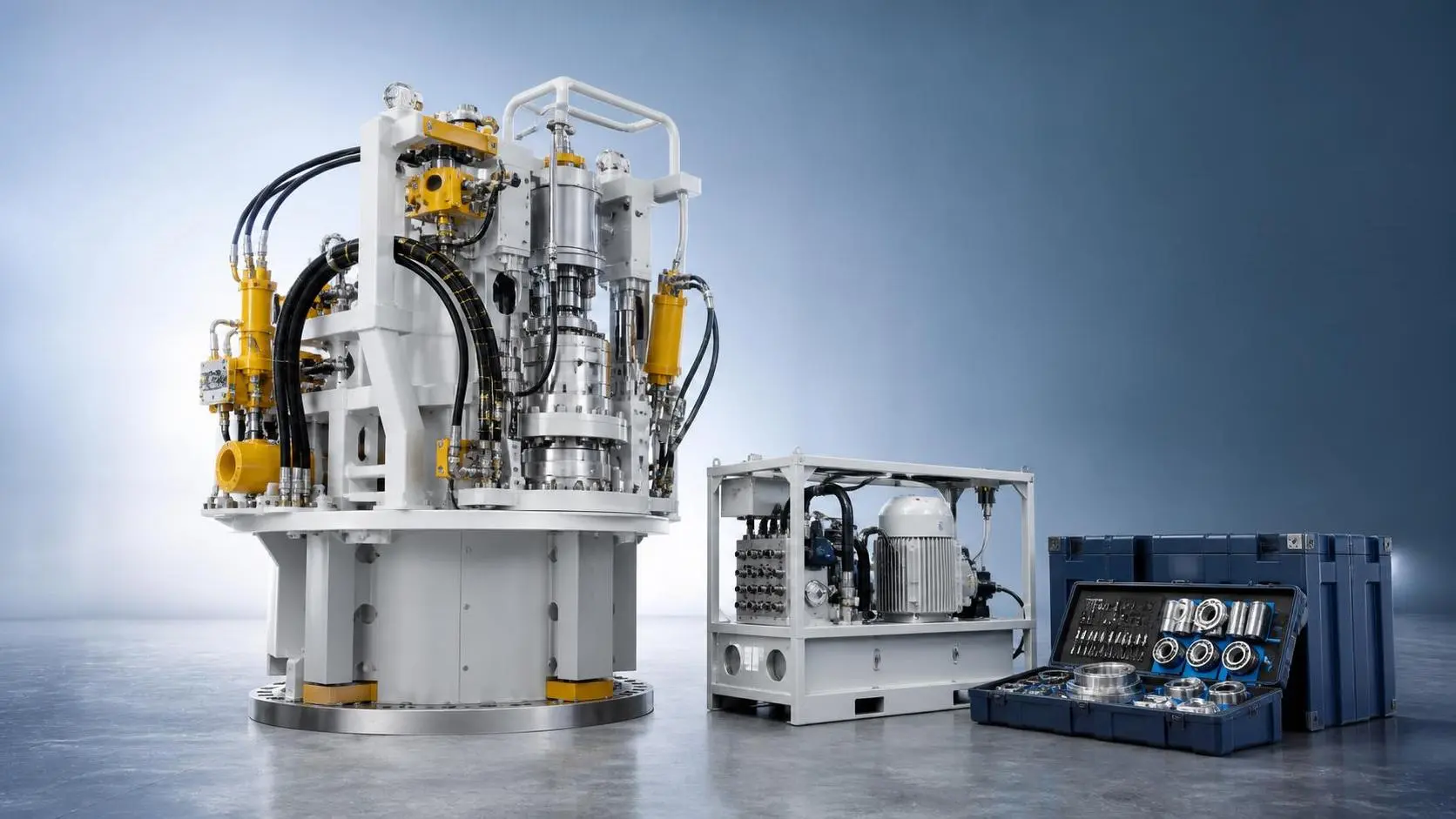
How to Evaluate a Pipe Jacking Equipment Distributor for Project Support and Uptime
Pipe jacking equipment distributor evaluation made practical: learn how to assess parts support, service response, training, and technical readiness to reduce downtime and protect project uptime.
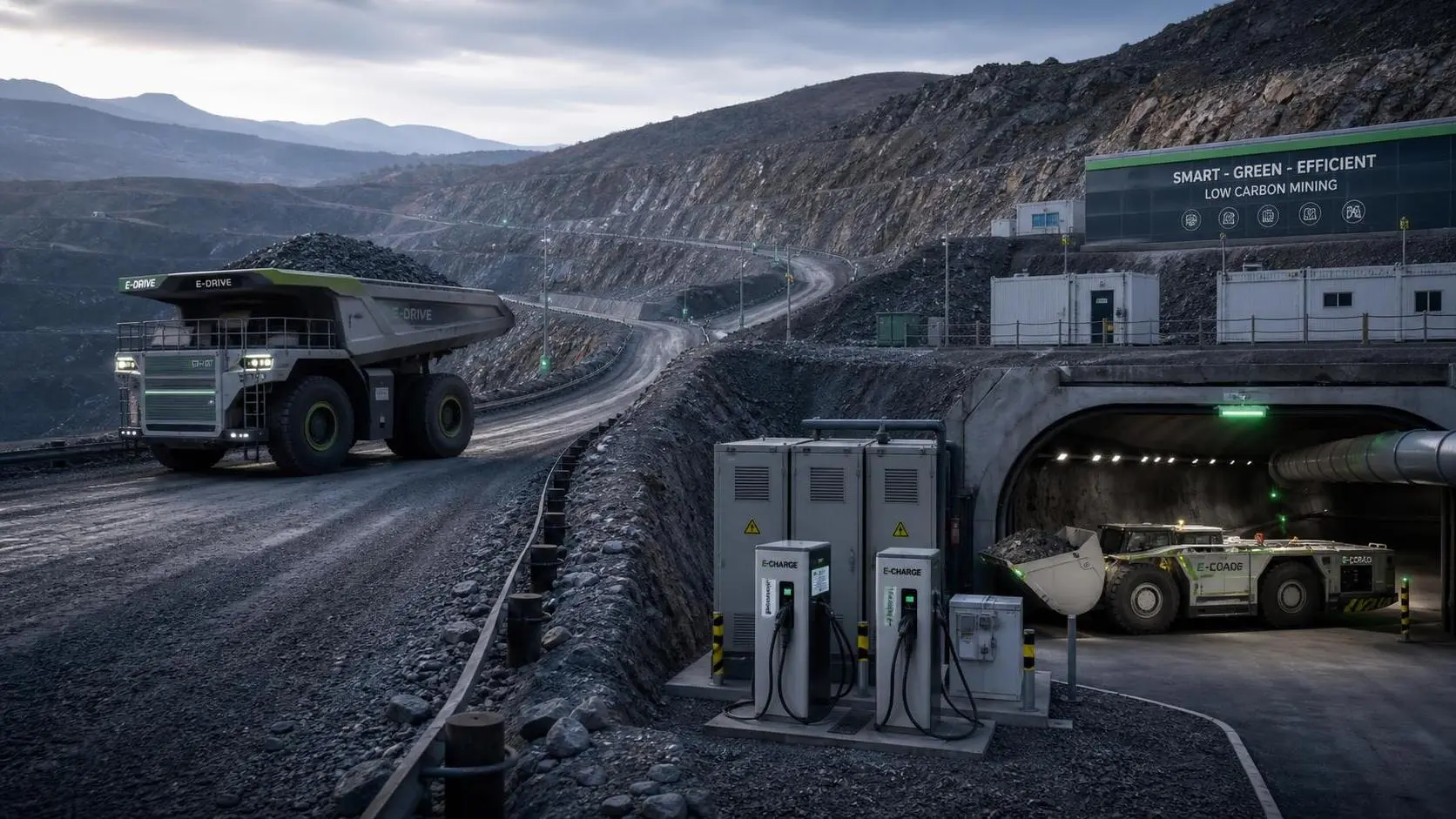
How to Build a Mining Decarbonization Strategy That Balances Emissions, Cost, and Fleet Reality
Mining decarbonization strategy starts with fleet reality. Learn how to cut emissions, control cost, and align power, ventilation, and production for a practical mine transition.
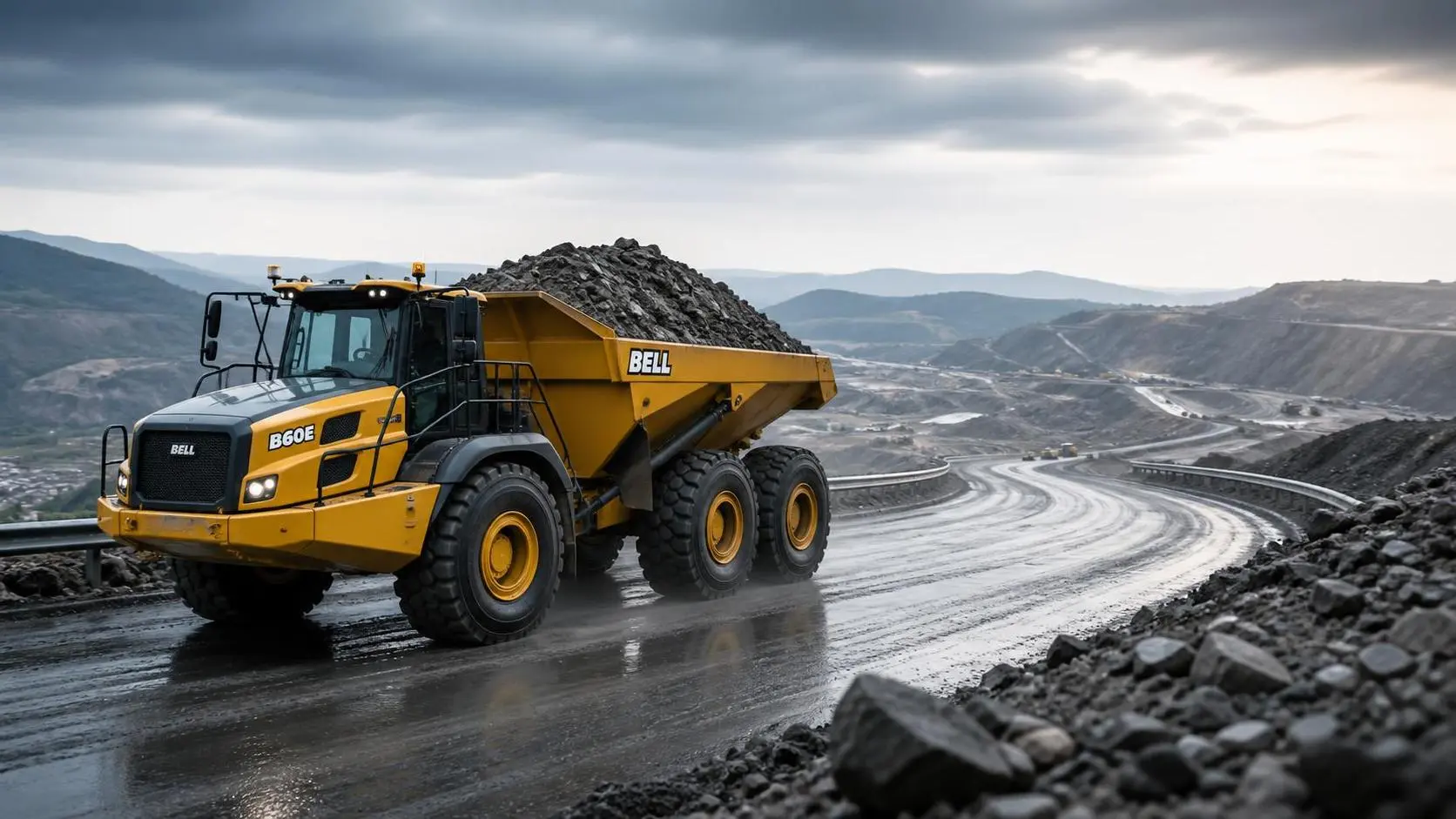
How to Evaluate Articulated Dump Trucks Payload for Haul Road Conditions and Cycle Efficiency
Articulated Dump Trucks payload evaluation starts with real haul road conditions, not brochure numbers. Learn how to balance payload, traction, grades, and cycle efficiency for safer, higher output.
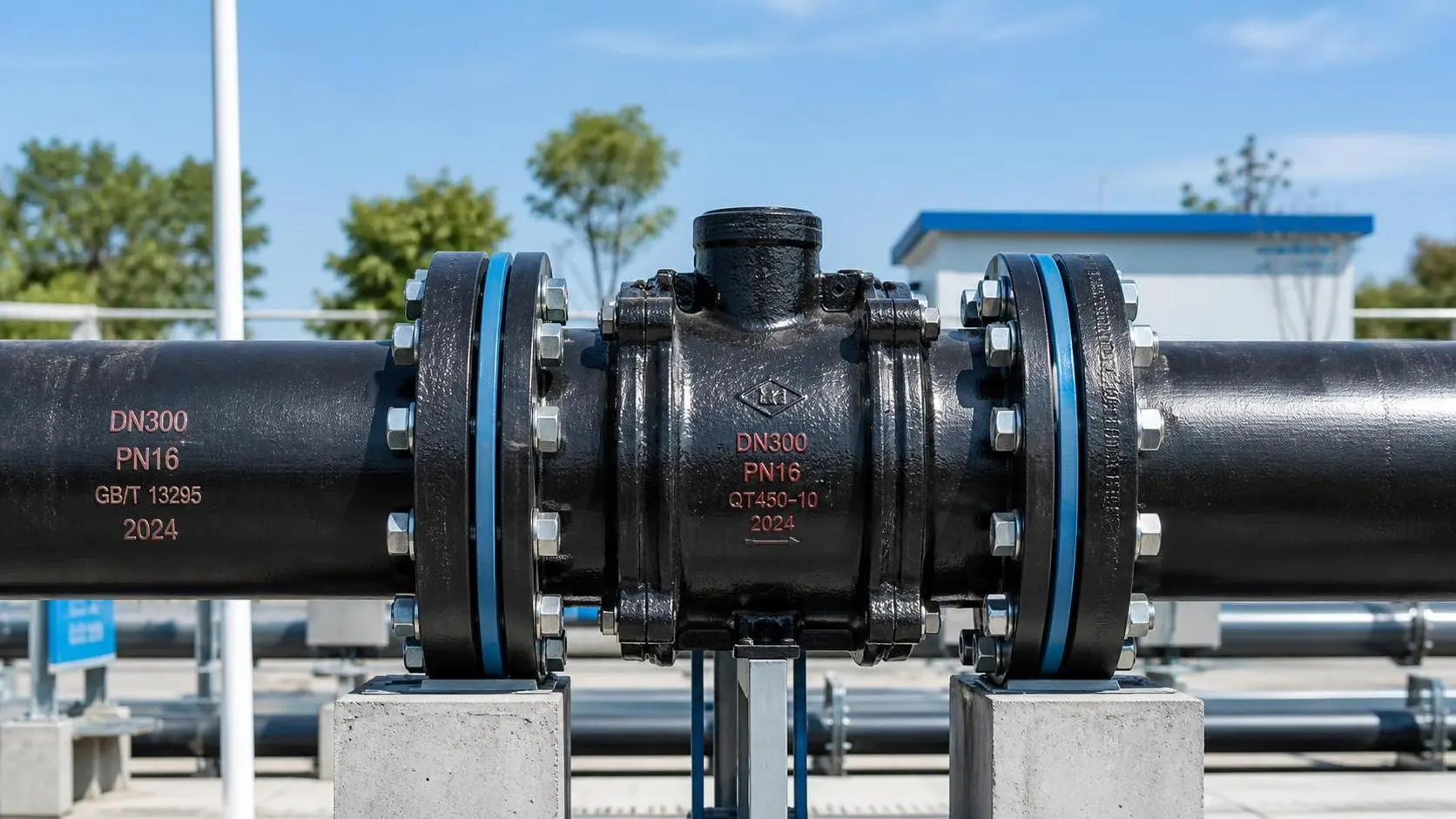
How Pipe Fittings Material and Pressure Class Affect Water Line Selection
Pipe fittings selection starts with material and pressure class. Learn how these factors affect water line reliability, corrosion resistance, installation, and long-term cost.
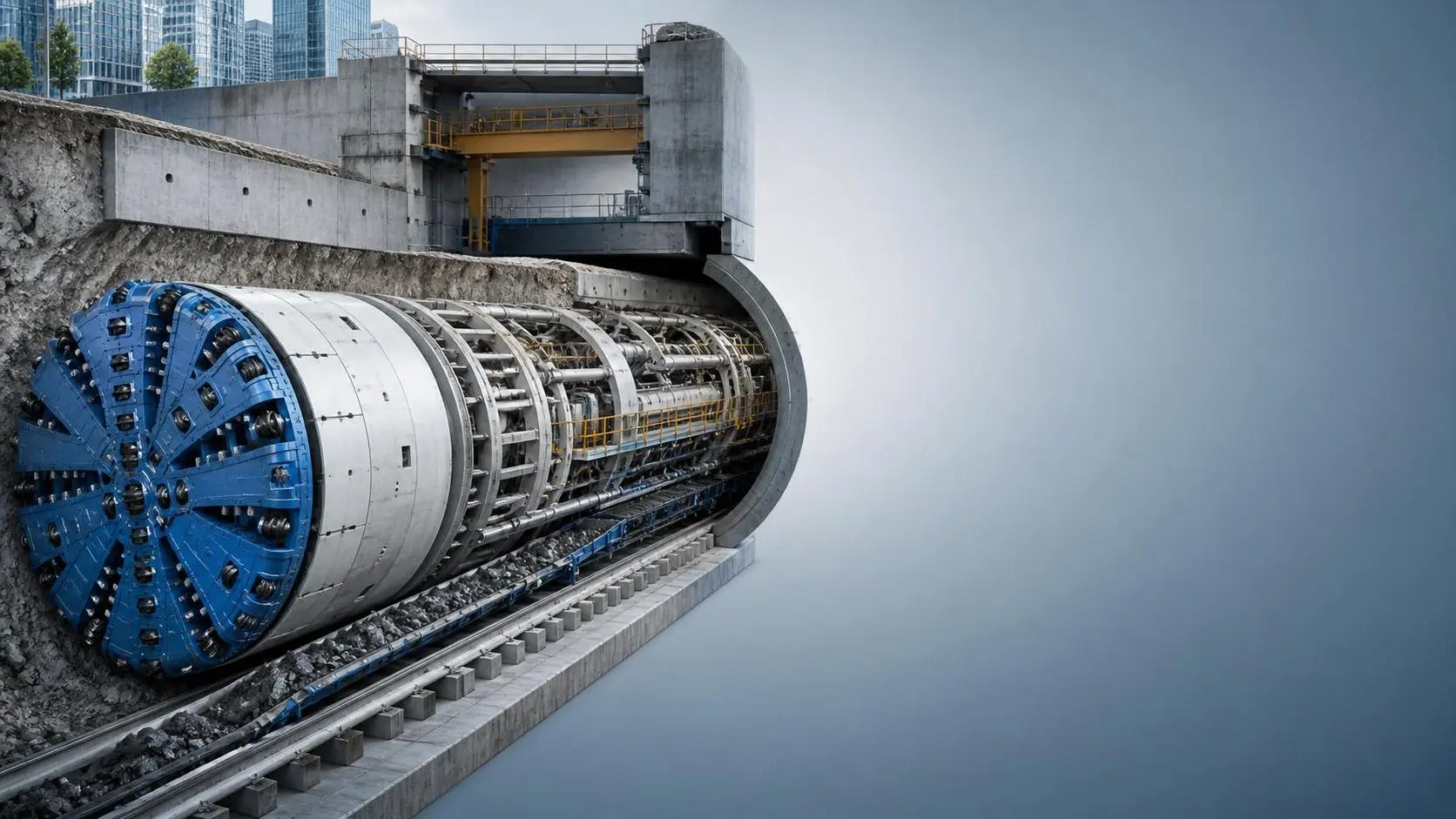
What Drives TBM Excavation Cost in Urban Tunneling Projects?
tbm excavation cost in urban tunneling depends on geology, shafts, segment lining, logistics, and risk. Discover the key cost drivers and compare bids with greater confidence.
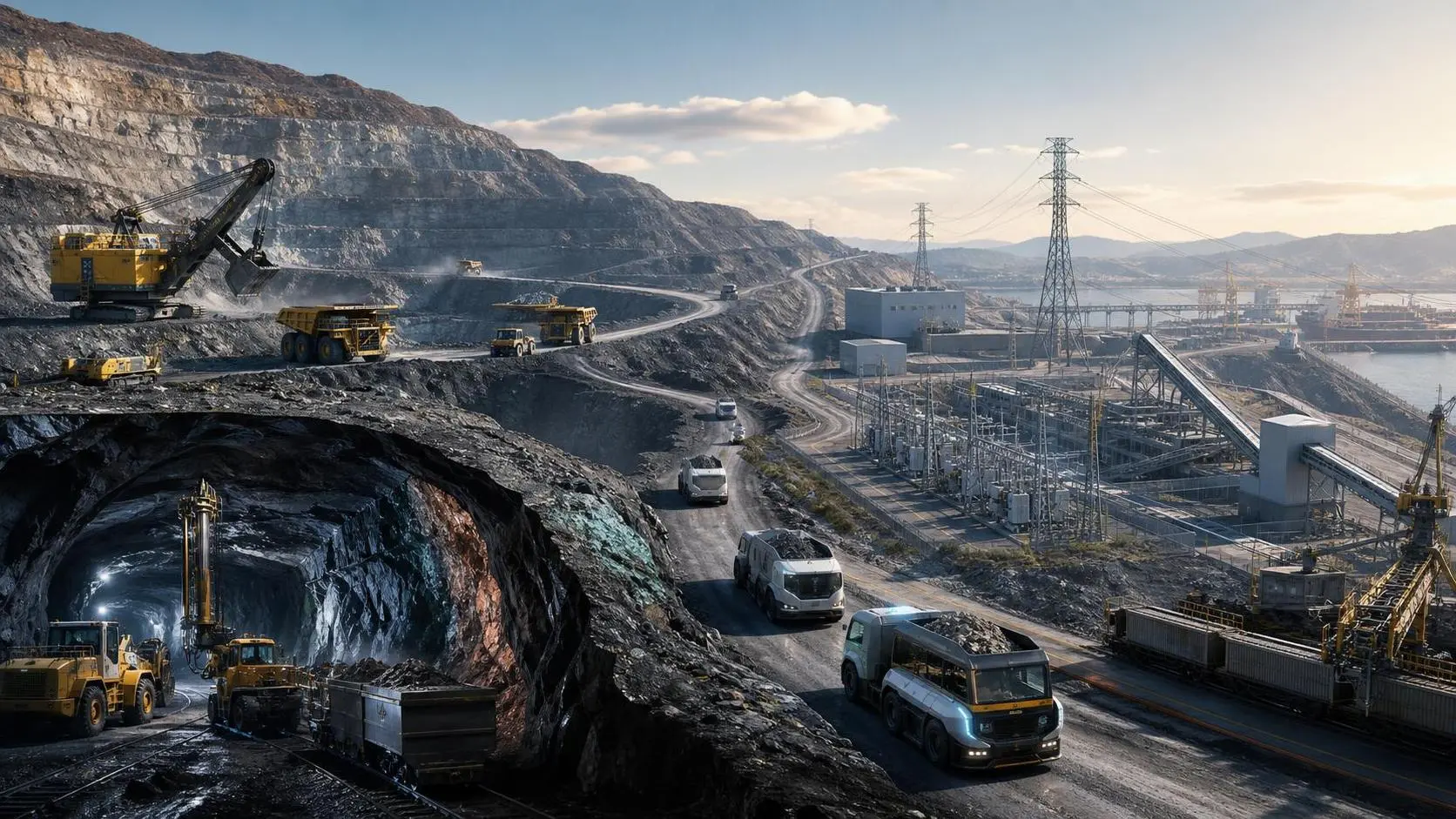
What Does Energy Metals Mining in Australia Mean for Supply, Cost, and Project Risk?
Energy metals mining Australia is reshaping supply, cost, and project risk. Discover what it means for buyers, investors, and operators.
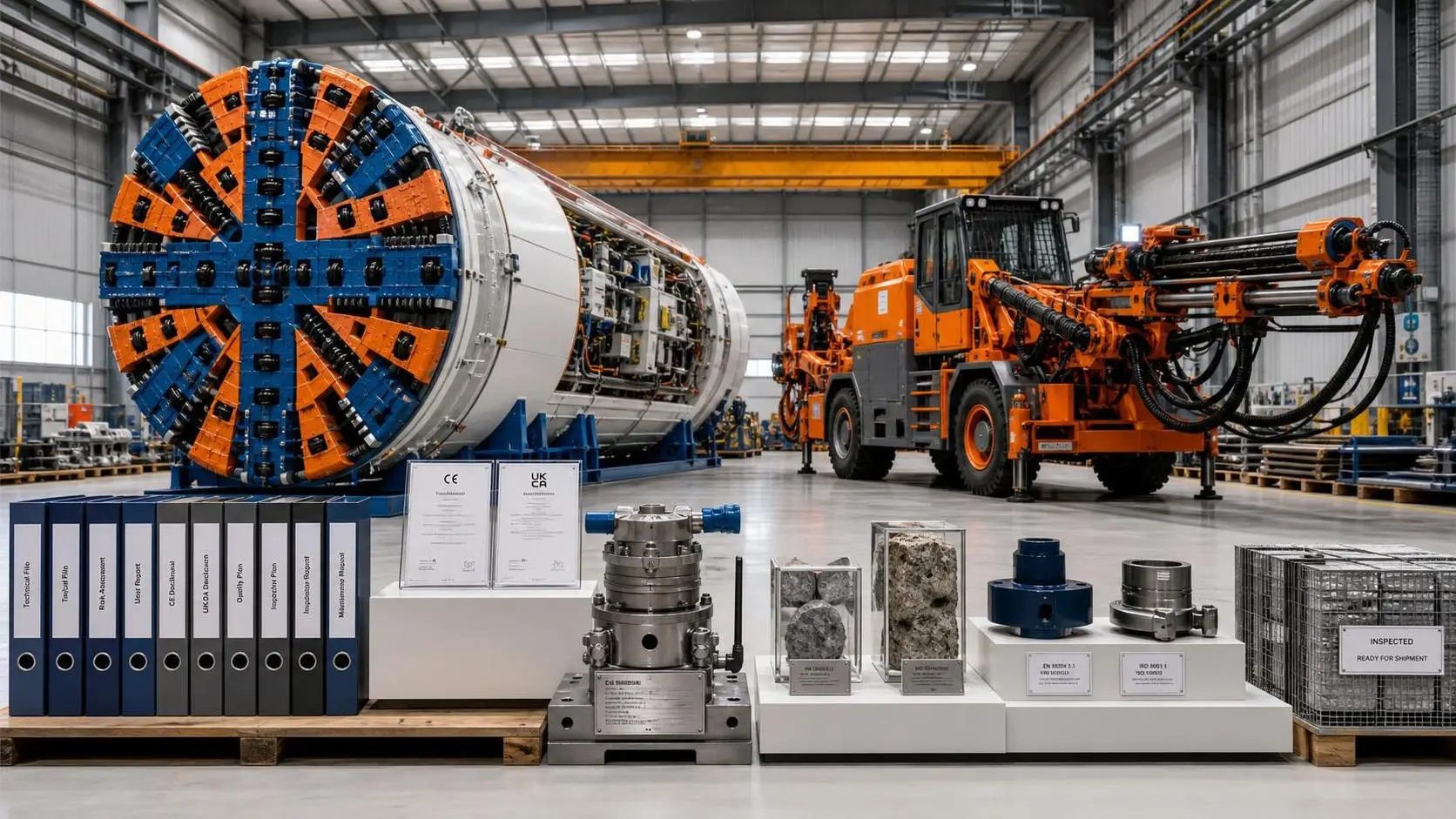
EU Eases Dual CE and UKCA Path for Chinese Tunnel Boring Equipment
EU eases CE and UKCA certification for Chinese tunnel boring equipment, cutting compliance time and helping importers move faster.
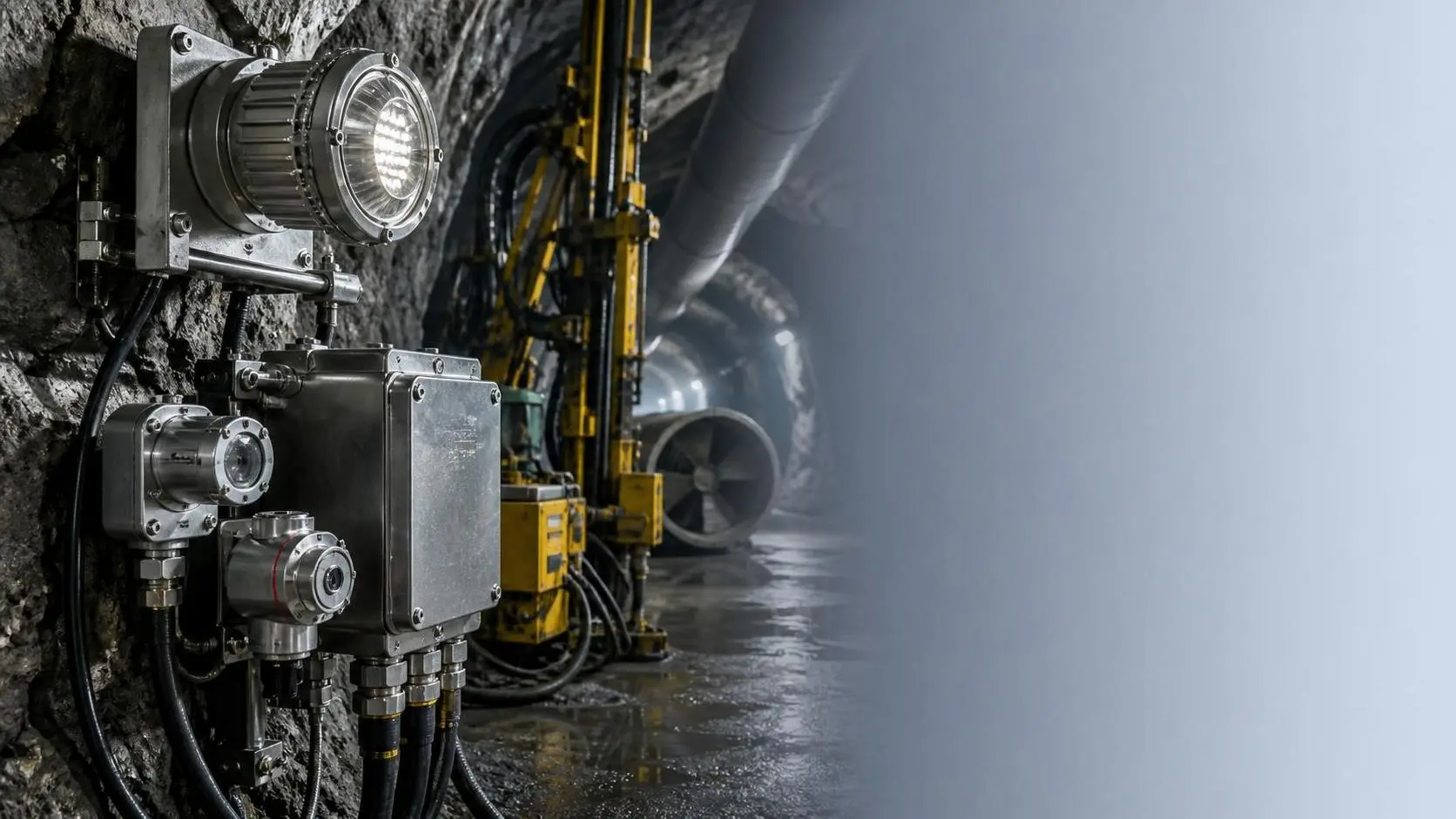
Flameproof Underground Safety Equipment: What Mine Teams Should Check Before Buying
Underground Safety Equipment flameproof buying guide: learn how mine teams should verify certification, durability, serviceability, and supplier support before purchase.
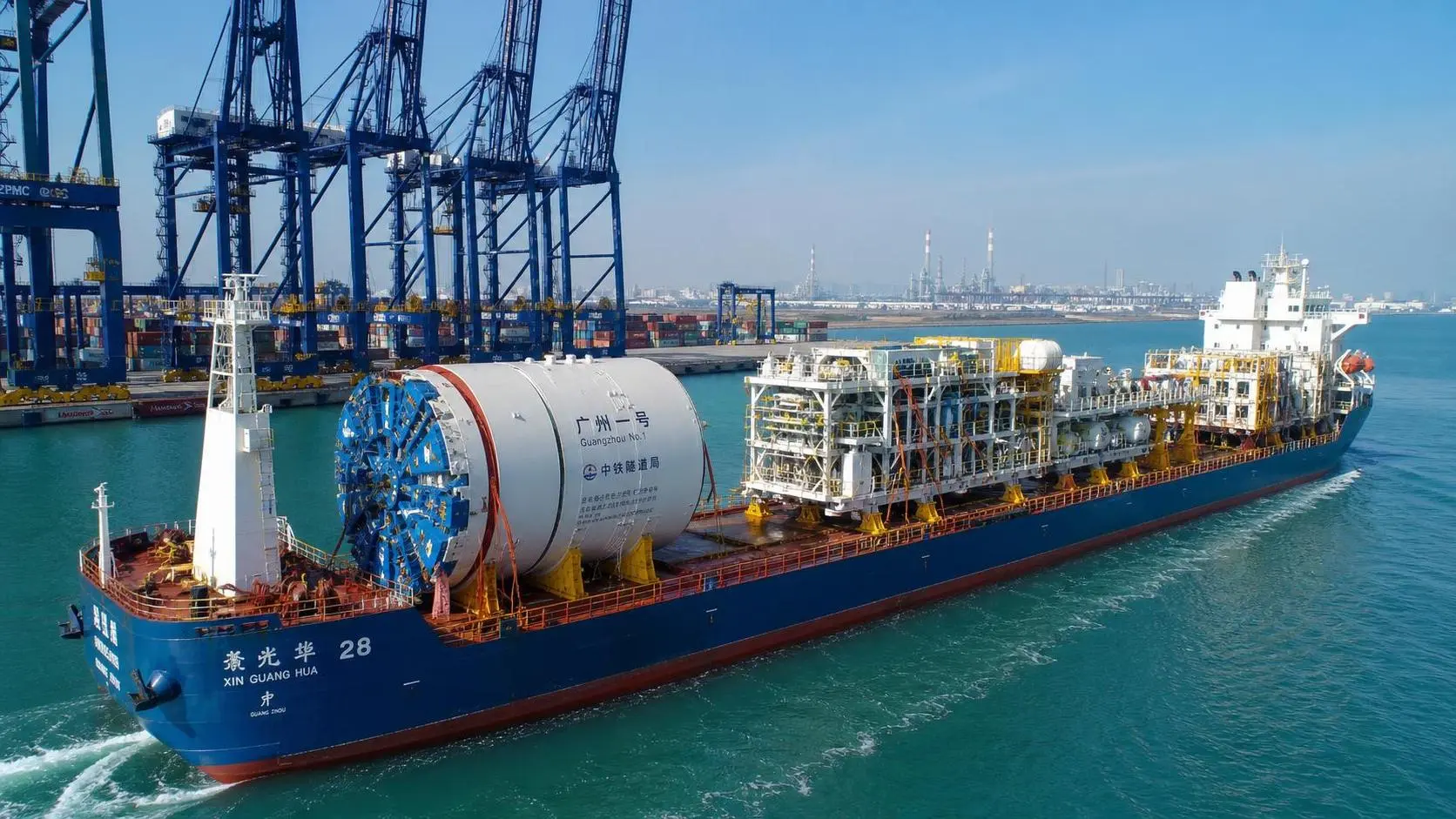
China-UAE Direct Sea Route Cuts TBM and Large Tunneling Equipment Lead Times
China-UAE direct sea route shortens TBM and large tunneling equipment lead times by 12–15 days, improving delivery predictability for major infrastructure projects. Read the full impact.
Related News
- 00
0000-00
How to Evaluate Underground Haulage Systems for Ore Output, Ramp Grade, and Ventilation Limits - 00
0000-00
How to Evaluate a Pipe Jacking Equipment Distributor for Project Support and Uptime - 00
0000-00
How to Build a Mining Decarbonization Strategy That Balances Emissions, Cost, and Fleet Reality - 00
0000-00
How to Evaluate Articulated Dump Trucks Payload for Haul Road Conditions and Cycle Efficiency - 00
0000-00
How Pipe Fittings Material and Pressure Class Affect Water Line Selection
Weekly Insights
Stay ahead with our curated technology reports delivered every Monday.