
How to Evaluate a Pipe Jacking Equipment Distributor for Project Support and Uptime





It often starts the same way: the machine itself has been selected, the launch shaft is being prepared, and everyone assumes the hard part is over. Then a practical question lands on the table late in the buying process: who is going to support the equipment once it is on site? For pipe jacking work, that question is not administrative. It affects whether a stalled drive turns into a short delay or a chain reaction of idle crews, traffic constraints, subcontractor claims, and pressure from the project owner.
A lot of buying teams focus first on the machine specification and commercial terms, then treat the distributor decision as a secondary step. In trenchless work, that can be a costly habit. A pipe jacking equipment distributor is not just a sales channel. In many situations, that distributor becomes the first line of technical support, the gatekeeper for wear parts, the translator between manufacturer documentation and field reality, and the party you depend on when uptime matters more than presentation quality.
If you are trying to compare options and every supplier says they offer service, parts, and support, the difficult part is not hearing the claims. It is figuring out which claims are likely to hold up when the drive conditions get messy, access windows are short, and the machine cannot simply be parked until next week.
Where evaluation usually goes wrong
One common mistake is to treat distributor assessment like a normal equipment quote review. The team compares unit price, freight, delivery timing, and warranty wording, then assumes service capability can be confirmed later. That approach misses a basic reality of underground works: problems rarely arrive in a neat sequence. A cutterhead issue may reveal a lubrication problem. A guidance fault may be tied to training gaps. A seal replacement may be delayed because the part is technically available, but not locally available.
Another mistake is to ask broad questions that are too easy to answer. “Do you provide field support?” nearly always gets a yes. “Do you stock parts?” also gets a yes. Neither question helps much. What matters is the structure behind the answer: which parts, where they are stocked, who can diagnose a failure remotely, what the escalation path looks like, and whether the distributor understands the difference between selling a machine and keeping a drive moving.
Start with the failure scenarios, not the brochure
A more useful way to evaluate a distributor is to begin with the situations that create downtime on real projects. Think through the events that would hurt your schedule most. For example, if a slurry or lubrication component fails, if the jacking frame loses performance, if guidance electronics behave inconsistently, or if wear items are consumed faster than expected in difficult ground, what happens next?
Once you frame the discussion around those situations, the conversation becomes more concrete. Instead of asking whether support exists, ask how the distributor handles each likely interruption. You are not trying to trap them. You are trying to see whether their response is operationally mature or mostly commercial.
Useful discussion points include:
- Who takes the first technical call, and what information do they require before advising action?
- Which failures can be triaged remotely, and which usually require a site visit?
- What consumables and critical spares are normally recommended before launch?
- How do they distinguish between urgent parts and routine replenishment?
- What support exists outside standard office hours if the project works extended shifts?
When a distributor answers these questions with examples of process rather than only promises, that is usually a better sign than a polished presentation.
Look for evidence of trenchless understanding
Not every distributor that carries underground equipment has the same depth in pipe jacking applications. Some are strong in general heavy equipment logistics but weaker in the specific demands of trenchless operations. That difference shows up quickly when you move beyond sales language.
A distributor with relevant understanding should be comfortable discussing the support implications of launch and reception constraints, line and grade sensitivity, lubrication management, spoil handling interfaces, and wear patterns related to geology. They do not need to replace your engineering team, but they should be able to follow the operational context without turning every question into a manufacturer escalation.
This is also where sector-focused intelligence can help during prequalification. Technical reporting and market observation from sources that track pipe jacking machines, trenchless engineering equipment, and underground project trends can help a buying team prepare sharper questions before vendor meetings. That kind of background does not choose the distributor for you, but it helps separate surface-level familiarity from real application knowledge.
Parts support is more than inventory volume
“We have parts” is one of the least useful statements in a distributor review unless it is broken down further. A stronger evaluation looks at parts support in layers.
First, identify the items that can stop production immediately. These are not necessarily the most expensive components. In practice, smaller hydraulic, electrical, sealing, or sensor-related items can create disproportionate downtime if they are unavailable. Ask which of these are held locally, which are ordered from a regional hub, and which rely on factory lead time.
Second, ask how the distributor recommends an opening spare parts package. The answer should reflect project conditions, expected drive length, ground characteristics, and maintenance philosophy. If the recommendation looks generic regardless of project type, that is worth noting.
Third, check the process, not just the warehouse. A distributor may have access to stock but still lack a disciplined method for parts identification, order confirmation, and urgent dispatch. Misidentified parts create delays that are hard to recover once a machine is down.
At this stage, many teams find it helpful to request a sample spare parts mapping exercise tied to the proposed equipment configuration. Not a long theoretical document, just a practical view of critical, recommended, and routine items. It shows whether the distributor can turn technical documentation into something usable for site planning.
Service response needs to be testable
Service support is where many evaluations become vague. To make it usable, ask the distributor to explain the sequence from first fault report to resolution path. Try to understand who owns diagnosis, who authorizes dispatch, and whether field technicians are direct employees, rotating subcontractors, or shared resources covering several equipment categories.
That matters because response quality depends on continuity. A technician who understands the machine family, the project environment, and the history of prior issues usually resolves problems faster than a generic service resource arriving with limited context.
It is also reasonable to examine documentation habits. When a fault occurs, does the distributor capture the event, recommended action, replaced parts, and recurrence risk in a way your team can refer back to? Good support leaves a trail that improves the next intervention. Weak support makes every incident feel like the first time.
If remote troubleshooting tools are available, ask how they are used in practice. Remote support can be very effective, but only if the distributor has a clear method for gathering machine data, site observations, photos, alarm information, and operator feedback. Otherwise, “remote support” becomes a long exchange of guesses.
Training should reduce avoidable downtime
Training is often tucked into the commercial package and not examined closely enough. Yet for a pipe jacking project, many downtime events begin as operating inconsistency, maintenance omission, or handover gaps between shifts. That makes training part of uptime planning, not a ceremonial add-on.
Ask what kind of training is actually delivered. Is it limited to basic operation on day one, or does it include maintenance routines, fault recognition, lubrication practices, wear monitoring, and parts identification? Does it involve only the operators, or also mechanics and supervisors? The most useful programs usually acknowledge that site performance depends on the whole operating chain.
Also look at format. A distributor that can provide practical maintenance guidance, startup support, and follow-up clarification after commissioning is usually more useful than one that treats training as a single session completed for paperwork purposes.
Compare communication quality before you compare price gaps
There is a simple reason communication deserves attention: the way a distributor handles pre-sale technical questions often predicts how they will behave when the pressure is higher. If answers arrive late, responsibilities are unclear, and documentation needs repeated correction during procurement, that pattern rarely improves during a site breakdown.
Watch for small signs. Are technical and commercial points kept aligned? Are exclusions stated clearly? Do they answer the actual question, or redirect everything to marketing language? Can they explain limitations without becoming defensive? Reliable support relationships often start with boring but clear communication.
This is particularly important when multiple parties are involved, such as the machine manufacturer, local distributor, service subcontractor, and your project team. Ambiguity over who is responsible for what can become a larger risk than the original equipment issue.
A practical way to compare distributors side by side
When the options look similar on paper, it helps to compare them through a small set of operational lenses rather than a long scoring sheet. You might review them in terms of local parts access, application familiarity, speed of technical escalation, service staffing continuity, training depth, and clarity of support boundaries.
For example, one distributor may offer a lower purchase price but rely heavily on factory intervention for troubleshooting. Another may cost more upfront yet maintain stronger local technical ownership and better stocked consumables. Which one is better depends on your project exposure. If your schedule has little tolerance for delay and site access is constrained, support readiness may deserve more weight than a modest initial price difference.
That does not mean cost becomes unimportant. It means cost should be read together with downtime risk. A cheaper acquisition path can become more expensive if every non-routine issue triggers a long escalation chain.
Questions worth asking before final approval
Before the award is finalized, it is worth pausing on a few direct questions that often reveal more than a long capability deck.
- Which parts do you recommend we hold on site before the first drive starts, and why those parts?
- Who will provide first-response technical support, and what is their background with this equipment type?
- If a fault cannot be solved remotely, how is field attendance arranged?
- What support tasks are included by default, and what falls outside normal scope?
- How are repeat faults documented and escalated?
- What commissioning and post-commissioning follow-up is available?
The goal is not to create a perfect interview. It is to hear whether the answers come back with operational detail, reasonable limits, and signs of planning.
When a distributor is probably not the right fit
Some warning signs are easy to miss because they are not dramatic. Repeatedly vague answers on spare parts location, no clear distinction between sales support and technical support, heavy dependence on “we will check with the factory,” and generic training language are all reasons to slow down.
Another warning sign is overconfidence without structure. Pipe jacking projects reward preparation, not bravado. If a distributor speaks as though every issue can be handled somehow but cannot explain the chain of responsibility, that is not reassurance. It usually means the real process has not been tested enough.
It is also sensible to be careful when the distributor seems unfamiliar with the practical rhythm of trenchless work. Urban restrictions, launch timing, confined work zones, and sensitivity to schedule disruption all shape support needs. A distributor that does not grasp that context may still supply equipment, but supporting uptime is a different matter.
The better decision usually feels less dramatic
In the end, evaluating a pipe jacking equipment distributor is less about finding the most impressive promise and more about reducing uncertainty before the machine arrives. The strongest option is often the one that makes support responsibilities clearer, parts planning more realistic, and fault response easier to predict.
If you are working through a selection now, it helps to shift the conversation from “Who can sell us this equipment?” to “Who can support this equipment under project conditions that are inconvenient, time-sensitive, and difficult to pause?” That change in framing usually leads to better questions, fewer assumptions, and a buying decision that is grounded in uptime rather than optimism.
Related News
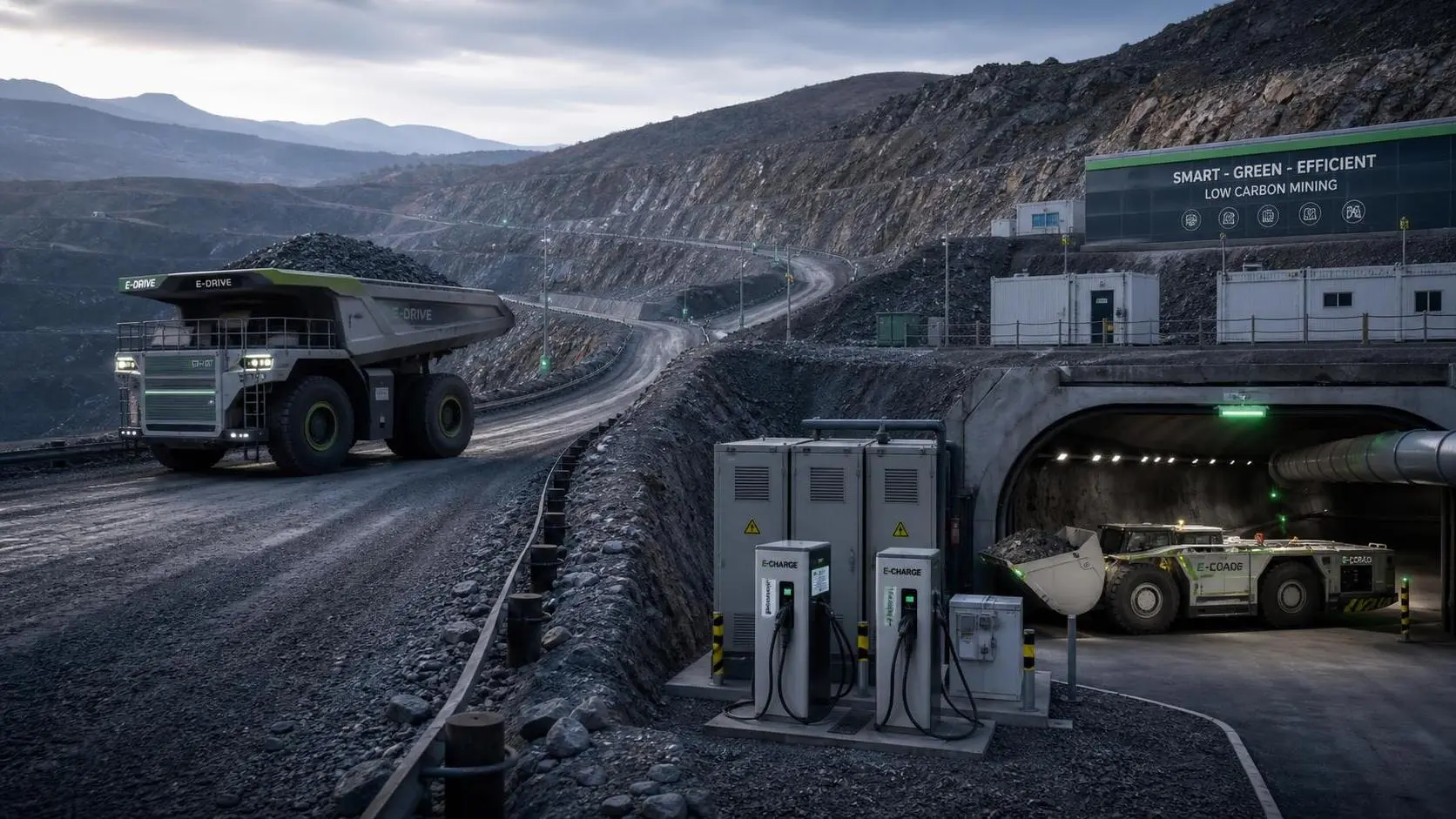
How to Build a Mining Decarbonization Strategy That Balances Emissions, Cost, and Fleet Reality
Mining decarbonization strategy starts with fleet reality. Learn how to cut emissions, control cost, and align power, ventilation, and production for a practical mine transition.
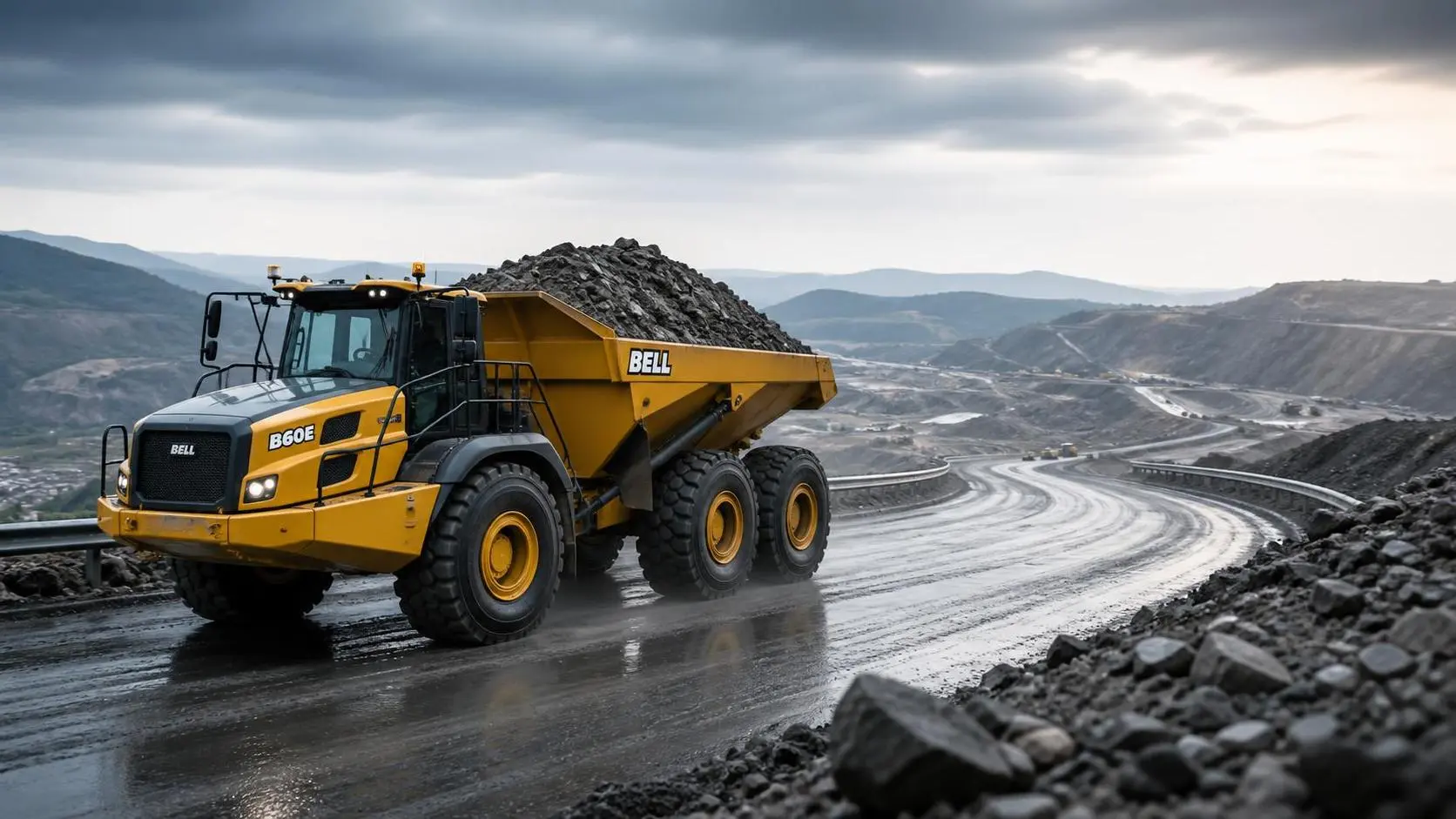
How to Evaluate Articulated Dump Trucks Payload for Haul Road Conditions and Cycle Efficiency
Articulated Dump Trucks payload evaluation starts with real haul road conditions, not brochure numbers. Learn how to balance payload, traction, grades, and cycle efficiency for safer, higher output.
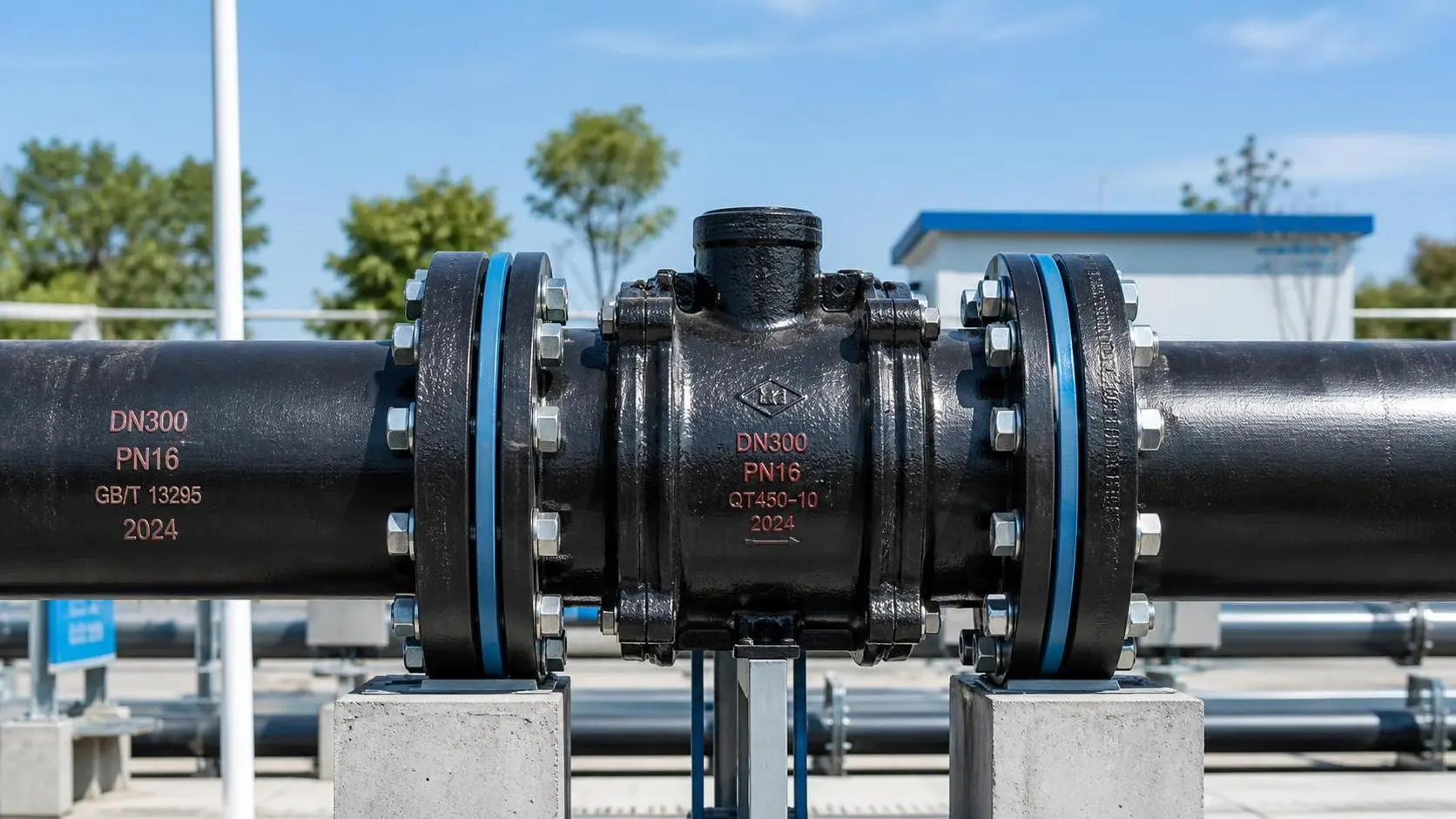
How Pipe Fittings Material and Pressure Class Affect Water Line Selection
Pipe fittings selection starts with material and pressure class. Learn how these factors affect water line reliability, corrosion resistance, installation, and long-term cost.
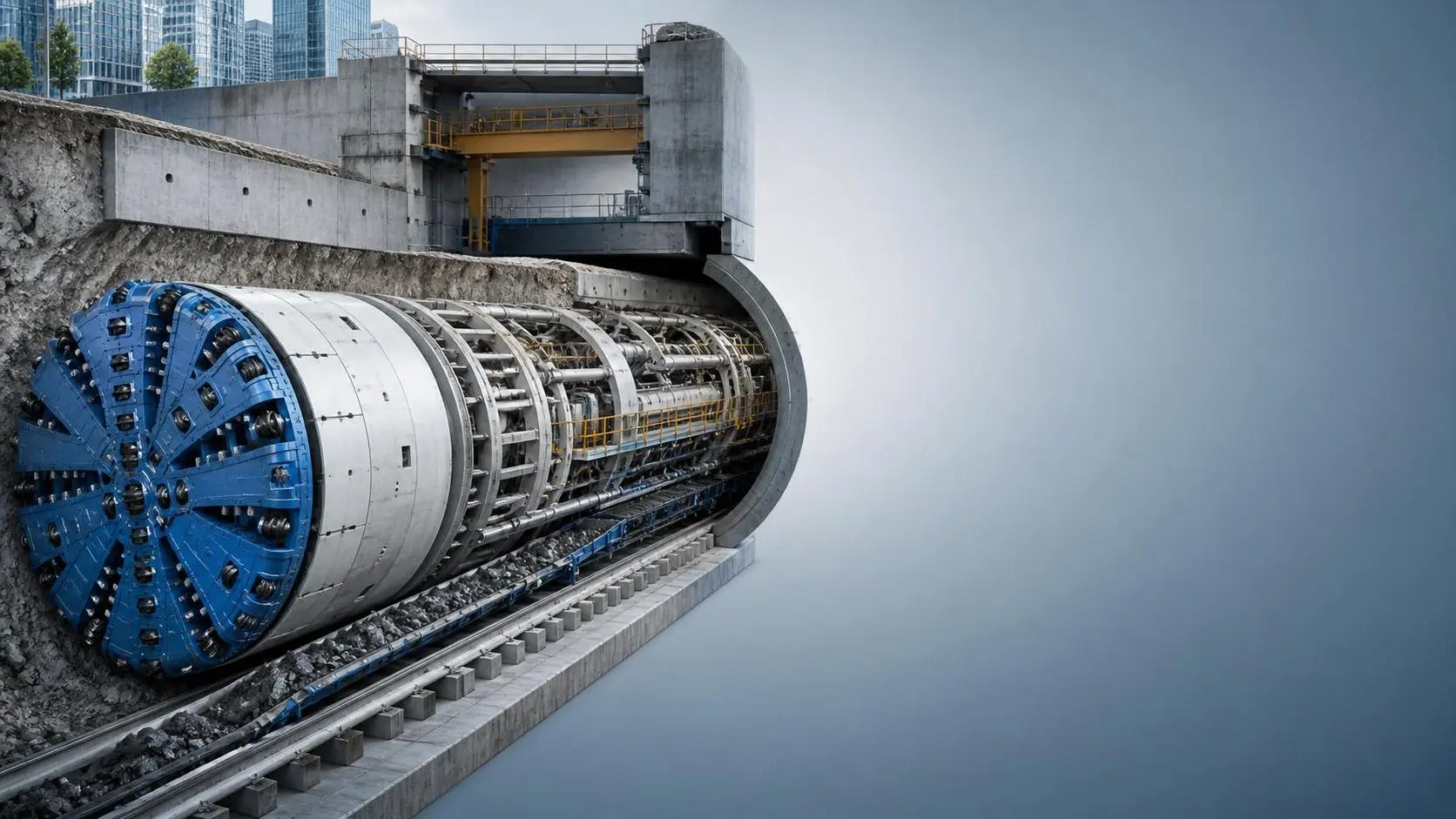
What Drives TBM Excavation Cost in Urban Tunneling Projects?
tbm excavation cost in urban tunneling depends on geology, shafts, segment lining, logistics, and risk. Discover the key cost drivers and compare bids with greater confidence.

What Does Energy Metals Mining in Australia Mean for Supply, Cost, and Project Risk?
Energy metals mining Australia is reshaping supply, cost, and project risk. Discover what it means for buyers, investors, and operators.
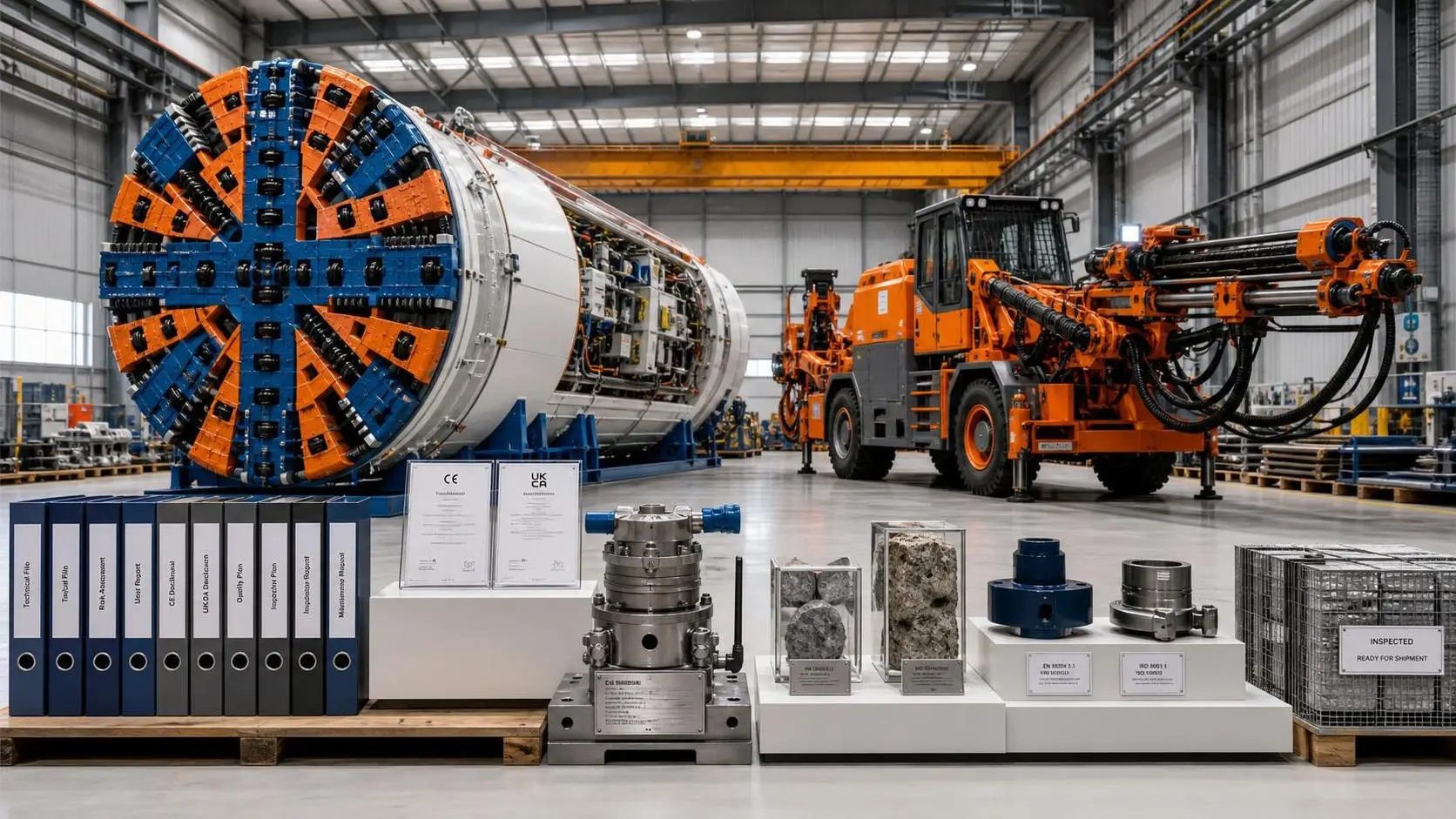
EU Eases Dual CE and UKCA Path for Chinese Tunnel Boring Equipment
EU eases CE and UKCA certification for Chinese tunnel boring equipment, cutting compliance time and helping importers move faster.
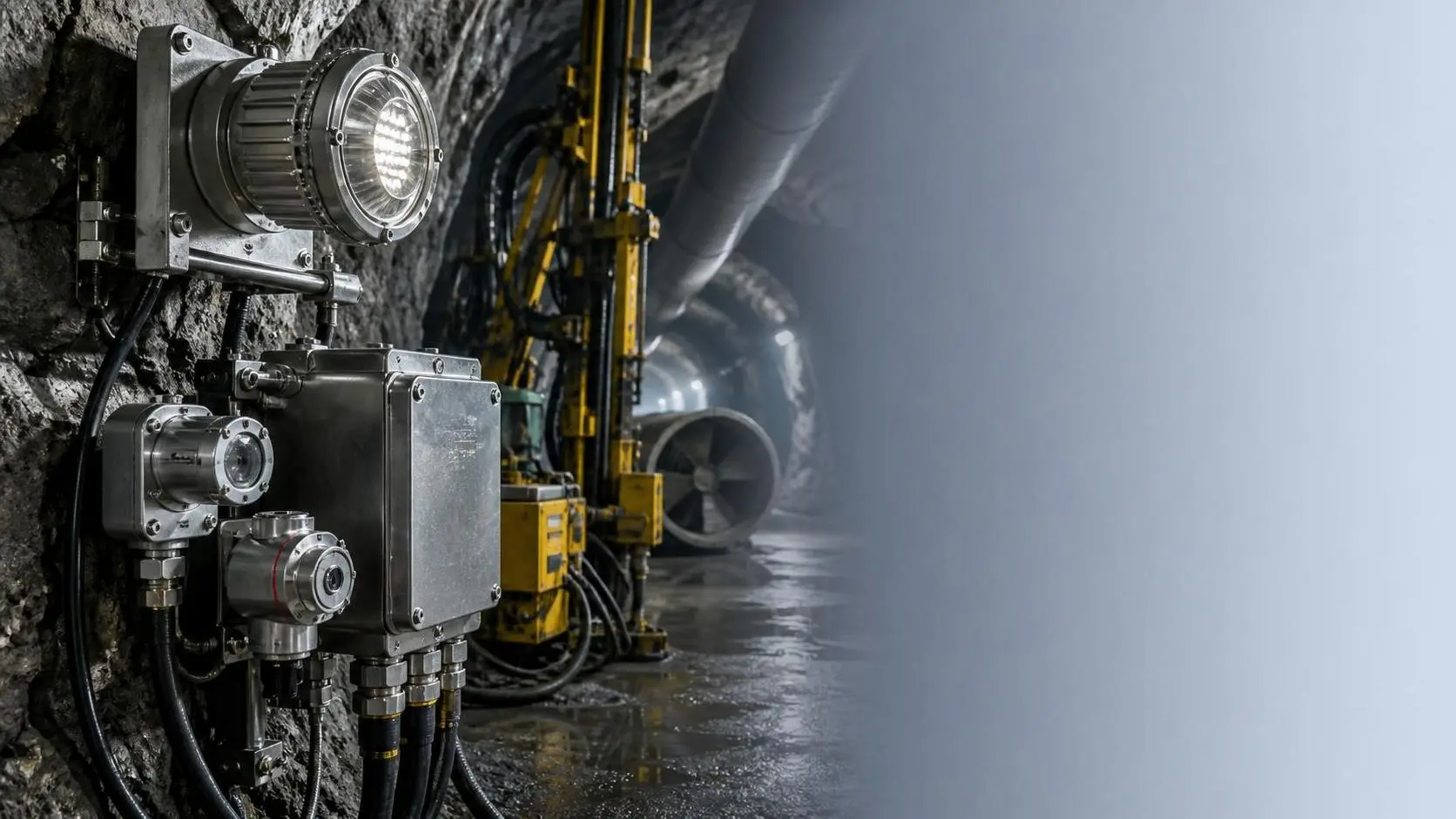
Flameproof Underground Safety Equipment: What Mine Teams Should Check Before Buying
Underground Safety Equipment flameproof buying guide: learn how mine teams should verify certification, durability, serviceability, and supplier support before purchase.
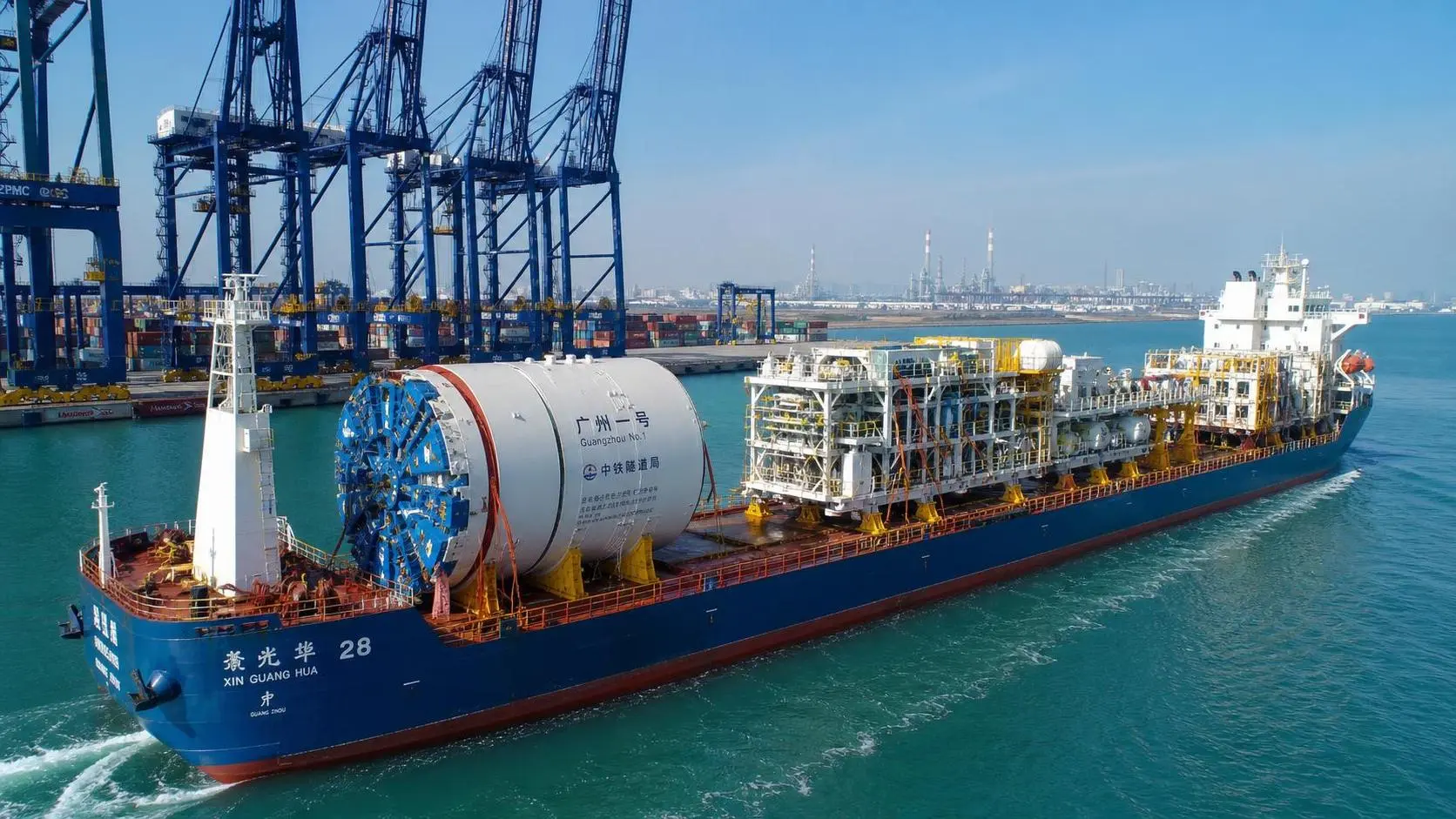
China-UAE Direct Sea Route Cuts TBM and Large Tunneling Equipment Lead Times
China-UAE direct sea route shortens TBM and large tunneling equipment lead times by 12–15 days, improving delivery predictability for major infrastructure projects. Read the full impact.

What Is a TBM Guidance System Gyroscope, and Why Does It Matter Underground?
TBM Guidance Systems gyroscope improves underground accuracy, reduces drift, and helps tunnel boring machines stay on line in harsh conditions.
Related News
- 00
0000-00
How to Evaluate a Pipe Jacking Equipment Distributor for Project Support and Uptime - 00
0000-00
How to Build a Mining Decarbonization Strategy That Balances Emissions, Cost, and Fleet Reality - 00
0000-00
How to Evaluate Articulated Dump Trucks Payload for Haul Road Conditions and Cycle Efficiency - 00
0000-00
How Pipe Fittings Material and Pressure Class Affect Water Line Selection - 00
0000-00
What Drives TBM Excavation Cost in Urban Tunneling Projects?
Weekly Insights
Stay ahead with our curated technology reports delivered every Monday.