
How to assess a mining haulage truck supplier’s parts support capacity





A mining haulage truck can meet its payload and fuel-efficiency targets on paper yet still become an expensive production constraint if its parts support is weak. The decisive issue is not whether a supplier can quote a filter, cylinder, traction inverter, or brake assembly. It is whether the required part can be identified correctly, released through the right channel, delivered within the mine’s recovery window, and supported by competent technical advice when the truck is immobilized.
Parts support capacity should therefore be assessed as an operating-system capability, not as a spare-parts price list. A supplier with a lower truck acquisition price but shallow inventory, unclear repair routes, and no regional technical infrastructure can transfer substantial risk into maintenance budgets, production schedules, and emergency freight costs. This is especially important where haulage fleets operate continuously, work far from industrial centers, or use high-value components with long manufacturing lead times.
Start with the failure consequences, not the supplier’s catalogue
Not all parts deserve the same level of scrutiny. A sound assessment begins by separating components according to what happens when they fail and how quickly the truck can safely return to service.
Consumables such as filters, seals, lubricants, and common fasteners are important for routine availability, but they rarely reveal the full strength of a mining haulage truck supplier’s support network. The more revealing categories are parts that can stop a machine or create a safety-critical condition: powertrain assemblies, wheel-end components, final drives, hydraulic pumps, steering systems, retarders, brake components, control modules, sensors, cooling packages, high-voltage battery and charging components on electric trucks, and autonomous-operation hardware where applicable.
A supplier should be able to provide a recommended initial parts list tied to the truck configuration, operating environment, maintenance philosophy, and intended fleet size. A generic “two-year spare parts package” is not enough. It should distinguish between:
- planned maintenance items consumed at known service intervals;
- operational spares needed to avoid delays during ordinary repairs;
- insurance spares for low-frequency but high-impact failures;
- repairable exchange units, such as transmissions, alternators, hydraulic pumps, electronic modules, or traction components;
- site-specific items affected by altitude, ambient temperature, haul-road grade, dust, corrosion, fuel quality, or electrical infrastructure.
The central question is simple: which failures can the mine absorb through maintenance planning, and which failures would leave a truck unavailable long enough to disrupt material movement? The supplier’s parts strategy should match that distinction.
Inventory depth matters more than warehouse presence
“Local warehouse” is often used as proof of support capacity, but a nearby warehouse may hold only fast-moving maintenance stock. Its existence says little about the availability of major assemblies, electronics, or unusual configuration-specific parts.
Ask for a location-by-location inventory profile rather than a general statement about regional coverage. The useful information is not merely the warehouse address; it is the part families held there, the quantity policy, replenishment source, normal replenishment lead time, and the process for reserving stock against a fleet contract.
A capable support model usually has several layers. The mine site may hold planned-maintenance and critical operational stock. A regional distribution center should cover a broader range of components and exchange units. A central warehouse or factory network may provide slower-moving parts, engineered components, and major replacements. The weakness of this model is exposed when every urgent item, including common failure parts, must be sourced from the central layer.
It is also necessary to establish whether inventory is physically owned by the supplier, held by a third-party logistics provider, allocated to another customer, or simply visible in a global enterprise resource planning system. System visibility does not mean immediate availability. Stock may already be committed, under quality hold, in transit, or located in a country from which export formalities add delay.

For critical components, request evidence of the supplier’s stock-control logic. This can include min/max policies, reorder triggers, demand history for comparable fleets, warehouse cycle-count practices, and procedures for managing parts subject to shelf-life limits. Rubber products, seals, batteries, certain chemical products, and electronics may require controlled storage conditions. Parts that have been stored poorly are not an effective safeguard against downtime.
Measure lead time from breakdown notification to usable part
Published delivery lead times often begin after an order is accepted and released. That is not the lead time that matters when a loaded-haulage fleet has a disabled truck. The relevant clock starts when the fault is reported and ends when the correct part is available, accepted, and ready for installation at the site.
This fuller timeline includes fault diagnosis, part-number confirmation, quotation or contractual release, credit approval, picking, export documentation, transport booking, border clearance, mine-gate access, and inspection on arrival. Each step can become a delay point. In remote mining regions, aircraft availability, road conditions, customs procedures, restricted-access sites, and hazardous-goods rules can materially affect recovery time.
Suppliers should be asked to describe their escalation process for an immobilizing event. Important details include the availability of an emergency contact outside standard office hours, authority to release stock before routine commercial approvals are completed, access to expedited transport, and responsibility for coordinating customs documents. A promise of “urgent delivery” has little value unless these operational steps are defined.
Contract language should distinguish among order-processing targets, dispatch targets, transport targets, and end-to-end recovery commitments. The supplier may not control every external event, but the agreement should make clear which part of the chain it controls, how exceptions are communicated, and what evidence is supplied when a target is missed.
Test technical support before relying on it
Parts availability alone does not restore equipment availability if the wrong component is ordered or the underlying failure remains unresolved. Modern mining trucks increasingly combine mechanical systems with software, sensors, electronic controls, telematics, battery-management systems, and, in some fleets, autonomous or remote-operation interfaces. This raises the value of diagnostic competence.
Assess whether technical support is available at the level needed for the equipment offered. The supplier should be able to explain who performs remote diagnosis, who can authorize software changes, where field-service engineers are based, and how escalation works when a local technician cannot resolve the issue. A parts desk that can search a catalogue is not equivalent to a support organization able to interpret fault codes, configuration history, service bulletins, and component interactions.
Part-number accuracy deserves particular attention. Trucks frequently evolve during production, and a fleet may contain different serial-number ranges, software versions, axle arrangements, engine emissions configurations, body options, or electrical architectures. The supplier should demonstrate a serial-number-based identification process and explain how superseded parts are managed. Without this discipline, sites can accumulate inventory that is technically correct for one truck but unusable on another.
For electronically controlled systems, confirm whether replacement components require parameterization, calibration, software loading, cybersecurity authorization, or a site visit from certified personnel. A control module delivered in forty-eight hours is not a forty-eight-hour solution if it cannot be commissioned for another week.
Examine repairability and exchange support, not only new-part supply
The lifecycle cost of haulage-truck support is strongly influenced by how repairable components are handled. Major assemblies are expensive to replace outright, while repairable-unit programs can reduce both cost and downtime when properly managed. The critical question is whether the supplier has a credible process for inspection, remanufacture, warranty, core return, and exchange-unit availability.
An exchange program should specify the condition standards for returned cores, the financial exposure if a core is rejected, turnaround expectations, transportation responsibilities, and warranty terms for remanufactured units. These conditions can alter the real cost substantially. A low exchange price may be offset by an aggressive core-charge policy or a limited warranty that excludes the operating conditions most relevant to the site.
Repair capability also has a geographic dimension. Sending a large final drive, wheel motor, cylinder, or battery module across borders may be impractical, slow, or costly. Determine whether repairs can be completed locally, regionally, or only at a distant factory. If local repair partners are used, verify whether they are authorized, trained, equipped with approved test procedures, and supplied with genuine repair kits.
For battery-electric haulage trucks, this review should extend to battery packs, thermal-management equipment, high-voltage connectors, insulation-monitoring devices, chargers, and battery-swapping interfaces where used. High-voltage service is not simply a conventional electrical repair task. The supplier’s support model needs clearly defined safety procedures, trained personnel, controlled handling, and a route for defective battery modules.
Look beyond list prices to the economics of availability
A parts quotation gives only one part of the cost picture. The more useful comparison is the expected cost of keeping each truck available over its working life. This includes routine parts consumption, freight, inventory carrying cost, emergency transport, technician travel, service-tool requirements, repair labor, warranty recovery, and the production consequences of extended downtime.
A supplier offering lower unit prices may require the mine to hold a larger on-site inventory because replenishment is uncertain. Another supplier may charge more for individual parts but support a vendor-managed inventory arrangement, local exchange stock, or a contractual availability program that reduces the amount of capital tied up in stores. Neither model is automatically superior. The comparison depends on fleet size, distance from support hubs, criticality of the haulage operation, and the site’s own maintenance capability.
Price comparisons should normalize common distortions. Check whether quoted prices include packaging, export preparation, freight, duties, taxes, hazardous-goods handling, software licenses, calibration, and core charges. Confirm the currency, price-validity period, escalation mechanism, and whether price changes apply to already committed inventory. Where the supplier proposes a long-term agreement, ask how discontinued components and engineering changes will be priced and supplied.
Warranty administration is another cost control issue. A supplier may offer a nominal warranty but impose burdensome claim documentation, slow technical review, or restrictive exclusions. The practical test is whether a suspected warrantable failure can be investigated without delaying the repair decision. Clear procedures for parts return, failure analysis, interim replacement, and credit approval reduce both financial disputes and machine downtime.
Check lifecycle commitments and the risk of obsolescence
Mining trucks are long-lived assets, and support obligations should not be assessed only for the first warranty period. The supplier should state its parts-support policy for the expected operating life of the truck and explain what happens when an original component is no longer manufactured.
Obsolescence is particularly relevant to electronic control units, displays, communication hardware, sensors, and automation systems. A replacement may require a revised wiring harness, firmware update, or broader retrofit rather than a like-for-like swap. These changes can be manageable, but their commercial and technical responsibilities need to be visible before purchase.
Useful questions include whether the supplier issues formal product-change notices, how long advance notice is provided before a part is withdrawn, whether last-time-buy options exist, and who validates compatibility after a supersession. A credible answer identifies a documented process rather than making a broad promise that parts will remain available indefinitely.
Turn supplier claims into verifiable tender requirements
The strongest assessment method is to convert support claims into documents, scenarios, and contractual obligations. During evaluation, require each mining haulage truck supplier to respond to the same operating assumptions: fleet size, annual operating hours, site remoteness, maintenance staffing, planned stockholding, and recovery expectations for defined critical failures.
Request a critical-parts matrix showing stock location, normal lead time, emergency lead time, price basis, repairability, exchange availability, and any required commissioning steps. Ask for the proposed initial stocking list with quantities and rationale, not only a lump-sum value. Review a sample serial-number parts lookup, a sample technical escalation record, and the procedure for handling a wrong or superseded part.
References can be useful, but questions should focus on support mechanics rather than general satisfaction. Relevant points include the accuracy of deliveries, responsiveness during urgent events, availability of major components, resolution of warranty claims, quality of technical diagnosis, and consistency between contractual commitments and actual service. The operating conditions of any reference fleet should be comparable to the intended application.
Parts support should also be reviewed alongside the mine’s own responsibilities. A supplier cannot compensate for poorly maintained stores, incomplete asset records, delayed purchase approvals, inadequate lifting equipment, or technicians without the required training. The contract and operating plan should define the boundary clearly: which stock sits on site, who owns it, who monitors consumption, who authorizes replenishment, and who carries the risk of obsolete inventory.
The practical standard is not whether a supplier can promise parts availability in general terms. It is whether its inventory network, technical resources, repair pathways, logistics controls, and lifecycle commitments can withstand the specific failures that would materially interrupt hauling. That distinction is where apparent parts support becomes a measurable availability strategy—and where the long-term cost of a truck fleet is often decided.
Related News
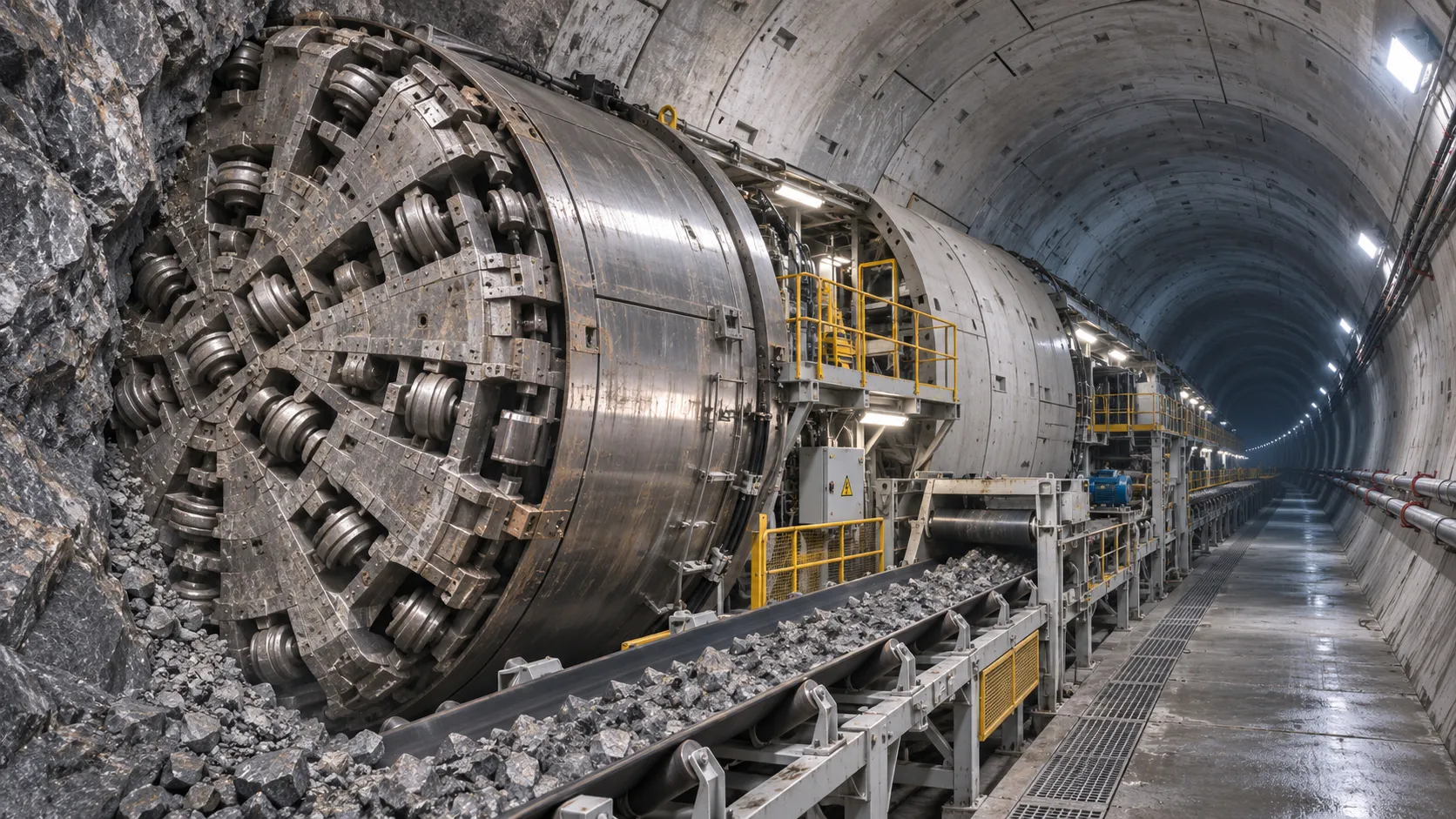
How TBM Excavation Works in Rock and Soft Ground: A Practical Guide
TBM Excavation in rock and soft ground explained: compare machine types, ground support, spoil removal, and the factors that guide smarter project planning.
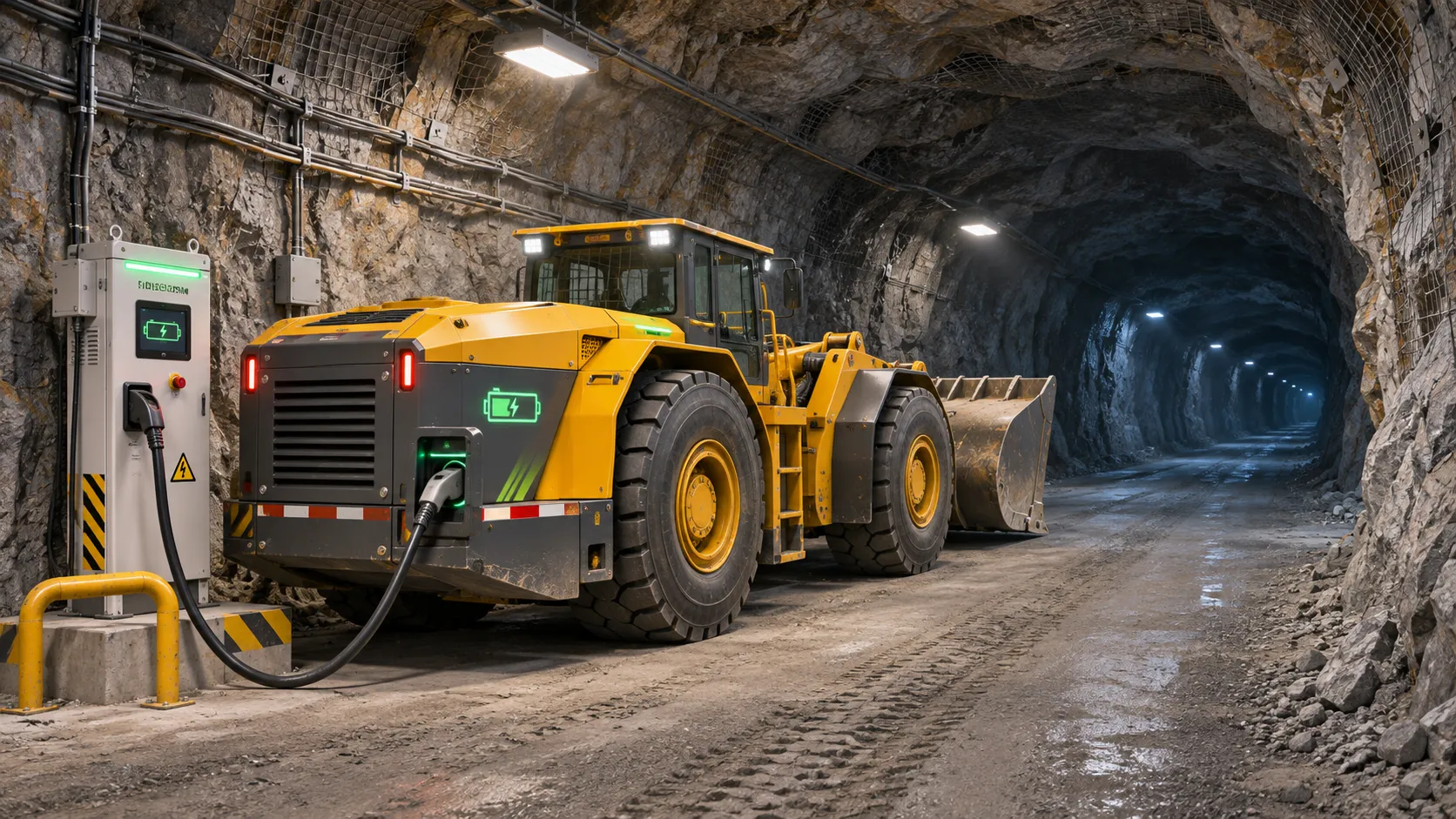
Choosing a Zero-Emission Underground Equipment Supplier: What to Check
Choosing a zero emission underground equipment supplier? Compare duty-cycle performance, charging, safety, total costs and support before you commit.
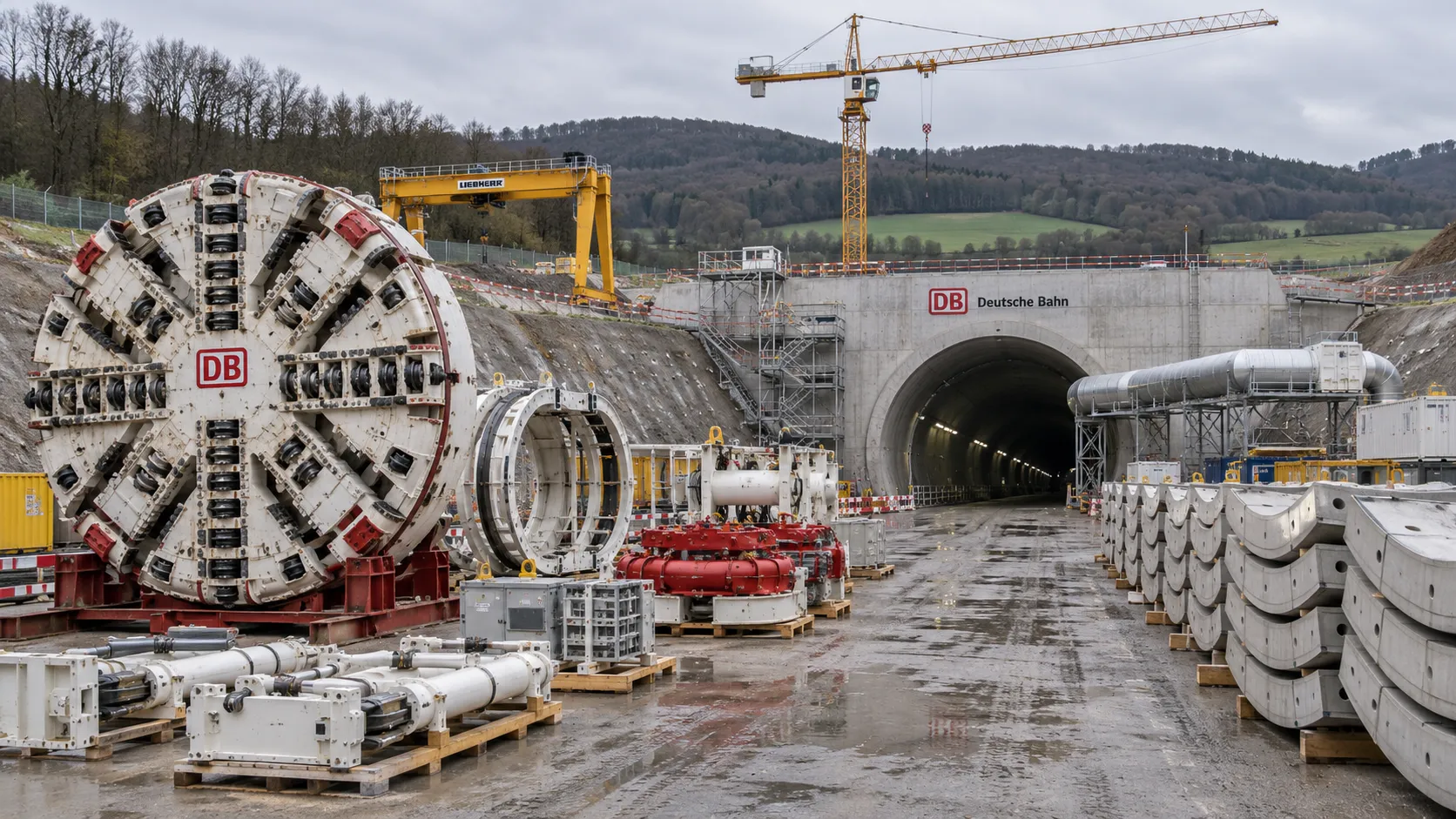
Construction Starts on Germany's Pfaffensteig Rail Tunnel, With Two TBMs Planned
Pfaffensteig rail tunnel construction is underway in Germany. Discover how two planned TBMs will support the 11-kilometre project near Stuttgart.
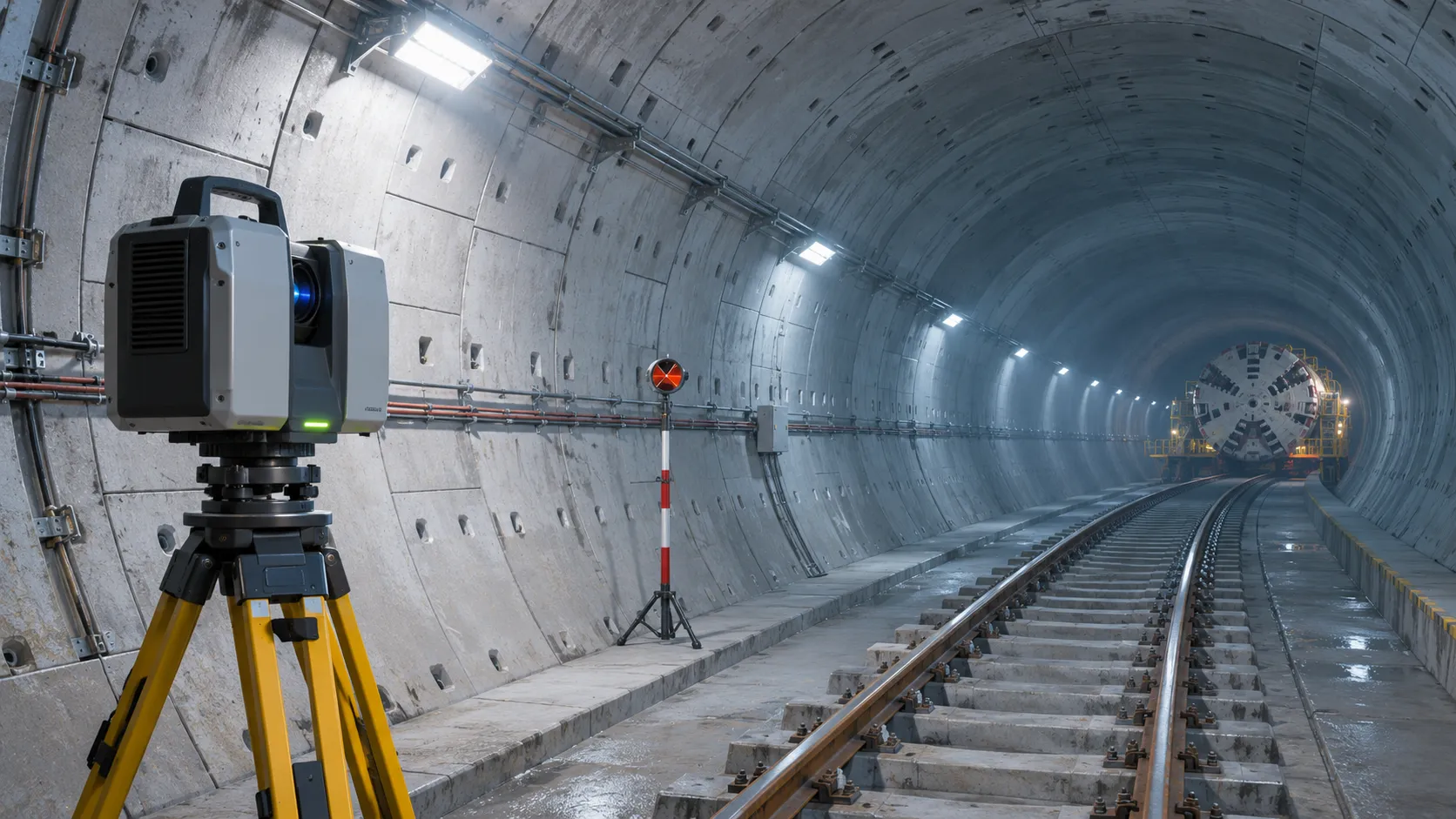
How Real-Time Underground Mapping Systems Work in Tunneling
Discover how real-time underground mapping systems guide tunneling teams, integrate sensor data, and support confident decisions with verified accuracy.
First Mechanized Tunnel Crossing Beneath the Panama Canal Completed
Panama Canal tunnel crossing: Explore the reported Metro Line 3 milestone and what it could mean for future underwater tunneling projects.
Underground Utility Construction Equipment: Choosing by Ground Conditions
Choose underground utility construction equipment with confidence. Compare trenching, HDD, microtunnelling and TBMs by ground conditions, risk and cost.
China Sets Tunnel Boring Machine Export Controls as India Pushes Local Production
China tunnel boring machine export controls could reshape procurement as India pushes local production. Explore potential supply and project impacts.
Choosing a Trenchless Pipeline Installation Contractor: Key Qualifications
Choose a trenchless pipeline installation contractor with confidence. Learn how to assess experience, equipment, safety, costs, and project risks before you hire.
China's 70% TBM Share and Export Controls Challenge India's Local Production
China's TBM export controls could challenge India's local production and infrastructure sourcing. Explore the potential risks and procurement options.
Related News
- 00
0000-00
How TBM Excavation Works in Rock and Soft Ground: A Practical Guide - 00
0000-00
Choosing a Zero-Emission Underground Equipment Supplier: What to Check - 00
0000-00
Construction Starts on Germany's Pfaffensteig Rail Tunnel, With Two TBMs Planned - 00
0000-00
How Real-Time Underground Mapping Systems Work in Tunneling - 00
0000-00
First Mechanized Tunnel Crossing Beneath the Panama Canal Completed
Weekly Insights
Stay ahead with our curated technology reports delivered every Monday.