
How to time Mining Equipment Replacement without overspending





Mining Equipment Replacement decisions can make or break capital efficiency for operations balancing cost, uptime, safety, and ESG goals. Replace too early, and capital is trapped in assets with remaining value. Replace too late, and failures, energy waste, and lost production quietly erase savings. The right timing comes from matching replacement strategy to actual operating scenarios, maintenance signals, technology shifts, and total lifecycle economics.
When Mining Equipment Replacement becomes urgent in real operating scenarios
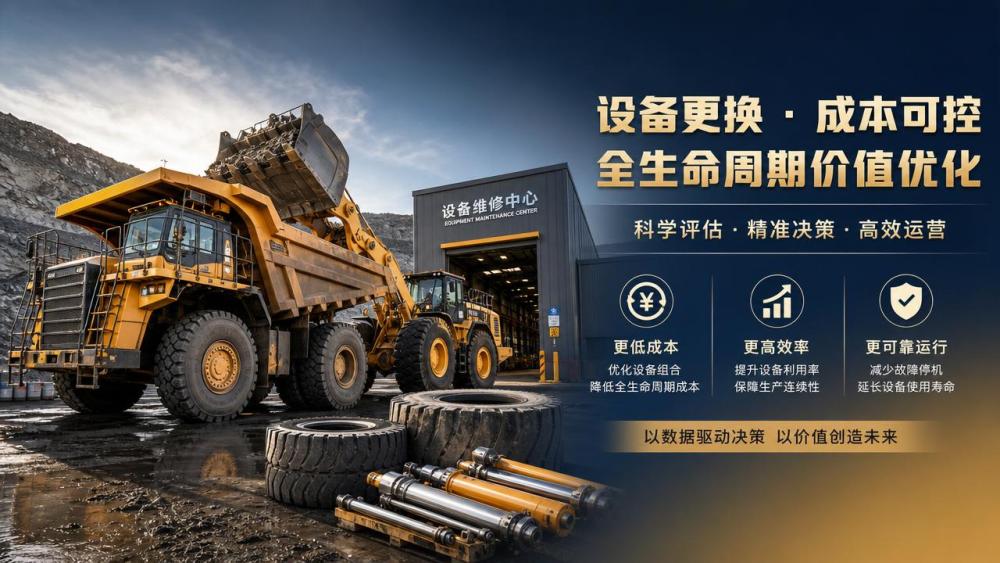
Mining Equipment Replacement is rarely triggered by age alone. A truck, loader, jumbo, or support machine may remain productive for years beyond its accounting life. Another unit may become uneconomic much earlier.
The decisive factor is operating context. Underground mines, trenchless worksites, and heavy civil projects place different stress on frames, drivetrains, hydraulics, batteries, tires, and controls.
In UTMD-covered sectors, replacement timing also depends on ventilation limits, automation readiness, emissions policy, rock conditions, haul gradients, and spare parts continuity.
That is why strong Mining Equipment Replacement planning starts with scenario-based judgment, not with a simple calendar rule.
Scenario 1: Aging diesel fleets in deep underground operations
Deep underground fleets face tight ventilation constraints and harsh duty cycles. Older diesel LHDs and haul trucks often stay mechanically usable, yet create hidden operating penalties.
Those penalties include higher heat load, higher exhaust treatment cost, lower operator comfort, and more downtime from drivetrain and hydraulic wear.
In this scenario, Mining Equipment Replacement should be evaluated when ventilation cost per ton rises, repair intervals shrink, or battery-electric alternatives improve shift productivity.
Scenario 2: Surface haulage fleets facing fuel volatility and autonomy upgrades
Open-pit and quarry fleets often delay Mining Equipment Replacement because the machines still move material. However, fuel price swings can rapidly change the economics of old assets.
If newer trucks offer regenerative braking, electrified drive systems, or autonomy-ready platforms, keeping older units may create an opportunity cost larger than their book value suggests.
Scenario 3: Tunnel and trenchless projects with fixed delivery milestones
Project-based environments need a different Mining Equipment Replacement lens. The cost of a major failure can exceed repair cost because schedule delay triggers penalties and disrupts subcontractors.
For pipe jacking systems, TBM support equipment, drilling jumbos, and mucking systems, replacement timing should reflect milestone risk, component lead times, and site access limitations.
How to judge the right replacement moment without overspending
Good Mining Equipment Replacement decisions rely on measurable triggers. The goal is to compare keeping cost with replacement cost under the actual duty cycle.
Track total cost of ownership, not just repair invoices
Repair bills matter, but they are only one part of the picture. Track fuel or energy consumption, planned maintenance, unplanned downtime, tire wear, consumables, and labor hours.
Aging equipment may appear cheap because depreciation is low. Yet total cost per operating hour may already exceed that of a new replacement unit.
Watch failure frequency and downtime clustering
One breakdown does not justify Mining Equipment Replacement. Repeated failures in related systems often do. Clustering in hydraulics, cooling, brakes, wiring, or final drives is a warning sign.
When mean time between failures drops steadily, the unit usually enters a costly decline phase. At that point, repairs restore function but rarely restore reliability.
Measure productivity loss against newer technology
Mining Equipment Replacement should also reflect what the old machine cannot do. New systems may offer faster cycles, remote operation, better traction control, lower emissions, and smarter diagnostics.
The gap matters most where haul routes are long, loading points are congested, or shift windows are tight. In these cases, even modest productivity gains quickly justify replacement.
Different Mining Equipment Replacement needs by operating scenario
Not every fleet should follow the same trigger model. The table below highlights how Mining Equipment Replacement priorities shift by scenario.
Practical ways to reduce overspending during Mining Equipment Replacement
Avoiding overspending does not mean postponing every purchase. It means replacing with discipline, sequencing, and evidence.
Use a replacement scorecard
Build a simple scorecard for each asset. Include age, hours, cost per hour, downtime trend, safety events, fuel or energy intensity, and parts availability.
This turns Mining Equipment Replacement from opinion into a repeatable capital process. It also helps compare different machine classes fairly.
Separate rebuild candidates from true replacement candidates
Some machines deserve a life-extending rebuild. Others do not. Structural integrity, duty severity, and technology obsolescence should guide that choice.
- Rebuild when the frame is sound and the machine still fits operating needs.
- Replace when controls, emissions, powertrain, or automation capability are clearly outdated.
- Do not rebuild simply to avoid immediate capital approval.
Time purchases around infrastructure readiness
Mining Equipment Replacement often fails financially when sites buy advanced units before charging, maintenance tooling, software support, or operator training are ready.
For battery-electric loaders, autonomous trucks, or connected drilling systems, deployment readiness matters as much as sticker price.
Common Mining Equipment Replacement mistakes across scenarios
Several recurring errors lead to overspending or poor timing. Most are preventable with better data discipline.
Mistake 1: Relying on accounting life only
Book life is useful for finance planning, but weak for operating decisions. Real replacement timing depends on utilization, environment, and reliability trajectory.
Mistake 2: Ignoring hidden downtime costs
Aging equipment can consume maintenance labor, delay headings, increase standby machines, and lower daily output. These indirect costs often exceed visible repair spending.
Mistake 3: Treating all assets as equally strategic
Critical path equipment should have stricter Mining Equipment Replacement thresholds than support units. A failed loader on a bottleneck route is not equal to a lightly used service vehicle.
Mistake 4: Overreacting to new technology hype
New technology can improve economics, but not every site captures full value immediately. Avoid replacing stable assets before infrastructure, operator skills, and supply support are aligned.
A smarter next step for Mining Equipment Replacement planning
The most effective Mining Equipment Replacement plan starts with a fleet map. Rank assets by criticality, operating condition, and cost trend. Then match each machine to the scenario it serves.
Next, compare three options for each unit: keep, rebuild, or replace. Use one decision window, such as 12 to 24 months, to avoid fragmented buying.
For sectors tracked by UTMD, this process becomes stronger when technical intelligence is added. Monitor electrification trends, autonomy adoption, parts supply risk, and equipment evolution across underground and surface fleets.
Mining Equipment Replacement should never be driven by fear, habit, or vendor pressure alone. With scenario-based timing, lifecycle data, and technology readiness checks, it is possible to protect uptime, support ESG progress, and avoid overspending at the same time.
Related News
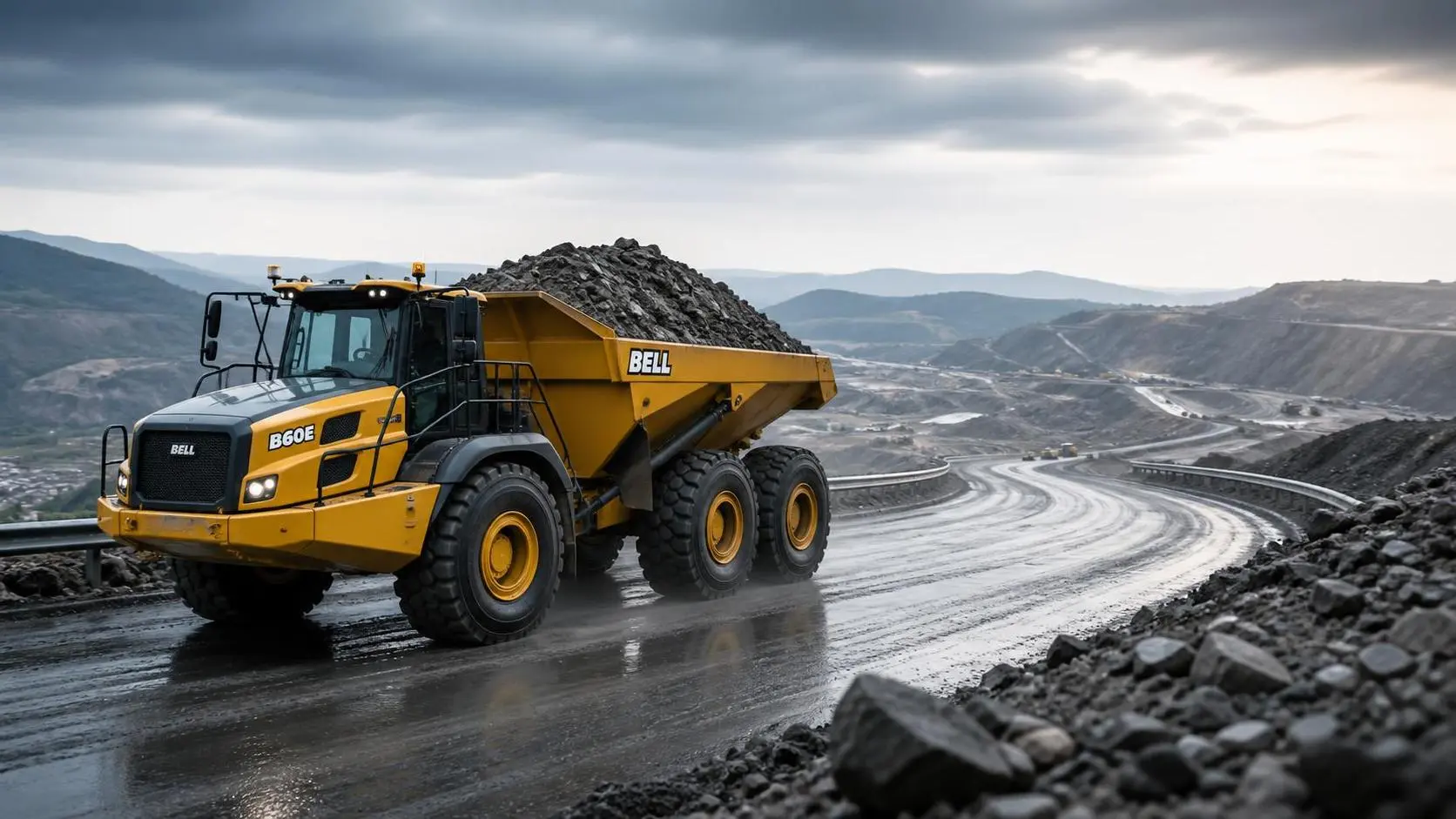
How to Evaluate Articulated Dump Trucks Payload for Haul Road Conditions and Cycle Efficiency
Articulated Dump Trucks payload evaluation starts with real haul road conditions, not brochure numbers. Learn how to balance payload, traction, grades, and cycle efficiency for safer, higher output.
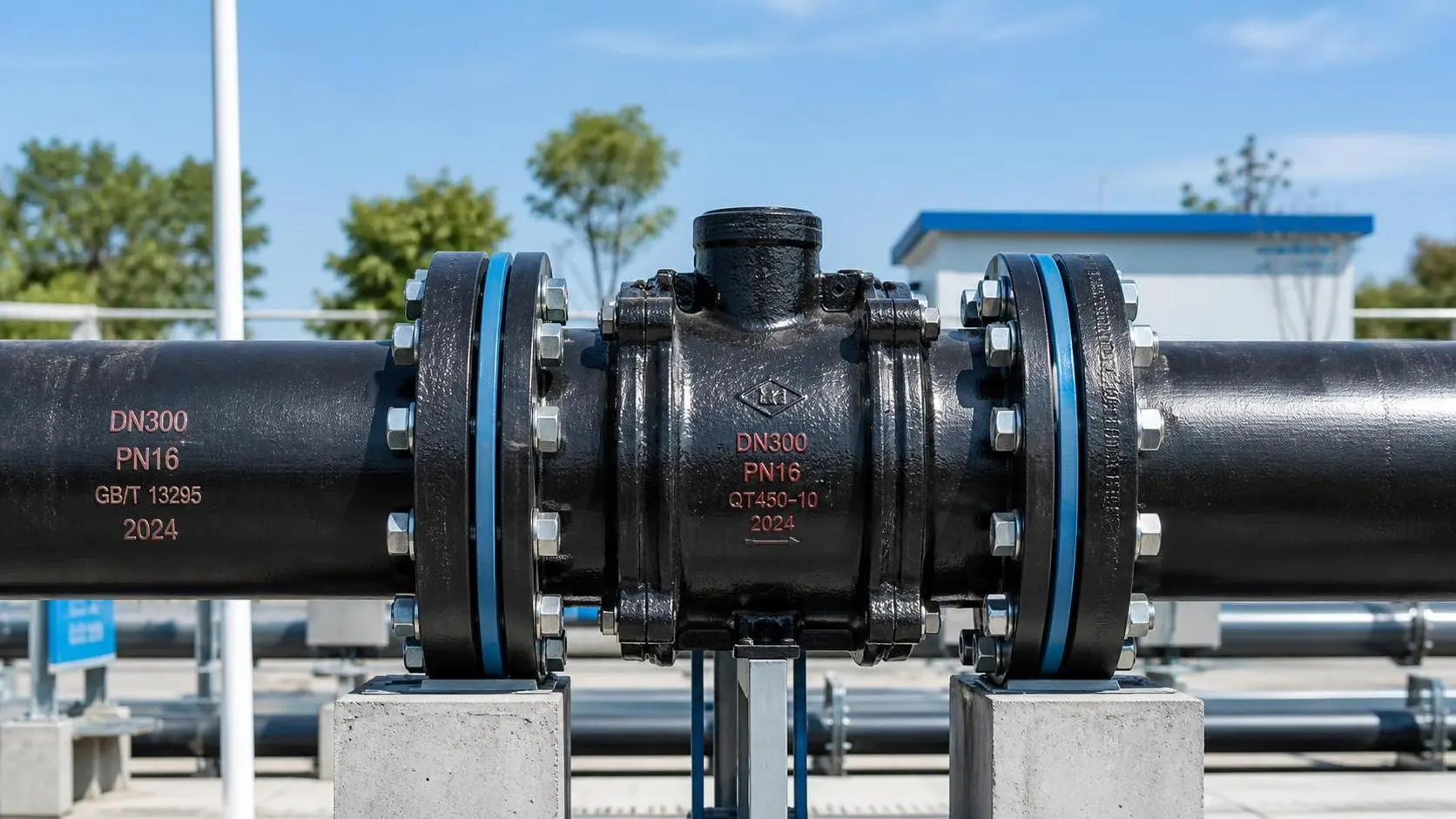
How Pipe Fittings Material and Pressure Class Affect Water Line Selection
Pipe fittings selection starts with material and pressure class. Learn how these factors affect water line reliability, corrosion resistance, installation, and long-term cost.
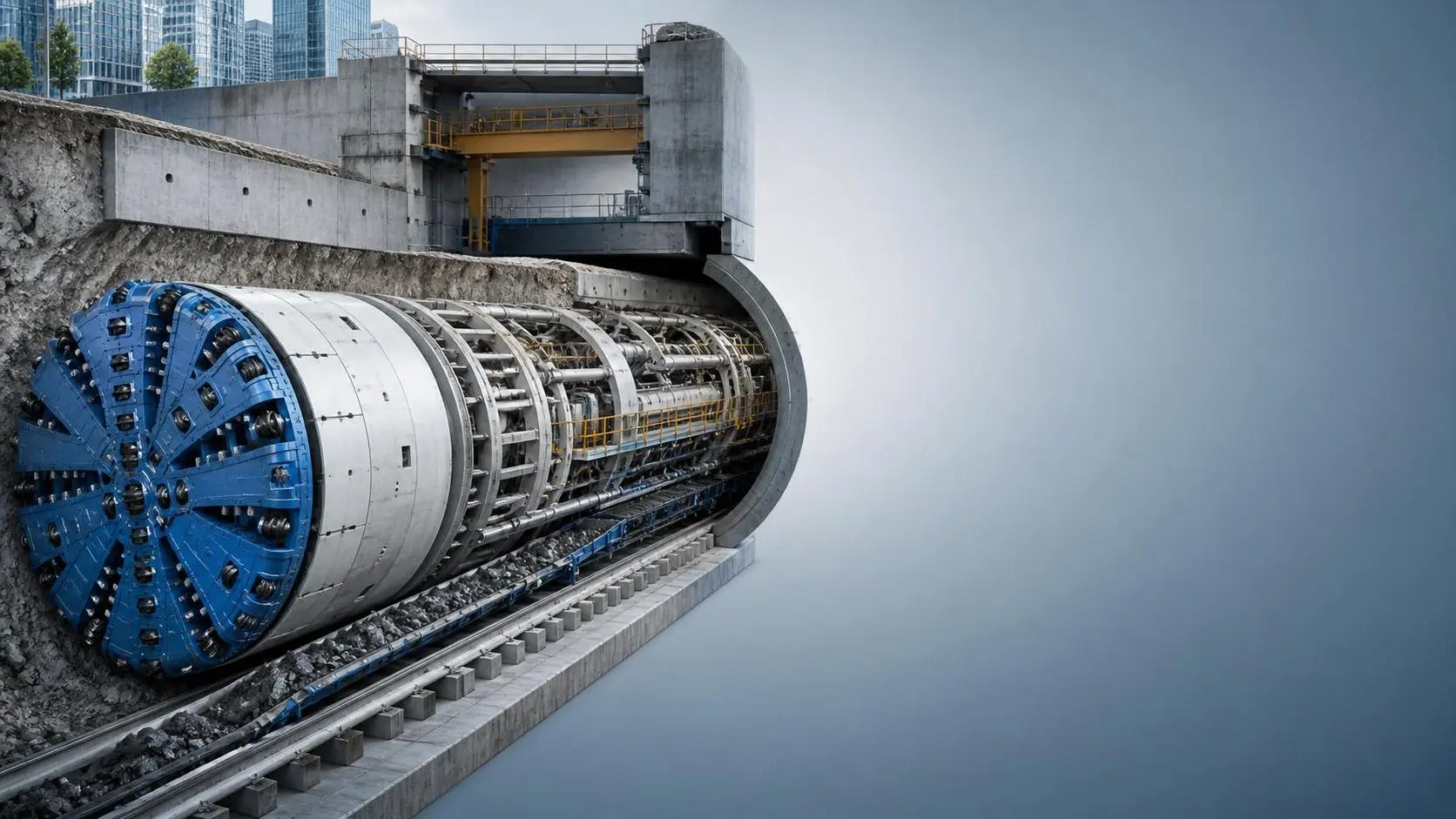
What Drives TBM Excavation Cost in Urban Tunneling Projects?
tbm excavation cost in urban tunneling depends on geology, shafts, segment lining, logistics, and risk. Discover the key cost drivers and compare bids with greater confidence.
What Does Energy Metals Mining in Australia Mean for Supply, Cost, and Project Risk?
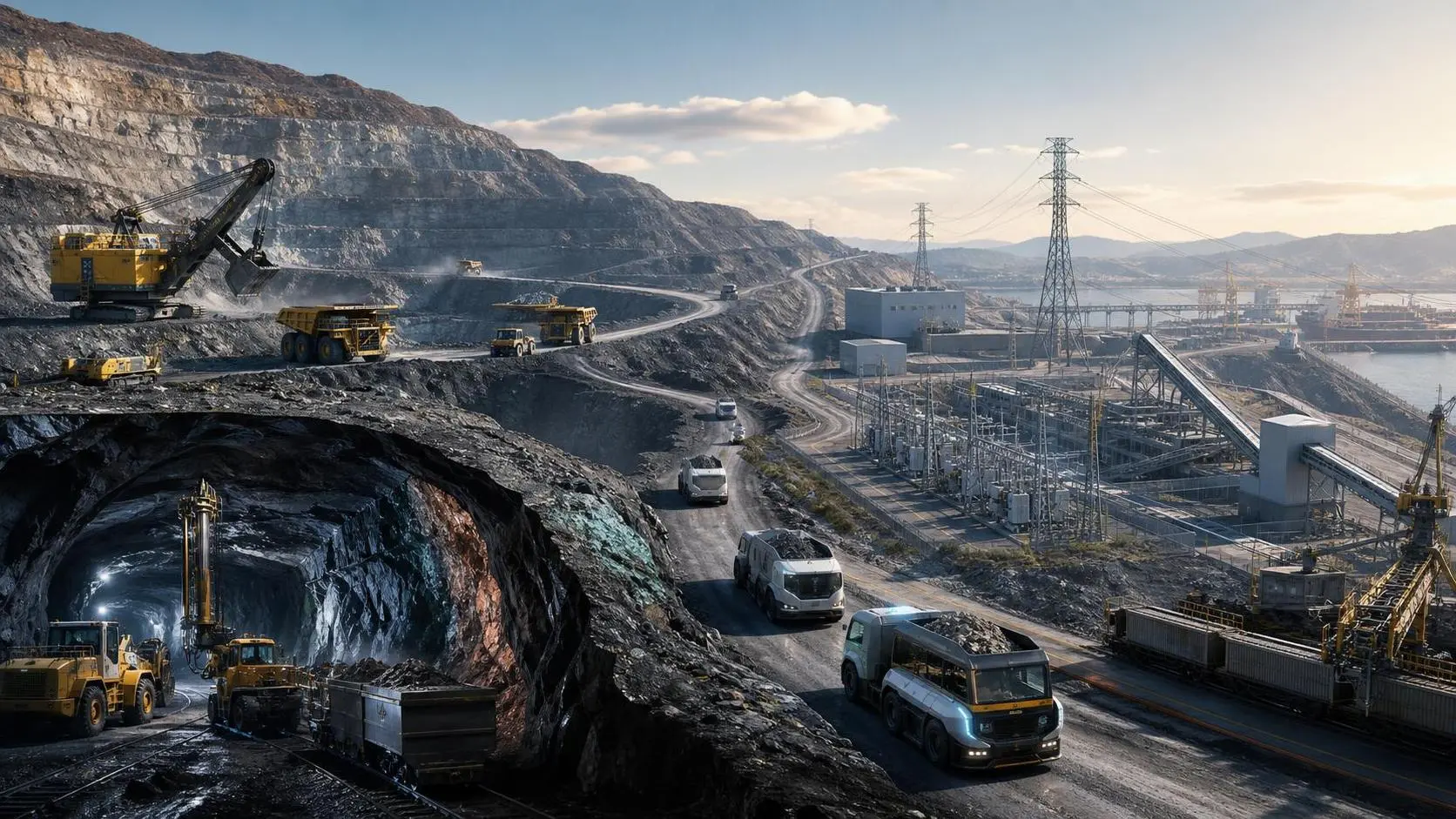
Energy metals mining Australia is reshaping supply, cost, and project risk. Discover what it means for buyers, investors, and operators.
EU Eases Dual CE and UKCA Path for Chinese Tunnel Boring Equipment
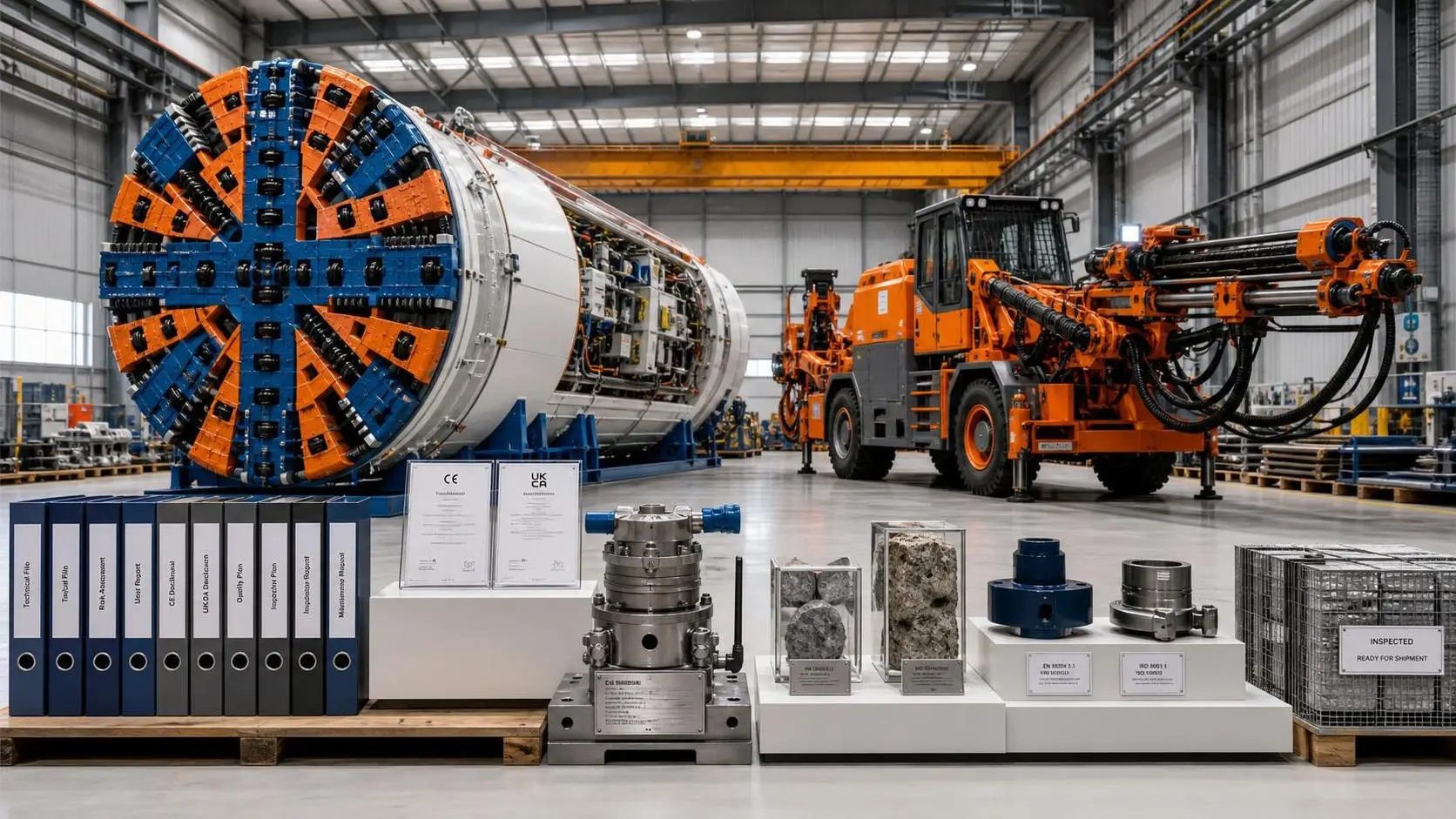
EU eases CE and UKCA certification for Chinese tunnel boring equipment, cutting compliance time and helping importers move faster.
Flameproof Underground Safety Equipment: What Mine Teams Should Check Before Buying
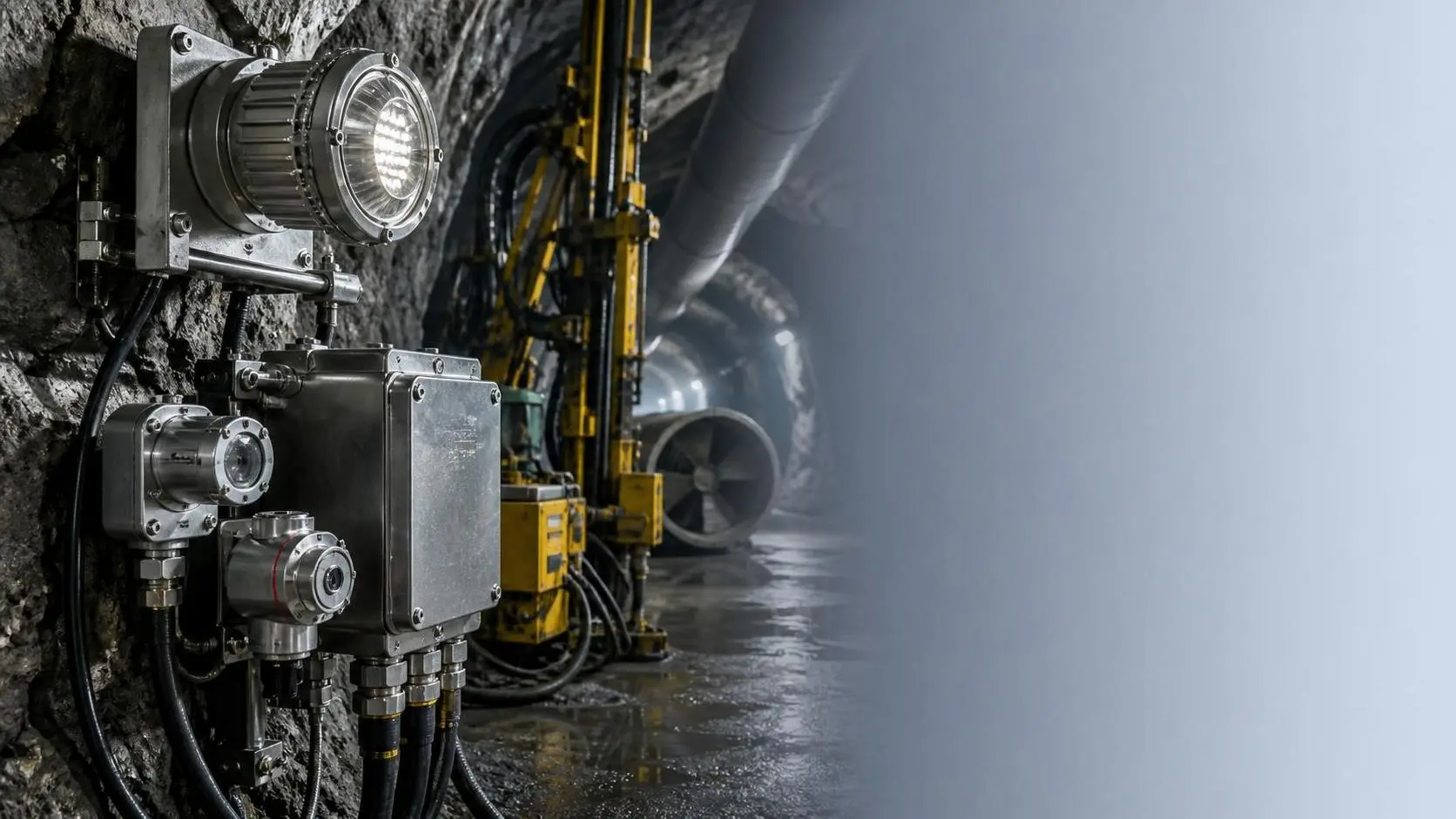
Underground Safety Equipment flameproof buying guide: learn how mine teams should verify certification, durability, serviceability, and supplier support before purchase.
China-UAE Direct Sea Route Cuts TBM and Large Tunneling Equipment Lead Times
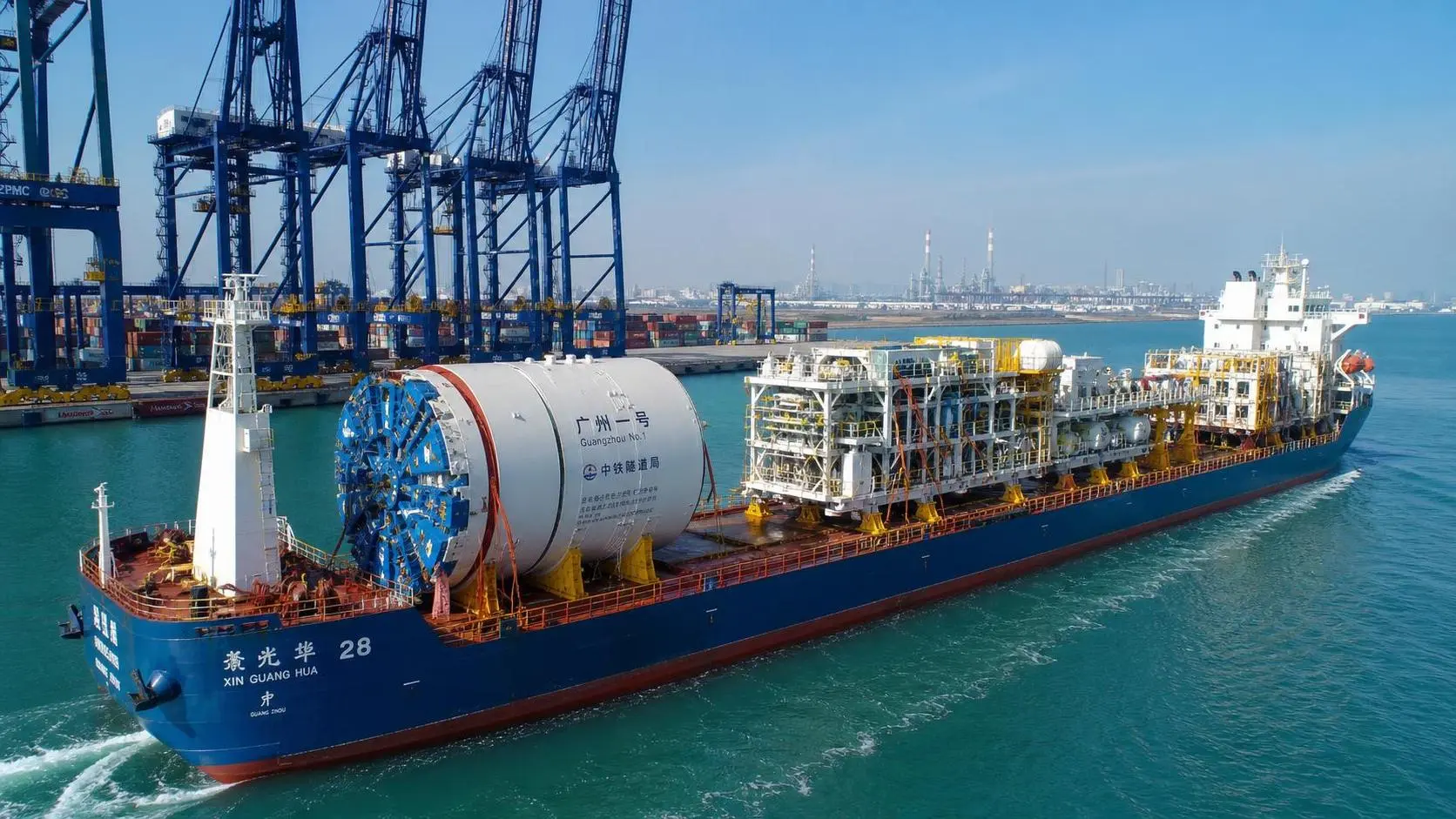
China-UAE direct sea route shortens TBM and large tunneling equipment lead times by 12–15 days, improving delivery predictability for major infrastructure projects. Read the full impact.
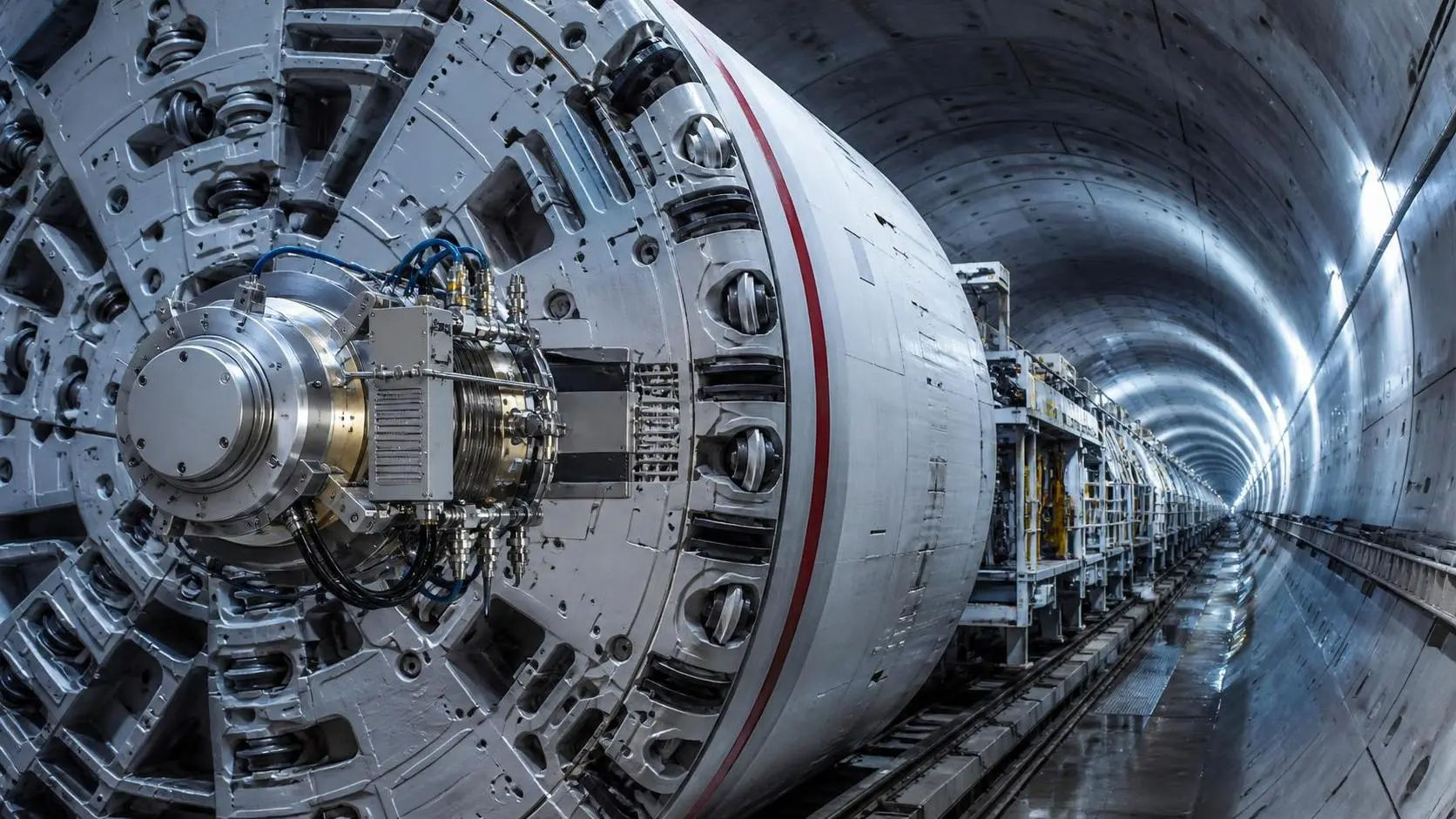
What Is a TBM Guidance System Gyroscope, and Why Does It Matter Underground?
TBM Guidance Systems gyroscope improves underground accuracy, reduces drift, and helps tunnel boring machines stay on line in harsh conditions.

China to Roll Out Nationwide Local and Foreign Currency Cash Pools for Multinationals on Sept. 14
China will roll out nationwide local and foreign currency cash pools for multinationals on Sept. 14, streamlining cross-border treasury management and boosting liquidity efficiency.
Related News
- 00
0000-00
How to Evaluate Articulated Dump Trucks Payload for Haul Road Conditions and Cycle Efficiency - 00
0000-00
How Pipe Fittings Material and Pressure Class Affect Water Line Selection - 00
0000-00
What Drives TBM Excavation Cost in Urban Tunneling Projects? - 00
0000-00
What Does Energy Metals Mining in Australia Mean for Supply, Cost, and Project Risk? - 00
0000-00
EU Eases Dual CE and UKCA Path for Chinese Tunnel Boring Equipment
Weekly Insights
Stay ahead with our curated technology reports delivered every Monday.