
Why Mega Tunnels are reshaping urban transit planning





Mega Tunnels are no longer judged only by engineering scale. They are increasingly evaluated as strategic urban assets that unlock capacity, reduce surface disruption, cut emissions, and improve long-term network resilience.
For enterprise decision-makers, the key question is not whether Mega Tunnels are impressive. It is whether they create durable economic value, attract investment, and support smarter transit planning under rising urban constraints.
The answer, in most fast-growing metropolitan regions, is yes. Mega Tunnels are reshaping urban transit planning because they solve multiple city problems at once: congestion, land scarcity, decarbonization pressure, aging infrastructure, and demand for uninterrupted mobility.
They also create a new technology and procurement ecosystem around tunnel boring machines, trenchless delivery, digital monitoring, electrified underground logistics, and automated construction workflows—areas where strategic intelligence matters as much as civil engineering.
Why city leaders and investors are moving Mega Tunnels higher on the transit agenda
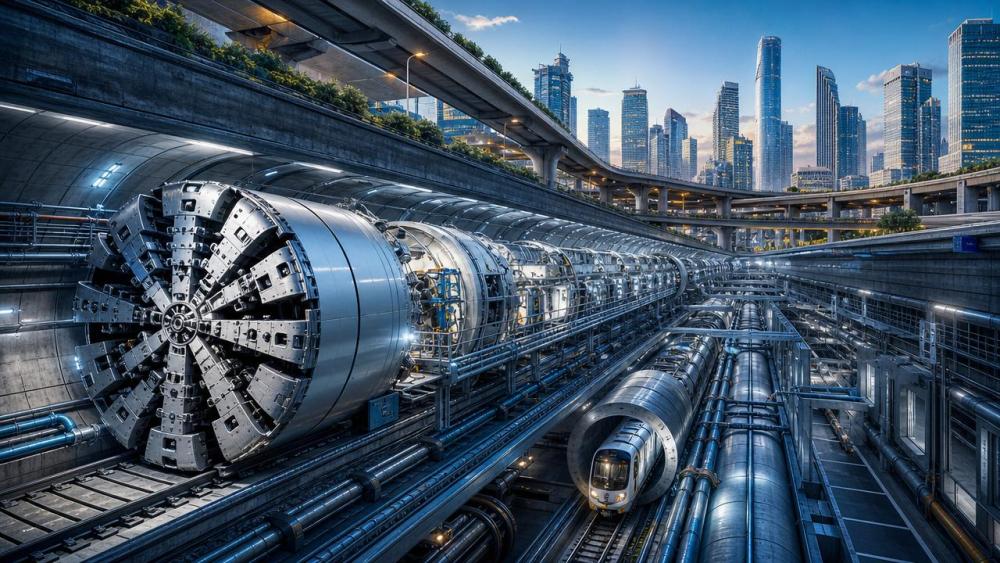
When decision-makers search for insights on Mega Tunnels, they usually want more than a technical definition. They want to know why cities are committing billions underground instead of continuing to widen roads or extend conventional surface corridors.
The short answer is that many major cities have exhausted easier options. Surface expansion is expensive, politically difficult, and often socially disruptive. In dense districts, there is simply not enough room to add meaningful transport capacity above ground.
Mega Tunnels change that equation by opening a new layer of urban space. They allow planners to move high-capacity rail, utility corridors, freight links, or multimodal transport flows below the surface without dismantling the city above.
This matters because modern transit planning is no longer just about moving people from point A to point B. It is about protecting productivity, supporting climate goals, preserving urban land value, and keeping cities functional during decades of population growth.
For business leaders, that makes Mega Tunnels relevant far beyond public transport authorities. They influence real estate, logistics, industrial supply chains, municipal financing, energy systems, equipment demand, and regional competitiveness.
What problem do Mega Tunnels solve better than traditional transit expansion?
At the planning level, Mega Tunnels are attractive because they address several structural bottlenecks simultaneously. Traditional transit upgrades often solve one issue while worsening another, such as reducing congestion but increasing land acquisition conflict or construction disruption.
By contrast, Mega Tunnels can deliver high-volume movement capacity while minimizing direct interference with roads, commercial districts, and residential zones. That lower surface disruption is especially valuable in mature cities where downtime translates into measurable economic loss.
They also support network separation. Passenger rail, express freight, drainage, utilities, and strategic service infrastructure can be routed in more efficient layers, reducing operational conflicts and improving long-term system redundancy.
Another major advantage is future-proofing. As cities prepare for autonomous mobility, electrified fleets, integrated logistics, and climate resilience, underground corridors offer protected and controllable environments that surface systems often cannot match.
In practical terms, a Mega Tunnel is not just a passage. It is a capacity platform. Once built, it can anchor decades of urban adaptation, making it a planning tool with far longer strategic life than many short-term congestion fixes.
How Mega Tunnels are changing the economics of urban transit planning
The biggest hesitation around Mega Tunnels is usually cost. Capital expenditure is high, planning cycles are long, and political scrutiny is intense. However, forward-looking cities are increasingly evaluating them through lifecycle economics rather than initial construction budgets alone.
That shift is important. Surface projects may look cheaper on paper, but they often trigger hidden costs: land acquisition, relocation, traffic disruption, legal challenges, maintenance complexity, and limited scalability. These factors can erode apparent savings over time.
Mega Tunnels often perform better when assessed across a 30- to 50-year horizon. They can increase corridor throughput, reduce travel delays, improve freight reliability, stabilize land use, and preserve economic activity during construction compared with open-cut alternatives.
For investors and industrial suppliers, the implication is clear: demand is moving toward infrastructure with multi-dimensional returns. Cities are now prioritizing systems that combine mobility gains with emissions reduction, resilience, and lower social disruption.
This also strengthens the case for advanced equipment ecosystems. High-performance TBMs, digital guidance systems, predictive maintenance tools, and low-emission underground support fleets all become more valuable when tunnel projects are framed as long-horizon strategic investments.
Why emissions targets are accelerating underground transit strategies
Climate policy is now a major force behind Mega Tunnel planning. Urban transport remains a leading source of emissions, and many cities cannot meet decarbonization targets through vehicle electrification alone. They also need structural changes in how mobility networks are designed.
Mega Tunnels support that transition in several ways. They enable high-capacity rail substitution for car travel, reduce surface traffic bottlenecks that waste energy, and create space for integrated low-carbon utility and transport systems below ground.
They can also improve air quality and noise outcomes in dense urban districts. By shifting heavy movement underground, cities reduce environmental stress at street level, which directly affects public health, commercial attractiveness, and regulatory compliance.
For sectors connected to underground engineering and mining transport, this decarbonization trend has another meaning. Equipment buyers increasingly favor electrified, automated, and ventilation-efficient systems because confined underground spaces magnify the cost of emissions and exhaust.
That aligns with broader market movement toward zero-emission tunnelling support equipment, battery-electric underground loaders, and smarter haulage systems. In this sense, Mega Tunnels are not separate from industrial electrification—they are helping drive it.
What technologies make today’s Mega Tunnels more viable than in the past?
Mega Tunnels are reshaping urban transit planning partly because the technology stack has improved dramatically. The modern project environment is more data-driven, more automated, and more capable of managing geological, operational, and safety complexity at scale.
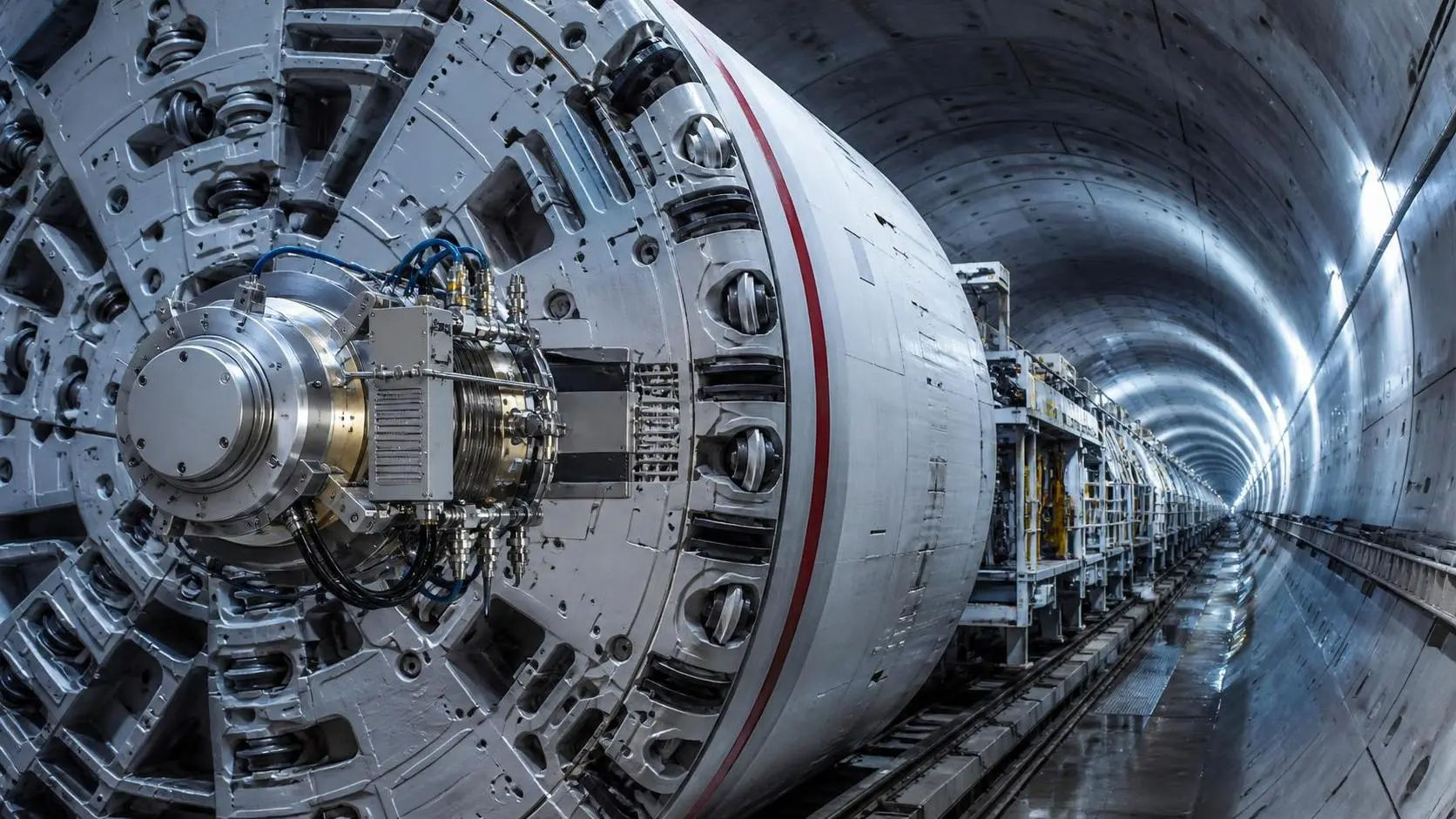
Tunnel boring machines sit at the center of this change. Advanced TBMs now integrate mechanical cutting performance, real-time sensing, guidance systems, hydraulic precision, and increasingly sophisticated automation for excavation and segment installation.
These improvements matter because project viability often depends on predictability. Better ground characterization, cutter wear modeling, digital twin simulation, and machine-health monitoring reduce uncertainty in schedule, maintenance, and cost control.
Trenchless engineering methods also extend the strategic role of Mega Tunnels. They allow cities to build connecting assets—utility crossings, feeder corridors, municipal links, and pipeline routes—with less surface disruption, strengthening the wider value of underground planning.
In parallel, electrified and remotely controlled underground equipment is improving the safety and environmental profile of construction and operational support. This is particularly relevant where ventilation costs, confined-space safety, and labor efficiency shape project economics.
How Mega Tunnels influence procurement, supply chains, and industrial strategy
For enterprise decision-makers, one underappreciated aspect of Mega Tunnels is their effect on industrial demand. These projects require long-duration procurement pipelines involving boring systems, support machinery, digital controls, segments, power systems, ventilation, and maintenance services.
That creates opportunities for equipment makers, component suppliers, automation firms, materials specialists, and service providers that can meet strict reliability and compliance requirements. In large tunnel programs, procurement strategy becomes part of national infrastructure capability.
The scale of these projects also encourages standardization and long-term partnerships. Buyers increasingly prefer suppliers that can support performance visibility, predictive maintenance, fleet uptime, and integration across mechanical, electrical, and software layers.
This is where market intelligence becomes commercially valuable. Understanding tender flows, geological requirements, replacement cycles, and policy-driven electrification trends helps businesses position themselves before procurement accelerates.
For firms operating in tunnelling, trenchless systems, or underground mining mobility, Mega Tunnels are more than public works. They are signals of future demand concentration, technology adoption, and capital allocation in the broader underground economy.
What risks should decision-makers evaluate before backing Mega Tunnel strategies?
Although the strategic case is strong, Mega Tunnels are not universally the right answer. Their success depends on governance quality, corridor demand, geotechnical conditions, financing structure, and operational integration with the broader transport network.
One major risk is building a tunnel that lacks network leverage. If stations, interchanges, utility interfaces, or last-mile links are weak, even an impressive underground asset may underperform in actual mobility impact and economic return.
Another risk is underestimating geological and systems complexity. Ground conditions, water ingress, ventilation design, fire safety, and long-term maintenance all influence lifecycle performance. Poor planning in these areas can erase strategic advantages quickly.
Decision-makers should also assess technology maturity carefully. Automation, remote operations, and electrified support fleets can deliver strong benefits, but only when supported by workforce readiness, digital infrastructure, and realistic operating models.
Finally, financing discipline matters. The strongest Mega Tunnel projects usually connect clear urban demand with phased delivery, transparent procurement, and measurable outcomes in travel time, emissions, resilience, and land-use efficiency.
How should business leaders judge whether Mega Tunnels are a real opportunity?
A useful evaluation framework begins with five questions. First, does the city face structural capacity limits that surface expansion cannot solve efficiently? Second, is underground space the only realistic path to scalable transport growth?
Third, can the project support multiple value streams, such as passenger throughput, freight efficiency, emissions reduction, utility integration, or land-use improvement? Fourth, is there a credible technology and delivery ecosystem behind the plan?
Fifth, does the governance model support long-term execution? Mega Tunnels succeed when planning, financing, engineering, and operations are aligned from the start rather than treated as separate stages with fragmented accountability.
If the answer to these questions is mostly positive, Mega Tunnels are likely more than symbolic infrastructure. They represent a durable shift in how cities organize mobility, underground assets, and strategic growth under increasingly hard physical constraints.
For industrial players, the signal is equally important. Demand will increasingly favor advanced boring systems, trenchless solutions, digital monitoring, and zero-emission underground support equipment capable of operating reliably in complex confined environments.
Conclusion: Mega Tunnels are becoming strategic infrastructure, not optional megaprojects
Mega Tunnels are reshaping urban transit planning because they align with the realities modern cities can no longer ignore: congestion, decarbonization, land scarcity, resilience demands, and the need for long-life infrastructure with measurable economic value.
For enterprise decision-makers, their importance lies not only in civil engineering scale but in strategic consequence. They influence investment priorities, procurement models, technology adoption, and the future structure of urban and industrial mobility systems.
The most important takeaway is simple. Mega Tunnels should not be viewed as isolated construction achievements. They are becoming core platforms for how leading cities expand capacity, protect competitiveness, and move critical transport functions into a smarter underground future.
That is why understanding Mega Tunnels now is not just useful for planners. It is essential for any business assessing where infrastructure, underground technology, and long-term urban opportunity are heading next.
Related News
How to Evaluate Articulated Dump Trucks Payload for Haul Road Conditions and Cycle Efficiency
Articulated Dump Trucks payload evaluation starts with real haul road conditions, not brochure numbers. Learn how to balance payload, traction, grades, and cycle efficiency for safer, higher output.
How Pipe Fittings Material and Pressure Class Affect Water Line Selection
Pipe fittings selection starts with material and pressure class. Learn how these factors affect water line reliability, corrosion resistance, installation, and long-term cost.
What Drives TBM Excavation Cost in Urban Tunneling Projects?
tbm excavation cost in urban tunneling depends on geology, shafts, segment lining, logistics, and risk. Discover the key cost drivers and compare bids with greater confidence.
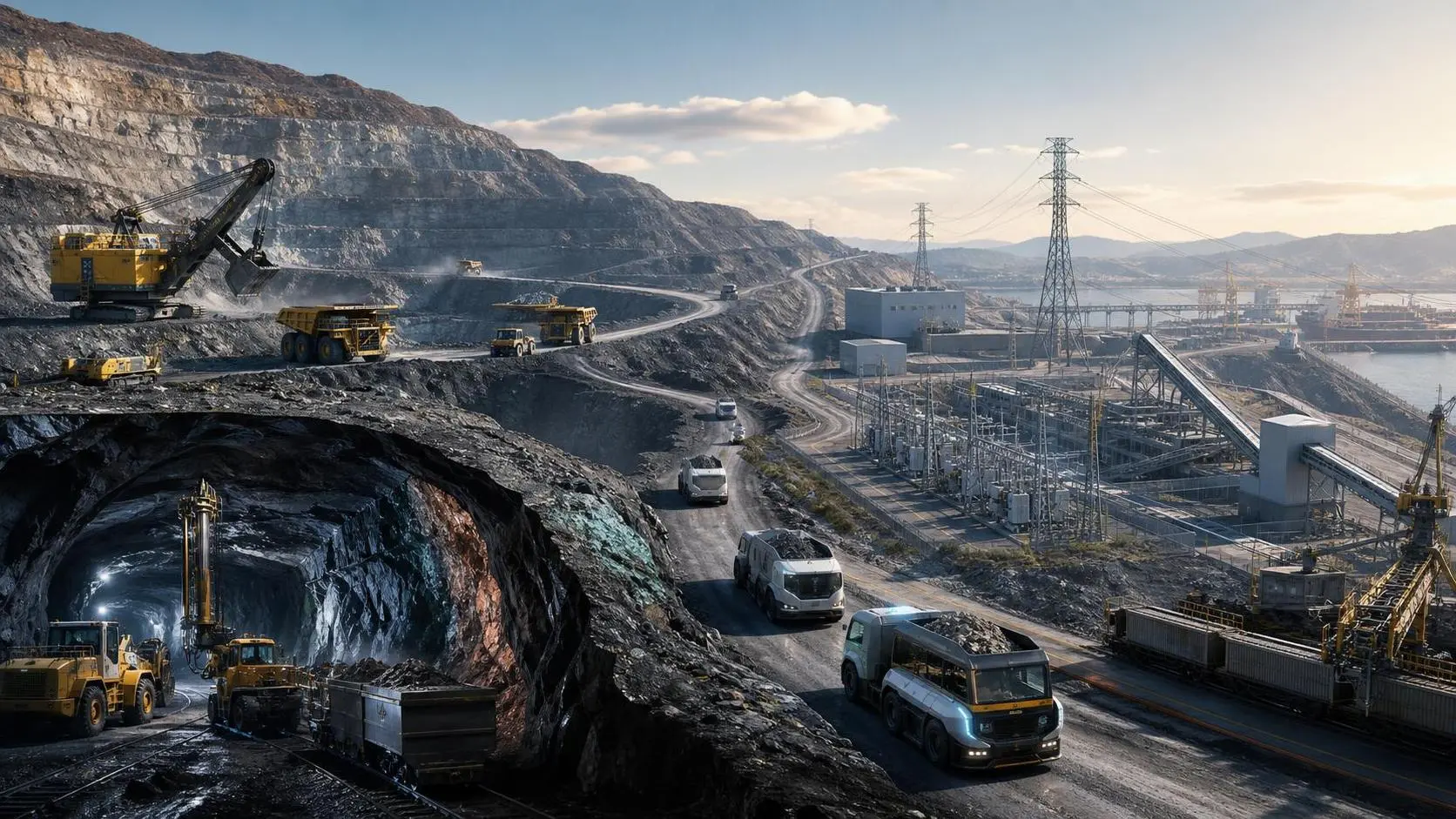
What Does Energy Metals Mining in Australia Mean for Supply, Cost, and Project Risk?
Energy metals mining Australia is reshaping supply, cost, and project risk. Discover what it means for buyers, investors, and operators.
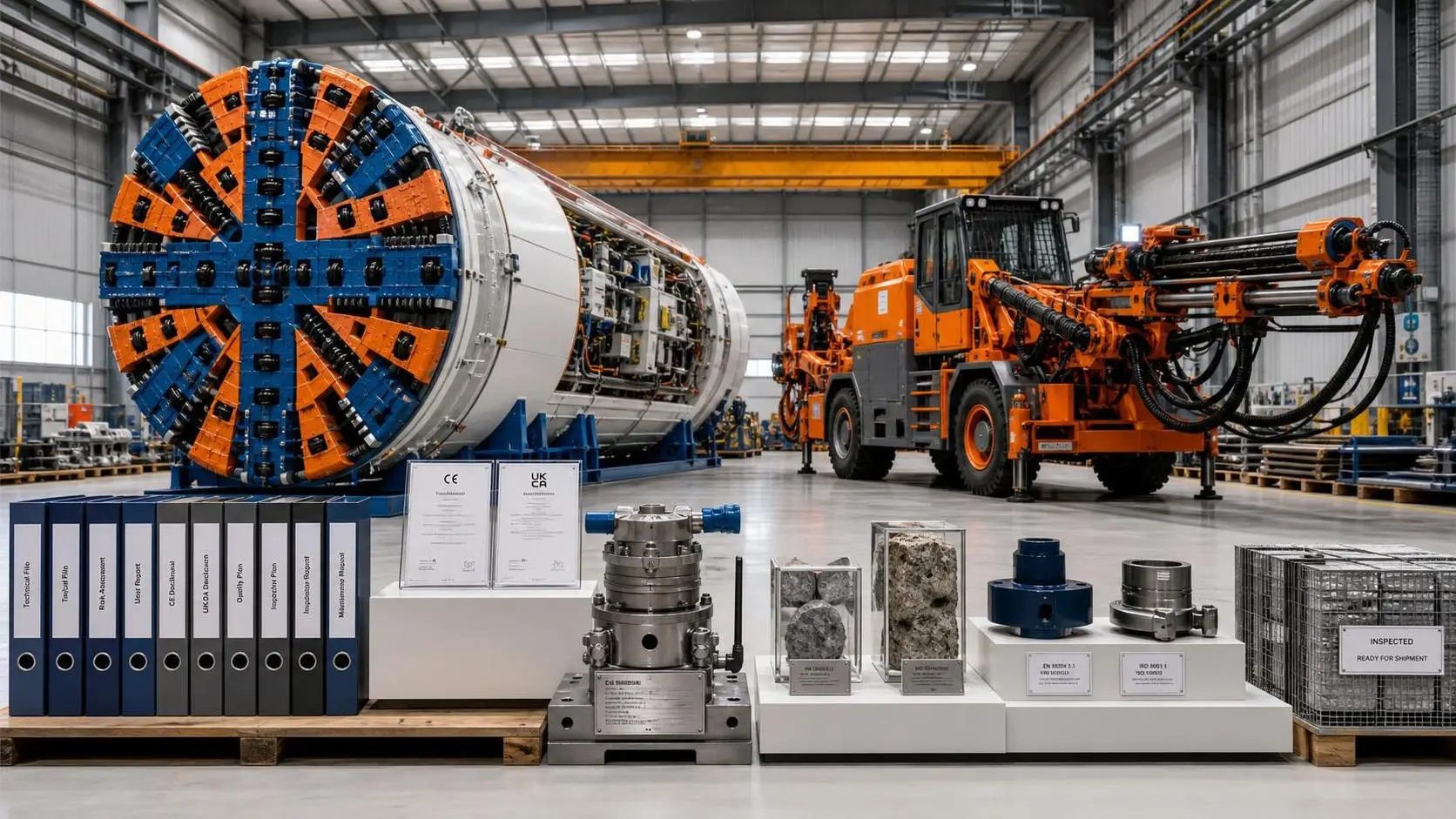
EU Eases Dual CE and UKCA Path for Chinese Tunnel Boring Equipment
EU eases CE and UKCA certification for Chinese tunnel boring equipment, cutting compliance time and helping importers move faster.
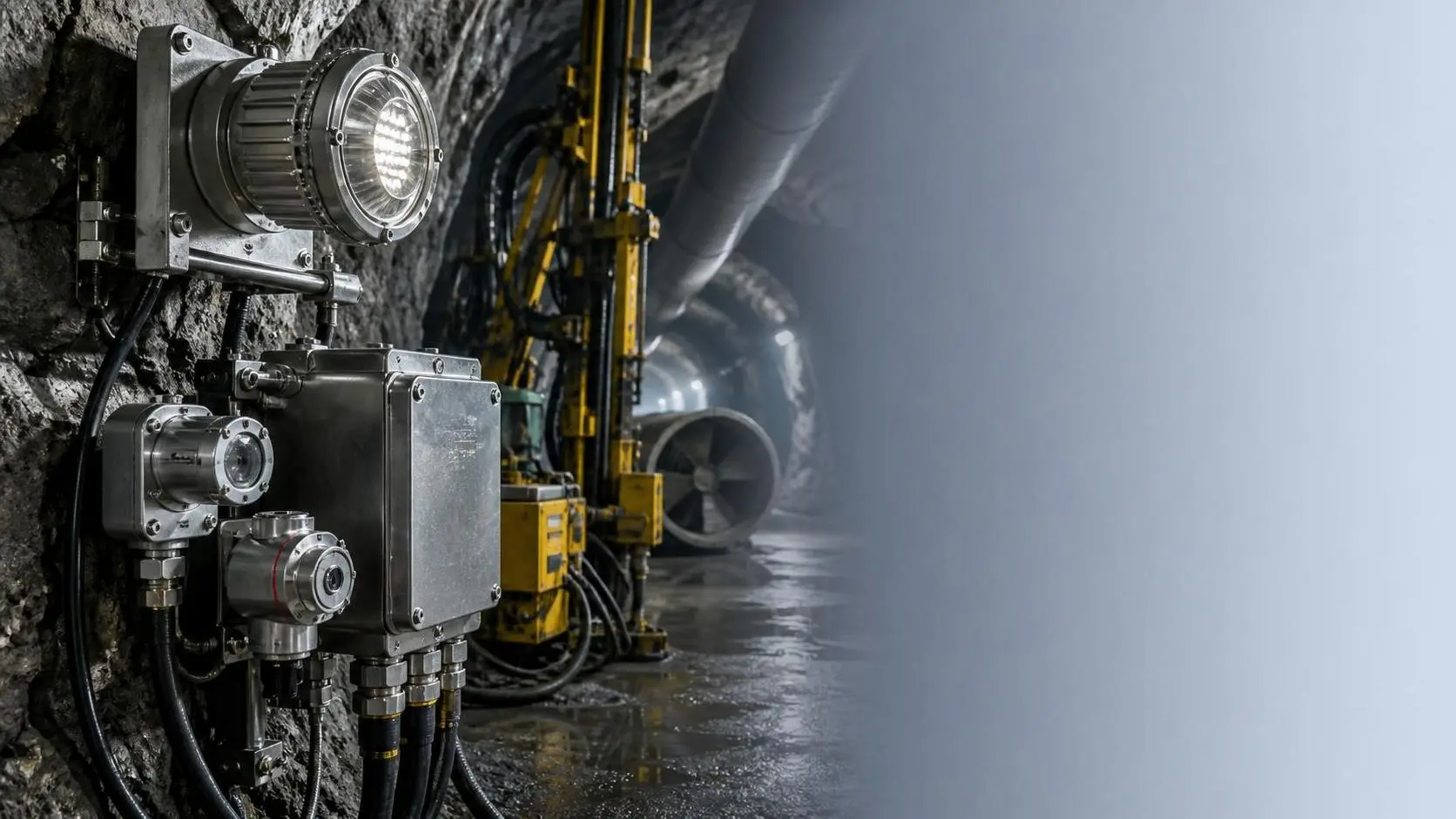
Flameproof Underground Safety Equipment: What Mine Teams Should Check Before Buying
Underground Safety Equipment flameproof buying guide: learn how mine teams should verify certification, durability, serviceability, and supplier support before purchase.
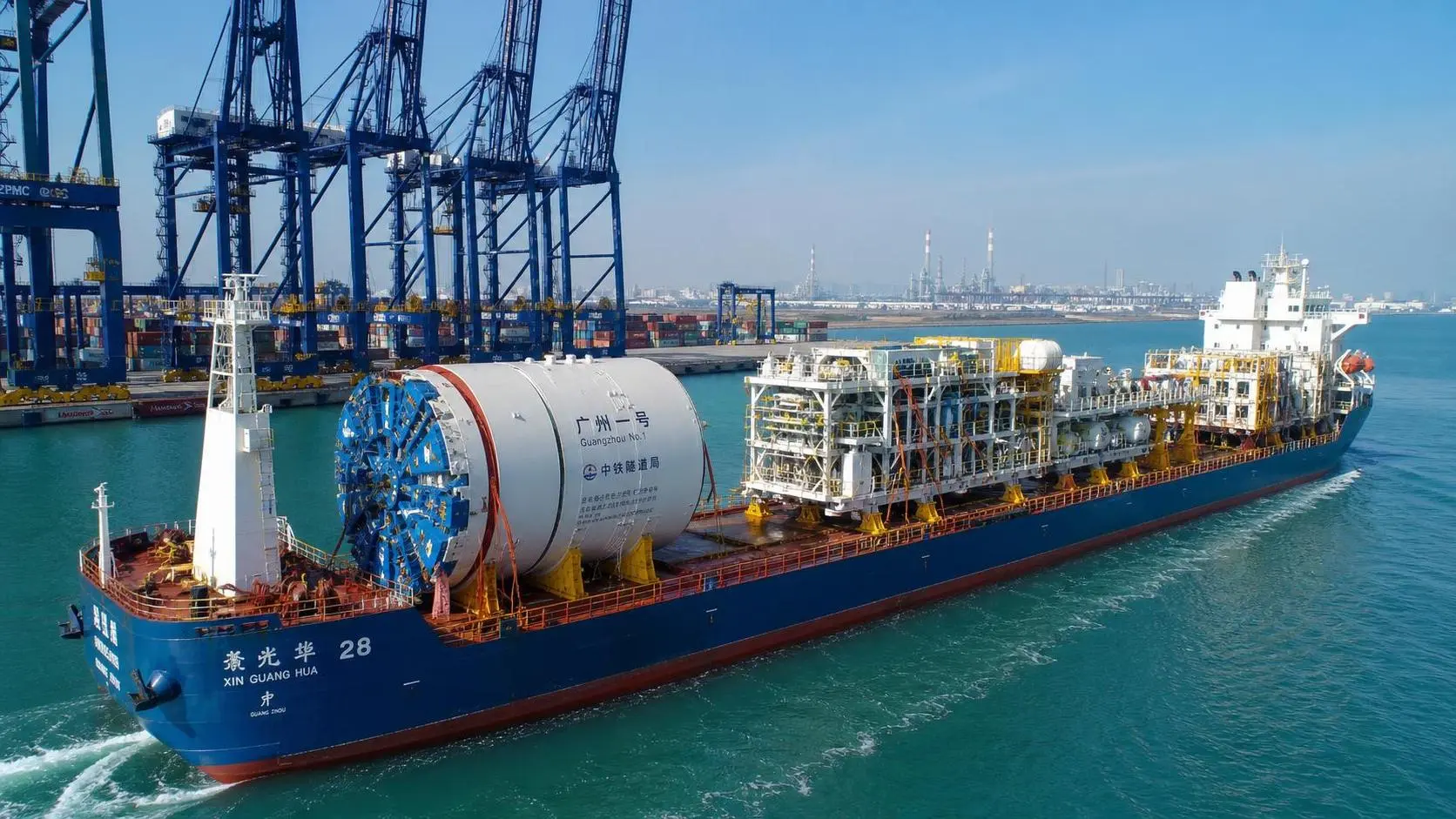
China-UAE Direct Sea Route Cuts TBM and Large Tunneling Equipment Lead Times
China-UAE direct sea route shortens TBM and large tunneling equipment lead times by 12–15 days, improving delivery predictability for major infrastructure projects. Read the full impact.
What Is a TBM Guidance System Gyroscope, and Why Does It Matter Underground?
TBM Guidance Systems gyroscope improves underground accuracy, reduces drift, and helps tunnel boring machines stay on line in harsh conditions.

China to Roll Out Nationwide Local and Foreign Currency Cash Pools for Multinationals on Sept. 14
China will roll out nationwide local and foreign currency cash pools for multinationals on Sept. 14, streamlining cross-border treasury management and boosting liquidity efficiency.
Related News
- 00
0000-00
How to Evaluate Articulated Dump Trucks Payload for Haul Road Conditions and Cycle Efficiency - 00
0000-00
How Pipe Fittings Material and Pressure Class Affect Water Line Selection - 00
0000-00
What Drives TBM Excavation Cost in Urban Tunneling Projects? - 00
0000-00
What Does Energy Metals Mining in Australia Mean for Supply, Cost, and Project Risk? - 00
0000-00
EU Eases Dual CE and UKCA Path for Chinese Tunnel Boring Equipment
Weekly Insights
Stay ahead with our curated technology reports delivered every Monday.