
Energy Metals Mining is growing, but where is profit?





Energy Metals Mining is expanding fast on the back of electrification, infrastructure demand, and supply security—but for financial decision-makers, growth alone does not guarantee returns. From capital-intensive equipment upgrades to ESG-driven mine electrification and underground automation, the real question is where margins can be protected and value can be captured. This article examines where profit is formed, diluted, or unlocked across the evolving mining equipment and project chain.
Energy Metals Mining is scaling fast, but profit pools are moving unevenly
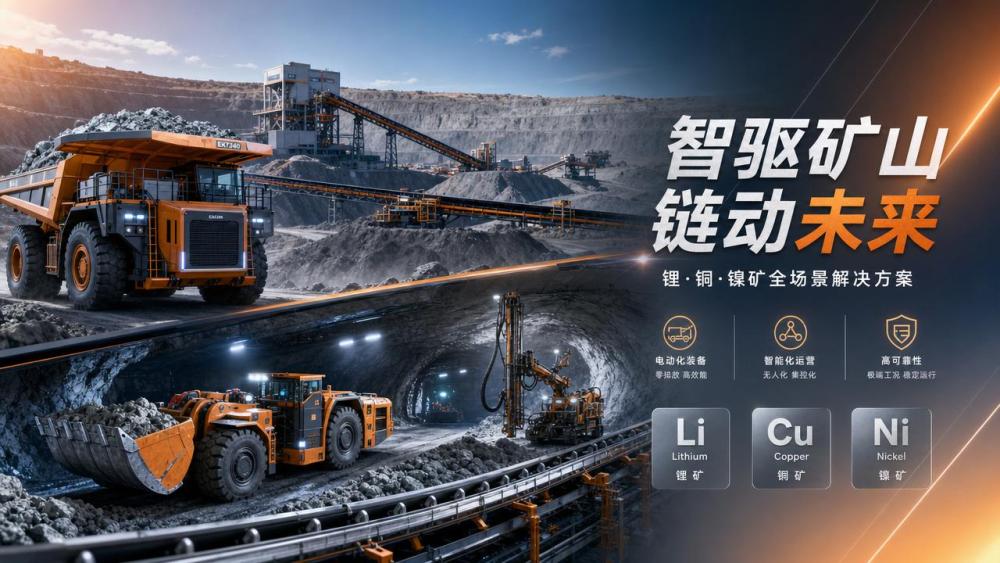
Energy Metals Mining is no longer driven by volume alone. It is shaped by ore quality, power costs, automation maturity, and access to strategic equipment.
Copper, lithium, nickel, cobalt, graphite, and rare earth projects are expanding. Yet profit does not rise evenly across miners, contractors, equipment suppliers, and infrastructure developers.
In many regions, the most visible growth sits in project announcements. The strongest margins, however, often sit in bottleneck technologies and high-reliability underground operations.
That is why Energy Metals Mining needs a more precise profit lens. Revenue growth can look impressive while capital intensity quietly compresses returns.
The market signals show expansion, but cost pressure is rising just as quickly
Several market signals explain the current tension in Energy Metals Mining. Demand is resilient, but the cost base is becoming more complex and less forgiving.
Higher stripping ratios, deeper orebodies, lower grades, and tougher permitting timelines are raising development risk. At the same time, decarbonization is changing fleet and infrastructure choices.
Underground operations are especially exposed. Ventilation, haulage, water control, and geotechnical support can quickly erode economics if productivity gains are delayed.
For this reason, Energy Metals Mining profitability increasingly depends on engineering quality, equipment uptime, and the ability to control lifecycle costs.
Key trend signals reshaping margin expectations
- Resource nationalism is increasing pressure on local value creation and in-country processing.
- Mine electrification is reducing diesel exposure but raising upfront capital needs.
- Autonomous hauling and remote underground operation are improving safety and utilization.
- Long lead times for critical equipment are shifting value toward reliable suppliers.
- ESG scrutiny is affecting financing terms, project design, and operating discipline.
Profit in Energy Metals Mining is created by a few drivers, not by scale alone
The strongest profit outcomes in Energy Metals Mining usually come from a narrow set of operational and commercial advantages. Scale helps, but discipline matters more.
In underground and tunnelling-linked projects, value often concentrates in precision excavation, fleet availability, digital control, and reduced downtime.
This is where UTMD’s focus becomes relevant. TBM systems, pipe jacking, drilling jumbos, EV mining trucks, and underground LHD loaders influence both production economics and asset reliability.
Where Energy Metals Mining profit gets diluted across the chain
Profit leakage in Energy Metals Mining usually comes from hidden inefficiencies rather than obvious market weakness. Cost overruns often start in design, sequencing, and equipment mismatch.
Common margin leak points
- Oversized capital programs without phased utilization planning.
- Delayed commissioning of electrified fleets and charging systems.
- Poor rock-condition forecasting that increases wear on cutters and drills.
- Low interoperability between mine software, sensors, and mobile equipment.
- Ventilation and power systems designed for legacy diesel assumptions.
- Unstable spare parts supply for critical underground machines.
For example, battery-electric underground fleets can improve long-term economics. But if charging, swapping, and traffic logic are poorly planned, utilization can fall sharply.
Likewise, autonomous mining dump trucks can cut fuel and labor costs. Yet weak haul road design or low software maturity can delay the expected productivity curve.
The best returns are shifting toward reliability, intelligence, and infrastructure discipline
The next profit layer in Energy Metals Mining is increasingly found beyond extraction alone. It is emerging in the systems that make extraction predictable, safer, and less energy intensive.
This includes full-face excavation technology, trenchless access systems, digital fleet coordination, regenerative braking optimization, and underground localization.
When these systems perform well, they shorten project cycles, lower unplanned maintenance, and improve tonnage certainty. That combination protects margins during commodity price volatility.
Areas where value capture is strengthening
- High-performance consumables for hard rock cutting and drilling.
- Automation software for underground hauling and machine navigation.
- Electrified haulage platforms with measurable lifecycle cost savings.
- Aftermarket services tied to uptime guarantees and predictive maintenance.
- Integrated project intelligence covering tenders, expansion timing, and replacement demand.
In other words, Energy Metals Mining profit is moving toward those who can reduce uncertainty, not just increase output.
Different business links feel the trend in different ways
The impact of Energy Metals Mining growth is not uniform. Each business link sees a different balance between opportunity, risk, and cash conversion speed.
This split explains why some participants in Energy Metals Mining report strong order books but weak margins, while others capture premium value with lower headline growth.
What deserves close attention now
Several issues now deserve close tracking because they directly influence Energy Metals Mining returns over the next investment cycle.
- Whether electrification projects are reducing ventilation and maintenance costs as promised.
- How quickly autonomous systems move from pilot status to repeatable productivity gains.
- Which suppliers can support hard rock wear performance at scale.
- Where underground transport systems can raise asset utilization without raising risk.
- How ESG-linked financing changes project hurdle rates and replacement timing.
These questions matter because Energy Metals Mining is becoming a technology-and-infrastructure business as much as a resource business.
A practical framework for judging where profit is likely to emerge
A useful way to assess Energy Metals Mining opportunities is to test each project or asset against six profit questions.
- Does geology support sustained productivity, or only short-term volume?
- Can the equipment platform maintain uptime in deep, abrasive, or energy-constrained conditions?
- Will electrification lower total cost, not just reported emissions?
- Is digital integration mature enough to improve dispatch, safety, and maintenance?
- Are contracts structured to reward performance and protect downside risk?
- Can aftermarket support preserve value after the first equipment sale?
If most answers are weak, growth may remain visible but profit may not. If most answers are strong, margin resilience becomes far more likely.
The next step is to track the hidden economics behind Energy Metals Mining growth
Energy Metals Mining will keep expanding because the energy transition needs more copper, lithium, nickel, and related materials. That broad direction is clear.
What matters now is identifying where technology, underground logistics, excavation efficiency, and fleet electrification create durable advantage.
The most actionable next step is to monitor project timing, equipment replacement cycles, and operational intelligence together, rather than in isolation.
That is where clearer signals emerge on who will merely grow in Energy Metals Mining, and who will actually convert that growth into profit.
Related News
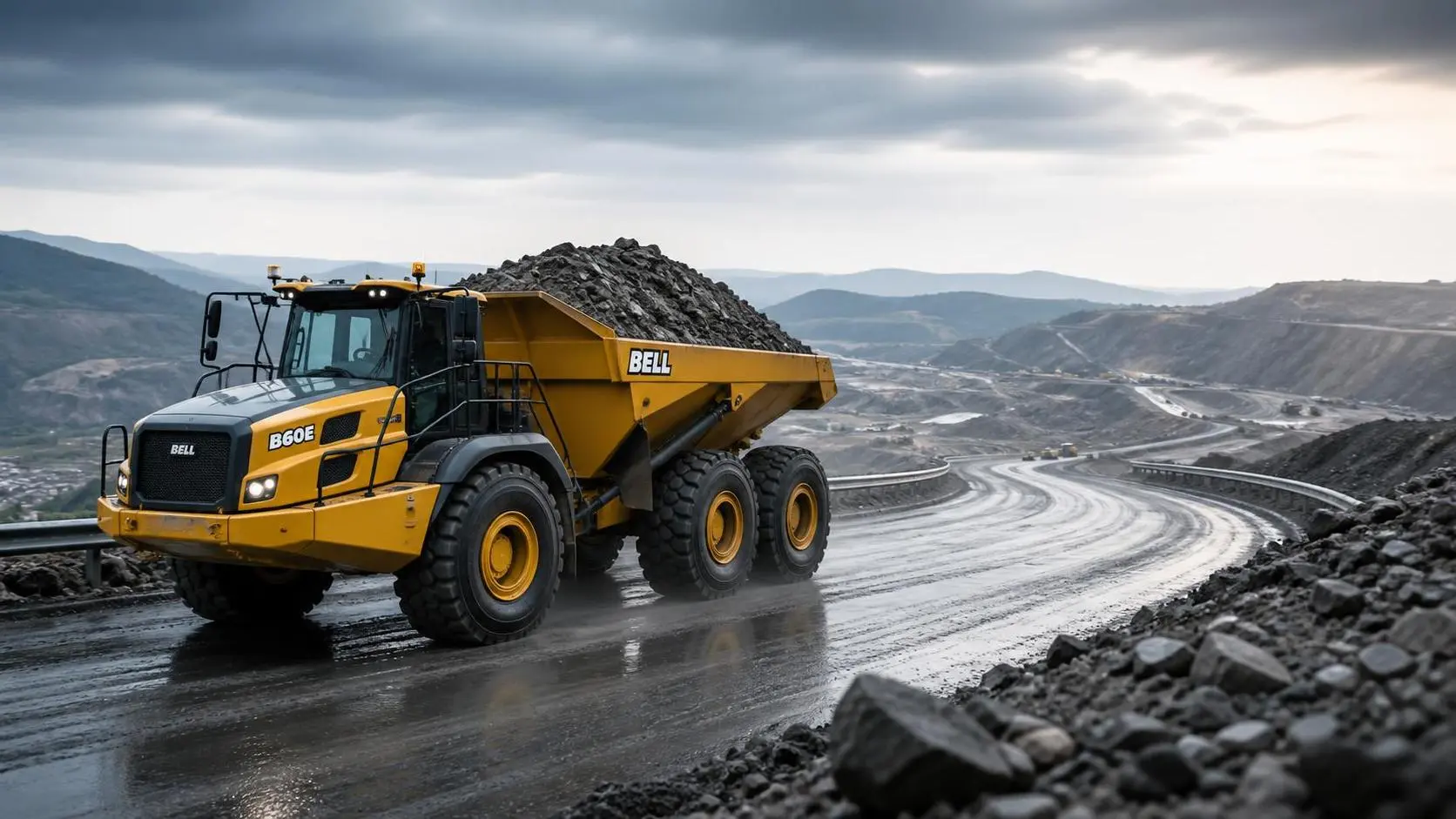
How to Evaluate Articulated Dump Trucks Payload for Haul Road Conditions and Cycle Efficiency
Articulated Dump Trucks payload evaluation starts with real haul road conditions, not brochure numbers. Learn how to balance payload, traction, grades, and cycle efficiency for safer, higher output.
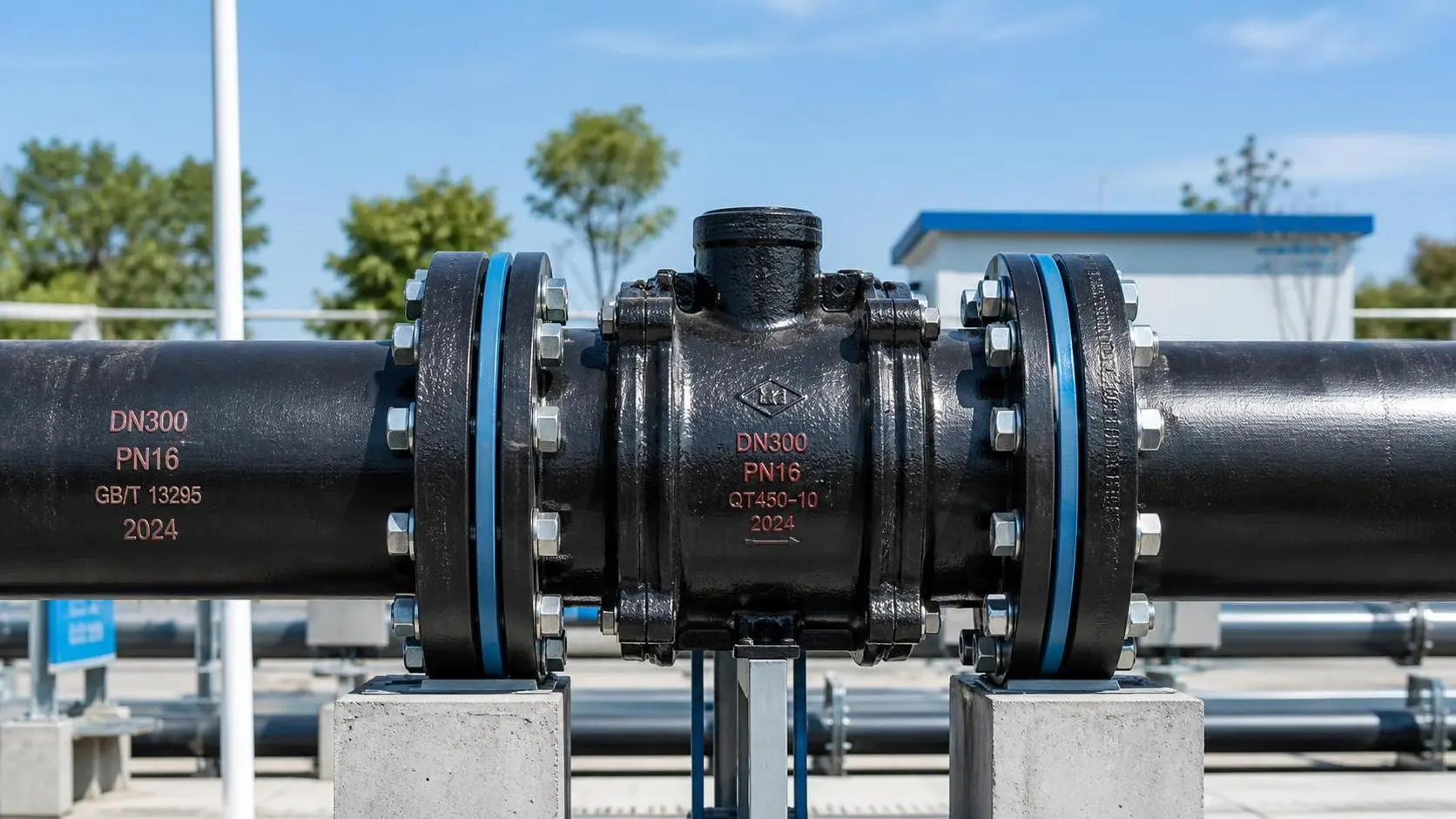
How Pipe Fittings Material and Pressure Class Affect Water Line Selection
Pipe fittings selection starts with material and pressure class. Learn how these factors affect water line reliability, corrosion resistance, installation, and long-term cost.
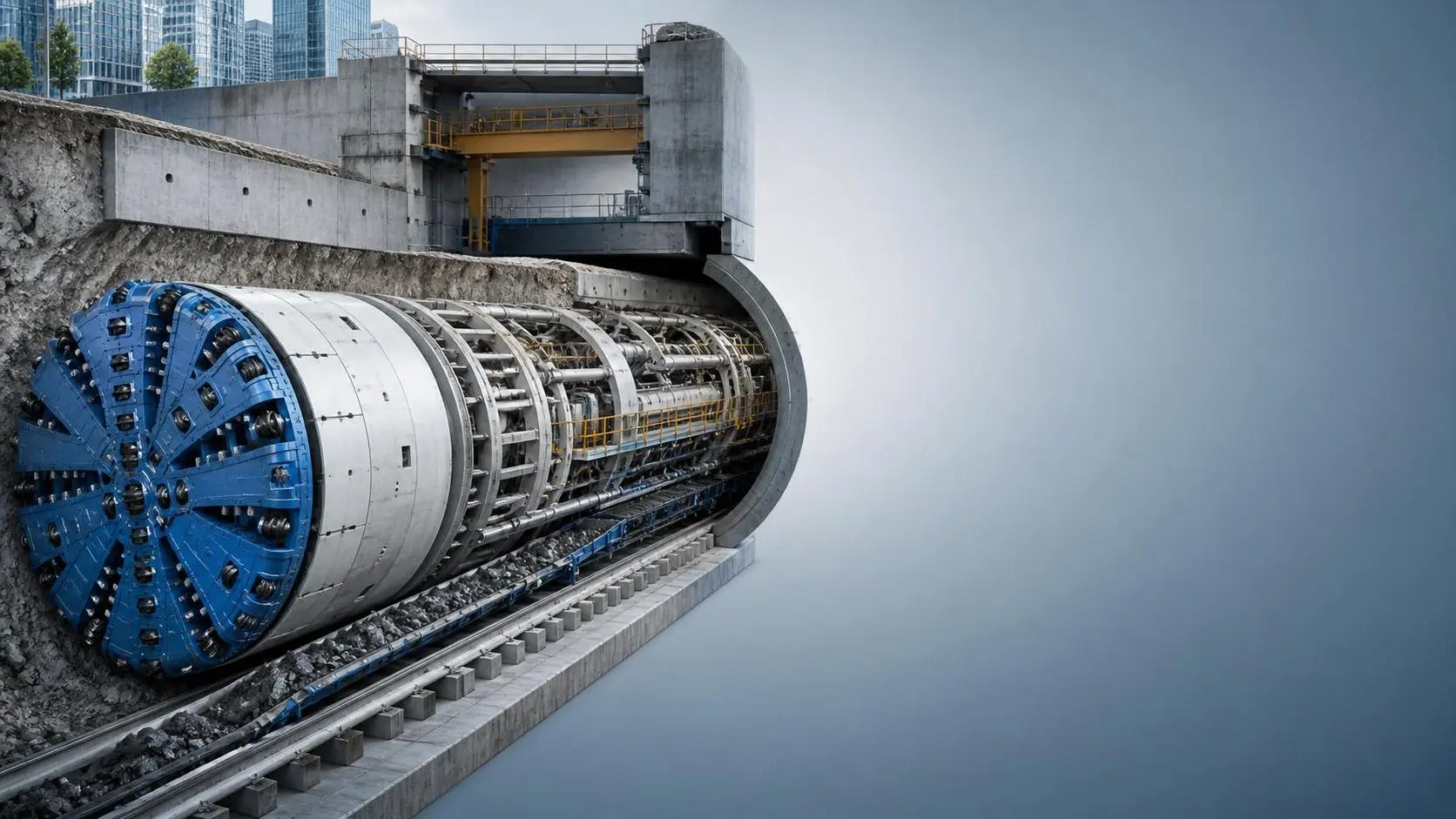
What Drives TBM Excavation Cost in Urban Tunneling Projects?
tbm excavation cost in urban tunneling depends on geology, shafts, segment lining, logistics, and risk. Discover the key cost drivers and compare bids with greater confidence.
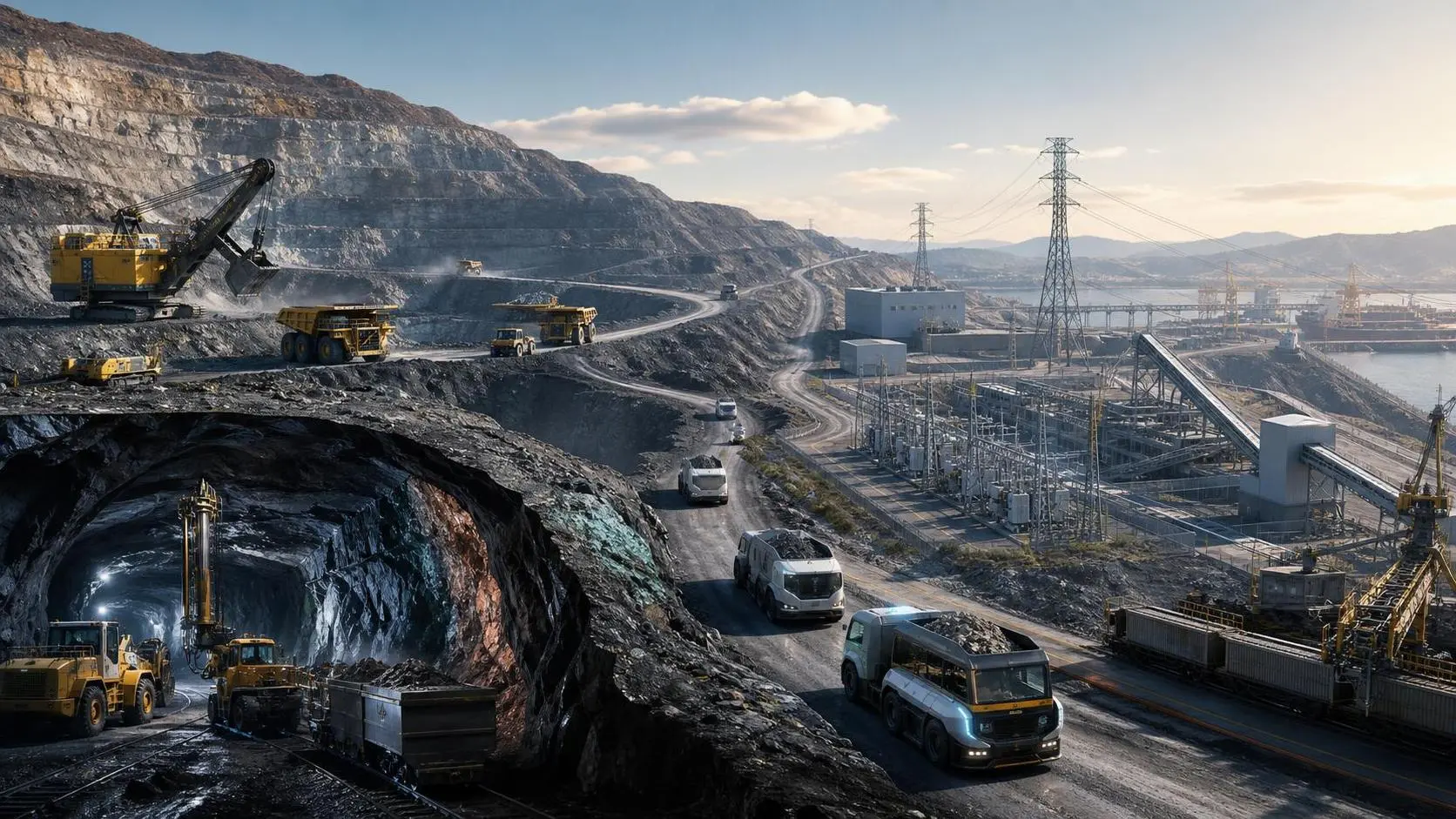
What Does Energy Metals Mining in Australia Mean for Supply, Cost, and Project Risk?
Energy metals mining Australia is reshaping supply, cost, and project risk. Discover what it means for buyers, investors, and operators.
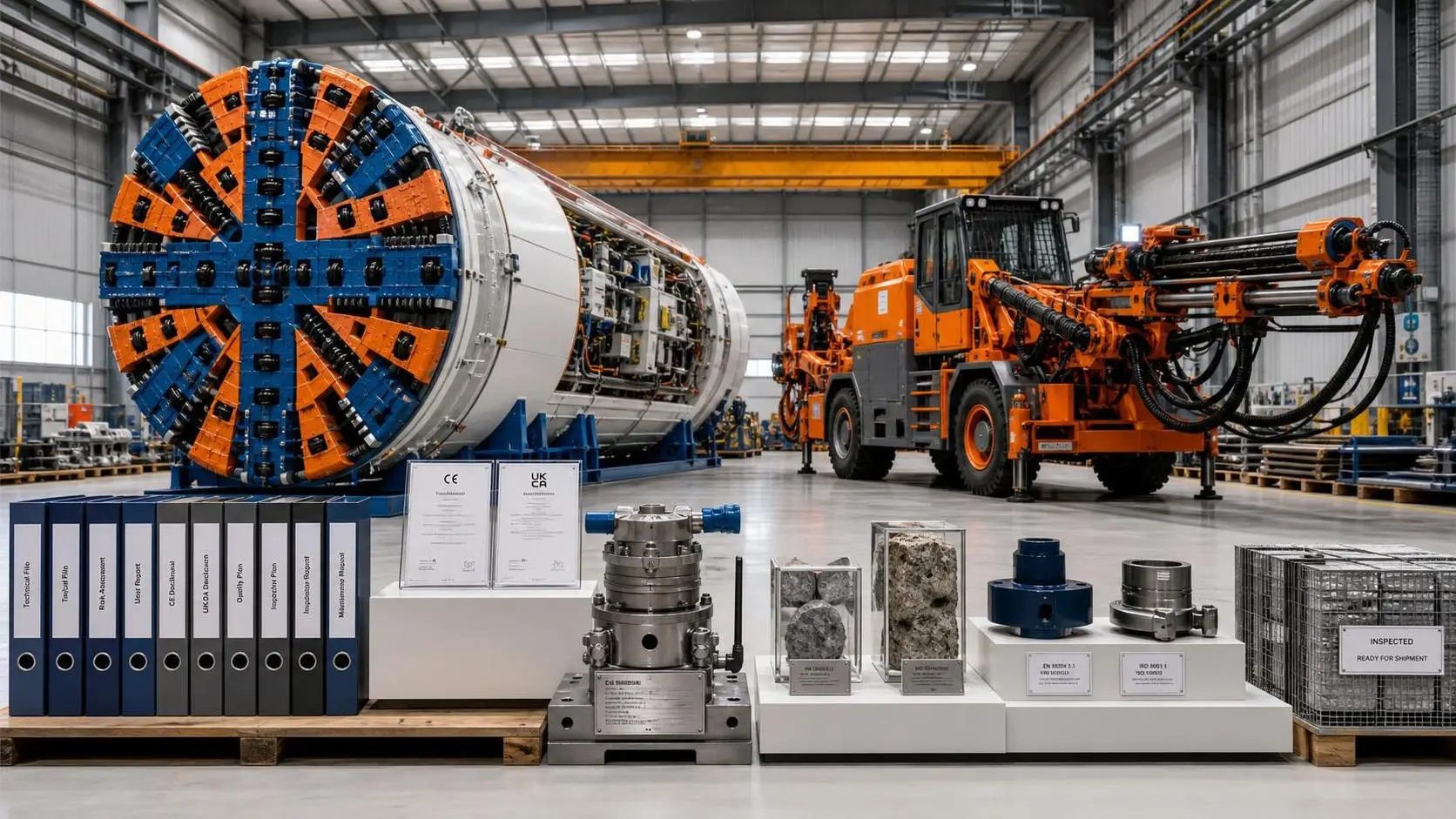
EU Eases Dual CE and UKCA Path for Chinese Tunnel Boring Equipment
EU eases CE and UKCA certification for Chinese tunnel boring equipment, cutting compliance time and helping importers move faster.
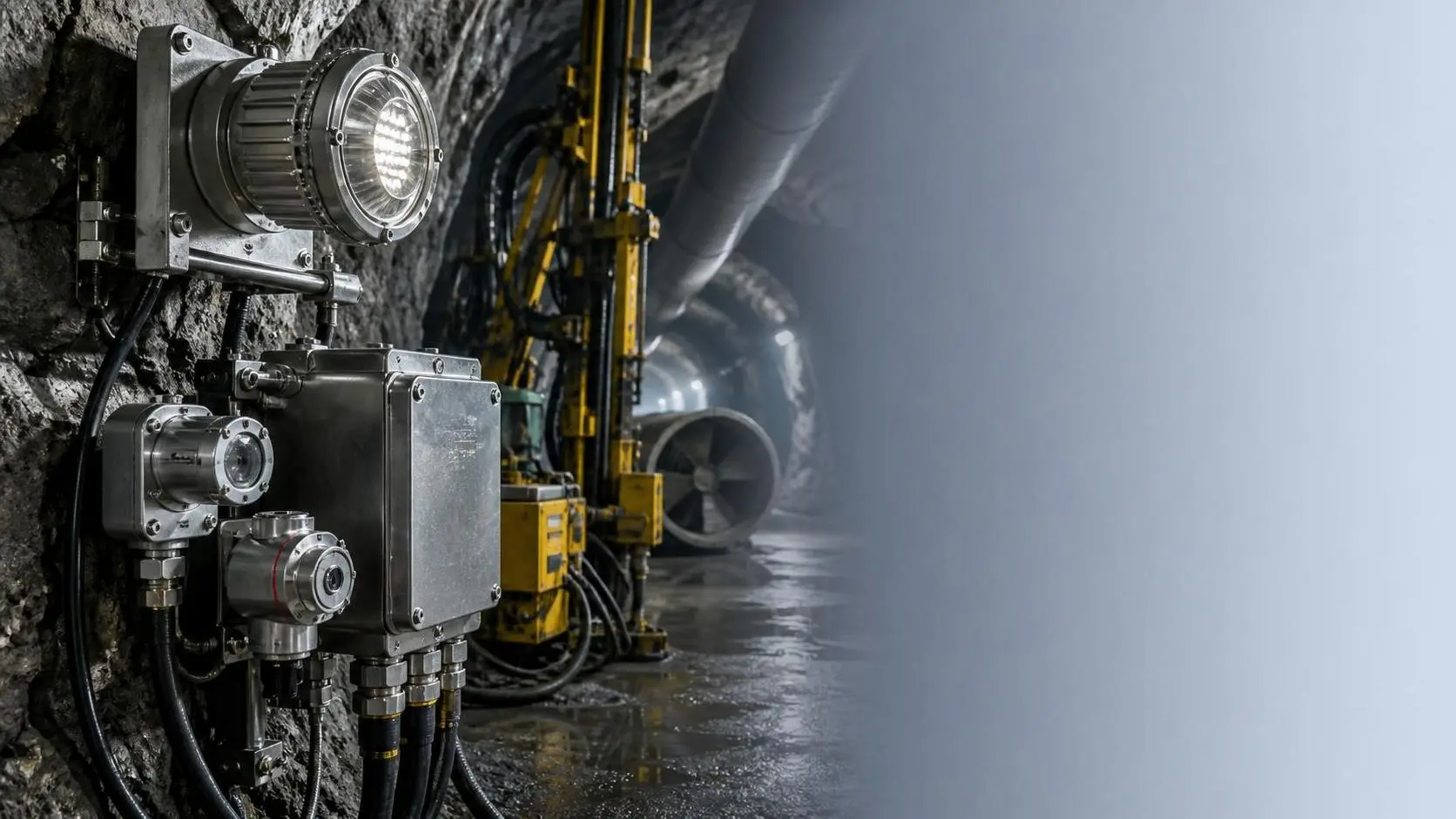
Flameproof Underground Safety Equipment: What Mine Teams Should Check Before Buying
Underground Safety Equipment flameproof buying guide: learn how mine teams should verify certification, durability, serviceability, and supplier support before purchase.
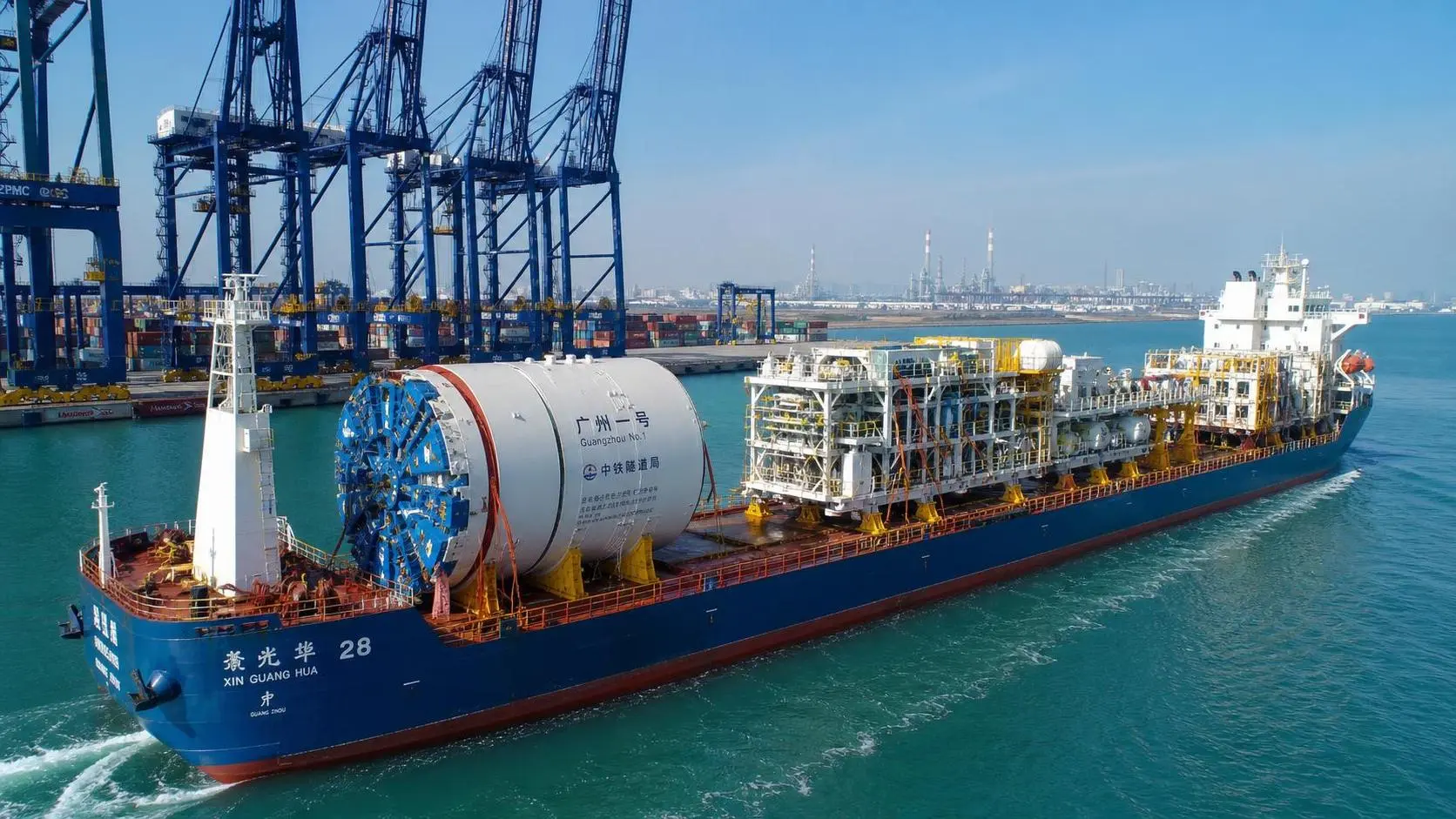
China-UAE Direct Sea Route Cuts TBM and Large Tunneling Equipment Lead Times
China-UAE direct sea route shortens TBM and large tunneling equipment lead times by 12–15 days, improving delivery predictability for major infrastructure projects. Read the full impact.
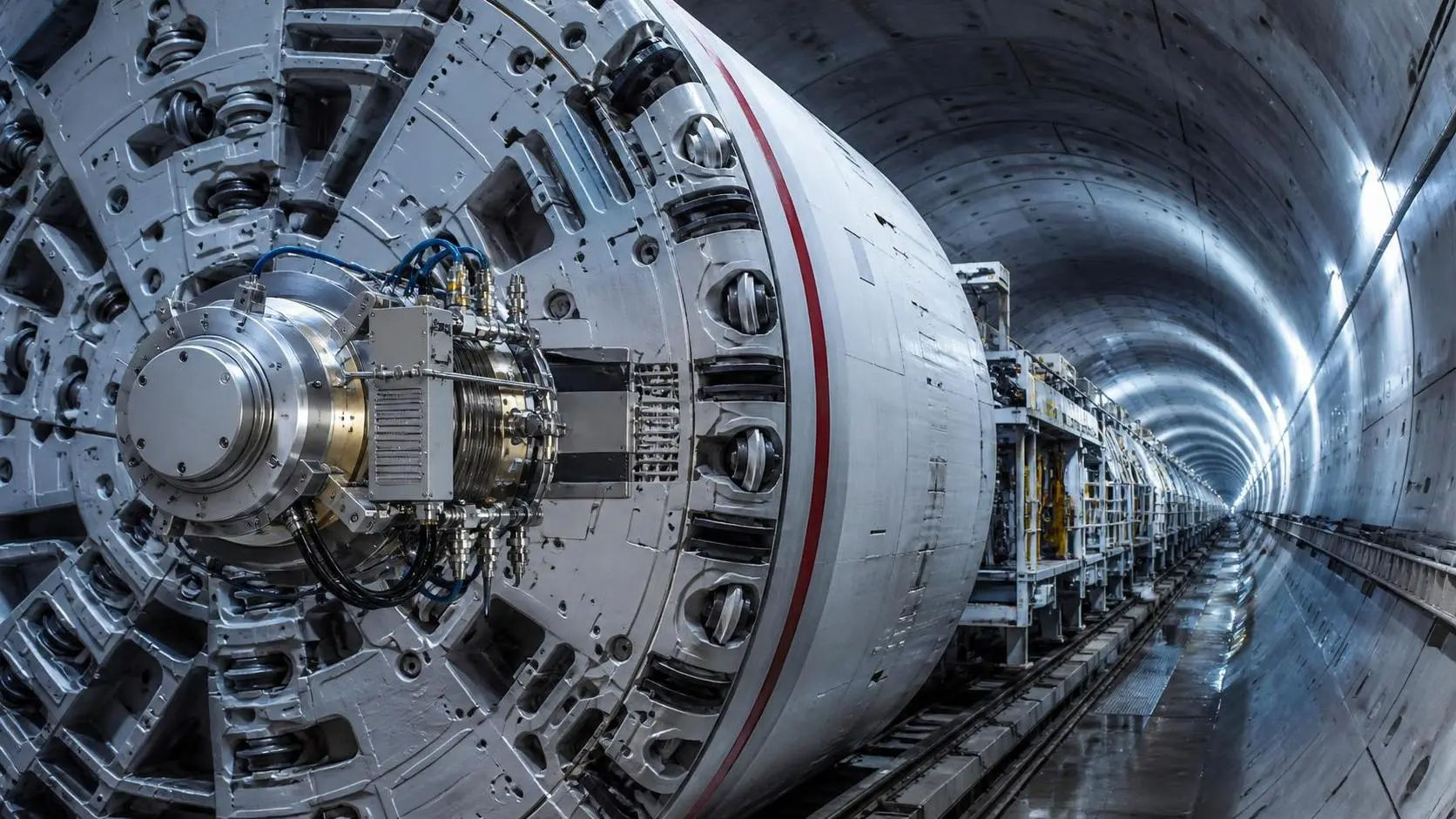
What Is a TBM Guidance System Gyroscope, and Why Does It Matter Underground?
TBM Guidance Systems gyroscope improves underground accuracy, reduces drift, and helps tunnel boring machines stay on line in harsh conditions.
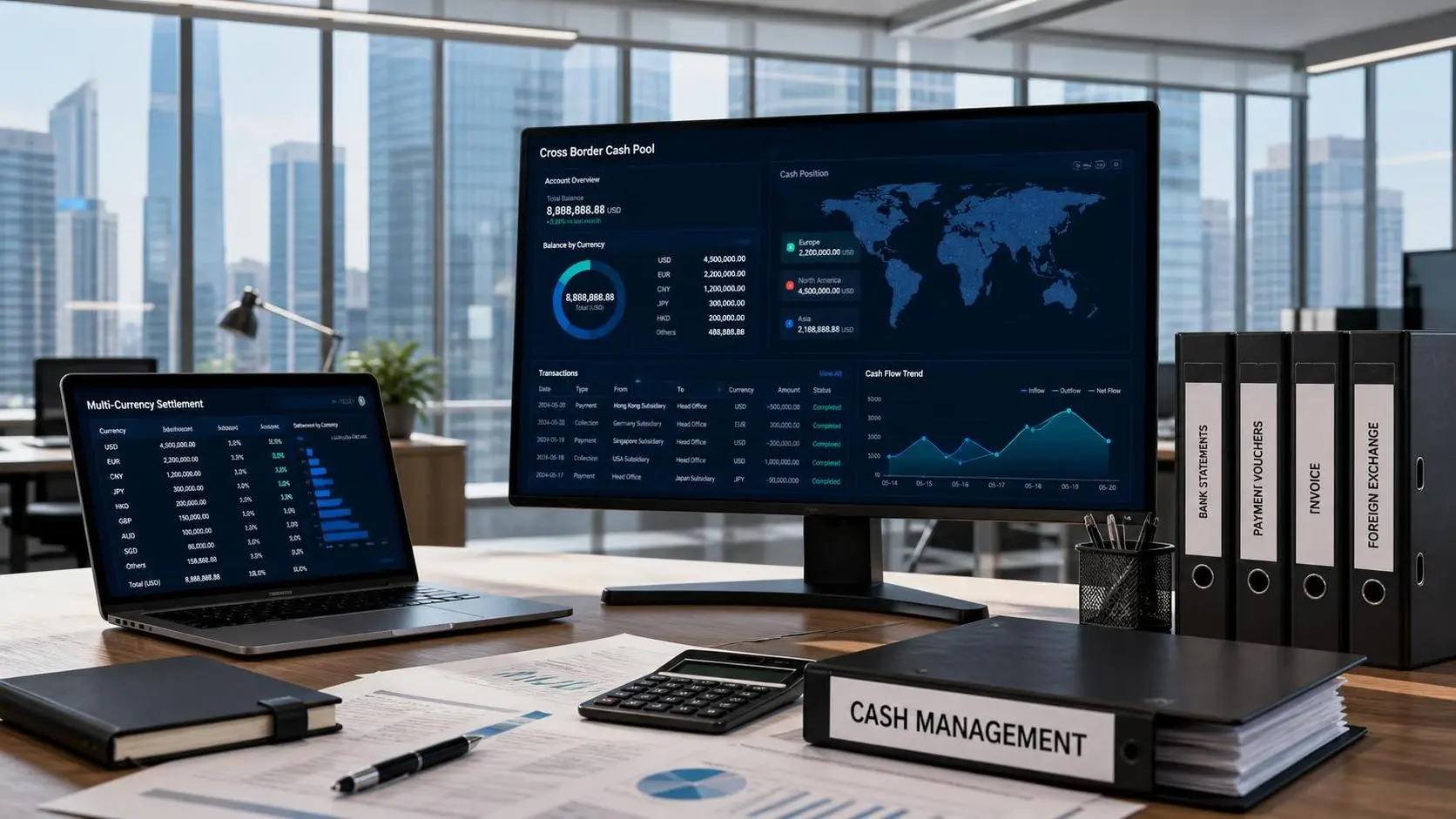
China to Roll Out Nationwide Local and Foreign Currency Cash Pools for Multinationals on Sept. 14
China will roll out nationwide local and foreign currency cash pools for multinationals on Sept. 14, streamlining cross-border treasury management and boosting liquidity efficiency.
Related News
- 00
0000-00
How to Evaluate Articulated Dump Trucks Payload for Haul Road Conditions and Cycle Efficiency - 00
0000-00
How Pipe Fittings Material and Pressure Class Affect Water Line Selection - 00
0000-00
What Drives TBM Excavation Cost in Urban Tunneling Projects? - 00
0000-00
What Does Energy Metals Mining in Australia Mean for Supply, Cost, and Project Risk? - 00
0000-00
EU Eases Dual CE and UKCA Path for Chinese Tunnel Boring Equipment
Weekly Insights
Stay ahead with our curated technology reports delivered every Monday.