
What Smart Mines still get wrong about safety and uptime





Smart Mines are often presented as the answer to two of mining’s hardest problems: reducing exposure to risk and increasing equipment availability. Yet for safety managers and quality leaders, the reality underground is more complicated. Many operations have invested in automation, connectivity, and data platforms, but still struggle with recurring incidents, unplanned stoppages, and weak control over frontline variability.
The gap is rarely caused by a lack of technology alone. More often, it comes from a mismatch between digital ambition and operational discipline. A mine may deploy autonomous haulage, remote LHD operation, or condition monitoring, but if machine health, maintenance execution, operator response logic, and hazard verification are not aligned, safety and uptime remain fragile.
For quality control and safety professionals, the key question is not whether Smart Mines work in principle. It is whether the system performs reliably in real underground conditions: dust, heat, water ingress, rock movement, unstable communications, constrained ventilation, and mixed fleets with uneven digital maturity. That is where many Smart Mines still get critical things wrong.
This article examines those weak points from a practical standpoint. It focuses on what safety and quality leaders actually need: how to identify hidden failure modes, how to judge whether “smart” systems are truly reducing risk, and how to build more dependable uptime without creating a false sense of control.
Smart Mines often automate tasks, but not the full safety control chain
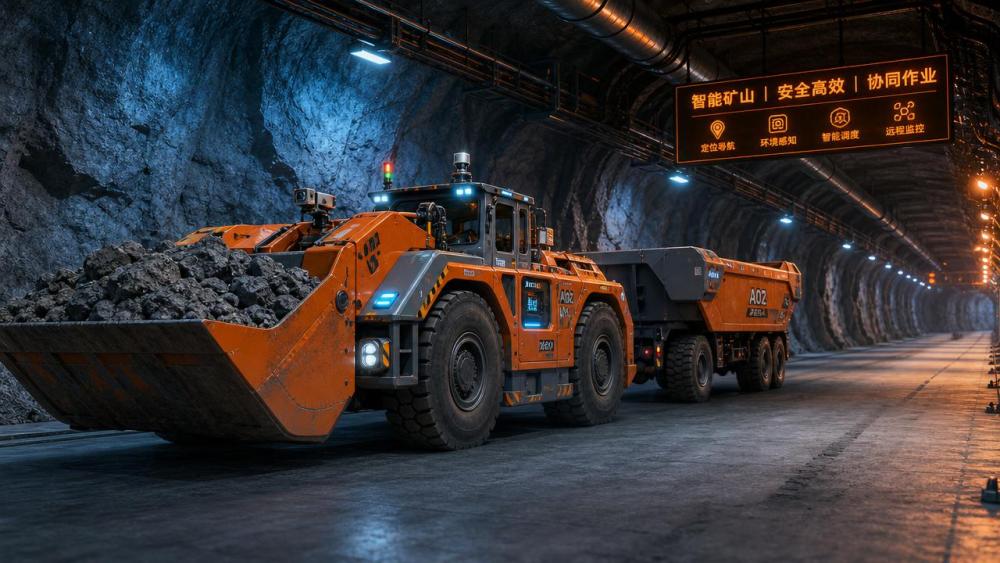
One of the most common mistakes in Smart Mines is assuming that automating equipment movement automatically improves total safety performance. Automation can remove people from hazardous zones, but it does not eliminate the full chain of risk. Instead, it changes where risk sits and how it must be controlled.
For example, remote or autonomous underground haulage can reduce direct exposure at the face, drawpoint, or loading zone. However, new hazards appear in system handover, remote intervention, degraded sensor performance, software logic conflicts, communication dropouts, and maintenance access during abnormal machine states. If these risks are not designed into procedures, the mine has simply shifted the problem.
Safety managers should look closely at transition points. These include manual-to-autonomous mode changes, restart after emergency stop, access control to exclusion zones, and response during network loss. Many incidents happen not in steady autonomous operation, but during exceptions, overrides, and recovery events.
That is why mature Smart Mines treat automation as one layer of control, not the control system itself. They validate whether barriers still work when sensors are dirty, when positioning confidence drops, when an operator takes over remotely, or when equipment is partially degraded. Safety performance depends on these details far more than on the headline technology.
Too many mines confuse data visibility with operational control
Another major weakness is the belief that dashboards equal control. Modern mines collect enormous volumes of equipment and environmental data: battery status, hydraulic pressure, motor temperature, payload, ventilation readings, traffic flow, and machine location. But seeing data is not the same as controlling outcomes.
In many Smart Mines, alerts are abundant but action quality is inconsistent. Teams receive alarms for overheating, abnormal vibration, geofence breach, or low communication quality, yet there is no strong rule for prioritization, root-cause escalation, or shutdown decision authority. This produces alarm fatigue rather than safer operation.
For quality personnel, the important test is simple: when a critical deviation appears, does the system trigger a consistent and verified response? If not, the mine may have digital visibility, but it does not have dependable process control. This distinction matters because safety failures often occur in organizations that believed they were well monitored.
Effective Smart Mines define alarm rationalization, decision thresholds, and response ownership long before expanding analytics. They map which parameters are leading indicators, which require immediate intervention, and which are useful only for trend analysis. Without that discipline, more data may actually obscure urgent risks.
Equipment reliability is still treated separately from safety performance
In underground mining, uptime and safety are deeply connected. A machine that fails unpredictably does not only reduce production. It also creates hazardous maintenance exposure, increases rushed interventions, triggers unplanned traffic conflicts, and can force people back into areas that automation was supposed to make safer.
Yet many Smart Mines still manage reliability and safety in separate silos. Reliability teams focus on availability, mean time between failure, and maintenance backlog. Safety teams focus on incidents, compliance, and critical controls. Quality teams audit process adherence. When these functions are disconnected, hidden compound risks grow.
Take battery-electric underground LHDs as one example. They offer major ventilation and emissions benefits, but uptime depends on battery swap discipline, connector integrity, thermal management, charging strategy, software diagnostics, and parts readiness. A reliability weakness in any of those areas can quickly become a safety issue during recovery or manual intervention.
The same applies to drilling jumbos, autonomous mining trucks, and smart support vehicles. Hydraulic leaks, sensor drift, brake system degradation, cable harness contamination, and software mismatches are not just maintenance problems. In confined underground settings, they are risk multipliers.
The better approach is to treat reliability metrics as safety intelligence. Repeated nuisance faults, rising thermal events, degraded braking response, and abnormal stop frequency should all be reviewed as potential leading indicators of control failure. When uptime is unstable, safety is usually more fragile than reports suggest.
Frontline conditions are harsher and less predictable than many digital models assume
Technology vendors often design for ideal architecture, but mines operate in dynamic geology and punishing environments. Dust covers sensors. Water affects connectors. Vibration loosens fittings. Heat changes battery behavior. Ground movement alters route conditions. Communication quality varies by heading, depth, and equipment congestion.
These realities matter because Smart Mines depend on system confidence. Positioning, perception, machine health monitoring, and remote operation all assume that data remains trustworthy. Once trust degrades, the mine must know exactly how to detect the issue, downgrade safely, and recover without creating confusion.
Safety and quality leaders should therefore challenge any implementation that looks strong in demonstration but weak in degraded-state planning. Ask what happens when LiDAR visibility drops, when cameras foul, when SLAM confidence declines, when ventilation readings are delayed, or when edge devices lose synchronization. Those are not rare edge cases underground. They are part of normal operating reality.
The strongest mines build around resilience, not just functionality. They define fallback logic, fail-safe behavior, inspection intervals for vulnerable components, and clear rules for degraded operation. This is especially important where mixed fleets combine newer autonomous units with older manually operated equipment.
Human factors remain underdesigned in many Smart Mine programs
A persistent misconception is that more automation means less dependence on people. In fact, Smart Mines often require higher-quality human decision-making, especially during exceptions. Operators may intervene less often, but when they do, the situation is more complex and time-critical.
Remote operators, control room supervisors, maintenance technicians, and field inspectors all need a clear mental model of machine state, risk status, and system limitations. If interfaces are cluttered, alarms are ambiguous, or procedures do not reflect real failure modes, response quality drops quickly.
From a safety management perspective, competency must evolve with technology. It is no longer enough to train for normal equipment operation alone. Teams need drills for communication failure, autonomous zone breach, remote recovery, battery isolation, software reset authorization, and sensor-verification routines after contamination or impact.
Quality leaders should also examine whether procedures are usable under pressure. A technically correct workflow is not enough if it is too slow, too complex, or unclear during a real event. Many Smart Mines underestimate this issue and discover only later that procedural compliance falls sharply during abnormal conditions.
Contractor integration and mixed-system governance are still weak points
Most mines do not operate with one fully unified technology stack. They rely on multiple OEMs, contractor crews, temporary service teams, and layered software platforms. This creates a governance challenge that many Smart Mines have not solved well.
Safety gaps often emerge where systems meet. An autonomous loader may use one traffic logic, a contractor service vehicle another, and a third-party maintenance tool a different data interface. If exclusion rules, lockout conditions, and access permissions are not standardized, the operation becomes vulnerable at the boundaries.
For quality and safety teams, this means audits must extend beyond internal procedures. They should examine interoperability, software version control, change-management approval, and contractor readiness to work inside digitally controlled zones. A mine is only as safe as its weakest interface, not its most advanced machine.
Strong Smart Mines establish common operating principles across fleets: consistent hazard communication, shared access logic, unified incident categorization, and formal verification after software or hardware changes. This may feel less exciting than new technology deployment, but it often delivers larger practical safety gains.
Many KPI systems still reward output faster than control quality
Another reason Smart Mines fall short is measurement bias. If production, cycle time, and equipment utilization dominate performance reviews, people naturally optimize for continuity first and control quality second. In high-pressure environments, that can encourage risky workarounds around automated systems.
Typical examples include bypassing low-confidence sensors, delaying maintenance to preserve availability, accepting unstable communication links during critical tasks, or normalizing repeat nuisance faults. These choices may protect short-term output, but they weaken the integrity of the entire safety system.
Safety managers should push for KPIs that reflect the health of the control environment itself. Useful metrics include autonomous intervention frequency, degraded-mode operating hours, repeat fault recurrence, alarm acknowledgment quality, maintenance-induced failure rates, and closure time for critical barrier defects.
Quality control teams can add strong value here by auditing whether reported uptime is “clean uptime” or merely operating time achieved with hidden compromises. A machine that runs while repeatedly overriding faults is not truly reliable. It is accumulating exposure.
What safety and quality leaders should verify before trusting a Smart Mine claim
If a mine or vendor claims that operations are smarter, safer, and more productive, safety and quality professionals should ask practical verification questions. First, what are the top failure modes during degraded operation, and how often are they tested? If the answer is vague, the system is not mature enough.
Second, what is the relationship between maintenance quality and autonomous performance? If inspections, cleaning, calibration, software updates, and component replacement cycles are inconsistent, smart functions will degrade faster than expected underground.
Third, how are transition states controlled? Mines should be able to explain access logic, manual override authority, exclusion zone enforcement, restart conditions, and event reconstruction after abnormal stops. These are essential to safe operation.
Fourth, what leading indicators trigger intervention before a serious event or major downtime occurs? Mature operations track patterns such as repeated communications loss, sensor contamination trends, brake response drift, thermal anomalies, and repeated human overrides.
Finally, how does the site prove learning? Incident review should not stop at the operator action or immediate equipment fault. It should examine design assumptions, interface weaknesses, maintenance execution, training quality, and whether degraded-state scenarios were realistically planned.
What must change for Smart Mines to deliver safer uptime
The next step for Smart Mines is not simply more automation. It is tighter integration between engineering reliability, operational discipline, and safety assurance. Mines need systems that remain trustworthy when conditions worsen, not only when conditions are ideal.
That means designing around critical controls, degraded modes, and human-machine handoffs from the start. It means treating maintenance quality as a frontline safety function. It means simplifying alarm philosophy, strengthening contractor governance, and measuring whether control barriers remain intact under pressure.
It also means selecting equipment and digital platforms based on underground resilience, not just technical features. In sectors such as underground LHD fleets, drilling jumbos, battery-electric haulage, and smart tunnelling equipment, durability, maintainability, and recoverability are often more valuable than impressive isolated specifications.
For organizations serious about Smart Mines, the real competitive advantage is not appearing advanced. It is achieving repeatable, auditable, and field-proven control over risk and reliability in harsh underground conditions. That is what ultimately protects people and keeps production stable.
Conclusion: Smart Mines succeed when safety logic is as mature as automation logic
Smart Mines still get safety and uptime wrong when they assume that connectivity, autonomy, and analytics automatically create control. They do not. Real improvement comes when technology is matched by disciplined maintenance, resilient system design, clear degraded-state procedures, strong human factors, and measurable barrier integrity.
For safety managers and quality leaders, the task is to look beyond the label of “smart.” Focus instead on whether the mine can manage exceptions, verify machine health, control interfaces, and sustain performance in dust, heat, water, and uncertainty. That is the standard that matters.
When Smart Mines are built on that foundation, the promise becomes credible: fewer dangerous exposures, stronger uptime, cleaner operations, and better long-term asset performance. Until then, many smart systems will remain impressive on paper but vulnerable where it matters most—underground, in real work, under real stress.
Related News
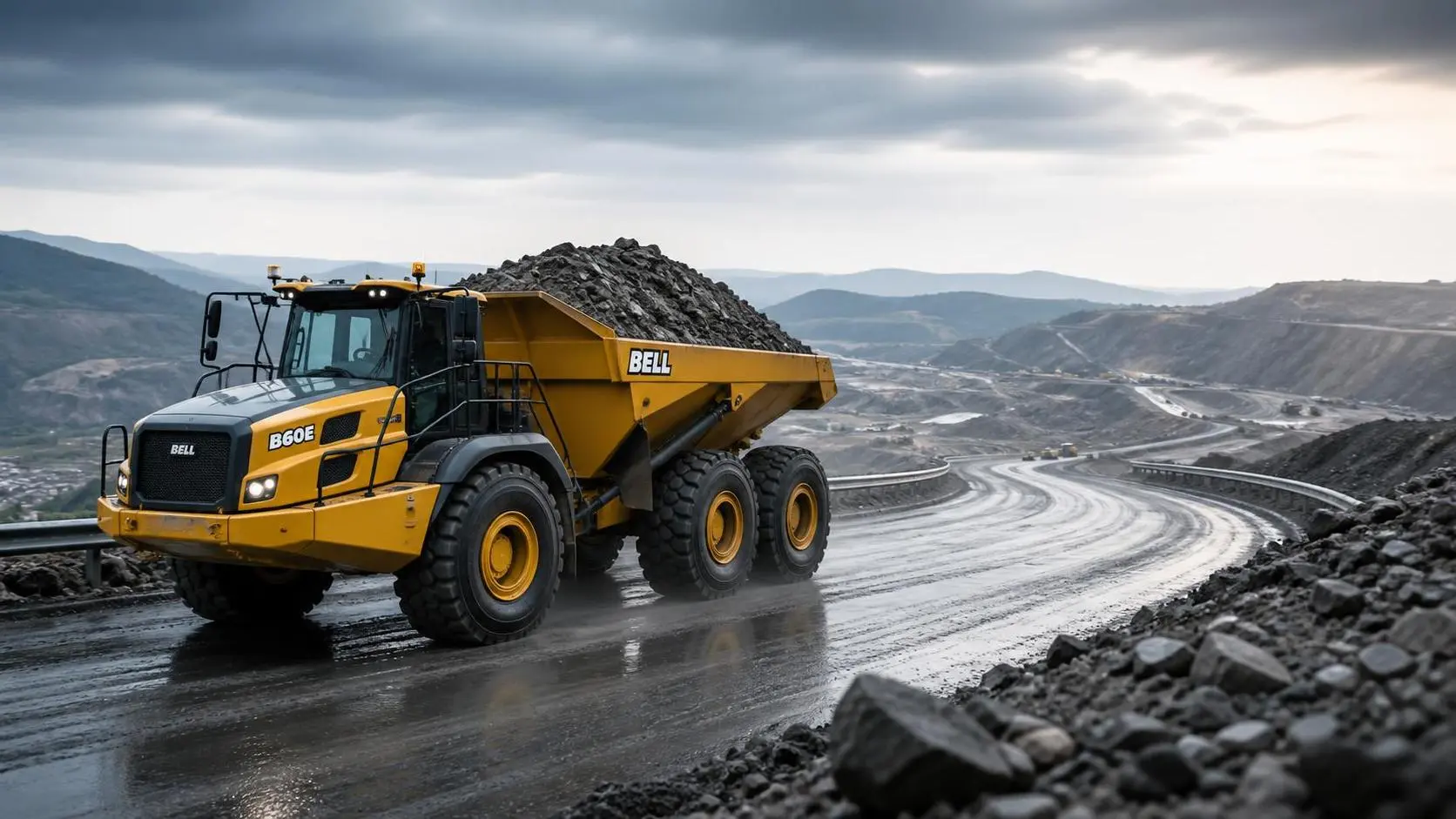
How to Evaluate Articulated Dump Trucks Payload for Haul Road Conditions and Cycle Efficiency
Articulated Dump Trucks payload evaluation starts with real haul road conditions, not brochure numbers. Learn how to balance payload, traction, grades, and cycle efficiency for safer, higher output.
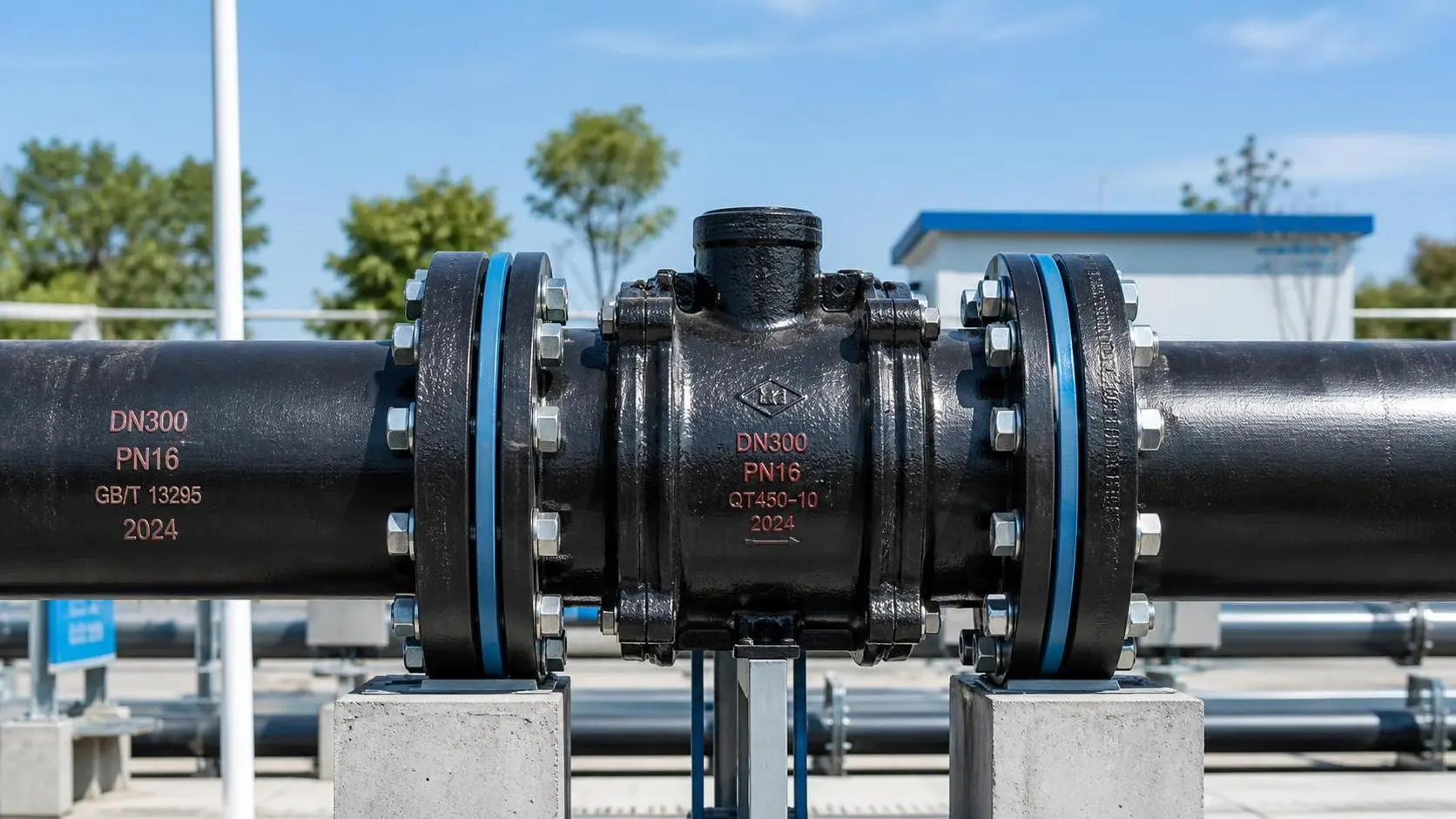
How Pipe Fittings Material and Pressure Class Affect Water Line Selection
Pipe fittings selection starts with material and pressure class. Learn how these factors affect water line reliability, corrosion resistance, installation, and long-term cost.
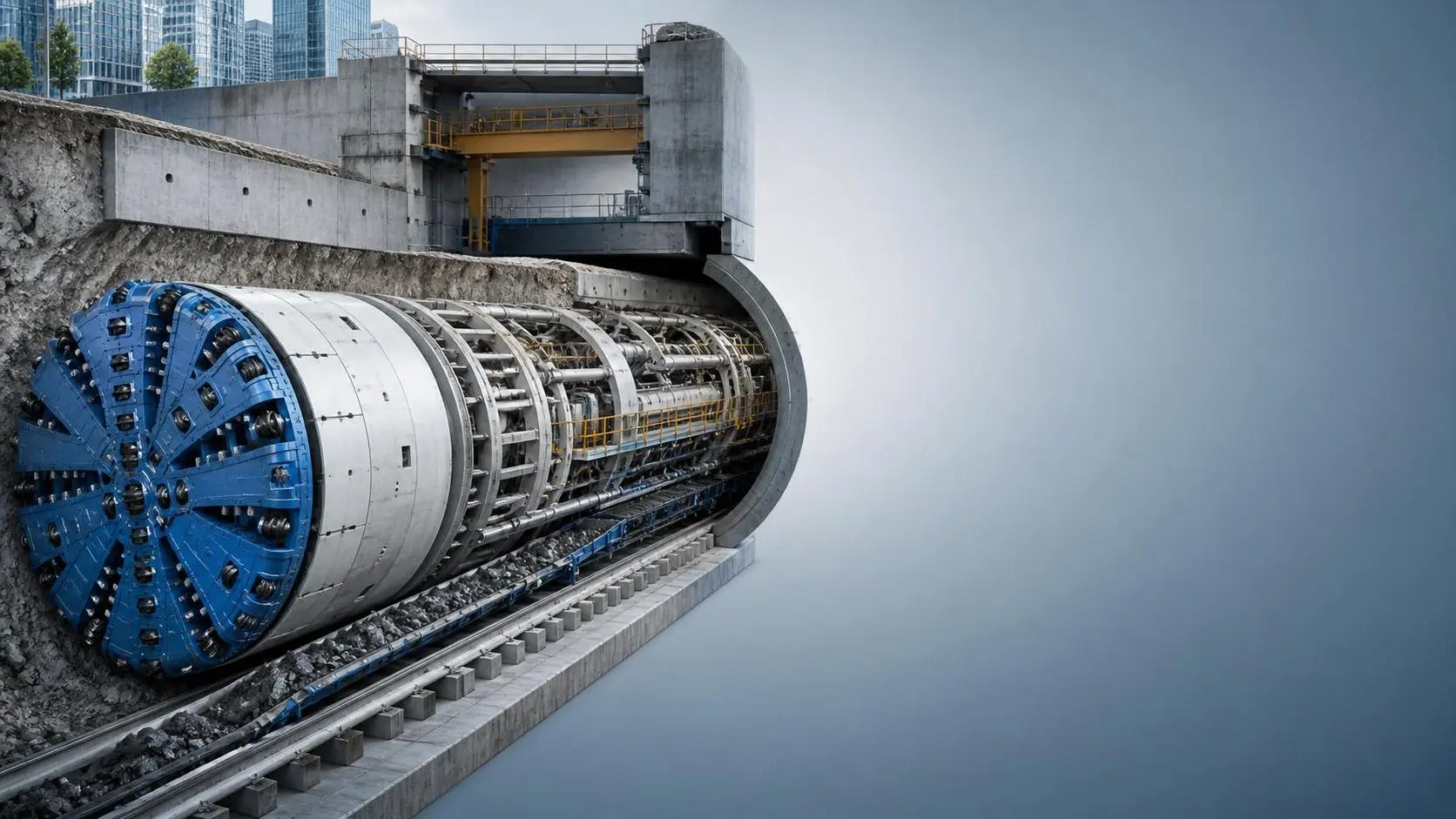
What Drives TBM Excavation Cost in Urban Tunneling Projects?
tbm excavation cost in urban tunneling depends on geology, shafts, segment lining, logistics, and risk. Discover the key cost drivers and compare bids with greater confidence.
What Does Energy Metals Mining in Australia Mean for Supply, Cost, and Project Risk?
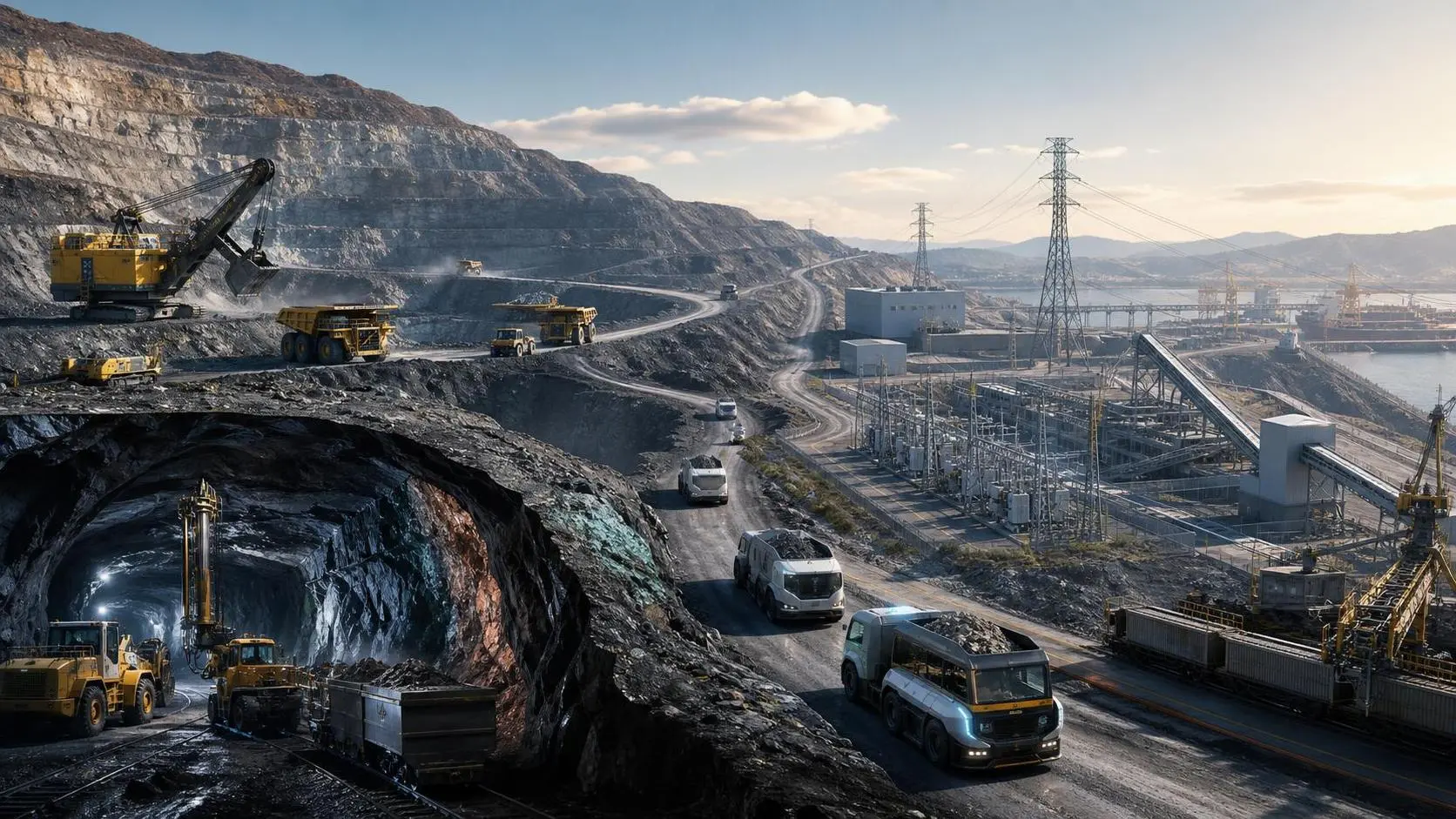
Energy metals mining Australia is reshaping supply, cost, and project risk. Discover what it means for buyers, investors, and operators.
EU Eases Dual CE and UKCA Path for Chinese Tunnel Boring Equipment
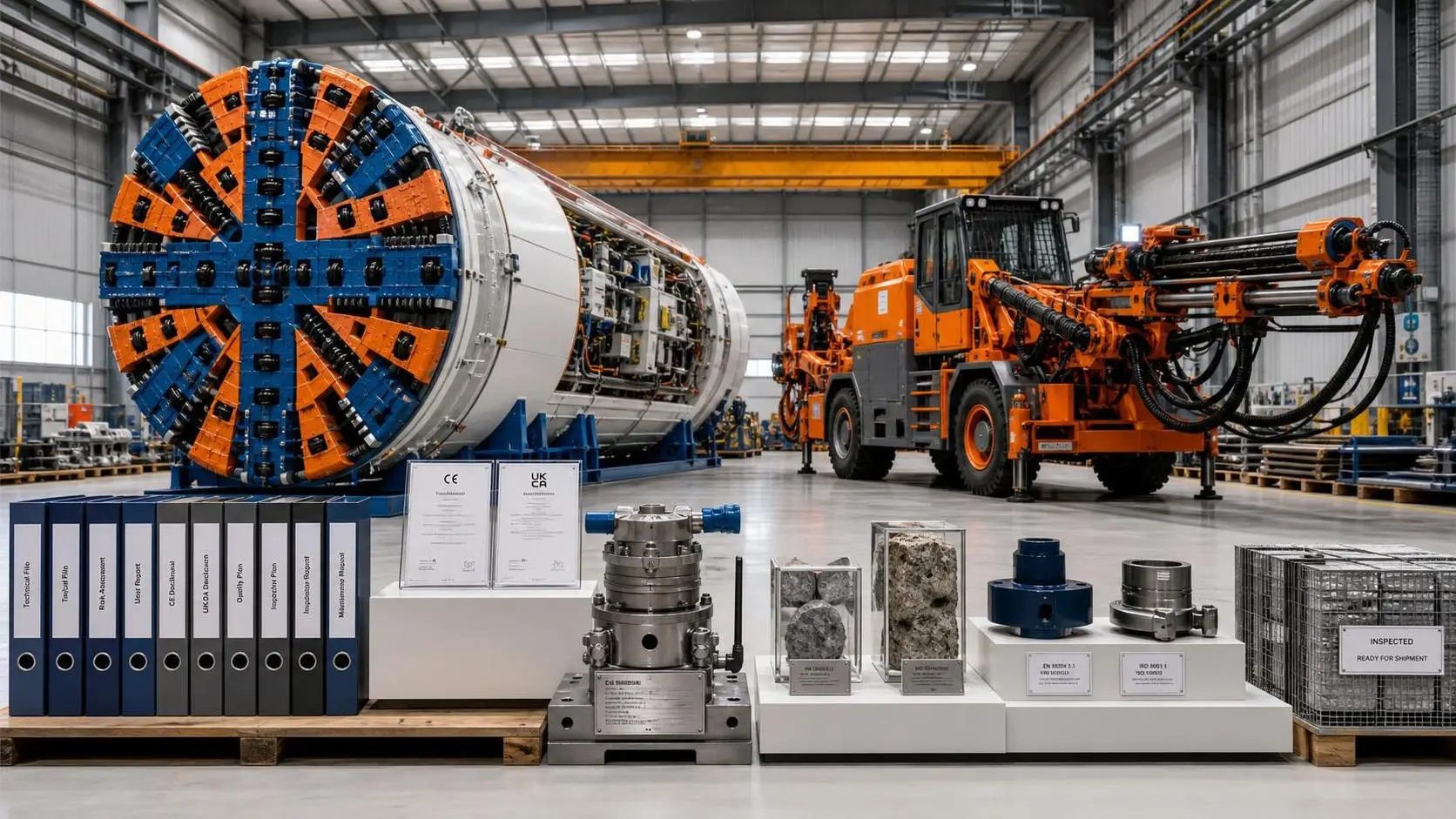
EU eases CE and UKCA certification for Chinese tunnel boring equipment, cutting compliance time and helping importers move faster.
Flameproof Underground Safety Equipment: What Mine Teams Should Check Before Buying
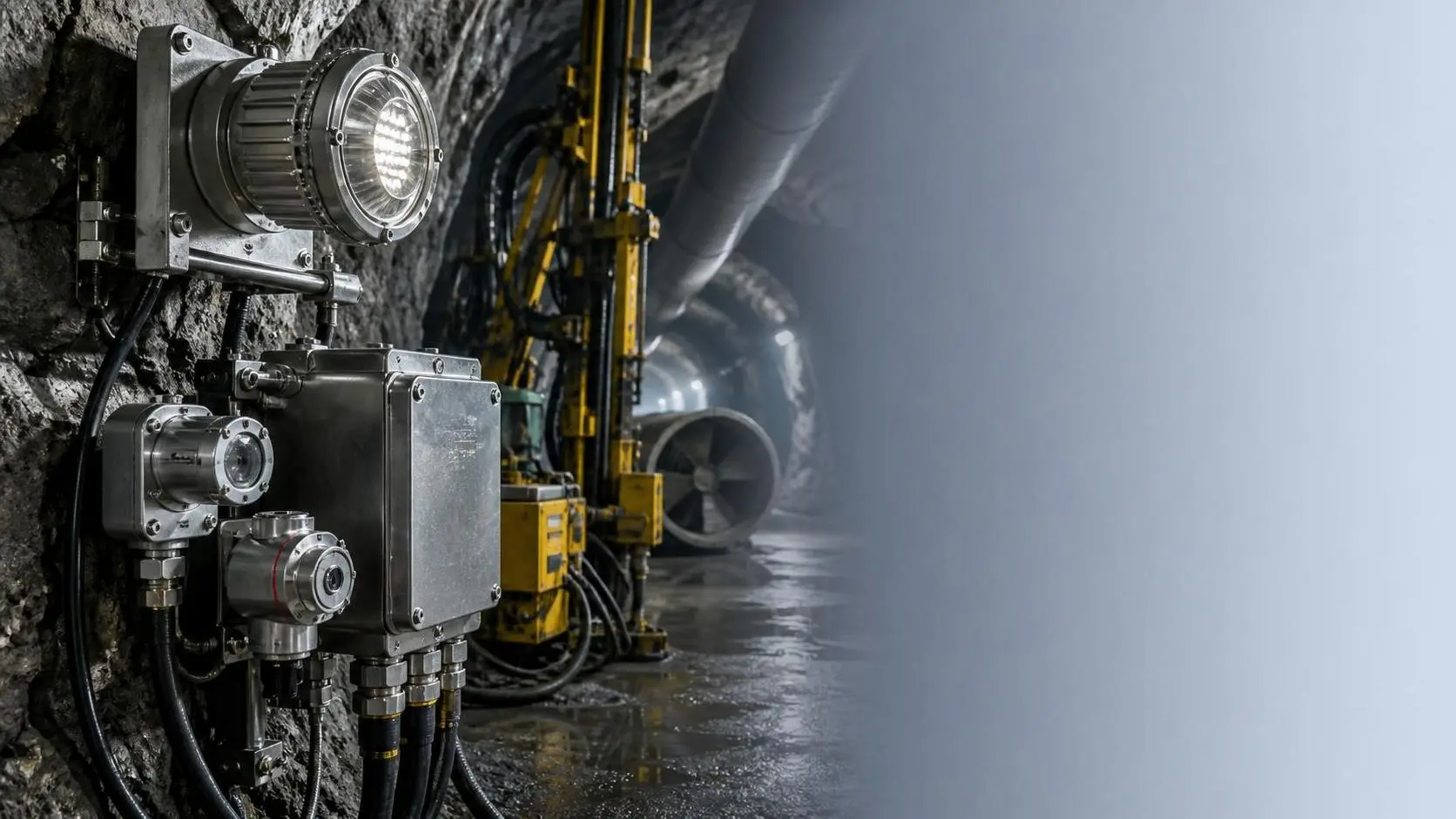
Underground Safety Equipment flameproof buying guide: learn how mine teams should verify certification, durability, serviceability, and supplier support before purchase.
China-UAE Direct Sea Route Cuts TBM and Large Tunneling Equipment Lead Times
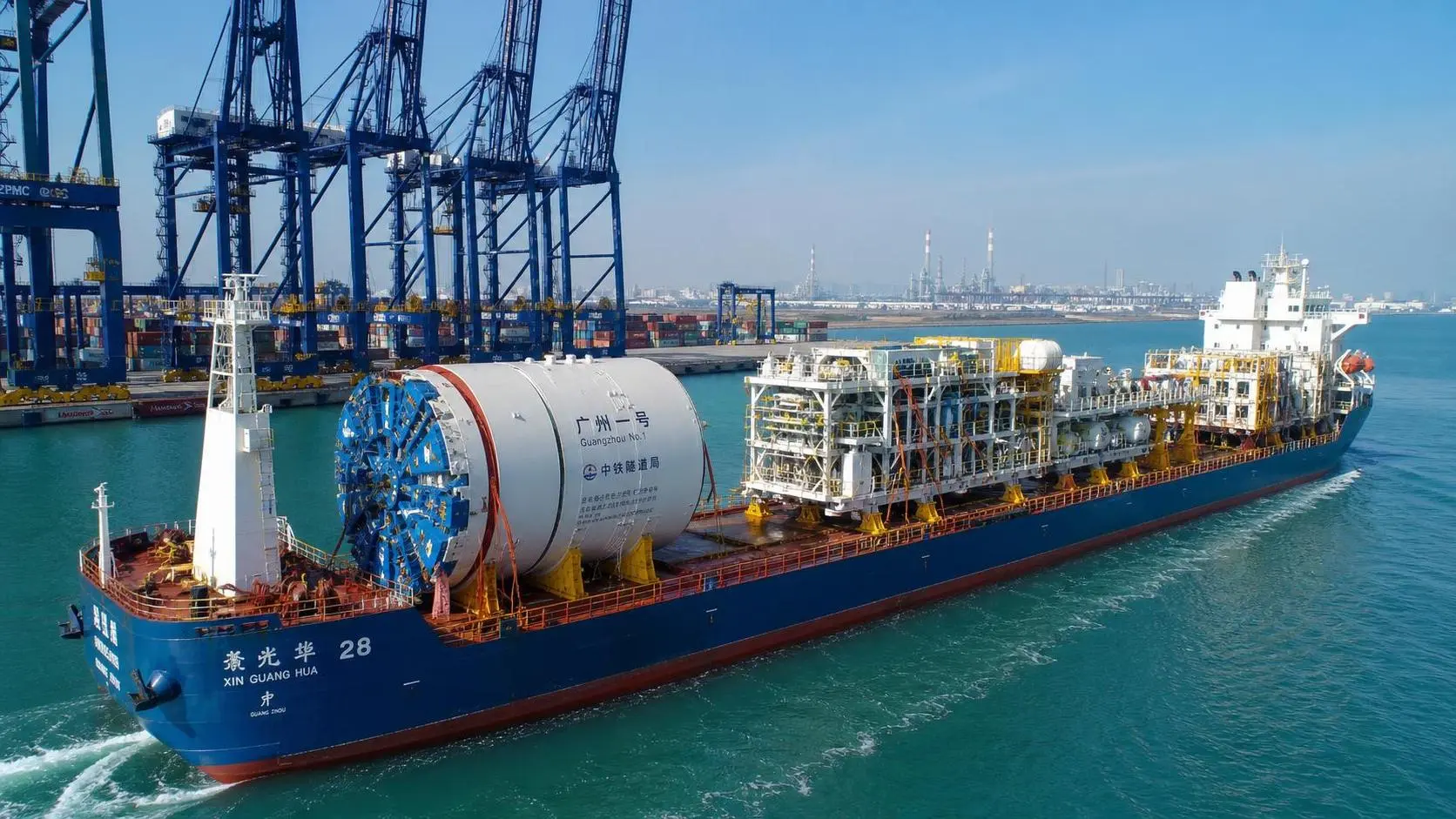
China-UAE direct sea route shortens TBM and large tunneling equipment lead times by 12–15 days, improving delivery predictability for major infrastructure projects. Read the full impact.
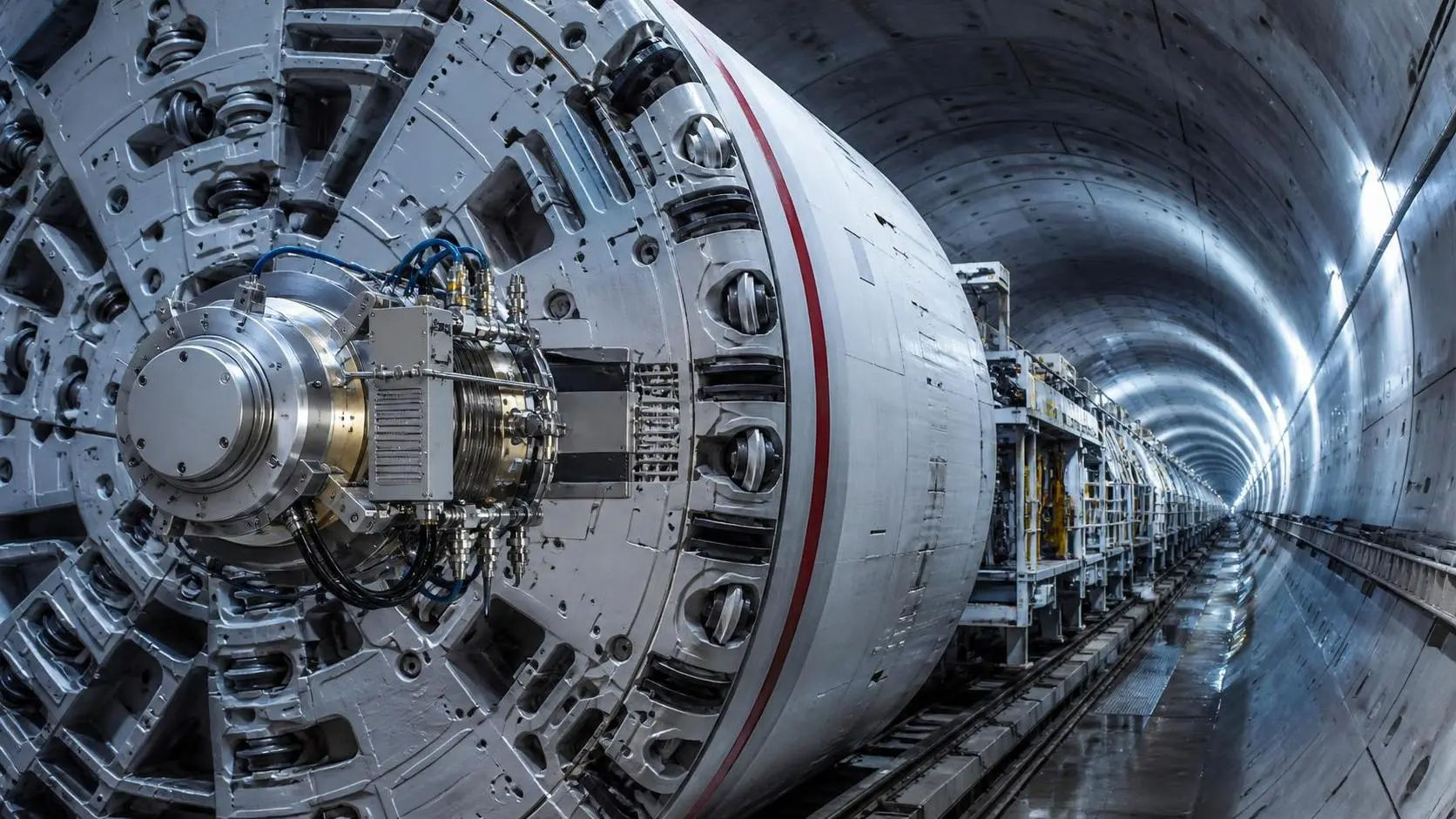
What Is a TBM Guidance System Gyroscope, and Why Does It Matter Underground?
TBM Guidance Systems gyroscope improves underground accuracy, reduces drift, and helps tunnel boring machines stay on line in harsh conditions.

China to Roll Out Nationwide Local and Foreign Currency Cash Pools for Multinationals on Sept. 14
China will roll out nationwide local and foreign currency cash pools for multinationals on Sept. 14, streamlining cross-border treasury management and boosting liquidity efficiency.
Related News
- 00
0000-00
How to Evaluate Articulated Dump Trucks Payload for Haul Road Conditions and Cycle Efficiency - 00
0000-00
How Pipe Fittings Material and Pressure Class Affect Water Line Selection - 00
0000-00
What Drives TBM Excavation Cost in Urban Tunneling Projects? - 00
0000-00
What Does Energy Metals Mining in Australia Mean for Supply, Cost, and Project Risk? - 00
0000-00
EU Eases Dual CE and UKCA Path for Chinese Tunnel Boring Equipment
Weekly Insights
Stay ahead with our curated technology reports delivered every Monday.