
Is Underground Engineering Intelligence worth the investment





For technical evaluators facing high-stakes equipment decisions, the real question is whether Underground Engineering Intelligence delivers measurable value beyond news and data feeds. In a sector shaped by TBMs, trenchless systems, drilling jumbos, and electrified mining fleets, reliable intelligence can reduce technical uncertainty, sharpen investment timing, and strengthen long-term asset planning. This article examines whether the investment truly supports performance, safety, and strategic advantage.
For companies assessing capital-heavy underground assets, the answer rarely depends on information volume alone. It depends on whether intelligence shortens evaluation cycles, reveals technical risk earlier, and improves decisions across procurement, fleet renewal, tunnel execution, and mine electrification planning.
That is where Underground Engineering Intelligence becomes more than a media subscription. In a market where one TBM program, a pipe jacking deployment, or a battery-electric mining haulage transition may influence 5 to 15 years of operational performance, decision support must connect engineering detail, commercial timing, and field practicality.
Why Underground Engineering Intelligence matters in technical evaluation
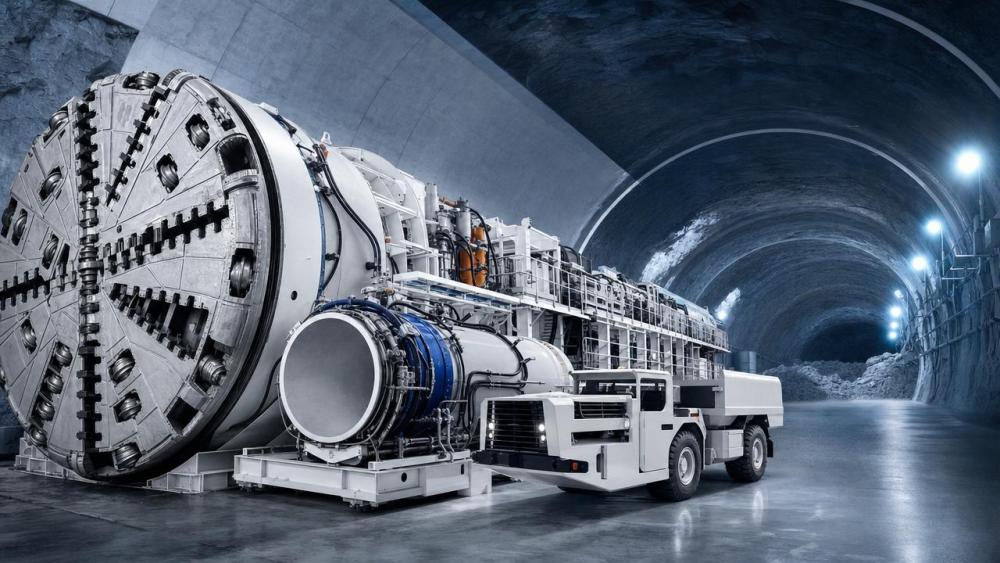
Technical evaluators usually work under 3 simultaneous pressures: equipment reliability, lifecycle cost, and deployment fit. In underground projects, mistakes are expensive because correction windows are narrow, access is constrained, and downtime can affect safety, schedule, and contractor credibility within days rather than months.
Underground Engineering Intelligence becomes valuable when it helps evaluators compare not just machine specifications, but operating context. A drilling jumbo that performs well in one ore body may underperform in another. A mining dump truck electrification strategy that works on a 6% downhill haul may not deliver the same regenerative gains on shorter haul profiles.
From fragmented information to decision-grade insight
UTMD’s relevance lies in its coverage of five critical equipment pillars: TBMs, pipe jacking machines, drilling jumbos, mining dump trucks, and underground LHD loaders. For evaluators, this matters because these systems do not operate in isolation. Mechanical wear, energy infrastructure, automation maturity, and tunnel or mine layout all interact.
A useful intelligence platform should allow a reviewer to move from raw updates to structured interpretation in 4 core dimensions: design suitability, risk exposure, productivity potential, and replacement timing. Without that structure, decision teams often spend 2 to 6 extra weeks validating information that should already be organized.
What technical evaluators usually need to verify
- Whether equipment architecture matches rock condition, tunnel diameter, haul profile, or stope layout.
- Whether automation claims are proven in confined, low-visibility, high-vibration environments.
- Whether electrification brings measurable savings in ventilation load, fuel replacement, and maintenance cycles.
- Whether market signals suggest buying now, piloting first, or waiting 6 to 12 months for better timing.
The table below shows how evaluators typically distinguish between low-value content and investment-worthy Underground Engineering Intelligence.
The key difference is utility. Technical evaluators do not invest in Underground Engineering Intelligence to read more. They invest to reduce uncertainty by a meaningful margin before committing engineering teams, bid resources, and capital budgets.
Where the investment creates measurable value
The strongest case for investing in Underground Engineering Intelligence appears when equipment decisions involve high consequence and long payback periods. In many underground programs, even a 3% to 5% improvement in utilization or a 1 to 2 week reduction in unplanned stoppage can materially affect project economics.
UTMD’s value proposition is especially relevant because it covers both the machine layer and the market layer. Evaluators can track technical evolution such as TBM cutter wear behavior, SLAM capability in underground loaders, or regenerative braking effectiveness in electric mining trucks, while also monitoring when commercial demand is accelerating.
1. Better specification alignment before procurement
A common technical failure is over-focusing on rated power, payload, or automation labels while underestimating operating context. Underground Engineering Intelligence helps identify where a machine is likely to fit, where adaptation is needed, and where the specification gap may create a hidden cost center over 12 to 36 months.
For example, a TBM review should not stop at cutterhead torque and advance rate expectations. Evaluators also need guidance on disc cutter wear in very hard rock, segment assembly cycle interactions, and maintenance implications under deep overburden conditions.
2. Earlier risk visibility for safety and uptime
In underground mining and tunnelling, risk usually appears in patterns before it appears in incidents. A good intelligence source surfaces warning signals such as premature wear trends, automation limitations in dust-heavy headings, or charging and battery-swap bottlenecks in multi-shift operations.
That matters because technical evaluators often have to approve systems for 2-shift or 3-shift use. If equipment availability drops below a practical threshold during initial deployment, productivity losses can spread through ventilation, blasting, haulage, and maintenance schedules.
3. Stronger timing for fleet renewal and electrification
Investment timing is rarely neutral. In open-pit and underground mining, ESG pressure, diesel restrictions, and ventilation cost exposure are accelerating interest in electric fleets. In urban trenchless works, pressure is rising for low-disruption, low-emission installations with tighter delivery windows and fewer surface impacts.
Underground Engineering Intelligence supports timing by mapping replacement demand and project waves. If an evaluator knows that electrification demand is likely to tighten supply in the next 6 to 18 months, procurement strategy can shift from passive inquiry to structured prequalification.
Typical areas where intelligence changes the financial outcome
- Reducing technical rework during bid evaluation and factory acceptance planning.
- Avoiding under-specified battery, charging, or swap infrastructure in mine fleets.
- Improving spare parts planning for cutters, hydraulic systems, and wear components.
- Identifying whether autonomy is field-ready or still pilot-stage in specific applications.
How to judge whether Underground Engineering Intelligence is worth paying for
Not every portal or report stream deserves budget. Technical evaluators should score intelligence services the same way they score major equipment: against use case fit, reliability, integration value, and decision impact. A practical review framework usually includes at least 4 to 6 criteria.
The goal is not to find the broadest information source. It is to find the source most likely to improve a real decision inside a defined time frame, such as a 30-day technical screening, a 90-day CAPEX review, or a 12-month fleet roadmap.
Core selection criteria for evaluators
The table below outlines a practical scoring model that can be used before subscribing to any Underground Engineering Intelligence platform.
If a platform scores well across these four criteria, the investment is usually easier to defend internally. This is particularly true for organizations evaluating high-value machines with long deployment cycles and multi-party technical approvals.
Questions to ask before committing budget
Decision checklist
- Will this intelligence reduce the time needed to screen suppliers by at least 20%?
- Can it improve our risk identification before tender, pilot, or full rollout?
- Does it cover both technology evolution and project pipeline signals?
- Will engineering, procurement, and strategy teams all use the same output?
- Can it support decisions across a 6-month, 12-month, and 24-month planning horizon?
If the answer is yes to at least 4 of these 5 questions, Underground Engineering Intelligence is likely to deliver more than symbolic value. It becomes a working tool for evaluation, not a passive content expense.
UTMD’s fit for TBM, trenchless, and mining technology evaluators
UTMD appears especially well positioned for technical evaluators because its scope mirrors the way underground projects are now converging. Modern decision-making increasingly links excavation mechanics, emission constraints, automation software, energy systems, and utilization economics instead of treating them as separate disciplines.
That broad but technical approach is important in at least 3 areas. First, TBM and trenchless programs demand machine-specific engineering interpretation. Second, underground mine fleets require closer integration between electrification, autonomy, and ventilation planning. Third, commercial timing now matters more because replacement cycles are being reshaped by ESG and decarbonization requirements.
Where UTMD can deliver practical evaluation support
- TBM assessment: understanding cutter wear, hard-rock friction behavior, and system reliability under deep excavation conditions.
- Pipe jacking evaluation: comparing low-disruption installation options for urban utility and municipal tunnel projects.
- Drilling jumbo review: checking drilling precision, bolting suitability, and hard-rock performance context.
- EV mining truck planning: evaluating downhill regenerative efficiency, charging strategy, and route-specific operational fit.
- Underground LHD decisions: analyzing battery swap logic, remote control readiness, and SLAM-related navigation maturity.
For evaluators, the strongest argument is not that UTMD covers many topics. It is that the topics are connected in a way that reflects real asset decisions. A mine electrification program, for instance, is rarely approved on truck specification alone. It depends on route geometry, service intervals, power infrastructure, ventilation savings, and operator acceptance over multiple quarters.
Potential limits to consider
No intelligence portal replaces site testing, OEM engagement, or independent engineering review. Technical evaluators should treat Underground Engineering Intelligence as a decision accelerator, not a substitute for application validation. Final selection still requires field data, maintenance planning, and operational alignment.
The investment will be less compelling for buyers with very narrow needs, such as a one-time small equipment purchase with minimal technology variation. It becomes more compelling when decision value compounds across several assets, several regions, or several planning cycles each year.
Final verdict: when the investment makes sense
Underground Engineering Intelligence is worth the investment when technical decisions carry high cost, long operating consequences, and meaningful uncertainty. For evaluators responsible for TBMs, trenchless systems, drilling jumbos, electric mining trucks, or underground LHD fleets, the right intelligence can improve specification quality, reduce risk exposure, and strengthen investment timing.
UTMD’s strength lies in combining engineering depth with commercial visibility across underground excavation and mining transport systems. That combination is particularly useful for teams that must justify technical recommendations to procurement, operations, finance, and sustainability stakeholders at the same time.
If your organization is evaluating underground equipment upgrades, electrification pathways, or project opportunities in deep infrastructure and mining, now is the right time to assess what better intelligence could save in rework, delay, and misaligned procurement. Contact UTMD to discuss your evaluation priorities, request a tailored intelligence view, and explore solutions aligned with your next decision cycle.
Related News
How to Evaluate Articulated Dump Trucks Payload for Haul Road Conditions and Cycle Efficiency
Articulated Dump Trucks payload evaluation starts with real haul road conditions, not brochure numbers. Learn how to balance payload, traction, grades, and cycle efficiency for safer, higher output.
How Pipe Fittings Material and Pressure Class Affect Water Line Selection
Pipe fittings selection starts with material and pressure class. Learn how these factors affect water line reliability, corrosion resistance, installation, and long-term cost.
What Drives TBM Excavation Cost in Urban Tunneling Projects?
tbm excavation cost in urban tunneling depends on geology, shafts, segment lining, logistics, and risk. Discover the key cost drivers and compare bids with greater confidence.
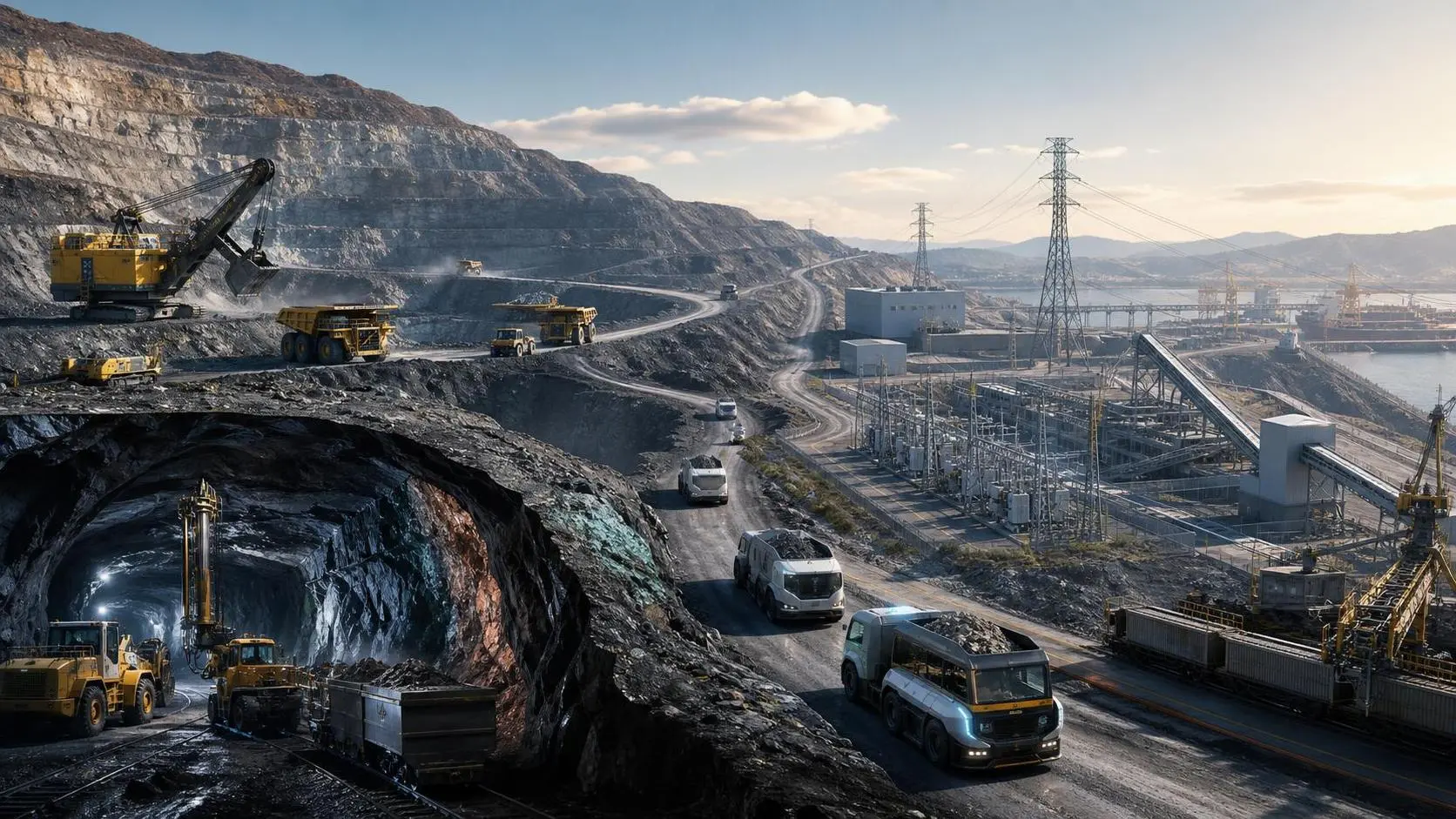
What Does Energy Metals Mining in Australia Mean for Supply, Cost, and Project Risk?
Energy metals mining Australia is reshaping supply, cost, and project risk. Discover what it means for buyers, investors, and operators.
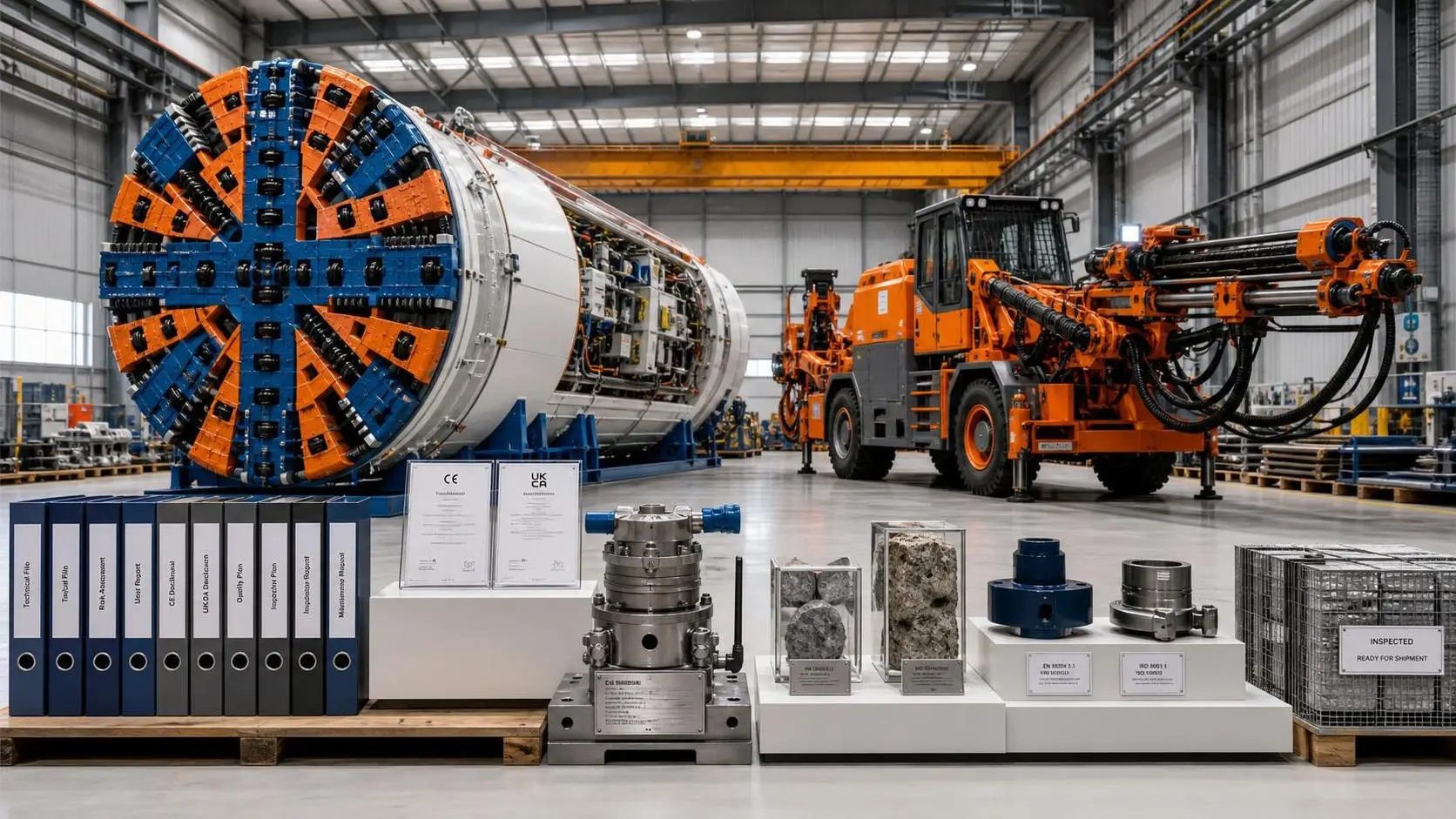
EU Eases Dual CE and UKCA Path for Chinese Tunnel Boring Equipment
EU eases CE and UKCA certification for Chinese tunnel boring equipment, cutting compliance time and helping importers move faster.
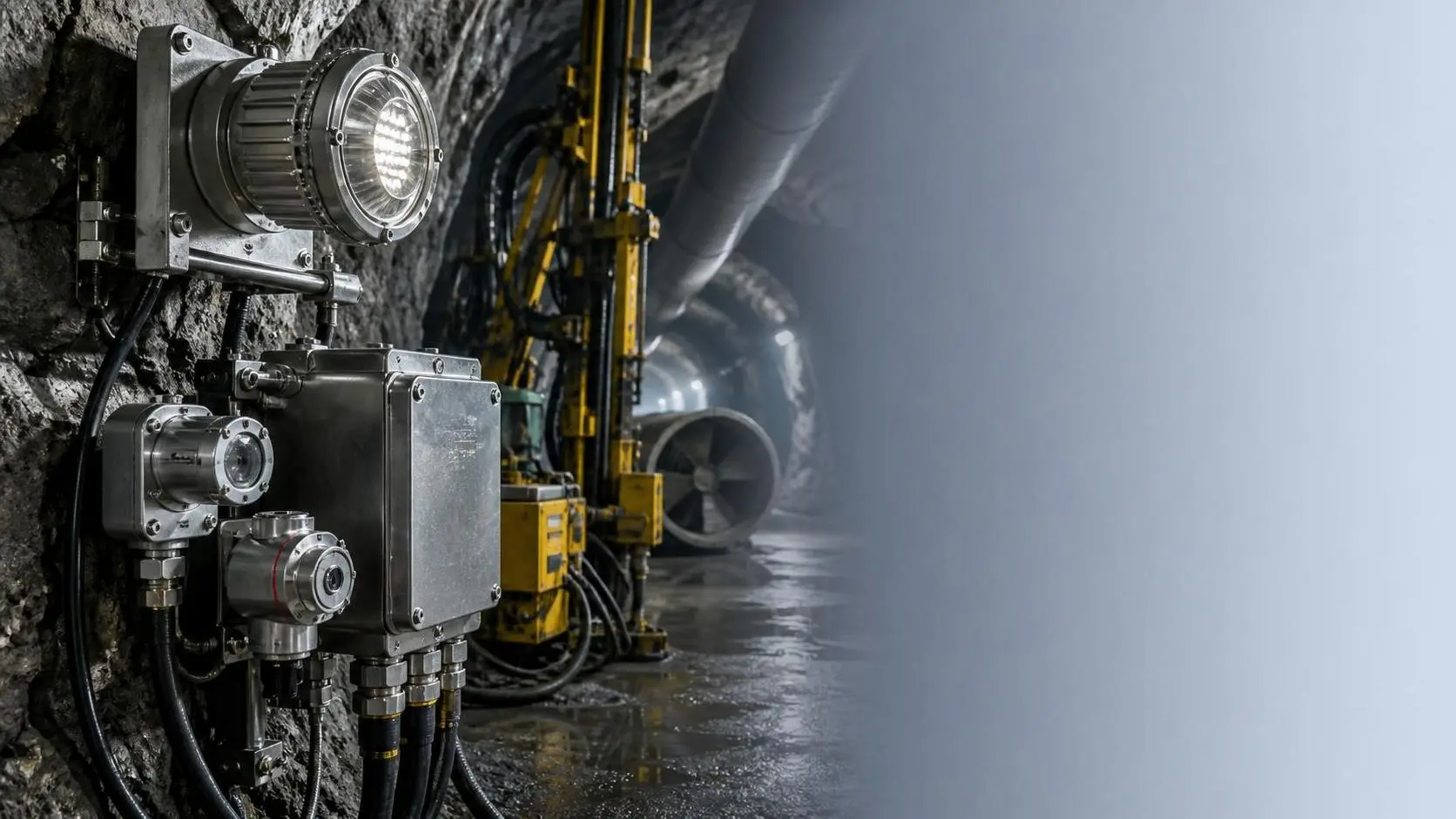
Flameproof Underground Safety Equipment: What Mine Teams Should Check Before Buying
Underground Safety Equipment flameproof buying guide: learn how mine teams should verify certification, durability, serviceability, and supplier support before purchase.
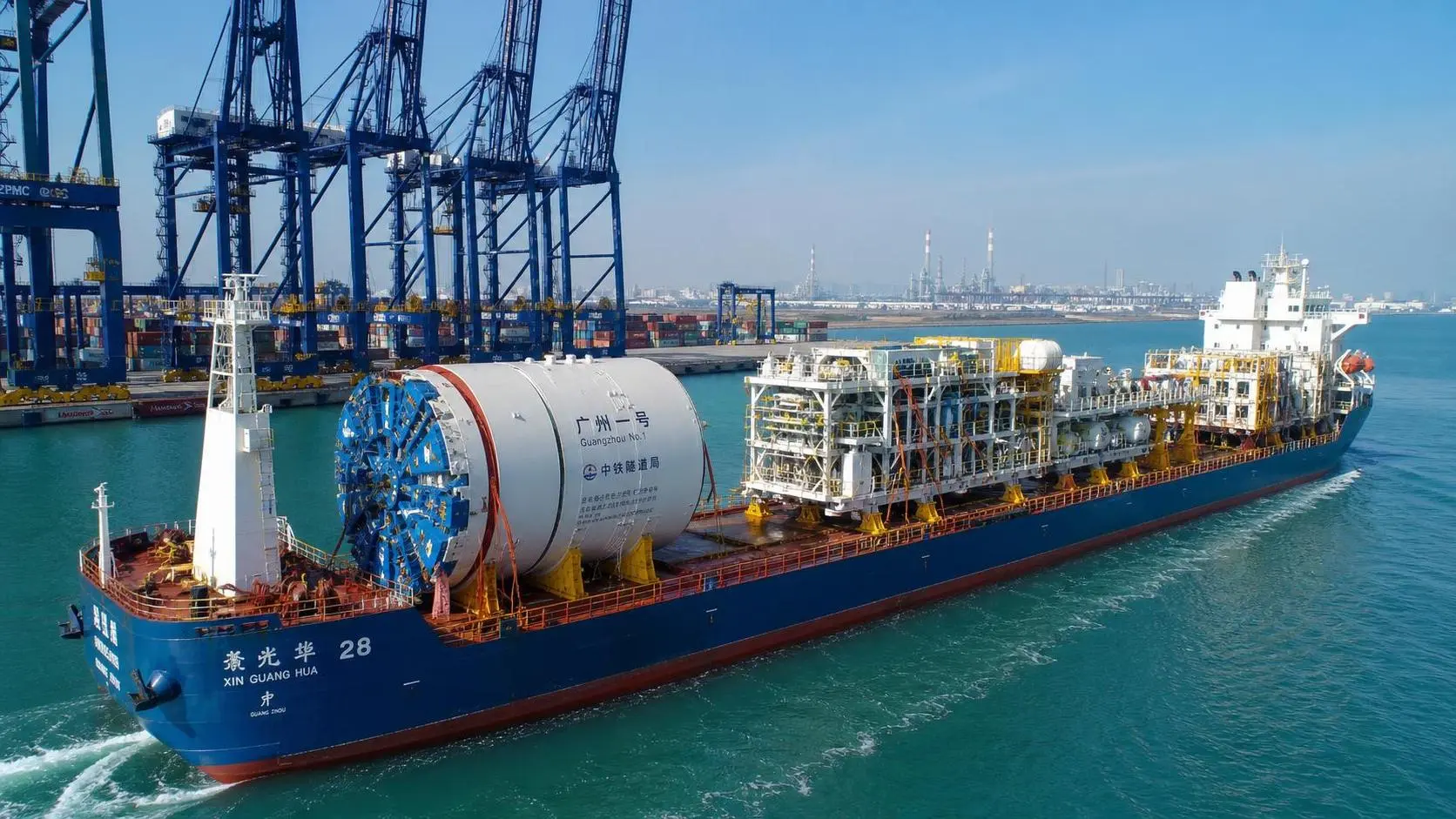
China-UAE Direct Sea Route Cuts TBM and Large Tunneling Equipment Lead Times
China-UAE direct sea route shortens TBM and large tunneling equipment lead times by 12–15 days, improving delivery predictability for major infrastructure projects. Read the full impact.
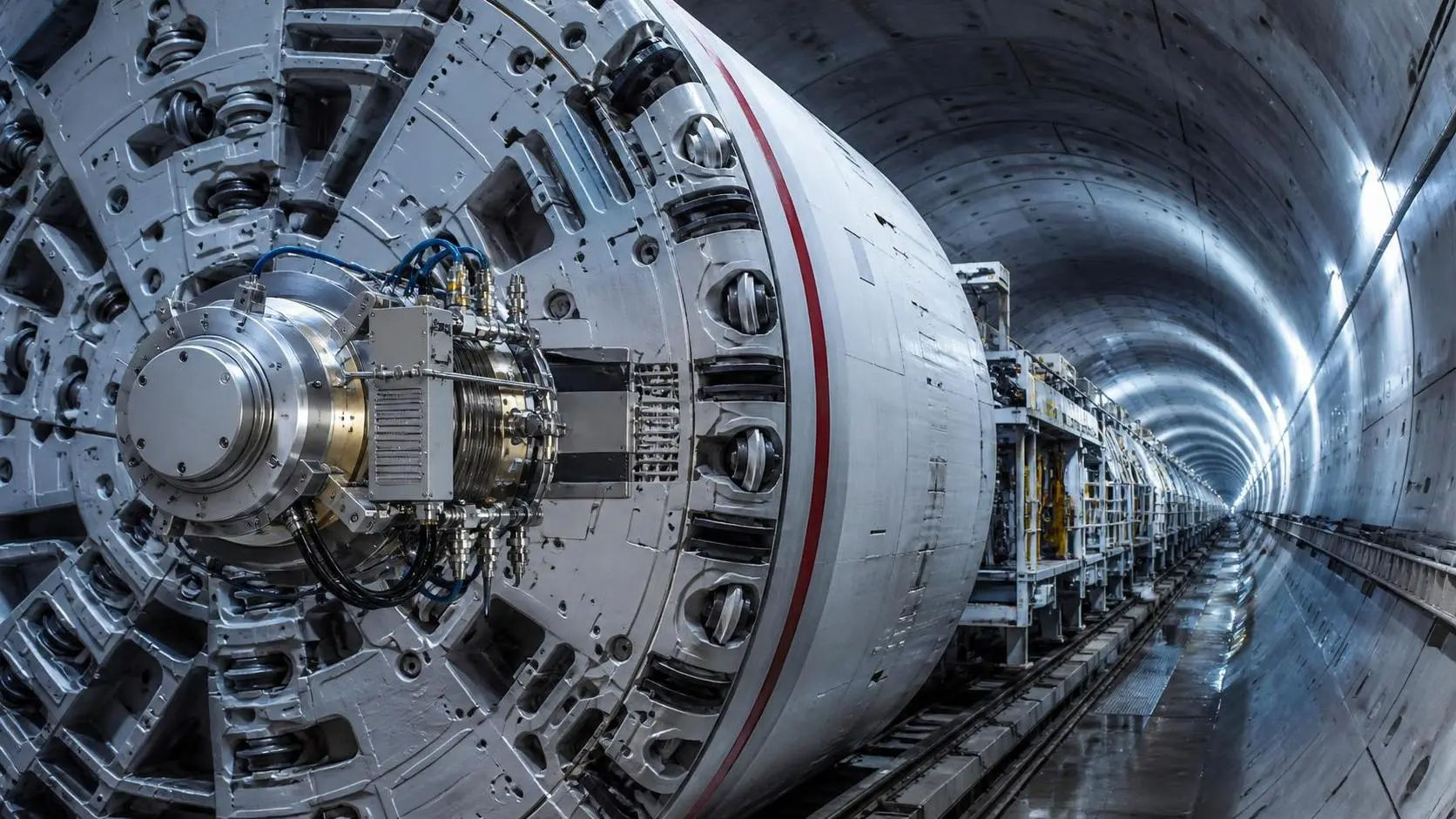
What Is a TBM Guidance System Gyroscope, and Why Does It Matter Underground?
TBM Guidance Systems gyroscope improves underground accuracy, reduces drift, and helps tunnel boring machines stay on line in harsh conditions.

China to Roll Out Nationwide Local and Foreign Currency Cash Pools for Multinationals on Sept. 14
China will roll out nationwide local and foreign currency cash pools for multinationals on Sept. 14, streamlining cross-border treasury management and boosting liquidity efficiency.
Related News
- 00
0000-00
How to Evaluate Articulated Dump Trucks Payload for Haul Road Conditions and Cycle Efficiency - 00
0000-00
How Pipe Fittings Material and Pressure Class Affect Water Line Selection - 00
0000-00
What Drives TBM Excavation Cost in Urban Tunneling Projects? - 00
0000-00
What Does Energy Metals Mining in Australia Mean for Supply, Cost, and Project Risk? - 00
0000-00
EU Eases Dual CE and UKCA Path for Chinese Tunnel Boring Equipment
Weekly Insights
Stay ahead with our curated technology reports delivered every Monday.