
TBM Excavation delays often start with these blind spots





TBM excavation delays rarely begin at the cutterhead itself. In most projects, schedule loss starts earlier, in planning assumptions, geological uncertainty, fragmented decision-making, and weak interface control across design, procurement, logistics, and site execution.
For project managers and engineering leaders, the practical question is not whether a tunnel boring machine can cut rock. It is whether the entire project system can sustain predictable advance rates, control downtime, and absorb underground uncertainty without cascading delay.
The core search intent behind this topic is clear: decision-makers want to know which hidden issues most often slow TBM excavation, how to identify them early, and what management actions actually reduce schedule and cost exposure.
They are typically less interested in textbook descriptions of TBM components. What matters more is where blind spots appear before or during excavation, what warning signals to monitor, and how to protect utilization, contractor coordination, and commercial outcomes.
This article focuses on the blind spots that most often undermine TBM excavation performance, why they matter to project control, and how project leaders can turn them into measurable management checkpoints instead of late-stage surprises.
Why TBM Excavation Delays Usually Start Before the Machine Enters Full Production
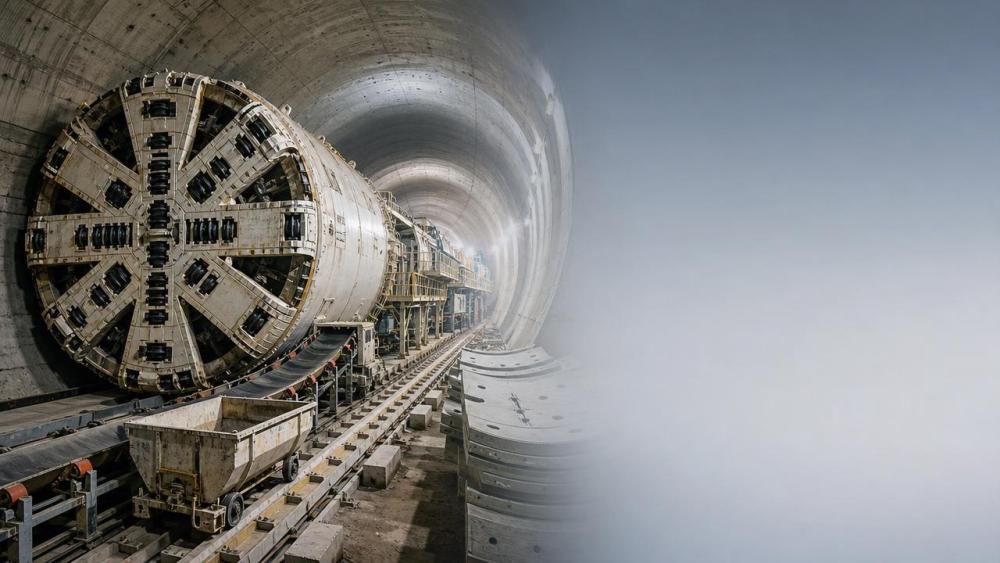
Many delay investigations focus too narrowly on the machine. Yet in practice, poor TBM excavation performance is often only the visible symptom of upstream decisions that were never stress-tested against actual geological, logistical, and operational conditions.
A tunnel boring machine performs inside a tightly linked system. Geology defines penetration potential. Segment supply controls continuity. Muck handling limits cycle stability. Power, slurry, ventilation, maintenance access, and crew readiness all affect daily advance.
If one interface is weak, the cutterhead becomes the place where the problem appears, even when the real cause sits in survey assumptions, probe drilling gaps, spare parts planning, or shift-level communication failures.
For management teams, this means TBM excavation should be treated as a production system, not as an isolated equipment function. Delay prevention starts with system visibility, not with reactive troubleshooting after production targets are missed.
Blind Spot 1: Geological Verification Is Often Treated as Sufficient When It Is Only Directionally Useful
One of the most common sources of TBM excavation delay is overconfidence in baseline ground models. Boreholes, geophysical interpretations, and design-stage reports are essential, but they rarely capture the full variability of the tunnel alignment.
Unexpected fault zones, mixed-face conditions, abrasive bands, water inflow, swelling ground, or sudden strength transitions can rapidly change cutter wear, torque demand, support requirements, and daily advance rates.
The blind spot is not simply “bad geology.” It is management assuming that available geological data is detailed enough for production forecasting, procurement planning, intervention strategy, and contractual risk allocation when it is not.
Project leaders should ask whether the geological model is being continuously updated from actual excavation data. Probe drilling, face mapping, cutter consumption trends, muck characterization, and machine parameter shifts should feed a live interpretation process.
When geology is treated as a static design input rather than an operational intelligence stream, TBM excavation slows long before teams formally recognize that the original assumptions no longer reflect tunnel reality.
Blind Spot 2: Advance Rate Forecasts Ignore the Difference Between Best-Case Performance and Sustainable Production
Many schedules are built around peak penetration rates, not around sustainable net advance. That creates a serious planning distortion. A TBM may achieve impressive short-term cutting performance and still miss monthly targets by a wide margin.
Net TBM excavation performance depends on more than penetration. Ring build time, inspection stops, cutter interventions, grout curing windows, conveyor or slurry interruptions, rail extension, utility relocation, and restart delays all affect actual output.
Project managers should be especially cautious when internal or stakeholder reporting highlights maximum daily advance without equally tracking utilization, downtime categories, and variability across shifts and geological domains.
A useful management test is simple: can the team explain the gap between gross boring time and achieved weekly progress in a way that links directly to fixable constraints? If not, the schedule likely rests on misleading assumptions.
Realistic forecasting for TBM excavation should model maintenance demand, logistics cycles, intervention frequency, learning curves, and expected ground transitions. Without that discipline, delay is built into the baseline from day one.
Blind Spot 3: Site Logistics Are Underestimated Because They Sit Outside the Core Mechanical Narrative
TBM excavation depends on uninterrupted flow. Segments must arrive on time. Muck must be removed continuously. Consumables, grout materials, cutters, and spare parts must reach the right place with minimal interruption.
Yet logistics often receive less strategic attention than machine selection or geotechnical design. This is a major blind spot, especially on long drives, urban sites with restricted access, or remote projects with weak supply resilience.
Even a technically capable TBM can lose significant time if segment trains queue, conveyor transfer points choke, slurry treatment lags, or critical wear parts are delayed by customs, vendor lead times, or poor inventory visibility.
For engineering leaders, the right question is not whether logistics exists as a support function. It is whether logistics has been engineered as a production-critical system with bottleneck analysis, redundancy planning, and decision ownership.
Where TBM excavation schedules are tight, logistics planning should be reviewed with the same rigor as cutterhead design. Many “machine delays” are in fact transport, storage, access, or handover failures wearing a mechanical label.
Blind Spot 4: Data Exists, but It Does Not Become Actionable Operational Intelligence
Modern TBM projects generate vast data streams: thrust, torque, penetration, cutterhead rotation, grout consumption, vibration, bearing temperatures, conveyor loads, and maintenance records. However, data volume does not automatically create project control.
The blind spot appears when data stays fragmented across OEM systems, contractor spreadsheets, shift reports, geology teams, and project dashboards that do not speak the same operational language.
In that environment, warning signs emerge but are not escalated in time. Rising cutter consumption may indicate an abrasive transition. Repeated short stoppages may reveal a worsening support process. Variability between shifts may signal training or coordination gaps.
For TBM excavation management, useful intelligence is not raw telemetry. It is structured interpretation tied to decisions: adjust cutter inspection frequency, update ground class assumptions, revise intervention plans, reorder spares, or redesign logistics sequences.
Project managers should insist on a single review rhythm where engineering, geology, maintenance, and commercial teams examine the same performance picture. If each group operates from different data narratives, delay risk compounds quietly.
Blind Spot 5: Cutter Tooling and Wear Strategy Are Managed Reactively Instead of Economically
Cutter wear is an obvious topic in TBM excavation, but the blind spot is usually not ignorance of wear itself. It is the lack of a strategy connecting wear patterns, intervention timing, spare inventory, geology shifts, and schedule economics.
Waiting too long to intervene can reduce penetration, overload components, and increase the risk of unplanned stoppage. Intervening too early can waste tool life, inflate cost, and create unnecessary downtime.
The management challenge is to define decision thresholds based on rock abrasivity, access conditions, intervention difficulty, and the cost of unscheduled production loss. That requires a more disciplined approach than simple visual inspection routines.
Projects that perform well in TBM excavation usually track cutter consumption against chainage, geology domain, torque trend, and intervention duration. They use that information to predict maintenance windows instead of merely recording history.
From a leadership perspective, wear management is not only a maintenance issue. It is a schedule protection mechanism and a cost-control tool, especially on drives where intervention access is difficult or compressed-air works are highly disruptive.
Blind Spot 6: Contract and Interface Structures Reward Local Optimization Instead of System Performance
Another hidden source of TBM excavation delay lies in commercial structure. Different packages may optimize their own scope while weakening overall tunnel production. Design, civil works, machine supply, logistics, power, and monitoring can drift into interface friction.
When responsibilities are fragmented, no single party may fully own the production chain. Disputes then emerge around whether delay comes from geology, machine design, segment quality, maintenance practice, or access limitations.
This matters because unresolved interface ambiguity slows decisions underground. Teams spend time assigning blame when they should be adapting methods, mobilizing parts, or redesigning operating sequences.
Project leaders should review whether contract language, reporting lines, and site governance support fast cross-functional action. If each delay event triggers defensive interpretation, TBM excavation performance will deteriorate even when technical solutions are available.
The strongest projects create decision frameworks that focus first on restoring advance, then on documenting causation. That sequencing preserves schedule control while still protecting commercial accountability.
Blind Spot 7: Crew Capability and Shift Discipline Are Assumed Rather Than Engineered
Even with strong equipment and reasonable geology, TBM excavation can drift below target when crew capability varies too widely across shifts. Small inconsistencies in inspection quality, ring build coordination, parameter setting, and restart discipline accumulate quickly.
This is especially important on international projects where teams come from different technical cultures, languages, and operating backgrounds. Procedures may exist on paper but be interpreted differently in practice.
For management, the issue is not just training completion. It is whether operational routines are standardized, measured, and reinforced through shift handover quality, exception reporting, and supervisor accountability.
A reliable project usually has a clearly visible operating rhythm: what gets checked before boring resumes, how anomalies are escalated, when geology observations are shared, and who authorizes adjustments to key excavation parameters.
Where this discipline is missing, TBM excavation losses often appear as “minor stoppages” or “variable performance” rather than as a single dramatic failure. Yet over months, these small losses can become major schedule erosion.
Blind Spot 8: Risk Registers Exist, but Trigger-Based Response Planning Is Weak
Most projects maintain formal risk registers. The problem is that many of them remain compliance documents rather than operating tools. They identify water ingress, difficult ground, spare delays, or settlement sensitivity without defining actionable trigger responses.
In TBM excavation, speed of response matters. A known risk still causes delay if the team has not agreed in advance on threshold indicators, authority levels, contingency methods, and material readiness.
For example, if probe drilling indicates deteriorating ground, does the project already know the decision path for ground treatment, parameter adjustment, or temporary advance reduction? If cutter wear accelerates, is the spare strategy already activated?
Project managers should convert major TBM excavation risks into trigger-response playbooks. Each should define leading indicators, decision owner, required resources, and expected schedule effect. That turns risk management from static awareness into operational control.
This approach is particularly valuable on projects under political, public, or commercial pressure, where hesitation can be more damaging than the original technical event.
How Project Leaders Can Audit TBM Excavation Readiness Before Delays Become Visible
A practical audit starts with five questions. First, does the project have a living geological interpretation process tied to actual excavation evidence? Second, are schedule assumptions based on net production rather than peak machine performance?
Third, can the team clearly identify the current bottleneck in the production chain: cutting, segment supply, muck removal, maintenance, utilities, or shift coordination? Fourth, are equipment and material criticalities visible several weeks ahead?
Fifth, does one integrated review connect geology, operations, maintenance, logistics, and commercial impact? If the answer to any of these questions is weak, delay risk is likely already forming beneath surface reporting.
Leaders should also monitor several early indicators: increasing downtime fragmentation, unexplained shift variability, rising cutter consumption per meter, repeated logistics interruptions, and growing divergence between forecast and actual ring completion rates.
These signals often appear before headline schedule slippage becomes obvious. Acting at this stage is far cheaper than waiting for formal recovery planning after confidence in the TBM excavation program has already been lost.
Conclusion: The Real Risk in TBM Excavation Is Not Just Hard Ground, but Hidden Misalignment
TBM excavation delays often begin in blind spots that look manageable in isolation: incomplete geological verification, optimistic forecasting, underdesigned logistics, disconnected data, reactive wear management, fragmented interfaces, uneven crews, and passive risk planning.
For project managers and engineering decision-makers, the key lesson is straightforward. Reliable tunnel progress depends less on any single technical promise and more on whether the entire delivery system can see, interpret, and act on weak signals early.
The most successful projects do not wait for the cutterhead to “prove” that something is wrong. They build operating discipline around verification, integration, and trigger-based response, turning TBM excavation from a high-risk process into a controlled production system.
When those blind spots are addressed early, schedule certainty improves, cost volatility falls, and machine utilization rises. In complex underground works, that is often the difference between a difficult project and a delayed one.
Related News

How to Evaluate Articulated Dump Trucks Payload for Haul Road Conditions and Cycle Efficiency
Articulated Dump Trucks payload evaluation starts with real haul road conditions, not brochure numbers. Learn how to balance payload, traction, grades, and cycle efficiency for safer, higher output.
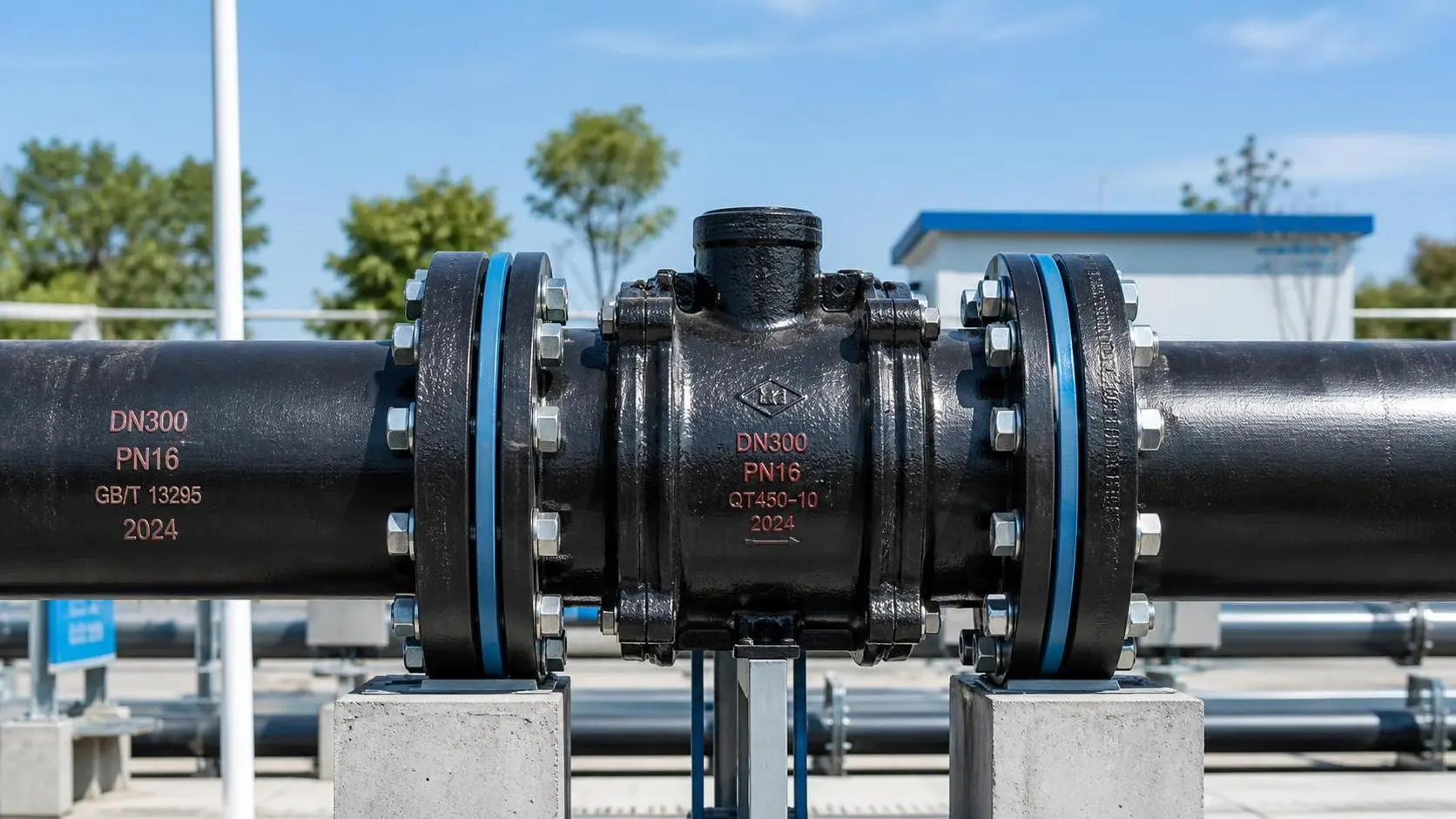
How Pipe Fittings Material and Pressure Class Affect Water Line Selection
Pipe fittings selection starts with material and pressure class. Learn how these factors affect water line reliability, corrosion resistance, installation, and long-term cost.

What Drives TBM Excavation Cost in Urban Tunneling Projects?
tbm excavation cost in urban tunneling depends on geology, shafts, segment lining, logistics, and risk. Discover the key cost drivers and compare bids with greater confidence.

What Does Energy Metals Mining in Australia Mean for Supply, Cost, and Project Risk?
Energy metals mining Australia is reshaping supply, cost, and project risk. Discover what it means for buyers, investors, and operators.

EU Eases Dual CE and UKCA Path for Chinese Tunnel Boring Equipment
EU eases CE and UKCA certification for Chinese tunnel boring equipment, cutting compliance time and helping importers move faster.
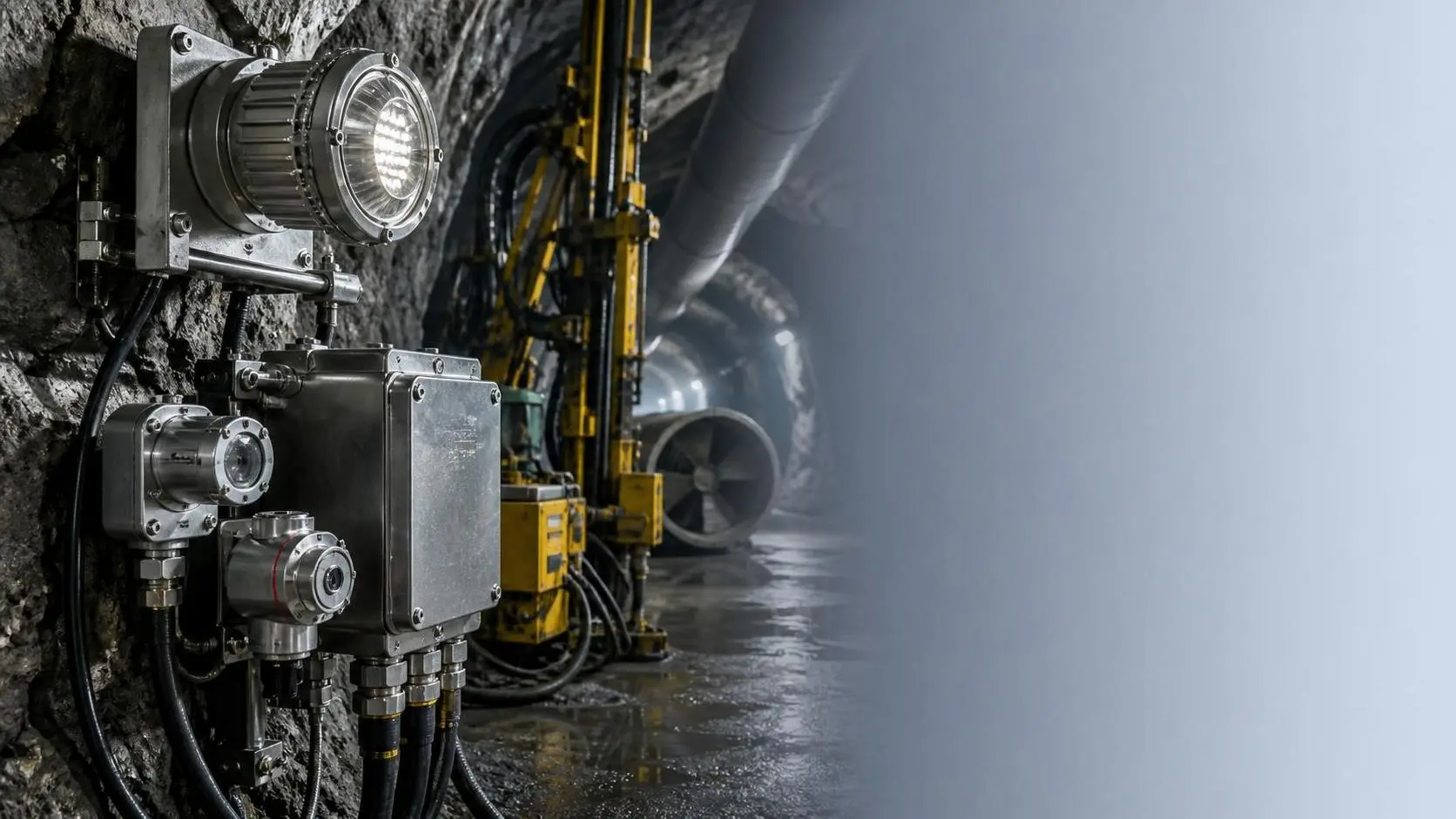
Flameproof Underground Safety Equipment: What Mine Teams Should Check Before Buying
Underground Safety Equipment flameproof buying guide: learn how mine teams should verify certification, durability, serviceability, and supplier support before purchase.
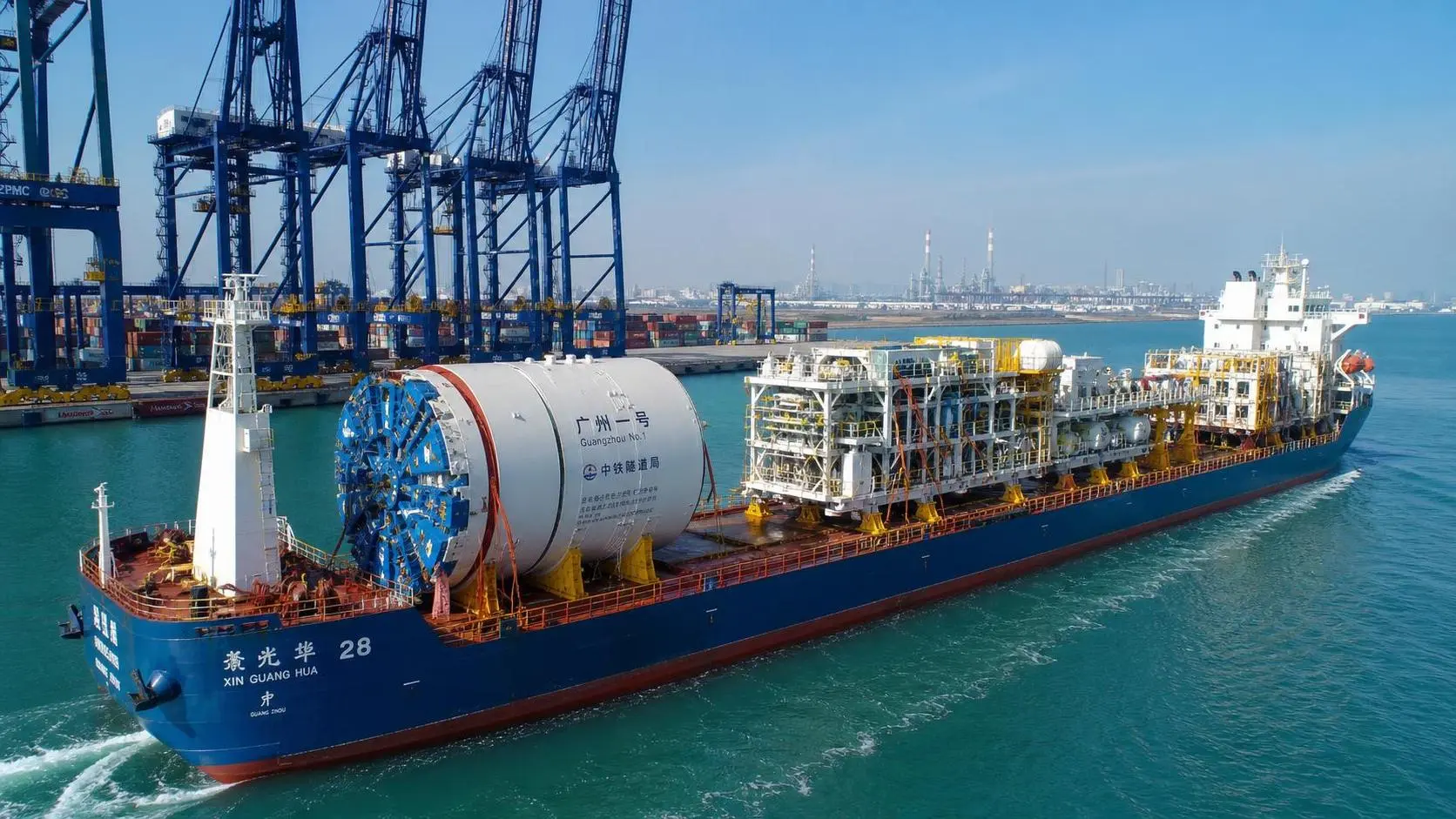
China-UAE Direct Sea Route Cuts TBM and Large Tunneling Equipment Lead Times
China-UAE direct sea route shortens TBM and large tunneling equipment lead times by 12–15 days, improving delivery predictability for major infrastructure projects. Read the full impact.

What Is a TBM Guidance System Gyroscope, and Why Does It Matter Underground?
TBM Guidance Systems gyroscope improves underground accuracy, reduces drift, and helps tunnel boring machines stay on line in harsh conditions.

China to Roll Out Nationwide Local and Foreign Currency Cash Pools for Multinationals on Sept. 14
China will roll out nationwide local and foreign currency cash pools for multinationals on Sept. 14, streamlining cross-border treasury management and boosting liquidity efficiency.
Related News
- 00
0000-00
How to Evaluate Articulated Dump Trucks Payload for Haul Road Conditions and Cycle Efficiency - 00
0000-00
How Pipe Fittings Material and Pressure Class Affect Water Line Selection - 00
0000-00
What Drives TBM Excavation Cost in Urban Tunneling Projects? - 00
0000-00
What Does Energy Metals Mining in Australia Mean for Supply, Cost, and Project Risk? - 00
0000-00
EU Eases Dual CE and UKCA Path for Chinese Tunnel Boring Equipment
Weekly Insights
Stay ahead with our curated technology reports delivered every Monday.