
Why Underground Logistics now decides mining efficiency





Underground Logistics has become a decisive factor in modern mining, shaping cycle times, operator safety, equipment uptime, and overall output in confined, high-pressure environments. For underground operations, efficient material flow now matters as much as drilling accuracy or ore grade. When loaders, trucks, ore passes, charging bays, ventilation systems, and digital controls work as one system, mining efficiency rises. When they do not, delays multiply quickly. That is why Underground Logistics now decides mining efficiency across development headings, production stopes, and deep haulage networks.
Why Underground Logistics has moved to the center of mining performance
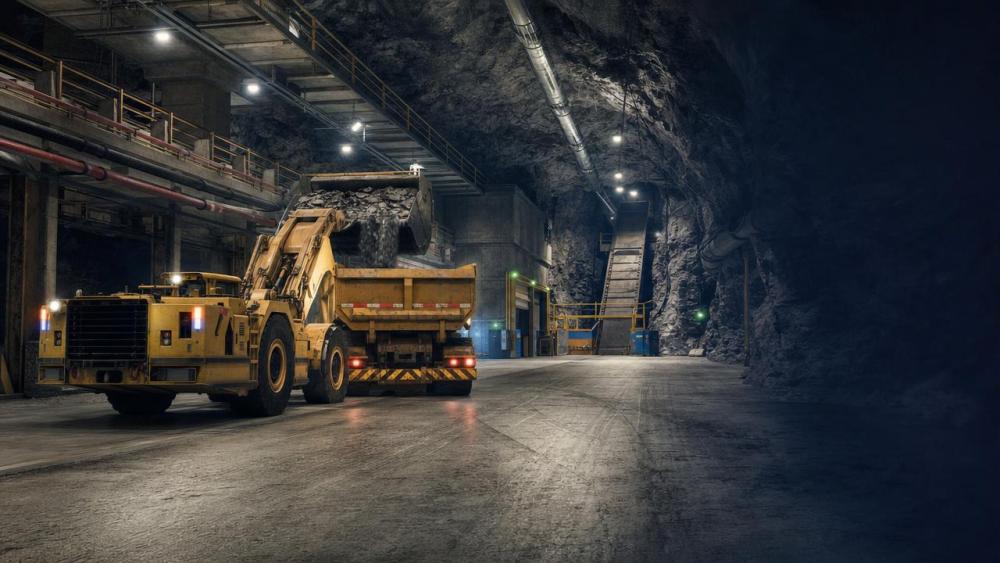
Mining used to evaluate performance through equipment size, blasting output, and labor utilization. Today, the constraint is often movement inside limited underground space. Ore, waste, people, energy, information, and maintenance resources must all move without conflict.
As mines go deeper, tunnels become longer, heat increases, ventilation costs rise, and traffic interactions become more complex. In that setting, Underground Logistics is not a support function. It is the operating rhythm of the whole mine.
This shift is also driven by electrification and automation. Battery LHDs, autonomous haulage, smart dispatching, and remote control only deliver value when transport logic is disciplined. A fast machine inside a poorly planned flow still waits, queues, and wastes energy.
Why a checklist approach works better underground
Underground Logistics failures rarely come from one dramatic breakdown. They usually come from many small mismatches: wrong truck-loader pairing, poor passing bay spacing, delayed battery swaps, fragmented dispatch data, and weak coordination between production and maintenance.
A checklist helps convert a complex mine transport system into visible decision points. It supports repeatable reviews, faster root-cause detection, and more consistent daily execution across shifts, headings, and haulage routes.
Underground Logistics checklist: key actions that directly affect mining efficiency
- Map complete haulage cycles from drawpoint to dump point, including loading, queuing, tramming, dumping, return travel, charging, and operator or remote-control handover time.
- Match LHD bucket size, truck payload, and ore pass capacity so each transfer point supports steady flow instead of creating repeated partial loads.
- Measure real tunnel constraints such as gradient, turning radius, road condition, and passing bay spacing before setting target speeds or fleet counts.
- Separate production traffic, service vehicles, explosive delivery, and personnel transport wherever possible to reduce conflict inside narrow underground corridors.
- Track queue time as aggressively as loading time because hidden waiting often removes more production than visible machine downtime.
- Align battery charging or swapping schedules with shift patterns and production peaks so electrified Underground Logistics supports output rather than interrupting it.
- Use dispatch data, tags, and location systems to verify actual route utilization instead of relying on assumed travel paths or verbal updates.
- Review muck fragmentation because oversized rock slows loading, damages buckets, increases hang-ups, and destabilizes downstream Underground Logistics performance.
- Coordinate ventilation planning with transport intensity since more vehicle movement changes heat load, air demand, and safe access windows.
- Schedule road maintenance, scaling, and dewatering during low-impact windows to protect haulage continuity and prevent repeated cycle-time losses.
- Standardize KPIs such as tons per operating hour, delay minutes per cycle, energy per ton, and dump-point utilization across all underground zones.
- Test automation only after route rules, geofencing, communication stability, and exception handling are mature enough to support predictable Underground Logistics.
How Underground Logistics changes by mining scenario
Deep hard-rock mines
In deep hard-rock operations, haul distances increase while heat, stress, and ventilation pressure intensify. Underground Logistics must therefore minimize non-productive movement. The best gains often come from route simplification, intermediate dumping design, and careful loader-truck synchronization.
Battery-electric fleets are especially valuable here because they reduce diesel emissions and ventilation burden. However, charging logic, spare battery availability, and thermal management become part of the transport equation, not separate technical topics.
Block cave and high-tonnage production zones
High-volume mines depend on uninterrupted flow more than isolated peak machine output. Underground Logistics in these settings is about smoothing transfer points, avoiding ore pass congestion, and balancing multiple drawpoints without starving crushers or haulage drifts.
A localized delay can spread quickly across the network. That makes real-time dispatching, draw control discipline, and dump-point visibility central to overall mining efficiency.
Development headings and drill-and-blast tunnels
Development work is vulnerable to interruption because scaling, bolting, ventilation re-entry, mucking, and material delivery must happen in sequence. Underground Logistics here is less about high tonnage and more about strict timing.
If consumables arrive late, if muck removal blocks access, or if service vehicles compete with loaders, the whole heading loses momentum. Short-cycle coordination creates more value than simply adding another machine.
Commonly ignored issues that damage Underground Logistics
Ignoring road quality until equipment slows down
Poor floor condition raises tire wear, reduces safe speed, increases energy consumption, and shakes operators and components. Road quality is a production variable, not a housekeeping issue.
Treating charging and refueling as separate from production
Energy replenishment always affects equipment availability. In electrified Underground Logistics, charger placement, swap time, and queue discipline can decide whether the fleet supports or limits daily tonnage.
Overlooking communication dead zones
Autonomous and remotely operated transport depends on stable underground connectivity. Dead zones disrupt dispatch accuracy, machine status visibility, and intervention response, especially during shift changes or congestion events.
Measuring tons only at the end of the chain
End-of-shift tonnage hides where losses occur. Underground Logistics needs stage-level measurement at loading, travel, dumping, waiting, and maintenance interfaces to reveal the actual bottleneck.
Practical execution steps to improve Underground Logistics
- Run a seven-day cycle study and separate active time from waiting, congestion, road delay, charging, and service interruption.
- Rank the top three bottlenecks by lost minutes per shift, not by anecdotal frustration or machine brand assumptions.
- Rebalance fleet assignments by zone so equipment capacity fits actual tunnel geometry and haul distance.
- Introduce digital dispatch visibility for loaders, trucks, ore passes, and charging stations on one operating dashboard.
- Review the system monthly as mine depth, headings, and production fronts change the Underground Logistics pattern.
Conclusion: better Underground Logistics creates better mining efficiency
Modern mining efficiency is increasingly decided underground, where space is tight, cycles are interdependent, and every delay compounds. Underground Logistics connects loading, haulage, energy, ventilation, automation, and maintenance into one performance system.
The most effective next step is simple: audit the full haulage chain, measure waiting with the same discipline as output, and correct one bottleneck at a time. In deep mines and smart operations alike, stronger Underground Logistics is no longer optional. It is the fastest path to safer, cleaner, and more reliable production.
Related News
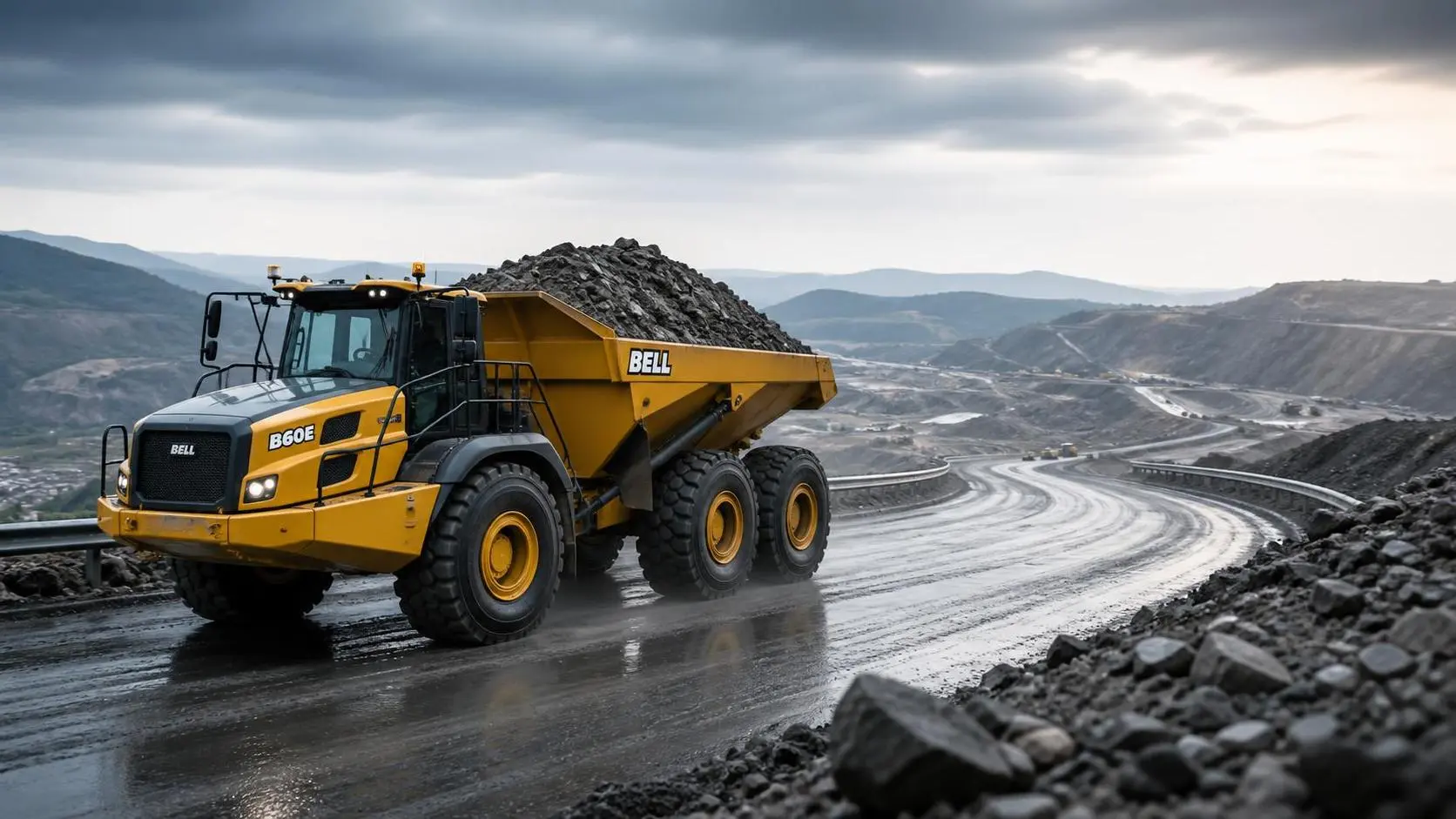
How to Evaluate Articulated Dump Trucks Payload for Haul Road Conditions and Cycle Efficiency
Articulated Dump Trucks payload evaluation starts with real haul road conditions, not brochure numbers. Learn how to balance payload, traction, grades, and cycle efficiency for safer, higher output.
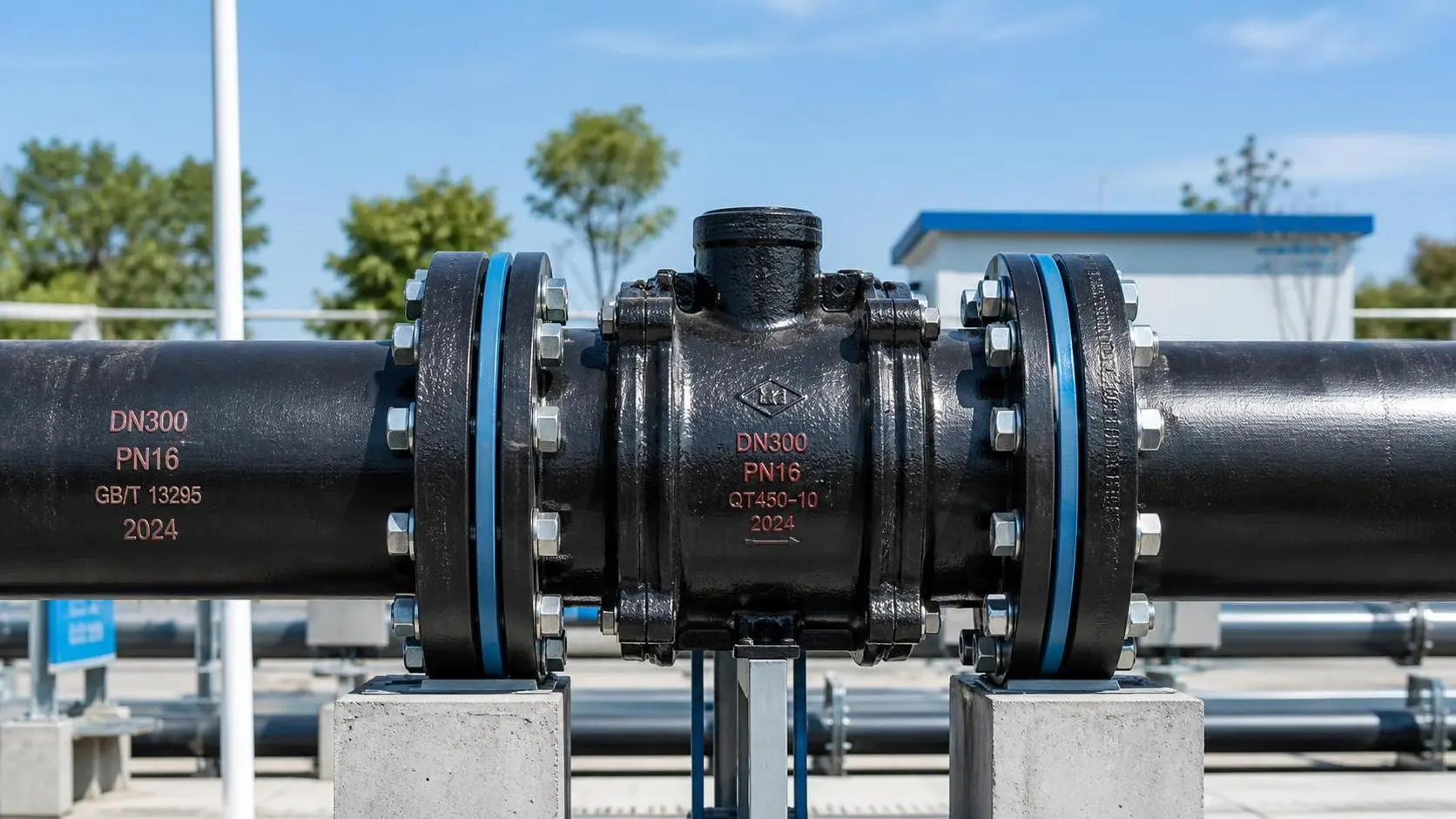
How Pipe Fittings Material and Pressure Class Affect Water Line Selection
Pipe fittings selection starts with material and pressure class. Learn how these factors affect water line reliability, corrosion resistance, installation, and long-term cost.
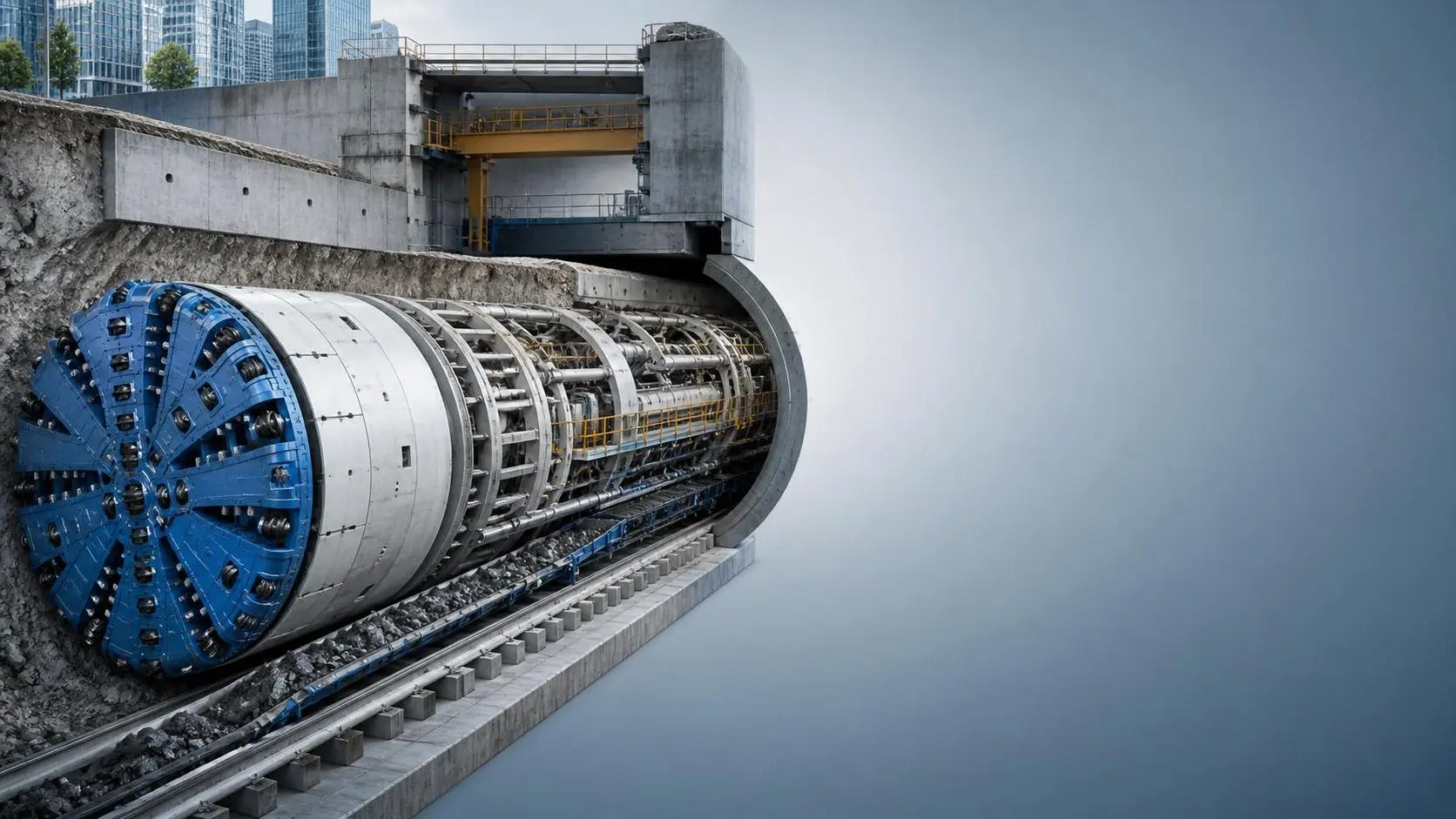
What Drives TBM Excavation Cost in Urban Tunneling Projects?
tbm excavation cost in urban tunneling depends on geology, shafts, segment lining, logistics, and risk. Discover the key cost drivers and compare bids with greater confidence.
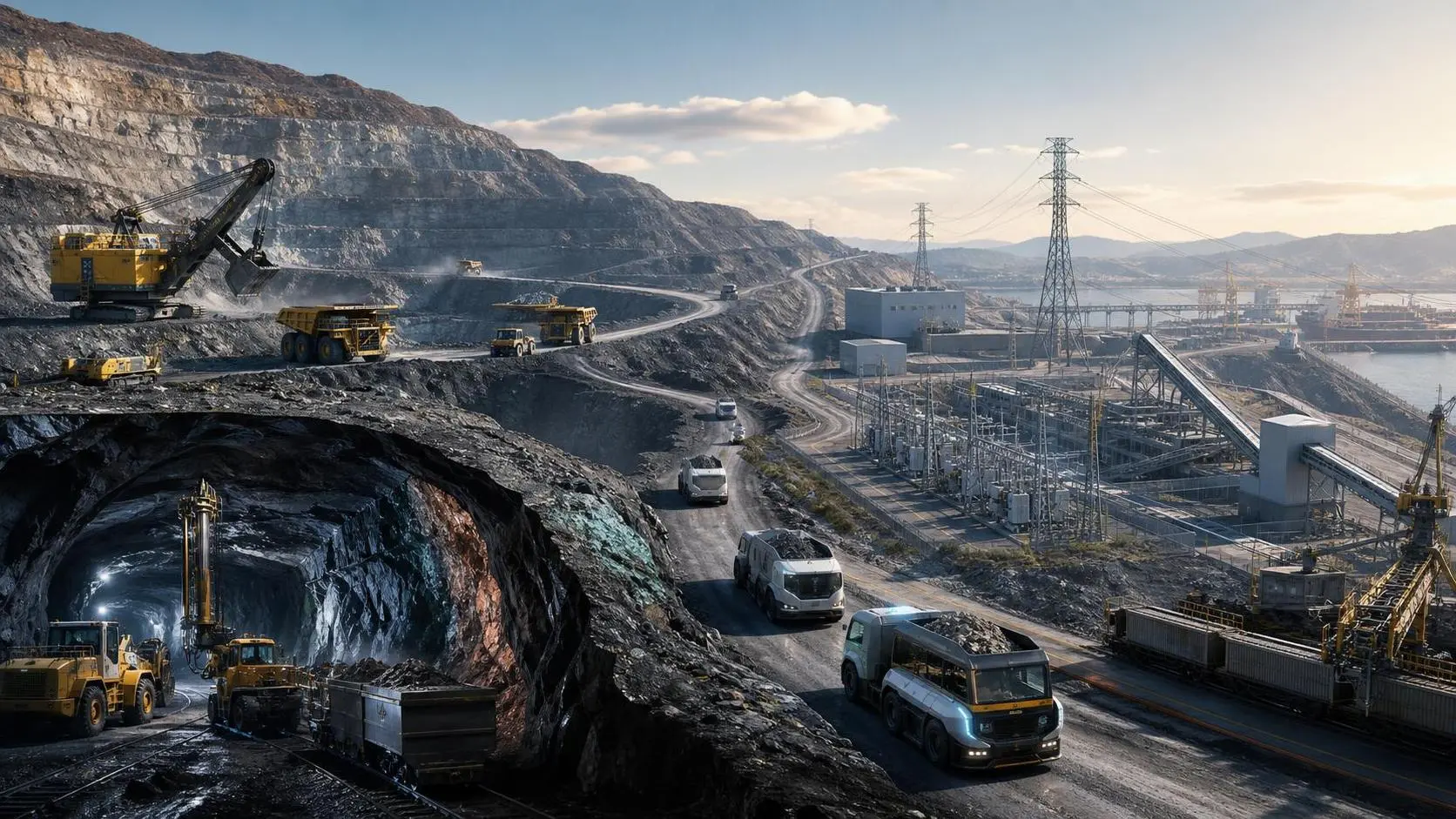
What Does Energy Metals Mining in Australia Mean for Supply, Cost, and Project Risk?
Energy metals mining Australia is reshaping supply, cost, and project risk. Discover what it means for buyers, investors, and operators.
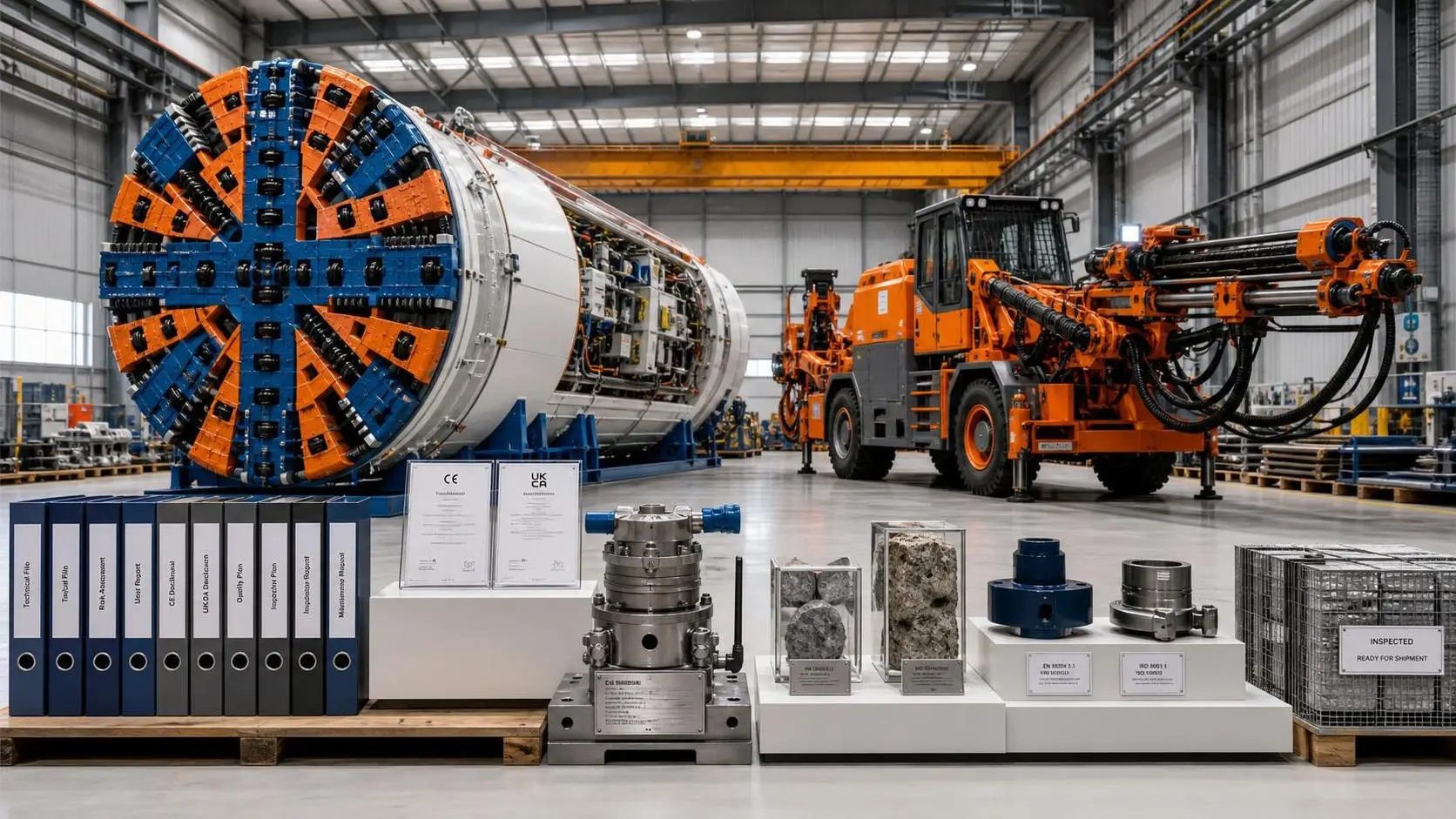
EU Eases Dual CE and UKCA Path for Chinese Tunnel Boring Equipment
EU eases CE and UKCA certification for Chinese tunnel boring equipment, cutting compliance time and helping importers move faster.
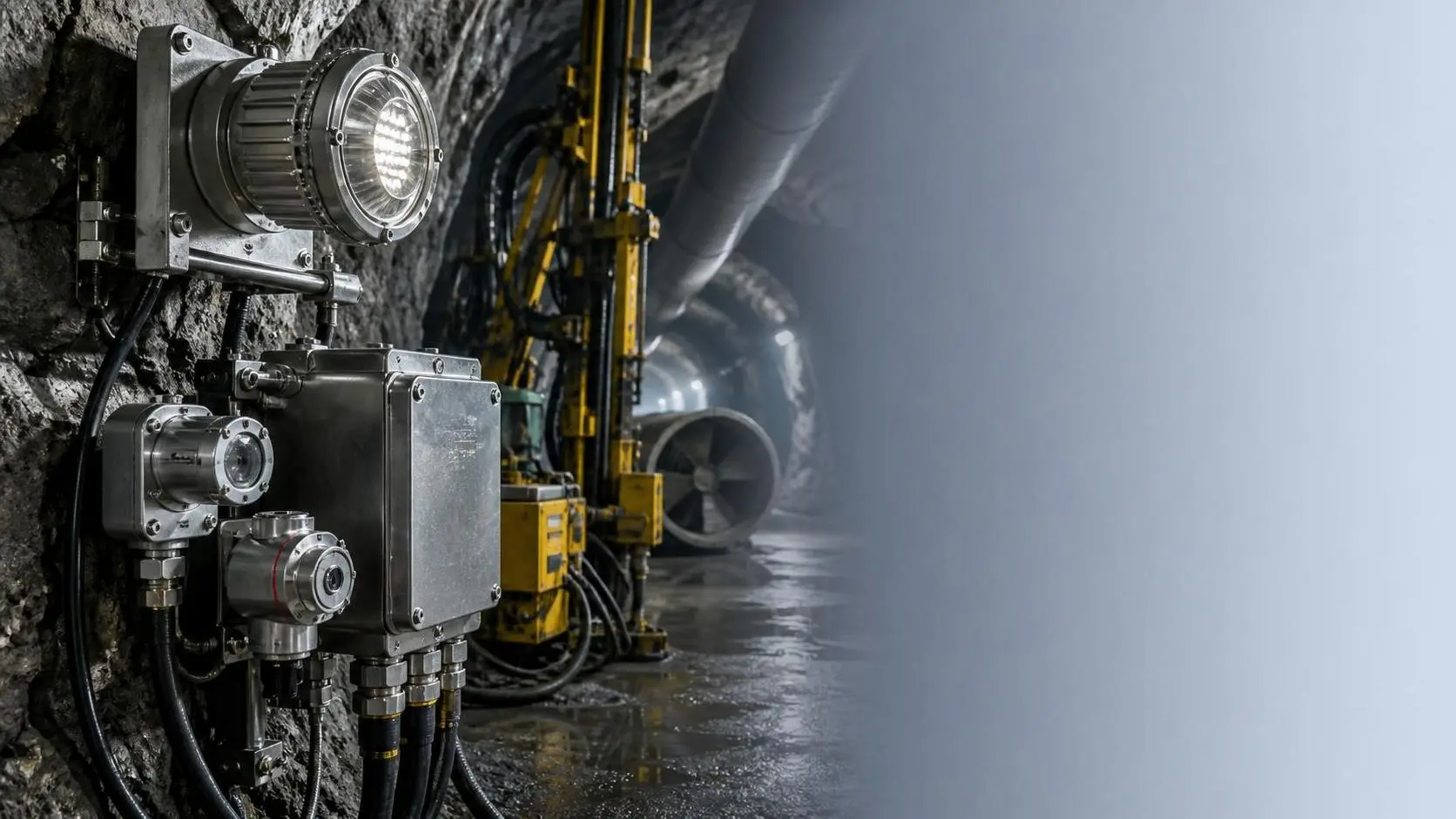
Flameproof Underground Safety Equipment: What Mine Teams Should Check Before Buying
Underground Safety Equipment flameproof buying guide: learn how mine teams should verify certification, durability, serviceability, and supplier support before purchase.
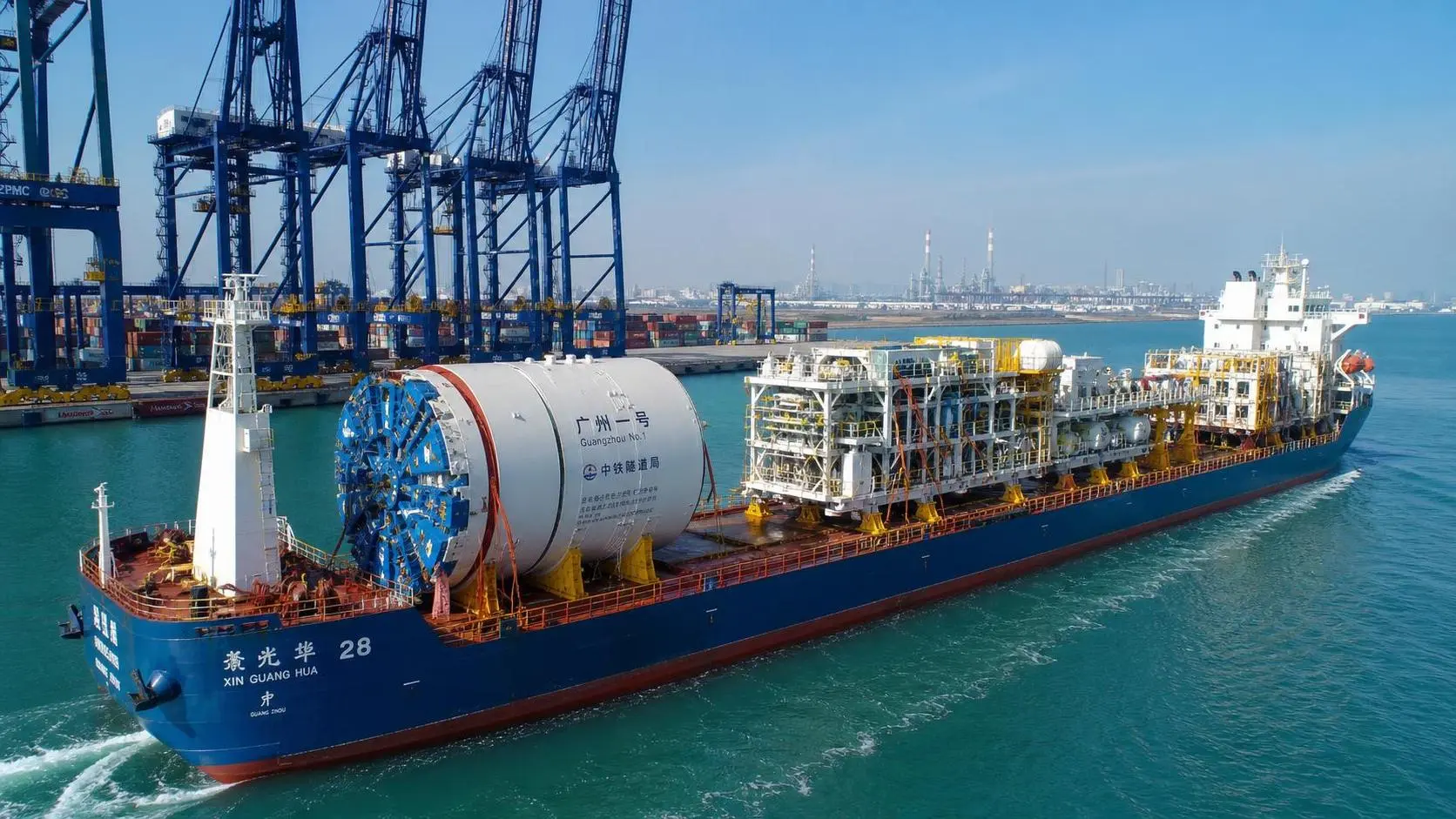
China-UAE Direct Sea Route Cuts TBM and Large Tunneling Equipment Lead Times
China-UAE direct sea route shortens TBM and large tunneling equipment lead times by 12–15 days, improving delivery predictability for major infrastructure projects. Read the full impact.
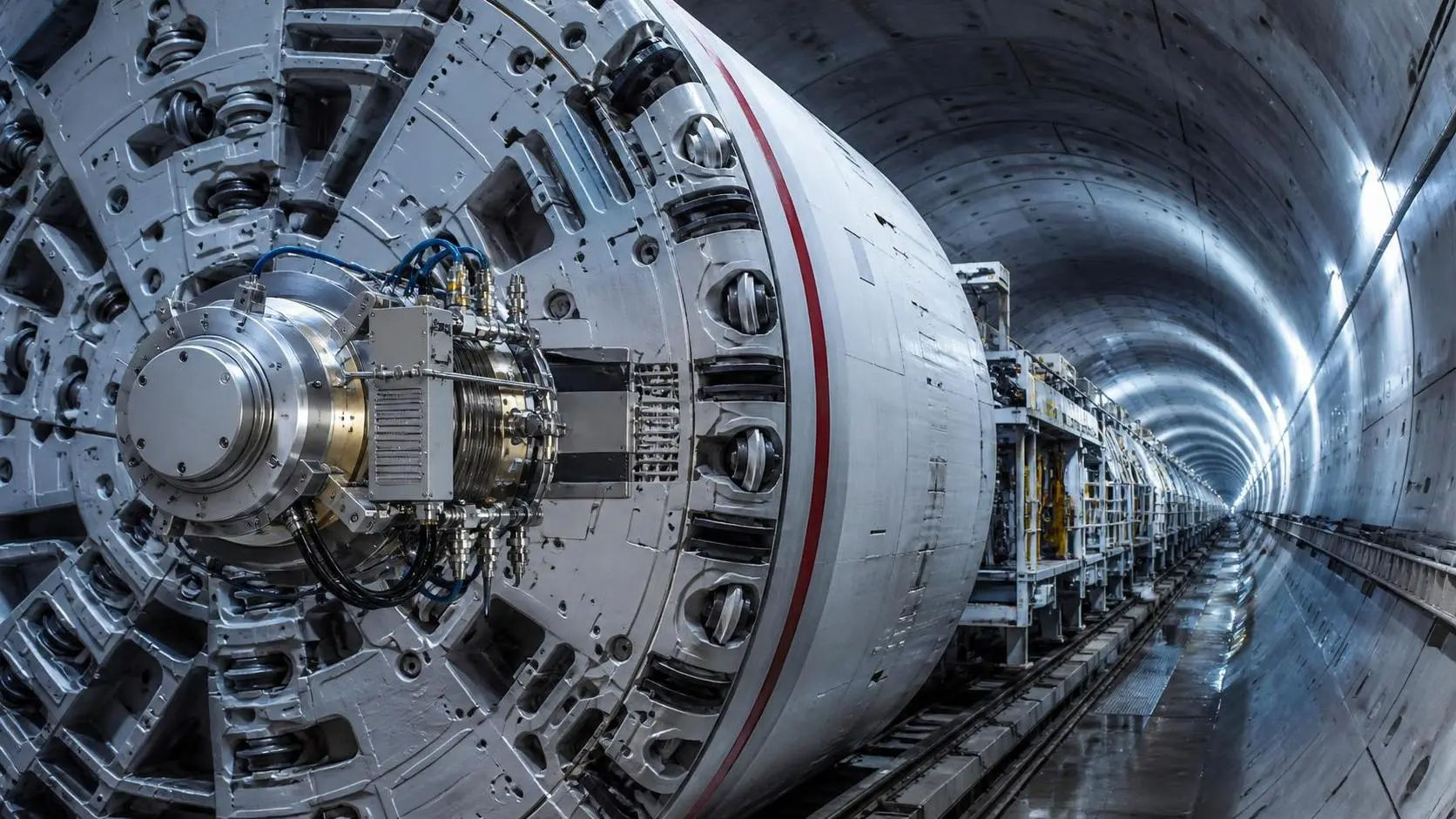
What Is a TBM Guidance System Gyroscope, and Why Does It Matter Underground?
TBM Guidance Systems gyroscope improves underground accuracy, reduces drift, and helps tunnel boring machines stay on line in harsh conditions.

China to Roll Out Nationwide Local and Foreign Currency Cash Pools for Multinationals on Sept. 14
China will roll out nationwide local and foreign currency cash pools for multinationals on Sept. 14, streamlining cross-border treasury management and boosting liquidity efficiency.
Related News
- 00
0000-00
How to Evaluate Articulated Dump Trucks Payload for Haul Road Conditions and Cycle Efficiency - 00
0000-00
How Pipe Fittings Material and Pressure Class Affect Water Line Selection - 00
0000-00
What Drives TBM Excavation Cost in Urban Tunneling Projects? - 00
0000-00
What Does Energy Metals Mining in Australia Mean for Supply, Cost, and Project Risk? - 00
0000-00
EU Eases Dual CE and UKCA Path for Chinese Tunnel Boring Equipment
Weekly Insights
Stay ahead with our curated technology reports delivered every Monday.