
Indonesia’s President Calls for State to Receive at Least 70% of Mining Proceeds





On November 14, 2026, Indonesian President Prabowo Subianto said all mining permits must ensure that at least 70% of proceeds go to the state. The measure is intended to maximize income from natural resources while Indonesia remains open to investors.
The proposed distribution puts the division of value between the state and mining companies at the center of the investment question. For domestic and foreign operators, its effect on profit margins and expected returns will depend on how the 70% requirement is defined and applied.
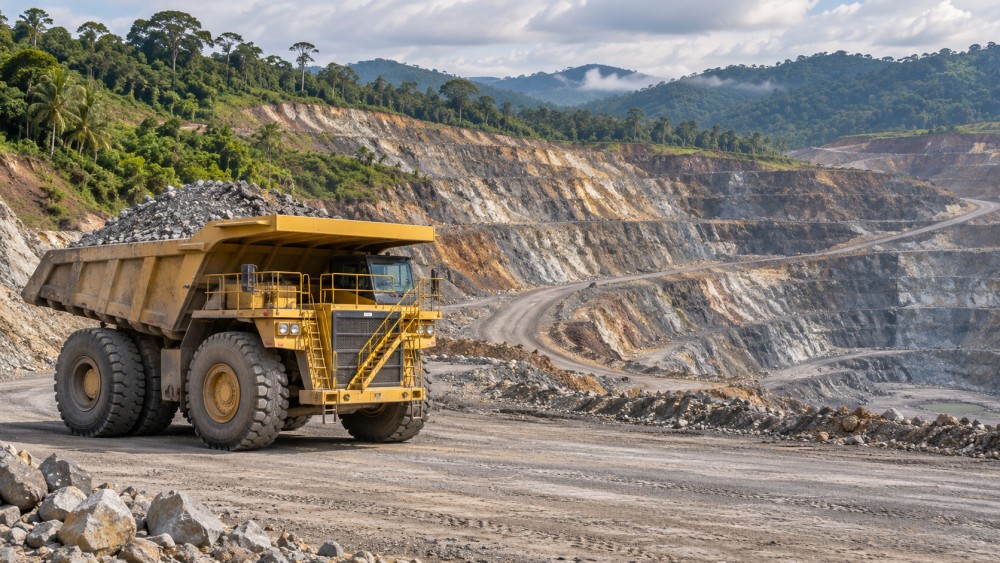
What the 70% requirement could mean for mining returns
The headline figure establishes a minimum share for the state, but its commercial effect depends on what counts as proceeds. A percentage applied to revenue would have different implications from one applied to profit or another measure of value. The treatment of operating costs and investment expenditure would also matter when assessing how much remains available to an operator.
Those distinctions are central to evaluating a mining project. Even where the same percentage applies, the effect on returns could differ according to a project’s costs and financial structure. The announcement therefore signals a potential change in how mining value is shared, while the figure alone does not establish the return an individual company would earn.
The president’s statement that Indonesia remains open to investors adds another dimension: the government is seeking a larger share of resource income while continuing to welcome investment. How those objectives fit together commercially will depend on the terms attached to mining permits and the way the requirement is put into practice.
What operators and investors will be watching
A key question is how the requirement will apply across mining permits, including whether its treatment differs for existing operations and future projects. Companies assessing potential returns would also need to understand which payments count toward the state’s share and how the relevant amount is calculated.
For an operating company, a change in the share of proceeds it retains could affect the funds available for its activities and the return expected from its investment. For a prospective investor, the same rules could shape the assessment of whether a project’s expected return justifies its costs. Neither outcome follows automatically from the stated percentage; both depend on the eventual terms.
Further official information on the calculation and application of the requirement will be important for assessing its practical effect. Company announcements could also clarify how individual operators assess any resulting changes to their projects.
Related News
Mega Tunnel Contractors: How to Evaluate Experience and Project Risks
Evaluate mega tunnel contractors with confidence. Learn how to assess relevant experience, ground risks, construction plans, and bid assumptions before award.
Hudson Tunnel Project’s Second TBM Begins Excavating South Tunnel
Hudson Tunnel Project’s second TBM begins south tunnel excavation. Explore what this milestone could mean for contractors and suppliers.
How Bolting Jumbo Automation Works in Underground Rock Support
Explore how bolting jumbo automation coordinates drilling and rock support, and discover what to assess for safer, more consistent underground operations.
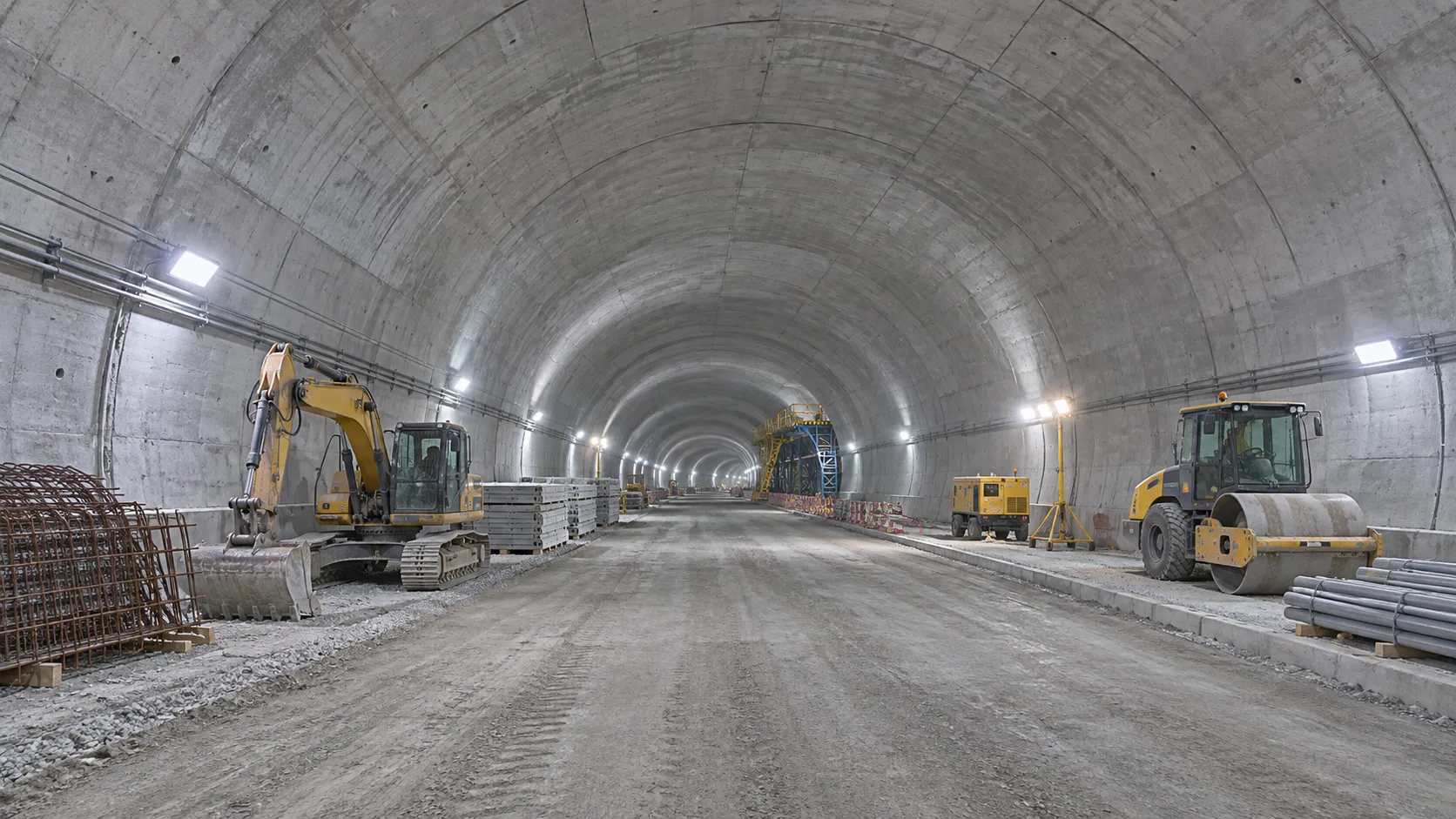
China’s Transport Ministry Issues Highway Tunnel Upgrade Standard
China’s highway tunnel upgrade standard takes effect December 1, 2026. Explore potential implications for contractors, project owners and equipment suppliers.
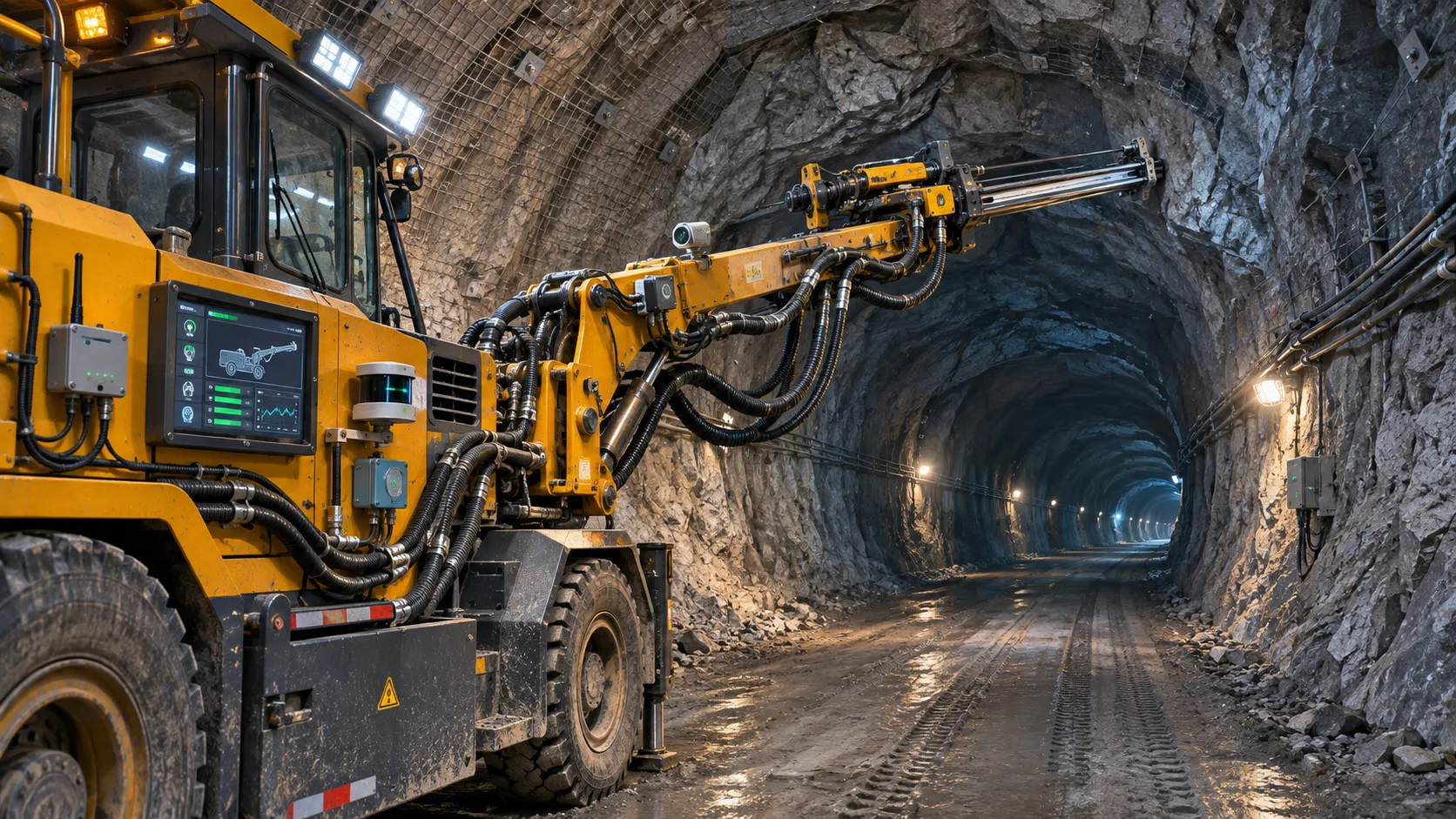
Smart Underground Mining Analytics: Using Equipment Data to Reduce Downtime
Smart underground mining analytics turns equipment data into actionable insights. Discover how to reduce downtime and improve maintenance decisions.
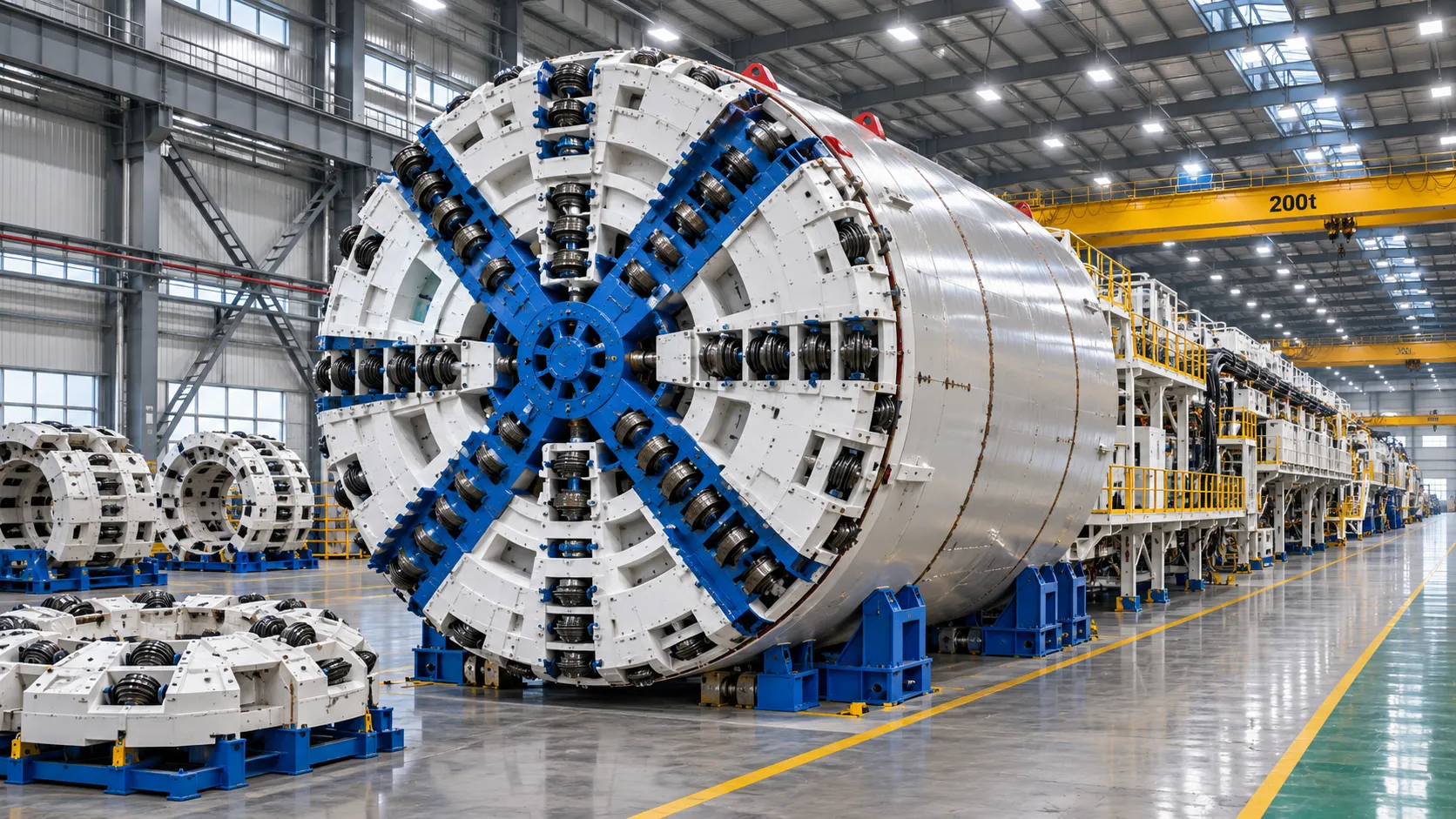
Three Export Control Notices Take Effect November 18, Adding Tunnel Boring Machines
China export controls add tunnel boring machines to the dual-use list. Explore potential licensing implications for equipment, components and project delivery.
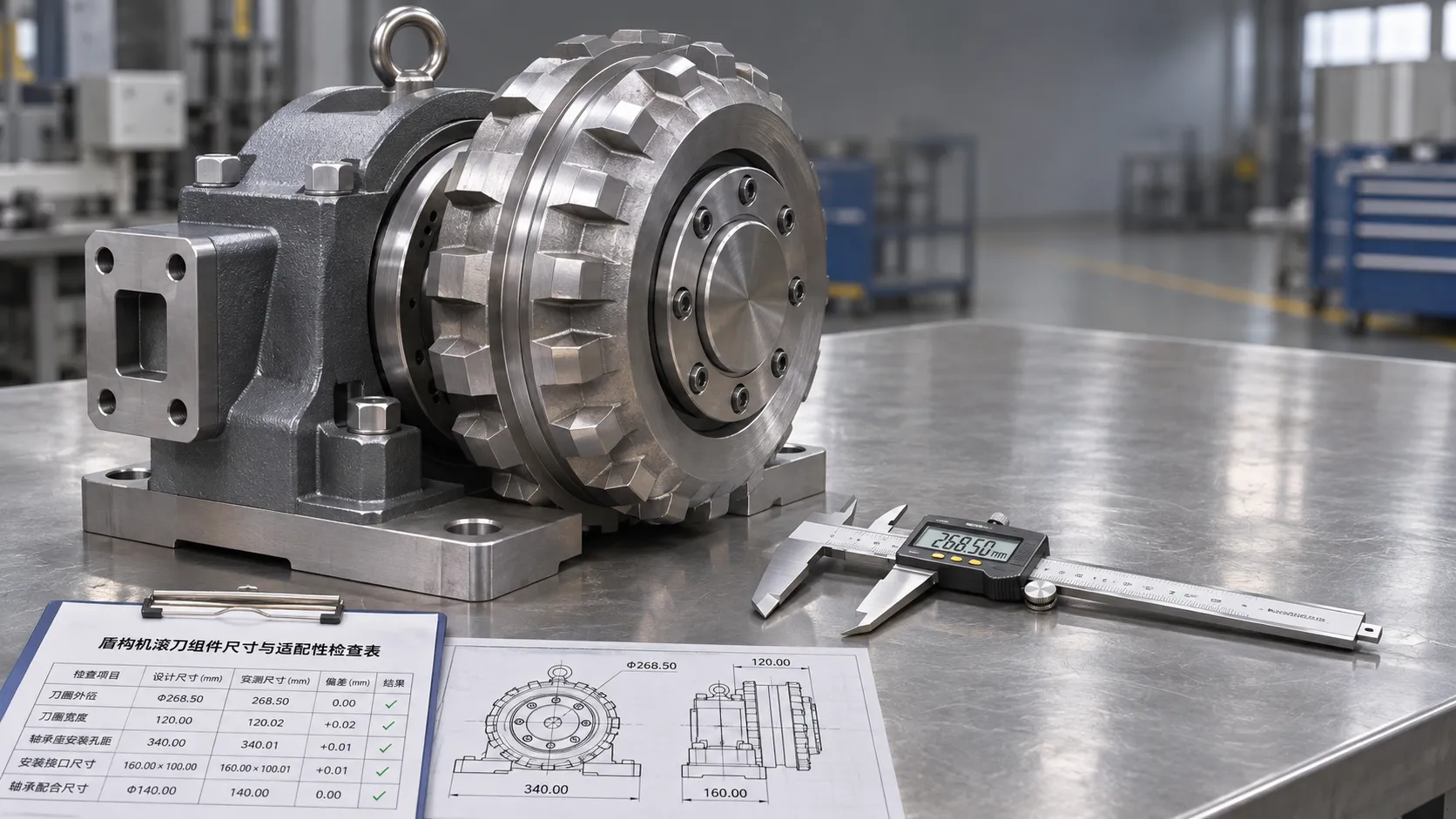
Choosing a TBM Components Supplier: Lead Times, Quality and Compatibility
Choose a TBM components supplier with confidence. Compare lead times, quality evidence and compatibility to reduce procurement risk and keep your project moving.
How Autonomous LHD Collision Avoidance Works in Underground Mines
Discover how autonomous LHD collision avoidance combines sensing, positioning and braking to manage underground hazards and support safer mine operations.
Mining Equipment Market Could Reach $19.42 Billion by 2033, Report Says
Mining equipment market could reach $19.42 billion by 2033. Explore how electrification, automation and surface mining demand are shaping the industry's outlook.
Related News
- 00
0000-00
Mega Tunnel Contractors: How to Evaluate Experience and Project Risks - 00
0000-00
Hudson Tunnel Project’s Second TBM Begins Excavating South Tunnel - 00
0000-00
How Bolting Jumbo Automation Works in Underground Rock Support - 00
0000-00
China’s Transport Ministry Issues Highway Tunnel Upgrade Standard - 00
0000-00
Smart Underground Mining Analytics: Using Equipment Data to Reduce Downtime
Weekly Insights
Stay ahead with our curated technology reports delivered every Monday.