
Key Procurement Considerations for Overseas Buyers Sourcing Bucket Chain Diamond Dredgers in 2026





Material Compatibility and Feed Size Range
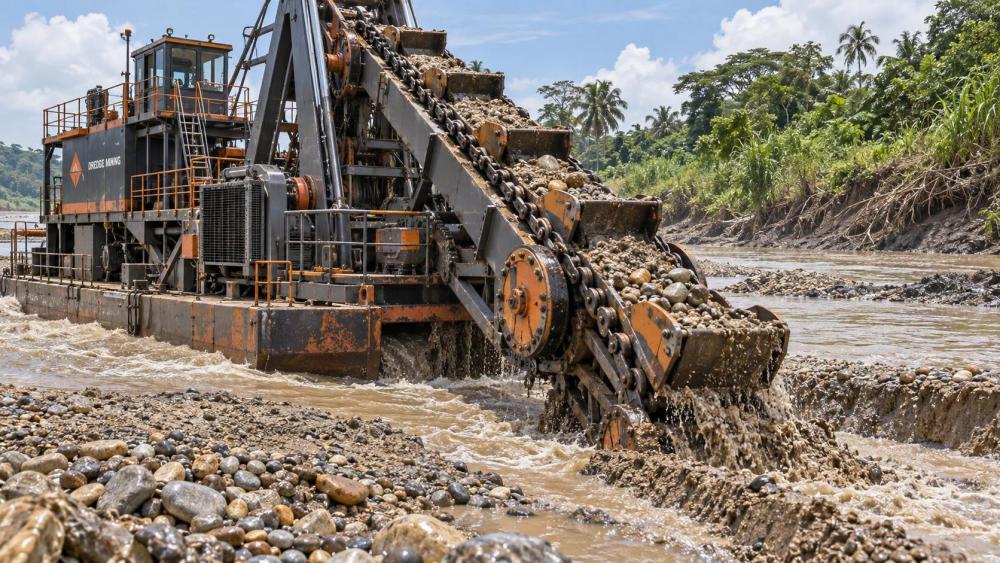
Bucket chain diamond dredgers operate in highly variable alluvial environments—gravel beds with embedded boulders, clay-rich riverbanks, or consolidated diamond-bearing gravels where material hardness and particle distribution directly affect dredger longevity and recovery efficiency. Overseas buyers often underestimate how feed size distribution impacts bucket chain wear and drive torque requirements. A unit rated for 300 mm maximum lump size may suffer premature sprocket deformation when fed consistent 250–280 mm angular quartzite fragments, even if within nominal spec. The critical factor is not just the upper limit, but the proportion of near-limit material in the feed stream. In practice, dredgers deployed in West African riverbeds with high cobble content require hardened alloy sprockets and reinforced bucket hinges—features rarely included in base configurations. Buyers should request sieve analysis reports from the supplier’s test site, not just lab-scale simulations, and verify whether bucket pitch, chain tensile strength, and drive motor overload capacity are matched to the reported field conditions.
Drive System Redundancy and Maintenance Access
Unlike suction or hydraulic dredgers, bucket chain systems rely on continuous mechanical power transmission across long chains, multiple sprockets, and heavy-duty gearboxes. A single point failure—such as a seized idler bearing or misaligned tensioner—can halt operations for days if spare parts are not pre-positioned or if access panels require full disassembly. Overseas procurement teams frequently prioritize initial cost over service architecture, overlooking that maintenance intervals for drive components shrink significantly in high-humidity, salt-laden coastal zones or silica-dust-heavy inland sites. Suppliers offering modular gearbox housings, quick-release chain tensioners, and standardized bearing sets (ISO 281-compliant, not proprietary) reduce mean time to repair by 40–60% in third-party field assessments. Confirm whether lubrication points are accessible without lifting equipment, and whether chain replacement requires removal of the entire conveyor frame—or just localized sectioning.
Slurry Handling Capacity vs. Diamond Recovery Yield
Rated throughput (e.g., “80 m³/h”) is only meaningful when correlated with actual diamond liberation characteristics of the target deposit. A bucket chain diamond dredger processing coarse, well-liberated gravels at 60 m³/h may recover 92% of >1 mm stones; the same unit running at 80 m³/h on fine-clay matrix material may yield less than 65% due to screen blinding and reduced settling time in the jigging stage. Buyers must cross-reference dredger capacity claims against published recovery curves—not marketing sheets—with particular attention to the cut-point (d₅₀) and sharpness index of the integrated separation system. Units integrating multi-stage jigs with adjustable stroke frequency and variable deck inclination allow operators to tune recovery for specific stone size ranges. This adaptability matters more than peak volumetric rating when sourcing for diverse exploration licenses across southern Africa or South America.
Structural Corrosion Protection Beyond Paint
Standard epoxy-polyamide coatings fail rapidly on submerged chain sections in brackish estuaries or sulfide-rich sediments. Buyers specifying dredgers for long-term deployment should require evidence of cathodic protection integration—zinc anodes on submerged structural members, conductive grounding paths for electrical continuity, and ASTM B117 salt-spray test reports for coated chain links exceeding 1,500 hours. Galvanized buckets alone are insufficient: zinc spalling occurs under abrasive impact, exposing underlying steel. More robust solutions include thermally sprayed aluminum (TSA) on load-bearing surfaces or duplex stainless-steel chain pins (e.g., UNS S32205), which maintain hardness and corrosion resistance after repeated impact cycles. Request material certifications—not just supplier declarations—and verify whether coating thickness measurements were taken per ISO 2808 using magnetic induction gauges on representative production parts.
Documentation Package and On-Site Commissioning Scope
Procurement contracts often omit enforceable clauses around documentation completeness and commissioning validation. A compliant package includes as-built drawings with GD&T annotations for chain alignment tolerances, calibrated torque values for all high-strength fasteners (ASTM A325/A490), and traceable calibration certificates for onboard flow meters and density sensors. For overseas buyers, it’s essential to define whether commissioning includes functional testing under simulated load (not just no-load rotation), verification of emergency stop response time (<250 ms), and operator training delivered in English with bilingual maintenance manuals. Some suppliers offer remote monitoring integration (Modbus TCP or MQTT), but interoperability with existing SCADA platforms must be confirmed prior to shipment—not during installation.
Supplier Production Capacity and Lead-Time Realism
In 2026, lead times for custom-configured bucket chain diamond dredgers range from 22 to 36 weeks, depending on gearbox sourcing, control panel certification (IEC 61800-5-1 for hazardous areas), and availability of specialized castings. Buyers who accept “16-week delivery” promises without reviewing the supplier’s current order backlog risk extended delays—especially if the unit requires ATEX or IECEx certification for operation in explosive atmospheres. Verify production capacity through factory audit reports (not self-declared capacity charts) and ask for evidence of recent shipments to comparable geographies: units delivered to Ghanaian mining consortia, for example, reflect real-world logistics and compliance experience more reliably than references from domestic infrastructure projects. Also confirm whether fabrication occurs in a single facility or across subcontracted foundries—multi-tier casting introduces variability in heat treatment consistency and NDT coverage.
Integration Readiness for Local Power and Control Infrastructure
Many bucket chain diamond dredgers are designed for 400 V / 50 Hz industrial grids. When deployed in regions with unstable voltage (±15% fluctuation) or 60 Hz supply, undervoltage lockouts or inverter overheating can cause repeated shutdowns unless the drive system incorporates wide-input-range rectifiers and derated cooling. Similarly, PLC-based control systems configured for Profibus DP may not interface with Modbus RTU SCADA networks common in Latin American operations without protocol gateways—adding cost and latency. Buyers should specify input voltage tolerance, harmonic distortion limits (IEC 61000-3-12), and native communication protocols upfront. Units with dual-voltage transformers and configurable I/O modules reduce integration risk and avoid costly field retrofits.
For procurement teams evaluating technical specifications against operational reality, the bucket chain diamond dredger page provides verified configuration options—including chain pitch variants, drive motor duty cycles, and separation module compatibility—aligned with documented field performance across sediment types and ambient conditions.
Related News
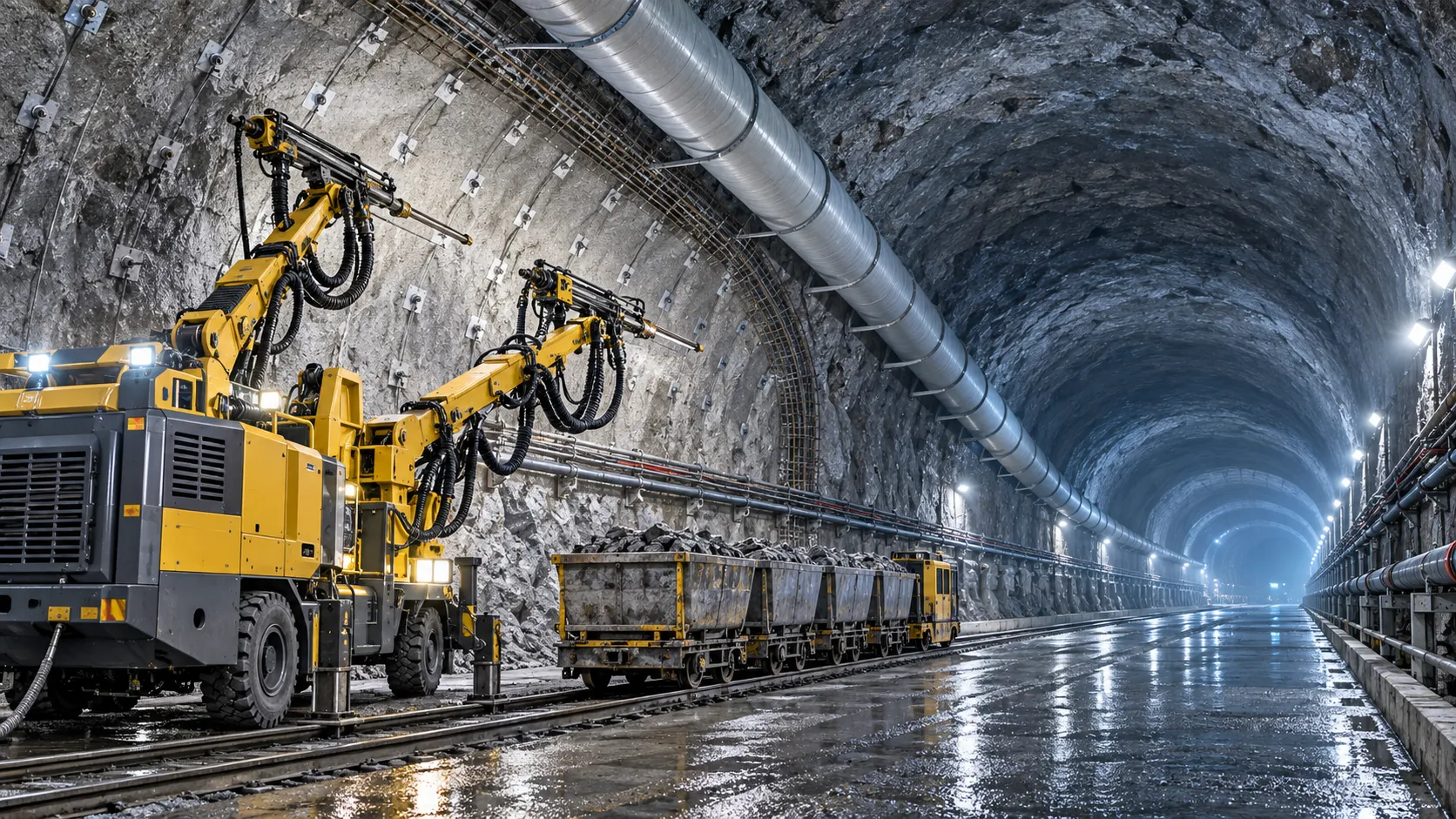
How to Evaluate European Drill-and-Blast Tunnelling Contractors for Complex Projects
Drill and blast tunnelling contractors Europe: learn how to assess geology expertise, blast control, equipment reliability, safety, and programme resilience for complex projects.
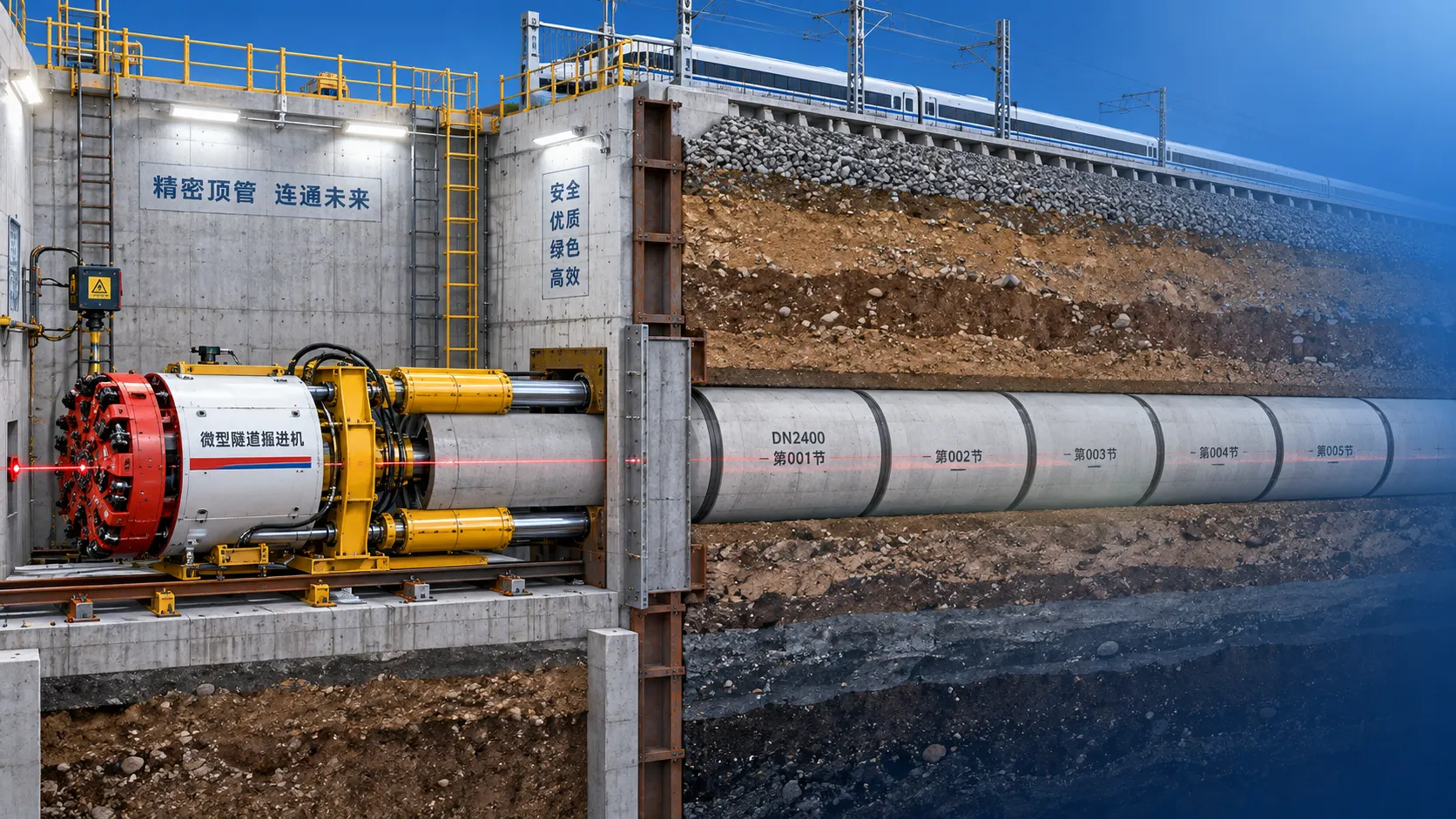
Which Trenchless Construction Technique Fits Your Utility Crossing Conditions?
Trenchless construction techniques compared for utility crossings: choose HDD, microtunnelling, pipe jacking, or auger boring based on ground, accuracy, access, and risk.
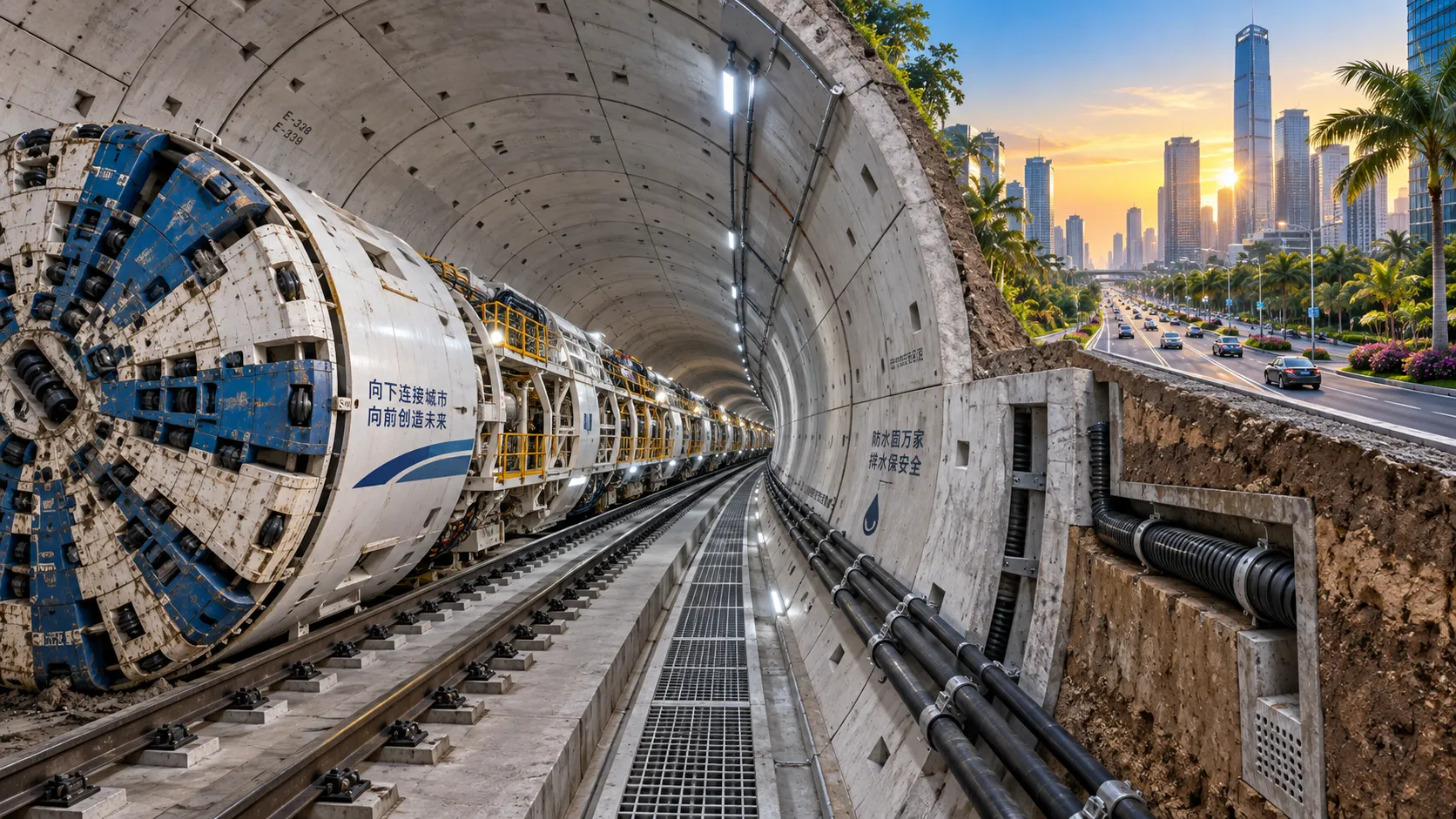
What Is Driving Metro Tunnelling Demand Across Southeast Asia’s Major Cities?
Metro tunnelling Southeast Asia is accelerating as major cities tackle congestion, flooding, and connectivity. Explore the market forces, technical risks, and opportunities shaping demand.
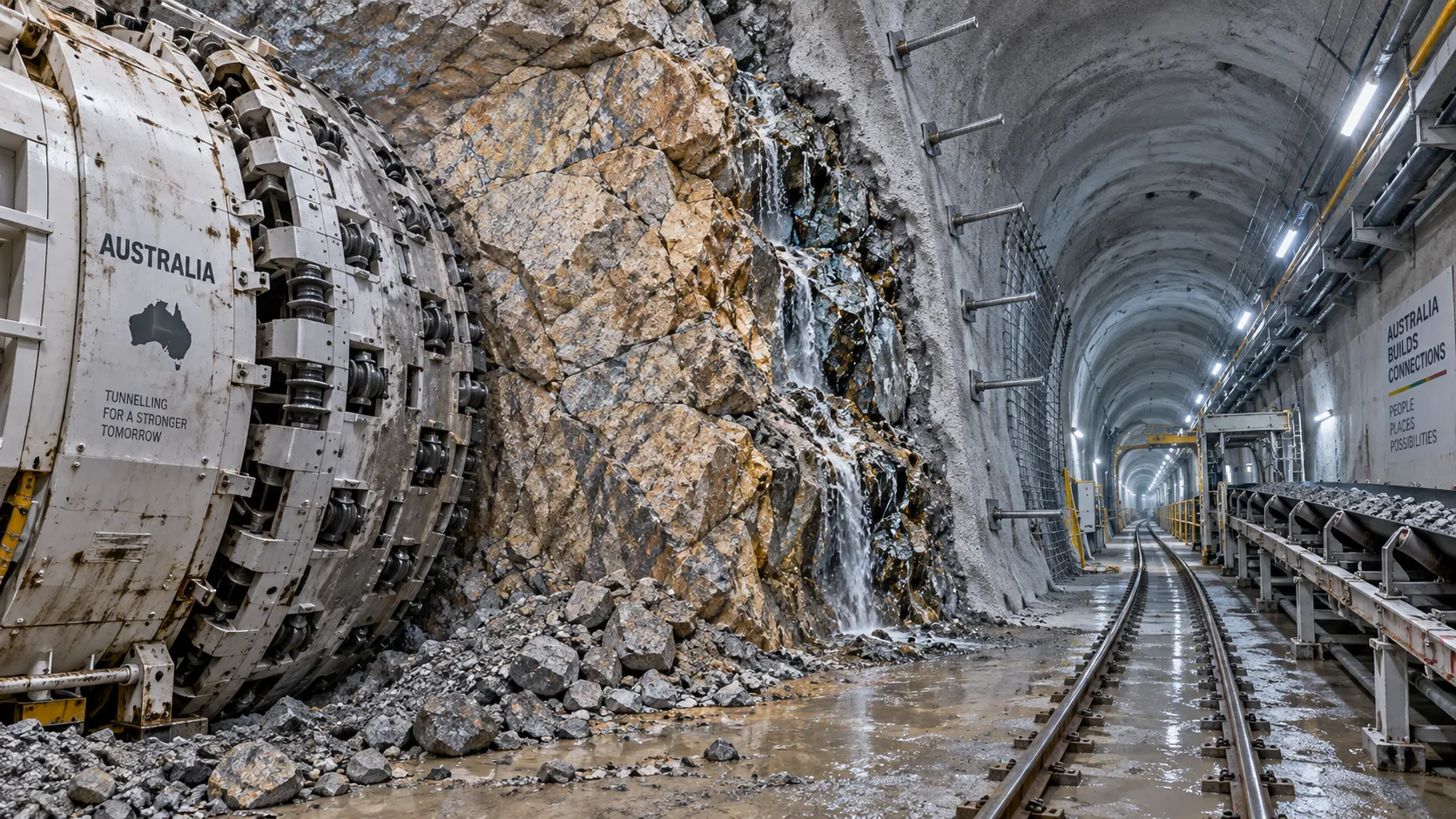
Hard Rock Tunnelling in Australia: Selecting Methods for Variable Ground Conditions
Hard rock tunnelling in Australia: compare TBM, drill-and-blast and hybrid methods to manage variable ground, reduce risk and protect project costs.
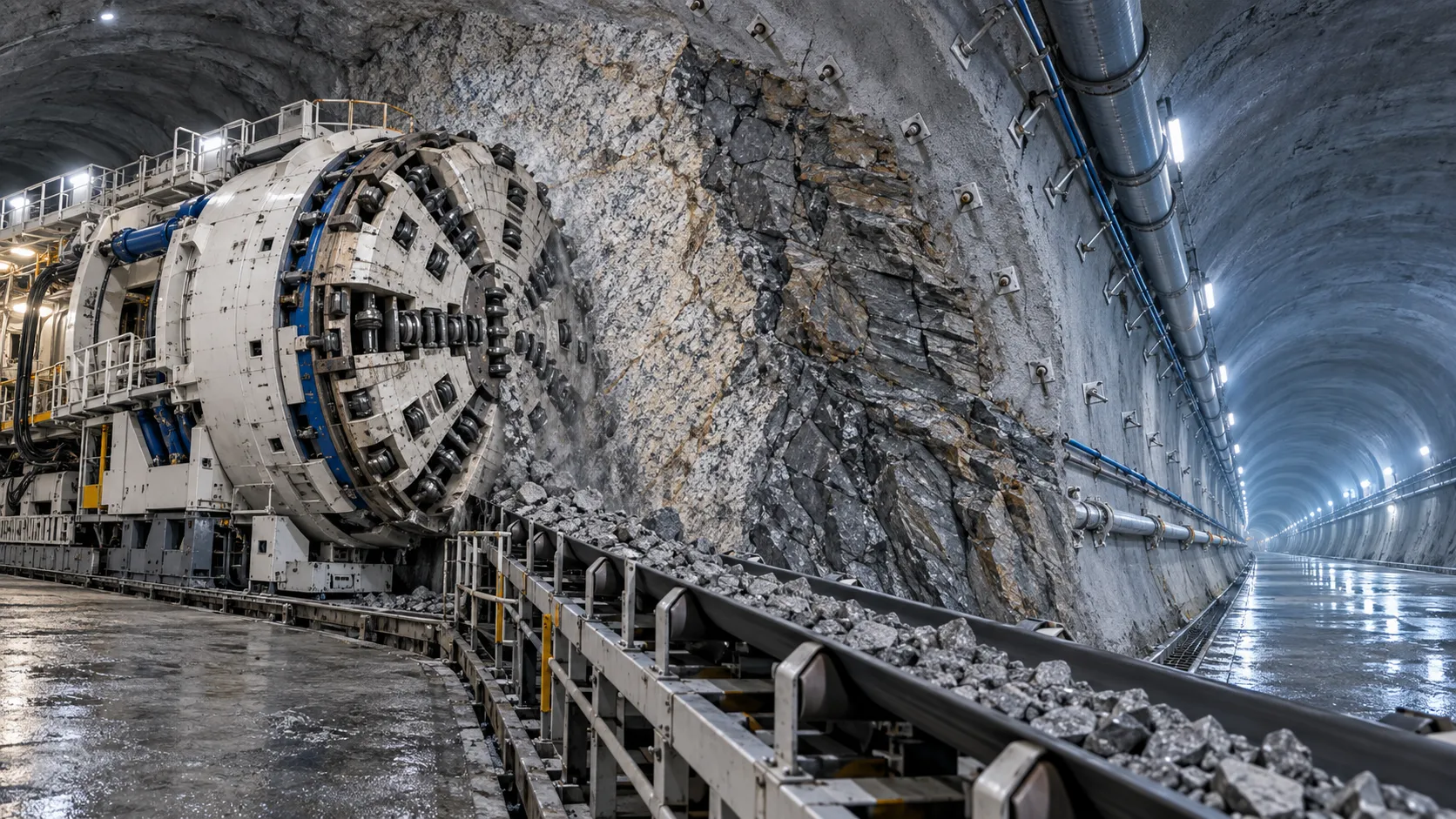
Hydropower Tunnel Excavation: Selecting Methods for Variable Rock Conditions
Hydropower tunnel excavation methods for variable rock conditions: compare TBM, drill-and-blast, and hybrid strategies to improve safety, progress, and project control.
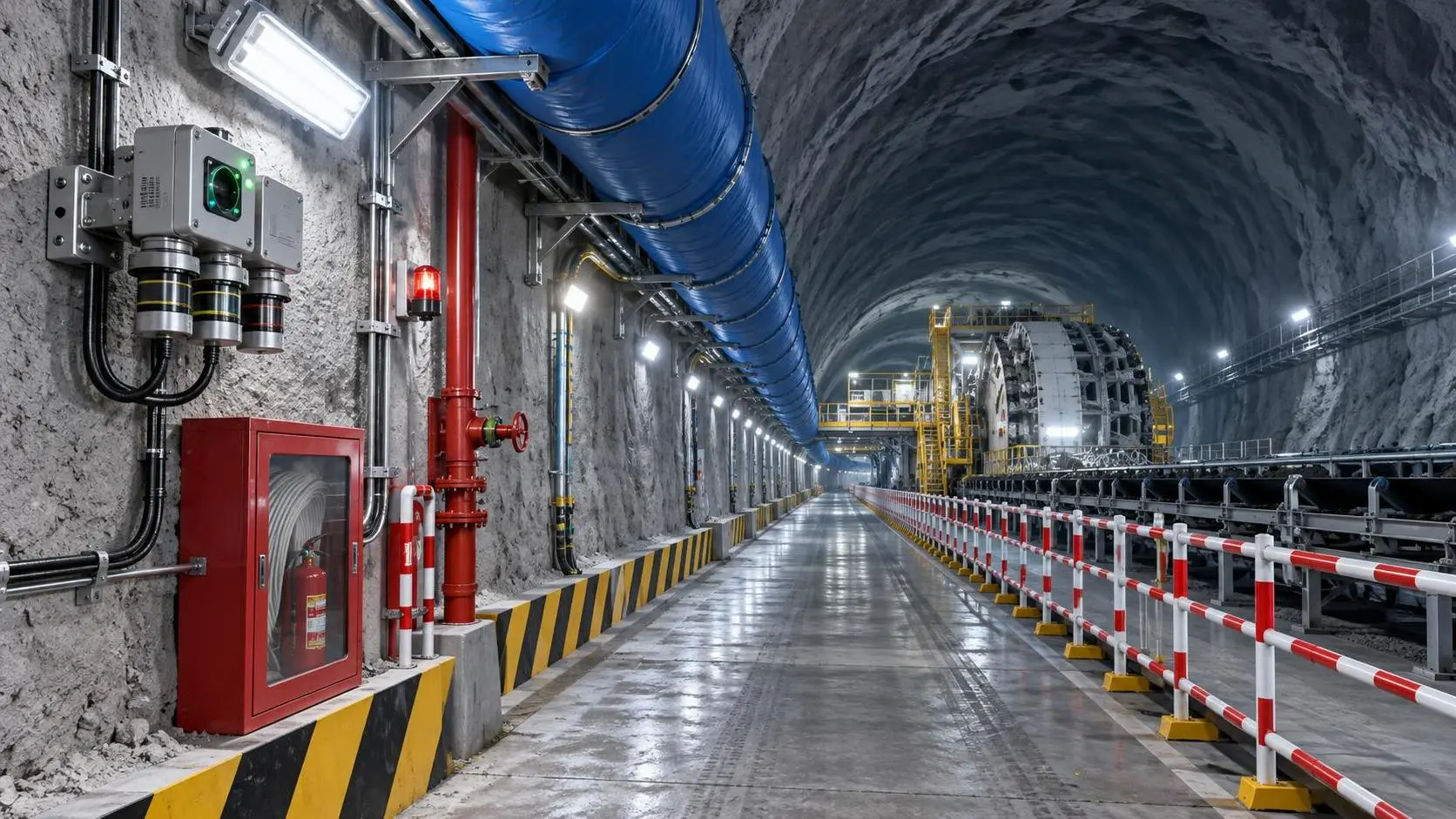
How to Select Underground Safety Equipment for Tunnelling by Hazard and Work Zone
Underground Safety Equipment for tunnelling: match protection to hazards, work zones, compliance, and emergency needs with this practical selection guide.
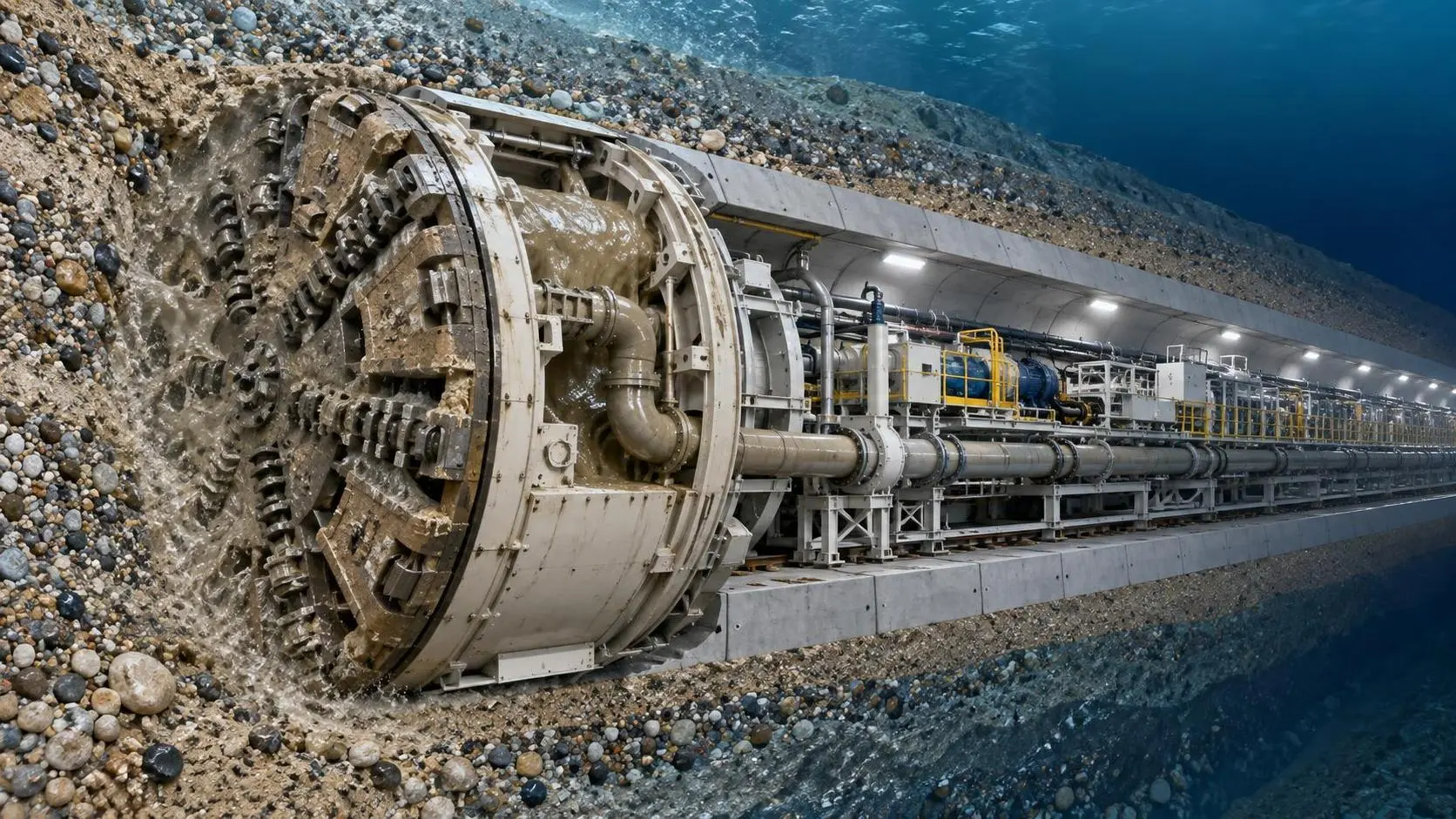
EPB or Slurry Shield? Selecting Soft-Ground Tunnelling Equipment by Soil Conditions
Tunnel Excavation Equipment for soft ground: compare EPB and slurry shields by soil, groundwater, settlement risk, and project logistics to choose confidently.
How to Specify TBM Backup System Parts for Reliable Long-Distance Tunnelling
TBM backup system parts: learn how to specify reliable spares for long-distance tunnelling, reduce downtime, ensure compatibility, and speed underground recovery.

How to Size Open Pit Mining Trucks for Haul Distance, Grade, and Payload?
Open Pit Mining Trucks: learn how to match payload, haul distance, grade, road resistance, and loading capacity for safer, lower-cost mine operations.
Related News
- 00
0000-00
How to Evaluate European Drill-and-Blast Tunnelling Contractors for Complex Projects - 00
0000-00
Which Trenchless Construction Technique Fits Your Utility Crossing Conditions? - 00
0000-00
What Is Driving Metro Tunnelling Demand Across Southeast Asia’s Major Cities? - 00
0000-00
Hard Rock Tunnelling in Australia: Selecting Methods for Variable Ground Conditions - 00
0000-00
Hydropower Tunnel Excavation: Selecting Methods for Variable Rock Conditions
Weekly Insights
Stay ahead with our curated technology reports delivered every Monday.