
What Affects Underground Communication Reliability in Mines and Tunnels?





Underground communication reliability in mines and tunnels is shaped by much more than raw signal power. Rock mass conditions, tunnel geometry, mobile equipment, dust, moisture, and power continuity all influence whether voice, telemetry, and control links remain available when operations depend on them most.
That matters more now because underground projects are becoming more automated, more electrified, and more data-driven. In TBM drives, pipe jacking works, drill-and-blast headings, and deep mining haulage, communication quality increasingly affects safety, uptime, and decision speed.
Why reliability has become a core underground issue
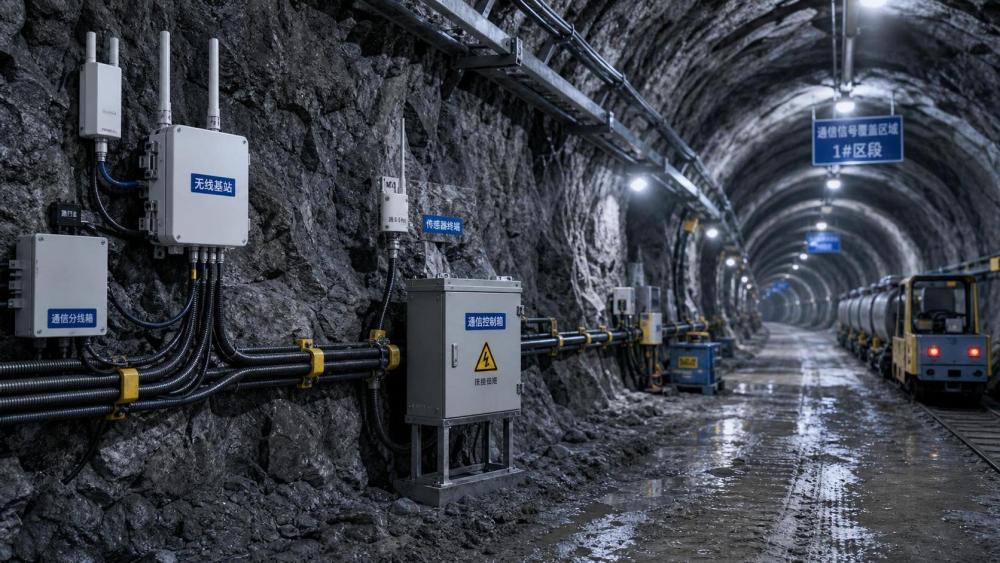
Underground work has always been physically hostile to communications. What has changed is the operational dependence on connected systems.
A modern tunnel or mine now relies on live coordination between people, machines, sensors, ventilation controls, fleet systems, and control rooms.
When underground communication reliability drops, the problem is not limited to poor audio. It can delay dispatching, weaken equipment visibility, interrupt remote diagnostics, and reduce confidence in automated workflows.
This is especially relevant across the UTMD landscape. TBMs need stable links for monitoring and machine health. Pipe jacking operations depend on precise positional feedback. Underground LHDs and battery-electric fleets need dependable data paths for safe movement in confined spaces.
What underground communication reliability really means
In practical terms, underground communication reliability means that critical information arrives consistently, with acceptable delay, and without harmful loss.
That includes voice calls during emergencies, telemetry from mobile assets, video from inspection points, and command signals for remote or semi-autonomous equipment.
A system may show strong signal levels and still perform poorly. Reliability depends on continuity, redundancy, latency, interference resistance, and recoverability after disruption.
In other words, the main question is not whether a network works in ideal conditions. It is whether it keeps working through blasting cycles, advancing headings, vehicle movement, water ingress, and power fluctuations.
Geology and layout often set the first limits
Rock is not a neutral environment for radio or wired infrastructure. Different formations absorb, reflect, and scatter signals in different ways.
High moisture content, metallic mineralization, fractured zones, and changing cross-sections can all degrade underground communication reliability.
Tunnel geometry matters just as much. Straight drives behave differently from curved drifts, shafts, junctions, declines, and branching mine levels.
Blind corners and segmented linings can create dead zones. Long development headings may stretch network extension plans faster than expected.
This is why communication design should follow the excavation sequence, not just the project map. Reliability changes as the underground space evolves.
Common layout-related constraints
- Frequent turns that block line-of-sight transmission
- Advancing faces that move beyond current network reach
- Vertical transitions between levels or shaft stations
- Temporary support zones that complicate cable routing
Machines, movement, and interference add another layer
Underground networks operate around large steel structures, rotating equipment, hydraulic systems, and high-current electrical loads.
TBMs, drilling jumbos, locomotives, LHD loaders, and service vehicles can obstruct paths, create electromagnetic noise, or physically damage network components.
Mobile assets also change the communication environment minute by minute. A stable link during maintenance downtime may become unstable during peak haulage or face activity.
For remote operations, this is critical. A short interruption may be manageable for reporting data, but unacceptable for teleoperation, collision avoidance, or emergency coordination.
As electrification expands, especially in battery-powered underground fleets, communication and energy systems become more tightly coupled. Charging areas, battery swap stations, and automated traffic logic all increase data dependence.
Environmental stress is a constant reliability test
Dust, water, vibration, heat, and corrosion rarely appear in network diagrams, yet they often decide real underground communication reliability.
Fine dust can contaminate enclosures and connectors. Water ingress can weaken seals, short components, or degrade cable performance over time.
Repeated vibration from blasting, drilling, and heavy traffic loosens mounts and connectors. Temperature swings may shorten equipment life or reduce battery performance in backup systems.
In many projects, failures are not caused by one dramatic event. They come from slow environmental wear that was not fully considered during deployment.
Physical conditions that deserve close attention
Power quality and network architecture are often underestimated
Communication systems underground are only as dependable as their supporting power and topology.
Unstable power, insufficient backup, poor grounding, and weak segmentation can turn a local fault into a wider outage.
This is one reason underground communication reliability should be evaluated as an infrastructure question, not merely as a device selection exercise.
Wired backbones, leaky feeder systems, fiber runs, Wi-Fi, LTE, and private 5G all have roles, but none is universally best. The right architecture depends on distance, mobility, bandwidth, latency, and maintainability.
For example, a long tunnel with fixed assets may benefit from a different design than a deep mine with moving loaders, frequent level changes, and expanding headings.
Where the issue appears across underground operations
The reliability question looks different depending on the operating context.
In mechanized tunnelling, the concern may center on machine monitoring, conveyor coordination, segment logistics, and emergency communication along the drive.
In trenchless work, space is tighter and access is limited, so maintainability becomes as important as coverage.
In underground mining, the stakes extend to dispatch, ventilation-on-demand, personnel tracking, autonomous haulage, and remote loading in hazardous areas.
That broad relevance explains why intelligence platforms such as UTMD track not only equipment trends, but also the digital conditions that allow advanced assets to perform as intended.
A practical way to compare scenarios
How to judge reliability before problems become visible
A useful assessment starts with operational criticality. Not every application needs the same reliability threshold.
Voice coordination, environmental sensing, vehicle telemetry, and remote control should be ranked separately. Their tolerance for delay or interruption is different.
It also helps to review change rates. A static refuge chamber link is easier to protect than communications in a rapidly advancing heading.
Field validation matters. Design assumptions should be tested against actual rock, traffic patterns, dust loading, and maintenance routines.
- Map communication needs by task, not by department
- Identify single points of failure in power and topology
- Check how fast the network can adapt to heading advance
- Review enclosure ratings, mounting methods, and service access
- Measure latency, packet loss, and recovery time, not only coverage
What deserves attention next
Underground communication reliability is becoming a strategic operational metric. It now influences how safely and efficiently underground assets can be electrified, automated, and remotely managed.
For that reason, the most useful next step is to evaluate communications alongside excavation methods, fleet plans, power design, and digital control goals.
A project that expects TBM automation, remote LHD control, or connected mine logistics should define reliability criteria early, then test them against real underground conditions.
That approach makes it easier to compare technologies, identify hidden constraints, and build an underground network that supports operations instead of merely following them.
Related News
How to Evaluate Pipe Jacking Equipment for Municipal Sewer and Utility Projects
Pipe jacking equipment for municipal projects: learn how to compare machine type, steering, spoil handling, safety, and lifecycle cost for reliable sewer and utility installation.
How YLCSD300 Cutter Suction Dredger Parameters Affect River Dredging Output
YLCSD300 cutter suction dredger output depends on cutter, pump, pipe, depth, and hull balance. Learn how river conditions shape real dredging performance before you buy.
What Should a Mine Decarbonization Roadmap Include to Cut Emissions Without Hurting Output?
Mine decarbonization roadmap essentials: learn how to cut mining emissions with phased electrification, ventilation planning, and infrastructure readiness—without sacrificing output.
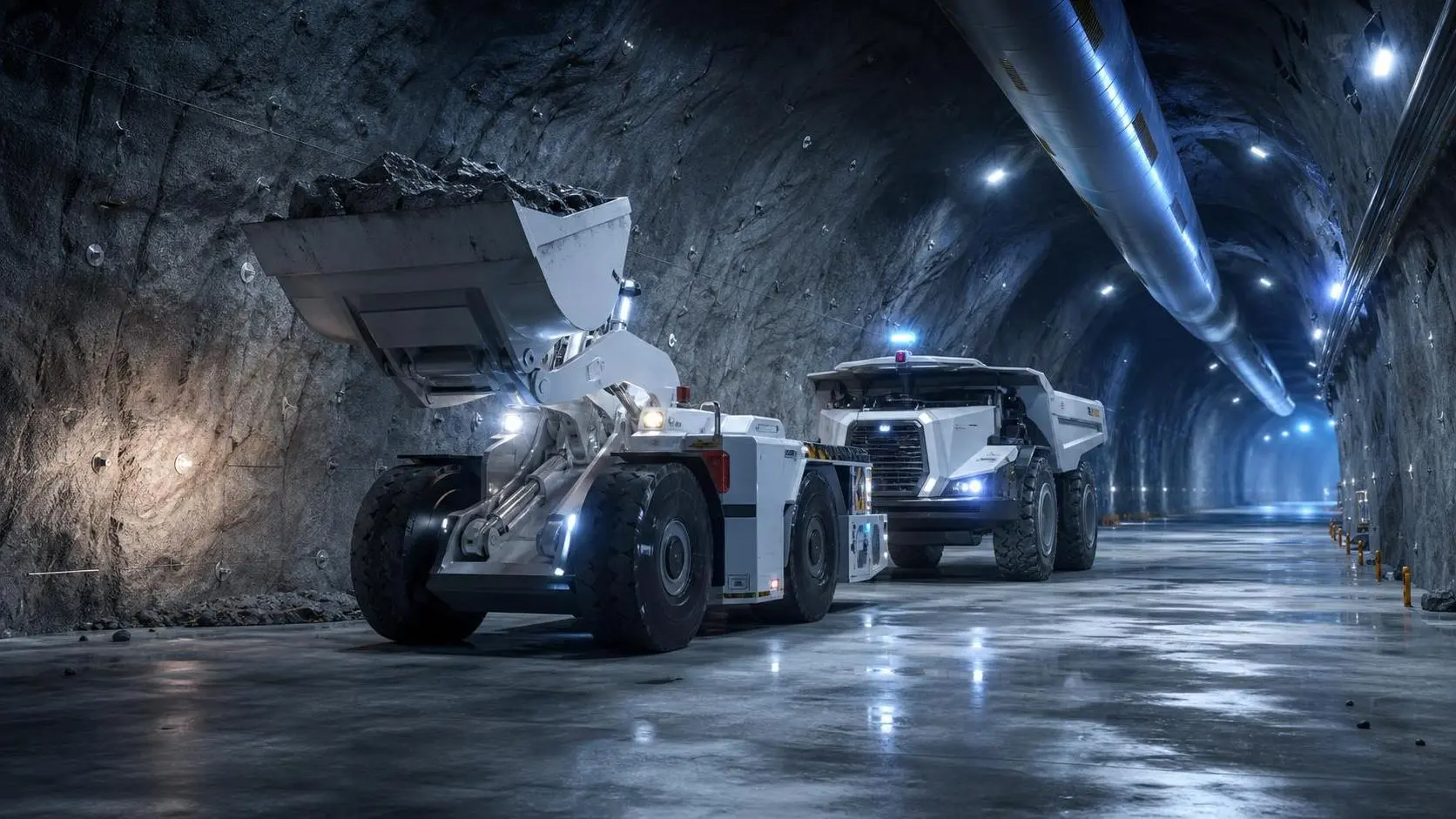
How to Evaluate Underground Mine Automation Companies for Safety and ROI
Underground mine automation companies vary widely in safety, interoperability, and ROI. Learn how to compare vendors, reduce deployment risk, and choose a scalable solution.
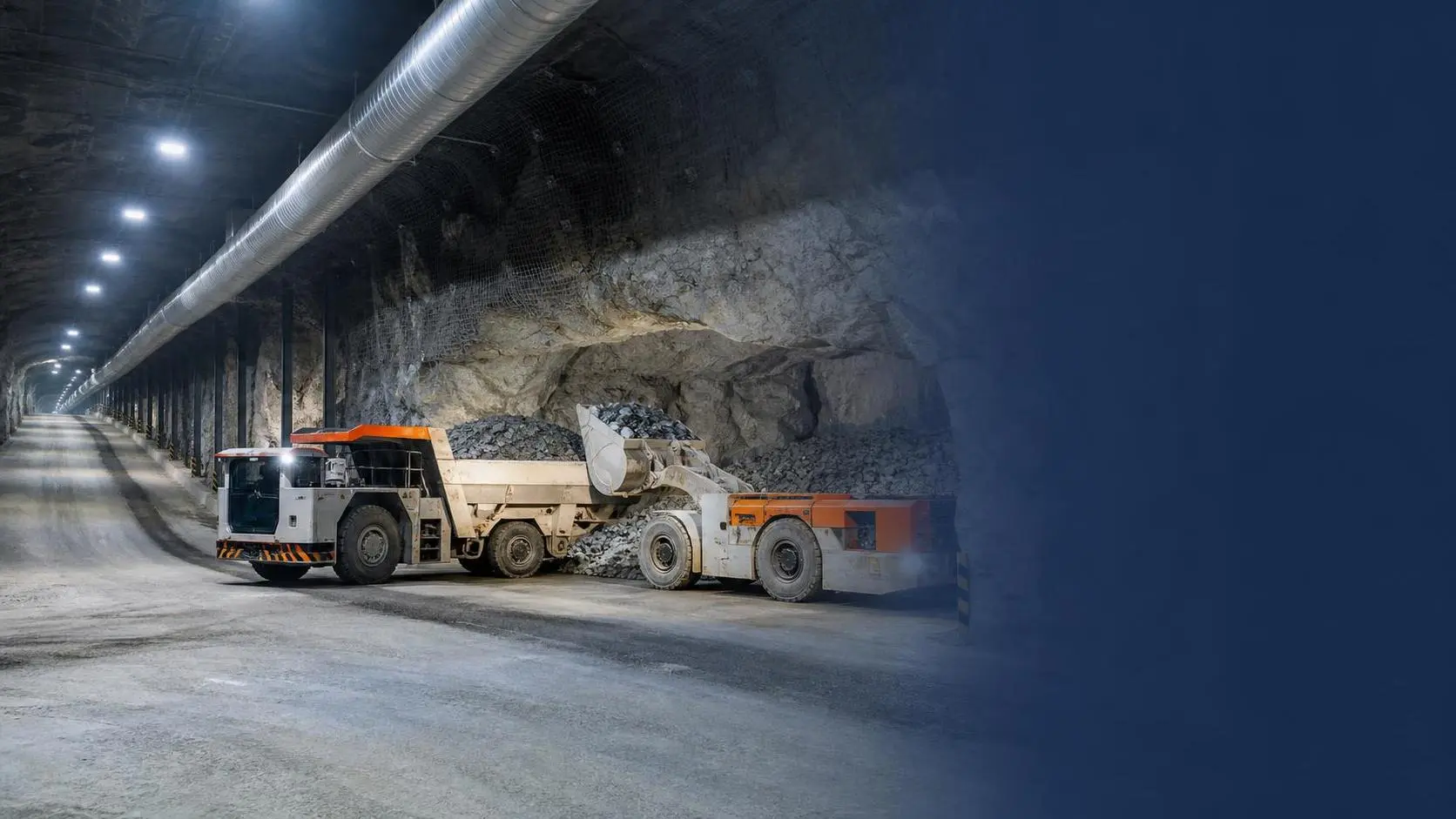
How to Evaluate Underground Haulage Systems for Ore Output, Ramp Grade, and Ventilation Limits
Underground haulage systems should be evaluated by ore output, ramp grade, and ventilation limits—not brochures. Learn how to compare trucks, LHDs, and electric options for smarter mine planning.
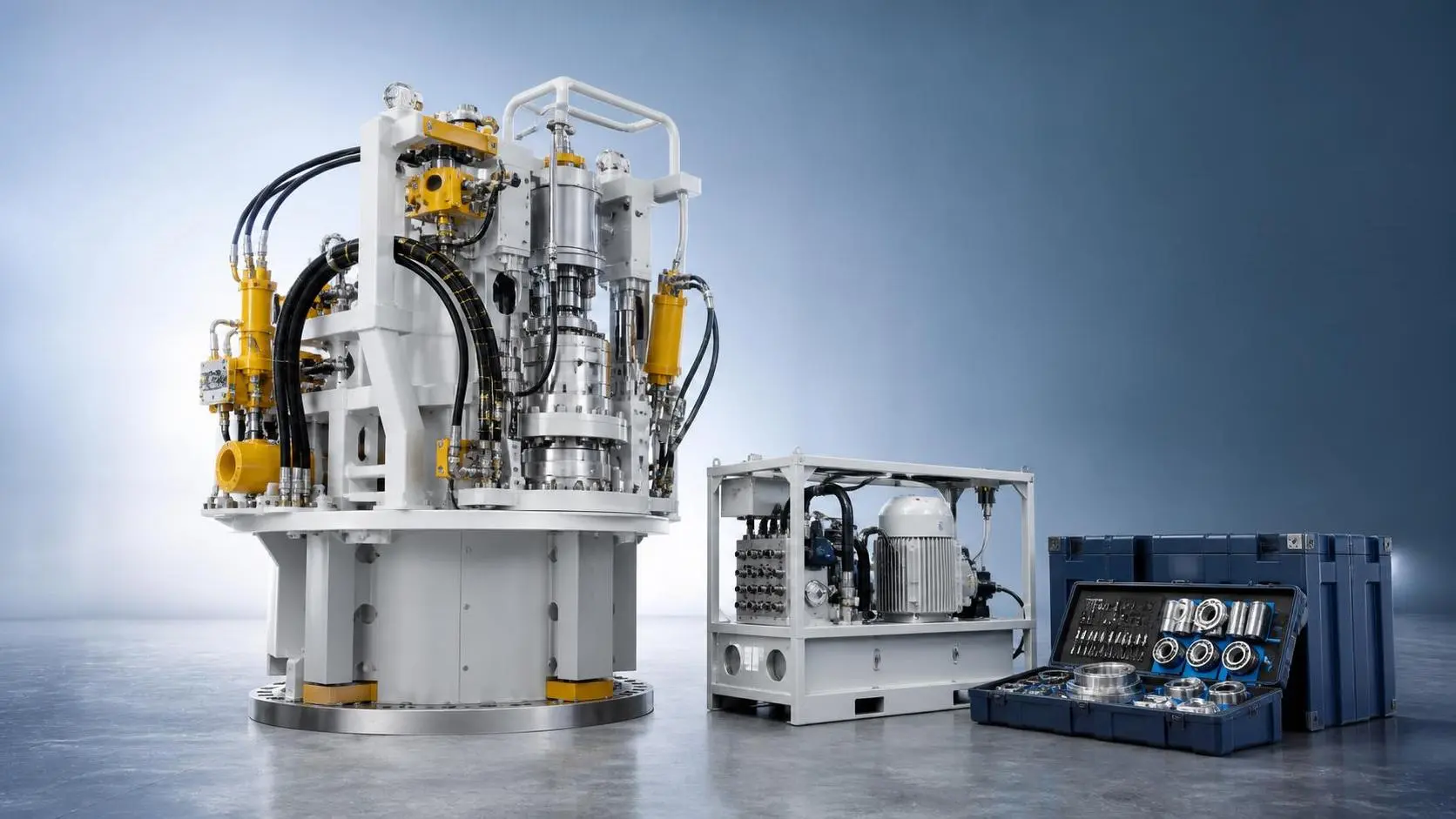
How to Evaluate a Pipe Jacking Equipment Distributor for Project Support and Uptime
Pipe jacking equipment distributor evaluation made practical: learn how to assess parts support, service response, training, and technical readiness to reduce downtime and protect project uptime.
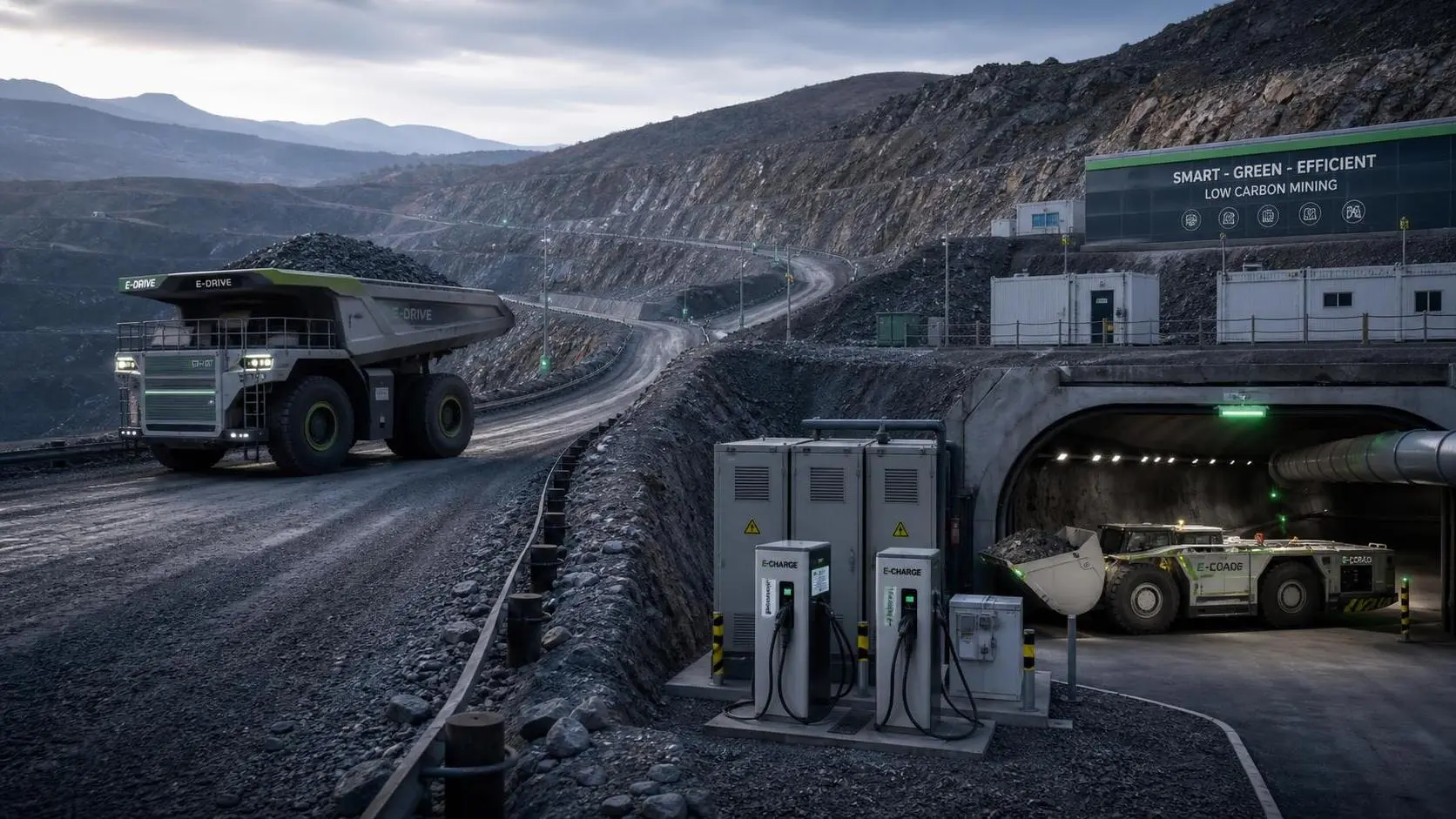
How to Build a Mining Decarbonization Strategy That Balances Emissions, Cost, and Fleet Reality
Mining decarbonization strategy starts with fleet reality. Learn how to cut emissions, control cost, and align power, ventilation, and production for a practical mine transition.
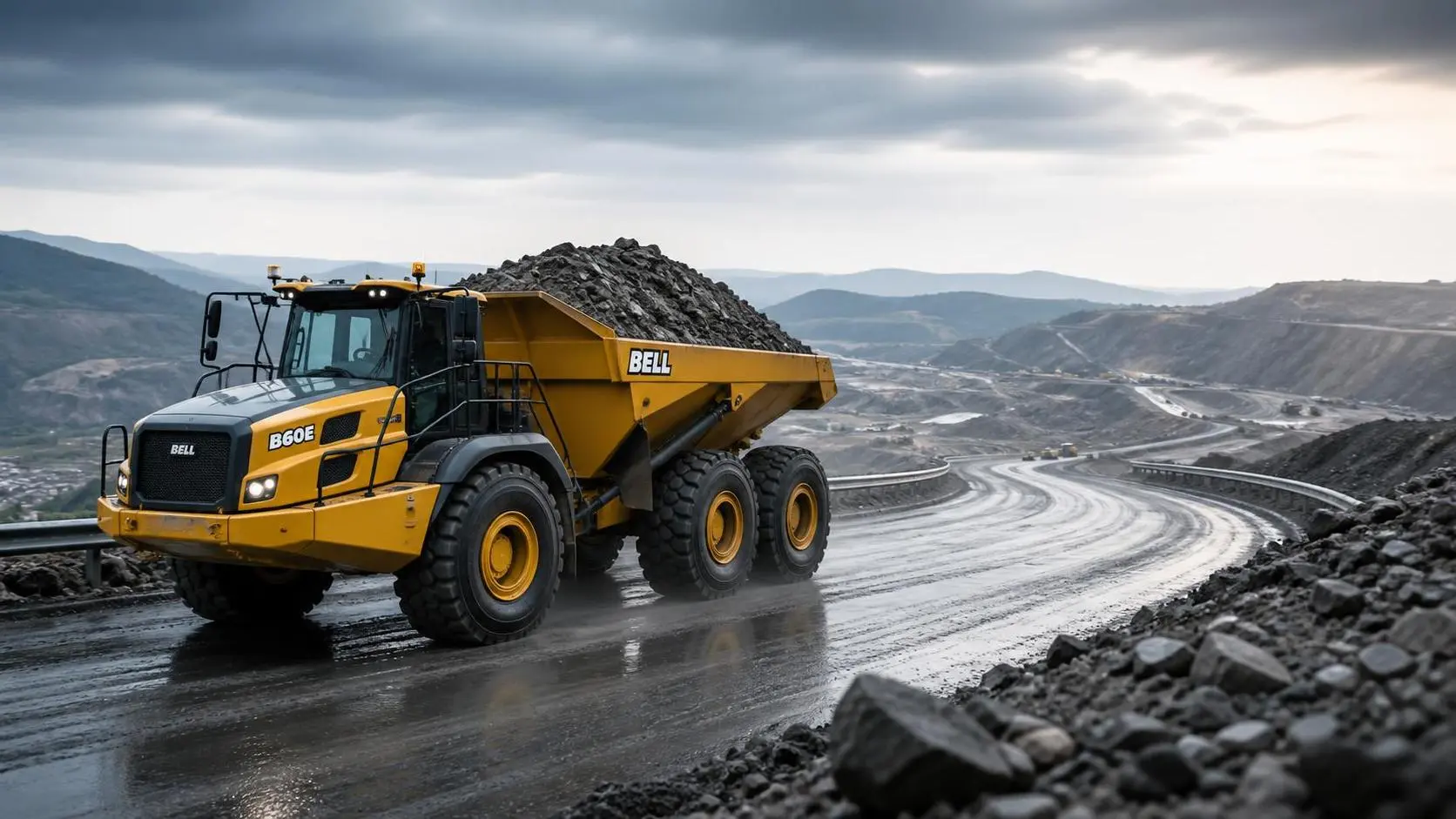
How to Evaluate Articulated Dump Trucks Payload for Haul Road Conditions and Cycle Efficiency
Articulated Dump Trucks payload evaluation starts with real haul road conditions, not brochure numbers. Learn how to balance payload, traction, grades, and cycle efficiency for safer, higher output.
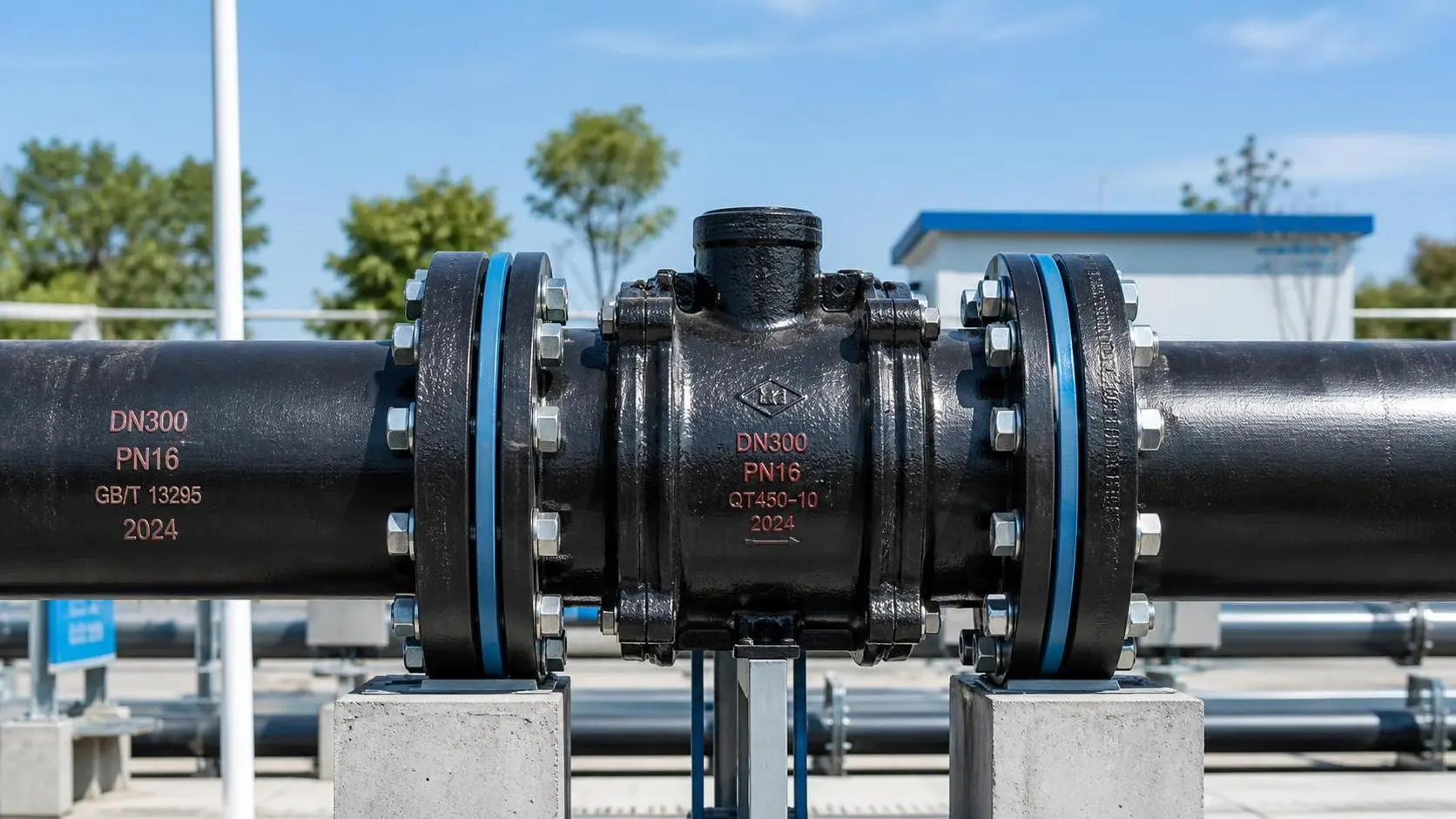
How Pipe Fittings Material and Pressure Class Affect Water Line Selection
Pipe fittings selection starts with material and pressure class. Learn how these factors affect water line reliability, corrosion resistance, installation, and long-term cost.
Related News
- 00
0000-00
How to Evaluate Pipe Jacking Equipment for Municipal Sewer and Utility Projects - 00
0000-00
How YLCSD300 Cutter Suction Dredger Parameters Affect River Dredging Output - 00
0000-00
What Should a Mine Decarbonization Roadmap Include to Cut Emissions Without Hurting Output? - 00
0000-00
How to Evaluate Underground Mine Automation Companies for Safety and ROI - 00
0000-00
How to Evaluate Underground Haulage Systems for Ore Output, Ramp Grade, and Ventilation Limits
Weekly Insights
Stay ahead with our curated technology reports delivered every Monday.