
Battery Mining Truck Fast Charging: Key Charging Time, Power, and Shift Planning Factors





Why Fast Charging Has Become a Core Mining Decision
Battery mining truck fast charging now sits at the center of mine electrification planning, not at the edge of it.
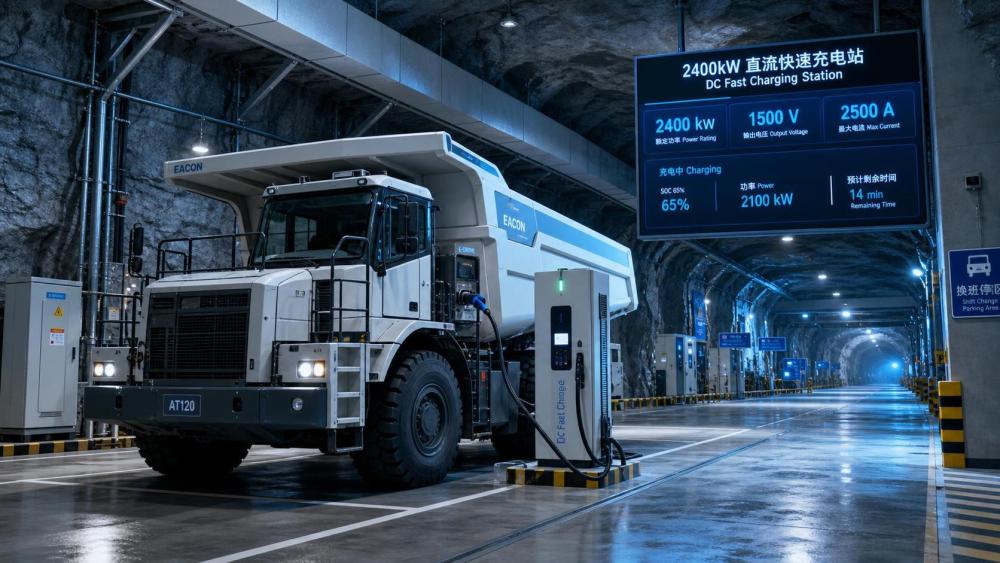
In heavy haul operations, charging speed shapes equipment availability, substation design, ventilation strategy, and the practical rhythm of every shift.
That matters even more in underground and constrained mining environments, where zero-emission targets must coexist with narrow haulage windows and strict production schedules.
From the UTMD perspective, this is part of a broader transition across smart underground transport systems and electrified heavy equipment.
The same operational discipline applied to TBMs, pipe jacking systems, drilling jumbos, and underground LHDs is now defining battery truck charging decisions.
The key issue is simple to state but difficult to optimize: how fast can a truck charge without compromising battery health, power stability, or shift continuity?
For that reason, battery mining truck fast charging should be treated as a fleet system question, not only a charger specification.
What Fast Charging Really Means in Mining Use
In mining, fast charging usually refers to high-power DC charging that restores a meaningful share of battery capacity during a short operational pause.
That pause may occur between shifts, during meal breaks, at a changeover bay, or at a planned dwell point near the haul route.
Unlike passenger EV charging, the objective is not convenience.
The objective is to keep payload movement aligned with cycle targets while limiting idle assets and infrastructure oversizing.
A truck may not need a full recharge each time.
Often, the more relevant metric is usable energy added per available minute, under real temperature and duty-cycle conditions.
This is why battery mining truck fast charging evaluations should focus on charge curve behavior, not headline peak power alone.
The practical metrics behind the label
Three numbers usually tell more than marketing claims.
- Energy added in 10, 20, or 30 minutes under operating conditions.
- Average charging power across the useful state-of-charge window.
- Recovered production time per shift after accounting for queueing and maneuvering.
Those figures connect charging hardware directly to tonnage movement, which is where the business case is actually tested.
Charging Time Is a Fleet Variable, Not a Single Number
Published charging time often assumes ideal battery temperature, low cable losses, and a clean state-of-charge starting point.
Mine operations rarely stay inside those assumptions for long.
Haul grade, payload mass, regenerative braking opportunity, ambient conditions, and operator behavior all influence the battery arriving at the charger.
A truck descending long ramps may recover useful energy.
A truck climbing fully loaded in hot conditions may arrive with higher thermal stress and lower charging acceptance.
That means battery mining truck fast charging performance should be modeled with route-specific data.
The more variable the duty cycle, the less useful a fixed “0 to 80%” claim becomes.
What usually extends real charging time
For evaluation purposes, charger occupancy time is often more useful than charging time alone.
Power Ratings Must Match Site Electrical Reality
High charger power looks attractive, but mining sites pay for that power through transformers, switchgear, cable routing, and redundancy planning.
In underground settings, electrical integration can be even more restrictive than surface deployment.
Battery mining truck fast charging therefore depends on available grid capacity as much as vehicle-side charging capability.
A 1 MW charger may be technically feasible.
It may still be economically inefficient if several trucks charge simultaneously and trigger expensive peak demand events.
This is where site planners increasingly compare direct fast charging with buffered charging architectures, including stationary batteries or managed load control.
Questions that reveal infrastructure fit
- Can the site support coincident charging during shift overlap?
- How much voltage drop appears at the farthest charging point?
- What happens to operations during a charger or feeder outage?
- Is the charging plan aligned with ventilation savings from electrification?
- Will future truck additions force a second infrastructure rebuild?
These questions are increasingly important across the UTMD landscape, where equipment electrification is tied to reliability, automation, and long asset lives.
Shift Planning Is Where Charging Strategy Succeeds or Fails
A mine can install powerful chargers and still underperform if charging windows are poorly synchronized with haul cycles.
The strongest battery mining truck fast charging strategy is usually built around operational timing, not only electrical capacity.
One approach uses opportunity charging during predictable pauses.
Another relies on longer scheduled charging between shifts.
Some fleets combine both, especially where haul routes or ore flow vary during the day.
The right answer depends on truck count, trip duration, elevation profile, and reserve energy targets.
Typical planning models
Different mine layouts favor different charging patterns.
When evaluating options, the useful question is not “How fast is the charger?”
It is “How many productive truck-hours does this charging plan recover across the week?”
Battery Life, Safety, and Reliability Cannot Be Separated
Fast charging improves utilization, but repeated high-power charging can increase thermal stress if battery management and cooling are poorly matched.
That does not mean battery mining truck fast charging is inherently damaging.
It means the charging regime must be designed around chemistry limits, temperature control, and real operating windows.
For underground projects, safety margins become even more critical.
Connector robustness, isolation monitoring, fault response, and charger placement all affect operational resilience.
A slightly slower but more stable charging strategy can outperform an aggressive setup that causes unplanned stoppages or accelerated battery replacement.
The most credible evaluations link charging speed with expected battery degradation, maintenance intervals, and failure mode response.
How to Assess a Fast Charging Proposal with More Confidence
A solid review process usually begins with haul-cycle energy data, not vendor brochures.
From there, charging proposals can be tested against actual route geometry, shift patterns, and expansion plans.
Several checkpoints tend to separate robust concepts from optimistic ones.
- Use average delivered power over the real charging window, not peak nameplate power.
- Model queueing with multiple trucks arriving under production variability.
- Check battery temperature behavior before, during, and after fast charging events.
- Include cable handling, alignment, and safety checks in turnaround calculations.
- Compare charger sizing with medium-term fleet growth and power availability.
- Test failure scenarios, including one charger offline during peak shift demand.
This approach fits the UTMD view of underground intelligence: hard engineering decisions improve when mechanics, electrification, and operations are assessed together.
For battery mining truck fast charging, that integrated view is essential.
The next useful step is to map charging time, charger power, and shift timing onto one site-specific model.
Once those variables are visible together, trade-offs become clearer, infrastructure choices become more defensible, and electrification planning moves closer to reliable production.
Related News
How to Evaluate European Drill-and-Blast Tunnelling Contractors for Complex Projects
Drill and blast tunnelling contractors Europe: learn how to assess geology expertise, blast control, equipment reliability, safety, and programme resilience for complex projects.
Which Trenchless Construction Technique Fits Your Utility Crossing Conditions?
Trenchless construction techniques compared for utility crossings: choose HDD, microtunnelling, pipe jacking, or auger boring based on ground, accuracy, access, and risk.
What Is Driving Metro Tunnelling Demand Across Southeast Asia’s Major Cities?
Metro tunnelling Southeast Asia is accelerating as major cities tackle congestion, flooding, and connectivity. Explore the market forces, technical risks, and opportunities shaping demand.
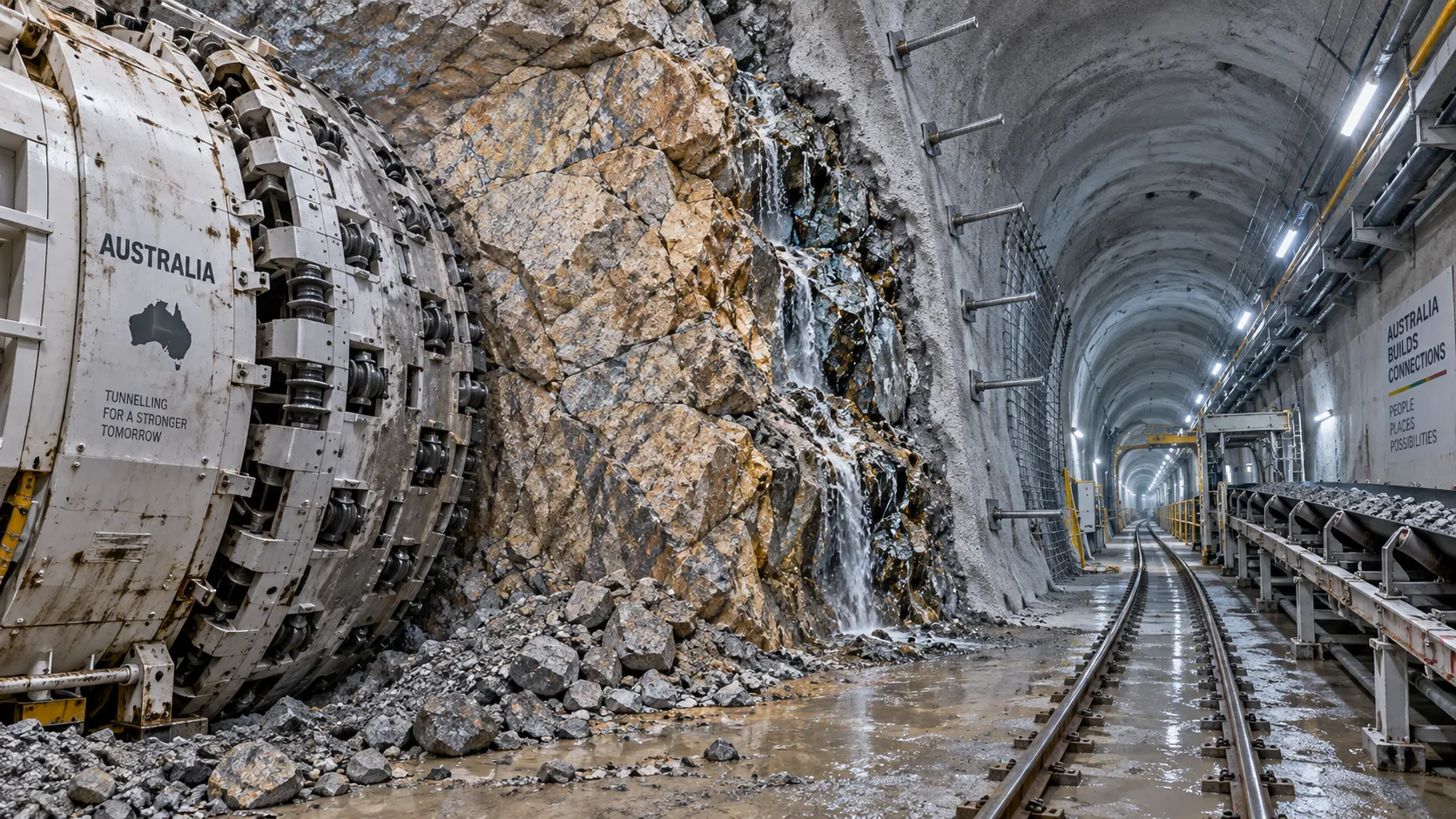
Hard Rock Tunnelling in Australia: Selecting Methods for Variable Ground Conditions
Hard rock tunnelling in Australia: compare TBM, drill-and-blast and hybrid methods to manage variable ground, reduce risk and protect project costs.
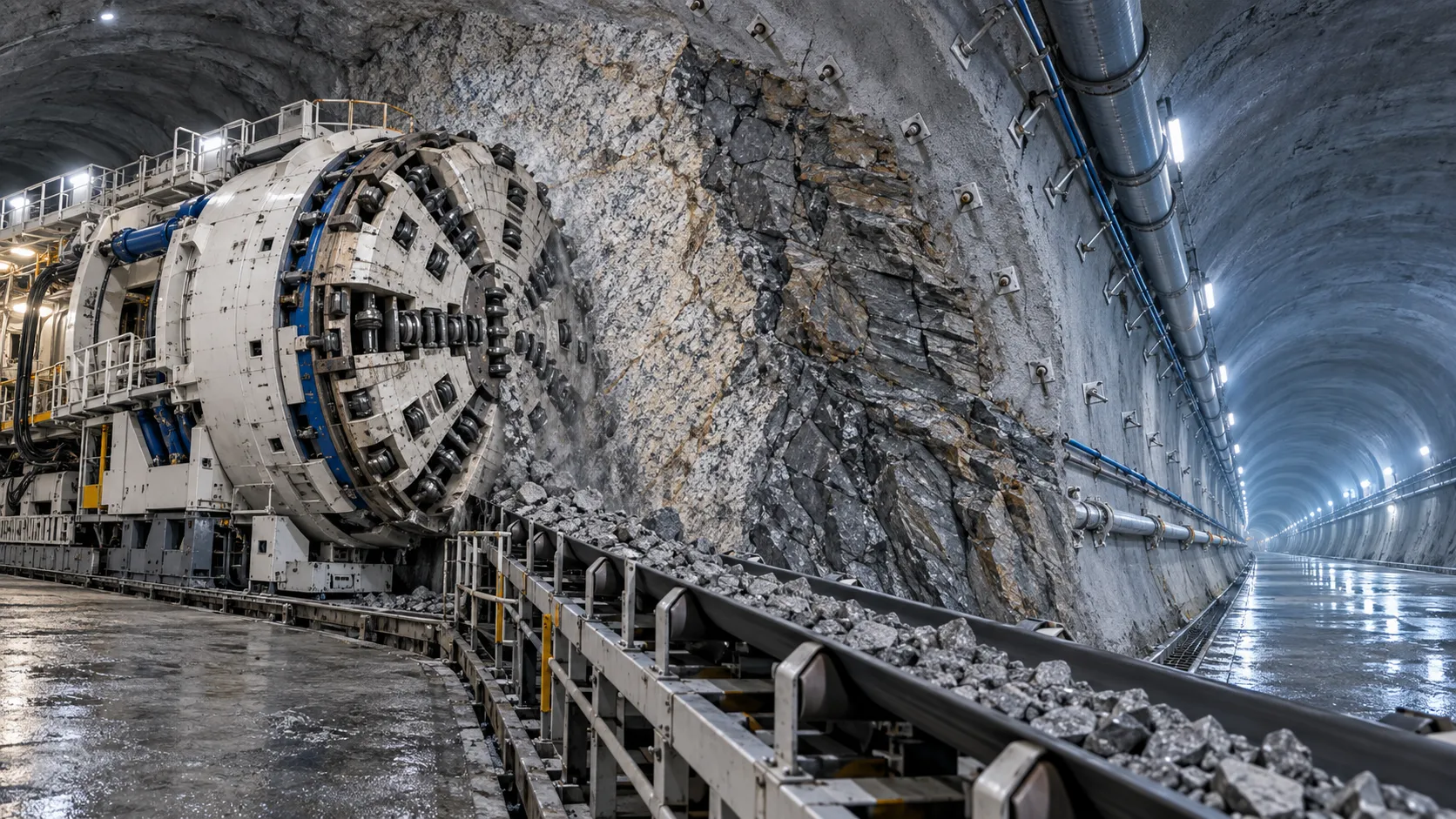
Hydropower Tunnel Excavation: Selecting Methods for Variable Rock Conditions
Hydropower tunnel excavation methods for variable rock conditions: compare TBM, drill-and-blast, and hybrid strategies to improve safety, progress, and project control.
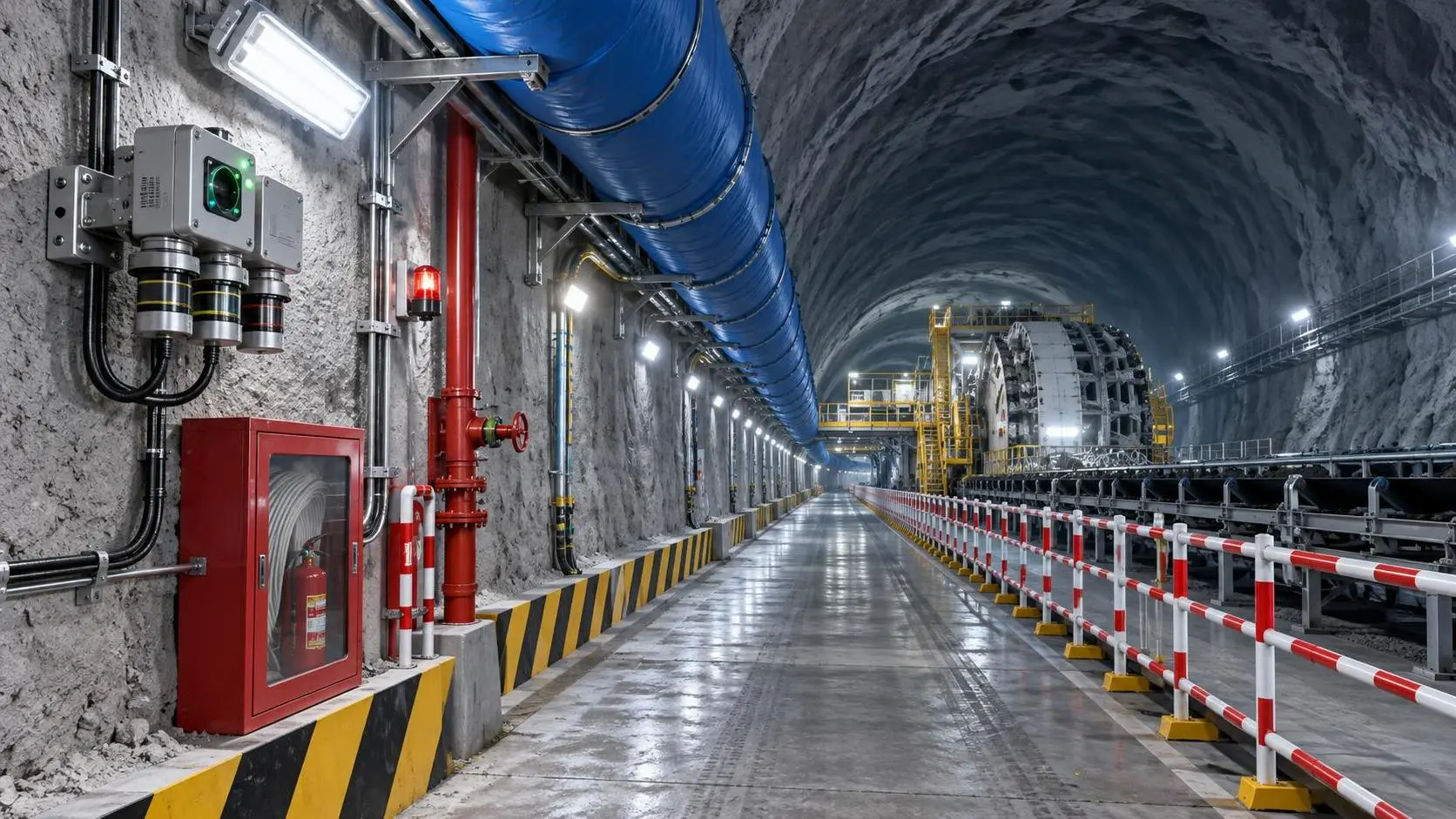
How to Select Underground Safety Equipment for Tunnelling by Hazard and Work Zone
Underground Safety Equipment for tunnelling: match protection to hazards, work zones, compliance, and emergency needs with this practical selection guide.
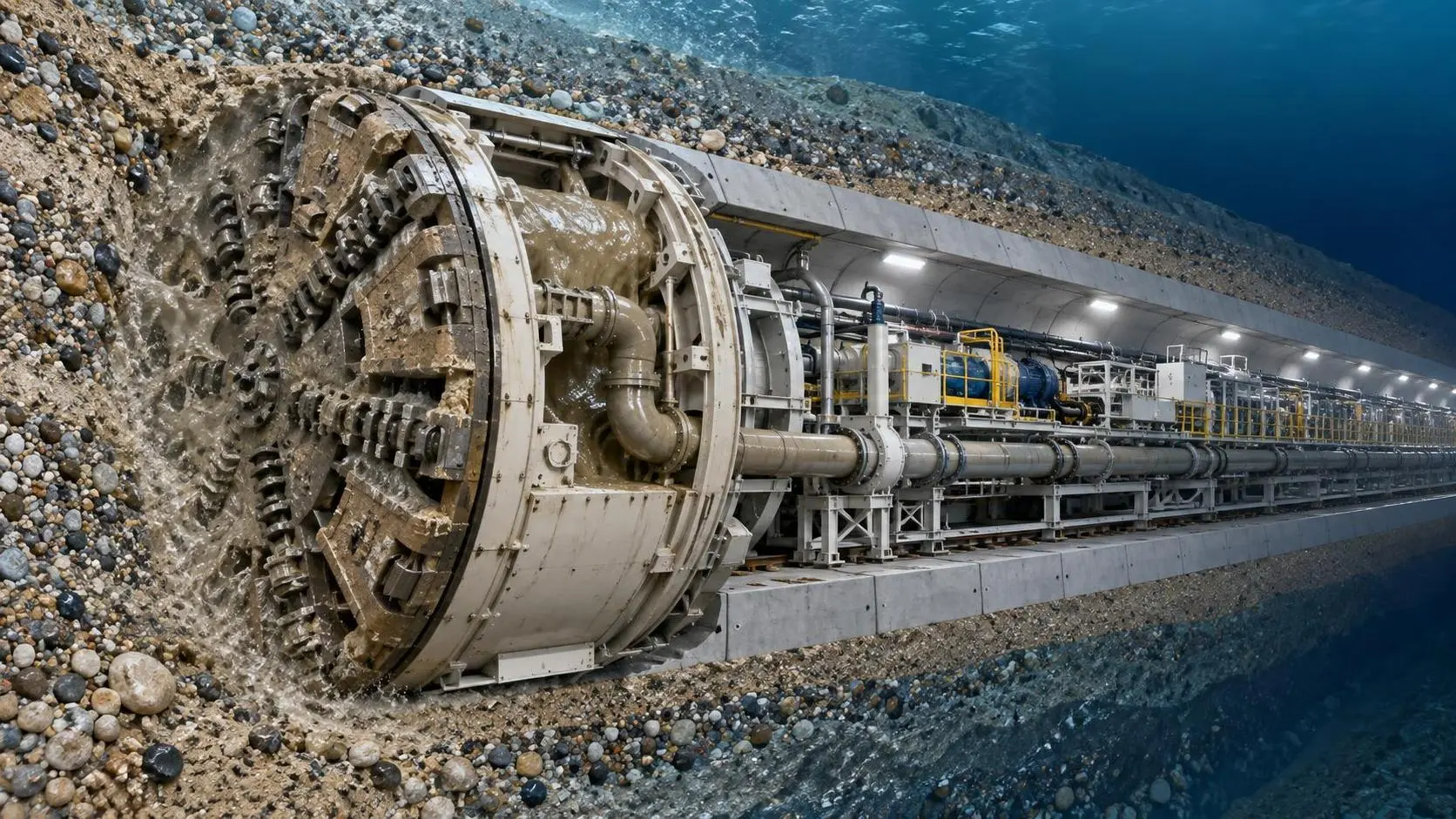
EPB or Slurry Shield? Selecting Soft-Ground Tunnelling Equipment by Soil Conditions
Tunnel Excavation Equipment for soft ground: compare EPB and slurry shields by soil, groundwater, settlement risk, and project logistics to choose confidently.
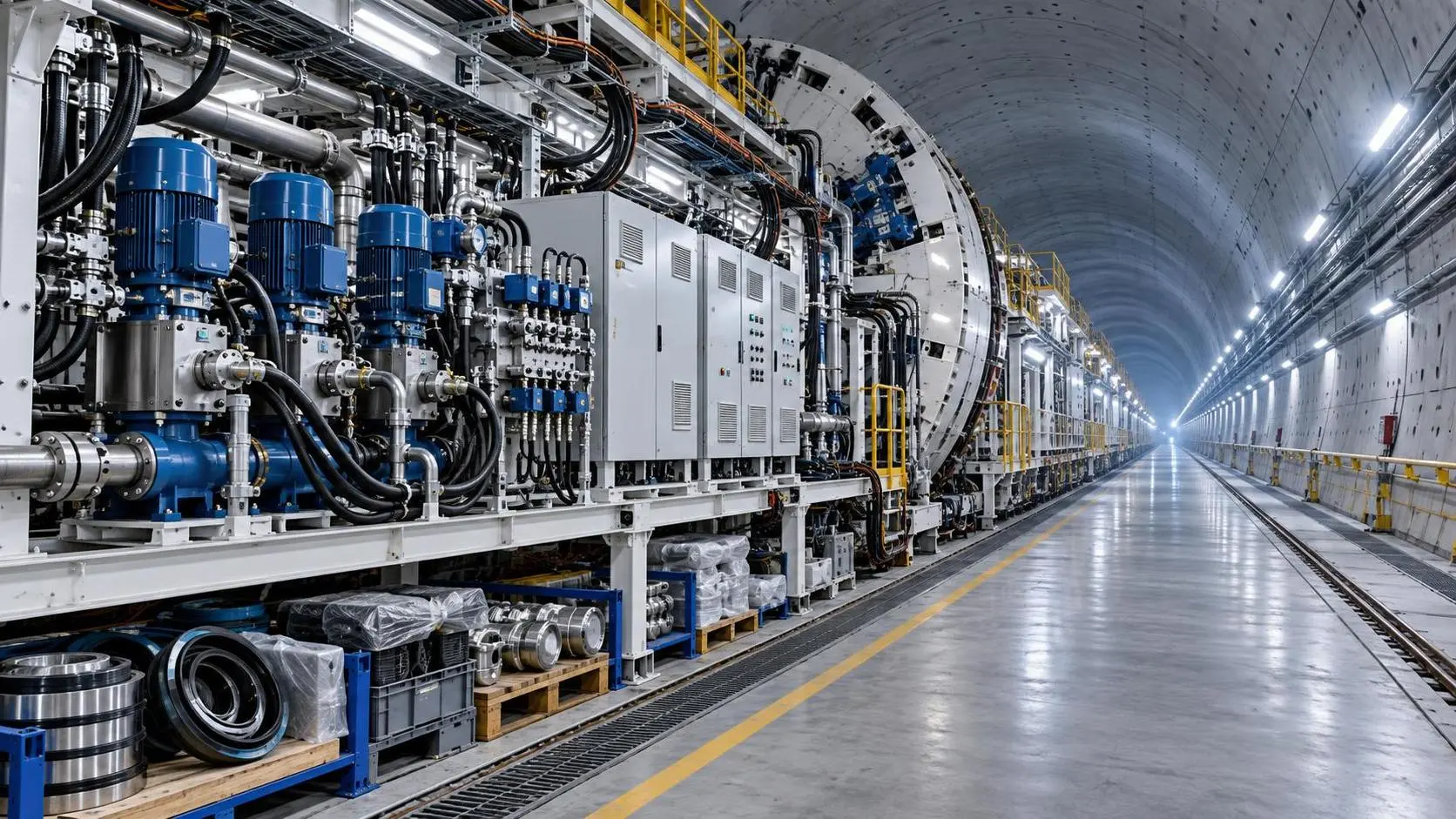
How to Specify TBM Backup System Parts for Reliable Long-Distance Tunnelling
TBM backup system parts: learn how to specify reliable spares for long-distance tunnelling, reduce downtime, ensure compatibility, and speed underground recovery.
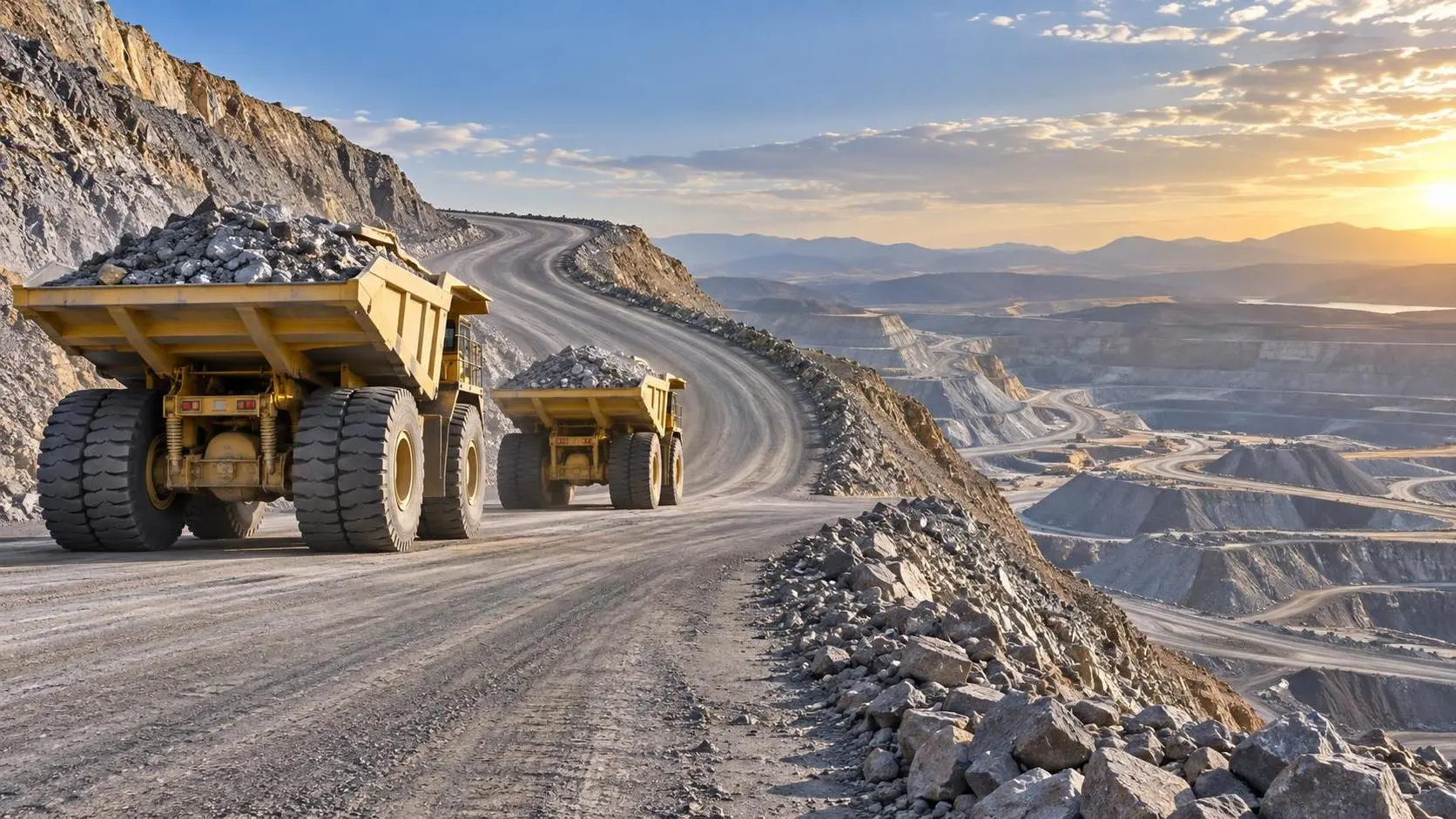
How to Size Open Pit Mining Trucks for Haul Distance, Grade, and Payload?
Open Pit Mining Trucks: learn how to match payload, haul distance, grade, road resistance, and loading capacity for safer, lower-cost mine operations.
Related News
- 00
0000-00
How to Evaluate European Drill-and-Blast Tunnelling Contractors for Complex Projects - 00
0000-00
Which Trenchless Construction Technique Fits Your Utility Crossing Conditions? - 00
0000-00
What Is Driving Metro Tunnelling Demand Across Southeast Asia’s Major Cities? - 00
0000-00
Hard Rock Tunnelling in Australia: Selecting Methods for Variable Ground Conditions - 00
0000-00
Hydropower Tunnel Excavation: Selecting Methods for Variable Rock Conditions
Weekly Insights
Stay ahead with our curated technology reports delivered every Monday.