
Australia Tightens Flameproof Mining Equipment Rules





Australia’s mining safety regulator DMR issued the Underground Mining Equipment Flameproof Certification Amendment Notice 2026 on July 17, 2026, setting updated certification requirements for underground mining equipment ahead of mandatory application from September 2026. The change deserves close attention from manufacturers of flameproof loaders, exporters serving the Australian market, certification teams, and buyers managing underground mining equipment procurement, because it links compliance more directly to equipment structure, gas group suitability, and real-time temperature monitoring thresholds.
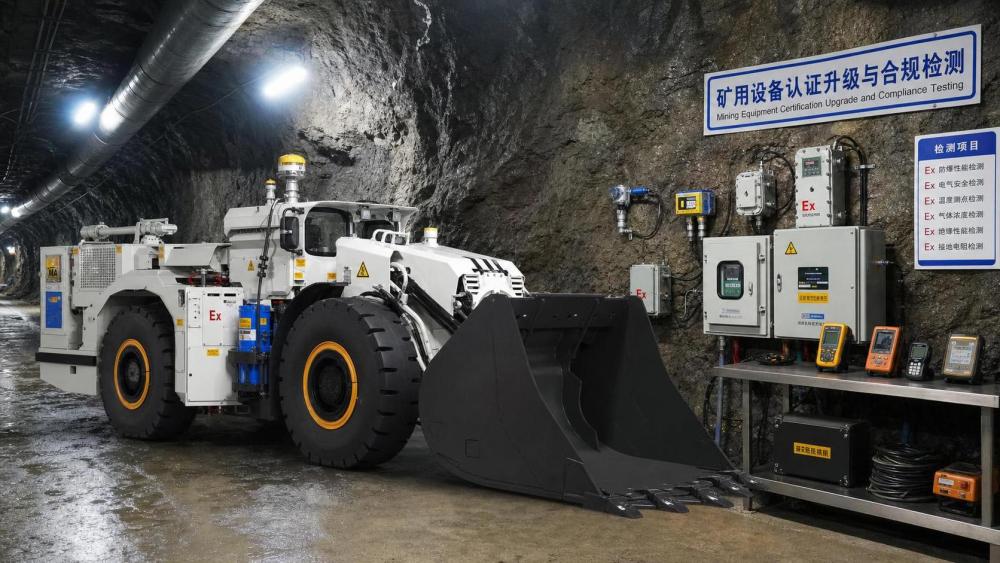
What the amendment formally changes
According to the information provided, the notice released by DMR on July 17, 2026 updates flameproof certification requirements for equipment such as Flameproof Loaders and other intrinsically safe equipment used in underground mining. The amendment introduces new requirements covering flameproof construction, suitability for gas group classifications, and threshold requirements for real-time temperature monitoring.
The same notice also makes IEC 60079-0:2024 and AS/NZS 60079.1:2026 mandatory referenced standards. The update is scheduled to become compulsory from September 2026.
The confirmed direct impact identified in the source information is on the compliance pathway and type-testing cycle for Chinese manufacturers exporting flameproof loaders to Australia.
Where the immediate pressure is likely to appear
Export-oriented equipment manufacturers
From an industry perspective, exporters are likely to feel the effect first because the amendment changes the certification basis for products entering the Australian market. The main pressure point is not only product design, but also how existing models align with the newly mandatory standards and the updated certification expectations tied to flameproof structure, gas group suitability, and temperature monitoring thresholds.
Certification and testing workflows
Analysis shows that certification bodies, compliance teams, and technical documentation functions may face a more demanding review process. The reason is straightforward: once IEC 60079-0:2024 and AS/NZS 60079.1:2026 are mandatory references, type-testing schedules and document preparation may need to follow a revised path. For companies already preparing shipments or model approvals, this affects timing as much as technical interpretation.
Australian buyers and project procurement teams
Procurement-side participants may also need to pay closer attention, especially when equipment selection depends on certification status for underground operations. What deserves closer attention is whether the supplier’s approval route, test schedule, and product configuration remain aligned with the post-September 2026 requirement. In practical terms, purchasing decisions may need to account for certification timing and evidence readiness, not only equipment availability.
Supply chain and delivery coordination
Observably, suppliers, exporters, and logistics-linked service teams may need to manage a tighter connection between technical approval and delivery planning. The likely impact is on submission sequencing, model confirmation, supporting documentation, and customer communication around lead times where type testing is affected.
What companies should monitor now
How official wording is applied in practice
Analysis shows that businesses should pay close attention to how DMR’s notice is interpreted in certification and approval work, especially for product categories already intended for the Australian underground mining market. The policy text establishes the direction, but companies still need to monitor how the requirements are applied to specific models and submission cases.
Which product lines face the nearest compliance check
For manufacturers and exporters, the most practical focus is on equipment already within scope, especially flameproof loaders and related underground-use equipment referenced in the notice. The key issue is whether current configurations, documents, and testing arrangements match the updated requirements tied to construction, gas group suitability, and temperature monitoring thresholds.
How type-testing timelines may affect orders
What deserves closer attention is the interaction between compliance review and delivery commitments. Since the provided information states that the amendment directly affects the type-testing cycle for Chinese manufacturers exporting to Australia, companies should review order timing, certification milestones, and customer-facing schedules together rather than treating them as separate workstreams.
Whether supplier documentation is ready for customer scrutiny
In market-facing terms, exporters and service providers should be prepared for more detailed questions from buyers about certification basis, standard references, and testing progress. This is not a confirmed new rule in itself, but an operational implication that follows from the stated change in mandatory standards and compliance pathways.
Why this reads as more than a routine update
This section is analysis. It is more appropriate to understand this amendment as a concrete compliance signal rather than a minor editorial adjustment. The inclusion of updated mandatory reference standards, together with requirements on flameproof construction, gas group suitability, and temperature monitoring thresholds, suggests that market access and certification readiness are becoming more tightly connected.
At the same time, it would be premature to describe the full commercial effect as settled. The confirmed facts establish the regulatory change and its direct relevance to Chinese exporters of flameproof loaders, but the broader operational impact still depends on how companies, testing bodies, and buyers respond during the transition into mandatory application in September 2026.
How the market is best reading this update
At this stage, the industry significance lies in timing and execution. The amendment is already a clear regulatory development, but its business effect should be read through certification planning, model review, and delivery coordination rather than through broad market claims. For affected suppliers and buyers, the immediate task is to treat it as a near-term compliance change with possible longer-tail implications for export preparation and approval lead times.
In that sense, this is not just a short-lived headline, but it is also not yet a basis for sweeping conclusions. It is more appropriate to understand the development as a firm regulatory signal that still requires continued observation as implementation moves closer.
Basis of this report
This article is based on the user-provided news title, event date, and event summary concerning Australia’s update to flameproof certification standards for underground mining equipment. Relevant source types for developments of this kind typically include official notices, company disclosures, industry association updates, authoritative media coverage, and standards organization documents.
The specific official source link was not provided in the input, so further verification remains necessary. Continued attention should focus on any subsequent official clarifications, certification interpretation updates, and implementation details affecting compliance pathways and type-testing timelines.
Related News
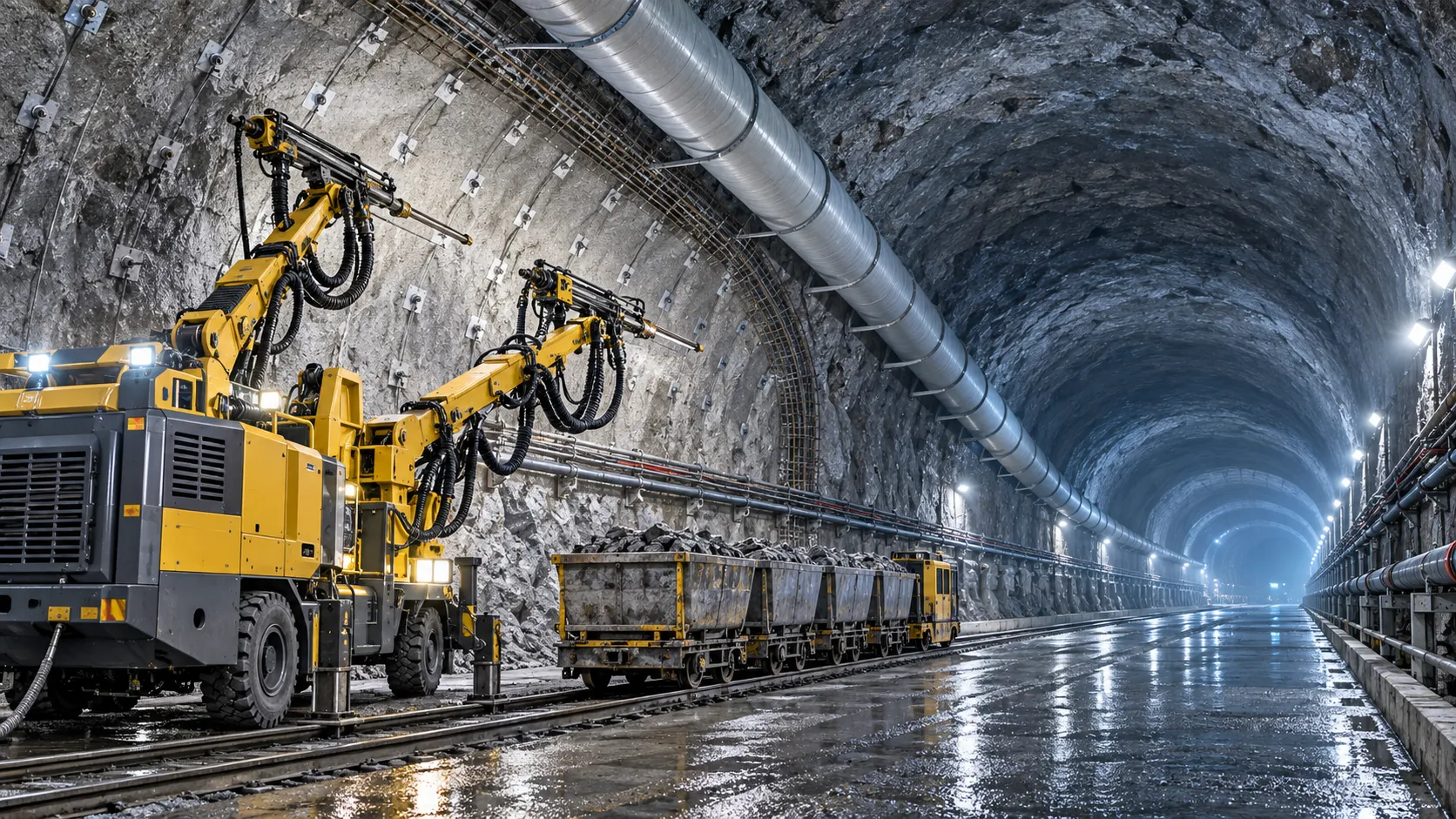
How to Evaluate European Drill-and-Blast Tunnelling Contractors for Complex Projects
Drill and blast tunnelling contractors Europe: learn how to assess geology expertise, blast control, equipment reliability, safety, and programme resilience for complex projects.
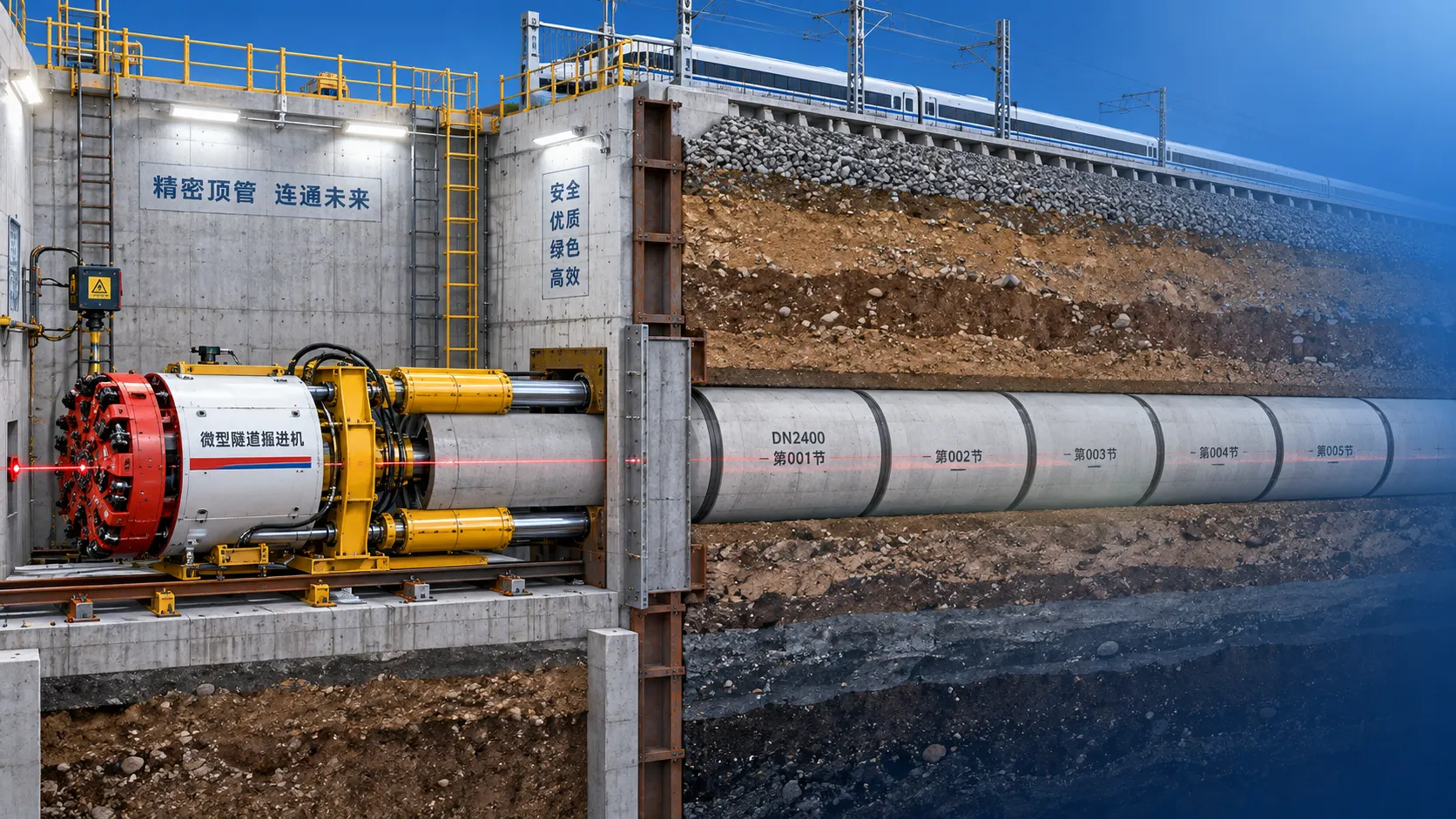
Which Trenchless Construction Technique Fits Your Utility Crossing Conditions?
Trenchless construction techniques compared for utility crossings: choose HDD, microtunnelling, pipe jacking, or auger boring based on ground, accuracy, access, and risk.
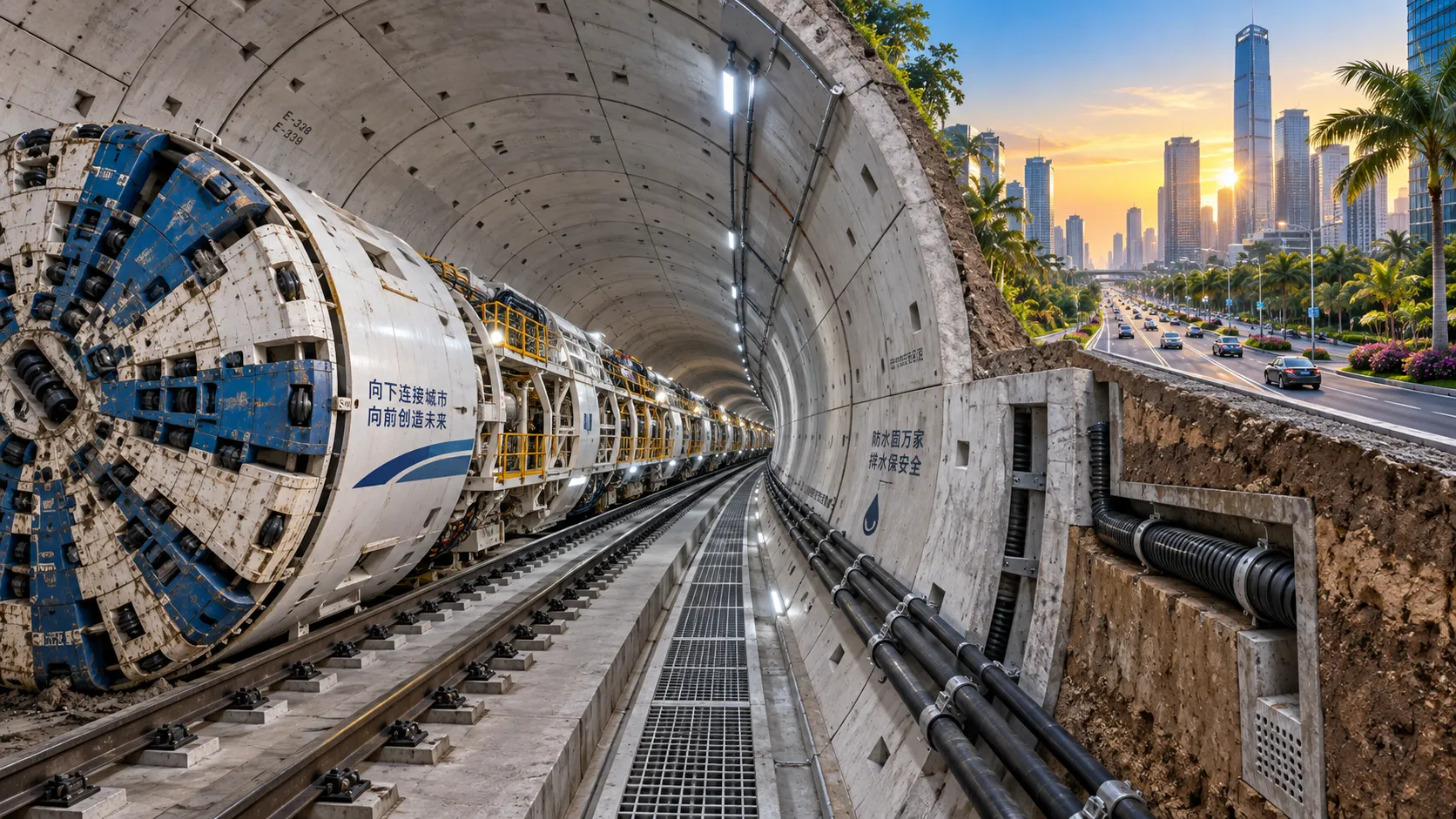
What Is Driving Metro Tunnelling Demand Across Southeast Asia’s Major Cities?
Metro tunnelling Southeast Asia is accelerating as major cities tackle congestion, flooding, and connectivity. Explore the market forces, technical risks, and opportunities shaping demand.
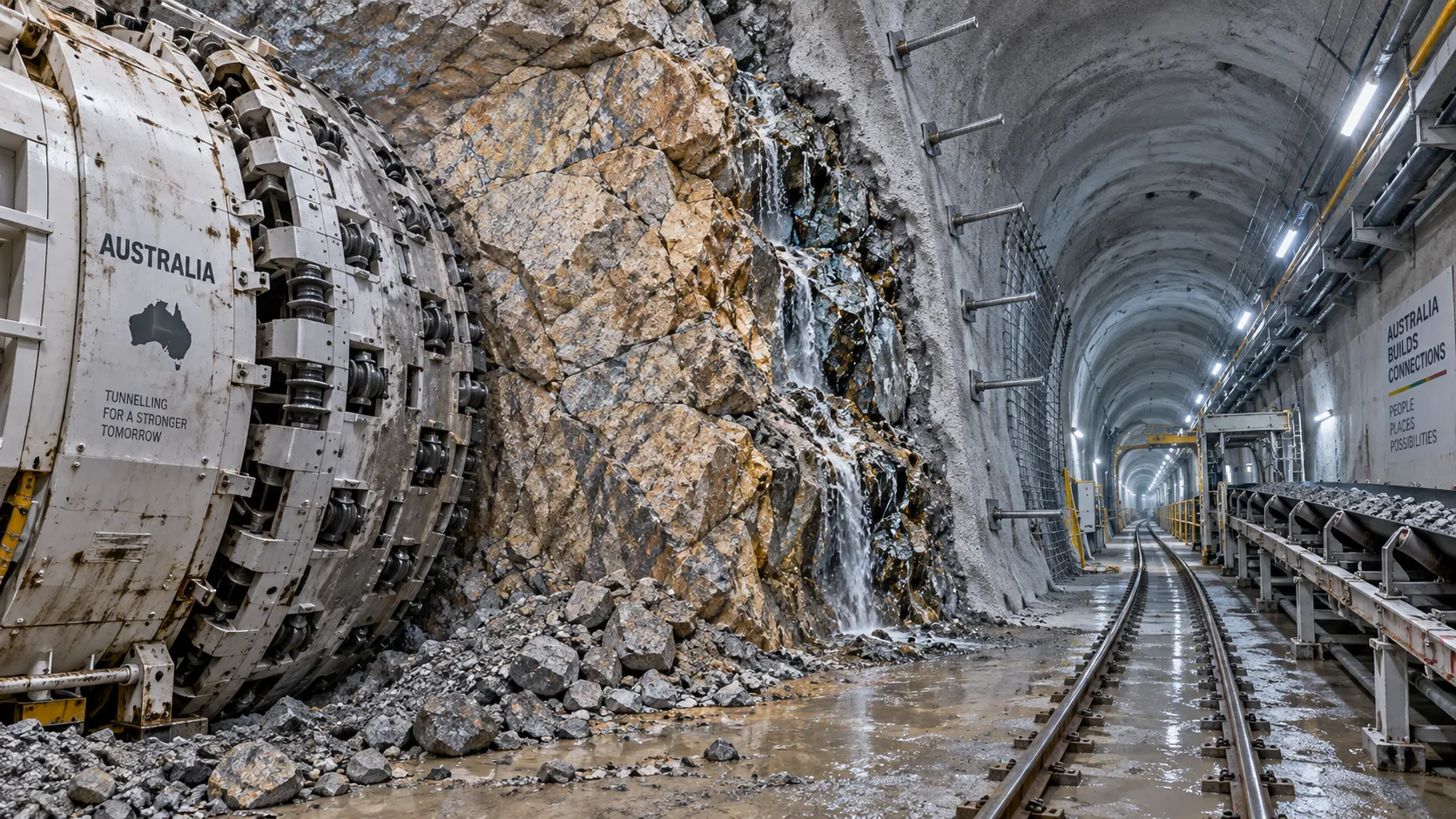
Hard Rock Tunnelling in Australia: Selecting Methods for Variable Ground Conditions
Hard rock tunnelling in Australia: compare TBM, drill-and-blast and hybrid methods to manage variable ground, reduce risk and protect project costs.
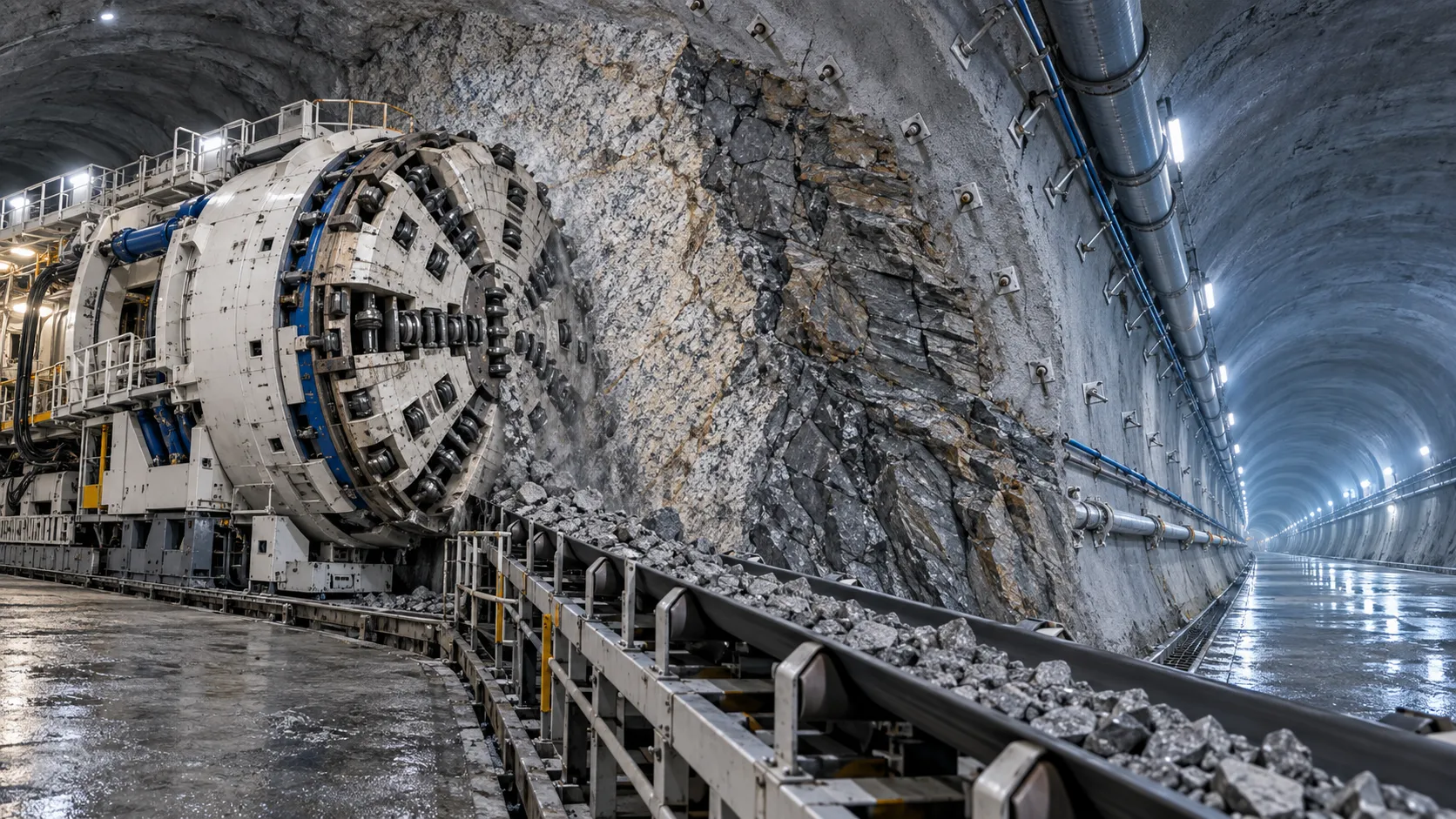
Hydropower Tunnel Excavation: Selecting Methods for Variable Rock Conditions
Hydropower tunnel excavation methods for variable rock conditions: compare TBM, drill-and-blast, and hybrid strategies to improve safety, progress, and project control.
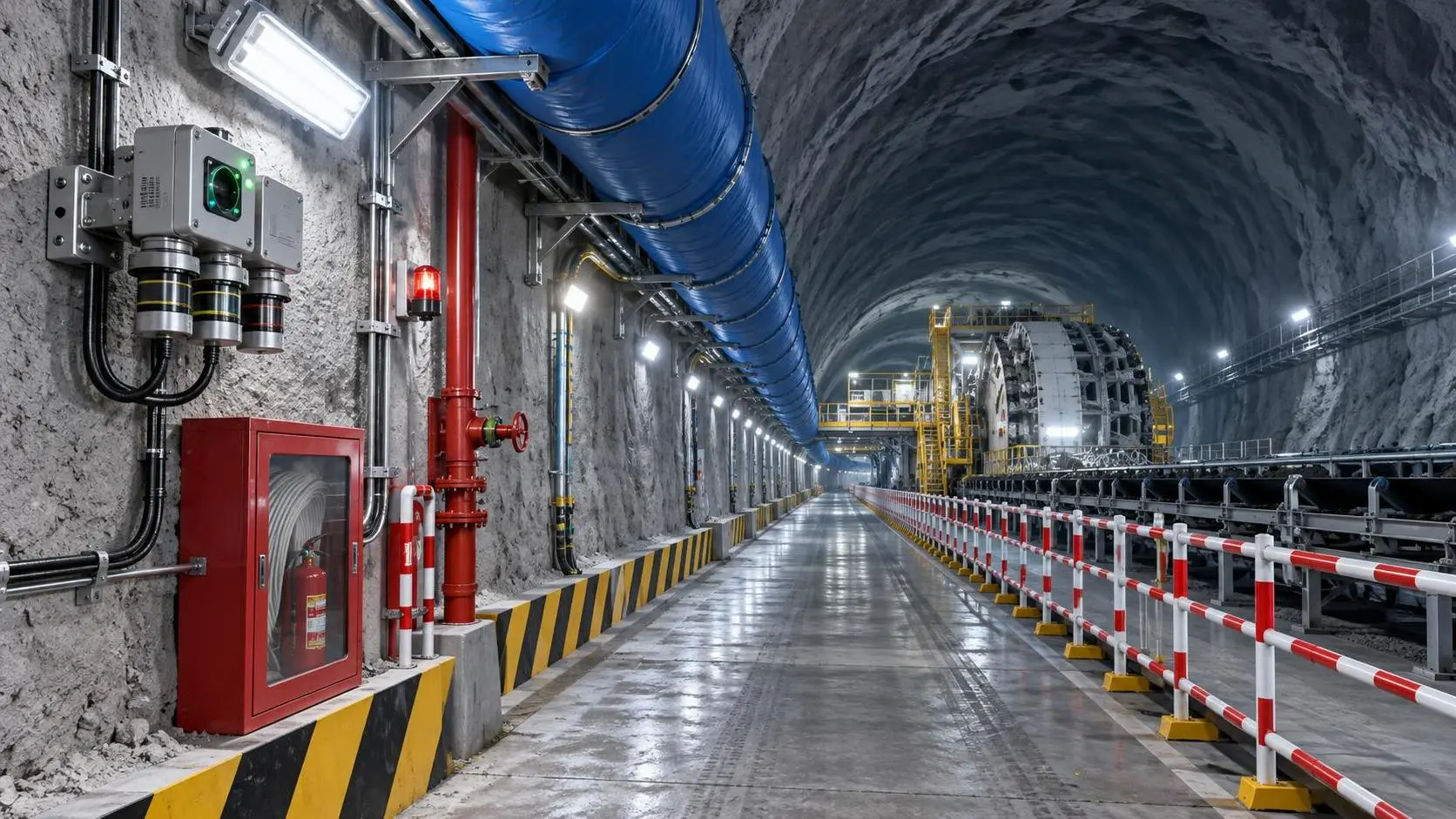
How to Select Underground Safety Equipment for Tunnelling by Hazard and Work Zone
Underground Safety Equipment for tunnelling: match protection to hazards, work zones, compliance, and emergency needs with this practical selection guide.
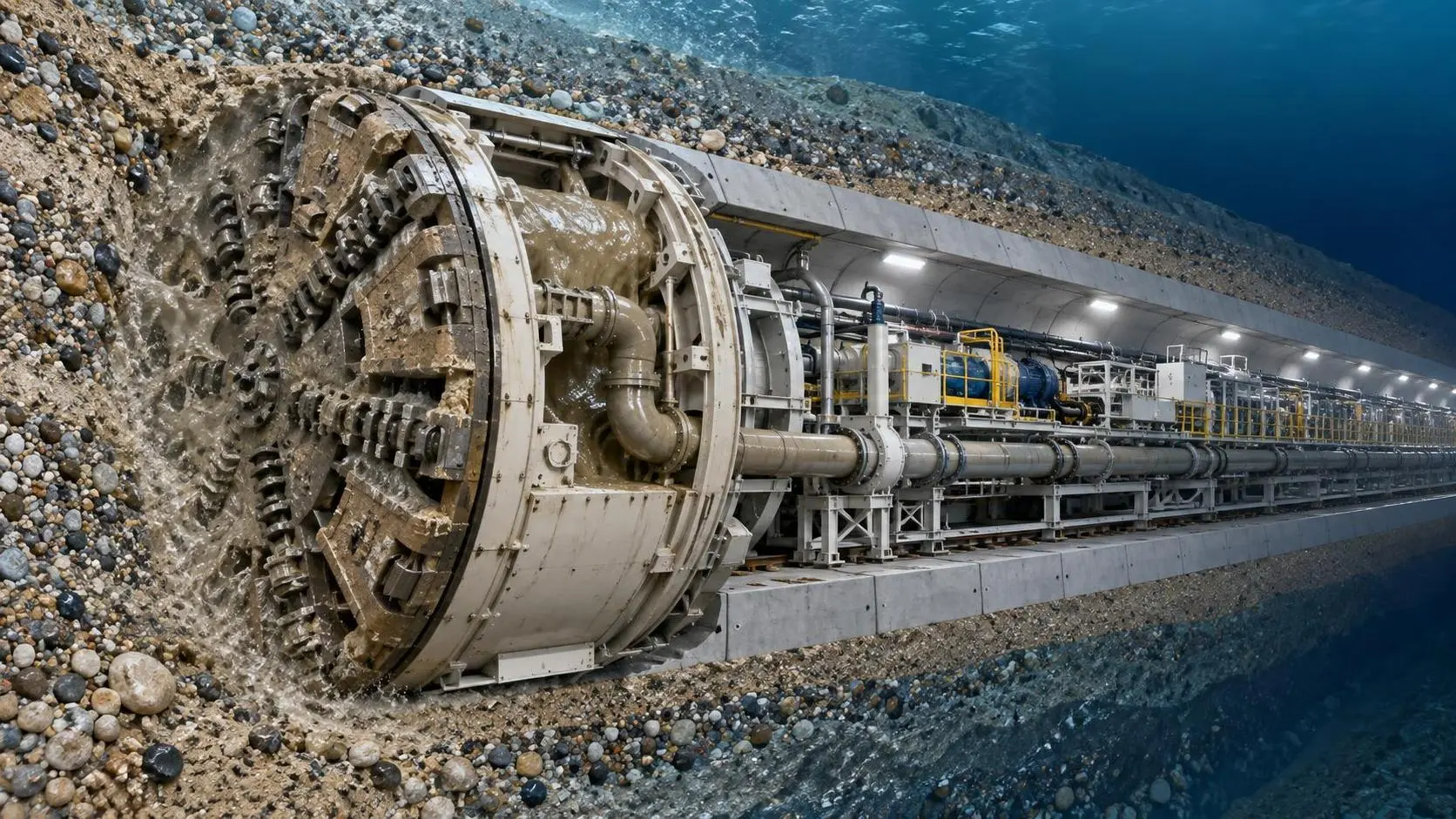
EPB or Slurry Shield? Selecting Soft-Ground Tunnelling Equipment by Soil Conditions
Tunnel Excavation Equipment for soft ground: compare EPB and slurry shields by soil, groundwater, settlement risk, and project logistics to choose confidently.
How to Specify TBM Backup System Parts for Reliable Long-Distance Tunnelling
TBM backup system parts: learn how to specify reliable spares for long-distance tunnelling, reduce downtime, ensure compatibility, and speed underground recovery.
How to Size Open Pit Mining Trucks for Haul Distance, Grade, and Payload?
Open Pit Mining Trucks: learn how to match payload, haul distance, grade, road resistance, and loading capacity for safer, lower-cost mine operations.
Related News
- 00
0000-00
How to Evaluate European Drill-and-Blast Tunnelling Contractors for Complex Projects - 00
0000-00
Which Trenchless Construction Technique Fits Your Utility Crossing Conditions? - 00
0000-00
What Is Driving Metro Tunnelling Demand Across Southeast Asia’s Major Cities? - 00
0000-00
Hard Rock Tunnelling in Australia: Selecting Methods for Variable Ground Conditions - 00
0000-00
Hydropower Tunnel Excavation: Selecting Methods for Variable Rock Conditions
Weekly Insights
Stay ahead with our curated technology reports delivered every Monday.