
Reducing Underground Mining Haulage Bottlenecks to Improve Fleet Efficiency





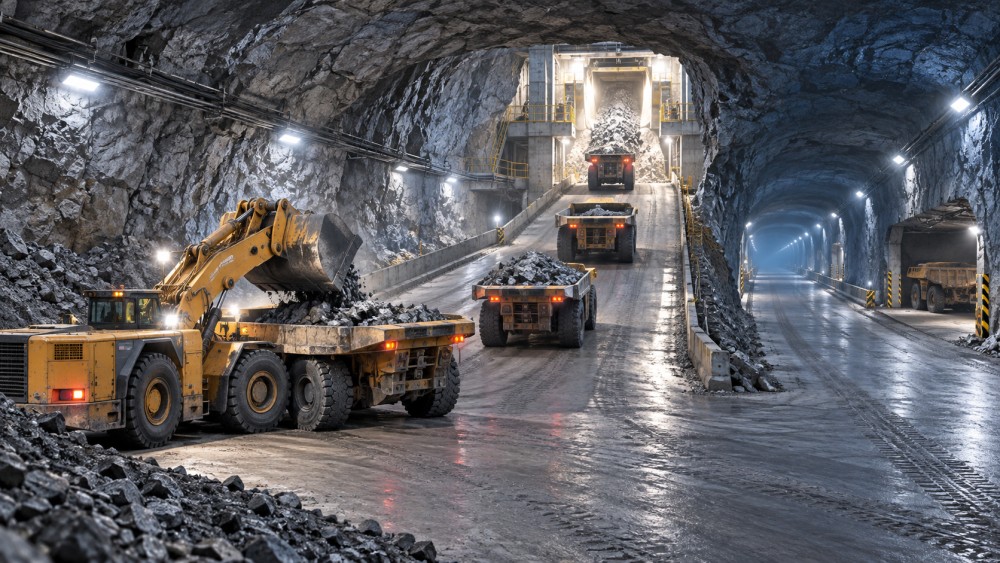
Haulage bottlenecks rarely announce themselves with a single equipment failure. More often, they appear as loaded LHDs waiting at an ore pass, trucks arriving in uneven waves, empty vehicles travelling farther than expected, or production crews blaming each other for lost time. The result is lower underground mining transport efficiency: fewer tonnes moved per operating hour, higher energy use, more congestion, and expensive mobile equipment spending too much time idle.
Adding another truck or loader can relieve a constraint temporarily, but it often shifts the queue to the next part of the circuit. A sustainable improvement begins by identifying where material flow actually breaks down, then matching fleet size, route rules, dumping capacity, maintenance windows, and energy infrastructure to that constraint.
Find the bottleneck before changing the fleet
An underground haulage system is a linked process. Material must be broken, loaded, transported, dumped, and transferred onward through passes, crushers, bins, or hoisting systems. The slowest reliable part of that chain governs output. A loader with high bucket-fill performance cannot improve the shift if trucks are queued at the loading point. Likewise, a larger truck fleet will not increase production when the crusher feed point is intermittently unavailable.
Start with a shift-by-shift timeline rather than a fleet-average utilization figure. Average utilization can hide severe variability: one machine may be working continuously while another waits for access, an operator, a clear heading, or a dumping slot. Track each haul cycle as separate events:
- loading and spotting time;
- travel time while loaded and empty;
- queue time at loading, passing bays, dump points, and charging or swapping locations;
- planned delays, including blast clearance, shift changes, inspections, and ventilation restrictions;
- unplanned delays from mechanical issues, road condition, traffic conflicts, or communication gaps.
The practical question is not simply, “Which vehicle has the most downtime?” It is, “Which delay prevents the rest of the circuit from producing?” A five-minute hold at a single narrow dump point can immobilize several machines. By contrast, an isolated short delay on a vehicle with spare capacity may have little effect on total tonnes moved.
Classify delays by location and cause. If queues repeatedly form in the same crosscut, the issue may be geometry or traffic control rather than dispatch discipline. If loaded travel time gradually rises across a shift, inspect road grade, water management, rolling resistance, and passing conditions before assuming operator performance is the cause.
Separate a capacity problem from a coordination problem
These problems look similar on a production report, but the fixes are different. A capacity constraint means a physical stage cannot process the required material flow: too few available haul units, insufficient bucket capacity for the loading pattern, an undersized ore pass, or a dump point that cannot accept material quickly enough. A coordination constraint means capacity exists but is being used at the wrong time or in the wrong place.
Coordination issues are common in mines with multiple active headings. One loading area can be starved while another has trucks waiting, because dispatch decisions are based on radio calls, delayed updates, or a fixed assignment that no longer reflects conditions underground. The response should be dynamic allocation, not automatically a larger fleet.
A fleet dispatch system is valuable when it reflects the operating reality underground. It should account for vehicle state, location, destination availability, battery or fuel status, and planned access restrictions. However, digital dispatch does not compensate for unreliable location data or inconsistent status reporting. Establishing clear event definitions and operator workflows is part of the implementation, not an administrative detail to leave until later.
Route design is a production control
Underground routes are constrained by headings, grades, ventilation arrangements, services, ground support requirements, and the need to keep people and machines separated. That does not mean route design is fixed. Small operational changes can remove recurring interference: one-way travel through a loop, protected passing bays, designated refuge areas, staging points outside loading faces, or time-separated access for support activities and haulage.
One-way systems are often effective where geometry permits them because they remove meeting conflicts and simplify right-of-way decisions. They are less suitable when the added travel distance is substantial or when an alternative route has poor ground, inadequate clearance, or insufficient ventilation. The decision should compare the full cycle impact, not only the reduction in traffic interactions.
Passing bays deserve the same attention as primary travelways. A bay that is too short, poorly positioned, obstructed by services, or difficult to enter may exist on a layout drawing but provide little operational value. Review where vehicles actually meet, including the locations where empty vehicles turn, reverse, or wait. Those movements create exposure and delay even when the main route appears adequate.
Road maintenance is also a haulage decision. Loose material, water, rutting, and poor drainage increase rolling resistance and reduce safe speed. The cost is not limited to longer travel times; it can affect tire wear, component life, braking demands, and operator fatigue. Road condition should be monitored alongside production data, particularly on long ramps and high-frequency routes.
Match loading, hauling, and dumping as one circuit
Fleet efficiency falls when equipment is selected as separate purchases rather than as a matched system. The right LHD or truck size depends on more than nominal payload. Bucket volume, fragmentation, loading-point geometry, turning space, grade, distance, dump interface, and maintenance support all affect real output.
For example, a larger haul unit may reduce the number of trips required, but it can become inefficient if it needs repeated spotting, cannot pass safely, creates congestion at a constrained drawpoint, or waits too long for a compatible loader. Smaller units can be more flexible in narrow workings and may keep production moving when multiple headings require frequent redeployment. Their disadvantage is that more vehicle movements can increase traffic complexity and supervision demands.
The same principle applies to loading. A high-capacity LHD operating into a limited number of trucks may spend too much time waiting. Conversely, a small loader paired with long truck cycles can become the limiting stage even when the trucks appear underutilized. Model the complete cycle with realistic assumptions for delays and access, then test how the circuit behaves when one unit is unavailable. A plan that works only when every machine is present is not a robust operating plan.
Do not confuse payload with productive tonnes
Overloading can create short-term pressure to improve reported output, yet it may increase spillage, vehicle stress, braking risk, and road damage. Underloading has a different cost: vehicles consume nearly the same travel time and access capacity while moving less material. Consistent loading practice, suitable fragmentation, and clear payload feedback generally matter more than pursuing the largest theoretical payload on every cycle.
Electrification changes where the constraint sits
Battery-electric LHDs and haulage equipment can reduce underground exhaust exposure and may improve working conditions in confined spaces. They also change the transport system. Charging and battery-swapping points become part of the production route, and their placement, access, and operating rules can either support or restrict throughput.
A charging strategy should be planned against the actual duty cycle, not a generic equipment schedule. Consider loaded ramp travel, regeneration opportunities, queue risk at energy stations, battery handling time, cable access where applicable, and whether the station can be reached without disrupting a primary haul route. A station placed at a convenient workshop location may create avoidable dead travel if the working faces are elsewhere.
Battery swapping can suit operations that need predictable, short service stops and have enough space to manage batteries safely. Fixed charging may fit steadier routes or locations with suitable electrical infrastructure. Neither approach is automatically superior. The better choice depends on haul distance, fleet rotation, available space, electrical distribution, maintenance practices, and the consequences of a station outage.
Before deployment, run a constrained-shift simulation or a detailed operational trial that includes the energy process. Count the travel to the station, the approach and departure movements, and the queue behavior. Treating charging as off-cycle time is a common planning error because it hides a potential shared bottleneck.
Use visibility to manage exceptions, not to create more screens
Real-time fleet visibility is most useful when it helps supervisors act on exceptions: an unexpected queue, a haul unit moving slowly on a ramp, a blocked destination, repeated idle time at a location, or a unit nearing an energy or maintenance threshold. A dashboard that displays dozens of metrics without clear escalation rules can become another source of distraction.
Choose a limited group of operational indicators that link directly to decisions. Typical examples include cycle time by route, queue time by location, productive loaded travel, tons or loads per available machine hour, destination availability, and delay categories. Review them at a frequency that matches the decision. Route congestion may require immediate action; a recurring maintenance pattern may need weekly planning.
Location systems, machine telemetry, and digital dispatch can provide the necessary evidence, but data quality determines whether teams trust the output. Align machine identifiers, route names, delay codes, shift boundaries, and time synchronization across systems. When an operator must select a delay reason, keep the list practical enough to be used consistently. Overly detailed codes usually create inconsistent data rather than deeper insight.
UTMD’s coverage of smart underground transport, including LHD automation, underground positioning, and battery-electric haulage, is useful when evaluating how these systems interact. Technology selection should follow the haulage problem: automated routing and location intelligence have the greatest value where traffic variability and coordination losses are material, not simply because a mine has chosen to modernize its fleet.
Build improvement into the mine plan and shift routine
Haulage performance is often treated as an operations issue after development, production sequencing, and infrastructure decisions are already set. That is too late for many constraints. Development headings, ore-pass locations, ventilation doors, workshop access, electrical distribution, and refuge arrangements all influence future fleet movement.
At the planning stage, test likely traffic patterns under normal production and under common disruptions. Ask where vehicles will wait during blast clearance, how a disabled unit can be recovered without blocking the circuit, whether maintenance access crosses a haul route, and how production changes when mining moves deeper or farther from the dump point. These questions reveal whether the design has operating margin.
During execution, use a short, disciplined improvement cycle:
- Identify the recurring delay with the largest system effect.
- Confirm it through time-stamped observations and operational data.
- Change one controllable condition, such as staging, dispatch logic, route priority, or service timing.
- Measure whether the change reduces the target delay without moving the queue elsewhere.
- Standardize the new practice only after safety and downstream impacts are understood.
This approach prevents teams from launching several changes at once and then being unable to tell what improved the circuit. It also keeps safety integrated with productivity. Speeding a route, reducing separation, or compressing maintenance windows may improve a short-term metric while increasing operational risk or creating a larger interruption later.
The strongest haulage systems are not those with the most equipment. They are the systems where every mobile unit has a clear, feasible path through loading, travel, dumping, energy replenishment, and maintenance. Diagnose the constraint first, correct the flow around it, and add capacity only when the remaining limitation is genuinely a lack of capacity.
Related News
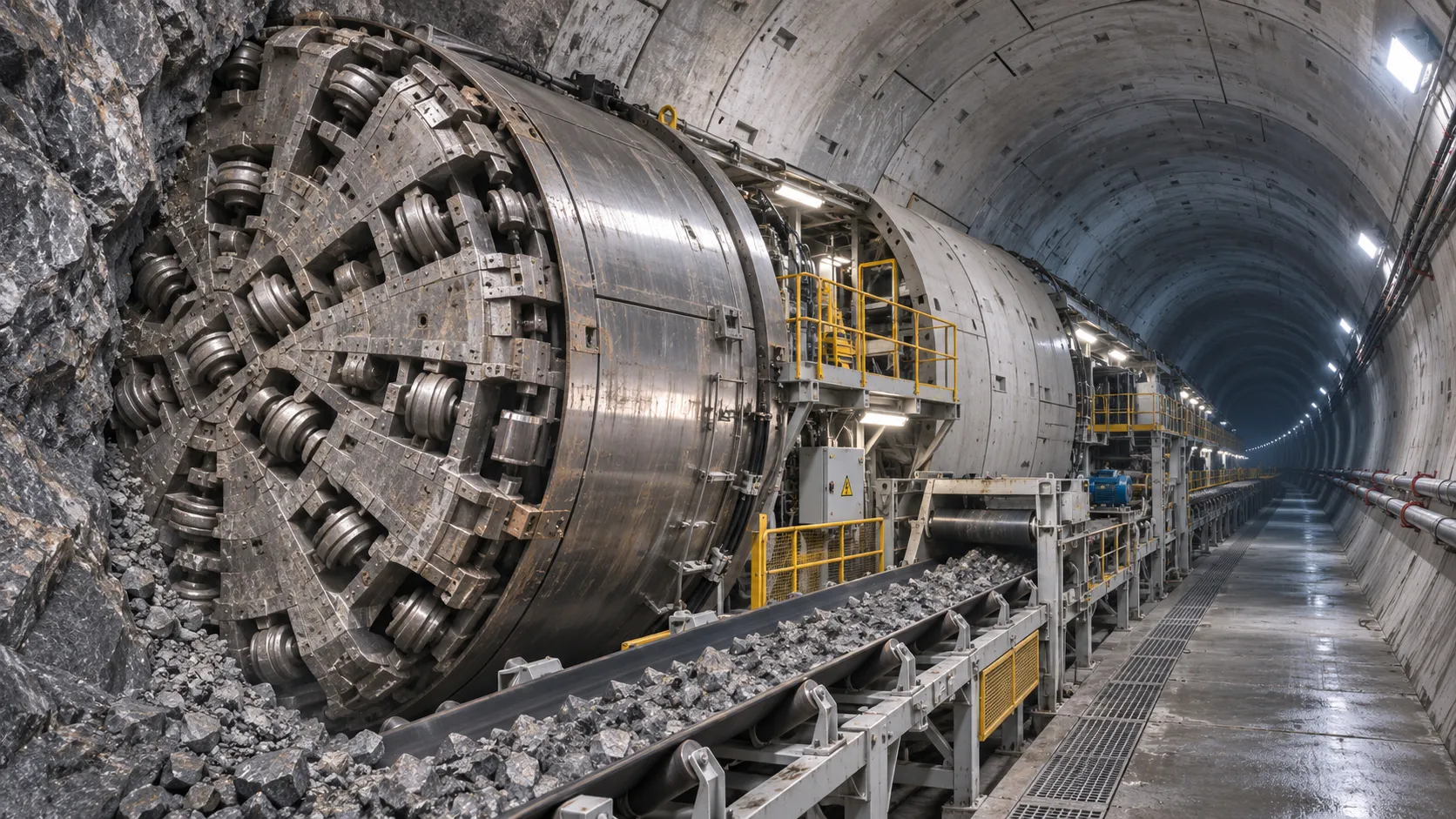
How TBM Excavation Works in Rock and Soft Ground: A Practical Guide
TBM Excavation in rock and soft ground explained: compare machine types, ground support, spoil removal, and the factors that guide smarter project planning.
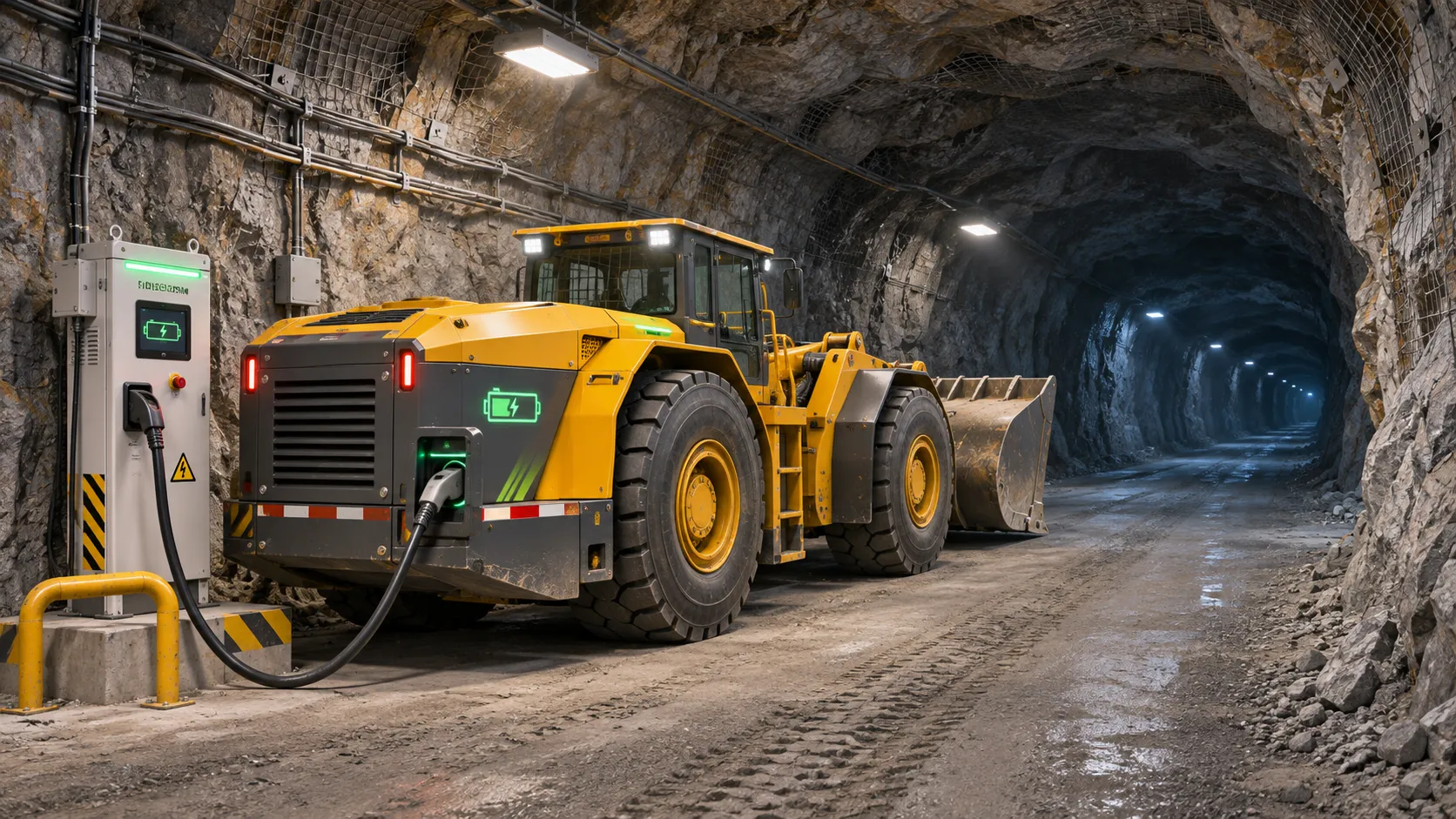
Choosing a Zero-Emission Underground Equipment Supplier: What to Check
Choosing a zero emission underground equipment supplier? Compare duty-cycle performance, charging, safety, total costs and support before you commit.
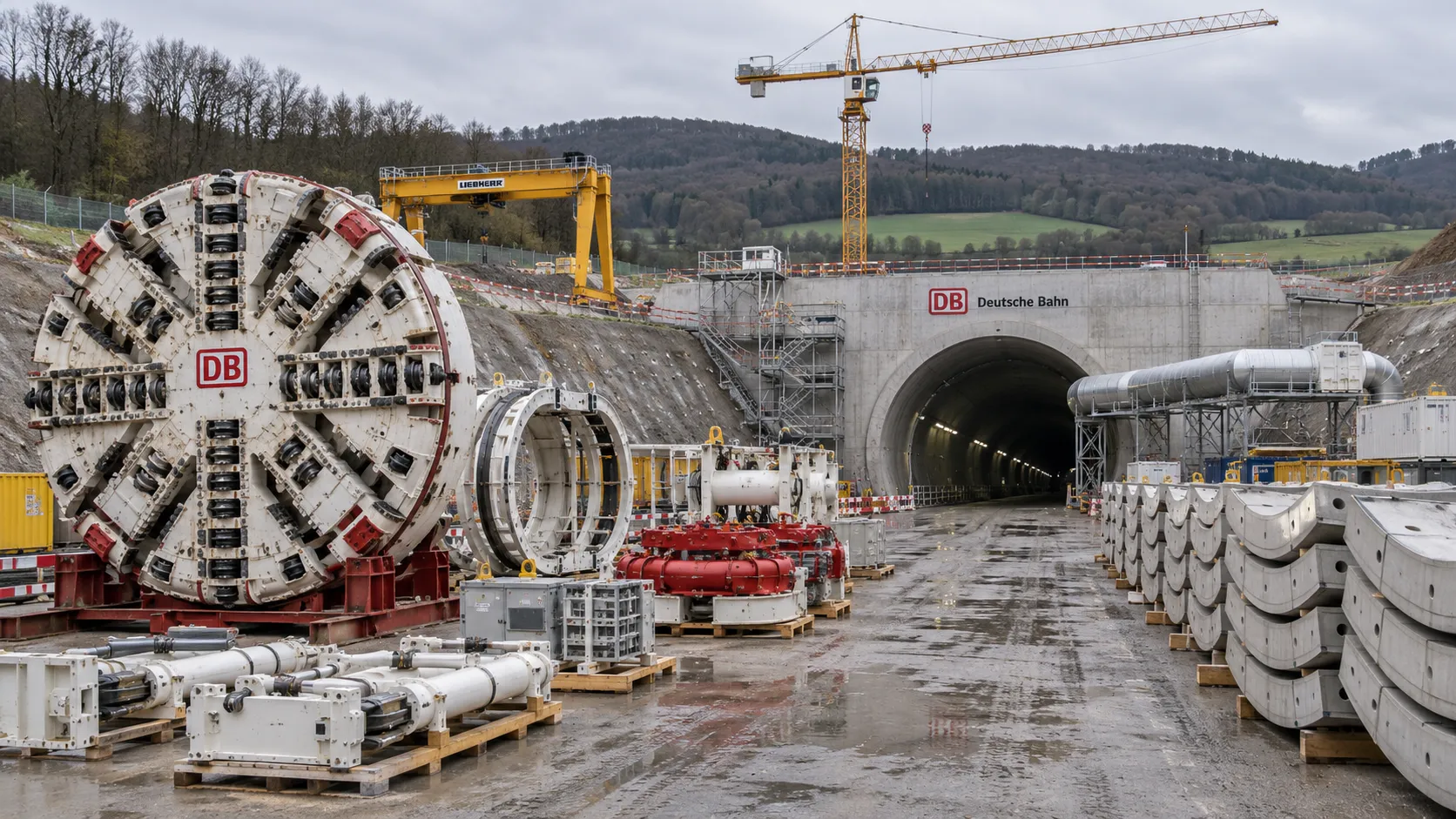
Construction Starts on Germany's Pfaffensteig Rail Tunnel, With Two TBMs Planned
Pfaffensteig rail tunnel construction is underway in Germany. Discover how two planned TBMs will support the 11-kilometre project near Stuttgart.
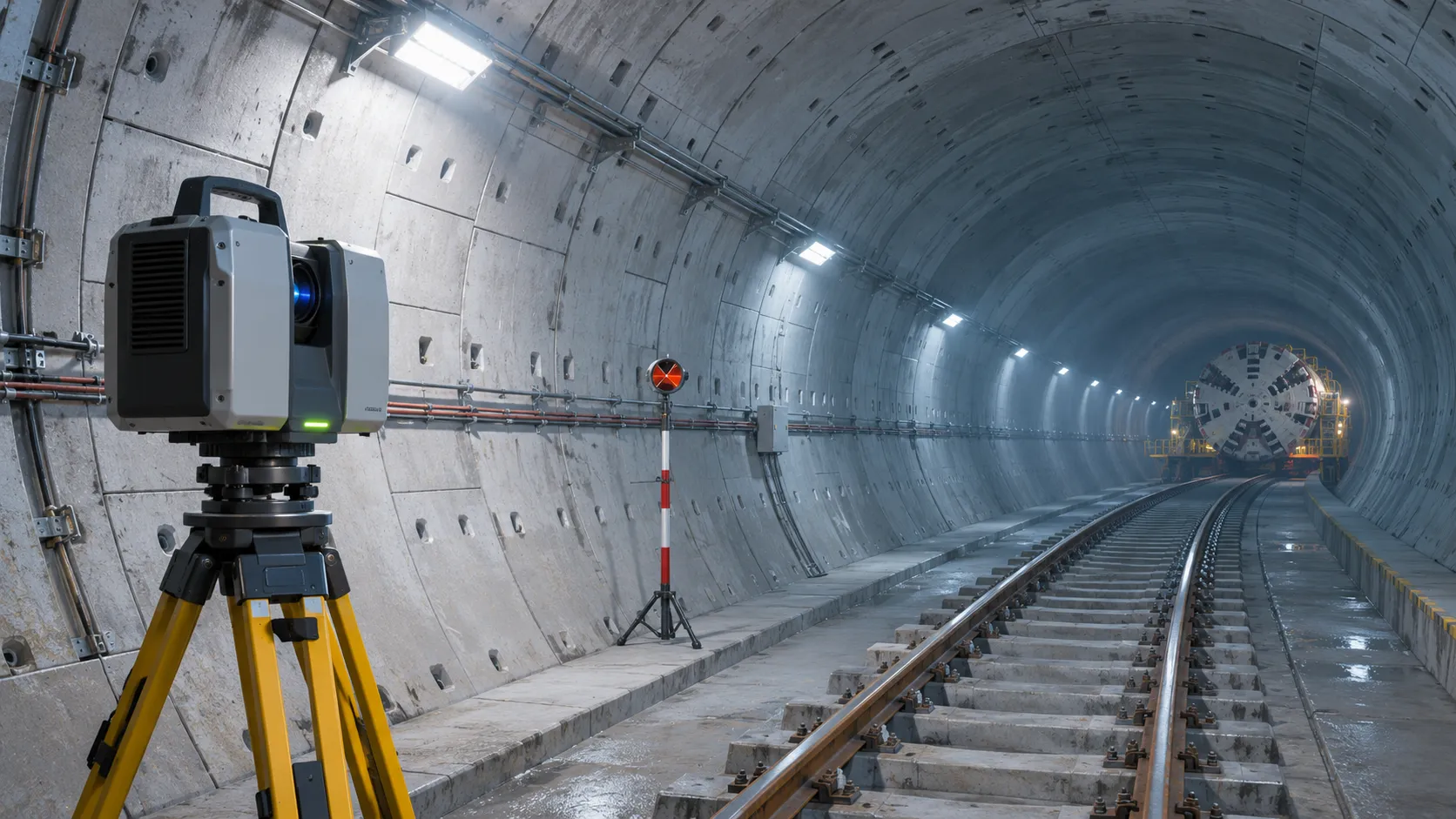
How Real-Time Underground Mapping Systems Work in Tunneling
Discover how real-time underground mapping systems guide tunneling teams, integrate sensor data, and support confident decisions with verified accuracy.
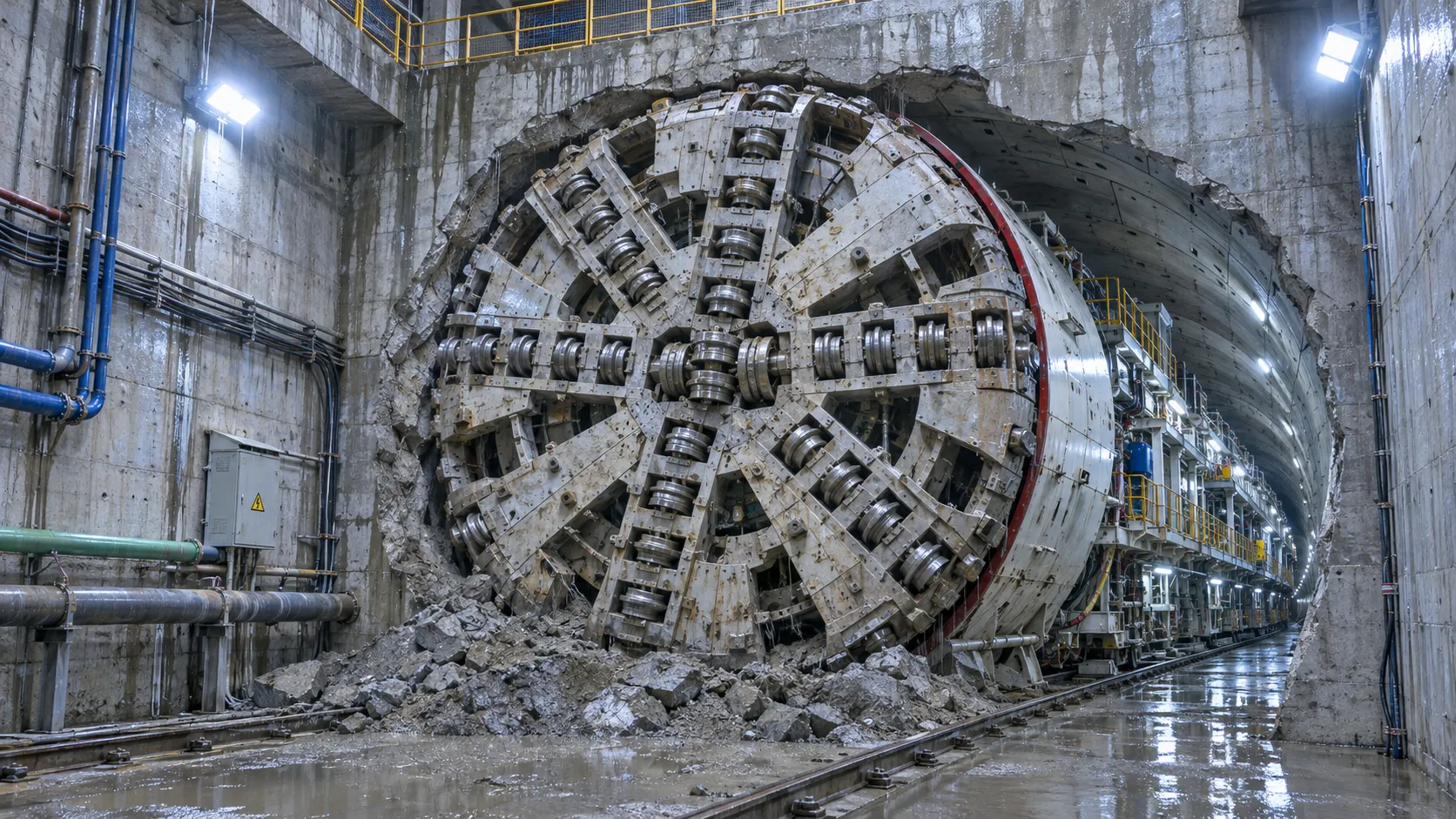
First Mechanized Tunnel Crossing Beneath the Panama Canal Completed
Panama Canal tunnel crossing: Explore the reported Metro Line 3 milestone and what it could mean for future underwater tunneling projects.
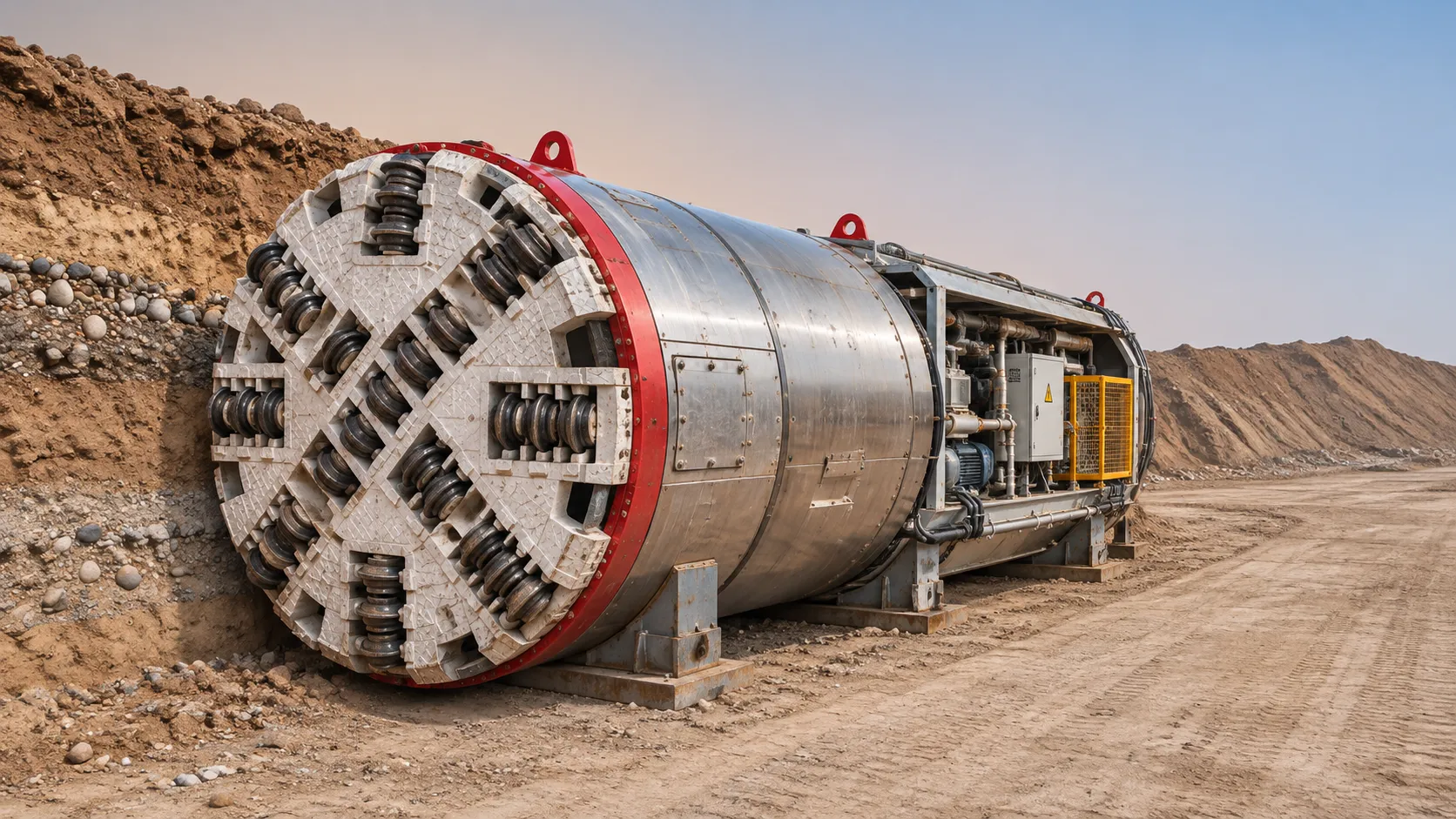
Underground Utility Construction Equipment: Choosing by Ground Conditions
Choose underground utility construction equipment with confidence. Compare trenching, HDD, microtunnelling and TBMs by ground conditions, risk and cost.
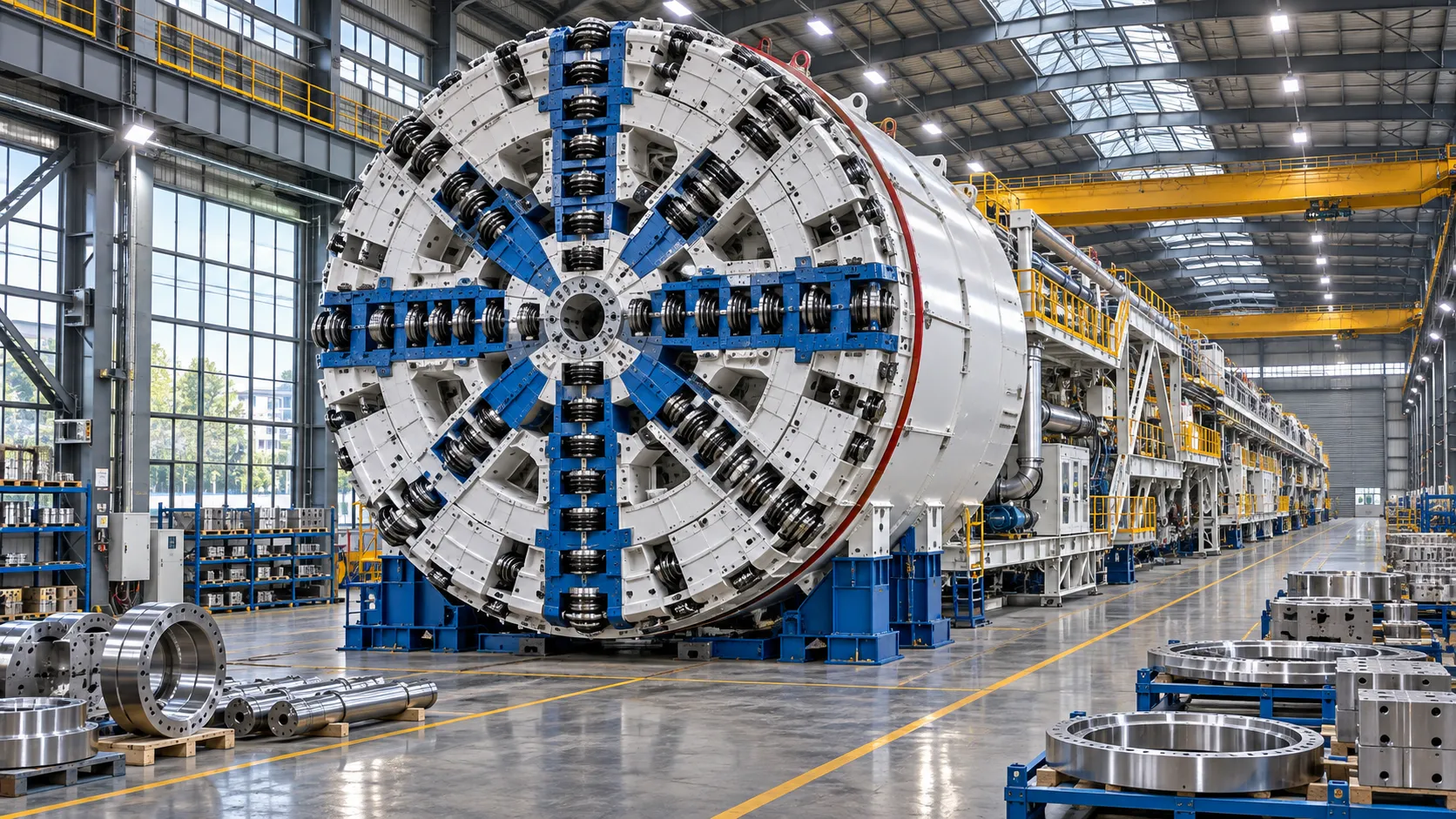
China Sets Tunnel Boring Machine Export Controls as India Pushes Local Production
China tunnel boring machine export controls could reshape procurement as India pushes local production. Explore potential supply and project impacts.
Choosing a Trenchless Pipeline Installation Contractor: Key Qualifications
Choose a trenchless pipeline installation contractor with confidence. Learn how to assess experience, equipment, safety, costs, and project risks before you hire.
China's 70% TBM Share and Export Controls Challenge India's Local Production
China's TBM export controls could challenge India's local production and infrastructure sourcing. Explore the potential risks and procurement options.
Related News
- 00
0000-00
How TBM Excavation Works in Rock and Soft Ground: A Practical Guide - 00
0000-00
Choosing a Zero-Emission Underground Equipment Supplier: What to Check - 00
0000-00
Construction Starts on Germany's Pfaffensteig Rail Tunnel, With Two TBMs Planned - 00
0000-00
How Real-Time Underground Mapping Systems Work in Tunneling - 00
0000-00
First Mechanized Tunnel Crossing Beneath the Panama Canal Completed
Weekly Insights
Stay ahead with our curated technology reports delivered every Monday.