
Which Tunnel Construction Machinery Standards Apply to Equipment Acceptance?





Which Tunnel Construction Machinery Standards Apply to Equipment Acceptance?
Equipment acceptance is one of the last practical chances to prevent a tunnel project from inheriting avoidable mechanical, electrical, and safety risks. Once a tunnel boring machine is assembled behind a portal, a pipe jacking system is launched below a busy street, or a drilling jumbo begins work at the face, correcting a missing safeguard or undocumented modification becomes far more expensive than identifying it during inspection.
There is no single universal rulebook for all tunnel construction machinery. The applicable tunnel construction machinery standards depend on the equipment type, intended use, country of operation, project contract, power source, hazardous-area classification, and whether the machine will operate in a civil tunnel, an underground mine, or both. A quality or safety manager should therefore treat acceptance as a structured compliance review—not simply a functional demonstration or handover signature.
For complex assets such as TBMs, pipe jacking machines, drilling jumbos, underground LHD loaders, and battery-electric haulage equipment, the acceptance file must show that the delivered machine matches the approved technical basis and that its safeguards still work under realistic operating conditions.
Start with the hierarchy of applicable requirements
A common acceptance failure is reviewing a machine against a generic checklist while overlooking the order of precedence in the contract. In practice, requirements usually sit in several layers:
- Mandatory national or regional legislation governing machinery, electrical systems, worker protection, pressure equipment, emissions, and explosive atmospheres.
- Project specifications, employer requirements, and approved design documents.
- Machine-specific standards for tunnelling, drilling, mobile mining equipment, or earth-moving machinery.
- Cross-cutting safety standards for risk assessment, controls, guarding, emergency stops, hydraulic systems, and electrical equipment.
- The manufacturer’s operating, maintenance, inspection, and commissioning instructions.
The legal framework cannot be replaced by a voluntary standard. In the European market, for example, machinery conformity obligations, technical documentation, and the applicable conformity marking process need to be checked against the relevant legal regime. In mining environments, additional national mining regulations may apply. In the United States, project teams may also need to consider OSHA requirements, while mine equipment and operations can fall under MSHA requirements. The correct route is jurisdiction-specific.
Standards are most useful when they are converted into testable acceptance criteria. “Complies with ISO requirements” is not an acceptance criterion. “Emergency-stop circuits have been function-tested at each operator station and verified against the approved control schematic” is.
Core machinery-safety standards that recur across equipment types
Several international standards are repeatedly relevant because tunnel machinery combines high energy, moving structures, limited visibility, and difficult access for maintenance. ISO 12100 provides the general framework for machinery risk assessment and risk reduction. It is particularly useful during acceptance because it directs attention to reasonably foreseeable misuse: an operator entering a restricted zone, maintenance being performed with stored hydraulic energy present, or a sensor being bypassed to recover production.
For safety-related control functions, ISO 13849-1 and ISO 13849-2 are widely used references. They address the design and validation of control-system parts that perform safety functions. On acceptance, the question is not merely whether a safety PLC or relay is installed. The team should confirm that documented safety functions—such as cutterhead access interlocking, tram inhibit, emergency stopping, boom exclusion, or battery isolation—have been validated and tested in their final installed configuration.
IEC 60204-1 is a central reference for electrical equipment of machines. It covers areas including electrical protection, wiring practices, disconnecting means, identification, and verification. For hydraulically intensive equipment, ISO 4413 is relevant to hydraulic fluid power systems, while ISO 4414 performs a similar role for pneumatic systems. ISO 14118 addresses prevention of unexpected start-up; ISO 14119 addresses interlocking devices associated with guards; and ISO 13850 covers emergency-stop function principles.
These are not documents to collect for their own sake. They point directly to acceptance evidence: current schematics, safety-function validation records, lockout and isolation arrangements, pressure-relief settings, marked test points, cable schedules, and test records for alarms and interlocks.
TBMs and pipe jacking systems: inspect the interfaces, not just the machine
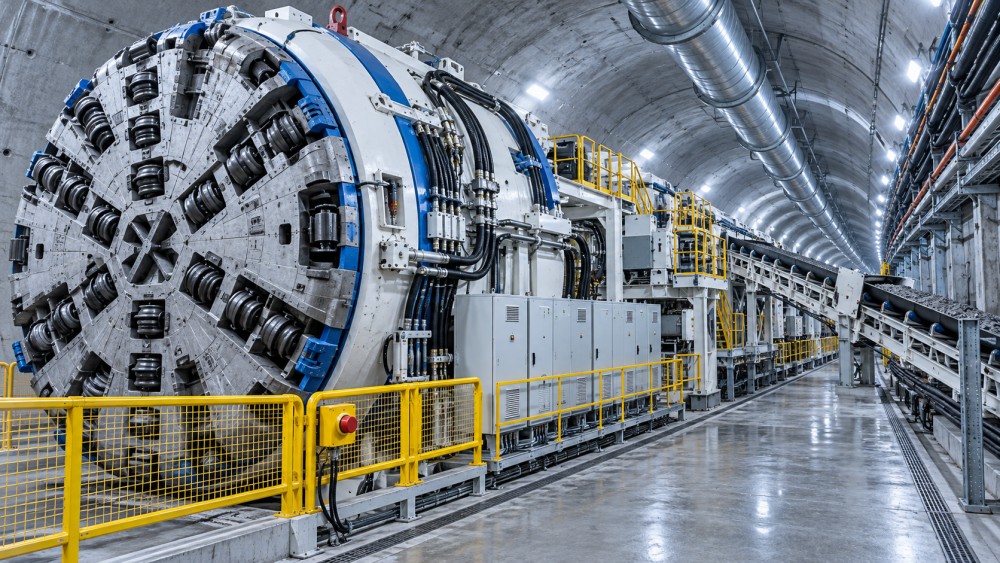
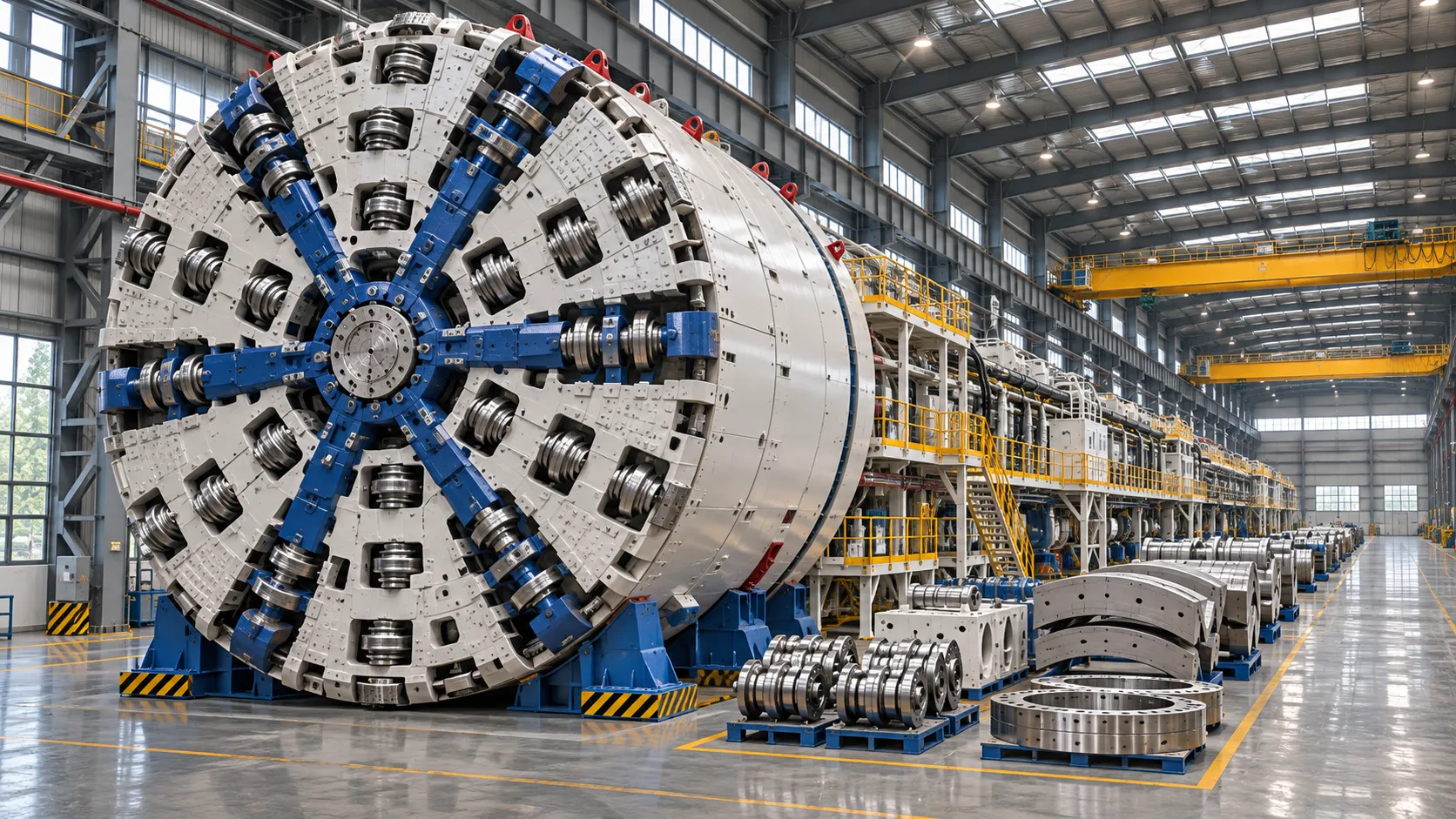
A full-face TBM is an integrated underground production system rather than a single machine. Acceptance must cover the cutterhead and main drive, thrust and articulation cylinders, segment erector, screw conveyor or slurry circuit where applicable, conveyor interfaces, ventilation, dewatering, firefighting provisions, communications, and control architecture. EN 16191, where contractually applicable, is an important European safety reference for tunnel boring machines and other tunnelling machinery.
However, the most consequential TBM defects often arise at interfaces. A machine can pass factory testing but encounter unacceptable risk when site power quality differs from the assumed design, the backup train layout changes escape routes, or a conveyor emergency-pull-wire circuit is extended without proper validation. Acceptance should confirm that site assembly has not weakened guard integrity, access control, cable protection, fire compartmentation, or emergency communications.
For slurry and earth-pressure-balance machines, inspection also needs to reflect process hazards. Pressure-bearing components, seals, slurry pipelines, pressure-monitoring devices, and access procedures must be checked against the approved operating envelope. Where pressure equipment legislation applies, it should be assessed separately rather than assumed to be covered by general machinery documentation.
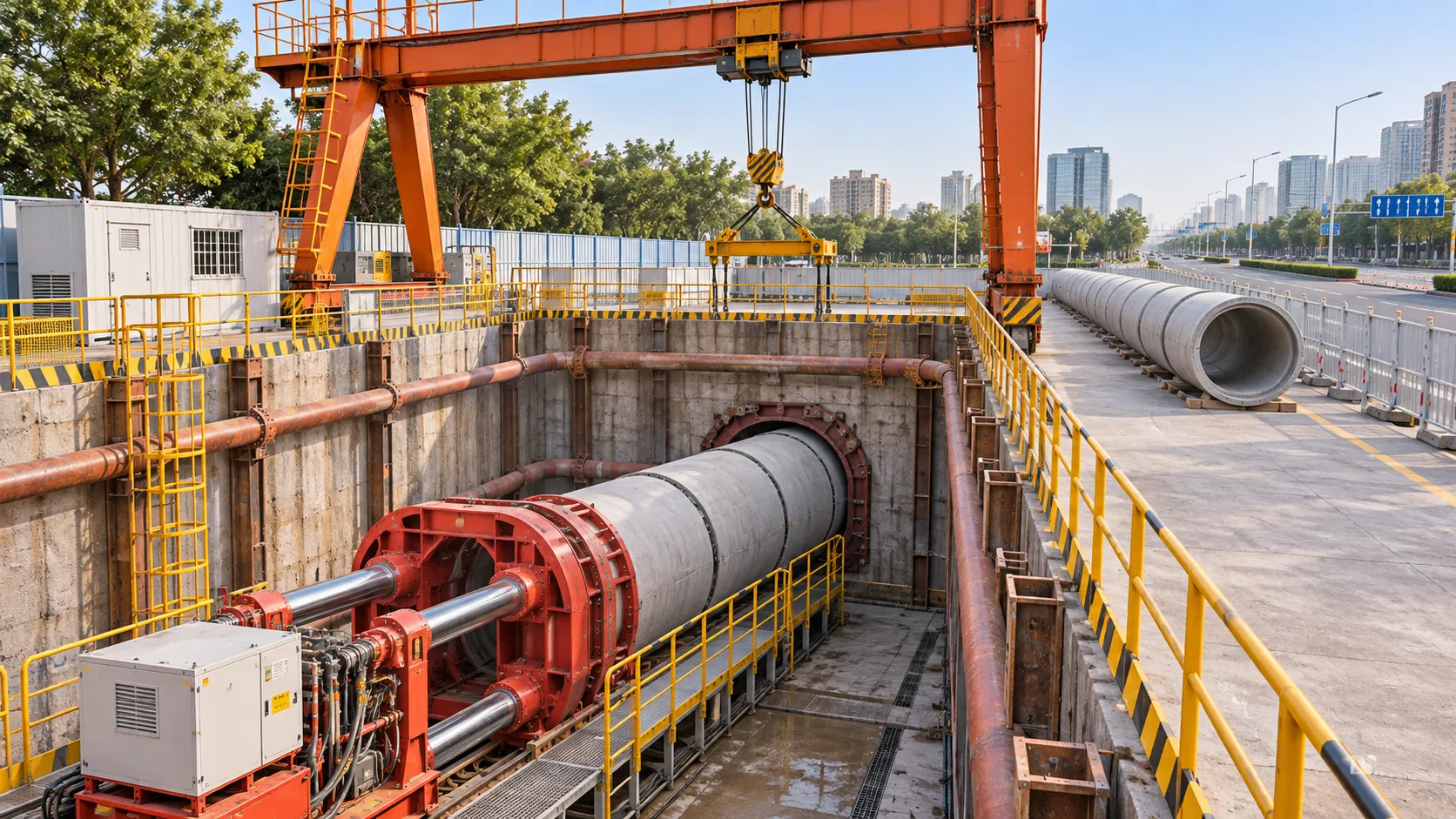
Pipe jacking systems deserve the same discipline. The jacking frame, reaction wall arrangement, thrust cylinders, lubrication circuit, guidance system, separation plant, and launch-shaft protection all form part of the acceptance boundary. EN 12889 is commonly referenced for trenchless construction and testing principles, while EN 1610 is relevant to construction and testing of drains and sewers. Neither should be used as a substitute for a machine-specific safety review. The critical question is whether the complete launch arrangement can control jacking loads, prevent unintended movement, and protect people working near the thrust system.
Drilling jumbos, LHDs, and mobile underground equipment
Drilling jumbos create a distinctive mix of hazards: high-pressure hydraulics, moving booms, rotating drill steels, falling rock exposure, dust, noise, and limited operator visibility. EN 16228 is a key European standard series for drilling and foundation equipment safety and may be relevant depending on the machine and application. Contract teams should verify the exact part and edition cited in project documentation rather than relying on a broad statement of compliance.
Acceptance testing for a jumbo should include boom movement limits, emergency-stop response, drill-feed controls, hose routing and restraint, guarding around moving or rotating parts, operator visibility, lighting, communication systems, and the condition of fire suppression equipment where required. A functional drilling demonstration alone does not verify safe maintenance access or the ability to isolate hydraulic and electrical energy.
For underground LHD loaders and mine haulage equipment, ISO 19296 is a significant safety reference for mobile mining machinery working underground. Depending on the equipment category and local requirements, ISO 3450 braking-system performance and ISO 19014 functional-safety concepts for earth-moving machinery may also be relevant. The applicable standard set changes when a machine is autonomous, remotely operated, battery electric, or intended for a potentially explosive atmosphere.
Battery-electric equipment adds acceptance questions that are sometimes missed by teams accustomed to diesel fleets. Inspect charging or battery-swapping interfaces, high-voltage isolation, insulation monitoring where fitted, emergency disconnects, cable and connector condition, thermal alarms, interlocks, and the recovery procedure for an immobilized vehicle. Ventilation assumptions must also be revisited: zero tailpipe emissions do not remove heat loads, battery-fire considerations, tire smoke, or dust hazards.
Hazardous atmospheres and fire protection require a separate decision
Not every tunnel is classified as a hazardous area, but acceptance teams should never infer that it is not. Methane, flammable gases, combustible dusts, diesel vapours, and process chemicals can alter the required equipment design. Where explosive atmospheres are possible, the IEC 60079 series and applicable local explosive-atmosphere regulations may become relevant. Equipment selection, cable glands, enclosures, sensors, lighting, and maintenance procedures must match the classified zone and gas or dust group where applicable.
Fire protection should also be reviewed as a system. Check the specified extinguishing medium, detector placement, manual activation points, alarm transmission, shutdown logic, hose routing, inspection records, and compatibility with the machine’s electrical and hydraulic layout. An automatic suppression system that cannot be inspected, reset, or maintained under tunnel conditions offers limited practical protection.
What a defensible acceptance package looks like
A sound acceptance decision combines documents, inspections, and witnessed tests. Factory acceptance testing can demonstrate manufacturing quality and basic functionality, but site acceptance testing is where tunnel-specific interfaces and operating conditions are verified. The two should not be collapsed into one signature.
The acceptance record should identify unresolved items, their risk level, the responsible party, interim controls, and closure evidence. A vague note such as “to be rectified later” is especially risky for safety functions, guarding, fire protection, braking, pressure systems, and electrical protection.
Do not accept compliance claims without traceability
One of the most persistent mistakes is equating a declaration, certificate, or conformity mark with project readiness. These documents may be necessary, but they do not prove that a machine is correctly assembled, configured, maintained, and safe within a particular tunnel. The delivered equipment may include optional systems, software revisions, retrofit components, or site-installed auxiliaries that were not present in the original assessment.
Traceability matters most after change. If a TBM control screen is updated, an LHD receives a remote-control package, a jumbo boom is modified, or a pipe jacking power pack is replaced, the project should determine whether the change affects safety functions, intended use, legal compliance, or the original risk assessment. The answer is not always “yes,” but it should never be assumed to be “no.”
UTMD follows this intersection of equipment engineering, underground operating conditions, and changing compliance expectations across TBMs, trenchless systems, drilling equipment, and smart mine transport. For quality and safety teams, the practical lesson is straightforward: standards should guide a field-verifiable acceptance process, not remain as references in a procurement appendix. Before release for service, confirm the exact jurisdiction, the machine category, the project specification, and the evidence that the installed configuration performs safely under the conditions it will actually face underground.
Related News
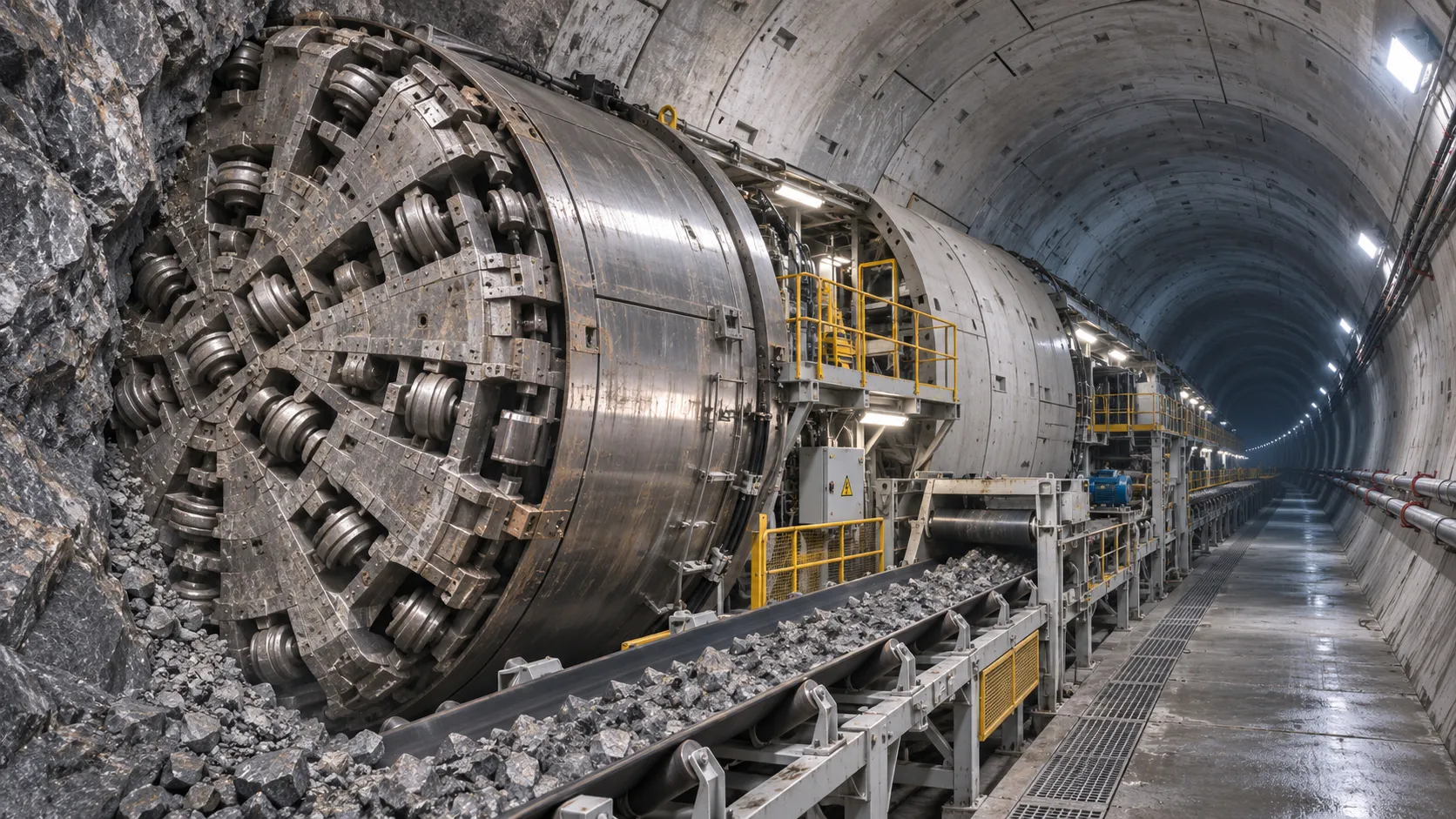
How TBM Excavation Works in Rock and Soft Ground: A Practical Guide
TBM Excavation in rock and soft ground explained: compare machine types, ground support, spoil removal, and the factors that guide smarter project planning.
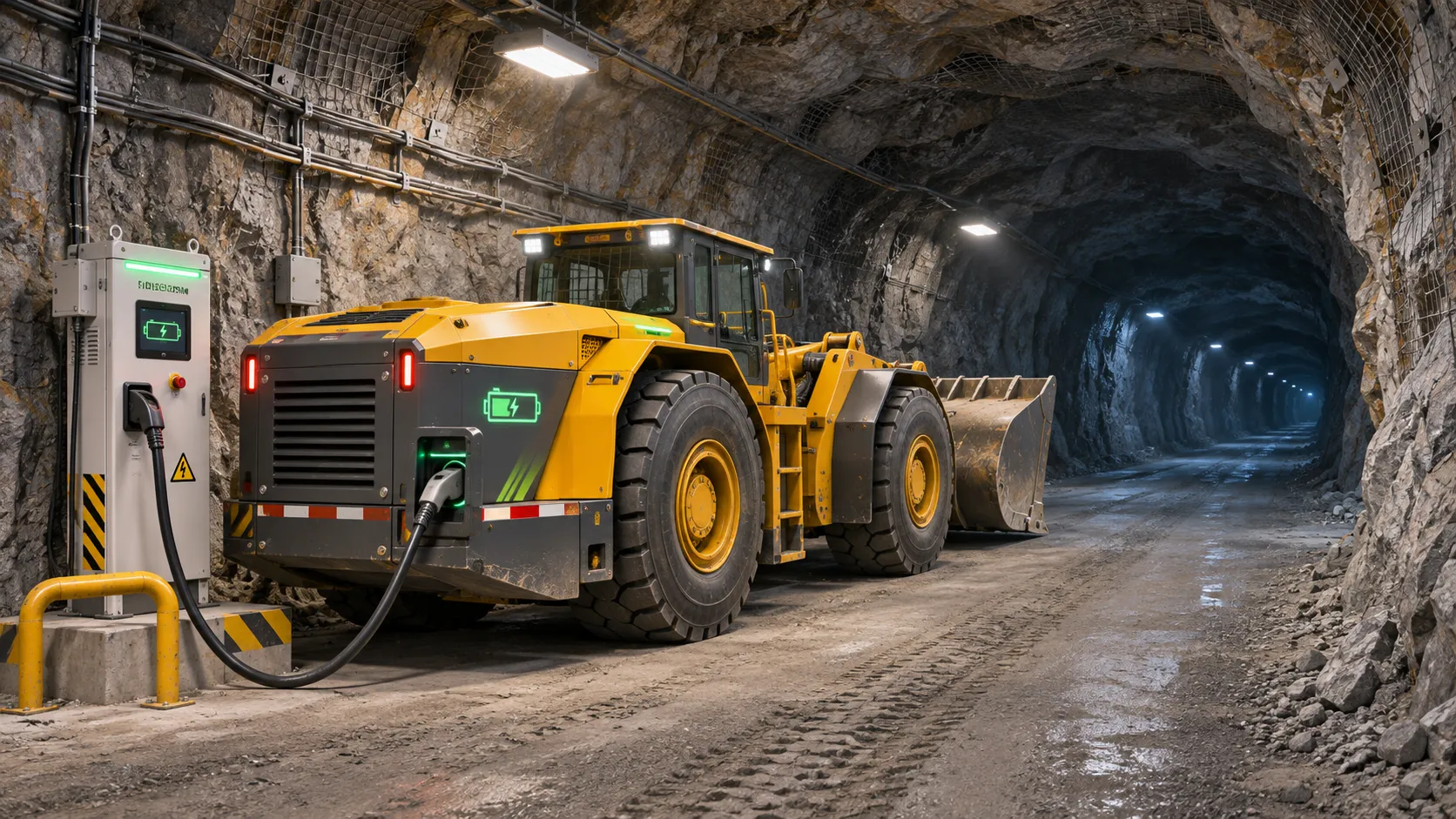
Choosing a Zero-Emission Underground Equipment Supplier: What to Check
Choosing a zero emission underground equipment supplier? Compare duty-cycle performance, charging, safety, total costs and support before you commit.
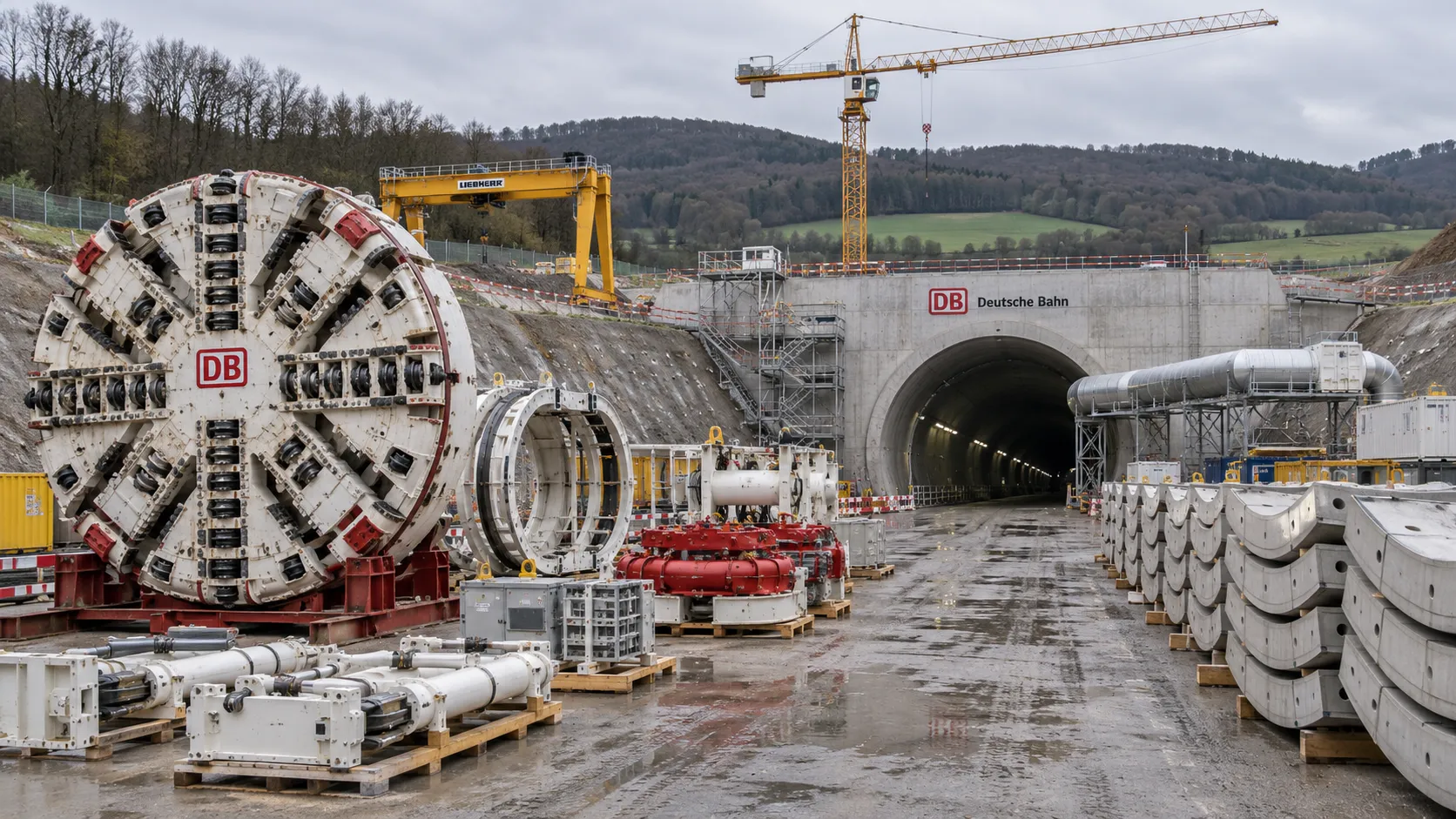
Construction Starts on Germany's Pfaffensteig Rail Tunnel, With Two TBMs Planned
Pfaffensteig rail tunnel construction is underway in Germany. Discover how two planned TBMs will support the 11-kilometre project near Stuttgart.
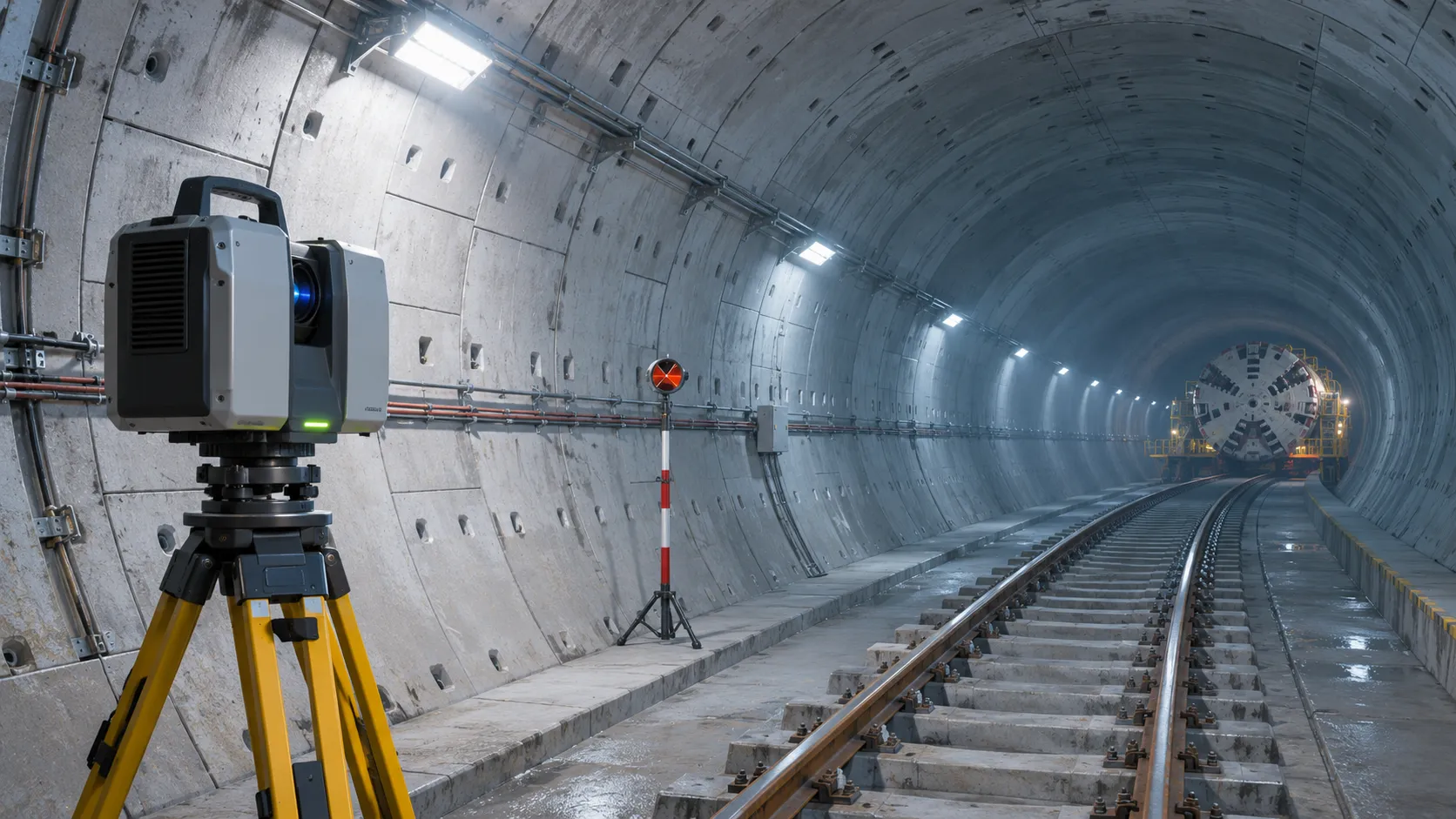
How Real-Time Underground Mapping Systems Work in Tunneling
Discover how real-time underground mapping systems guide tunneling teams, integrate sensor data, and support confident decisions with verified accuracy.
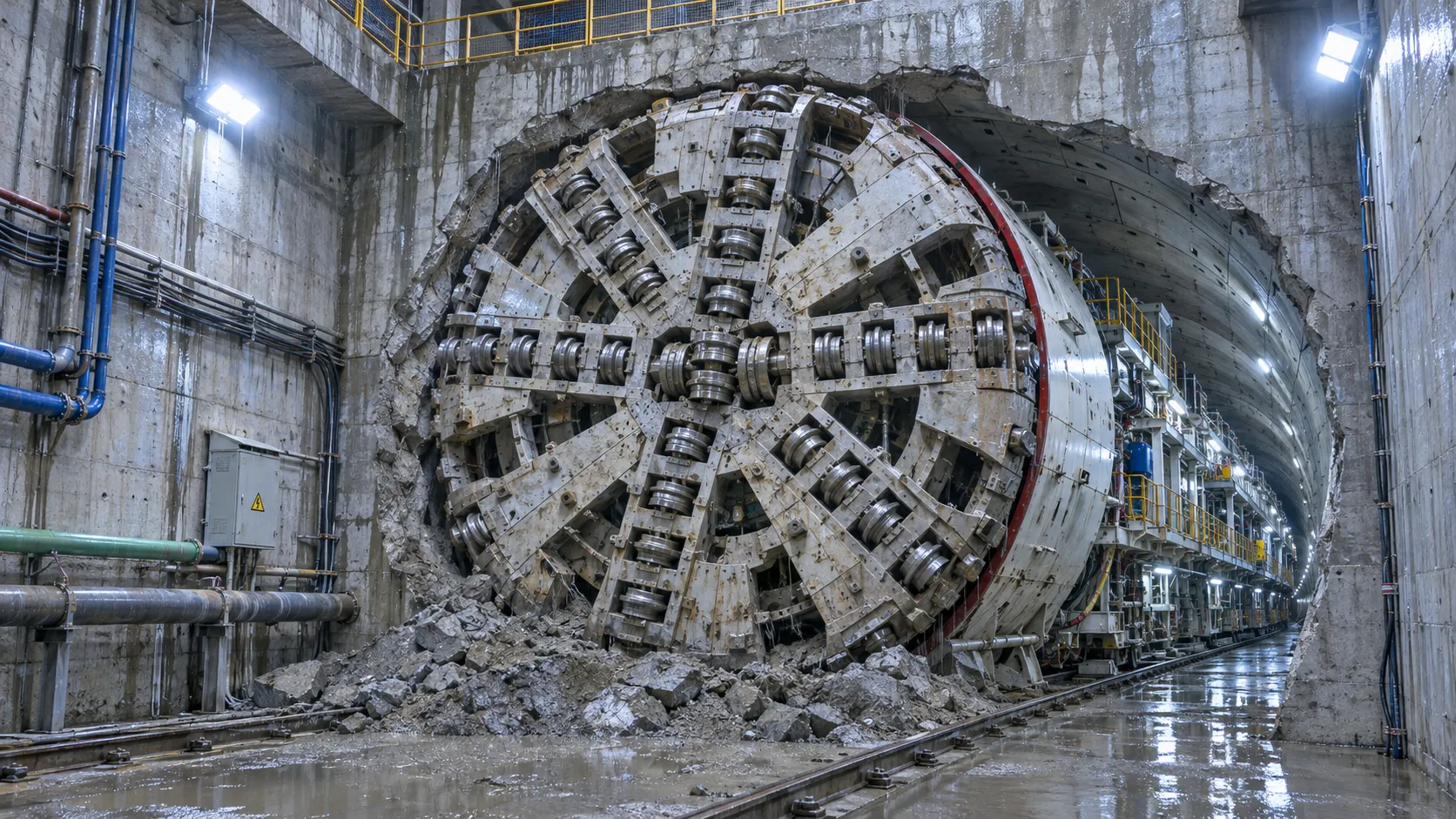
First Mechanized Tunnel Crossing Beneath the Panama Canal Completed
Panama Canal tunnel crossing: Explore the reported Metro Line 3 milestone and what it could mean for future underwater tunneling projects.
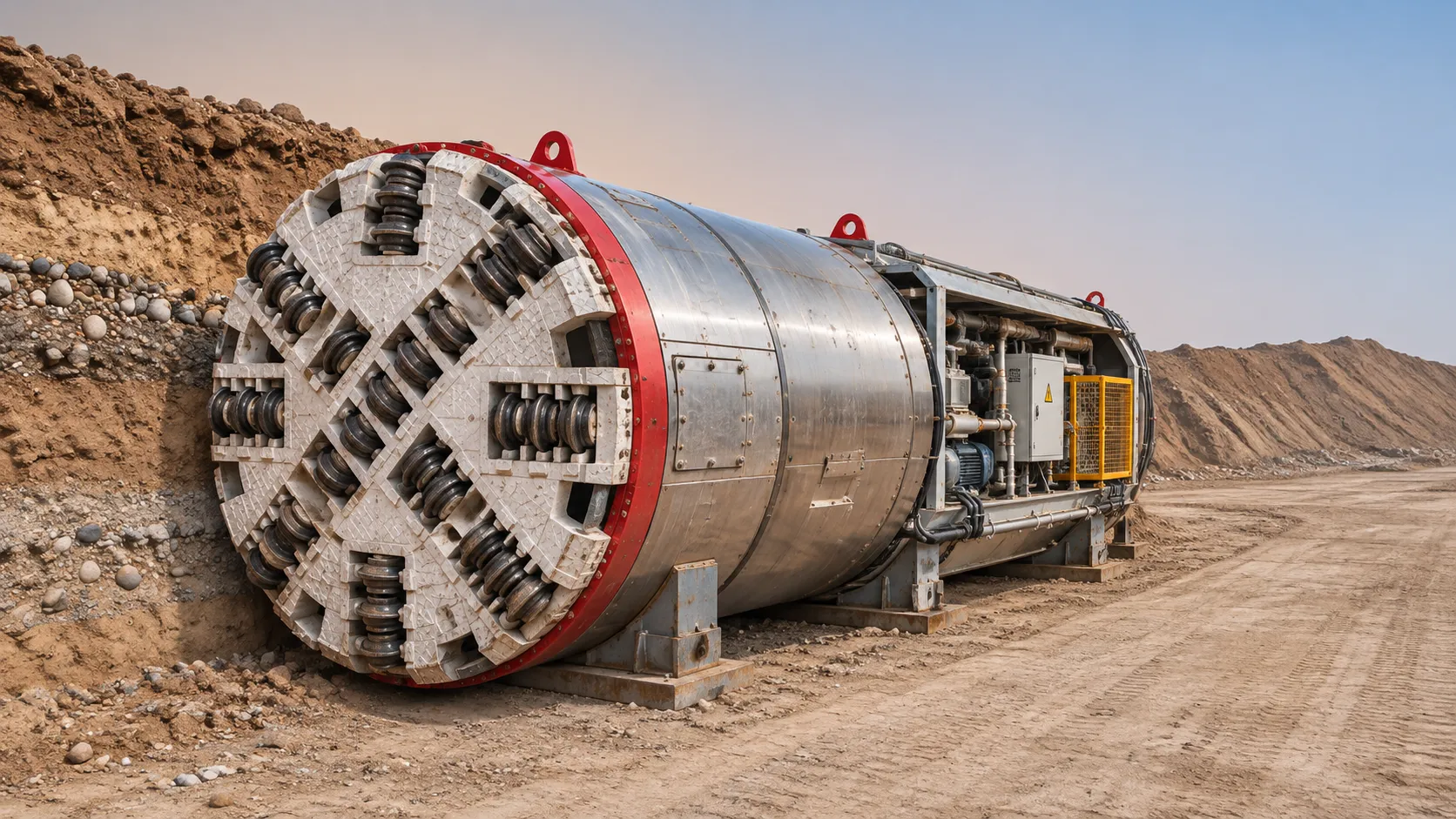
Underground Utility Construction Equipment: Choosing by Ground Conditions
Choose underground utility construction equipment with confidence. Compare trenching, HDD, microtunnelling and TBMs by ground conditions, risk and cost.
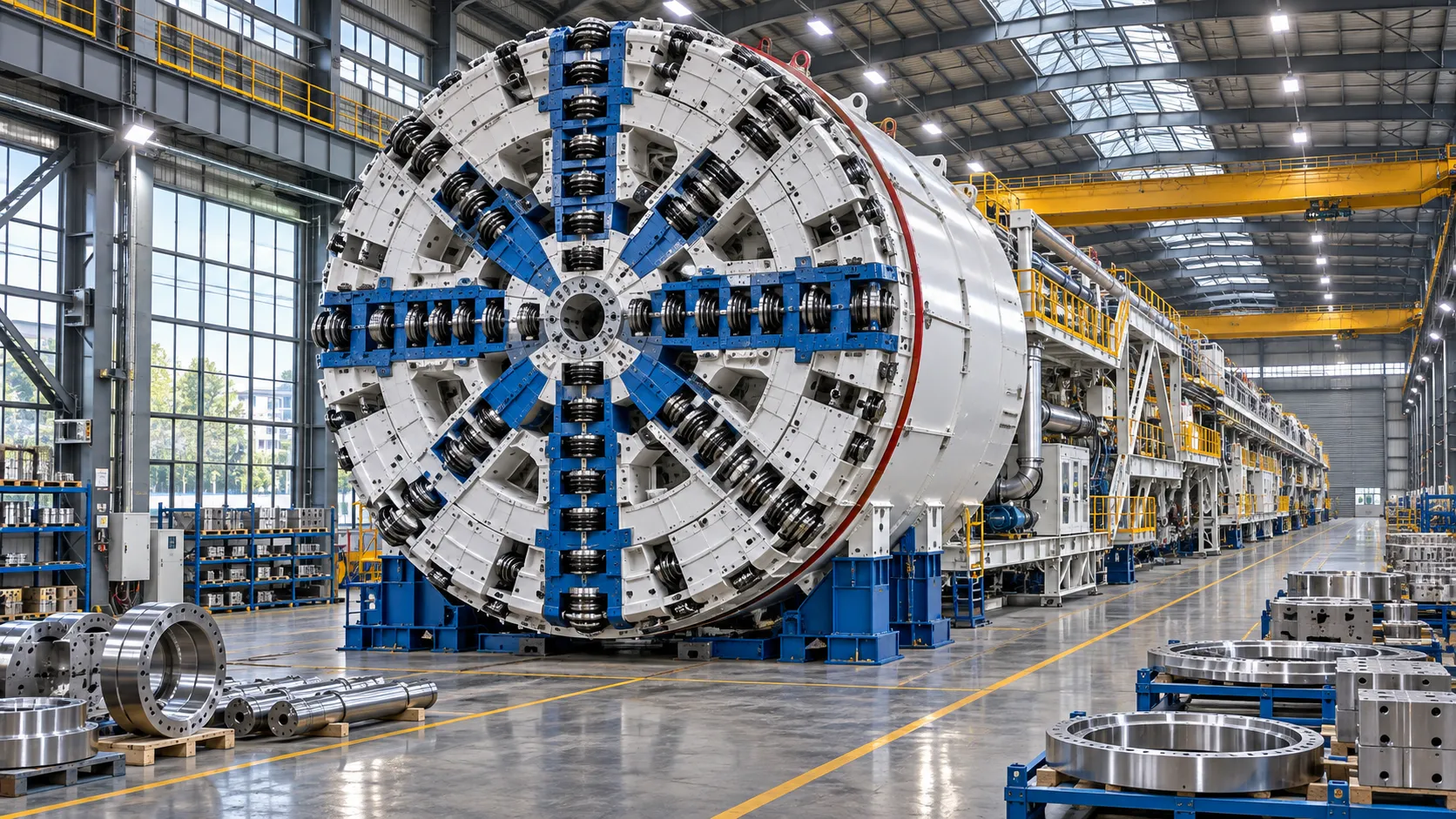
China Sets Tunnel Boring Machine Export Controls as India Pushes Local Production
China tunnel boring machine export controls could reshape procurement as India pushes local production. Explore potential supply and project impacts.
Choosing a Trenchless Pipeline Installation Contractor: Key Qualifications
Choose a trenchless pipeline installation contractor with confidence. Learn how to assess experience, equipment, safety, costs, and project risks before you hire.
China's 70% TBM Share and Export Controls Challenge India's Local Production
China's TBM export controls could challenge India's local production and infrastructure sourcing. Explore the potential risks and procurement options.
Related News
- 00
0000-00
How TBM Excavation Works in Rock and Soft Ground: A Practical Guide - 00
0000-00
Choosing a Zero-Emission Underground Equipment Supplier: What to Check - 00
0000-00
Construction Starts on Germany's Pfaffensteig Rail Tunnel, With Two TBMs Planned - 00
0000-00
How Real-Time Underground Mapping Systems Work in Tunneling - 00
0000-00
First Mechanized Tunnel Crossing Beneath the Panama Canal Completed
Weekly Insights
Stay ahead with our curated technology reports delivered every Monday.