
Tunnel Boring Machine Costs: Budgeting for Purchase, Operation, and Project Risk





A tunnel procurement request can look manageable until the approval sheet reaches the capital line for the machine. The purchase figure is visible; the costs that threaten the project budget usually sit elsewhere: cutter replacements, factory acceptance changes, transport constraints, launch-site works, power availability, standby crews, and the financial effect of a machine waiting behind an unresolved ground condition.
The practical answer is that Tunnel Boring Machines cost should be approved as a risk-adjusted lifecycle budget, not as an equipment price comparison. A low quoted acquisition cost may be appropriate for a short, well-characterized drive with standard support systems. It can be a poor decision where geology is variable, access is constrained, or schedule delay has major consequences. The funding model should separate unavoidable base costs from uncertainty allowances, then test whether ownership, rental, refurbishment, or a contractor-supplied machine creates the lowest exposure for the specific tunnel.
Start with the excavation method, not the machine quotation
The first budgeting error often occurs before suppliers are invited to quote. A full-face machine is not a generic asset that can be priced accurately without a defined operating envelope. Shield type, cutterhead arrangement, segment handling, ground conditioning, pressure control, backup length, and spoil removal method all affect both capital expenditure and operating risk.
A hard-rock TBM for competent, abrasive rock has a different cost structure from an earth-pressure balance machine working beneath urban utilities or a slurry machine intended for water-bearing mixed ground. Even machines with similar diameters can have very different electrical loads, wear-part requirements, backup configurations, and launch constraints. Finance teams should require the engineering basis for the selected machine before treating competing offers as comparable.
Useful approval questions include:
- What ground range is the machine expected to encounter, and where are the limits of available investigation data?
- Is the selected configuration designed for the expected rock strength, abrasivity, permeability, groundwater pressure, and mixed-face probability?
- What tunnel diameter, curve radius, gradient, lining system, and required production rate drive the specification?
- Which systems are included in the supplier scope, and which remain in the project scope?
- What operational assumptions sit behind the stated advance rate?
The aim is not to eliminate uncertainty from the budget. Underground work cannot be priced that way. The aim is to show which assumptions create a fixed commitment and which can move after the machine has entered the ground.
Build the budget in layers
Instead of one “TBM cost” line, use linked layers that can be reviewed by engineering, construction, commercial, and finance stakeholders. This makes omissions easier to see and prevents a low equipment quote from obscuring a costly site interface.
A budget review becomes more reliable when each layer names an owner. The machine supplier may price the TBM, while the civil contractor carries the launch works, the utility provider controls grid connection timing, and the project company bears delay consequences. Without clear ownership, the total can look funded while critical interfaces remain unpriced.
The purchase price is only the opening commitment
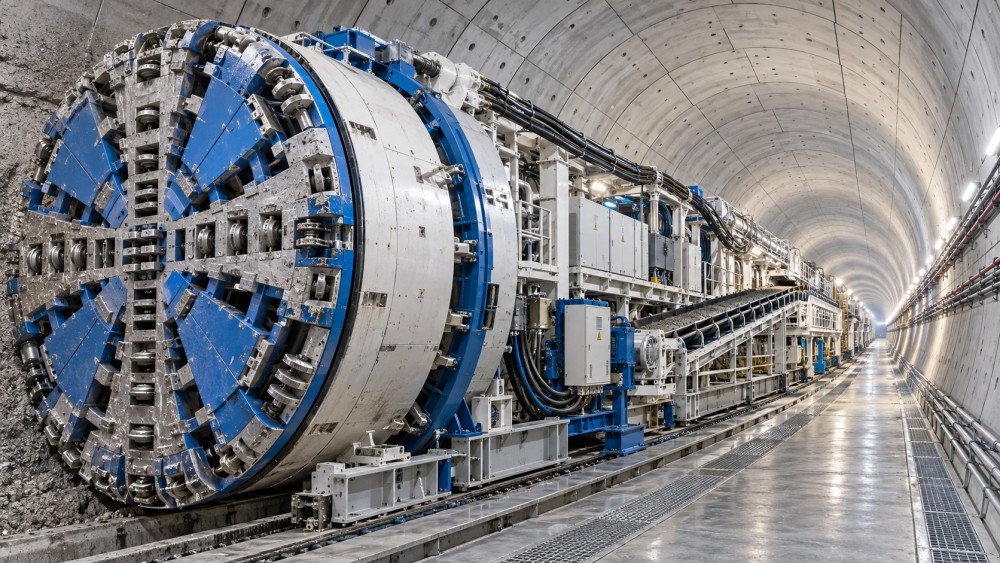
New-build machines generally provide the strongest ability to match the expected drive conditions. Their price can include design work, manufacturing lead time, factory acceptance testing, documentation, training, and a package of initial spares. The commercial review should establish whether items described as options are actually required for safe or productive operation. A conditioning system, hyperbaric intervention provision, redundant pumping capacity, or monitoring package may be presented separately even though the project assumptions depend on it.
Used or refurbished TBMs can reduce initial cash demand, especially when diameter and ground conditions are close to a previous application. Yet the comparison must include inspection, rebuild scope, component remaining life, controls compatibility, availability of drawings, spare-part obsolescence, transport condition, and recertification or acceptance requirements where applicable. A machine that is inexpensive to buy but requires major modification after delivery can lose the expected advantage quickly.
Leasing, rental, or contractor-supplied equipment can shift part of the capital burden and may suit a one-off drive. The apparent simplicity can be misleading. The agreement should state who pays for wear parts, major repairs, performance shortfalls, insurance, idle periods, machine damage, and demobilization. It should also define whether the user has authority to alter machine settings or install project-specific equipment. Risk does not disappear because the asset is off the balance sheet; it changes location and must be priced accordingly.
Cutter consumption deserves its own model
Disc cutters are a recurring cost and a production variable, particularly in hard and abrasive formations. Their economic impact is larger than the purchase value of individual cutter assemblies because replacement may require access, labour, stopped excavation, inspection, and potential intervention under difficult conditions. The same principle applies to scrapers, buckets, cutting tools, seals, conveyor components, slurry circuit parts, and screw conveyor wear elements, depending on machine type.
Do not accept a single cutter-consumption allowance without understanding its basis. The model should identify expected ground classes, anticipated cutter life by class, installed cutter quantities, permitted wear limits, replacement time, spare inventory, and the procedure for changing tools. Where geological information is incomplete, define a base case and downside cases rather than inserting one broad contingency number with no operating logic.
Wear is also linked to behavior. Cutterhead rotation, thrust, penetration, muck handling, conditioning, and maintenance discipline influence consumption. This is why a financially sound budget needs operating assumptions from the delivery team, not only component prices from procurement.
Power, logistics, and site readiness can change the economics
A TBM cannot create value while waiting for the supporting infrastructure that lets it work. Electrical connection capacity, substations, cable routing, ventilation, water management, spoil transport, segment supply, communications, workshops, and lifting plans should be reviewed as part of the same investment decision. These are not peripheral construction details. They determine commissioning readiness and production continuity.
Transport merits early scrutiny. Large shield sections and backup gantries may require special route surveys, staged delivery, temporary access alterations, or alternative assembly methods. A launch site with limited space can force different lifting arrangements and longer installation periods. Such constraints may not alter the supplier’s headline machine price, but they can materially alter project cash flow and delay exposure.
Before releasing funds, ask for a commissioning sequence that identifies the last responsible date for each external dependency. The resulting schedule should show when the machine can receive power, complete no-load testing, excavate its first rings, and transition into normal production. If these milestones rely on unconfirmed third-party works, the contingency should be linked to that uncertainty rather than buried in a general reserve.
Quantify downtime as a financial risk, not just a schedule note
Downtime is rarely a single event. It may arise from planned cutter changes, mechanical failures, segment delivery interruptions, belt or slurry system issues, face interventions, ventilation restrictions, labour availability, or unexpected ground response. Some downtime is expected and should be included in the production plan. The more serious concern is unplanned downtime that consumes crew capacity, extends plant rental, delays downstream works, and leaves fixed project overheads running.
A useful model distinguishes between three categories:
- Planned non-production time: routine maintenance, scheduled inspection, cutter checks, shift changes, and planned logistics activities.
- Operational disruption: failures or supply interruptions that are plausible under normal conditions and can often be reduced through spares, maintenance planning, and redundancy.
- Ground-driven disruption: water inflow, unstable face conditions, mixed ground, high wear, obstruction encounters, or conditions requiring treatment or altered operating parameters.
Each category needs a different response. Planned time belongs in the baseline programme. Operational disruption may justify critical spares, service support, backup pumps, or additional maintenance resources. Ground-driven disruption should be assessed through scenario analysis because it may involve engineering decisions beyond routine operation.
Use scenarios instead of one optimistic advance-rate forecast
For approval purposes, a single average advance rate can hide too much. A better approach is to build at least a base operating case, a constrained case, and a severe but credible disruption case. The cases do not need invented precision. They need transparent assumptions: expected productive hours, penetration or advance range, planned maintenance, cutter demand, likely delays, and the cost consequences of a longer drive.
The comparison should show which variables have the largest effect on total project cost. In some projects, electricity and routine maintenance are modest beside the cost of a delayed breakthrough. In others, abrasive rock and frequent tooling intervention dominate. A sensitivity model lets approvers see whether extra investment in a more suitable machine configuration, larger spare inventory, better ground investigation, or stronger site infrastructure reduces the most expensive uncertainty.
Contingency should then be allocated by risk source. A single percentage applied to the full budget is easy to administer but weak for decision-making. Separate allowances for logistics, site interfaces, wear, ground response, and schedule exposure make it possible to release, retain, or revise funds as uncertainties are resolved.
Compare ownership options on equivalent boundaries
Procurement decisions become distorted when one option includes support infrastructure and another excludes it. Establish a common comparison boundary before selecting purchase, refurbishment, rental, or contractor provision. Each option should be evaluated through the same project end point: machine ready to excavate, supported through the drive, removed or transferred at completion, and carrying clearly assigned risk for major events.
Residual value requires particular restraint. A TBM may be reusable, but its resale or redeployment potential depends on diameter, shield type, condition, remaining component life, stored documentation, transport cost, and the availability of a suitable future project. Treat potential recovery as an upside scenario unless there is a substantiated transfer plan. It should not be the element that makes an otherwise marginal investment appear viable.
Documents that should accompany the funding request
A robust approval package does not need excessive paperwork, but it should allow a reviewer to trace the budget back to technical and commercial assumptions. Include the machine basis of design; scope split between supplier, contractor, and project owner; quote comparison with exclusions highlighted; mobilization and commissioning plan; operating-cost model; critical-spares philosophy; production scenarios; risk register; and cash-flow profile.
The strongest requests also state the decisions that cannot be deferred. Examples include whether the selected shield has adequate provision for anticipated water pressure, whether backup systems fit the available launch geometry, and whether power infrastructure will be ready before delivery. These are not engineering details to leave outside the financial decision. They are conditions that determine whether the approved capital can be turned into productive excavation.
Where ground information, supplier scope, or site interfaces remain uncertain, approve the base budget with explicit decision gates rather than relying on an unexamined total. That approach gives the project room to resolve evidence-based uncertainty while keeping accountability for the cost and schedule risks that a tunnel boring machine brings with it.
Related News
Open-Pit Haulage Cost Analysis: How Mine Managers Can Cut Cost per Tonne
Open pit haulage cost analysis: discover practical ways to reduce cost per tonne through payload control, cycle-time optimization, road performance, and smarter fleet decisions.
Tunnel Construction Innovations That Reduce Risk and Schedule Delays on Urban Projects
Tunnel construction innovation for urban projects: discover smarter TBMs, real-time monitoring, trenchless methods, and automation that reduce risk and protect schedules.
TBM Disc Cutter Design: Key Geometry and Load Factors for Hard Rock Tunnelling
TBM disc cutter design explained: explore geometry, spacing, load distribution and maintenance factors for reliable, efficient hard-rock tunnelling performance.
Hydraulic Tipping Stability Risks in Multi-Axle Dump Special Trailers
Dump special trailers: discover key hydraulic tipping stability risks, multi-axle load dynamics, and practical safety controls for safer, smarter bulk hauling.
When rock reinforcement in tunnel construction must change after blasting
Rock reinforcement in tunnel construction must change when blasting reveals overbreak, weak joints, water inflow, or deformation. Discover key post-blast support decisions.
How tunnel hydraulic systems influence drill jumbo uptime underground
Tunnel hydraulic systems directly influence drill jumbo uptime. Explore how stable pressure, clean oil, cooling, and maintainable design reduce underground downtime.
What to verify before appointing a tunneling vehicles manufacturer
Choosing a tunneling vehicles manufacturer? Verify application fit, reliability, compliance, parts support, training, and channel terms before appointing a partner.
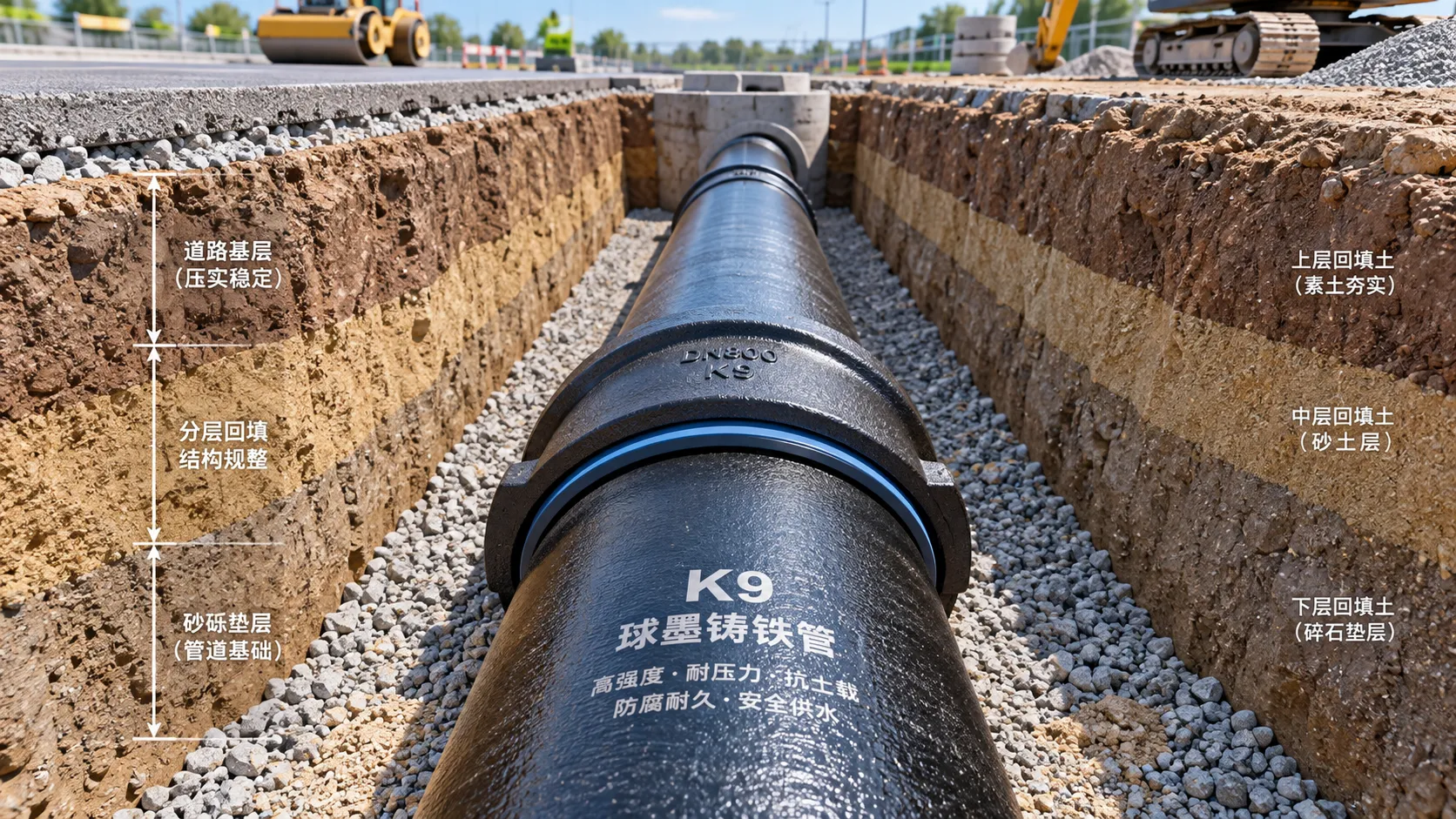
Selecting K9 Ductile Iron Pipe for Buried Water Pipeline Conditions
K9 ductile iron pipe selection for buried water pipelines: compare pressure duty, joints, soil loads, corrosion protection, and installation controls for reliable long-term performance.
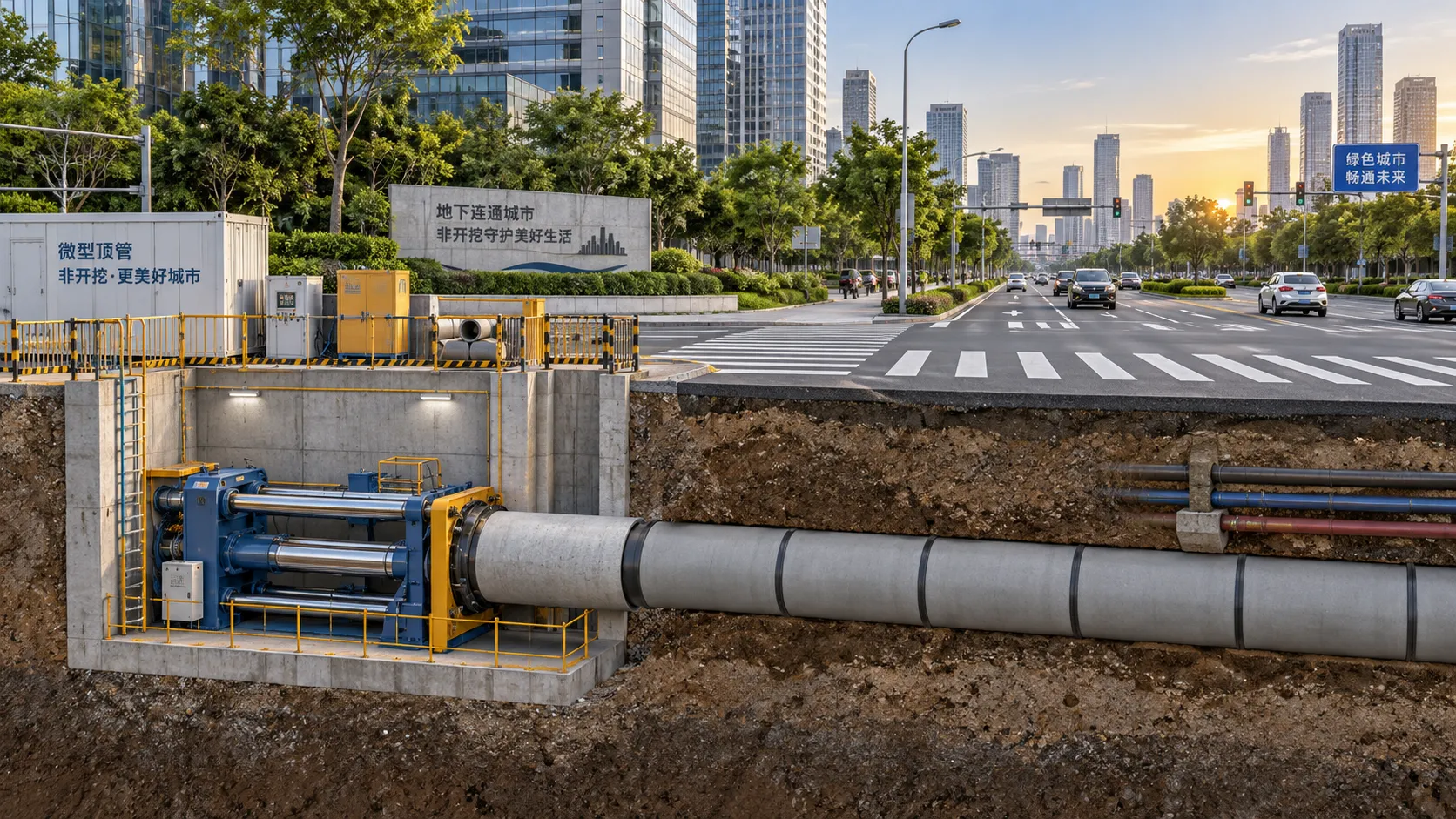
Where Trenchless Technology Delivers the Best Value in Urban Utility Projects
Trenchless Technology applications deliver high value in urban utility projects by reducing disruption, protecting critical crossings, and improving project outcomes.
Related News
- 00
0000-00
Tunnel Boring Machine Costs: Budgeting for Purchase, Operation, and Project Risk - 00
0000-00
Open-Pit Haulage Cost Analysis: How Mine Managers Can Cut Cost per Tonne - 00
0000-00
Tunnel Construction Innovations That Reduce Risk and Schedule Delays on Urban Projects - 00
0000-00
TBM Disc Cutter Design: Key Geometry and Load Factors for Hard Rock Tunnelling - 00
0000-00
Hydraulic Tipping Stability Risks in Multi-Axle Dump Special Trailers
Weekly Insights
Stay ahead with our curated technology reports delivered every Monday.