
Smart Mines Automation Solutions: Where They Deliver the Most Value Underground





Smart Mines automation solutions create their clearest value where underground work becomes hardest to control. In deep headings, loading drifts, haulage levels, and active development faces, every delay affects safety, ventilation, production, and cost at the same time.
That is why the current discussion is no longer about isolated machine upgrades. It is about connected operating systems for underground mines, where battery-powered LHDs, autonomous haulage, positioning, remote control, and live analytics work together under real production pressure.
For UTMD, this sits naturally within a wider underground engineering picture. The same pressure for reliability, electrification, sensing, and automation already shapes TBMs, drilling jumbos, pipe jacking systems, and next-generation mining transport fleets.
Why underground value is different
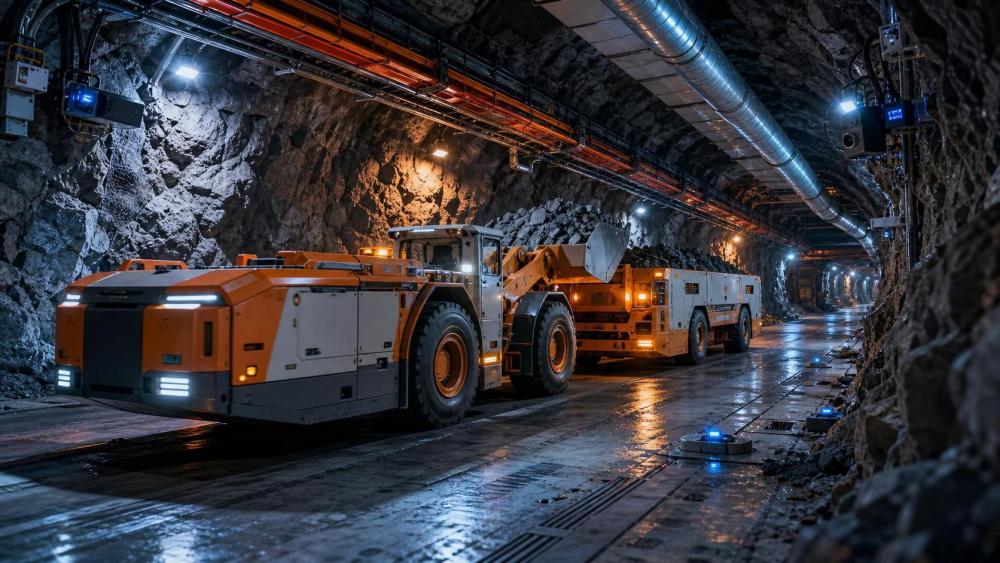
Underground mines are constrained systems. Space is narrow, visibility is poor, heat builds quickly, and ventilation capacity is expensive to expand. A small operational issue can spread across the whole production chain within hours.
Smart Mines automation solutions matter most in these conditions because they reduce dependence on manual exposure inside the harshest zones. They also improve timing between drilling, blasting, loading, hauling, and ground support.
The business case is stronger underground than in many surface operations. A minute saved on cycle time is useful anywhere, but underground it can also improve air quality, equipment access, re-entry speed, and maintenance planning.
What Smart Mines automation solutions really include
The term covers more than autonomous driving. In practice, Smart Mines automation solutions combine mobile equipment control, digital visibility, and operating logic that helps crews and systems respond faster underground.
A useful way to understand the stack is to separate machines, location intelligence, and decision layers. The first moves rock, the second shows where everything is, and the third turns data into action.
Core system layers
- Automated or tele-remote equipment, especially LHDs, trucks, and drilling units.
- Underground positioning, tracking, and SLAM-based navigation in areas without GNSS.
- Fleet management platforms that coordinate dispatch, charging, battery swaps, and traffic flow.
- Condition monitoring for hydraulics, batteries, brakes, tires, and critical wear components.
- Operational dashboards that connect production targets with safety and maintenance signals.
This is where UTMD’s cross-sector view becomes relevant. The same underground intelligence logic appears in TBM guidance, cutter wear analysis, jumbo accuracy, and EV haulage performance on demanding routes.
Where the strongest returns usually appear
Not every mine gets equal value from every function. The best results usually appear where ventilation is tight, travel distances are long, production faces are scattered, or geotechnical conditions force repeated interruptions.
In many cases, the first measurable gain is not headline production growth. It is reduced idle time between tasks, better equipment availability, and fewer stop-start disruptions that quietly erode monthly output.
Battery fleets, autonomy, and the ventilation equation
One reason Smart Mines automation solutions are drawing attention now is the overlap between electrification and automation. Underground LHD loaders are a clear example, especially where battery swapping and remote operation can be combined.
Diesel replacement is not only an ESG story. In confined mines, it changes heat rejection, air handling, maintenance routines, and how close equipment can work to active zones.
Automation strengthens that benefit. When zero-exhaust machines also run with tele-remote or autonomous functions, mines can maintain output in areas where people should spend less time or where shift changes create lost minutes.
UTMD’s wider coverage of EV mining trucks and underground transport systems highlights the same pattern. Regenerative braking, energy management, and route intelligence become more valuable when tied to digital fleet coordination.
How to judge practical fit before committing
The strongest automation programs usually begin with operational friction, not with technology fashion. A mine should first identify where time, risk, or cost concentrates across the underground cycle.
Questions worth testing early
- Which activity loses the most time to re-entry, waiting, or traffic conflicts?
- How much ventilation cost is tied to diesel mobile equipment in priority zones?
- Are communication and positioning systems reliable enough for autonomous movement?
- Can maintenance teams support sensors, batteries, software, and control infrastructure together?
- Which KPI matters most: tons moved, development advance, utilization, or exposure reduction?
This matters because Smart Mines automation solutions fail when mines buy functions without redesigning the workflow around them. A capable machine cannot fix a dispatch logic problem, a weak network, or poor battery turnaround discipline.
A wider underground systems view
The underground sector is converging around a shared model: more sensing, more electrification, less exposure, and tighter control of assets working in extreme rock environments.
That model already shapes full-face TBMs, where mechanical, electrical, hydraulic, and sensor systems must act as one. It also shapes drilling jumbos that depend on accurate hole placement and repeatable performance in hard rock.
Even trenchless equipment shows the same direction. Pipe jacking systems rely on precise guidance, stable ground response, and low-disruption execution in constrained subsurface space. The operating logic is different, but the digital discipline is similar.
This is why Smart Mines automation solutions should be read as part of a broader underground transformation. Mines are not adopting isolated tools; they are joining a larger shift toward autonomous, data-rich, and lower-emission subsurface operations.
What the next decision should look like
A sensible next step is to map one high-value underground process from end to end. Loading and haulage is often the cleanest starting point because delays, ventilation impacts, and utilization losses are usually visible there.
From there, compare Smart Mines automation solutions against site realities rather than vendor categories. Focus on network readiness, equipment mix, charging or swap logic, maintenance depth, and the specific zones where exposure or delay is hardest to control.
The most useful benchmark is not whether a mine has automation. It is whether automation improves the underground operating rhythm without adding a new layer of complexity. That is where the strongest long-term value is usually found.
Related News
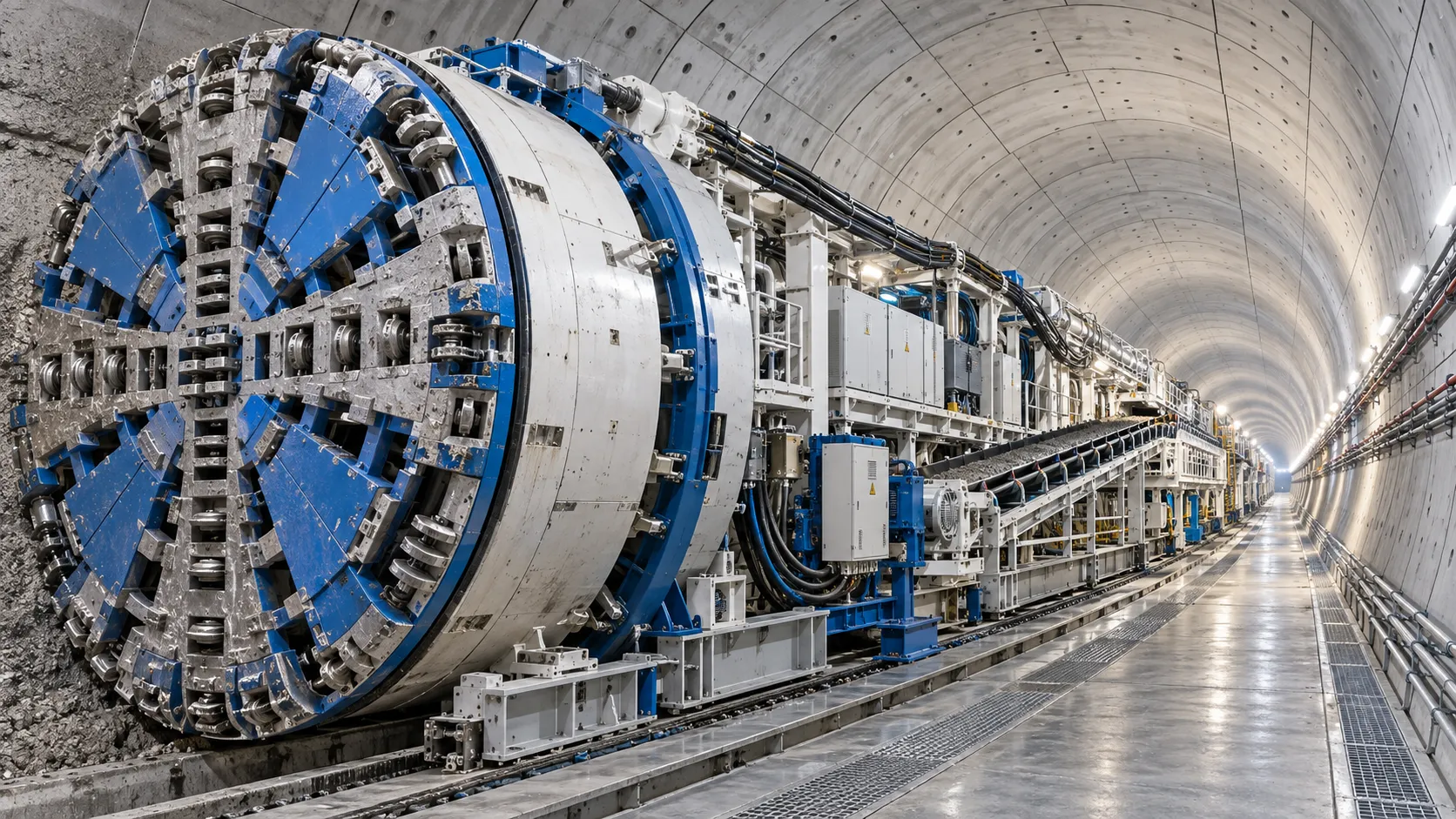
Tunnel Boring Machine Costs: Budgeting for Purchase, Operation, and Project Risk
Tunnel Boring Machines cost more than purchase price. Learn how to budget lifecycle costs, downtime, logistics, wear, and project risk for smarter TBM decisions.
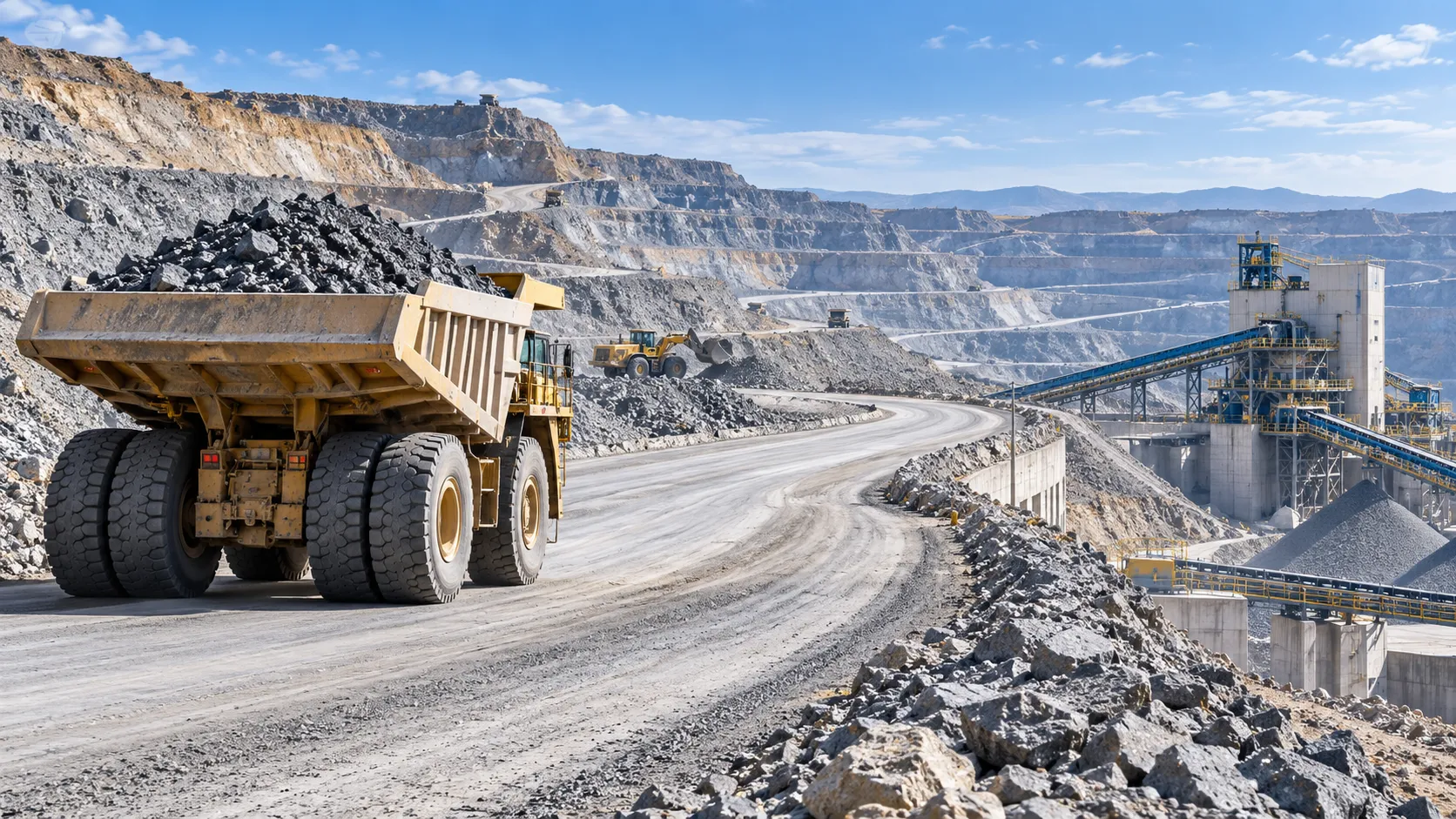
Open-Pit Haulage Cost Analysis: How Mine Managers Can Cut Cost per Tonne
Open pit haulage cost analysis: discover practical ways to reduce cost per tonne through payload control, cycle-time optimization, road performance, and smarter fleet decisions.
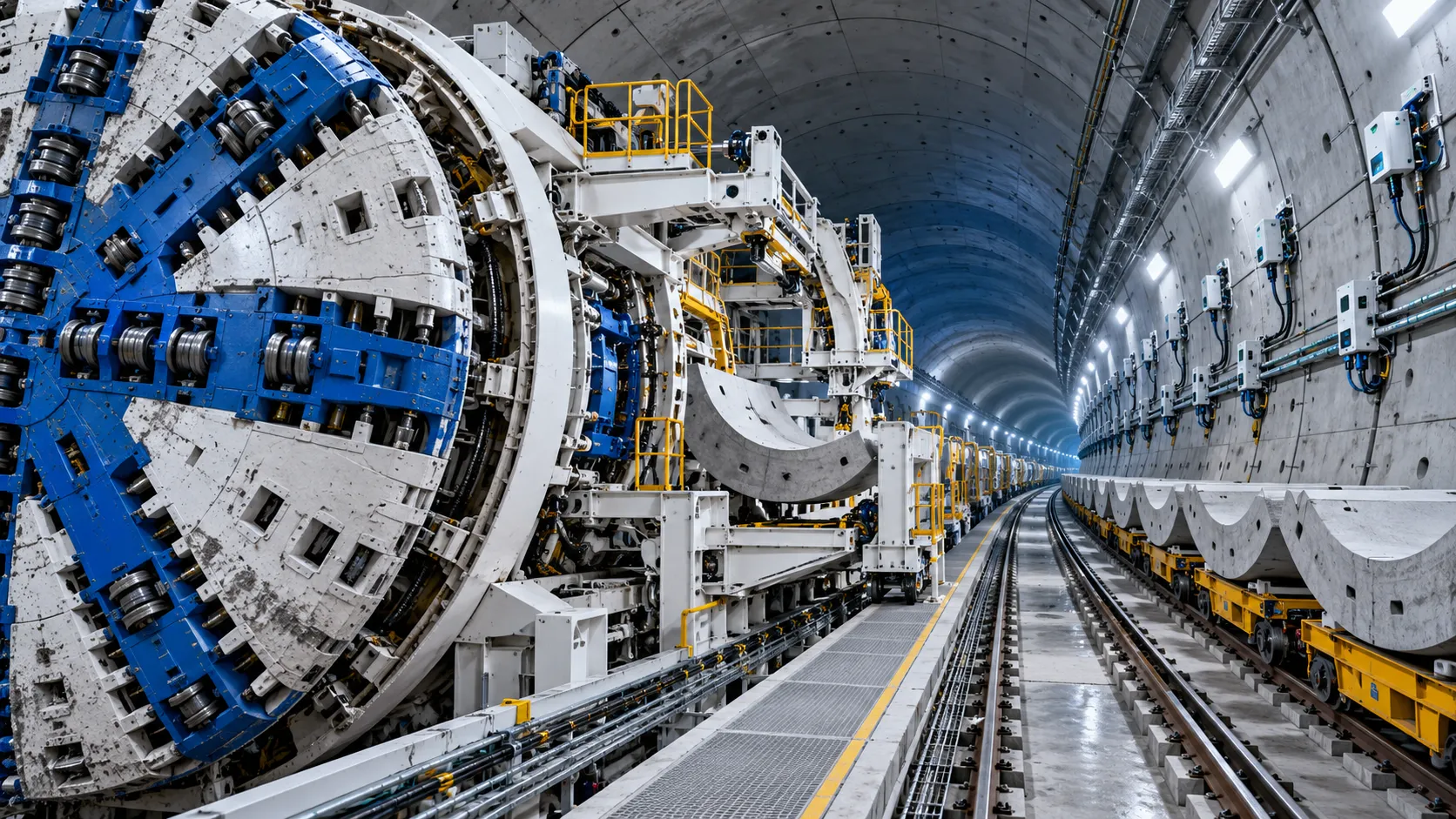
Tunnel Construction Innovations That Reduce Risk and Schedule Delays on Urban Projects
Tunnel construction innovation for urban projects: discover smarter TBMs, real-time monitoring, trenchless methods, and automation that reduce risk and protect schedules.
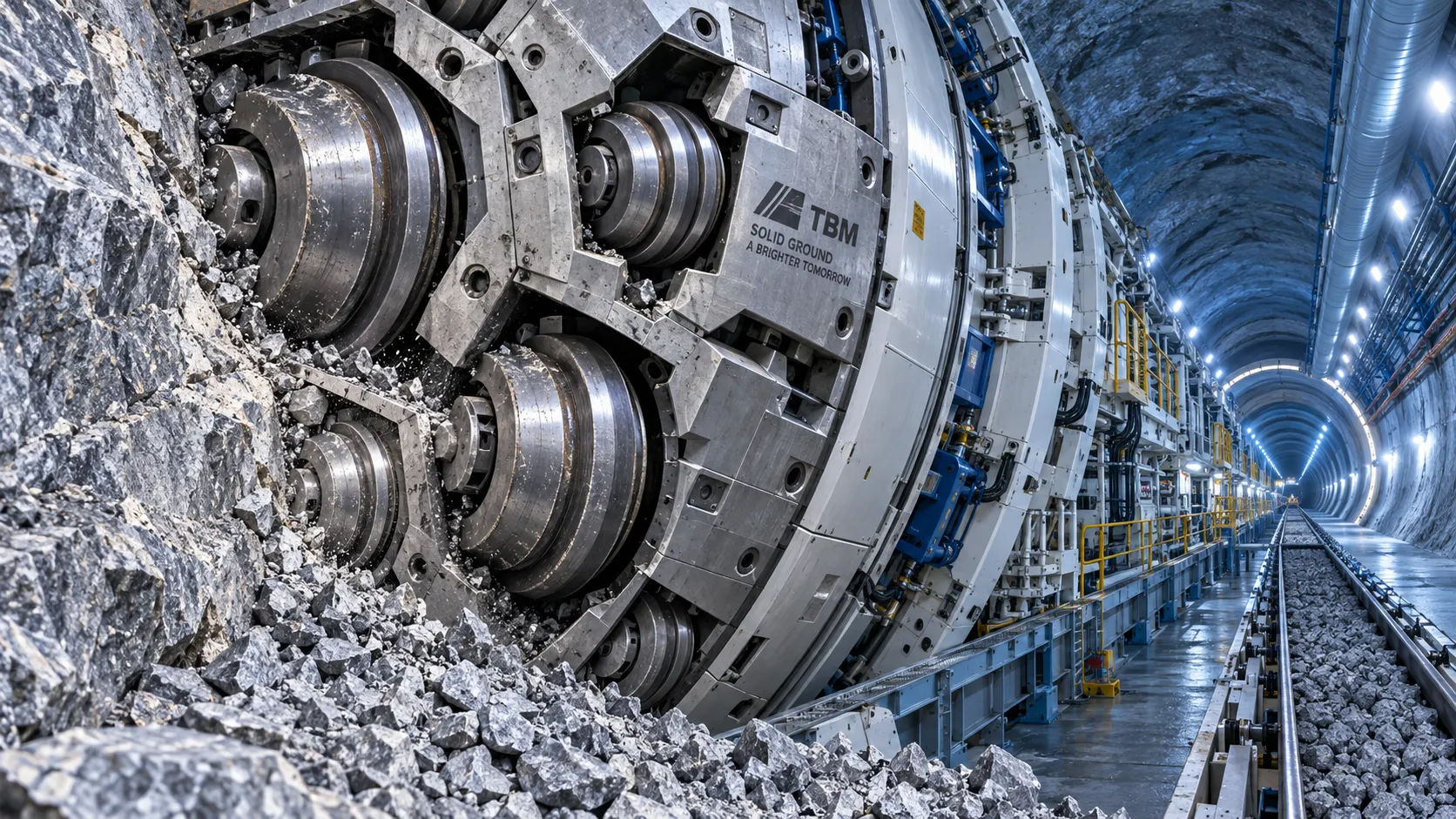
TBM Disc Cutter Design: Key Geometry and Load Factors for Hard Rock Tunnelling
TBM disc cutter design explained: explore geometry, spacing, load distribution and maintenance factors for reliable, efficient hard-rock tunnelling performance.
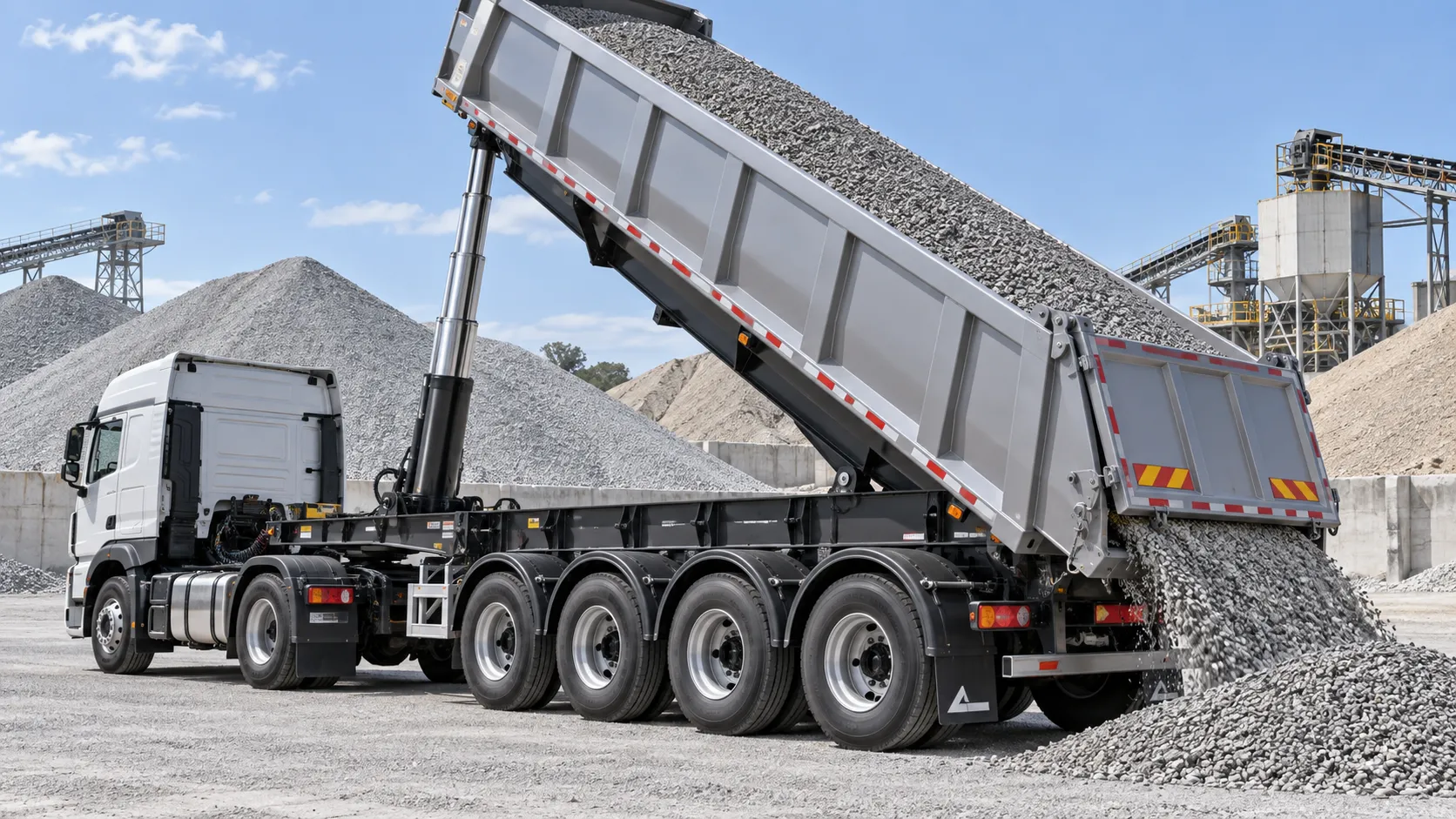
Hydraulic Tipping Stability Risks in Multi-Axle Dump Special Trailers
Dump special trailers: discover key hydraulic tipping stability risks, multi-axle load dynamics, and practical safety controls for safer, smarter bulk hauling.
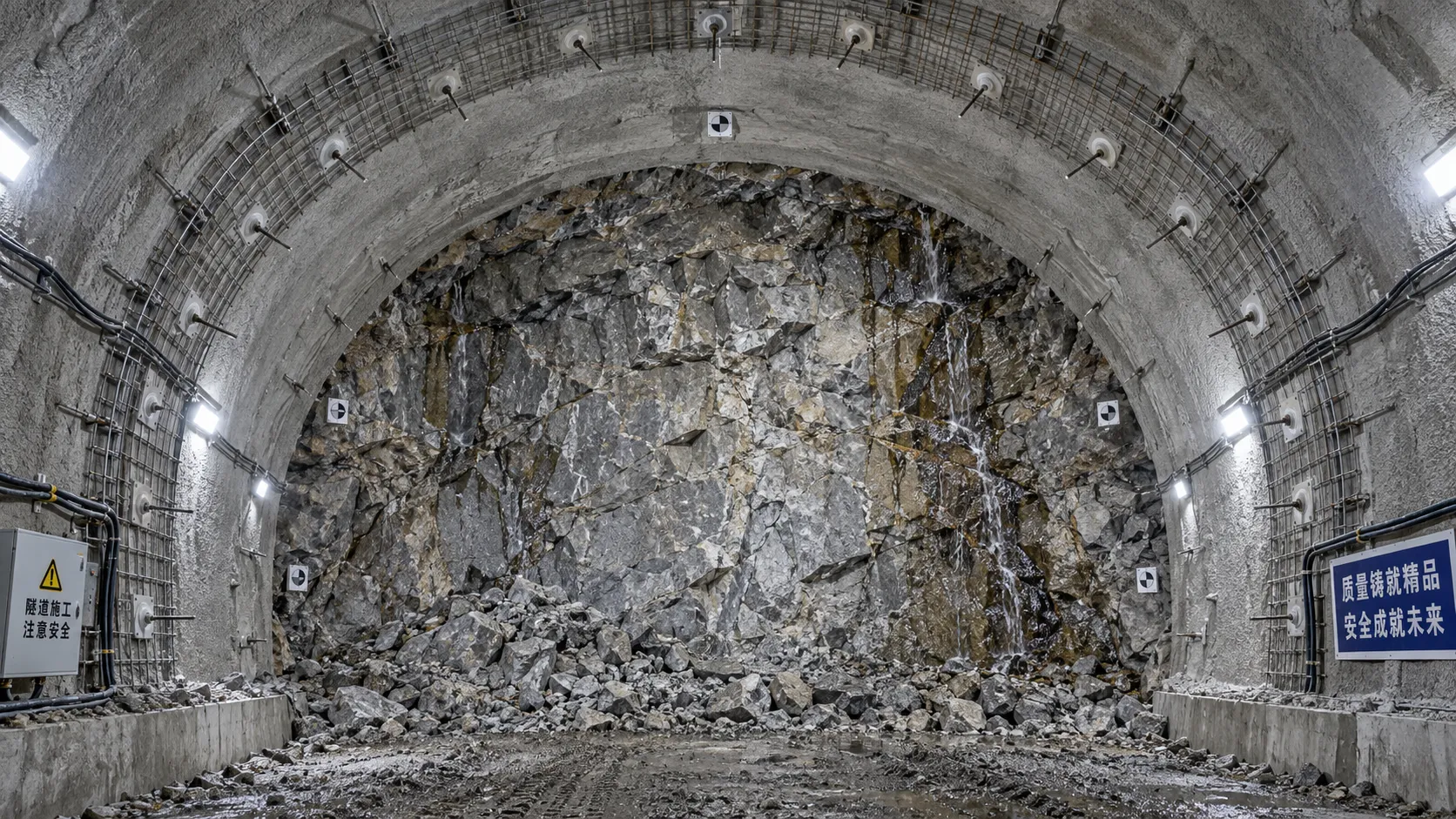
When rock reinforcement in tunnel construction must change after blasting
Rock reinforcement in tunnel construction must change when blasting reveals overbreak, weak joints, water inflow, or deformation. Discover key post-blast support decisions.
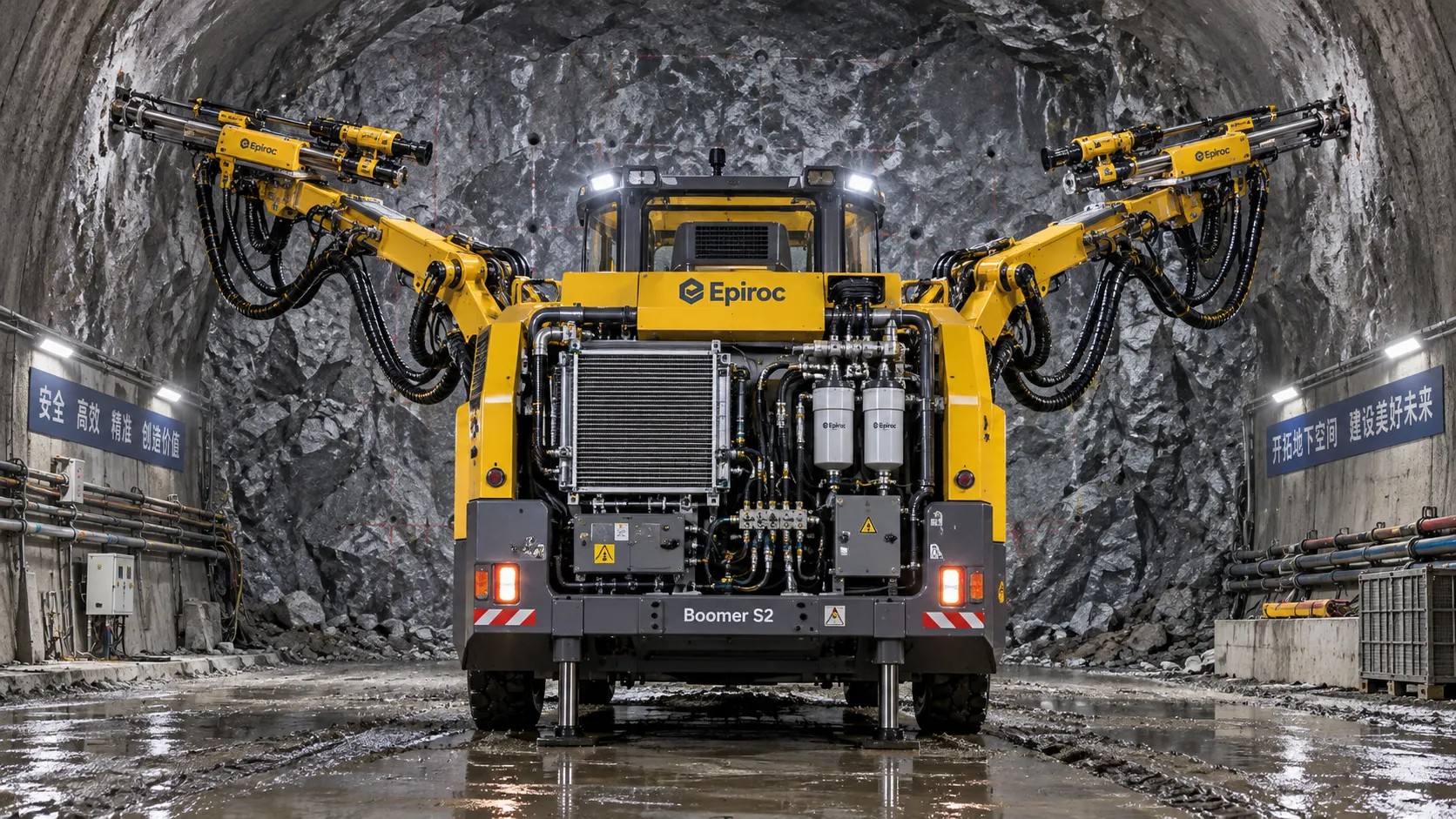
How tunnel hydraulic systems influence drill jumbo uptime underground
Tunnel hydraulic systems directly influence drill jumbo uptime. Explore how stable pressure, clean oil, cooling, and maintainable design reduce underground downtime.
What to verify before appointing a tunneling vehicles manufacturer
Choosing a tunneling vehicles manufacturer? Verify application fit, reliability, compliance, parts support, training, and channel terms before appointing a partner.
Selecting K9 Ductile Iron Pipe for Buried Water Pipeline Conditions
K9 ductile iron pipe selection for buried water pipelines: compare pressure duty, joints, soil loads, corrosion protection, and installation controls for reliable long-term performance.
Related News
- 00
0000-00
Tunnel Boring Machine Costs: Budgeting for Purchase, Operation, and Project Risk - 00
0000-00
Open-Pit Haulage Cost Analysis: How Mine Managers Can Cut Cost per Tonne - 00
0000-00
Tunnel Construction Innovations That Reduce Risk and Schedule Delays on Urban Projects - 00
0000-00
TBM Disc Cutter Design: Key Geometry and Load Factors for Hard Rock Tunnelling - 00
0000-00
Hydraulic Tipping Stability Risks in Multi-Axle Dump Special Trailers
Weekly Insights
Stay ahead with our curated technology reports delivered every Monday.