
How to Evaluate Mining Equipment Manufacturers for Capacity, Support, and Compliance





What really matters when comparing Mining Equipment manufacturers?
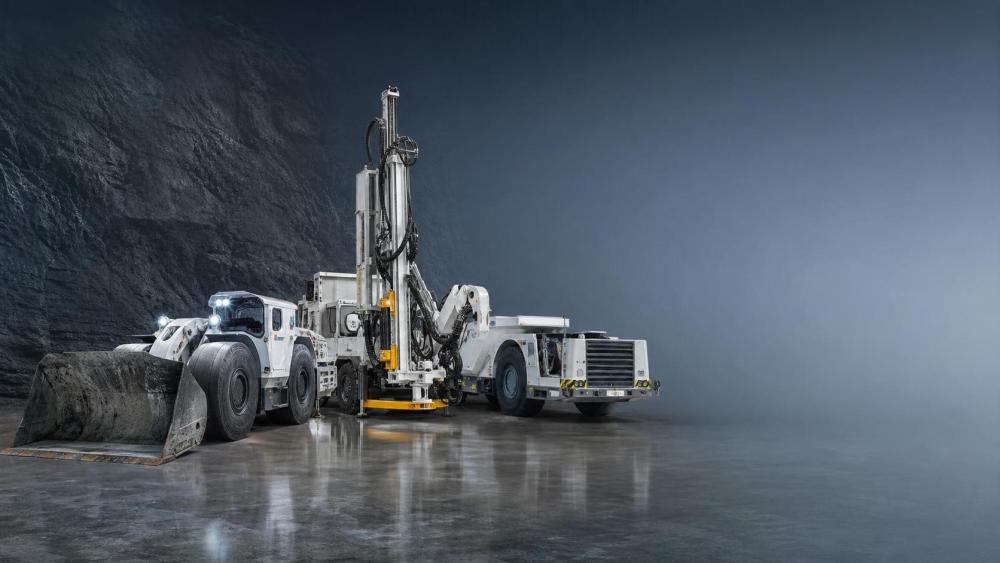
Choosing between Mining Equipment manufacturers rarely comes down to a brochure comparison.
In underground works, a machine must fit geology, duty cycle, emissions limits, and maintenance reality at the same time.
That is why the strongest evaluation starts with operating context, not list price.
For TBMs, drilling jumbos, LHD loaders, pipe jacking systems, or mining trucks, the same question keeps returning: can the supplier deliver steady performance under harsh conditions?
In practice, reliable Mining Equipment manufacturers prove three things early.
- They can build at the required volume and within the real project schedule.
- They can support the machine after commissioning, not just before shipment.
- They can meet compliance, electrification, and documentation demands across regions.
UTMD’s industry coverage often shows that failures in underground projects come from weak supplier fit, not from one isolated technical defect.
A machine may look advanced, yet still create delays through spare parts shortages, software integration gaps, or incomplete certification.
So the better search is not simply who makes the machine.
It is which Mining Equipment manufacturers can carry performance, support, and compliance through the full asset life.
How do you tell whether production capacity is real or just sales language?
Capacity is often misunderstood as factory size alone.
A better reading includes fabrication throughput, key component sourcing, engineering bandwidth, and testing resources.
This matters even more for customized underground equipment.
For example, a manufacturer may assemble several units monthly, but still struggle if traction motors, hydraulic pumps, control systems, or battery packs come from bottleneck suppliers.
More useful questions usually sound like these.
- What is the average lead time for standard and customized builds?
- Which critical components are made in-house, and which are outsourced?
- How many projects are in parallel production right now?
- What FAT process is used before shipment?
- Can they show delivery records for similar duty environments?
In sectors tracked by UTMD, projects increasingly demand electrified and digitally monitored equipment.
That raises the bar.
A supplier’s true capacity now includes software commissioning, telemetry setup, and integration with fleet management or tunnel control systems.
If a supplier cannot explain these interfaces clearly, production capacity may be narrower than it appears.
Support after delivery: what should be checked before signing?
After-sales support is where many comparisons become real.
A lower purchase price can quickly disappear if downtime stretches because parts, field engineers, or diagnostics are unavailable.
This is especially relevant for underground fleets working far from major service hubs.
When reviewing Mining Equipment manufacturers, support should be tested against likely failure points.
A useful sign is whether support documentation is site-specific.
The stronger Mining Equipment manufacturers adapt manuals, parts packages, and training to rock conditions, ventilation limits, and shift intensity.
That usually indicates field maturity rather than generic export experience.
How important is compliance if the machine already performs well?
It is critical, because high performance without compliance can still block deployment.
Underground and mining projects now face tighter rules on emissions, safety, traceability, and electrical systems.
That is even more visible in battery-electric fleets and semi-autonomous equipment.
The better Mining Equipment manufacturers understand that compliance is not one certificate.
It is a package that may include CE alignment, ISO systems, mine safety approvals, functional safety logic, EMC validation, and battery transport documentation.
In real procurement reviews, three issues deserve close attention.
- Whether certificates match the exact model and configuration offered.
- Whether the supplier can support local authority submissions.
- Whether software, batteries, and charging systems are included in the compliance scope.
UTMD’s reporting on zero-emission underground operations also highlights another shift.
ESG expectations now influence replacement cycles, financing discussions, and tender scoring.
So compliance is no longer a final paperwork step.
It has become part of commercial readiness.
When two suppliers look similar, where do the real differences usually show up?
Most competing Mining Equipment manufacturers can present similar payloads, power ratings, or drilling figures.
The separation usually appears in operating stability over time.
A practical comparison should look beyond the headline specification sheet.
More revealing factors include component standardization, wear life in hard rock, software usability, and access for maintenance underground.
For TBM-related systems, cutter wear logic and sensor integration may matter more than one extra output metric.
For LHDs or EV mine trucks, battery change time, thermal management, and regenerative braking performance can reshape lifecycle cost.
For drilling jumbos, boom accuracy and rock-tool consumption often decide productivity more than nominal impact rate.
One effective method is to compare suppliers against a weighted decision matrix.
This kind of comparison usually reveals which suppliers are built for projects, not just transactions.
What mistakes create the most procurement risk?
A common mistake is treating all Mining Equipment manufacturers as interchangeable once core specifications appear close.
That often leads to weak assumptions about uptime, logistics, and operator adoption.
Another risk is underestimating project interfaces.
Underground equipment must match ventilation plans, tunnel profile limits, grid power conditions, and maintenance access routes.
A supplier may be competent, yet still wrong for the site.
The biggest warning signs usually include these points.
- Quoted lead times without component sourcing detail.
- Service promises without named regional support resources.
- Compliance claims without model-specific documents.
- Energy savings claims without site-based duty analysis.
- Reference projects that do not match your geology or haul profile.
In actual evaluations, the strongest defense is structured due diligence.
Request evidence, visit assembly or test facilities where possible, and ask for failure-response examples, not just success stories.
That approach gives a clearer view of how Mining Equipment manufacturers behave when conditions stop being ideal.
So how should the final decision be made?
The final choice should connect technical fit with operating economics and execution risk.
That means comparing total ownership cost, support depth, delivery confidence, and compliance readiness together.
Simple price ranking rarely survives contact with underground reality.
A practical next step is to build a shortlist using the same categories discussed above.
Score each supplier on production evidence, service network, documentation quality, digital integration, and reference performance in similar conditions.
For sectors followed by UTMD, this is especially important as electrification, automation, and deep underground complexity continue to reshape equipment selection.
The best Mining Equipment manufacturers are rarely the ones with the loudest claims.
They are the ones that can prove capacity, stay responsive after delivery, and clear compliance barriers without slowing the project.
Before moving forward, define the site conditions clearly, document the non-negotiable support needs, and test every supplier against the same risk checklist.
That is usually where better procurement decisions begin.
Related News
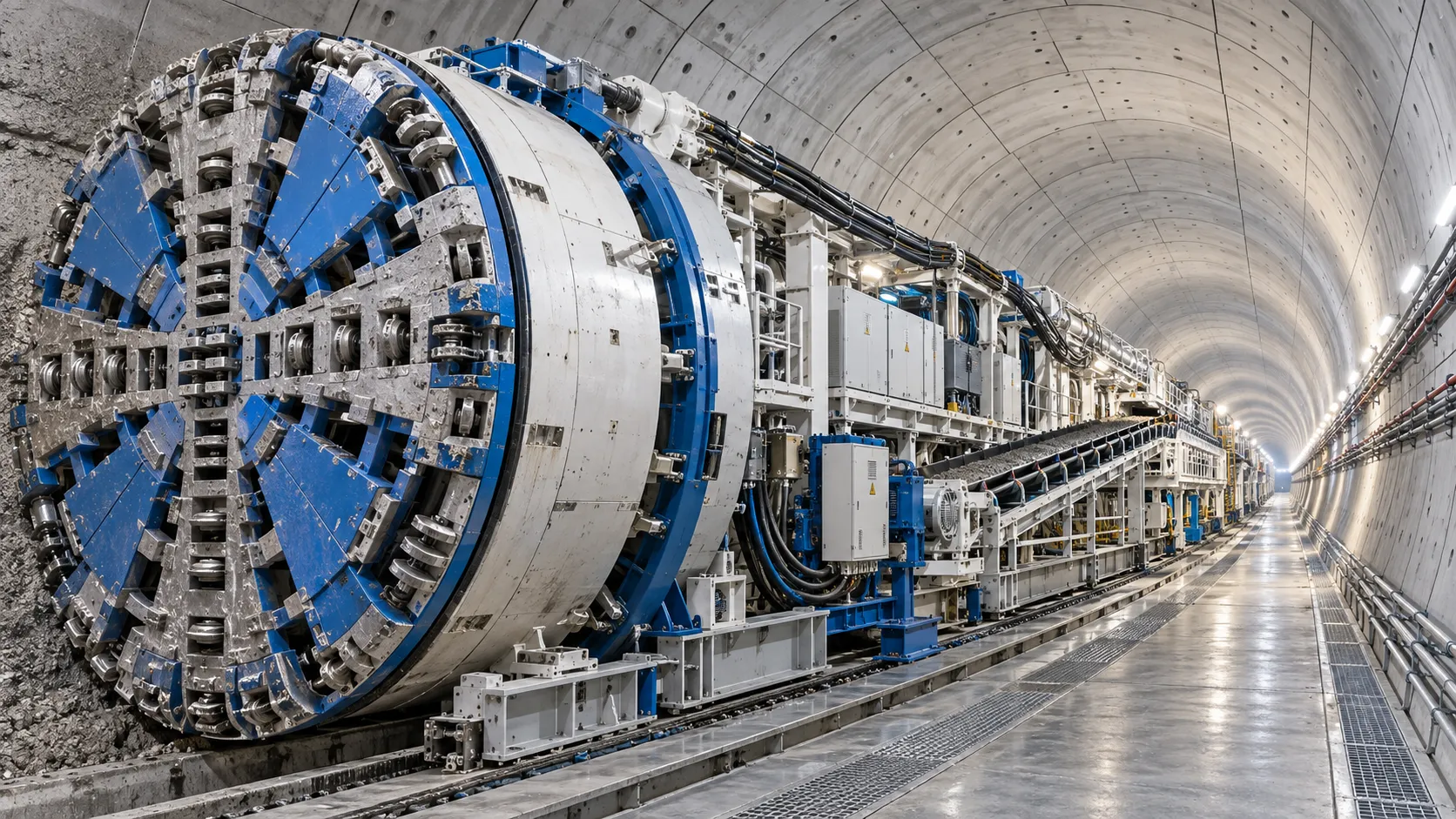
Tunnel Boring Machine Costs: Budgeting for Purchase, Operation, and Project Risk
Tunnel Boring Machines cost more than purchase price. Learn how to budget lifecycle costs, downtime, logistics, wear, and project risk for smarter TBM decisions.
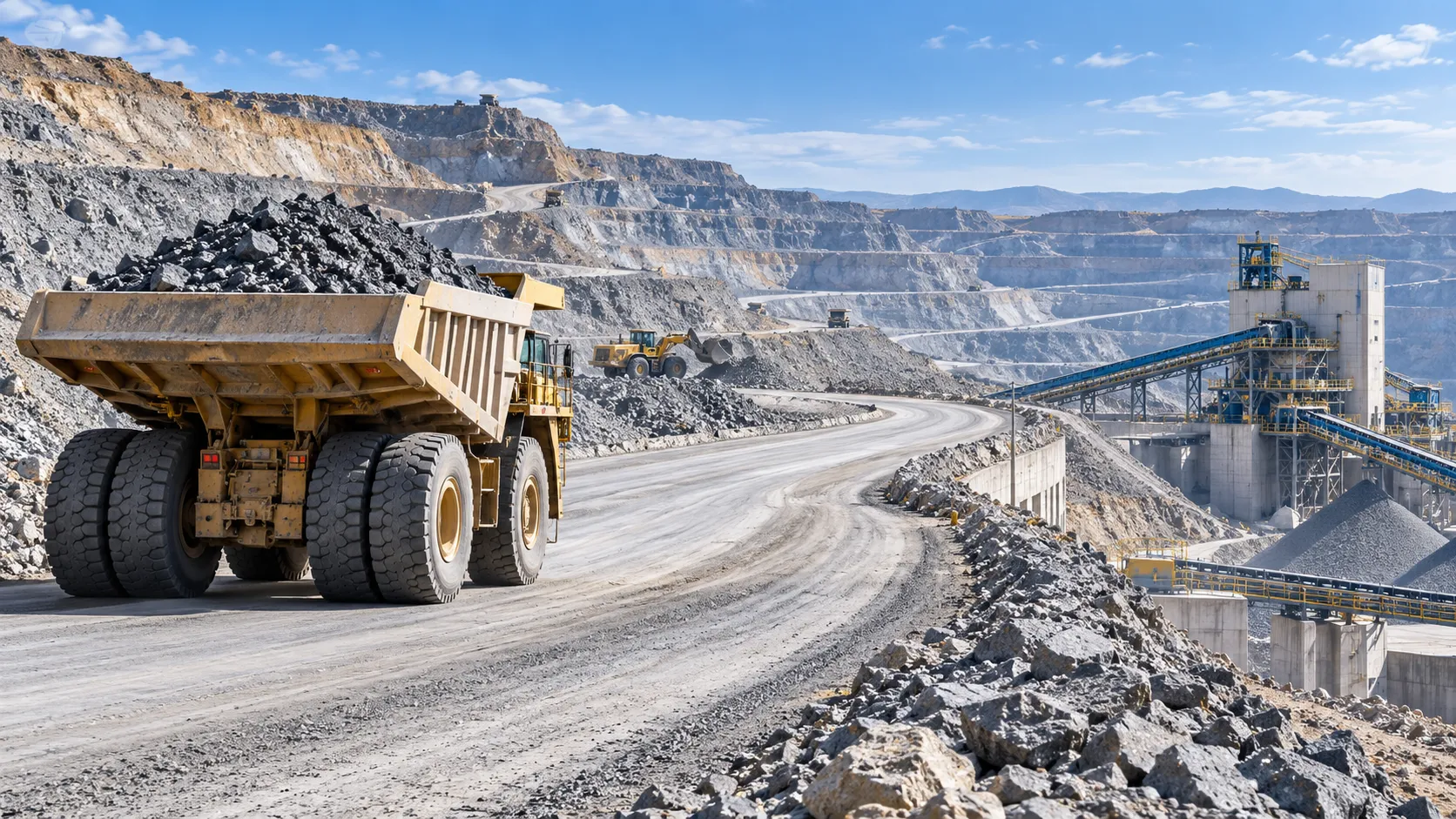
Open-Pit Haulage Cost Analysis: How Mine Managers Can Cut Cost per Tonne
Open pit haulage cost analysis: discover practical ways to reduce cost per tonne through payload control, cycle-time optimization, road performance, and smarter fleet decisions.
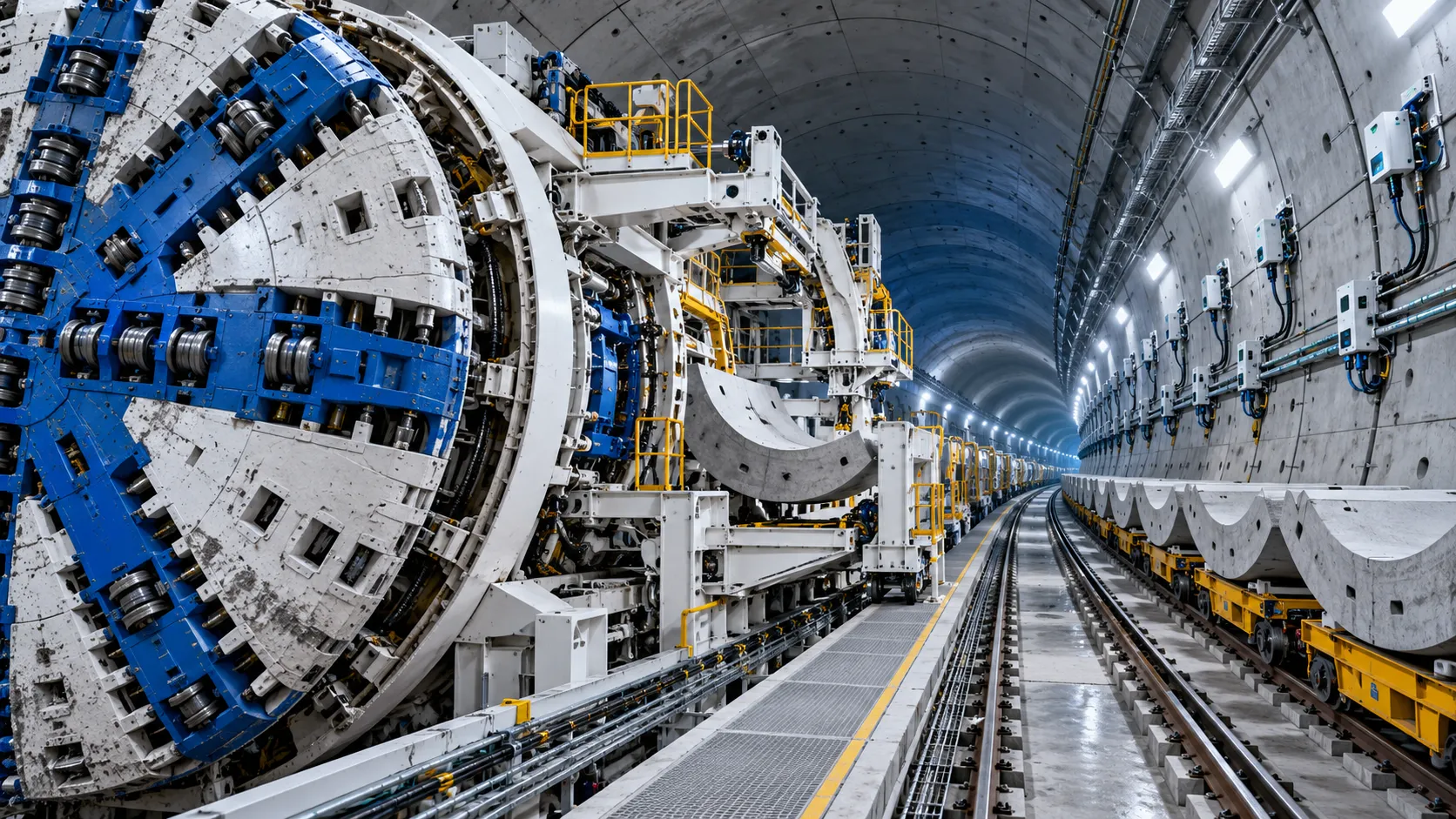
Tunnel Construction Innovations That Reduce Risk and Schedule Delays on Urban Projects
Tunnel construction innovation for urban projects: discover smarter TBMs, real-time monitoring, trenchless methods, and automation that reduce risk and protect schedules.
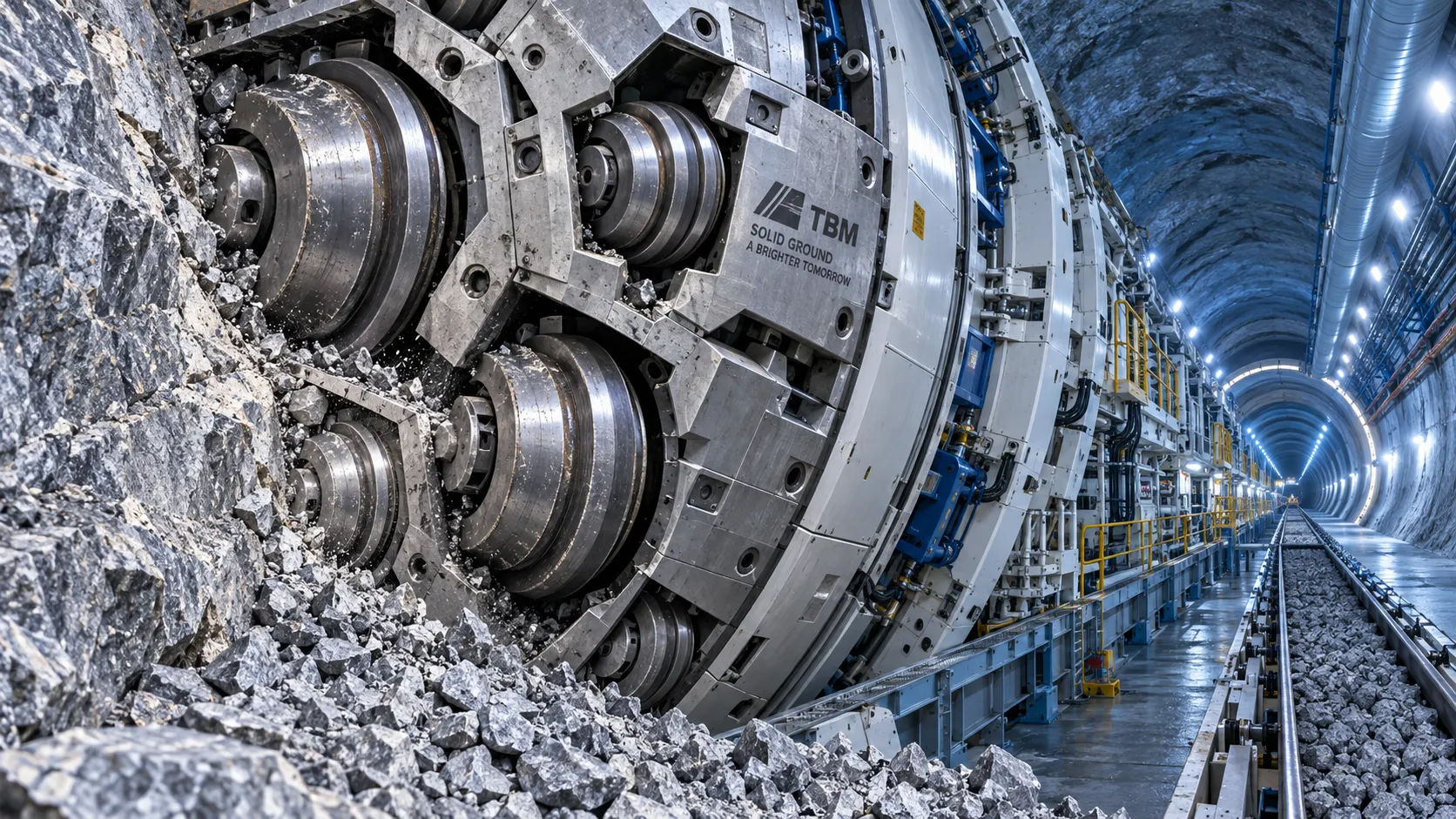
TBM Disc Cutter Design: Key Geometry and Load Factors for Hard Rock Tunnelling
TBM disc cutter design explained: explore geometry, spacing, load distribution and maintenance factors for reliable, efficient hard-rock tunnelling performance.
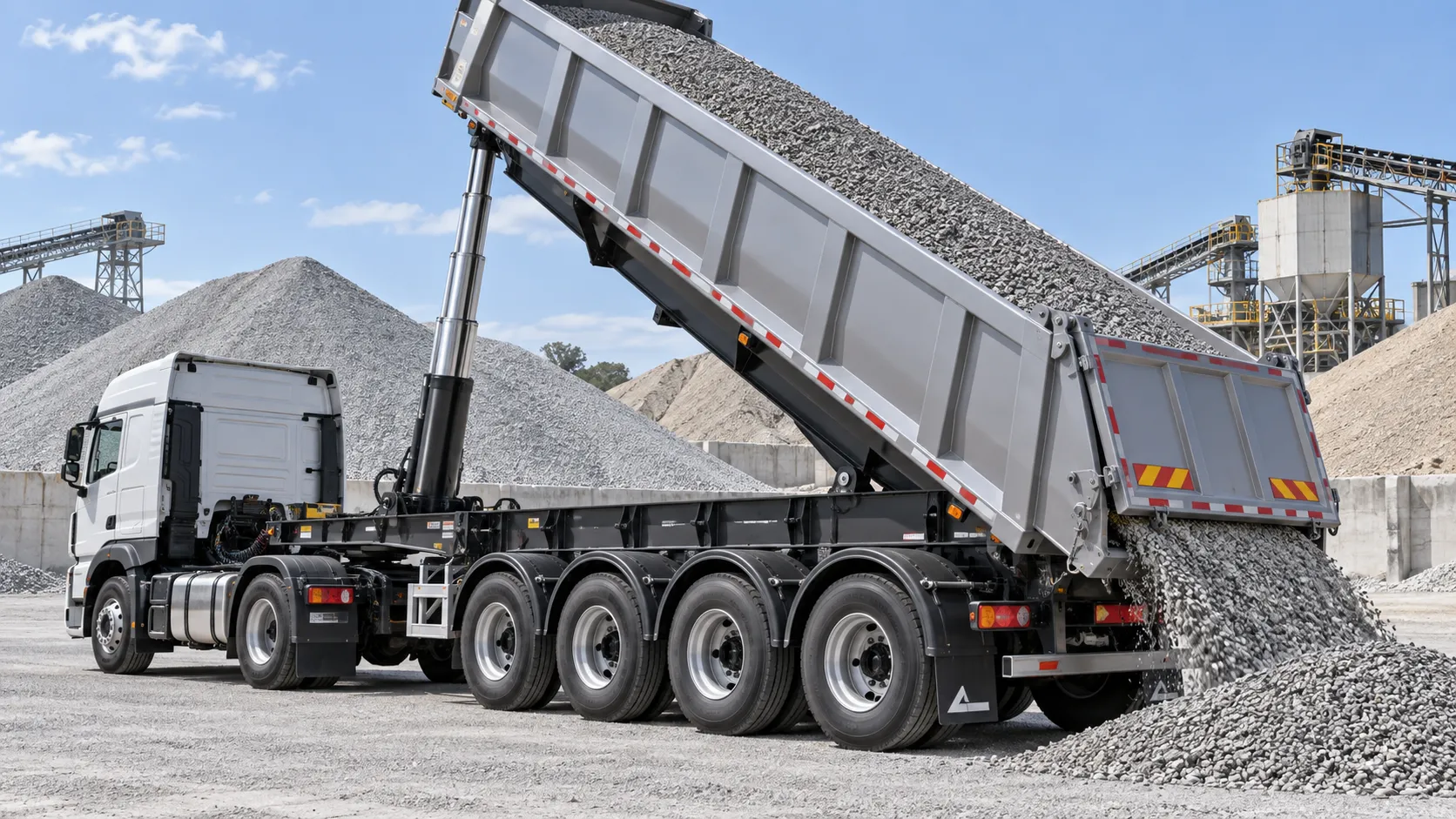
Hydraulic Tipping Stability Risks in Multi-Axle Dump Special Trailers
Dump special trailers: discover key hydraulic tipping stability risks, multi-axle load dynamics, and practical safety controls for safer, smarter bulk hauling.
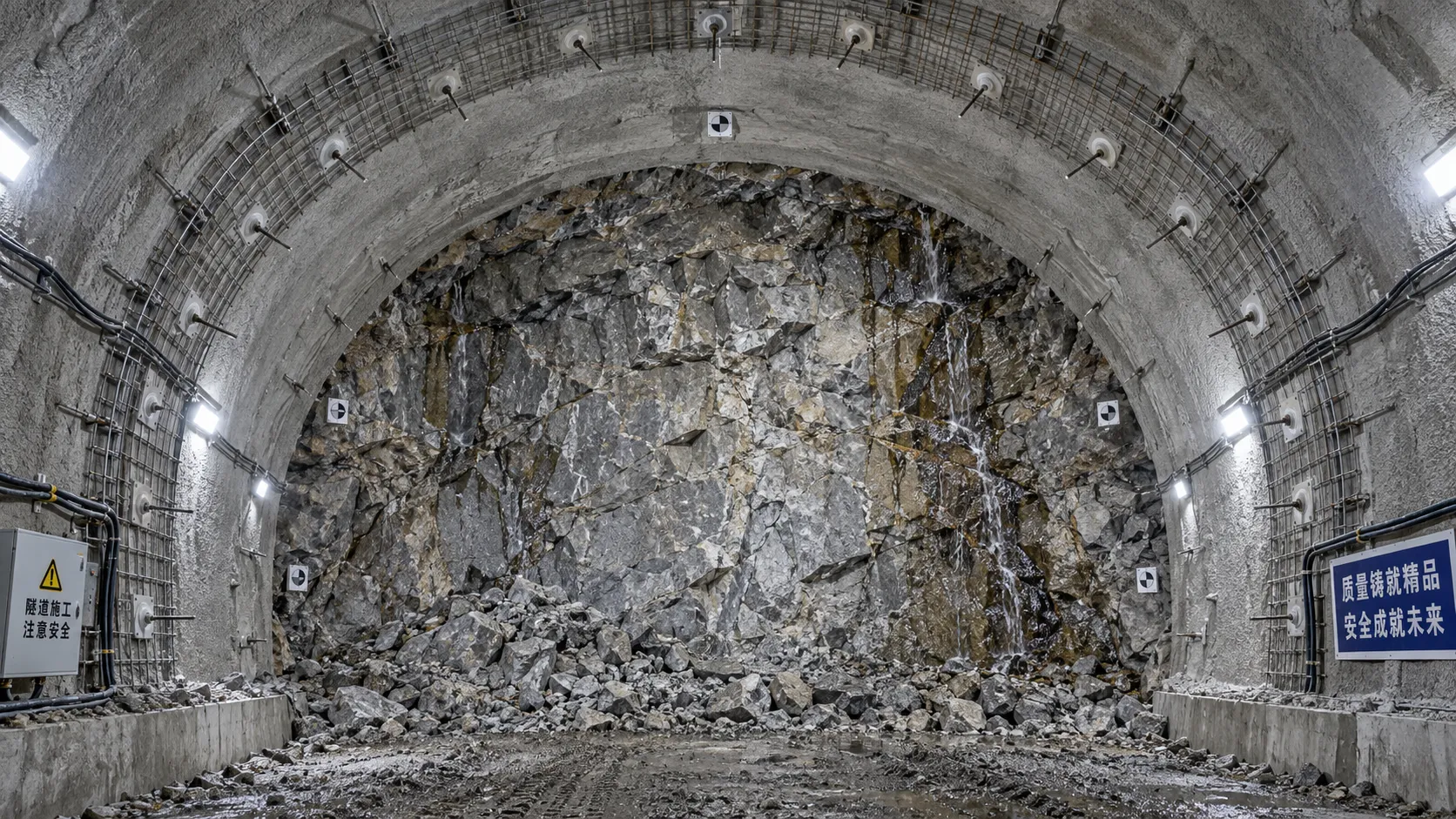
When rock reinforcement in tunnel construction must change after blasting
Rock reinforcement in tunnel construction must change when blasting reveals overbreak, weak joints, water inflow, or deformation. Discover key post-blast support decisions.
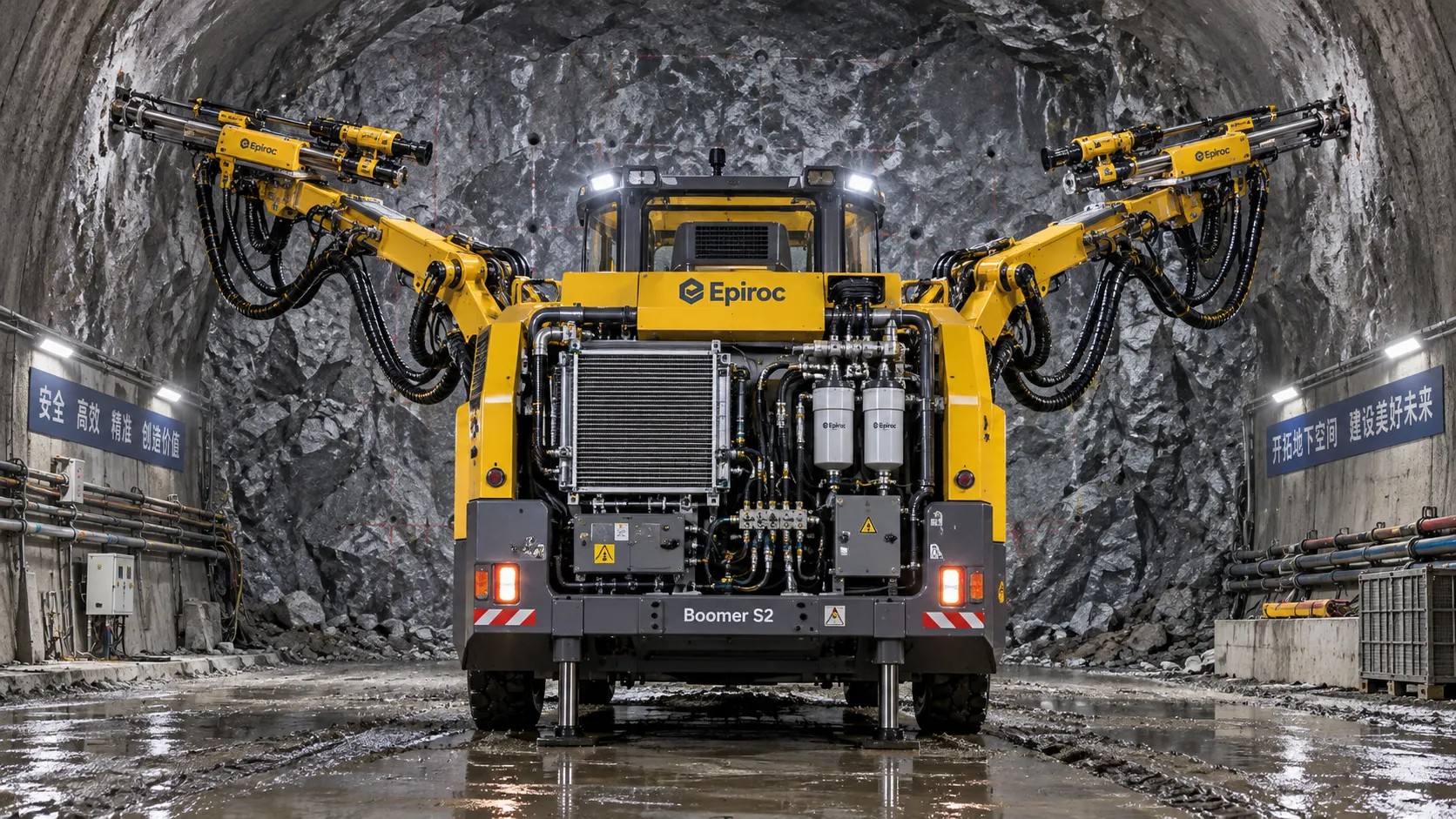
How tunnel hydraulic systems influence drill jumbo uptime underground
Tunnel hydraulic systems directly influence drill jumbo uptime. Explore how stable pressure, clean oil, cooling, and maintainable design reduce underground downtime.
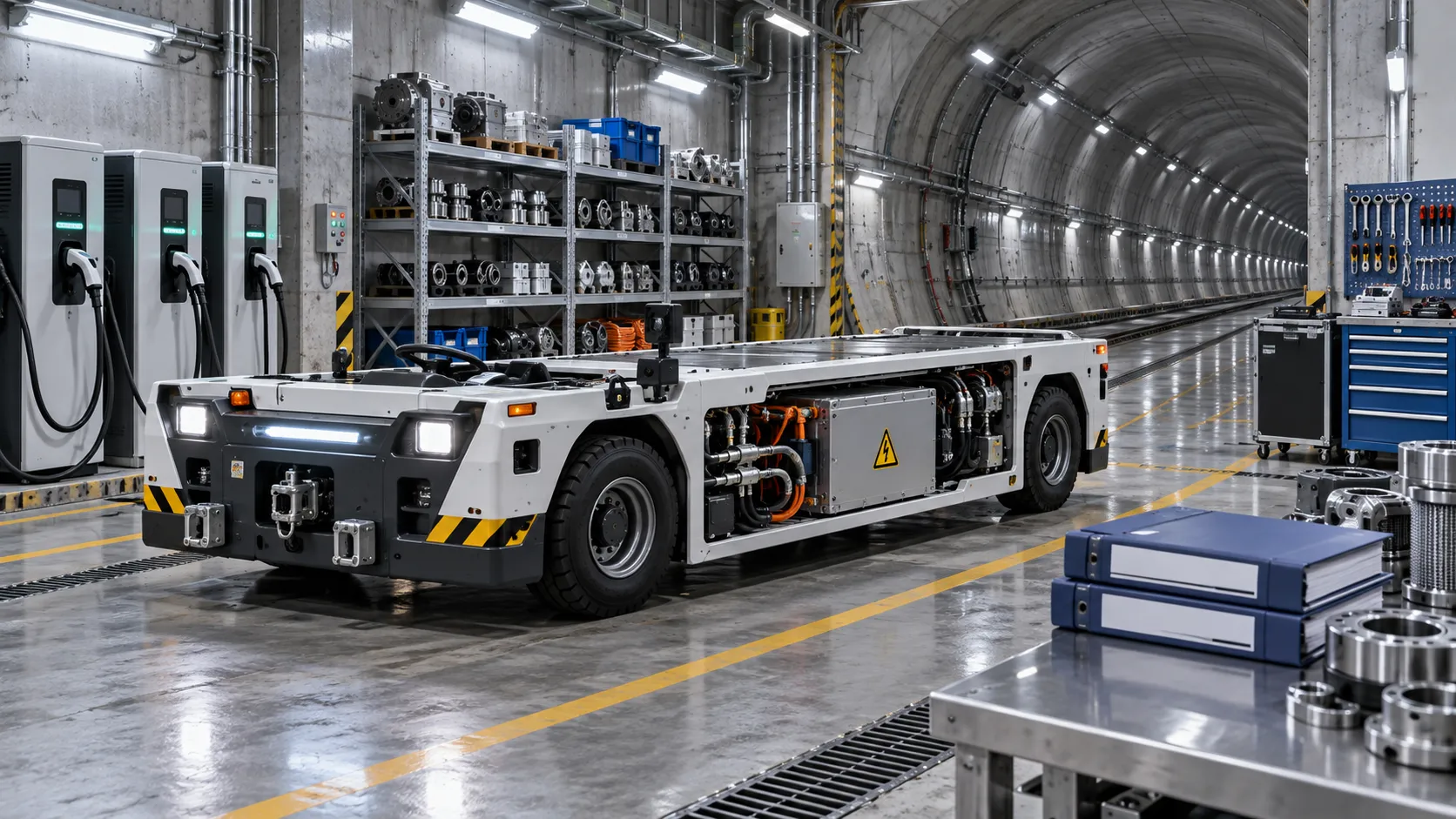
What to verify before appointing a tunneling vehicles manufacturer
Choosing a tunneling vehicles manufacturer? Verify application fit, reliability, compliance, parts support, training, and channel terms before appointing a partner.
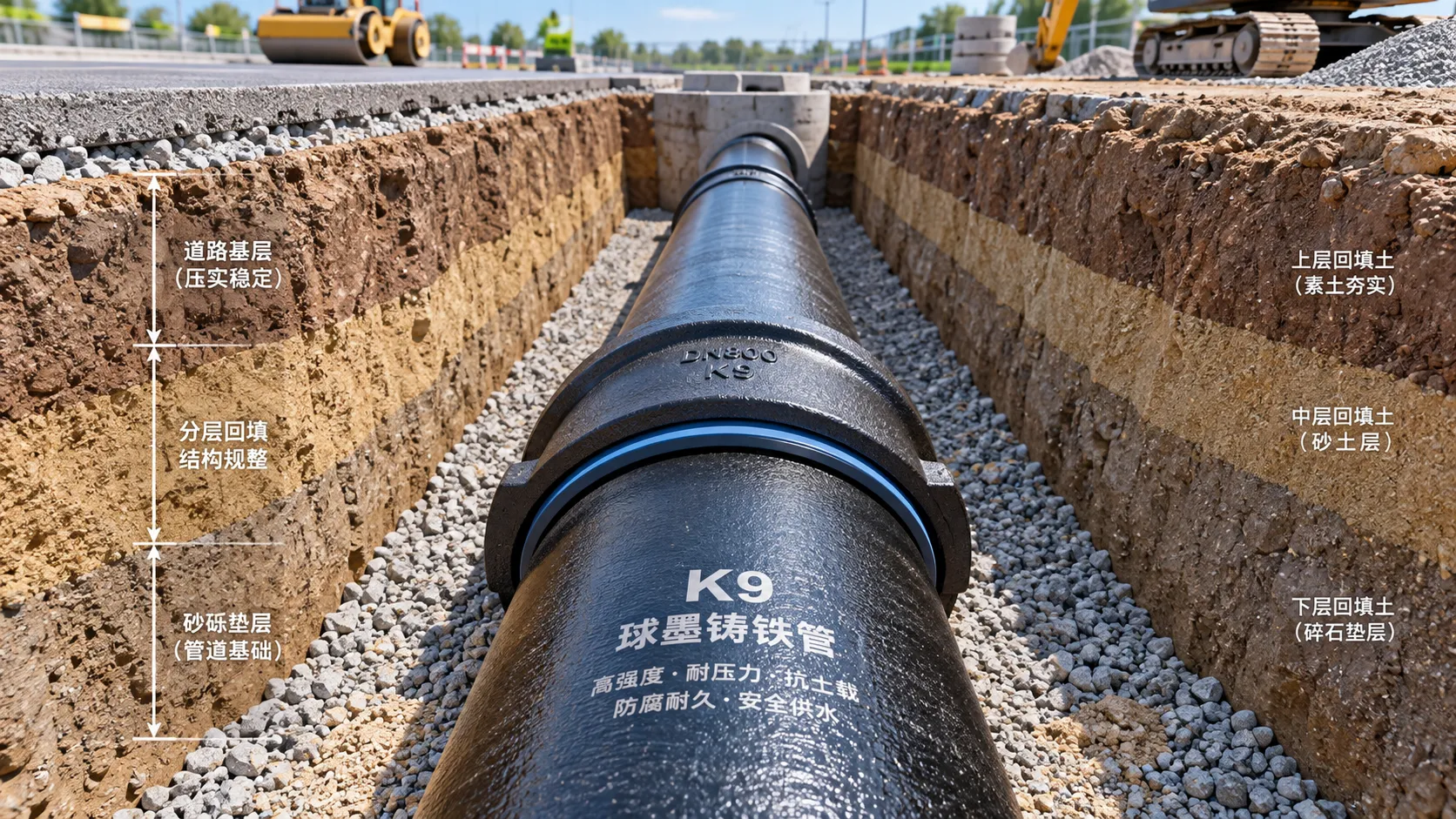
Selecting K9 Ductile Iron Pipe for Buried Water Pipeline Conditions
K9 ductile iron pipe selection for buried water pipelines: compare pressure duty, joints, soil loads, corrosion protection, and installation controls for reliable long-term performance.
Related News
- 00
0000-00
Tunnel Boring Machine Costs: Budgeting for Purchase, Operation, and Project Risk - 00
0000-00
Open-Pit Haulage Cost Analysis: How Mine Managers Can Cut Cost per Tonne - 00
0000-00
Tunnel Construction Innovations That Reduce Risk and Schedule Delays on Urban Projects - 00
0000-00
TBM Disc Cutter Design: Key Geometry and Load Factors for Hard Rock Tunnelling - 00
0000-00
Hydraulic Tipping Stability Risks in Multi-Axle Dump Special Trailers
Weekly Insights
Stay ahead with our curated technology reports delivered every Monday.