
Where Trenchless Technology Delivers the Best Value in Urban Utility Projects





In a crowded city, the value of underground work is often measured by what never happens above ground: no week-long lane closures, no torn-up retail frontage, no emergency detours around a school or hospital, and no angry calls from residents whose daily routines have been interrupted. That is why Trenchless Technology applications are most compelling in the places where conventional excavation creates consequences far beyond the pipe itself.
For project managers, trenchless construction is not automatically the right answer for every utility installation or renewal. It can demand more detailed investigation, specialist equipment, carefully managed tolerances, and a stronger understanding of ground conditions. Yet where the surface is expensive, sensitive, congested, or simply impossible to disturb, its value can extend well beyond the construction budget. The right method can protect a critical schedule, reduce restoration exposure, preserve public confidence, and keep a utility upgrade moving through a city that cannot pause.
Value is highest where excavation triggers a chain reaction
A conventional open-cut trench may appear straightforward on a drawing: excavate, install, backfill, reinstate. In an active urban corridor, however, each of those steps can activate a much larger network of constraints. Traffic management plans need approval. Existing utilities must be supported or relocated. Bus routes, deliveries, pedestrian access, emergency services, businesses, tree roots, pavement warranties, heritage surfaces, and stormwater controls all enter the discussion.
Trenchless methods create the strongest business case when avoiding those secondary impacts matters as much as installing the asset. A pipe jacking drive beneath a busy junction, for example, may require launch and reception shafts, but it avoids opening the full length of the crossing. Horizontal directional drilling (HDD) can pass beneath a road, rail line, riverbank, or landscaped boulevard with limited access points. Cured-in-place pipe (CIPP), sliplining, and other rehabilitation approaches may renew aging networks without repeatedly excavating streets that have already been restored several times.
The lesson for delivery teams is simple: do not compare trenchless work only with the direct cost of digging a trench. Compare it with the whole cost of disruption, including schedule risk, reinstatement, third-party claims, lost access, permit conditions, utility conflicts, and the political cost of a visibly failing project.
Five urban environments where trenchless technology earns its place
1. High-traffic roads and major intersections
Road crossings are among the clearest examples of where trenchless construction can protect project outcomes. Beneath arterial roads, signalized intersections, bridges, and transit corridors, open excavation may require staged closures or prolonged traffic diversions. Those measures can quickly become the dominant issue in stakeholder meetings.
Pipe jacking and microtunnelling are frequently suited to gravity pipelines and utility culverts that need precise grade control. For pressure pipes, conduits, and cable routes, HDD may be appropriate where bore geometry and ground conditions allow. The best choice depends on required line and level, diameter, drive length, geology, groundwater, and the risk posed by nearby buried infrastructure.
The real advantage is not merely fewer excavated cubic metres. It is the ability to confine the most disruptive activity to defined work zones while the city continues to move above.
2. Dense utility corridors with incomplete records
Older city centres often contain a layered history of water mains, sewers, gas lines, telecom ducts, electrical networks, abandoned pipes, and undocumented repairs. Even where utility mapping exists, record accuracy can vary sharply. Open-cut work in these conditions can become a slow sequence of discoveries, redesigns, protection measures, and unplanned coordination.
Trenchless Technology applications reduce the number of points at which a project physically enters this congested zone. That does not eliminate risk; in fact, it raises the importance of utility investigations, survey control, potholing, geophysical scanning, and trial pits near launch, reception, or crossing locations. But a well-planned underground alignment can avoid repeated exposure of surface-level conflicts across the whole route.
Project leaders should resist the temptation to treat trenchless work as a way to skip investigation. It is the opposite. Fewer access points make each decision more consequential, so subsurface intelligence must be stronger before the machine begins its drive.
3. Waterways, railways, and other “no-failure” crossings
Some sites make open-cut construction technically possible but operationally unacceptable. A railway crossing may involve possession windows, settlement restrictions, and strict asset-owner approvals. A watercourse can introduce environmental permitting, erosion risk, flood resilience concerns, and public scrutiny. Crossing beneath a levee, airport perimeter, or high-security facility brings another level of control.
For these conditions, trenchless methods are often selected because they keep the critical asset untouched at the surface. HDD is widely considered for long crossings where a curved bore path is feasible. Microtunnelling or pipe jacking can provide tighter alignment control where straight or near-straight drives and gravity requirements govern the design. Rehabilitation systems can also be valuable where an existing carrier pipe or culvert must remain in service or be renewed with minimal disturbance.
Here, the project’s most important metric may be risk avoidance rather than speed. A method that avoids interference with a railway embankment or avoids disturbing a sensitive riverbank can be the more economical choice even if its unit installation cost is higher.
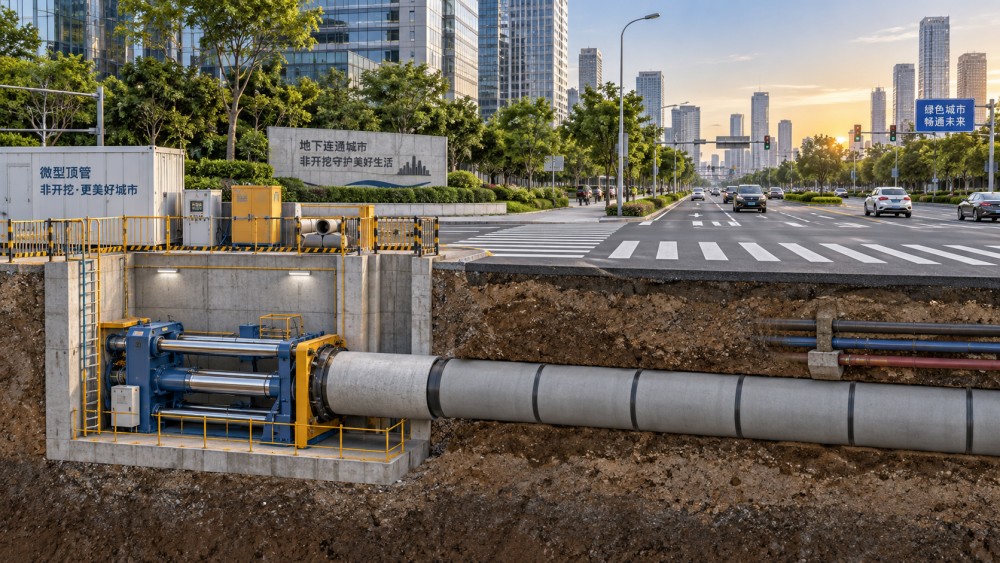
4. Historic districts, mature streetscapes, and public-facing places
In heritage areas and civic spaces, reinstatement is rarely a simple asphalt patch. Stone paving, mature trees, protected facades, irrigation systems, public art, and carefully designed streetscapes can turn excavation into a long-term visual and financial liability. Even a technically sound restoration may not satisfy local authorities, businesses, or residents who have seen a valued public space disrupted.
Trenchless installation offers a practical way to keep intervention narrow. A project may still need shafts, pits, temporary work compounds, and spoil management, but it can avoid a continuous trench through a sensitive landscape. This is especially relevant for water, wastewater, district energy, and communications upgrades beneath pedestrian precincts where access must remain reliable.
Tree protection deserves special attention. Trenchless routing below root zones can reduce impacts, but it is not a blanket guarantee of safety. Depth, bore profile, entry angle, soil condition, and the location of pits all matter. Arborists, geotechnical teams, and utility designers should be involved early rather than asked to approve a fixed alignment late in the programme.
5. Deeply buried or aging pipelines that need renewal, not replacement
Not every urban utility challenge requires a new route. Many cities are managing assets installed decades ago beneath roads that have since become busier, more built-up, and more difficult to excavate. Where the host pipe retains sufficient alignment and structural suitability, trenchless rehabilitation can offer a more measured response than full replacement.
CIPP lining, close-fit lining, sliplining, spiral-wound systems, and spray-applied linings each serve different conditions. The choice depends on the pipe material, diameter, structural defects, hydraulic requirements, service connections, host-pipe geometry, and the need for pressure or gravity performance. Cleaning, CCTV inspection, bypass pumping, connection reinstatement, curing controls, and quality verification all need to be planned as seriously as the liner installation itself.
For a project manager, rehabilitation is often valuable because it converts a citywide disruption problem into a series of controlled access and operational management tasks. It may also allow asset owners to prioritize the most critical failure risks without waiting for a major road reconstruction programme.
The method should follow the constraint—not the equipment preference
Urban teams sometimes begin with a familiar method and then search for a location where it might work. A more reliable approach begins with the constraint that cannot be compromised. Is the non-negotiable issue traffic flow? Pipeline grade? Rail protection? Environmental permitting? A narrow worksite? A live sewer that cannot be taken out of service? The answer should guide method screening.
No table can replace a site-specific feasibility assessment. Ground variability, boulders, obstructions, mixed-face conditions, contamination, groundwater pressure, and unexpected legacy structures can change the risk profile quickly. UTMD’s coverage of pipe jacking systems, full-face excavation, and underground equipment dynamics repeatedly points to the same principle: machine capability and ground behavior must be evaluated together. The most impressive equipment specification cannot compensate for an alignment that ignores actual subsurface conditions.
Where projects lose value before construction begins
The most common mistake is treating trenchless work as “invisible construction.” It is less visible at the surface, but it is not simpler. A tunnel or bore that has little room for correction requires disciplined preparation.
- Under-scoping ground investigation: Borehole information that is too widely spaced or not aligned with the proposed route can conceal abrupt changes in soil, rock, groundwater, or obstruction risk.
- Leaving shafts and pits until late: Launch and reception sites affect land access, traffic control, crane operations, spoil removal, dewatering, noise, and community communication.
- Ignoring temporary works: Shafts, thrust walls, pipe handling areas, and bypass arrangements can be the real drivers of constructability.
- Choosing on installation cost alone: A lower bid may not include realistic contingency for treatment of drilling fluids, settlement monitoring, utility exposure, or complex reinstatement interfaces.
- Weak stakeholder planning: Even a low-disruption method needs clear communication about access, working hours, noise, haul routes, and what residents will see on site.
These issues are manageable, but only when they are visible in the programme and risk register early. The strongest projects bring designers, utility owners, geotechnical specialists, trenchless contractors, traffic teams, and environmental advisers into the same conversation before procurement locks in a method.
A practical decision sequence for project managers
Start by mapping the full surface consequence of open cut. Include road occupancy, reinstatement standards, permits, sensitive receptors, commercial access, existing utilities, and the likely duration of disruption—not just excavation quantities. Then identify the utility performance requirements: diameter, pressure, grade, service life, future maintenance access, and connection strategy.
Next, develop a trenchless feasibility corridor rather than a single assumed alignment. This allows the team to test alternative shaft positions, depth profiles, crossing angles, and method families against real constraints. Investigate the ground along that corridor, not merely at convenient locations. If a method depends on precise steering or grade control, establish the survey and settlement-monitoring plan before construction, not after a concern appears.
Finally, evaluate the whole-life delivery picture. Consider restoration, traffic management, stakeholder exposure, environmental controls, construction duration, operational continuity, and resilience of the completed asset. This is where Trenchless Technology applications often show their strongest value: they help cities renew hidden infrastructure without repeatedly sacrificing the streets, businesses, and public spaces that make urban life work.
Urban utility programmes will only become more constrained as networks age and surface space becomes more contested. The best trenchless solution is not the one with the most advanced machine or the smallest footprint in isolation. It is the one that fits the ground, the asset, the city above it, and the delivery risks a project team must carry long after the worksite has been cleared.
Related News
Tunnel Boring Machine Costs: Budgeting for Purchase, Operation, and Project Risk
Tunnel Boring Machines cost more than purchase price. Learn how to budget lifecycle costs, downtime, logistics, wear, and project risk for smarter TBM decisions.
Open-Pit Haulage Cost Analysis: How Mine Managers Can Cut Cost per Tonne
Open pit haulage cost analysis: discover practical ways to reduce cost per tonne through payload control, cycle-time optimization, road performance, and smarter fleet decisions.
Tunnel Construction Innovations That Reduce Risk and Schedule Delays on Urban Projects
Tunnel construction innovation for urban projects: discover smarter TBMs, real-time monitoring, trenchless methods, and automation that reduce risk and protect schedules.
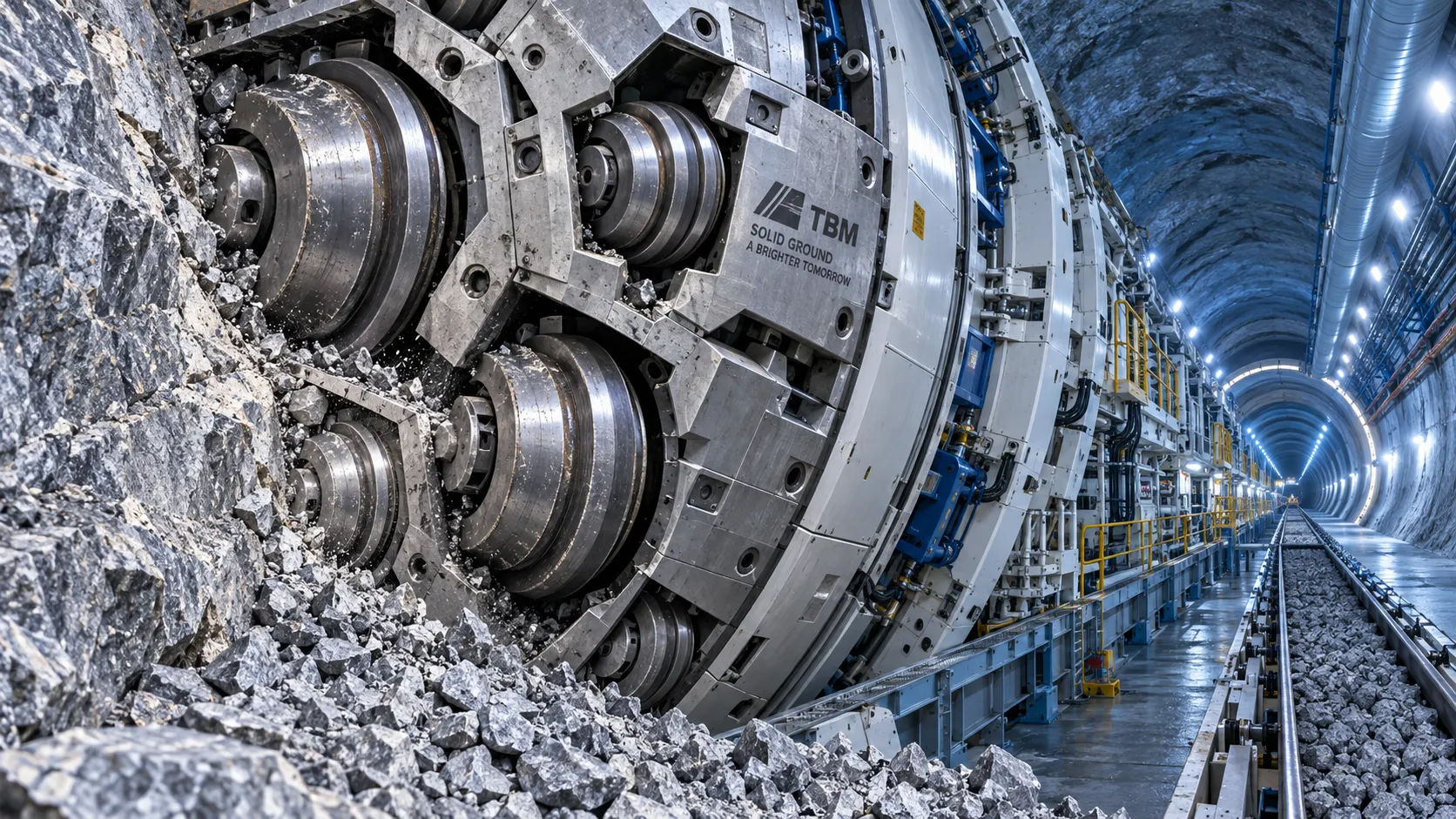
TBM Disc Cutter Design: Key Geometry and Load Factors for Hard Rock Tunnelling
TBM disc cutter design explained: explore geometry, spacing, load distribution and maintenance factors for reliable, efficient hard-rock tunnelling performance.
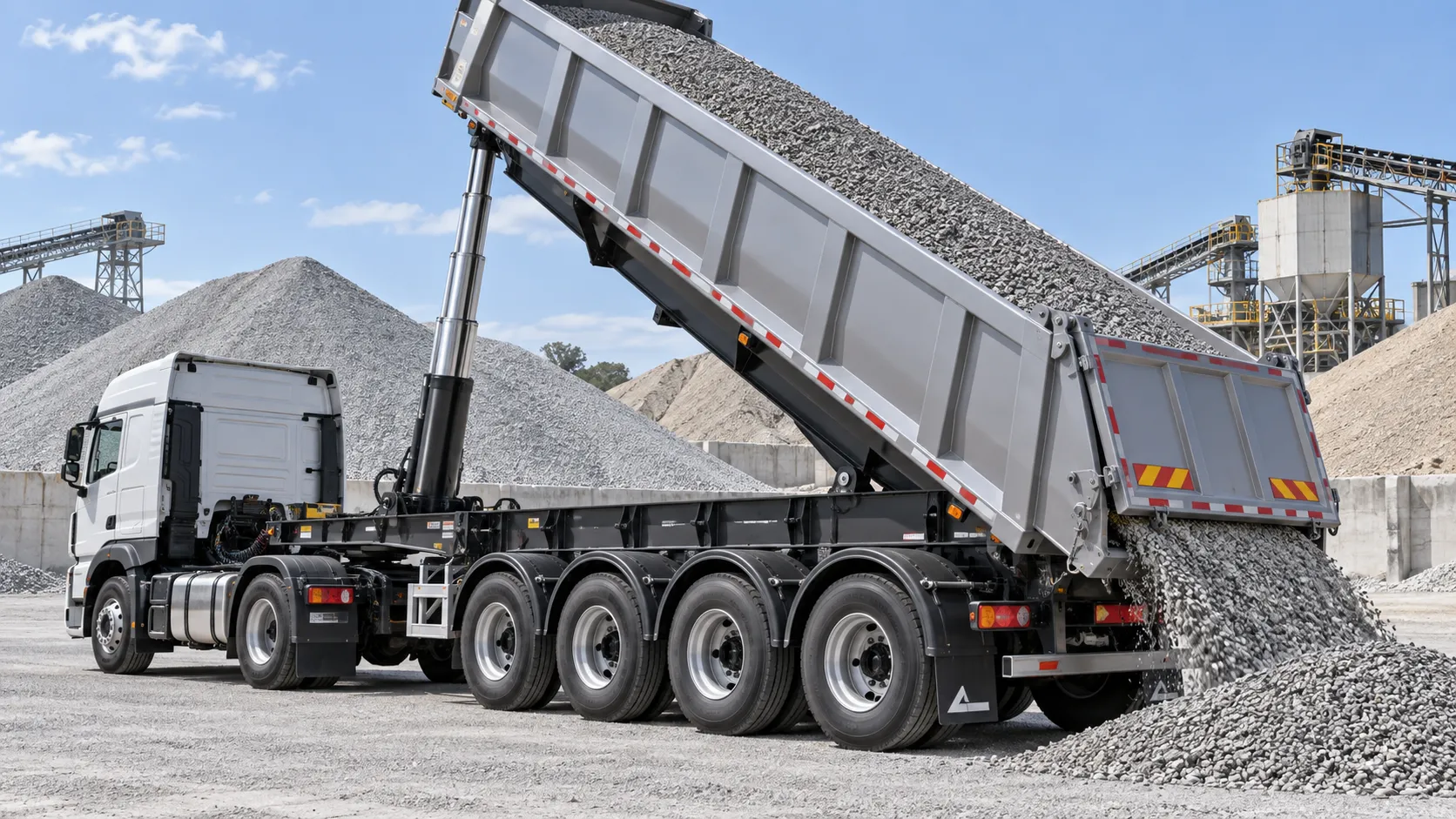
Hydraulic Tipping Stability Risks in Multi-Axle Dump Special Trailers
Dump special trailers: discover key hydraulic tipping stability risks, multi-axle load dynamics, and practical safety controls for safer, smarter bulk hauling.
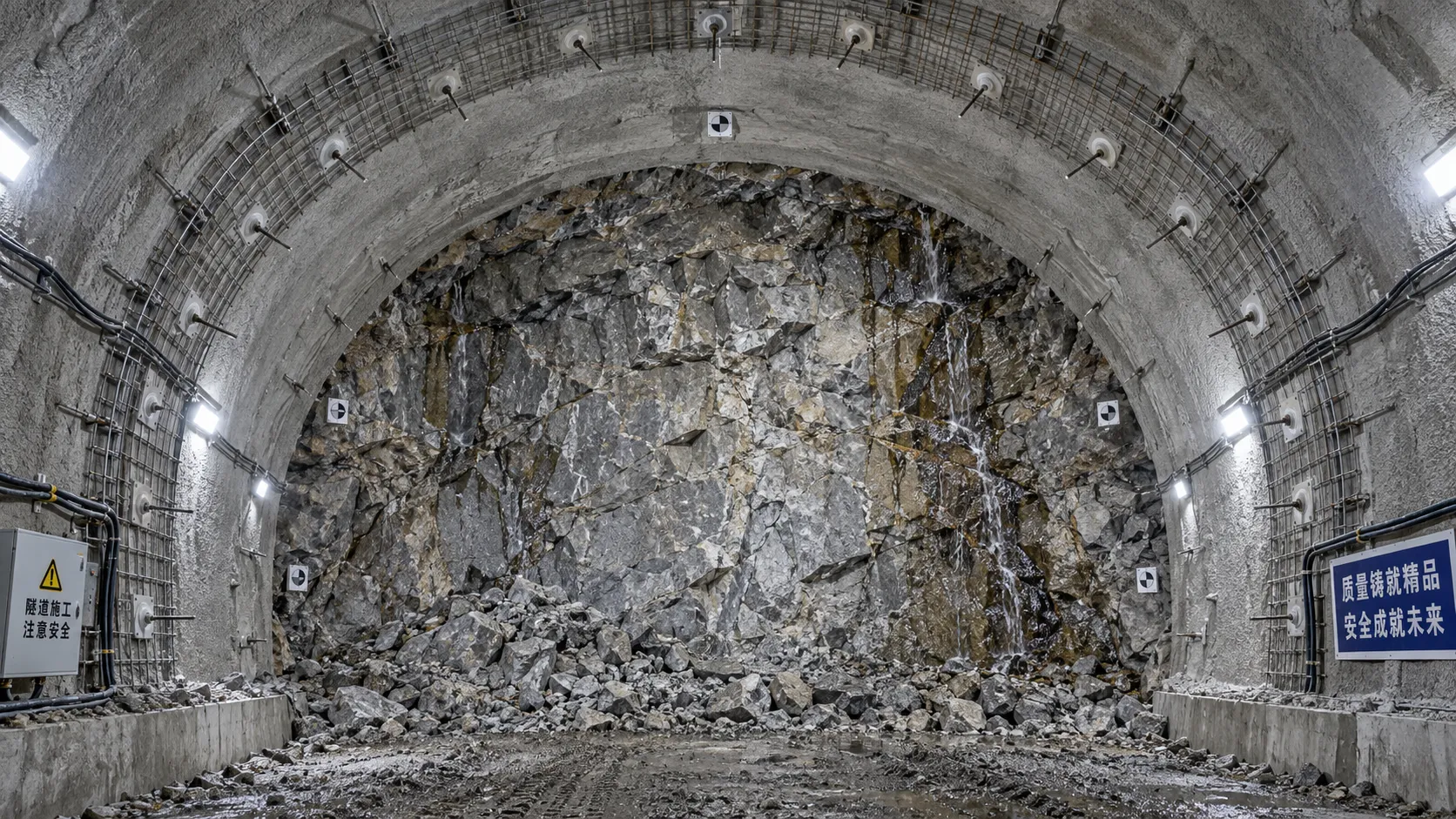
When rock reinforcement in tunnel construction must change after blasting
Rock reinforcement in tunnel construction must change when blasting reveals overbreak, weak joints, water inflow, or deformation. Discover key post-blast support decisions.
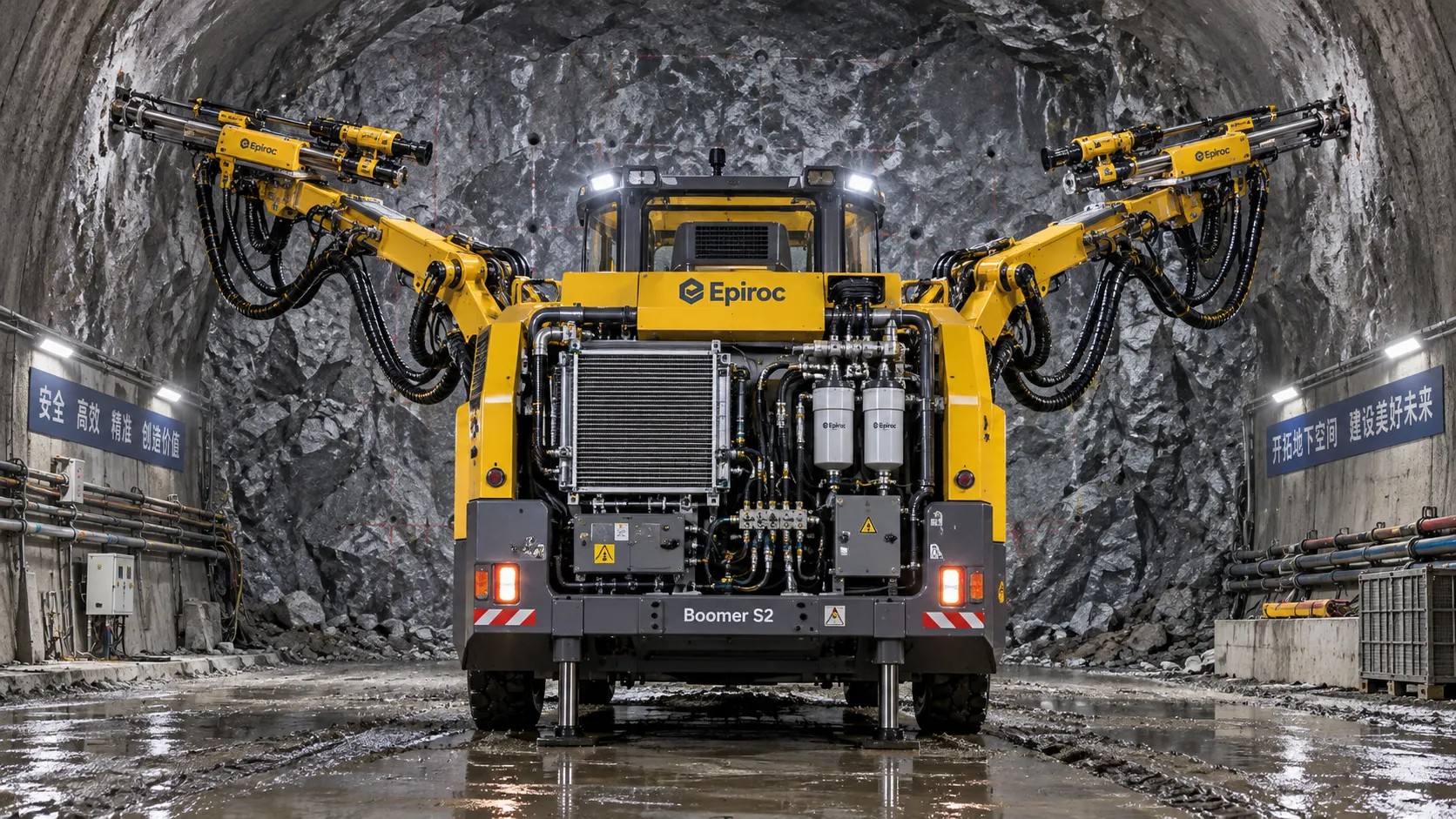
How tunnel hydraulic systems influence drill jumbo uptime underground
Tunnel hydraulic systems directly influence drill jumbo uptime. Explore how stable pressure, clean oil, cooling, and maintainable design reduce underground downtime.
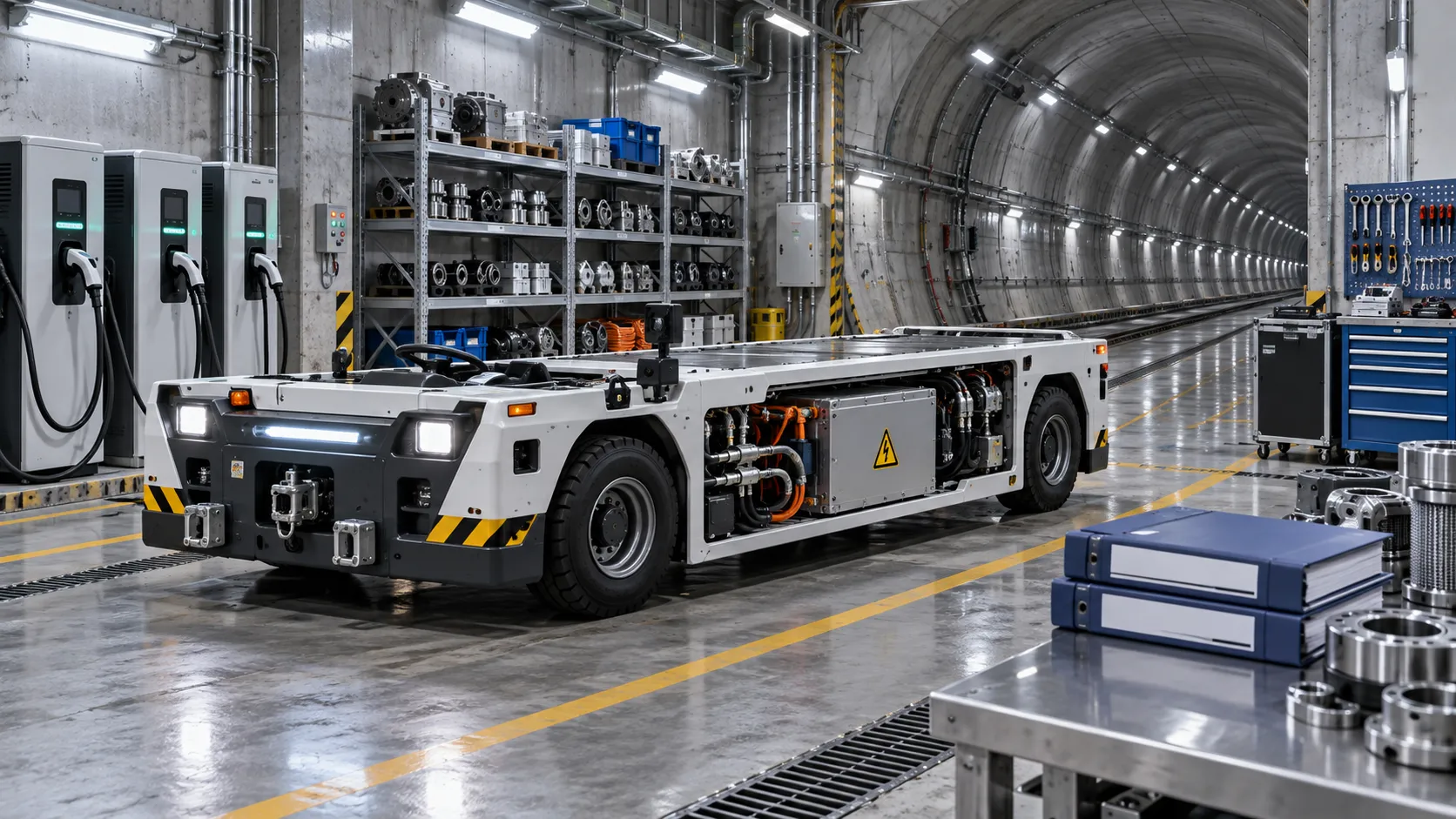
What to verify before appointing a tunneling vehicles manufacturer
Choosing a tunneling vehicles manufacturer? Verify application fit, reliability, compliance, parts support, training, and channel terms before appointing a partner.
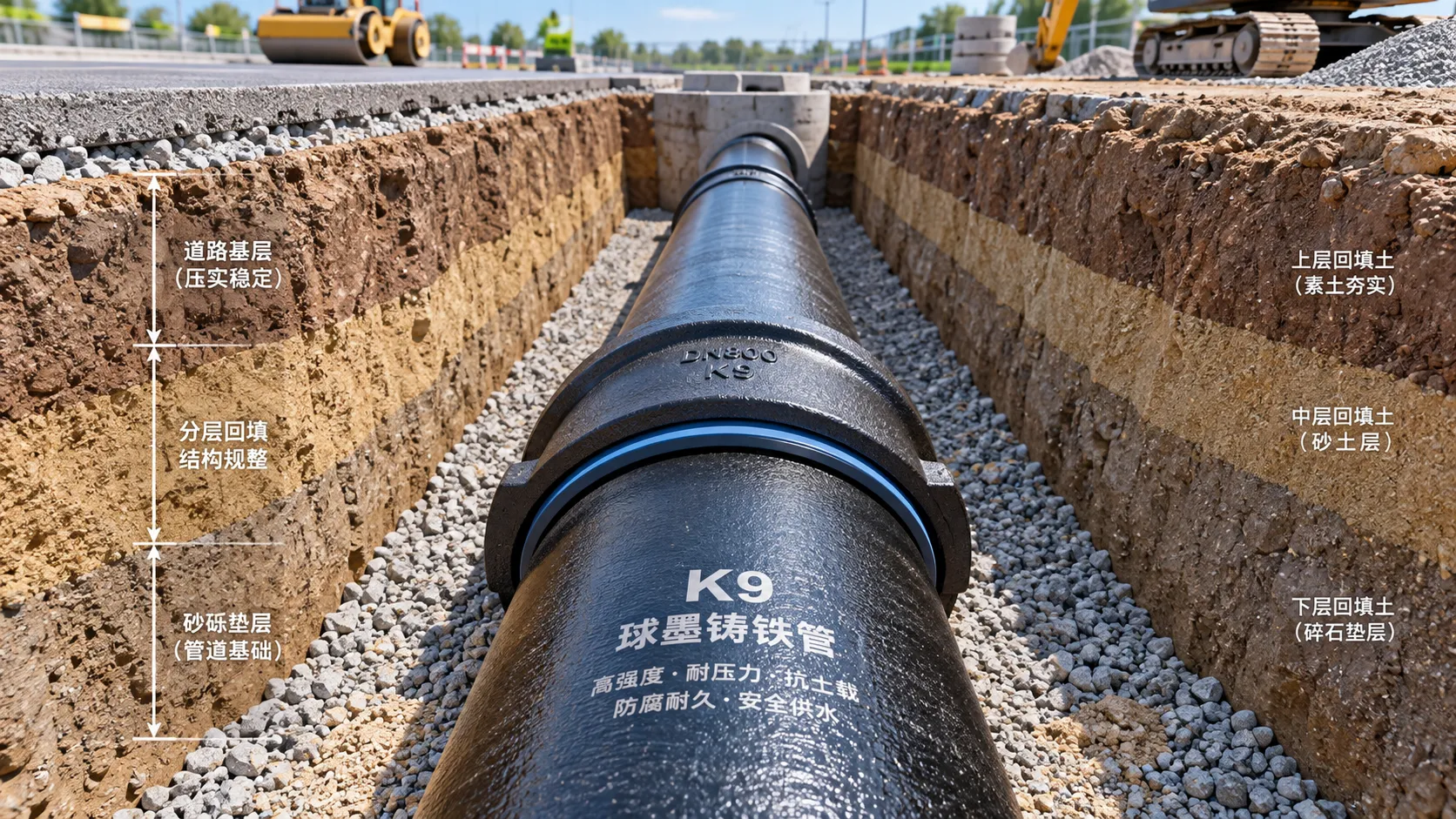
Selecting K9 Ductile Iron Pipe for Buried Water Pipeline Conditions
K9 ductile iron pipe selection for buried water pipelines: compare pressure duty, joints, soil loads, corrosion protection, and installation controls for reliable long-term performance.
Related News
- 00
0000-00
Tunnel Boring Machine Costs: Budgeting for Purchase, Operation, and Project Risk - 00
0000-00
Open-Pit Haulage Cost Analysis: How Mine Managers Can Cut Cost per Tonne - 00
0000-00
Tunnel Construction Innovations That Reduce Risk and Schedule Delays on Urban Projects - 00
0000-00
TBM Disc Cutter Design: Key Geometry and Load Factors for Hard Rock Tunnelling - 00
0000-00
Hydraulic Tipping Stability Risks in Multi-Axle Dump Special Trailers
Weekly Insights
Stay ahead with our curated technology reports delivered every Monday.