Tunnel Construction Innovations That Reduce Risk and Schedule Delays on Urban Projects





Urban tunnel projects rarely fall behind because a single machine is too slow. Delays usually begin earlier: an incomplete understanding of ground behavior, an unresolved utility conflict, slow decisions after unexpected monitoring data, or a construction method that does not fit the surface constraints. The most useful tunnel construction innovation is therefore not simply new equipment. It is a coordinated way to make uncertainty visible early, respond to it quickly, and prevent localized problems from spreading into programme-wide disruption.
For urban schemes, the market is shifting toward integrated solutions: adaptable tunnel boring systems, real-time ground and asset monitoring, trenchless installation, digital production control, and more automated underground logistics. These technologies are valuable when they change a project decision, protect a critical interface, or remove a recurring bottleneck. They add little when they are purchased as disconnected features without clear ownership of the data and operating response.
Risk reduction now starts before the tunnel drive
The traditional sequence of investigation, design, procurement, and construction still applies, but the boundaries between those phases are becoming less rigid. Ground models are increasingly treated as live working tools rather than static reports. Utility records are checked against survey evidence and trial investigations. Construction teams are involved earlier in reviewing launch shafts, segment logistics, spoil handling, emergency access, and settlement-control requirements.
This matters because urban tunnel risk is highly concentrated at interfaces. A drive may pass beneath old foundations, active rail corridors, mixed utility corridors, or buildings with limited tolerance for movement. A small discrepancy in ground conditions can be manageable; the same discrepancy becomes disruptive when it coincides with an unverified service crossing, restricted access for intervention, or a segment supply plan with no recovery capacity.
A sound innovation strategy begins by identifying the few uncertainties most capable of stopping progress. They are usually not identical across projects. In one location, water-bearing ground and face-pressure control may dominate. In another, it may be utility protection, shaft access, or restrictions on surface settlement. Technology selection should follow that risk map, rather than a general wish to “digitize” the works.
TBM systems are becoming more responsive, not merely more powerful
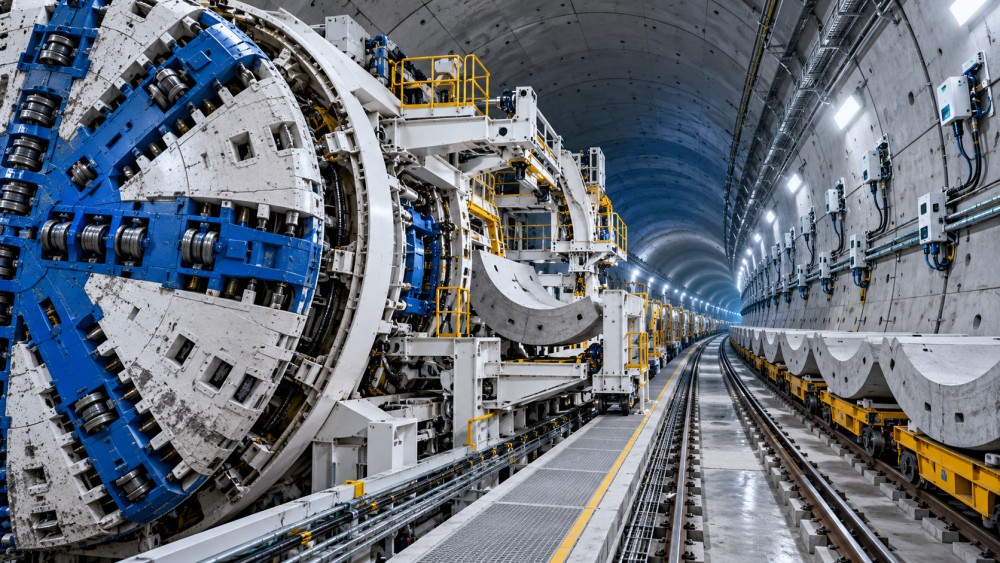
For longer urban drives, full-face tunnel boring machines remain central to schedule control because they combine excavation, support installation, guidance, and material handling into a repeatable cycle. The current direction is toward machines that provide better visibility into that cycle: cutterhead performance, thrust and torque behavior, pressure conditions, screw conveyor operation, segment handling, and machine position can be observed together rather than through separate reports.
The value lies in trend recognition. A gradual change in torque, penetration, muck characteristics, or conditioning demand may signal a transition in geology before it develops into excessive wear, unstable advance, or a prolonged intervention. Data does not remove the need for experienced operators and geotechnical interpretation. It gives them a more timely basis for deciding whether to adjust operating parameters, inspect wear components, alter conditioning, or prepare for a different ground response.
Machine specification should not be reduced to headline capacity. Project leaders need to test the proposed TBM against the actual intervention conditions. Can cutters be inspected and replaced within the constraints of the drive? Is the machine designed for the expected pressure regime and mixed-face conditions? Does the backup arrangement match the required segment, grout, spoil, and maintenance flow? A highly capable cutterhead cannot recover time lost because downstream logistics repeatedly stop the drive.
Advanced TBM control is most useful on projects with variable geology, strict settlement limits, or costly access constraints. It is less persuasive where basic production discipline, maintenance planning, and site coordination have not yet been established. Digital capability should strengthen a working operating system, not compensate for its absence.
Real-time monitoring only helps when the response path is defined
Instrumentation has long been part of urban tunnelling, but connected monitoring platforms are changing how teams handle settlement, vibration, pore pressure, ground movement, and structural behavior. The practical advantage is not that more readings are available. It is that information from tunnel operations, surface monitoring, and nearby assets can be reviewed close to the time it is generated.
That shortens the gap between observation and action. However, a dashboard full of alarms can create confusion if alert thresholds, responsibilities, and response authority are unclear. A useful monitoring plan defines what each trigger means operationally. It should distinguish between a condition that requires intensified observation, one that requires an adjustment to tunnelling parameters, and one that requires a controlled pause and engineering review.
The same discipline applies to utility protection. Records are often incomplete, especially in older urban areas. Ground-penetrating surveys, trial pits, targeted investigations, and owner coordination all reduce uncertainty, but none should be treated as a substitute for the others. The aim is to establish a defensible utility risk model before the face approaches a sensitive corridor, with clear hold points and contact routes already agreed.
Monitoring is most effective when construction data is visible to the people who can act on it. Sending daily reports to a broad distribution list is not the same as integrating risk signals into shift planning and management decisions.
Trenchless methods are gaining ground where surface disruption drives project risk
Not every urban underground project requires a large TBM. Pipe jacking, microtunnelling, and other trenchless methods can be the better commercial and operational choice for utility tunnels, crossings, drainage works, and shorter alignments where open-cut construction would disrupt traffic, businesses, rail operations, or congested streets.
The benefit is often described as reduced surface impact, but the more important project effect is control of external interfaces. Fewer road closures, less reinstatement, and a smaller excavation footprint can simplify stakeholder management and reduce the number of events capable of disrupting the programme.
That does not make trenchless construction low-risk by default. Launch and reception shafts still need appropriate space, ground support, water management, lifting arrangements, and access. Alignment control matters more where tolerances are tight or the route must connect precisely to existing assets. The choice is strongest when the project team has compared total disruption and interface risk, not only the apparent cost of excavation.
Automation should target the activities that interrupt production
Automation in underground construction is often discussed in broad terms, yet its strongest urban application is usually specific. Semi-automated guidance can improve alignment confidence. Automated or assisted segment handling can reduce exposure in repetitive lifting tasks. Machine-health monitoring can support maintenance planning. Remote inspection tools can reduce unnecessary entries into hazardous or difficult areas.
The best target is a task with a known pattern of delay, rework, or exposure. For example, if ring build quality is creating recurring corrections, improving data capture around positioning, segment sequence, and grout control may have more value than adding an unrelated analytics platform. If a project loses shifts to equipment faults, condition monitoring and disciplined spares planning may be more useful than attempting full autonomy.
There is also a workforce dimension. New systems change who must interpret information, authorize changes, and maintain equipment. A technology package that assumes specialist support unavailable on night shifts can create a new bottleneck. Procurement should therefore evaluate operator interface, training requirements, manual fallback modes, cybersecurity responsibilities, and supplier support during critical construction periods.
The emerging market advantage is integration across the production chain
Urban tunnelling is moving away from isolated technology purchases toward connected delivery environments. Design data, geological interpretation, machine telemetry, monitoring records, survey control, logistics status, and quality records are increasingly expected to inform the same project conversation. A digital model is useful when it connects those decisions; it is not useful merely because it contains a three-dimensional representation of the asset.
For programme management, the practical question is whether the system exposes upcoming constraints early enough to change the plan. Can teams see that segment stock, grout supply, rail logistics, planned maintenance, and access windows will conflict? Can a change in expected geology be translated into revised wear assumptions, intervention planning, and stakeholder communication? If the answer is no, the project may have data without operational control.
This is also where market intelligence has a legitimate role. Portals such as Global Underground Tunnelling & Mining Dynamics (UTMD) are relevant when teams need to track developments in full-face TBMs, trenchless equipment, rock-cutting performance, and underground automation. The useful output is not a catalogue of equipment trends. It is a clearer view of which technologies are mature enough for the project’s risk profile, supply chain, operating environment, and delivery timetable.
A practical selection sequence for project leaders
Before committing to a technology package, bring the design, construction, geotechnical, utility, operations, and commercial leads into the same review. The following sequence helps keep investment tied to delivery outcomes:
- Rank delay drivers by consequence. Separate routine production issues from events that could stop the drive, trigger third-party intervention, or close a critical access route.
- Define the decision each tool must improve. “Better data” is not a requirement. “Earlier warning of settlement requiring a change in face-pressure strategy” is.
- Check the full operating chain. Assess excavation, support, spoil removal, material supply, maintenance, ventilation, power, communications, and emergency access together.
- Set response rules before deployment. Decide who sees the information, who can change operating parameters, and when escalation is mandatory.
- Protect the fallback plan. Confirm that work can continue safely, or pause in a controlled manner, if a sensor, communications link, or software interface is unavailable.
A common mistake is treating innovation as a procurement category. In urban tunnelling, its value is measured by whether it prevents avoidable decisions from being made late. The projects most likely to protect their schedules are not necessarily those using the most advanced equipment. They are the ones that pair suitable equipment with a credible ground model, responsive monitoring, reliable logistics, and clear authority to act when conditions change.
Related News
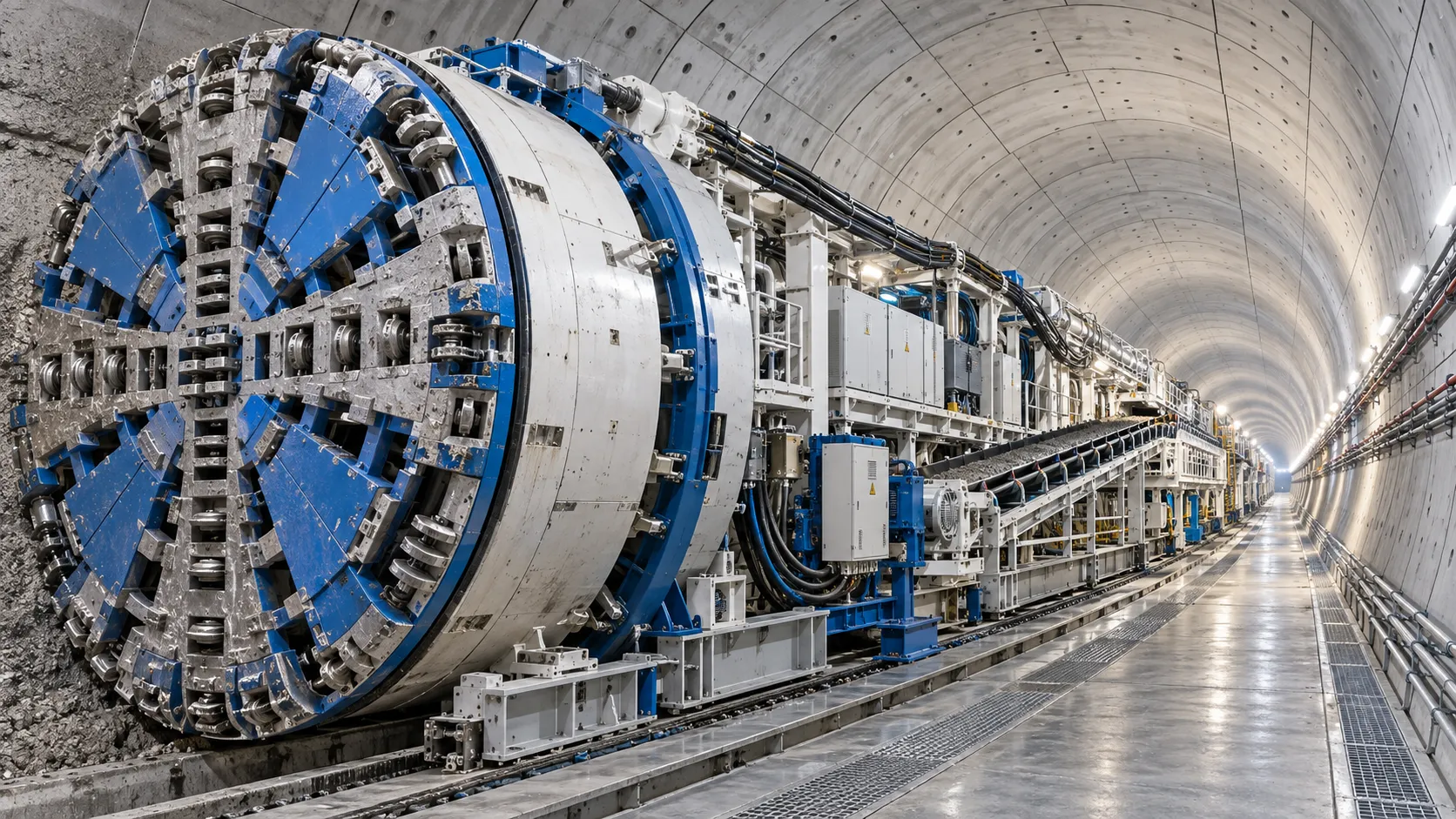
Tunnel Boring Machine Costs: Budgeting for Purchase, Operation, and Project Risk
Tunnel Boring Machines cost more than purchase price. Learn how to budget lifecycle costs, downtime, logistics, wear, and project risk for smarter TBM decisions.
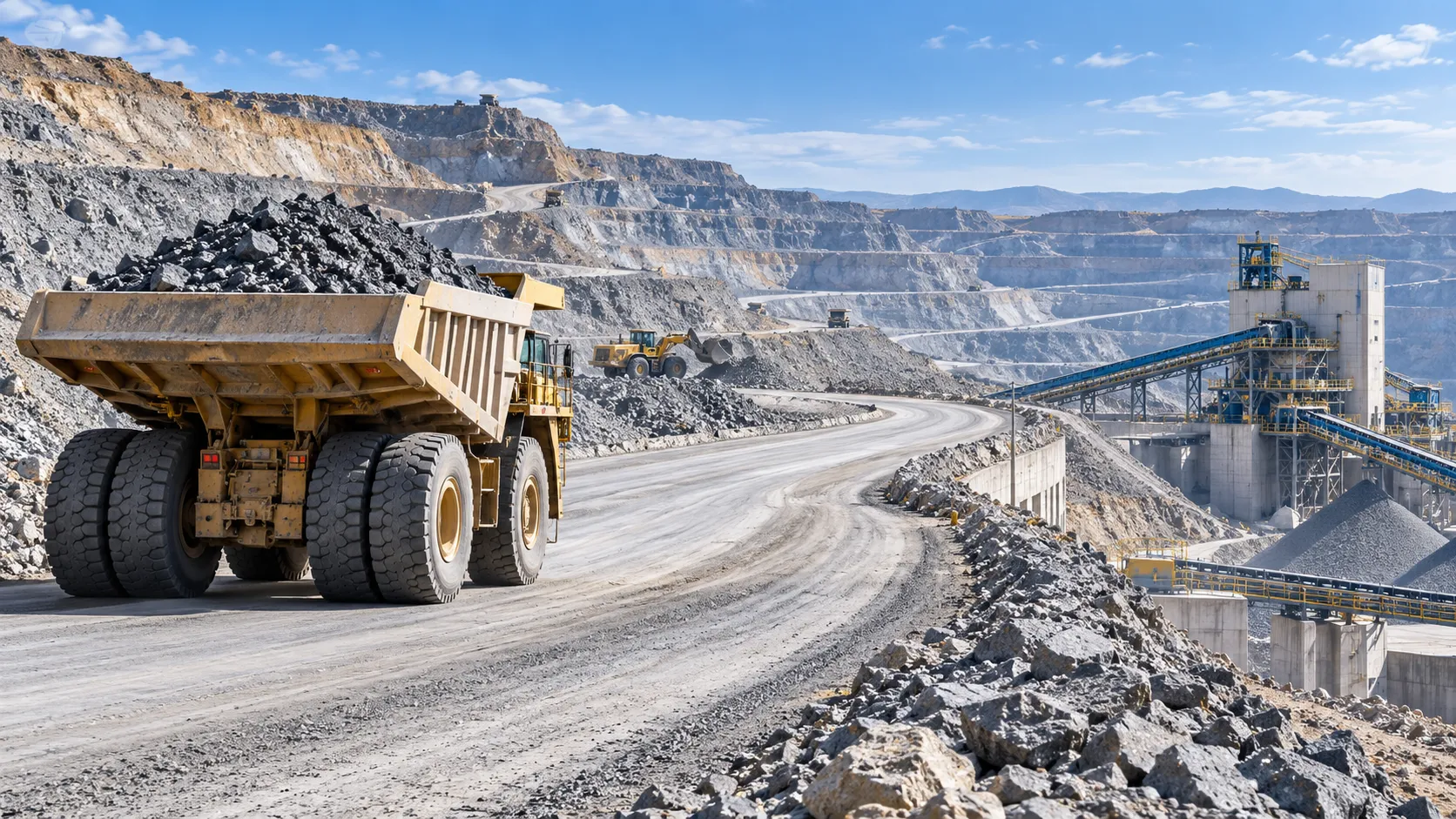
Open-Pit Haulage Cost Analysis: How Mine Managers Can Cut Cost per Tonne
Open pit haulage cost analysis: discover practical ways to reduce cost per tonne through payload control, cycle-time optimization, road performance, and smarter fleet decisions.
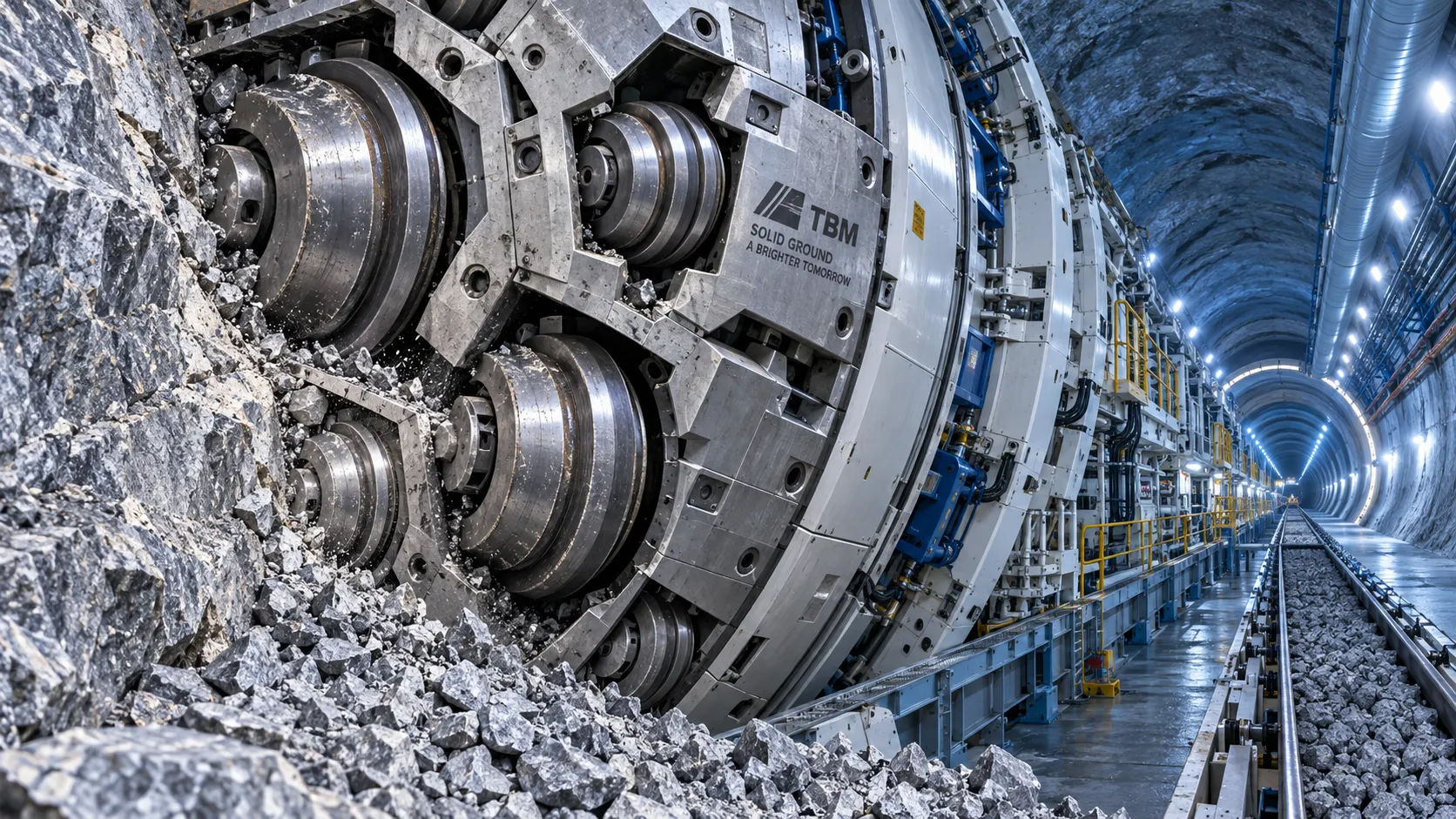
TBM Disc Cutter Design: Key Geometry and Load Factors for Hard Rock Tunnelling
TBM disc cutter design explained: explore geometry, spacing, load distribution and maintenance factors for reliable, efficient hard-rock tunnelling performance.
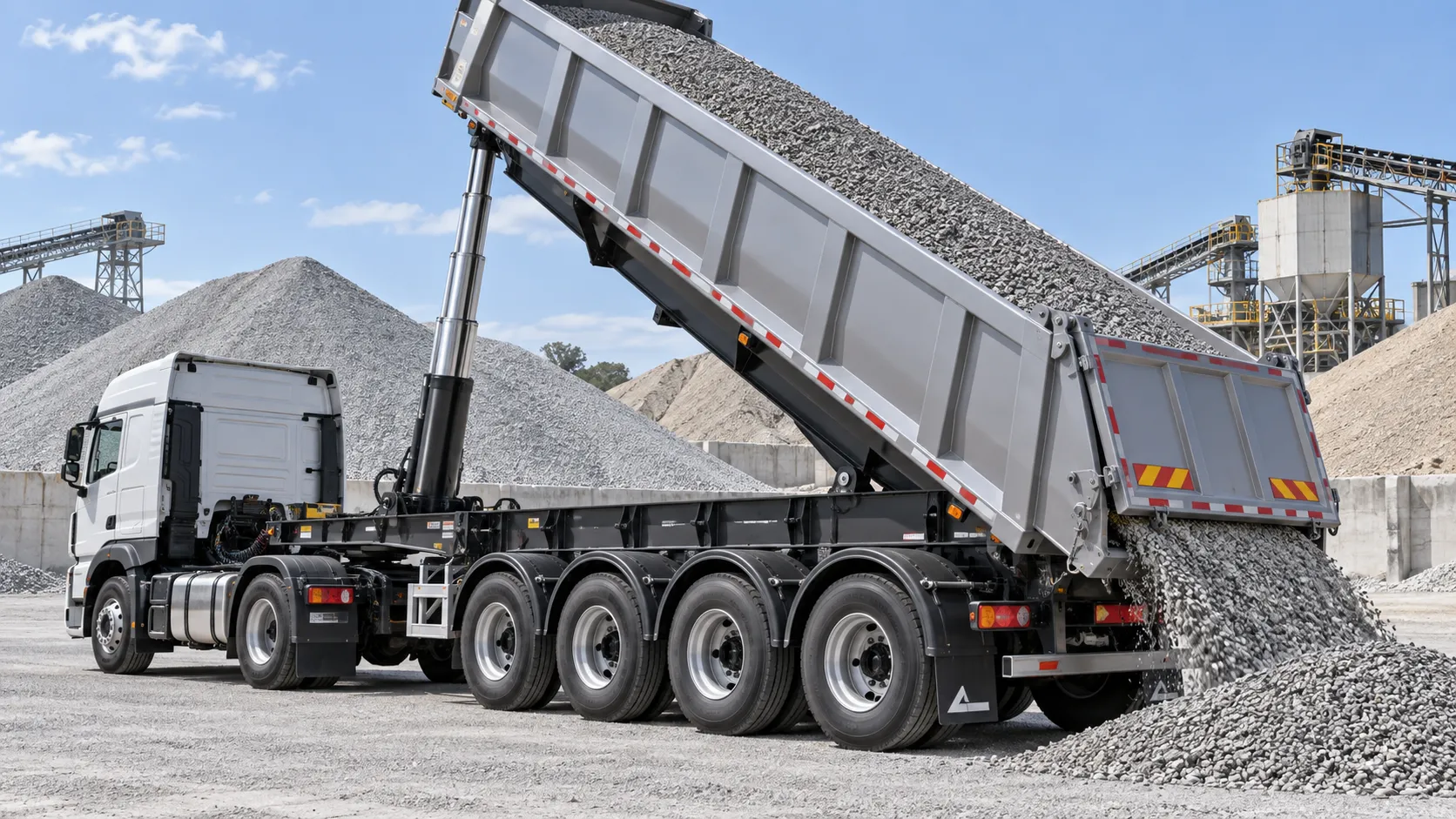
Hydraulic Tipping Stability Risks in Multi-Axle Dump Special Trailers
Dump special trailers: discover key hydraulic tipping stability risks, multi-axle load dynamics, and practical safety controls for safer, smarter bulk hauling.
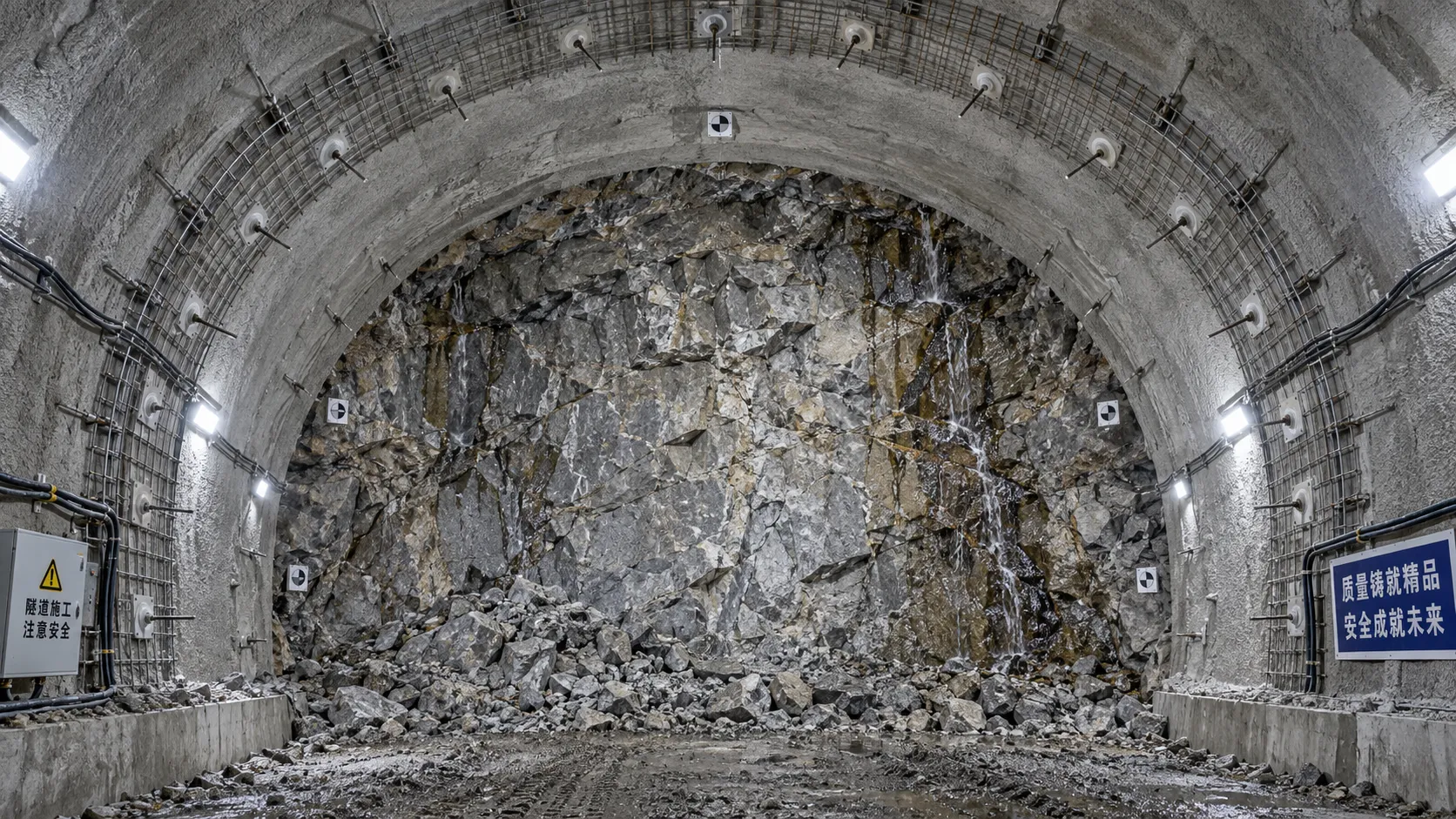
When rock reinforcement in tunnel construction must change after blasting
Rock reinforcement in tunnel construction must change when blasting reveals overbreak, weak joints, water inflow, or deformation. Discover key post-blast support decisions.
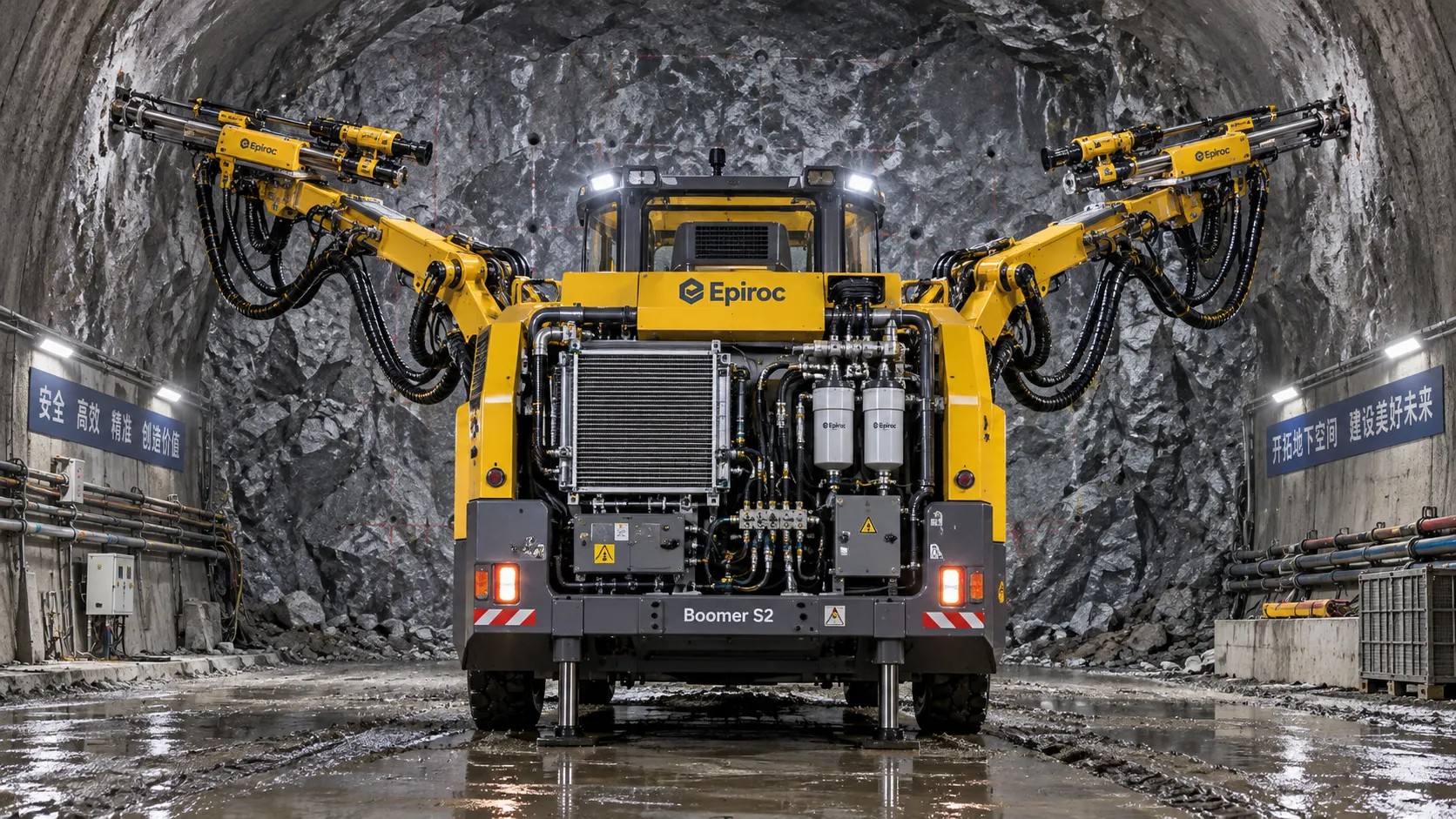
How tunnel hydraulic systems influence drill jumbo uptime underground
Tunnel hydraulic systems directly influence drill jumbo uptime. Explore how stable pressure, clean oil, cooling, and maintainable design reduce underground downtime.
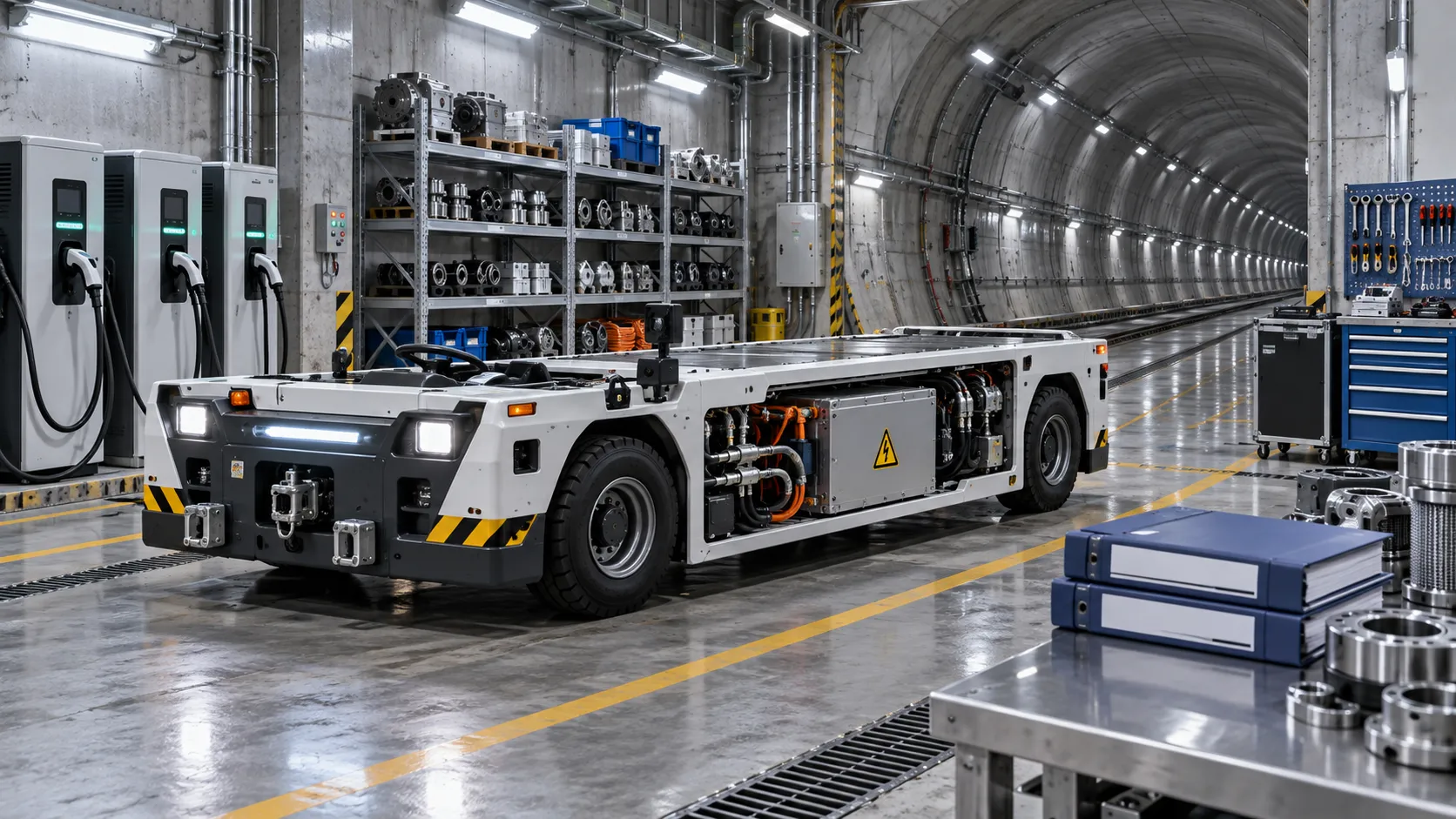
What to verify before appointing a tunneling vehicles manufacturer
Choosing a tunneling vehicles manufacturer? Verify application fit, reliability, compliance, parts support, training, and channel terms before appointing a partner.
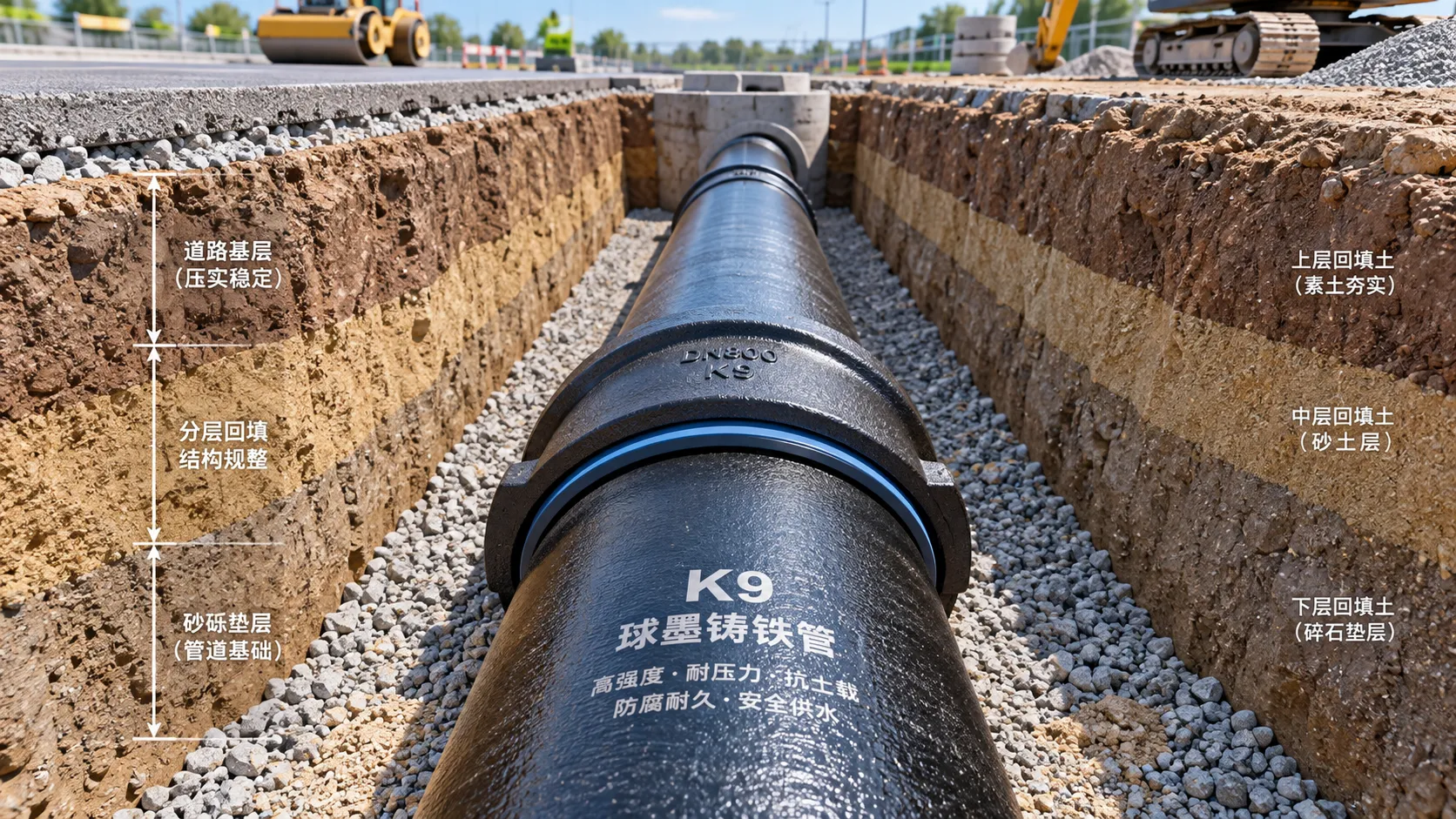
Selecting K9 Ductile Iron Pipe for Buried Water Pipeline Conditions
K9 ductile iron pipe selection for buried water pipelines: compare pressure duty, joints, soil loads, corrosion protection, and installation controls for reliable long-term performance.
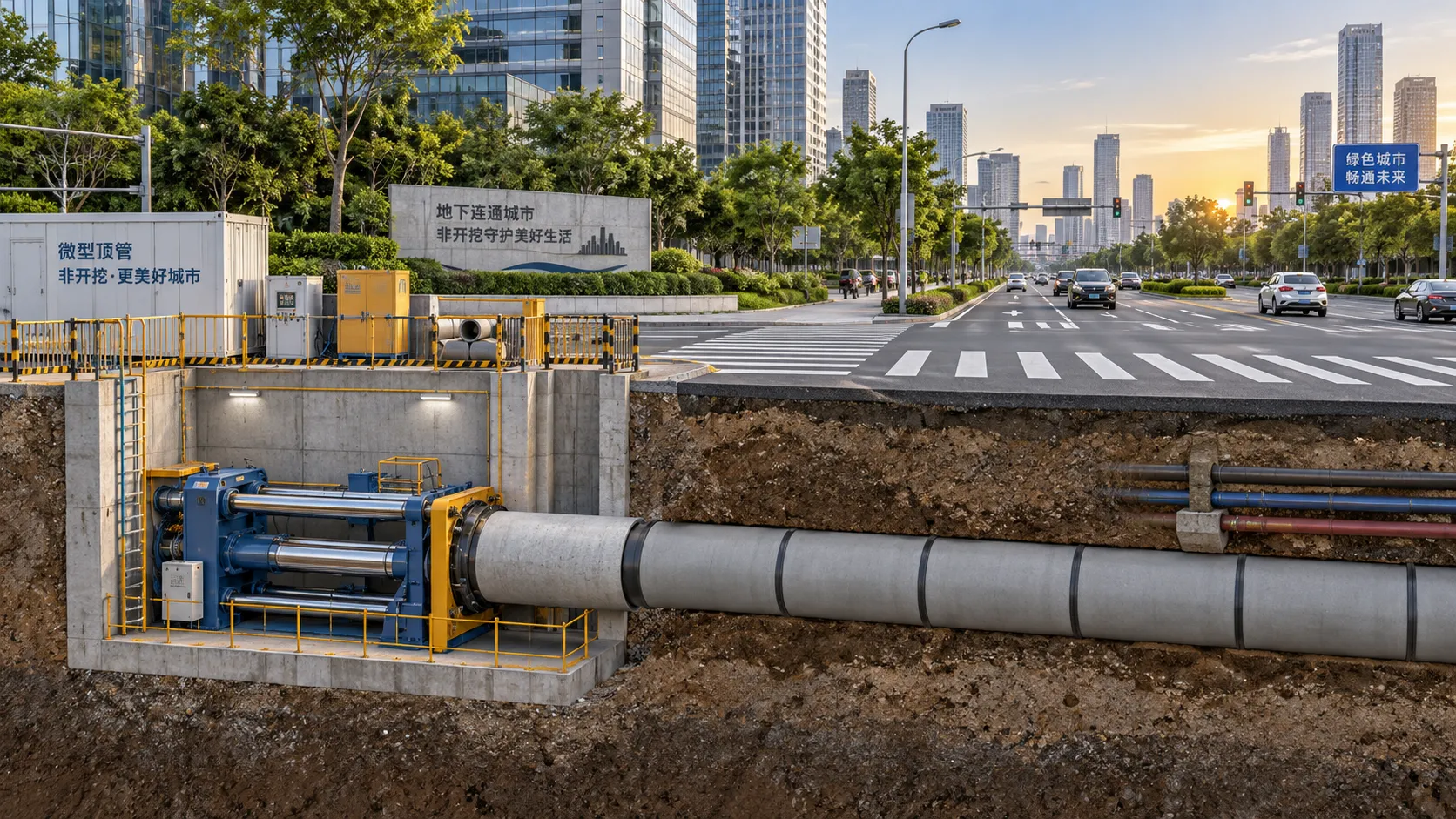
Where Trenchless Technology Delivers the Best Value in Urban Utility Projects
Trenchless Technology applications deliver high value in urban utility projects by reducing disruption, protecting critical crossings, and improving project outcomes.
Related News
- 00
0000-00
Tunnel Boring Machine Costs: Budgeting for Purchase, Operation, and Project Risk - 00
0000-00
Open-Pit Haulage Cost Analysis: How Mine Managers Can Cut Cost per Tonne - 00
0000-00
Tunnel Construction Innovations That Reduce Risk and Schedule Delays on Urban Projects - 00
0000-00
TBM Disc Cutter Design: Key Geometry and Load Factors for Hard Rock Tunnelling - 00
0000-00
Hydraulic Tipping Stability Risks in Multi-Axle Dump Special Trailers
Weekly Insights
Stay ahead with our curated technology reports delivered every Monday.