
What to verify before appointing a tunneling vehicles manufacturer





Appointing a tunneling vehicles manufacturer is a channel decision with a long tail. A distributor may win an initial order with an attractive machine price, yet lose credibility quickly if the supplier cannot support a hydraulic failure underground, provide compliant documentation for a local tender, or keep high-wear parts available when the customer is operating around the clock.
For distributors, agents, and regional partners, the manufacturer should be evaluated as an operating partner rather than a catalog source. The most useful question is not whether the machine looks capable in a brochure. It is whether the supplier can help the channel deliver a machine that fits the ground conditions, site geometry, safety rules, maintenance capability, and commercial expectations of the local market.
A strong appointment decision usually rests on four areas: application engineering, product reliability and serviceability, parts and technical support, and the manufacturer’s willingness to create a workable channel model. Weakness in any one of these can turn a technically credible vehicle into an expensive aftermarket problem.
Start with the work the vehicle must actually do
“Tunneling vehicle” can cover a very broad group of equipment: low-profile loaders, personnel carriers, utility vehicles, concrete transport units, explosive charging platforms, drilling support vehicles, segment-handling systems, and underground haulage equipment. A manufacturer that performs well in one category or operating environment may not be the right fit for another.
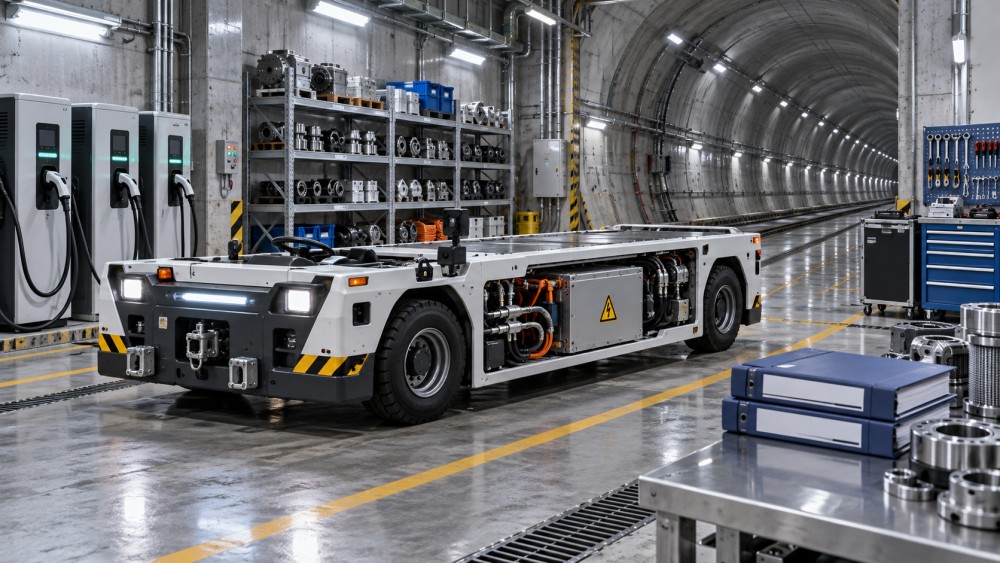
Before discussing dealership terms, define the applications your target customers are likely to bring. A compact electric carrier working in a short urban utility tunnel faces different constraints from an LHD operating in a deep mine, or a support vehicle working behind a tunnel boring machine. The differences are practical:
- Tunnel cross-section, turning radii, gradients, clearance limits, and road condition affect vehicle dimensions, articulation, traction, braking, and payload.
- Ventilation capacity and emissions restrictions shape the viability of diesel, battery-electric, tethered-electric, or hybrid equipment.
- Water ingress, abrasive dust, heat, humidity, and corrosive ground conditions influence sealing, cooling, cable protection, corrosion treatment, and electrical enclosure design.
- Shift patterns and production pressure determine whether a customer needs fast battery exchange, high charging availability, redundant equipment, or exceptionally simple field maintenance.
- Local labor capability affects how much diagnostic complexity the end user can realistically manage without supplier intervention.
A manufacturer should be able to discuss these conditions with engineering depth. That does not require every supplier to build a unique machine for each job. It does require a disciplined process for matching configuration to duty cycle. Ask how the company determines motor sizing, battery capacity, cooling requirements, tire selection, braking performance, and permissible gradients. If answers remain at the level of rated payload and headline power, the distributor may be left to solve application mismatches after delivery.
This matters especially where equipment will work in confined underground spaces. A vehicle that is well suited to open-site haulage can create serious operational issues underground if its heat output, exhaust profile, maneuverability, emergency stopping behavior, or maintenance access is poorly matched to the site.
Verify proof of reliability, not just component brands
Well-known engines, hydraulic pumps, batteries, axles, or control hardware can be reassuring, but a tunneling vehicle is judged by the integration of those systems. The most costly failures often arise at the interfaces: thermal management that cannot cope with the duty cycle, wiring vulnerable to vibration or moisture, software faults that immobilize equipment, or hydraulic routing that makes routine repairs unnecessarily slow.
Ask the manufacturer to explain the design choices that address underground service conditions. Useful areas to examine include frame construction, joint and pin protection, hose routing, emergency steering and braking provisions, access to filters and service points, protection of sensors, battery enclosure design, fire suppression compatibility, and recovery points for an immobilized machine.
For battery-electric equipment, do not treat “zero emission” as a complete suitability claim. Battery chemistry, charging approach, thermal control, isolation monitoring, ingress protection, high-voltage safety procedures, and replacement logistics all affect whether the vehicle can operate reliably. A distributor also needs clarity on what happens when a battery or charger fails. Can the end user isolate the issue, switch packs, access remote support, or continue operating with a reduced fleet? The answers shape the service package and inventory that the channel partner must carry.
Reliability evidence should be specific enough to assess, even if project details are commercially confidential. A credible manufacturer can normally provide structured information on validation methods, production inspection points, factory acceptance tests, warranty boundaries, recurring service intervals, and the operating environments for which each configuration is intended. Be cautious when claims of ruggedness are unsupported by a clear maintenance philosophy or when published specifications omit operating limits.
It is also sensible to inspect a representative unit, preferably with covers open and service points accessible. A clean exterior reveals little. Look at hose labeling, wiring discipline, protection around vulnerable components, accessibility of daily checks, part identification, operator visibility, and the practicality of replacing common wear components. These details often predict the channel’s future service burden more accurately than a feature list.
Check compliance as a market-entry capability
Compliance is not a document collection exercise. For a distributor, it determines which tenders can be pursued, how much local adaptation is needed, and who carries the risk when a customer’s safety or insurance review challenges the equipment.
The relevant obligations vary by country, project owner, mine operator, and equipment type. They may address machinery safety, electrical systems, electromagnetic compatibility, braking, fire protection, emissions, lifting functions, workplace noise, battery transport, explosive atmospheres, or operator protection. A manufacturer does not need to claim universal approval for every market. It does need to state clearly which configurations and documents support which applications.
During qualification, request a documentation sample rather than relying on a compliance statement. Review the quality of operating manuals, maintenance instructions, parts books, electrical and hydraulic schematics, risk information, declarations where applicable, test records, and training materials. Documents should match the machine configuration being offered. Generic manuals that cover many unrelated variants create problems during commissioning and weaken the distributor’s position with safety-conscious customers.
Ask who owns the engineering work when a local buyer requires additions such as emergency shutdown interfaces, lighting changes, fire suppression integration, collision avoidance hardware, alternative tires, multilingual markings, or site-specific communication systems. Some changes are straightforward accessories; others affect safety, certification, performance, and warranty. A channel partner should not be pushed into making field modifications that the manufacturer will later refuse to support.
For mining and complex tunneling projects, procurement teams increasingly examine the digital layer as well. Machine telemetry can support maintenance planning and fleet visibility, but it also raises questions about data access, connectivity underground, cybersecurity, software updates, and diagnostic authority. Establish whether the distributor can view fault codes, download machine data, perform approved parameter changes, and escalate cases without waiting for a distant factory engineer.
Evaluate parts support as a commercial system
Many distributor appointments fail after the first sale because spare-parts expectations were discussed in general terms rather than translated into a stocked, funded operating model. An underground customer does not measure support by the existence of a warehouse. It measures support by whether the required part, technical instruction, and decision-maker are available while the machine is out of service.
Ask for a recommended initial parts list by machine family and duty severity. It should distinguish between commissioning spares, normal preventive-maintenance items, high-wear components, critical downtime parts, and long-lead assemblies. The manufacturer should explain how recommendations change for a small contractor fleet, a high-utilization tunnel project, or a mine operating far from established logistics routes.
Pay attention to part-number stability and supersession control. If a supplier changes components frequently without clear notices, the local distributor can accumulate obsolete stock or dispatch the wrong item. A usable parts system provides accurate illustrations, serial-number traceability, replacement histories, stock visibility where possible, and prompt technical clarification when a machine has been modified during production.
Commercial terms matter here, but the lowest purchase price for spares is rarely the decisive issue. Consider minimum order quantities, emergency freight arrangements, payment terms, warranty parts reimbursement, return rights for slow-moving inventory, and whether the manufacturer expects the distributor to stock high-value assemblies. These policies should match the territory’s likely installed base and the manufacturer’s lead times. A small new agent asked to carry a disproportionate inventory risk may struggle to build a sustainable service operation.
The service escalation path deserves equal scrutiny. Clarify who responds to a machine-stopping fault, what information must be supplied, which cases are handled remotely, when a factory technician is available, and who bears travel costs. Manufacturers often promise remote support; the practical test is whether they have competent staff, accessible diagnostic tools, usable service documentation, and a response process that accommodates time zones and site access restrictions.
Make training and technical authority part of the appointment
A distributor cannot credibly represent complex tunneling equipment if all technical authority remains at the factory. The manufacturer should have a structured path for transferring competence to local personnel: commissioning procedures, technician training, operator familiarization, fault-finding guidance, software access rules, and periodic updates when hardware or controls change.
Training should cover the work that local teams will actually perform. General product presentations have limited value when technicians need to diagnose battery isolation faults, calibrate sensors, inspect brakes, repair hydraulic circuits, or recover a vehicle safely in a restricted tunnel. Ask whether the training includes hands-on work, assessments, reference materials, and certification or authorization requirements for advanced tasks.
The line between distributor responsibility and manufacturer responsibility should also be explicit. A healthy model often allows the local partner to handle preventive maintenance, standard repairs, commissioning support, and first-line diagnostics, while the manufacturer retains responsibility for design issues, major software interventions, warranty approval, and complex failures. Ambiguity produces delays, duplicate labor, and customer frustration.
Test whether the channel relationship can survive the first difficult project
Exclusive territory language, annual sales targets, and discount schedules are important, but they should be assessed after the operating fundamentals. A distributor benefits little from territorial protection if the supplier can sell directly to strategic accounts, appoint another service partner without consultation, or quote end users at prices that undermine the channel.
Review the agreement for practical questions: how leads are registered, how house accounts are defined, whether direct sales are permitted, how project-based pricing is approved, what support is available for tenders, and how warranty decisions are governed. The agreement should also address demo equipment, marketing obligations, product liability allocation, use of the manufacturer’s brand, termination rights, and the treatment of inventory if the relationship ends.
Manufacturer capacity is another issue that is easy to underestimate. A capable engineering team may still be unable to support a new territory if production slots, configuration control, export packaging, documentation, and commissioning resources are stretched. Ask how the supplier manages delivery commitments and configuration changes during a project. Delays are particularly damaging in tunneling because equipment availability is tied to tightly sequenced civil works, labor deployment, and contractor milestones.
The best early signal is usually the supplier’s behavior during qualification. Are technical questions answered by people who understand the machine? Are limitations stated clearly? Is the proposed service model realistic for the territory? Does the manufacturer distinguish between a feature that is standard, an option that requires engineering review, and a request it cannot responsibly support? This discipline is more valuable than an unlimited willingness to say yes.
A practical appointment decision
Before signing, choose one or two target applications and run a joint pre-sales exercise with the prospective manufacturer. Use realistic site conditions, expected utilization, customer compliance requirements, parts assumptions, and a draft commissioning plan. The exercise should expose whether the supplier can provide technically sound configuration advice, responsive documentation, commercial discipline, and a credible support plan.
A tunneling vehicles manufacturer is worth appointing when its machines fit the applications you can realistically serve and when its operating system strengthens, rather than overloads, your local organization. Product range matters, but a narrower portfolio with dependable parts, accessible engineering support, clear compliance documentation, and trainable service procedures will often create a more durable business than a broad catalog that leaves the distributor carrying every difficult obligation alone.
Related News
Tunnel Boring Machine Costs: Budgeting for Purchase, Operation, and Project Risk
Tunnel Boring Machines cost more than purchase price. Learn how to budget lifecycle costs, downtime, logistics, wear, and project risk for smarter TBM decisions.
Open-Pit Haulage Cost Analysis: How Mine Managers Can Cut Cost per Tonne
Open pit haulage cost analysis: discover practical ways to reduce cost per tonne through payload control, cycle-time optimization, road performance, and smarter fleet decisions.
Tunnel Construction Innovations That Reduce Risk and Schedule Delays on Urban Projects
Tunnel construction innovation for urban projects: discover smarter TBMs, real-time monitoring, trenchless methods, and automation that reduce risk and protect schedules.
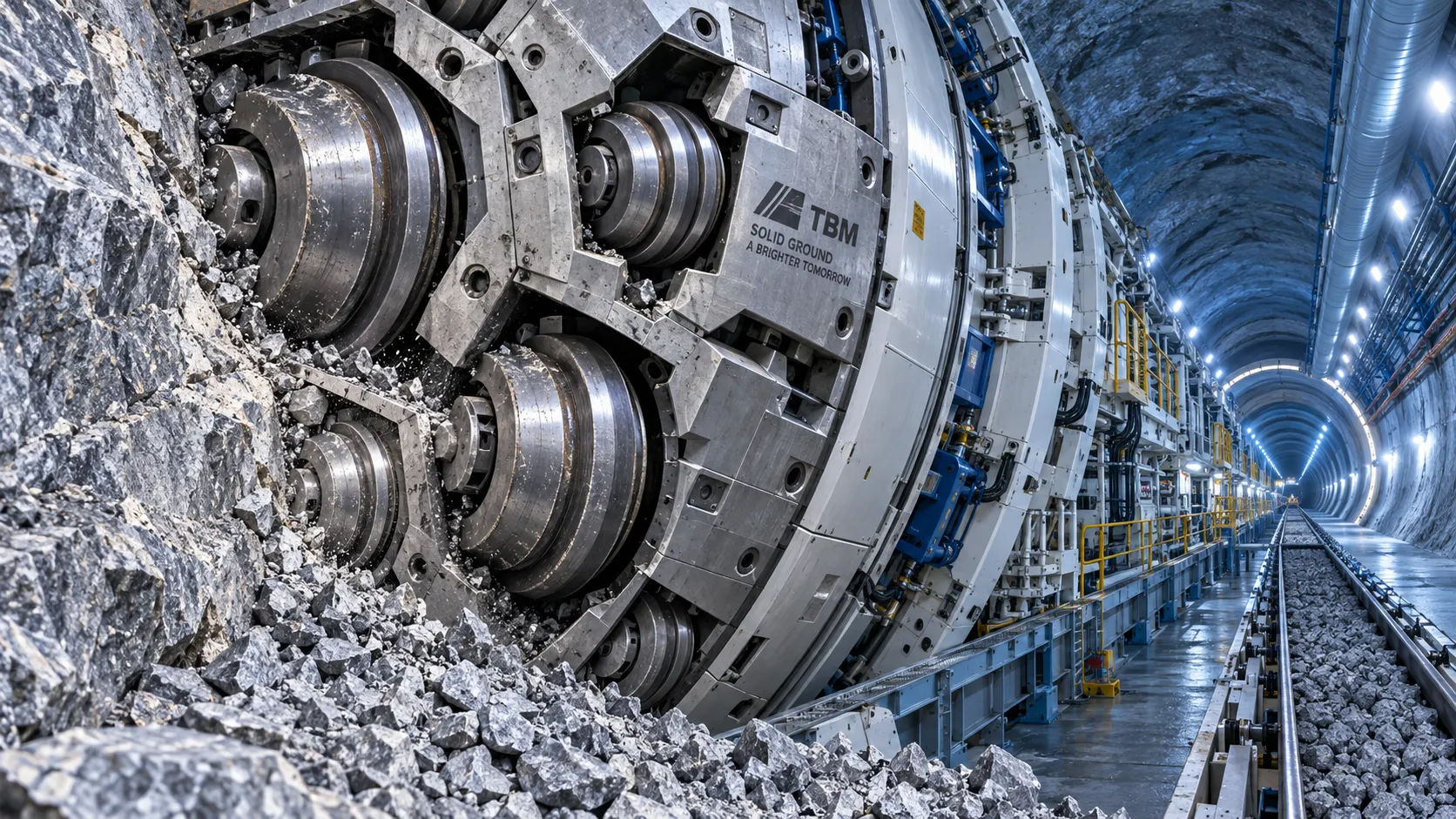
TBM Disc Cutter Design: Key Geometry and Load Factors for Hard Rock Tunnelling
TBM disc cutter design explained: explore geometry, spacing, load distribution and maintenance factors for reliable, efficient hard-rock tunnelling performance.
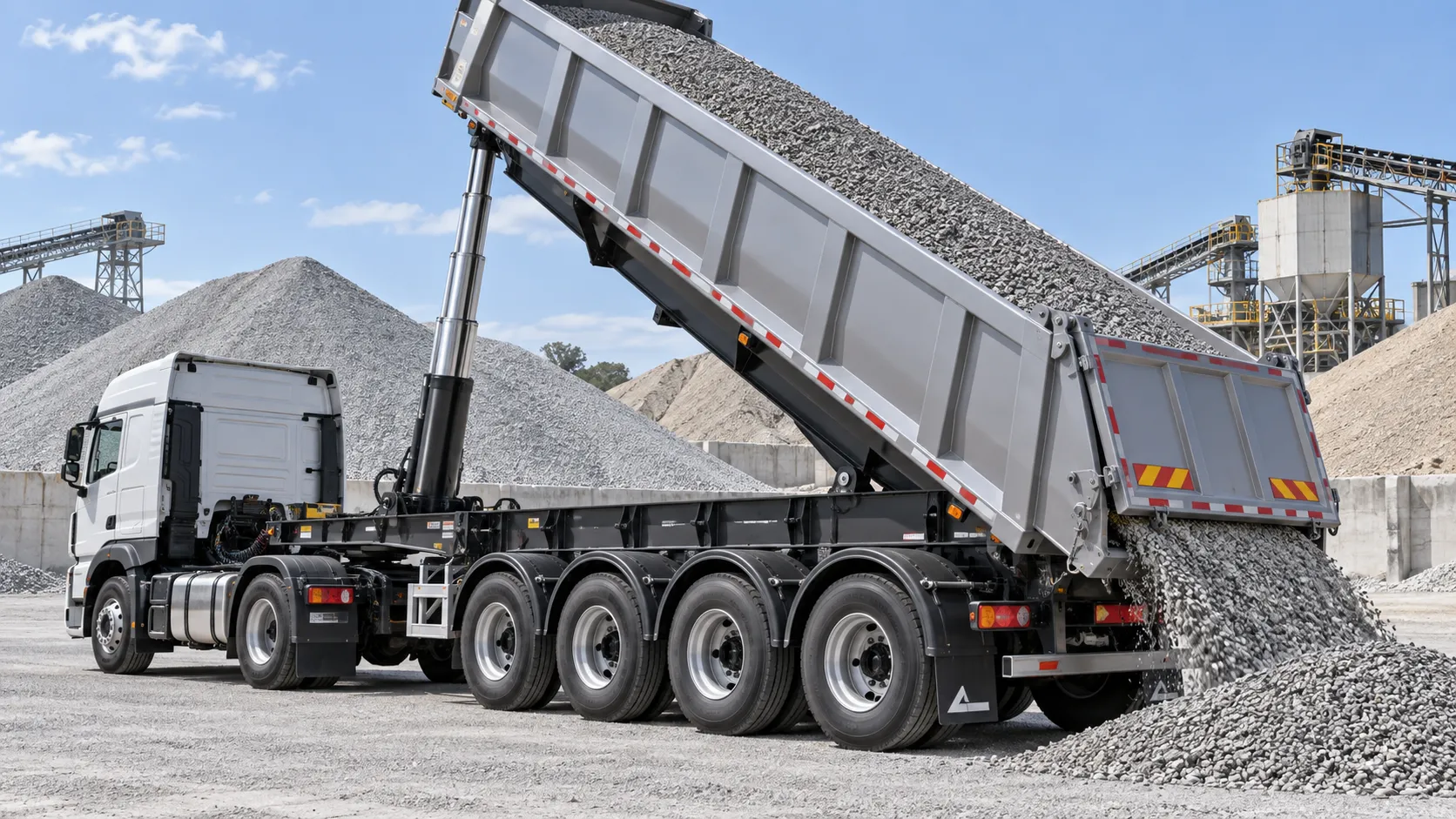
Hydraulic Tipping Stability Risks in Multi-Axle Dump Special Trailers
Dump special trailers: discover key hydraulic tipping stability risks, multi-axle load dynamics, and practical safety controls for safer, smarter bulk hauling.
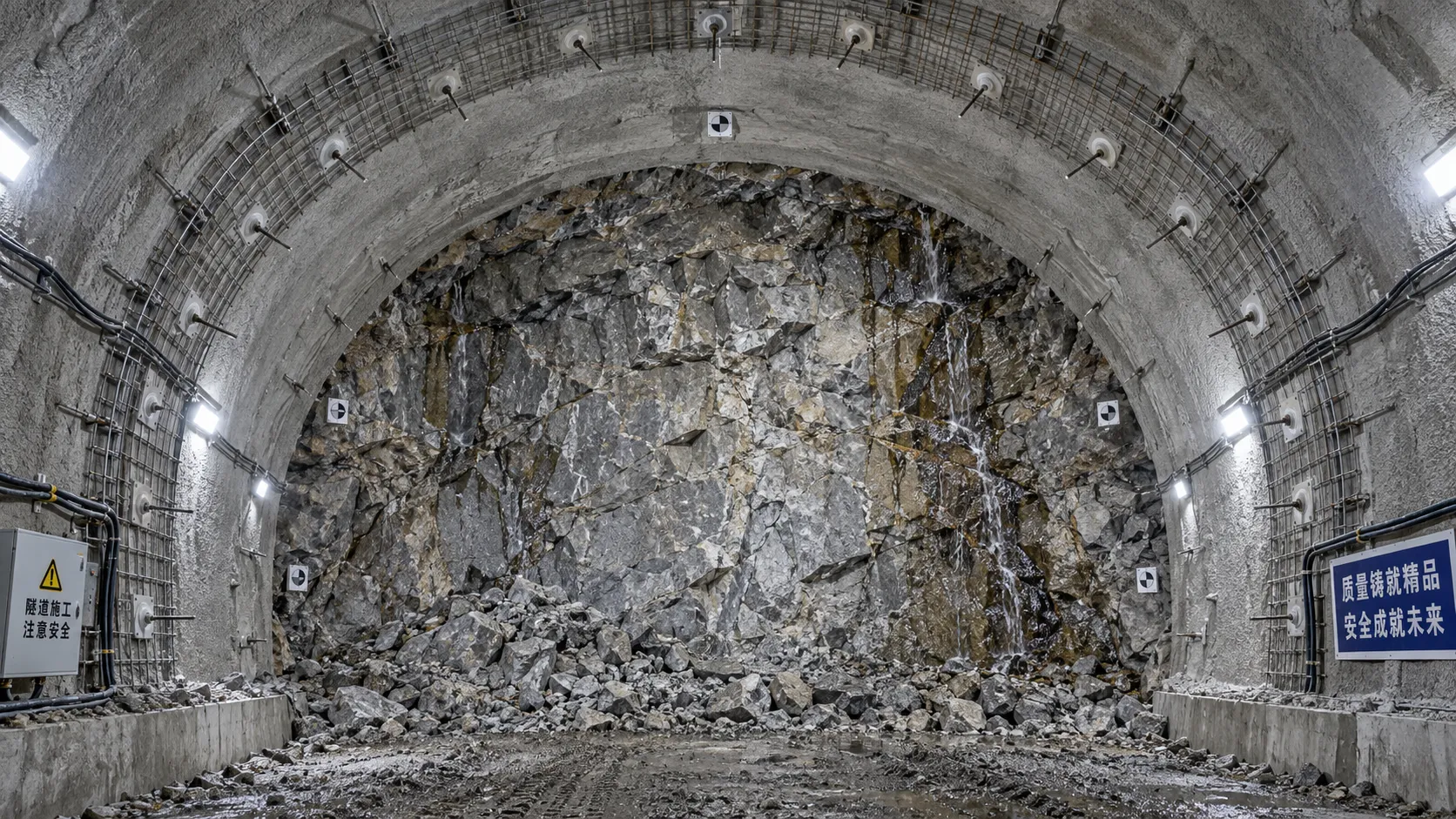
When rock reinforcement in tunnel construction must change after blasting
Rock reinforcement in tunnel construction must change when blasting reveals overbreak, weak joints, water inflow, or deformation. Discover key post-blast support decisions.
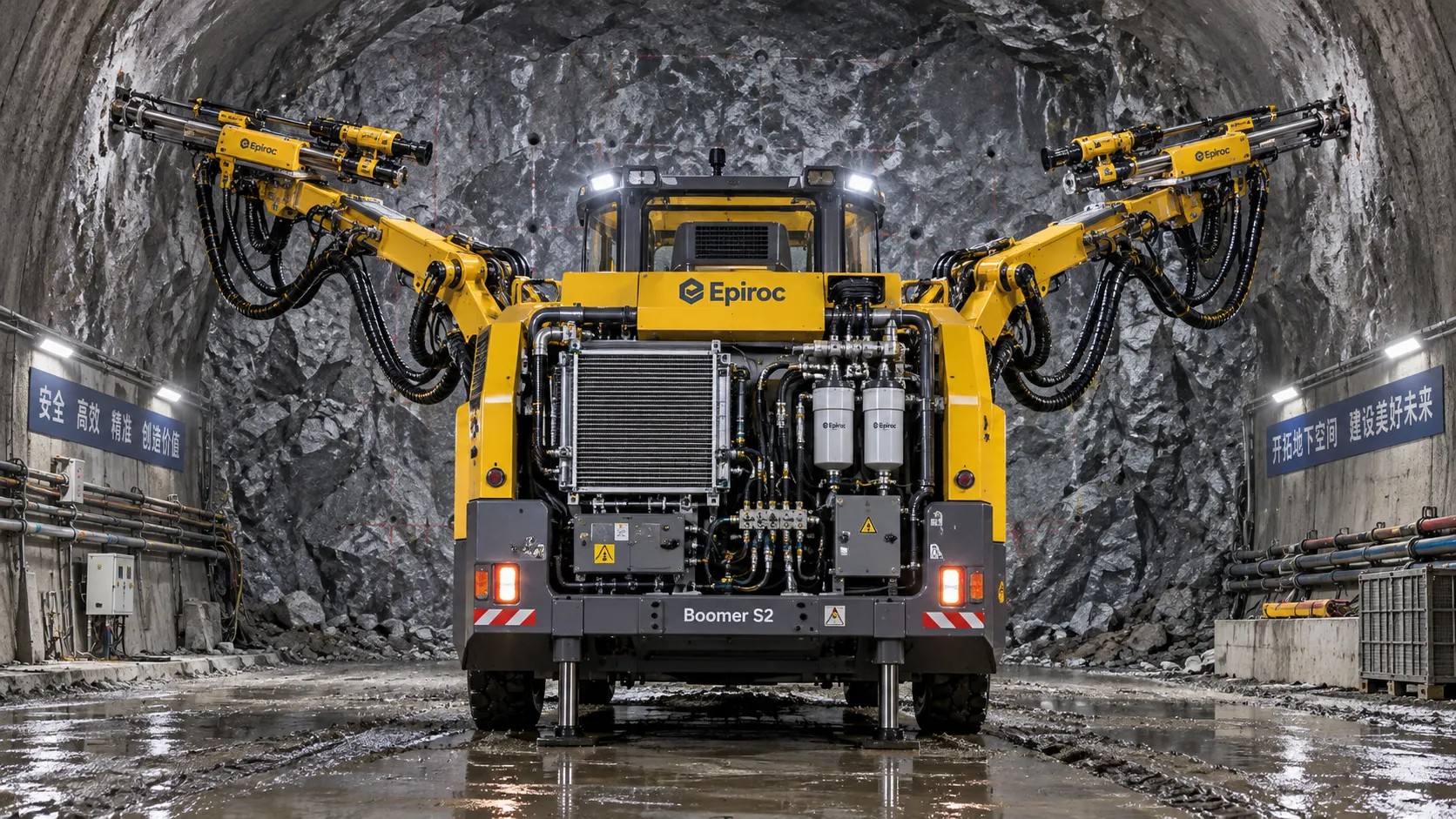
How tunnel hydraulic systems influence drill jumbo uptime underground
Tunnel hydraulic systems directly influence drill jumbo uptime. Explore how stable pressure, clean oil, cooling, and maintainable design reduce underground downtime.
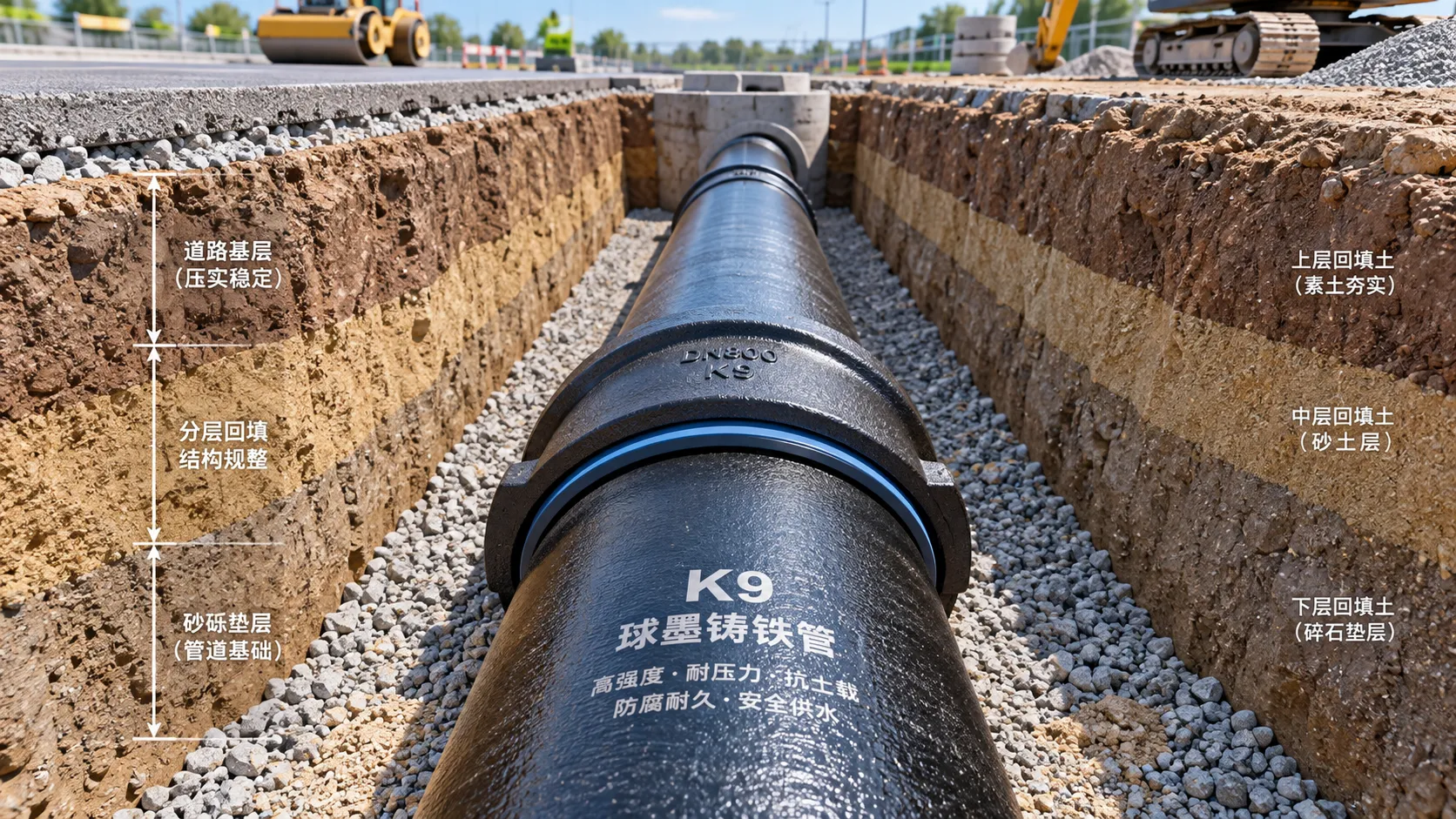
Selecting K9 Ductile Iron Pipe for Buried Water Pipeline Conditions
K9 ductile iron pipe selection for buried water pipelines: compare pressure duty, joints, soil loads, corrosion protection, and installation controls for reliable long-term performance.
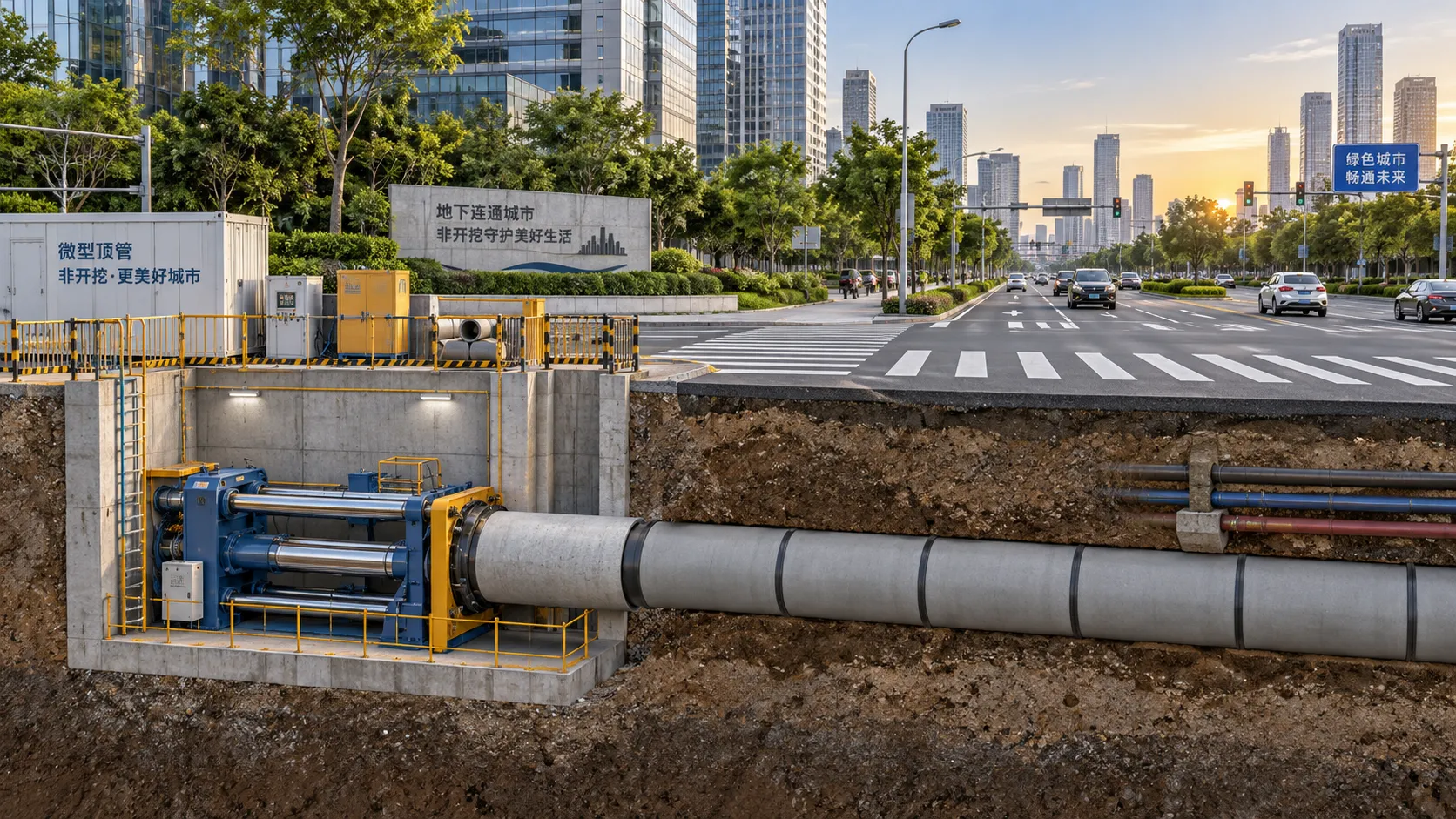
Where Trenchless Technology Delivers the Best Value in Urban Utility Projects
Trenchless Technology applications deliver high value in urban utility projects by reducing disruption, protecting critical crossings, and improving project outcomes.
Related News
- 00
0000-00
Tunnel Boring Machine Costs: Budgeting for Purchase, Operation, and Project Risk - 00
0000-00
Open-Pit Haulage Cost Analysis: How Mine Managers Can Cut Cost per Tonne - 00
0000-00
Tunnel Construction Innovations That Reduce Risk and Schedule Delays on Urban Projects - 00
0000-00
TBM Disc Cutter Design: Key Geometry and Load Factors for Hard Rock Tunnelling - 00
0000-00
Hydraulic Tipping Stability Risks in Multi-Axle Dump Special Trailers
Weekly Insights
Stay ahead with our curated technology reports delivered every Monday.