
Selecting K9 Ductile Iron Pipe for Buried Water Pipeline Conditions





A buried water main is difficult to correct once trench backfill, pavements, and adjacent utilities are in place. For project managers, the pipe decision is therefore not limited to nominal diameter or purchase price. The selected pipe needs to withstand internal operating pressure, transient events, external soil loads, handling during installation, connection details, and the chemical conditions that may act on the pipe over decades.
K9 ductile iron pipe is frequently considered for municipal distribution networks, transmission mains, industrial water systems, and other buried services where mechanical robustness is required. Yet “K9” is often treated as a shorthand for pressure capability. That can lead to specification gaps. K9 primarily describes a pipe thickness class in the applicable ductile iron pipe standard; it is not, by itself, a complete statement of allowable operating pressure, joint performance, lining suitability, or external-load capacity.
A sound selection process starts by defining the pipeline duty, then checking whether the pipe class, joint type, coatings, fittings, installation method, and acceptance documents form a compatible system.
Why buried-pipeline conditions change the selection decision
Above-ground piping can often be inspected, supported, repaired, or replaced with relatively limited civil work. Buried pipelines face a different set of constraints. A pipe may experience uneven support at the trench bottom, localized loading from stones, temporary construction traffic, differential settlement near structures, and accidental impact during unloading or lowering into the trench. Internal pressure acts at the same time.
The project team should avoid treating these effects as isolated checks. A line with moderate static pressure can still be demanding when it crosses variable ground, runs beneath a roadway, or feeds a pump station where rapid valve movement may create pressure surges. Conversely, a pipe selected only for a high pressure rating may be unnecessarily heavy if the operating duty, soil conditions, and surge analysis do not justify it.
The practical question is not simply whether K9 pipe is “strong enough.” It is whether the entire installed pipeline has adequate margin for its defined design basis. That basis should cover normal and maximum operating pressure, expected transient pressure, route geometry, burial depth, soil classification, groundwater, corrosion exposure, and the installation controls available to the contractor.
What the K9 designation actually tells a buyer
In ductile iron pipe specifications, K classes are associated with wall thickness. A K9 designation generally identifies a pipe series with a specified thickness relationship that varies by nominal diameter under the relevant standard. It should not be read as a universal pressure class that gives the same pressure limit across all sizes.
This distinction matters because pressure resistance depends on several linked variables: pipe diameter, wall thickness, ductile iron material properties, design safety factors, joint restraint, and the standard used for calculation and classification. Larger diameters may require different pressure evaluations even when they carry the same K designation. The allowable working condition also depends on whether the pipeline is subjected to steady pressure alone or to repeated surges.
When reviewing a technical schedule for a K9 ductile iron pipe, procurement teams should confirm which product standard governs the offering and ask for the manufacturer’s stated pressure capability by diameter. This avoids a common document-control problem: one party specifies a K class while another assumes a pressure class, without confirming that both interpretations match the design requirement.
Where a project uses C-class pipe terminology, the same discipline applies. C classes are commonly associated with pressure classification in relevant ductile iron pipe systems, whereas K classes relate to wall thickness. They cannot be treated as interchangeable labels. The contract documents should state the governing standard, nominal diameter range, required class, pressure duty, joint type, lining, external coating, and any special design conditions.
Build the selection around the actual pressure envelope
Static pressure is only one part of the hydraulic duty. Project managers should request a pressure profile that identifies the lowest and highest points of the route, reservoir levels, pump duty points, pressure-reducing devices, and expected operating scenarios. A main at the bottom of a long descending route may see significantly higher static head than sections near the source.
Transient pressure deserves separate attention. Pump trip, pump start, power failure, rapid valve closure, hydrant operation, air release issues, and poor control sequencing can all generate short-duration pressure changes. The severity depends on flow velocity, pipeline length, valve closure time, system elasticity, and the presence of surge-control equipment. It is not prudent to add an arbitrary margin to normal pressure and assume the issue has been addressed.
A hydraulic transient assessment may be appropriate where the system includes long rising mains, large pumps, high velocities, automated valves, or constrained operating procedures. The output should identify the maximum positive pressure and any sub-atmospheric condition that could increase the risk of column separation or pipe movement. The pipe class and joint arrangement can then be checked against credible operating events rather than only a single nominal pressure figure.
Joint selection can be as important as wall thickness
A pipe barrel may have adequate pressure capacity while the installed line remains vulnerable at joints. Push-in flexible joints suit many buried water systems because they accommodate limited angular deflection and normal ground movement. However, they are not automatically restrained. At bends, tees, reducers, valves, dead ends, steep gradients, and locations exposed to longitudinal thrust, the design may require thrust blocks, restrained joints, anchor arrangements, or another restraint method.
The restraint approach must suit the actual ground conditions. A concrete thrust block depends on reliable bearing against undisturbed soil; it may not perform as intended in soft, saturated, disturbed, or highly variable material. Restrained joint systems can reduce dependence on massive blocks, but their limits, installation requirements, and allowable restrained lengths still need to be checked. A pressure-class decision without a thrust-restraint plan leaves an important installation risk unresolved.
Evaluate soil load and installation quality together
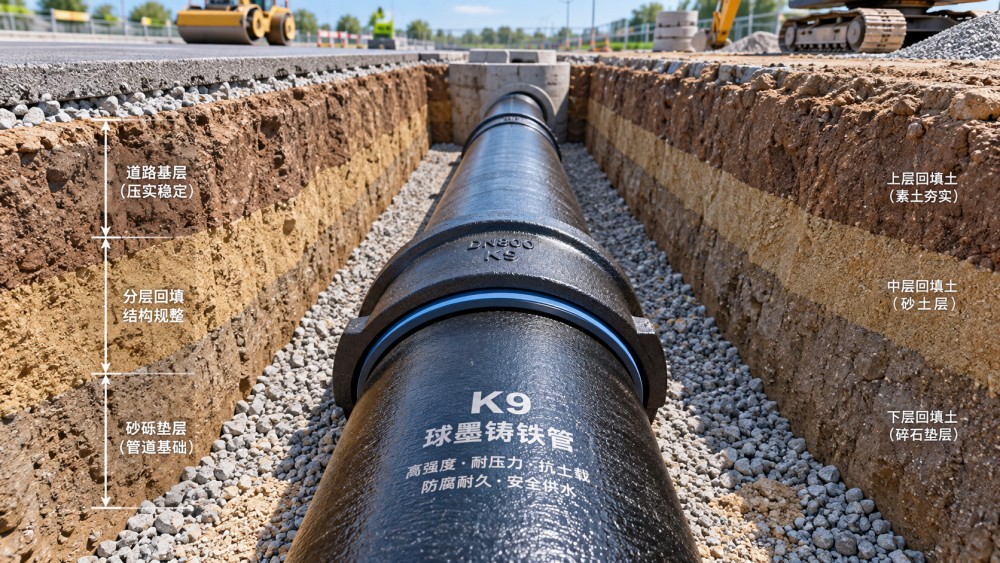
Ductile iron has high structural strength, but pipe performance in the trench still depends on support conditions. The bedding should provide continuous bearing while avoiding hard points. Oversize rock, frozen lumps, construction debris, and unsupported bells can introduce localized stresses that are not represented in a simple depth-of-cover calculation.
External loading becomes more demanding under road crossings, rail corridors, equipment yards, and shallow cover conditions. At the other extreme, deep trenches can impose substantial earth loads, particularly where trench walls and backfill behavior create adverse load transfer. The design team should review cover depth, live loads, native soil, trench width, bedding material, compaction requirements, and whether the line passes through transition zones such as embankments, culverts, or building approaches.
Specification language should make the contractor’s responsibilities measurable. “Provide suitable bedding” is often too vague. More useful requirements identify bedding gradation where relevant, minimum support conditions, initial backfill limits, compaction expectations, protection from point loading, and inspection hold points before the pipe is covered. These controls reduce the likelihood that a correctly selected pipe is compromised by an avoidable installation defect.
Corrosion protection must match the route, not a generic assumption
Ductile iron pipelines commonly use internal linings to support water-quality and hydraulic-performance requirements, while external coatings provide baseline protection during handling and installation. Whether additional corrosion protection is needed depends on the soil environment and project specification.
Soils may vary sharply along a single route. Made ground, coastal areas, industrial sites, peat, cinder fill, and locations with stray-current exposure can require more detailed assessment than ordinary native soil. Moisture, resistivity, pH, chlorides, sulfates, oxygen availability, and contamination history may all influence the corrosion-control approach. Groundwater conditions matter as well, especially where the pipe remains wet for long periods or where the trench collects aggressive water.
Options can include enhanced coatings, polyethylene encasement, cathodic protection in suitable situations, or changes to route and installation detail. The appropriate measure depends on the identified mechanism; applying a protection system without understanding the site condition can add cost without resolving the dominant risk. The same principle applies internally: water chemistry, disinfectant regime, suspended solids, and service temperature should be considered when confirming lining compatibility.
Procurement checks that prevent expensive ambiguity
Before issuing a purchase order, project teams should turn design intent into a concise technical data schedule. This document is more useful than relying on a generic phrase such as “ductile iron pipe, K9.” It should establish what must be supplied, how conformity will be demonstrated, and which deviations require approval.
- Confirm the applicable manufacturing and product standard, including the dimensional and testing requirements used for the order.
- List nominal diameters, pipe lengths, K class or pressure class as applicable, and the required pressure duty for each size.
- Define the joint configuration, gasket requirements, restraint locations, fittings, flanges, valves, and transition connections.
- Specify internal lining and external protection, including any route-specific corrosion measures.
- Request material certificates, hydrostatic test records where applicable, coating and lining information, traceability markings, and inspection documentation required by the contract.
- Clarify dimensional tolerances that affect couplings, repair pieces, prefabricated chambers, and interfaces with other materials.
- Set requirements for packing, loading, delivery sequence, storage limitations, and handling equipment.
Delivery planning is often underestimated. Heavy pipe needs suitable lifting equipment, stable storage, and protection against damage to linings, coatings, socket ends, and gaskets. A delivery sequence aligned with trench progress can reduce double handling and congestion, but it should not create pressure to install pipe before bedding, dewatering, or inspection conditions are ready.
Inspection should focus on conditions that cannot be corrected later
Receiving inspection should verify the markings, diameter, class, visible condition, joint components, lining continuity, and coating condition against the approved submittal. Minor surface damage may be repairable under an approved procedure, but deep mechanical damage, cracking, distorted ends, or extensive lining defects need formal assessment before installation.
In the trench, inspectors should pay close attention to pipe support, cleanliness of the socket and spigot, gasket placement, insertion depth, joint deflection limits, and the location of restrained components. Backfill should not begin until the jointing work and required records are complete. Where hydrostatic testing is specified, the test section should be prepared so that air removal, temporary restraints, filling, pressurization, and leakage observation can be performed safely and interpreted correctly.
For a buried water main, the most economical choice is rarely the lightest or heaviest pipe in isolation. K9 ductile iron pipe can be an appropriate basis for many projects when its thickness class is checked against the governing standard and the complete pressure, soil, corrosion, joint, and installation conditions. The procurement decision becomes more reliable when the project team treats the pipe as part of an installed system rather than as a standalone commodity.
Related News
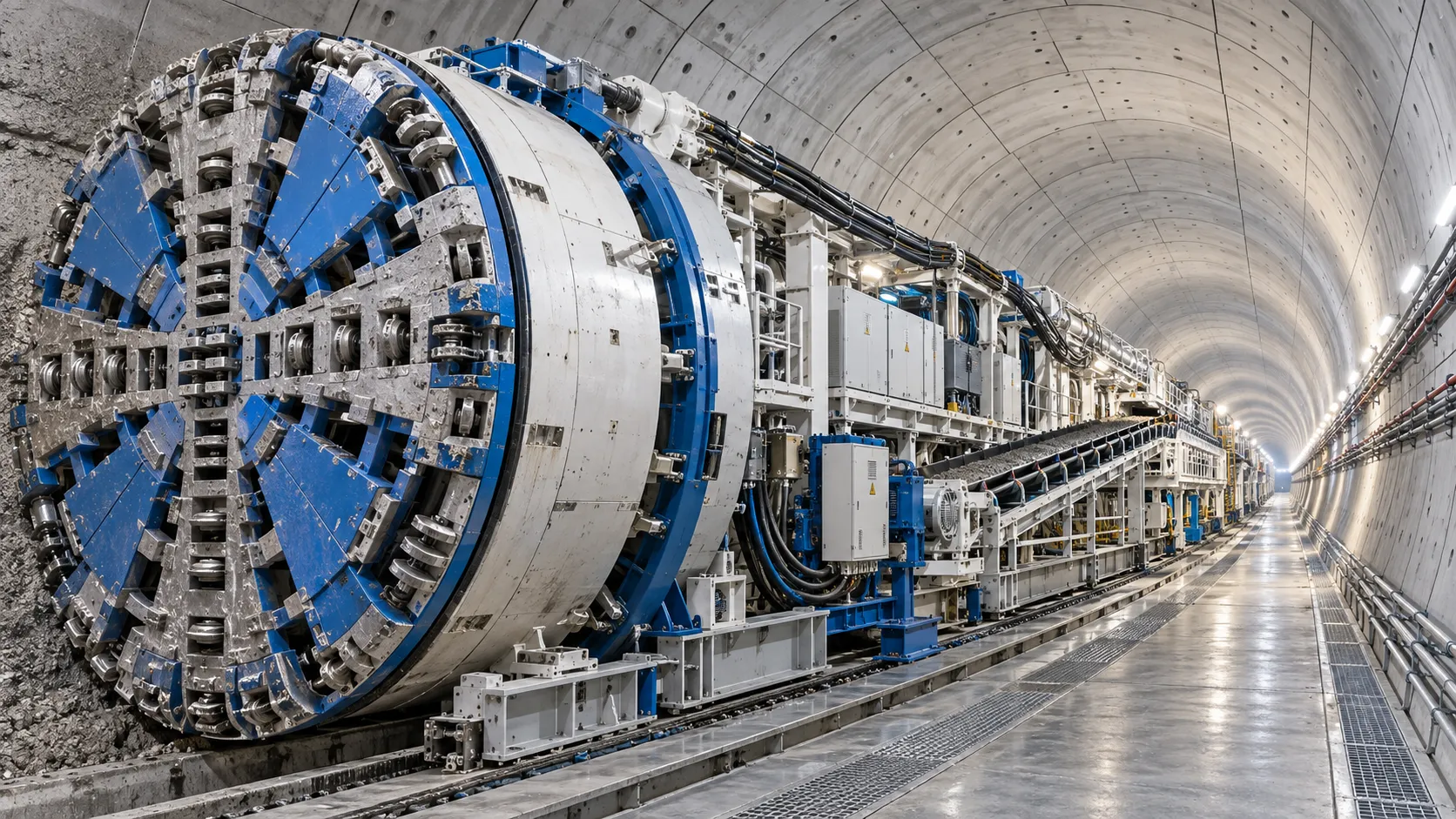
Tunnel Boring Machine Costs: Budgeting for Purchase, Operation, and Project Risk
Tunnel Boring Machines cost more than purchase price. Learn how to budget lifecycle costs, downtime, logistics, wear, and project risk for smarter TBM decisions.
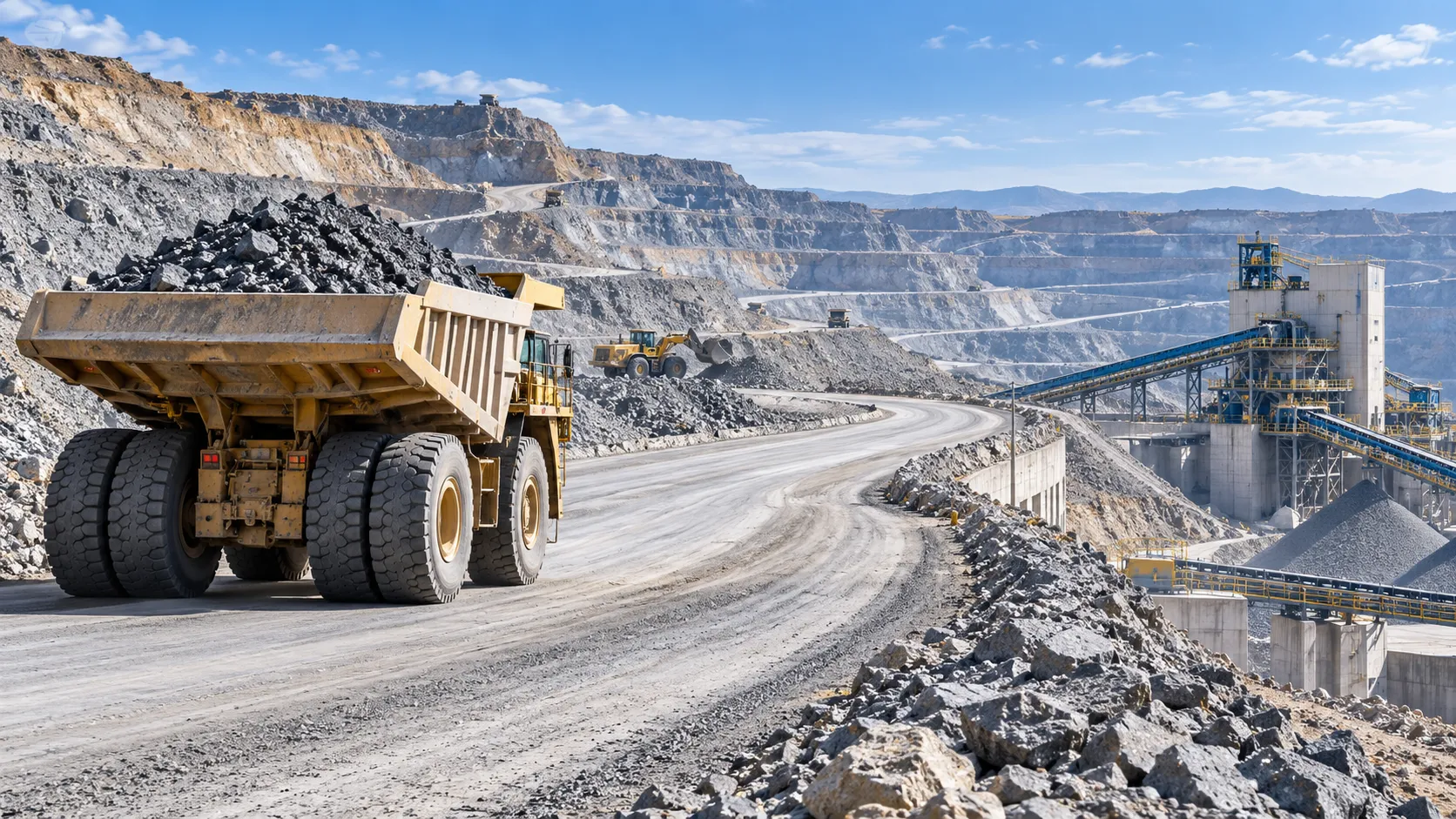
Open-Pit Haulage Cost Analysis: How Mine Managers Can Cut Cost per Tonne
Open pit haulage cost analysis: discover practical ways to reduce cost per tonne through payload control, cycle-time optimization, road performance, and smarter fleet decisions.
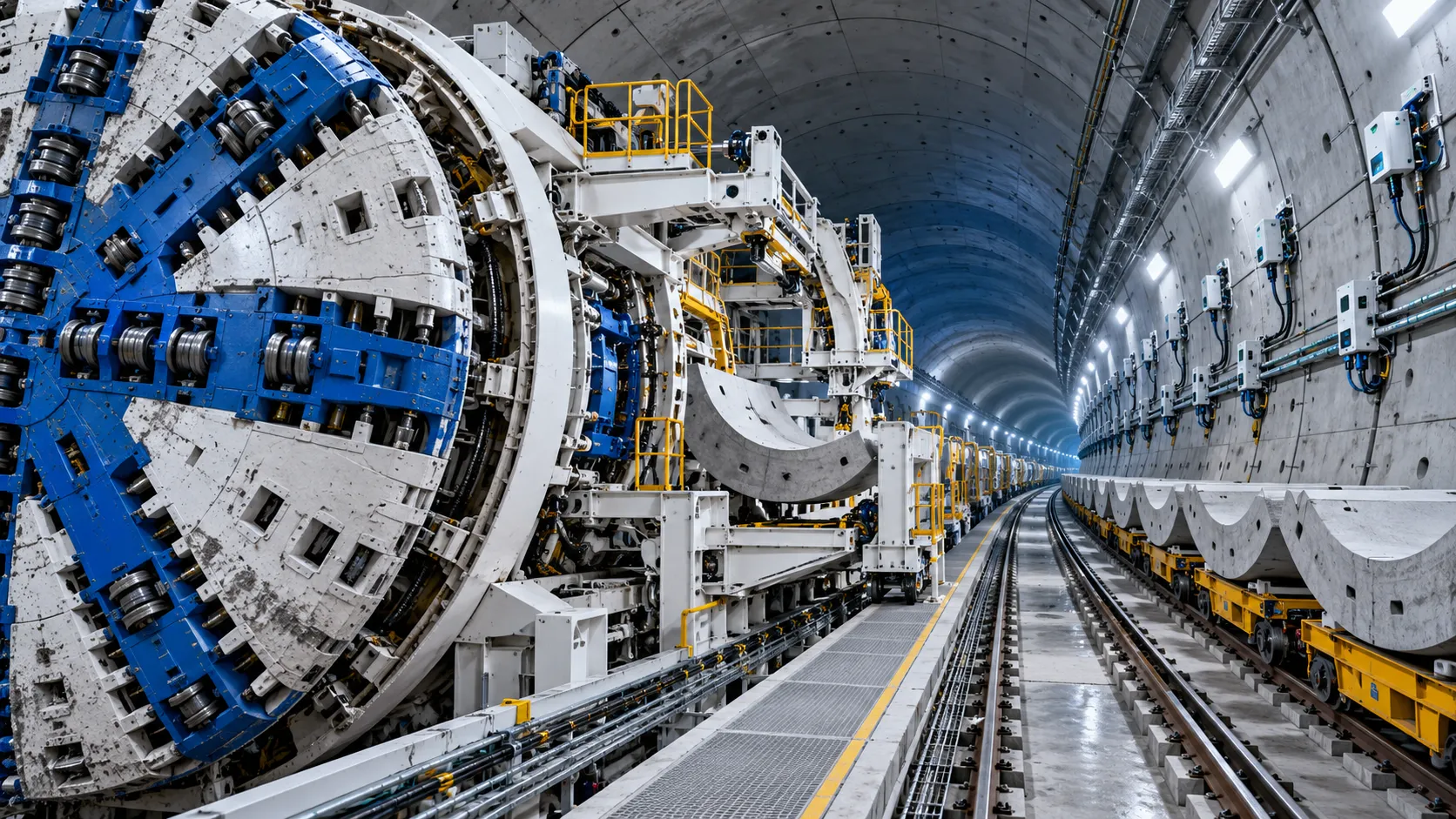
Tunnel Construction Innovations That Reduce Risk and Schedule Delays on Urban Projects
Tunnel construction innovation for urban projects: discover smarter TBMs, real-time monitoring, trenchless methods, and automation that reduce risk and protect schedules.
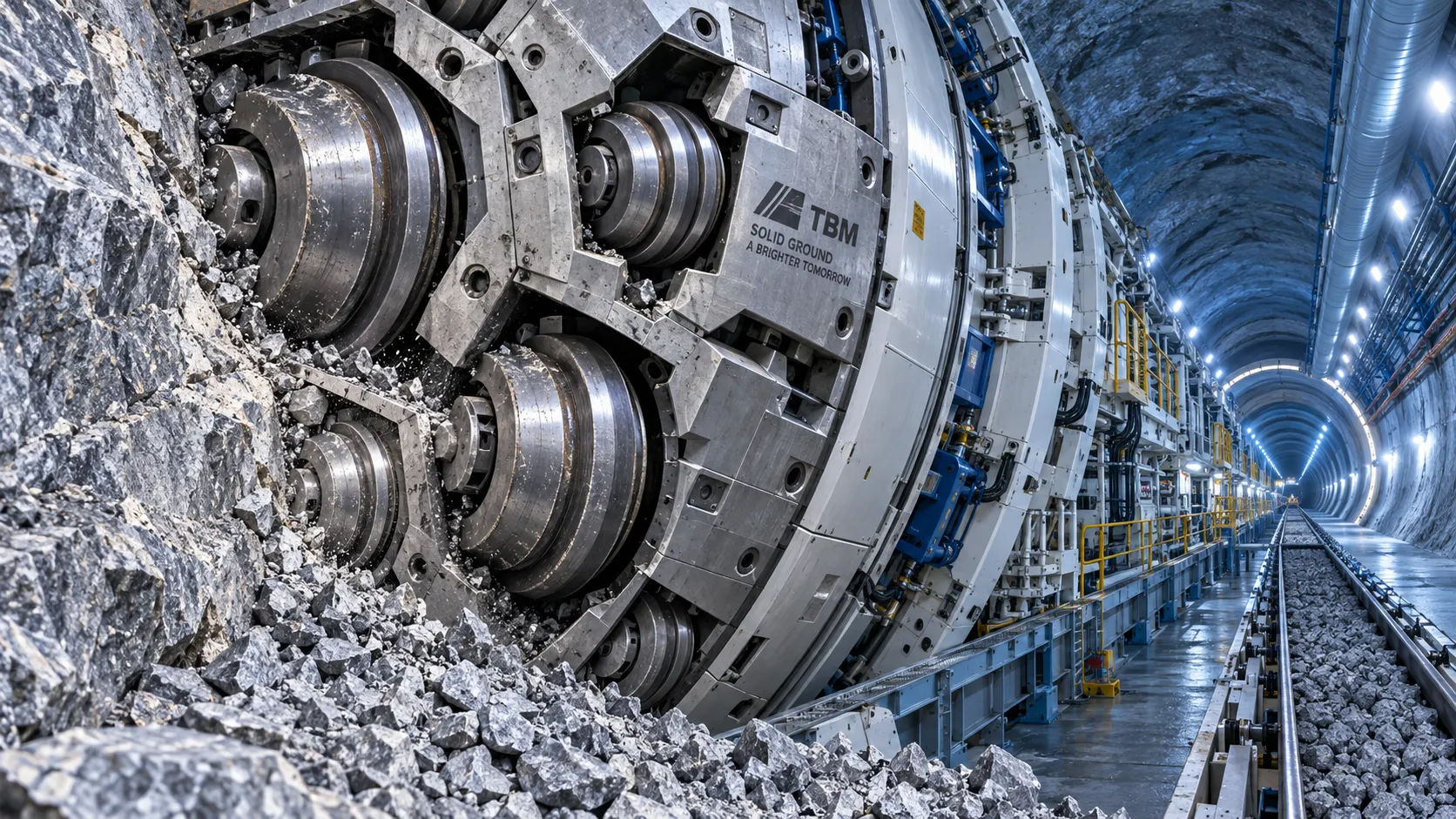
TBM Disc Cutter Design: Key Geometry and Load Factors for Hard Rock Tunnelling
TBM disc cutter design explained: explore geometry, spacing, load distribution and maintenance factors for reliable, efficient hard-rock tunnelling performance.
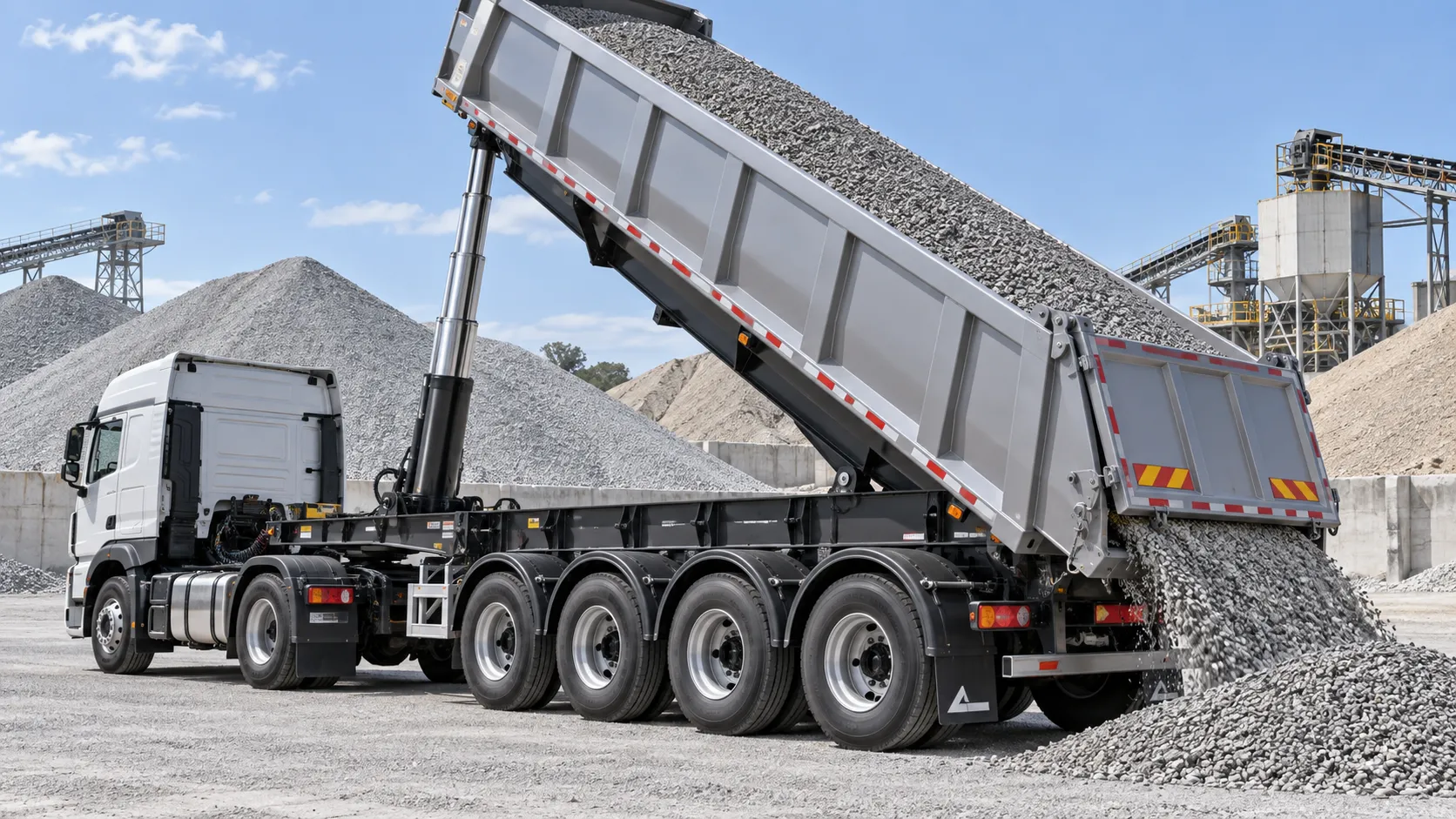
Hydraulic Tipping Stability Risks in Multi-Axle Dump Special Trailers
Dump special trailers: discover key hydraulic tipping stability risks, multi-axle load dynamics, and practical safety controls for safer, smarter bulk hauling.
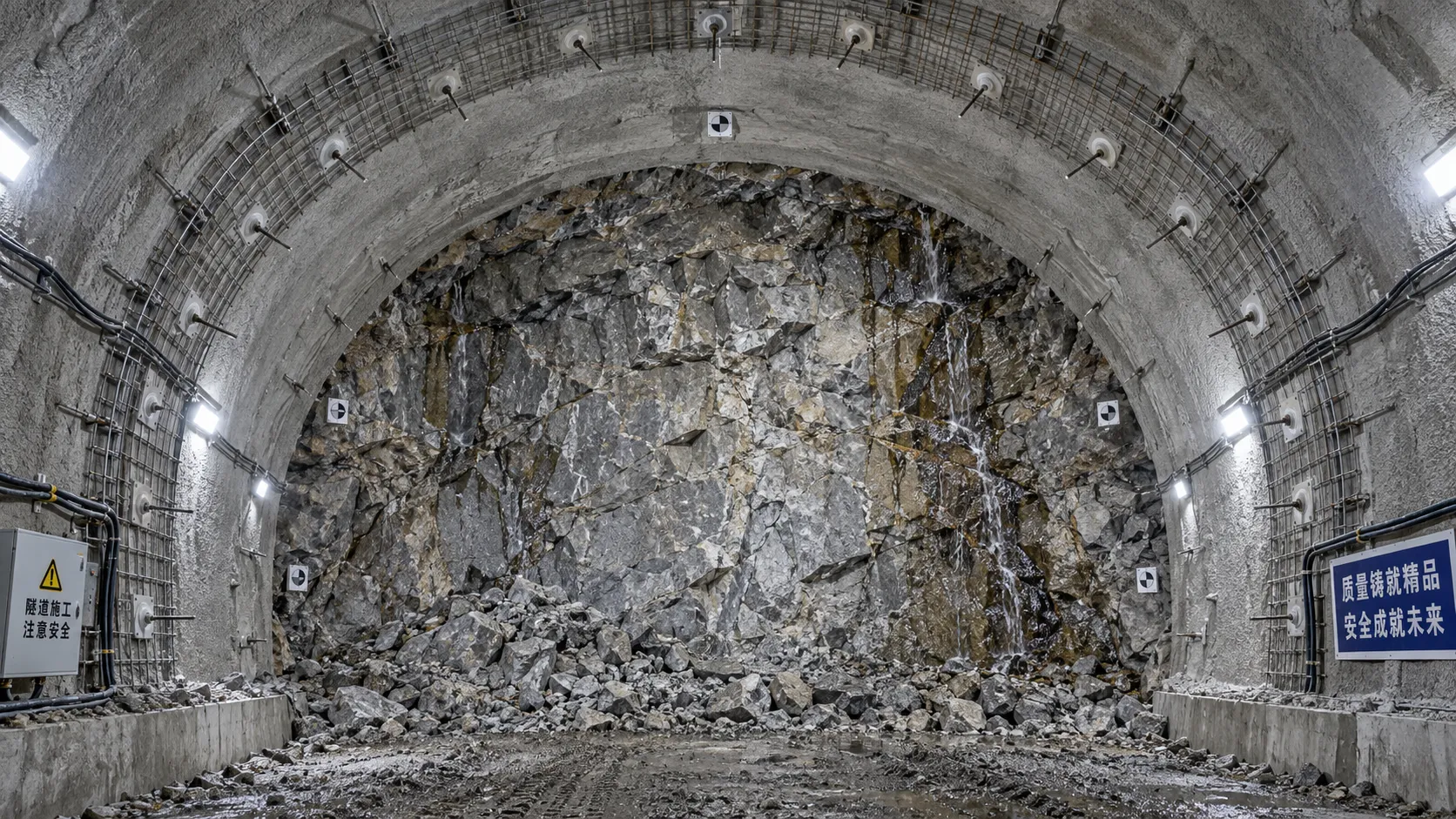
When rock reinforcement in tunnel construction must change after blasting
Rock reinforcement in tunnel construction must change when blasting reveals overbreak, weak joints, water inflow, or deformation. Discover key post-blast support decisions.
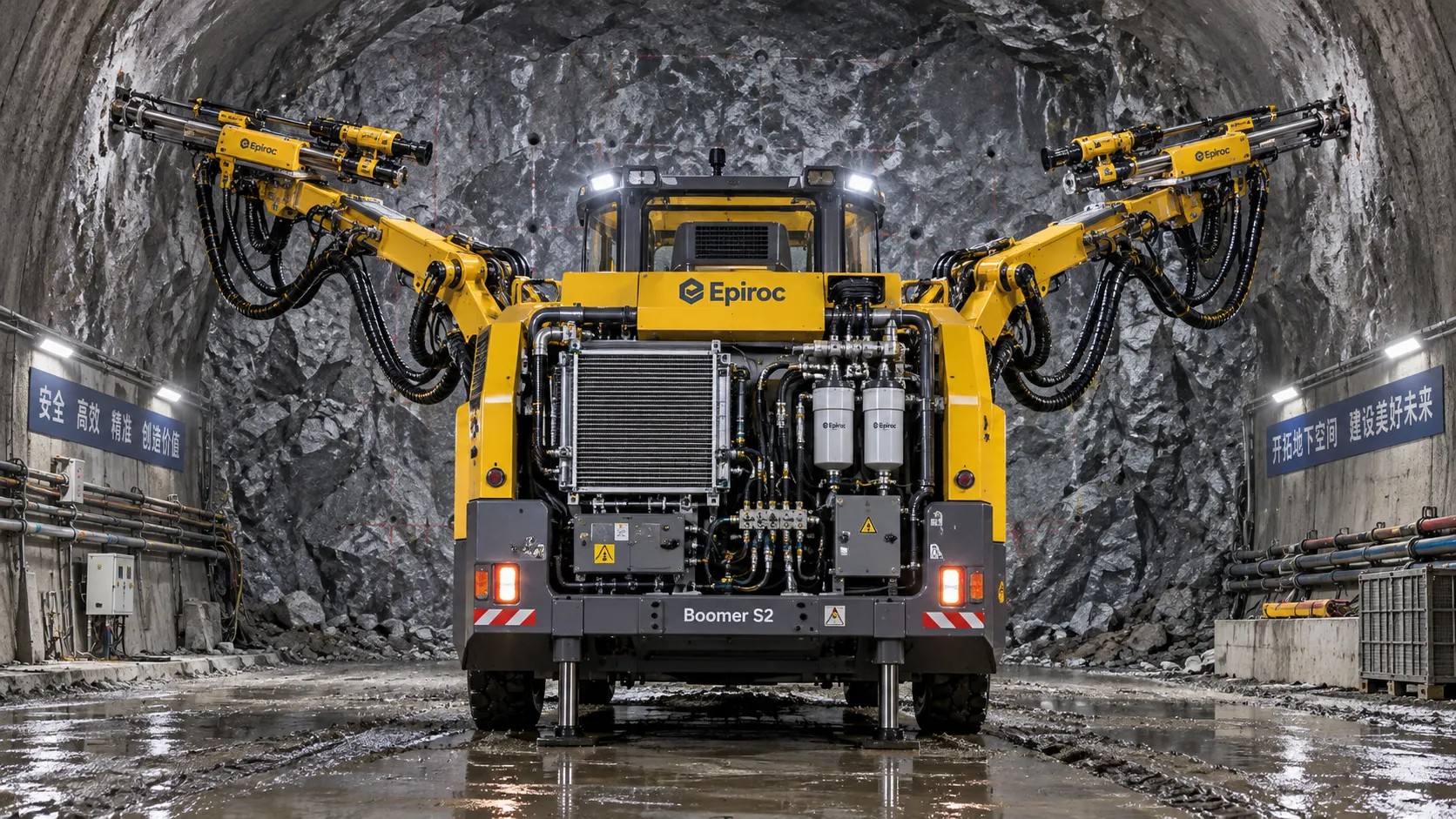
How tunnel hydraulic systems influence drill jumbo uptime underground
Tunnel hydraulic systems directly influence drill jumbo uptime. Explore how stable pressure, clean oil, cooling, and maintainable design reduce underground downtime.
What to verify before appointing a tunneling vehicles manufacturer
Choosing a tunneling vehicles manufacturer? Verify application fit, reliability, compliance, parts support, training, and channel terms before appointing a partner.
Where Trenchless Technology Delivers the Best Value in Urban Utility Projects
Trenchless Technology applications deliver high value in urban utility projects by reducing disruption, protecting critical crossings, and improving project outcomes.
Related News
- 00
0000-00
Tunnel Boring Machine Costs: Budgeting for Purchase, Operation, and Project Risk - 00
0000-00
Open-Pit Haulage Cost Analysis: How Mine Managers Can Cut Cost per Tonne - 00
0000-00
Tunnel Construction Innovations That Reduce Risk and Schedule Delays on Urban Projects - 00
0000-00
TBM Disc Cutter Design: Key Geometry and Load Factors for Hard Rock Tunnelling - 00
0000-00
Hydraulic Tipping Stability Risks in Multi-Axle Dump Special Trailers
Weekly Insights
Stay ahead with our curated technology reports delivered every Monday.