
What Is the Typical ROI Timeline for a Smart Mine Automation Upgrade?





What is the ROI timeline for smart mine automation upgrade? For mine owners, operations managers, and capital planners evaluating autonomous haulage, remote-controlled LHDs, battery-electric fleets, and digital fleet management, the honest answer is: it varies by deployment scope and site readiness. Yet the return rarely arrives as one dramatic event. It usually appears in stages—first through better visibility and fewer avoidable delays, then through higher equipment utilization, lower operating cost, and more stable production.
A well-prepared automation program may show early operational gains within months, while a full investment payback often takes several years. The difference depends less on whether a mine buys advanced technology and more on whether it redesigns the work around that technology. A remotely operated LHD in an underground mine, for example, cannot deliver its full value if ventilation, communications, maintenance routines, loading points, and shift handovers still follow a purely manual operating model.
For decision-makers, the more useful question is not simply “When will automation pay back?” It is: Which value streams should begin improving first, what must happen before the next stage of return can be unlocked, and which assumptions could slow the timeline?
A practical ROI timeline: from early proof to sustained return
Smart mine automation is best viewed as a sequence of operational maturity rather than a single equipment purchase. The timeline below reflects how many projects develop in real operating environments.
Months 0–6: baseline, connectivity, and proof of control
The first phase is often the least visible from a financial perspective, but it determines whether later savings are credible. Mines establish a baseline for cycle times, idle hours, maintenance delays, fuel or electricity consumption, tire and component wear, rehandle, dilution, utilization, and safety-related interruptions. This is also when teams assess underground communications coverage, positioning accuracy, control-room capability, data architecture, and the condition of the existing fleet.
At this stage, direct cost reductions may be modest. However, mines can begin identifying dispatch bottlenecks, excessive idling, inconsistent operator practices, traffic conflicts, and unplanned downtime that were previously obscured by fragmented reporting. Digital fleet management, machine health monitoring, and high-quality production data may produce the earliest measurable improvements because they expose avoidable loss before full autonomy is deployed.
For underground operations, this period frequently includes validating Wi-Fi, LTE, or private 5G coverage around loading and dumping zones, ramps, refuge chambers, workshops, and other critical areas. A control system is only as dependable as its communication and positioning foundation. Treating this work as “IT preparation” rather than production infrastructure is a common cause of delayed ROI.
Months 6–18: measurable productivity and availability gains
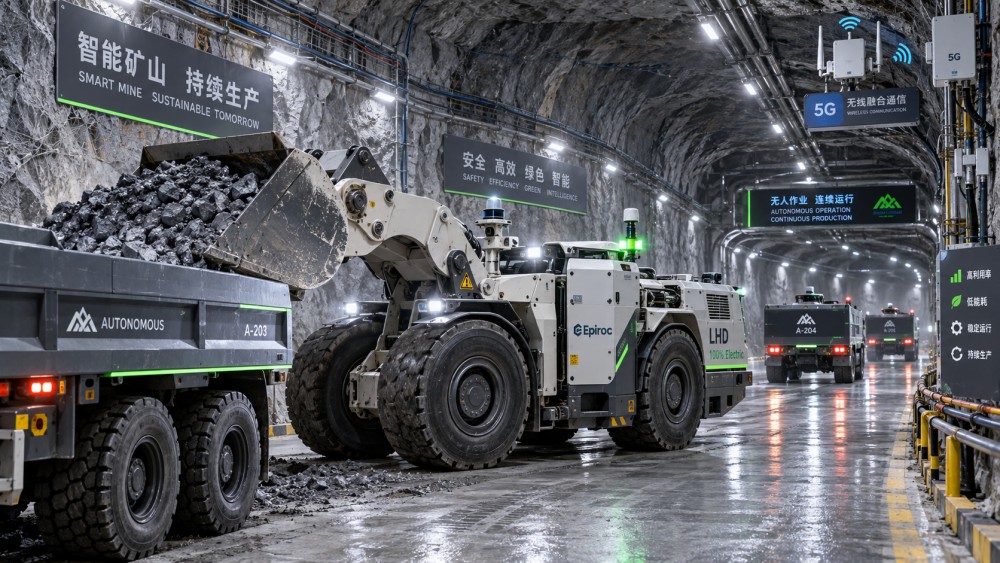
Once systems are integrated into daily routines, automation begins to influence the production plan. Remote LHD operation can keep people away from unsupported ground or active drawpoints while continuing mucking activity. Fleet dispatch systems can reduce queueing at crushers, ore passes, charging bays, and loading areas. Condition monitoring may help maintenance teams intervene before a minor hydraulic, electrical, or drivetrain issue becomes a lost shift.
This is commonly the point at which the business case becomes more tangible. The mine should be able to compare actual cycle consistency, active operating time, energy use per tonne, and maintenance performance against its baseline. It is important to measure the entire process, not just individual machine performance. A highly automated loader that waits for trucks, a charging slot, or a blocked ore pass does not create the expected financial return.
In open-pit environments, autonomous haulage may improve the repeatability of haul cycles and reduce variability across shifts. In underground mines, remote and semi-autonomous equipment can extend productive work into conditions where access restrictions would otherwise pause operations. The value is not merely “fewer operators per machine”; it is more reliable production from assets that are expensive to own and difficult to replace.
Years 2–3: the payback window for well-executed deployments
For many focused smart mine automation upgrades, this is the period when accumulated gains can begin offsetting implementation costs in a meaningful way. The strongest projects combine multiple value sources: improved asset utilization, fewer delay hours, reduced fuel or energy waste, better maintenance planning, lower exposure to hazardous work, and stronger throughput consistency.
That does not mean every system reaches payback in this window. A pilot involving a limited number of machines may deliver quick operational learning but lack enough scale to absorb infrastructure, integration, and training costs. Conversely, a site-wide rollout may have a larger initial investment yet create greater returns once fleet scheduling, maintenance, ventilation, and material flow are managed as one connected system.
Battery-electric underground fleets add another layer to the calculation. They may reduce diesel use, heat, and exhaust emissions in confined areas, but the ROI timeline must include charging or battery-swapping infrastructure, power availability, duty cycles, battery management, and potential ventilation benefits. A mine should model the full underground energy system rather than comparing only the purchase price of a diesel unit with an electric alternative.
Years 3–5 and beyond: value from operating-model change
The long-term return from automation is often larger than the initial equipment-level savings. By this point, mature operations may redesign shifts, maintenance windows, traffic logic, ventilation-on-demand strategies, spare-parts planning, and mine development sequencing around more predictable equipment behavior.
This is where a smart mine moves beyond isolated technology adoption. Equipment data supports more confident production planning. Repetitive tasks are handled with greater consistency. Skilled workers can be redeployed toward supervision, maintenance diagnostics, geotechnical awareness, and exception management rather than routine exposure in harsh working areas. The result is a more resilient operating model—not an operation that runs without people, but one in which people make higher-value decisions.
Why two mines can have very different payback periods
Automation vendors may present broad return ranges, but no generic estimate can replace a site-specific model. Two mines using similar equipment can see sharply different results because their geology, haul profile, workforce model, power system, and production constraints are different.
The cost of current inefficiency
Automation has more room to create value where current operations suffer from chronic delays, labor shortages, inconsistent cycle times, high rework, excessive idling, or frequent access restrictions. A highly disciplined mine with strong utilization may still benefit from automation, but its incremental gain can be smaller and slower to realize. The starting point matters.
Asset type and duty cycle
A mining dump truck operating long, repetitive routes is a different automation candidate from a drilling jumbo working in variable headings. Full autonomy is usually easier to justify in repetitive, high-utilization applications. Equipment with irregular tasks may generate stronger returns from assistive technologies—guidance, tele-remote control, automated drilling plans, collision avoidance, and condition monitoring—before moving toward higher autonomy.
Mine layout, geology, and process stability
Underground environments are dynamic. Drifts change, faces advance, ground conditions vary, and communications systems need continual extension. A mine with standardized loading areas, stable routes, and well-maintained infrastructure can scale autonomous operations more quickly than one with frequent layout changes or unpredictable congestion.
Geology also affects the business case indirectly. Hard rock conditions may accelerate wear on drilling and loading equipment. In such settings, predictive maintenance and machine telemetry can be as financially important as autonomous movement. The automation ROI model should recognize rock-cutting wear, ground support needs, and the actual availability of maintenance labor.
Workforce readiness and labor economics
Reducing headcount is an incomplete—and often misleading—way to estimate return. Automation changes roles. A control-room operator, field technician, network specialist, and autonomy supervisor may replace some traditional tasks while improving safety and consistency. Where skilled operators are scarce, remote operation can protect production capacity. Where labor relations or local employment commitments are important, reskilling plans are essential to prevent implementation friction from eroding the expected benefit.
Integration costs that sit outside the machine quote
The equipment price is only one part of the investment. A credible model accounts for communication networks, control rooms, onboard sensors, collision-avoidance interfaces, workshops, charging systems, cybersecurity, systems integration, spares, training, change management, and production disruption during commissioning.
Underestimating these “surrounding” costs makes a proposal look attractive on paper, then weakens trust once deployment begins. A better approach is to separate capital cost, recurring operating cost, temporary transition cost, and risk contingency. This makes it easier to see which expenses are one-time investments and which continue through the life of the system.
How to calculate ROI without relying on a headline number
A useful smart mine automation business case starts with cash flow, not with a promise of a single percentage return. List the investment by phase, then identify benefits that can be measured and attributed with reasonable confidence.
Typical benefit categories include:
- Additional tonnes moved or developed because productive hours increase;
- Lower unit cost through reduced idle time, queueing, rehandling, and energy use;
- Maintenance savings from earlier fault detection and more planned interventions;
- Reduced diesel consumption and ventilation demand, particularly for battery-electric underground fleets;
- Lower cost of production interruptions linked to access restrictions, operator availability, or safety incidents;
- Improved recovery, dilution control, and schedule adherence where automation supports more precise execution.
Then distinguish between hard and soft value. Reduced fuel, fewer repair hours, and additional productive tonnes can often be converted directly into financial terms. Better data quality, workforce attraction, and reduced exposure to hazardous conditions are equally important, but they should not be exaggerated as immediate cash savings unless the mine can show the mechanism.
Scenario planning is especially valuable. Build a conservative case, a base case, and an upside case. Test what happens if utilization improves less than expected, commissioning takes longer, metal prices change, network coverage requires expansion, or the site cannot achieve the planned remote operating hours. This exercise does not weaken the investment case; it makes the decision more durable.
Common reasons automation ROI takes longer than expected
The most frequent problem is treating a pilot as if it proves a scalable business model. A pilot can demonstrate that a machine moves autonomously or that tele-remote loading is technically possible. Scaling requires different questions: Can maintenance support it around the clock? Can the communications backbone grow with the mine plan? Are operating procedures consistent across shifts? Does the dispatch logic improve the entire material-handling chain?
Another issue is measuring only machine availability. A machine may be technically available yet commercially unproductive because it waits for access, power, a truck, a blasting clearance, or a downstream process. Mine leaders should monitor “available but waiting” time with the same discipline as breakdown time.
Finally, automation programs slow down when operators and maintainers are brought in too late. The people closest to the equipment understand real constraints that dashboards may not show: poor visibility at a loading point, a recurring hose failure, an awkward charging routine, or a shift-change bottleneck. Their involvement turns adoption from a technology project into an operating improvement program.
Questions to ask before approving the upgrade
Before committing capital, leadership teams should ask a few direct questions. Which operating constraint is most expensive today? Is the goal higher throughput, safer access, lower energy use, labor resilience, or a combination? Which machines have repetitive enough duty cycles to automate first? What infrastructure must be installed before value can be captured? How will the mine verify performance after commissioning?
It is also wise to ask what happens when the system encounters an exception. Autonomous and remote systems are judged not only by normal cycles, but by how safely and quickly they recover from blocked routes, sensor issues, changing ground conditions, maintenance events, and communication interruptions.
The realistic answer: ROI is staged, not instant
For the question, “What is the ROI timeline for smart mine automation upgrade?” the practical answer is that early visibility and process gains may emerge within the first year, meaningful financial payback often requires a multi-year view, and the most durable returns arrive when automation reshapes the operating model.
The strongest investments are not those with the most ambitious autonomy claim. They are those that match technology to the mine’s real bottleneck, establish honest baselines, include infrastructure and workforce transition in the budget, and measure value across the full production system. In deep underground workings or large open-pit haulage networks alike, smart automation earns its place when it makes every tonne, every machine hour, and every human decision more dependable.
Related News
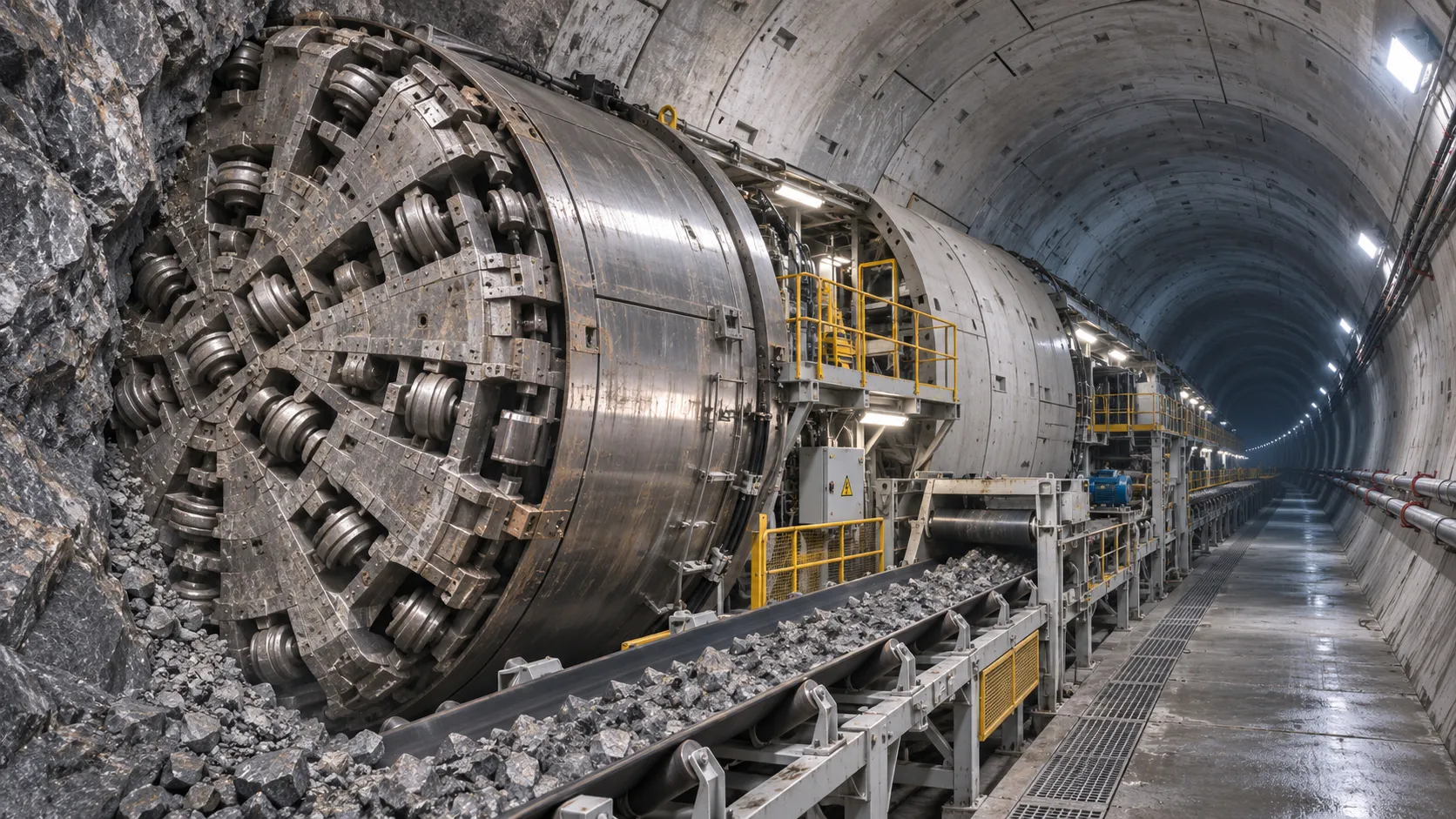
How TBM Excavation Works in Rock and Soft Ground: A Practical Guide
TBM Excavation in rock and soft ground explained: compare machine types, ground support, spoil removal, and the factors that guide smarter project planning.
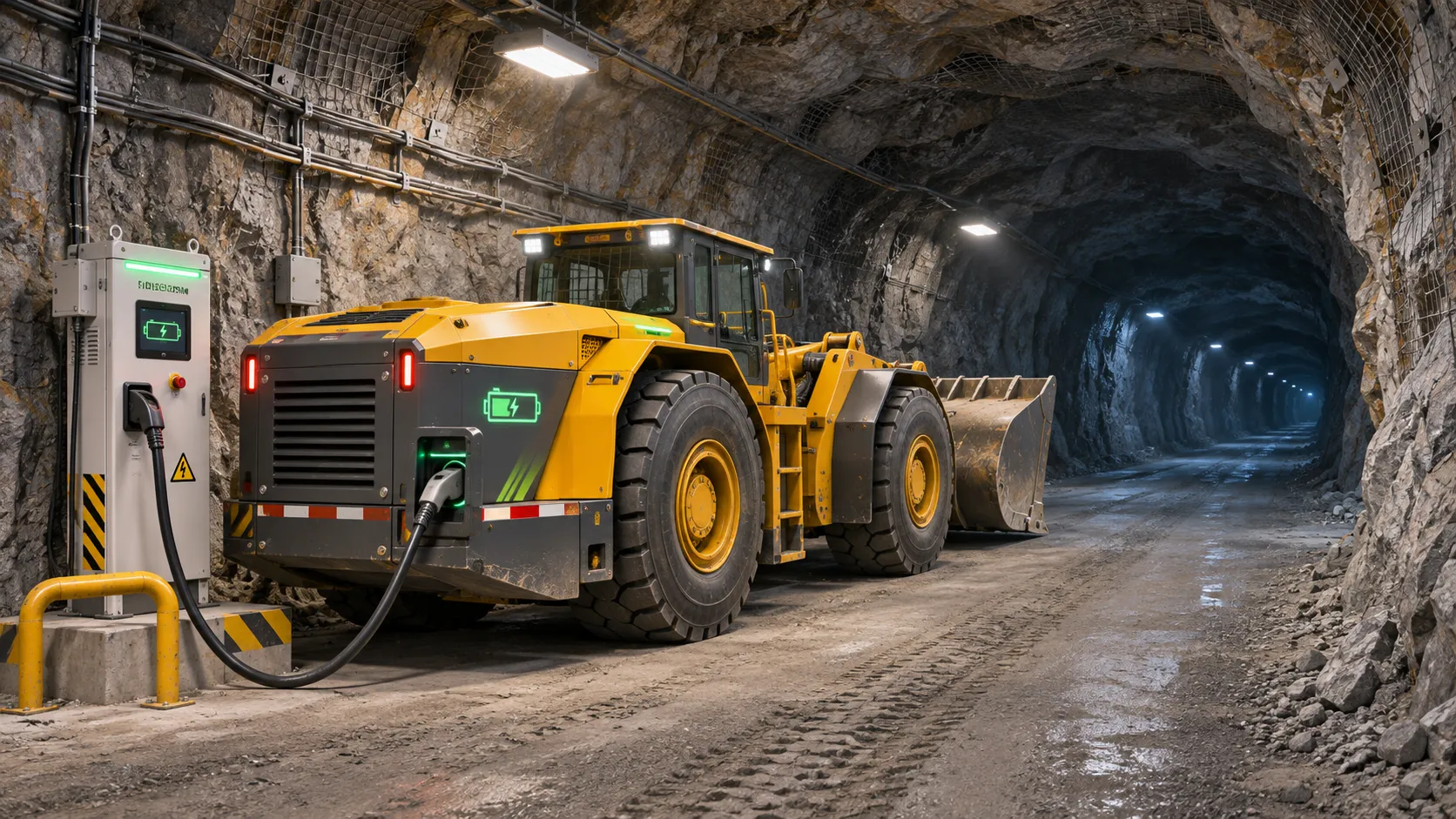
Choosing a Zero-Emission Underground Equipment Supplier: What to Check
Choosing a zero emission underground equipment supplier? Compare duty-cycle performance, charging, safety, total costs and support before you commit.
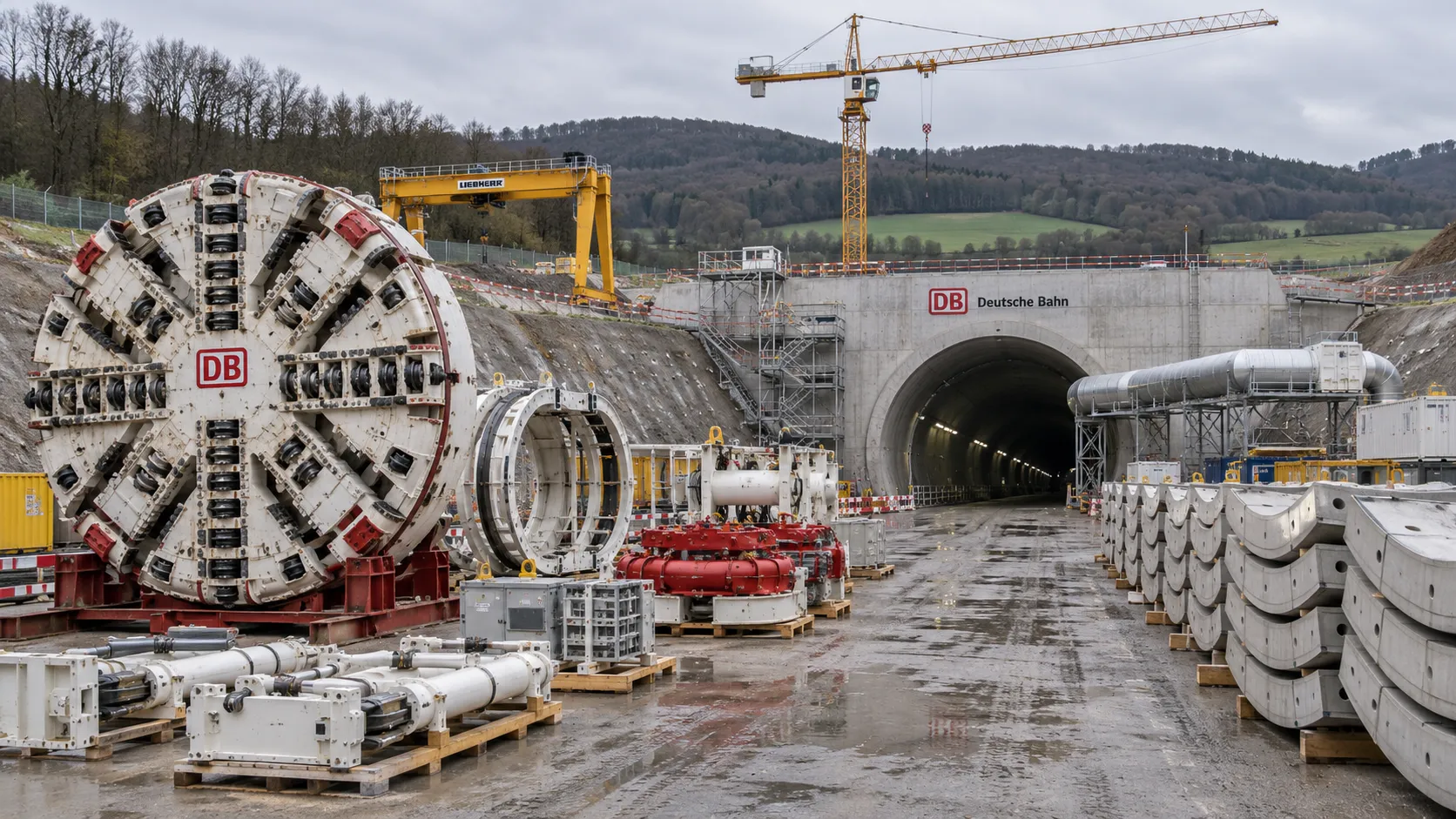
Construction Starts on Germany's Pfaffensteig Rail Tunnel, With Two TBMs Planned
Pfaffensteig rail tunnel construction is underway in Germany. Discover how two planned TBMs will support the 11-kilometre project near Stuttgart.
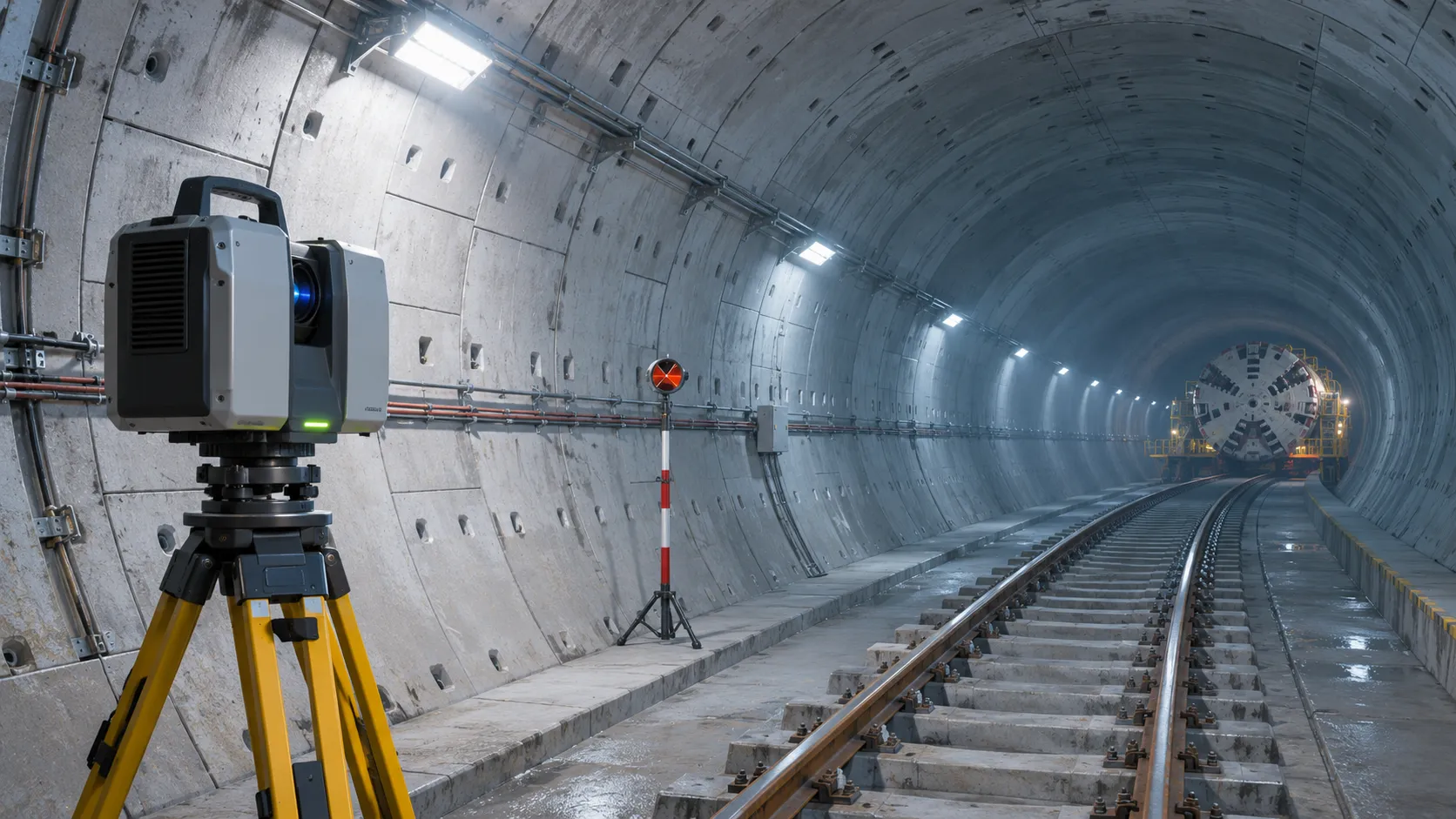
How Real-Time Underground Mapping Systems Work in Tunneling
Discover how real-time underground mapping systems guide tunneling teams, integrate sensor data, and support confident decisions with verified accuracy.
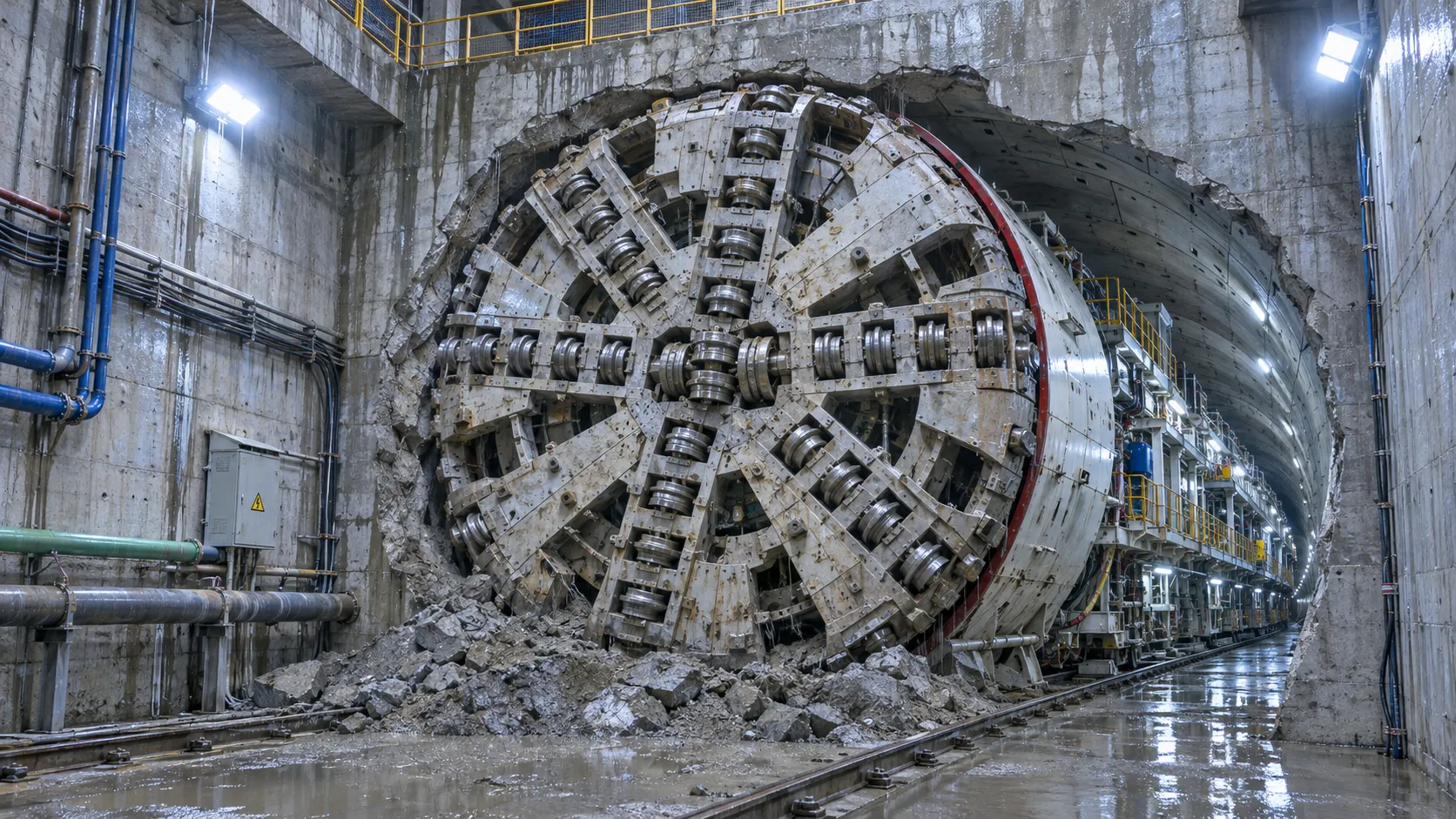
First Mechanized Tunnel Crossing Beneath the Panama Canal Completed
Panama Canal tunnel crossing: Explore the reported Metro Line 3 milestone and what it could mean for future underwater tunneling projects.
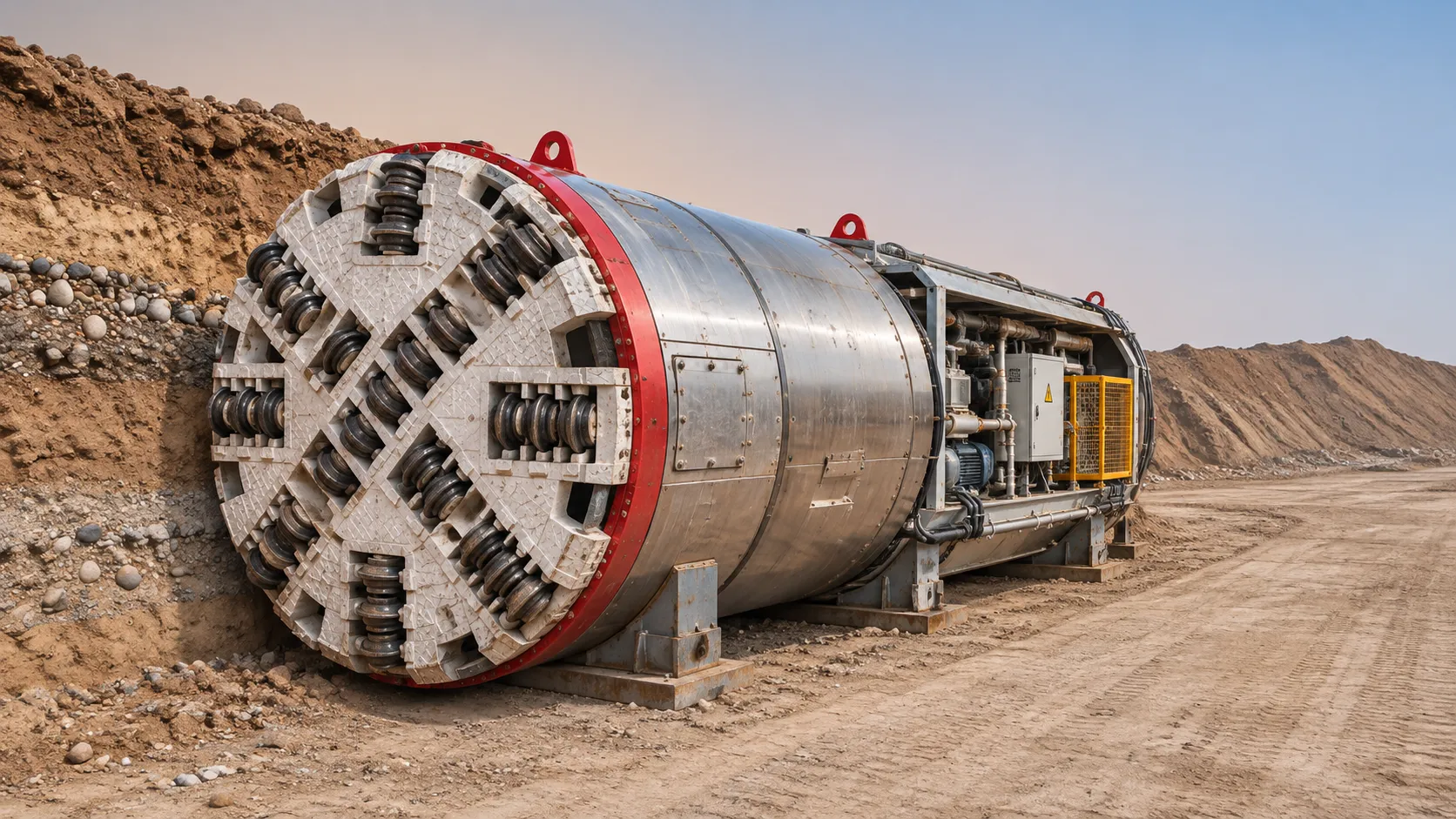
Underground Utility Construction Equipment: Choosing by Ground Conditions
Choose underground utility construction equipment with confidence. Compare trenching, HDD, microtunnelling and TBMs by ground conditions, risk and cost.
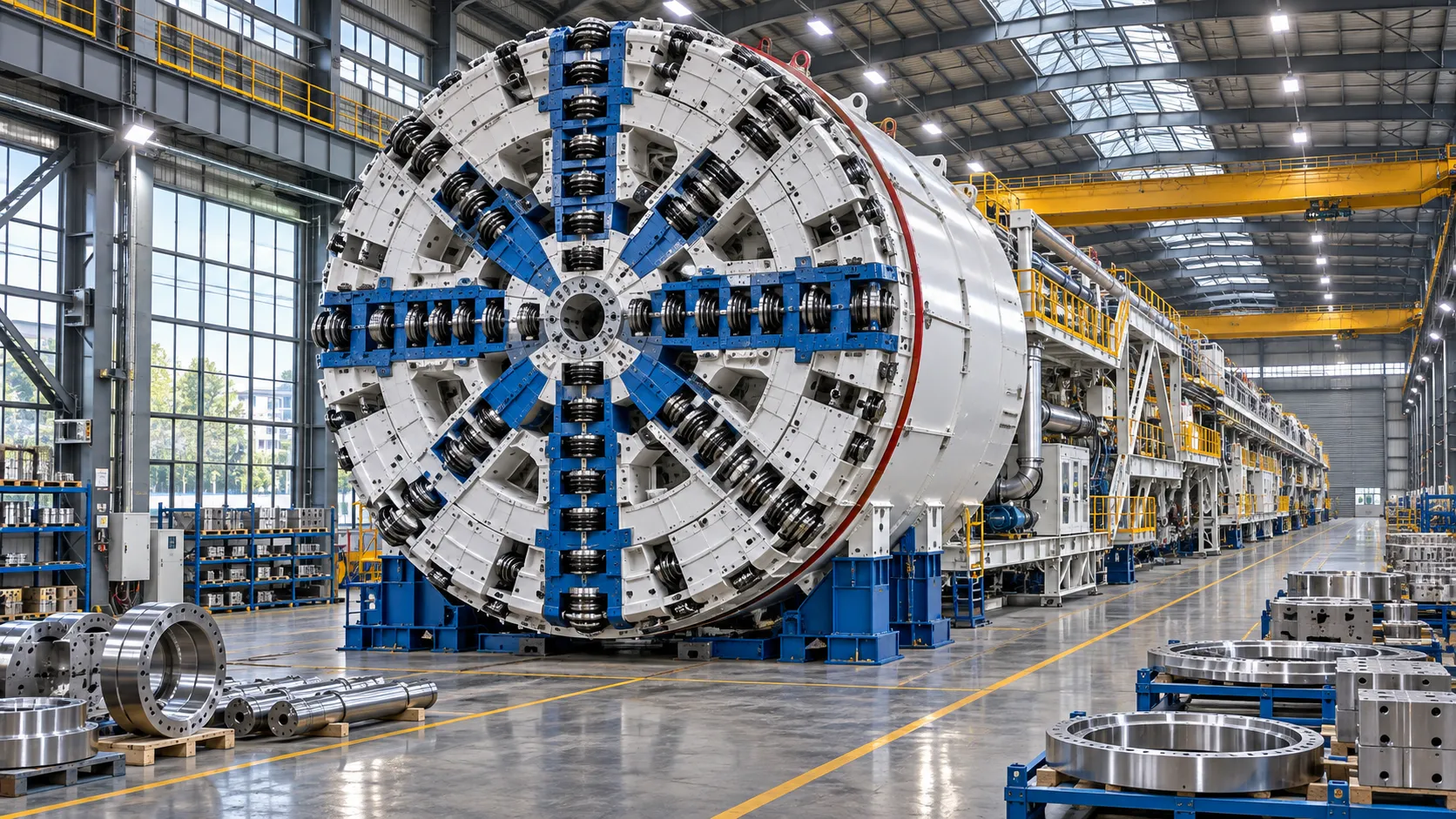
China Sets Tunnel Boring Machine Export Controls as India Pushes Local Production
China tunnel boring machine export controls could reshape procurement as India pushes local production. Explore potential supply and project impacts.
Choosing a Trenchless Pipeline Installation Contractor: Key Qualifications
Choose a trenchless pipeline installation contractor with confidence. Learn how to assess experience, equipment, safety, costs, and project risks before you hire.
China's 70% TBM Share and Export Controls Challenge India's Local Production
China's TBM export controls could challenge India's local production and infrastructure sourcing. Explore the potential risks and procurement options.
Related News
- 00
0000-00
How TBM Excavation Works in Rock and Soft Ground: A Practical Guide - 00
0000-00
Choosing a Zero-Emission Underground Equipment Supplier: What to Check - 00
0000-00
Construction Starts on Germany's Pfaffensteig Rail Tunnel, With Two TBMs Planned - 00
0000-00
How Real-Time Underground Mapping Systems Work in Tunneling - 00
0000-00
First Mechanized Tunnel Crossing Beneath the Panama Canal Completed
Weekly Insights
Stay ahead with our curated technology reports delivered every Monday.