
Is Smart Mining Equipment worth the integration cost?





For business evaluators, the real question is not whether Smart Mining Equipment is innovative, but whether its integration cost can deliver measurable returns in safety, uptime, energy efficiency, and asset utilization. In a market shaped by automation, electrification, and ESG pressure, the value case must be tested against operating reality, not vendor claims alone.
That is especially true across underground mining, tunnelling, and heavy material transport, where equipment reliability, ventilation cost, labor availability, and rock-condition uncertainty can quickly reshape project economics. A structured checklist helps separate high-impact investments from expensive digital add-ons.
Why a checklist is essential before integrating Smart Mining Equipment
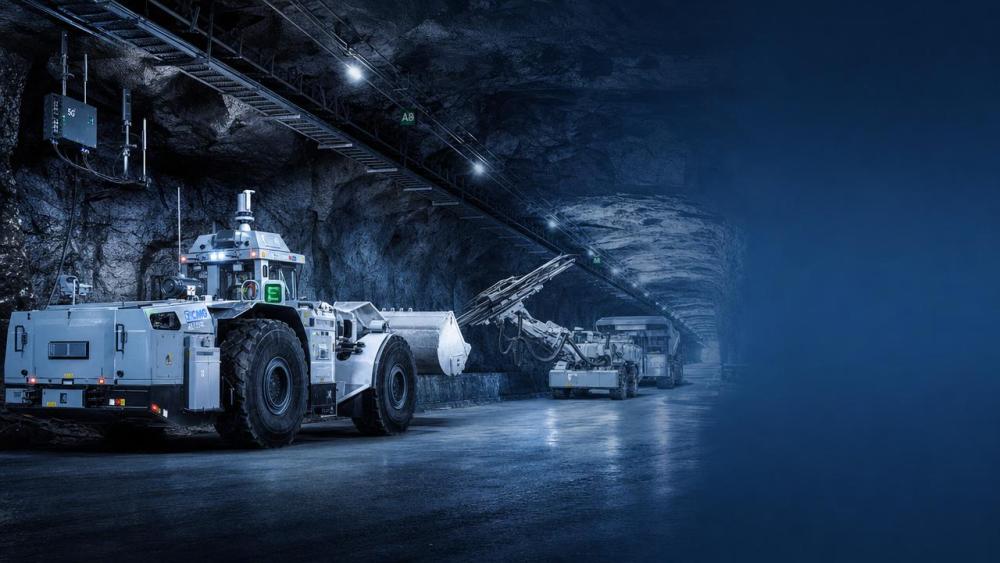
Integration cost rarely sits inside the equipment invoice alone. It often includes communications infrastructure, power upgrades, battery systems, fleet management software, training, maintenance redesign, and data governance. Without a checklist, hidden costs distort the decision.
A checklist also creates comparability. It allows tunnel operators, mine planners, and asset owners to evaluate battery LHDs, autonomous haulage, drilling jumbos, and connected transport systems using the same commercial logic: risk, payback, scalability, and operational fit.
Core checklist: how to judge whether Smart Mining Equipment is worth the cost
- Measure baseline performance first, including downtime hours, energy use, ventilation demand, maintenance cost, haul cycle time, and safety incidents, before assigning value to any Smart Mining Equipment upgrade.
- Calculate full integration cost, not purchase price alone, by including sensors, software licenses, network coverage, charging or battery swap systems, retrofit work, and commissioning delays.
- Test equipment compatibility with existing fleets, mine planning tools, dispatch systems, and workshop routines, because weak interoperability can erase the expected productivity gains.
- Verify reliability under actual rock, dust, vibration, moisture, and temperature conditions, since underground performance often differs sharply from controlled demonstration environments.
- Model labor impact realistically, including remote operation, technician retraining, control room staffing, and shift redesign, instead of assuming automation immediately reduces headcount cost.
- Compare energy economics carefully, especially where battery-electric Smart Mining Equipment can cut diesel, cooling, and ventilation loads but may require larger electrical infrastructure.
- Audit safety value with hard metrics, such as fewer personnel in hazardous headings, reduced exposure to diesel particulate matter, and better collision avoidance performance.
- Forecast utilization gains, because the strongest return often comes from more productive machine hours, faster cycles, and fewer unplanned stoppages rather than direct labor savings.
- Assess vendor support depth, including spare parts lead time, software update policy, remote diagnostics, and local service capability, since smart systems fail commercially when support is slow.
- Run staged pilots with defined success thresholds, then expand only after proving uptime, operator acceptance, and financial performance across multiple production cycles.
Where Smart Mining Equipment usually creates the strongest return
Battery-electric underground haulage
In deep mines, battery-electric LHDs and trucks often justify integration cost faster than expected. The benefit is not only fuel replacement. Reduced ventilation demand can become a major hidden saving, especially in hot and constrained workings.
When paired with battery swapping, remote control, and fleet analytics, Smart Mining Equipment in haulage can improve cycle consistency and reduce idle time. The value case becomes stronger where diesel exhaust rules and ESG targets are tightening.
Autonomous or semi-autonomous drilling
Drilling jumbos equipped with positioning assistance, digital drill plans, and automated boom functions can reduce overbreak, improve blast accuracy, and support more predictable downstream loading and support installation.
Here, the return from Smart Mining Equipment often comes through process stability. Better drilling precision affects fragmentation, mucking efficiency, and ground support timing, which means one smart asset can improve the economics of several linked stages.
Connected transport in complex underground networks
In mines or tunnelling projects with multiple headings, congested ramps, or mixed fleets, connected dispatch and proximity awareness can produce immediate value. Reduced waiting time and clearer traffic control often generate visible productivity improvements.
This is where Smart Mining Equipment should be judged as a system, not a machine. Data visibility across loaders, trucks, chargers, and maintenance windows may create more value than a standalone hardware upgrade.
Commonly ignored costs and risks
Data without operational discipline
Many projects collect high volumes of machine data but fail to convert it into decisions. If reporting routines, alarm thresholds, and maintenance actions are not redesigned, smart dashboards become expensive observation tools.
Weak underground communications
Autonomous and remote-controlled Smart Mining Equipment depends on stable underground connectivity. Patchy Wi-Fi, delayed handover, or poor signal quality can create stoppages, safety concerns, and underused system capacity.
Overestimating labor savings
Automation changes labor structure more than it removes labor cost. New roles in diagnostics, software management, network maintenance, and control room operations can offset part of the expected savings.
Underestimating change management
The integration cost of Smart Mining Equipment includes behavior change. Operators, planners, and maintenance teams must trust digital workflows, or the site may continue using manual workarounds that suppress return on investment.
Practical execution steps for a better investment decision
- Start with one production bottleneck, such as ventilation cost, haulage delay, or drill accuracy, and match Smart Mining Equipment to that exact value driver.
- Build a 12- to 36-month financial model that includes capex, opex, downtime risk, training burden, and infrastructure dependencies.
- Define pilot KPIs in advance, including availability, cycle time, maintenance interval, energy consumption, and operator intervention rate.
- Request site-specific proof, not generic case studies, especially for battery range, payload impact, gradient performance, and harsh-environment electronics durability.
- Expand in phases, connecting machines, charging, maintenance, and analytics only after the previous layer meets its commercial threshold.
So, is Smart Mining Equipment worth the integration cost?
In many operations, yes—but only when the investment is tied to a measurable operating constraint. Smart Mining Equipment delivers the best return where it reduces ventilation load, improves uptime, lowers hazard exposure, and increases asset utilization across the full production chain.
It is less effective when bought as a technology signal, isolated from infrastructure readiness or site discipline. The right next step is to audit one fleet or one underground process using the checklist above, then compare projected gains against total integration cost.
For sectors tracked by UTMD, including underground haulage, drilling systems, and intelligent transport platforms, the most credible decisions come from operational evidence. If the numbers show stronger safety, cleaner energy performance, and more productive machine hours, integration is not just affordable—it becomes strategically necessary.
Related News
What Drives TBM Excavation Cost in Urban Tunneling Projects?
tbm excavation cost in urban tunneling depends on geology, shafts, segment lining, logistics, and risk. Discover the key cost drivers and compare bids with greater confidence.
What Does Energy Metals Mining in Australia Mean for Supply, Cost, and Project Risk?
Energy metals mining Australia is reshaping supply, cost, and project risk. Discover what it means for buyers, investors, and operators.
EU Eases Dual CE and UKCA Path for Chinese Tunnel Boring Equipment
EU eases CE and UKCA certification for Chinese tunnel boring equipment, cutting compliance time and helping importers move faster.
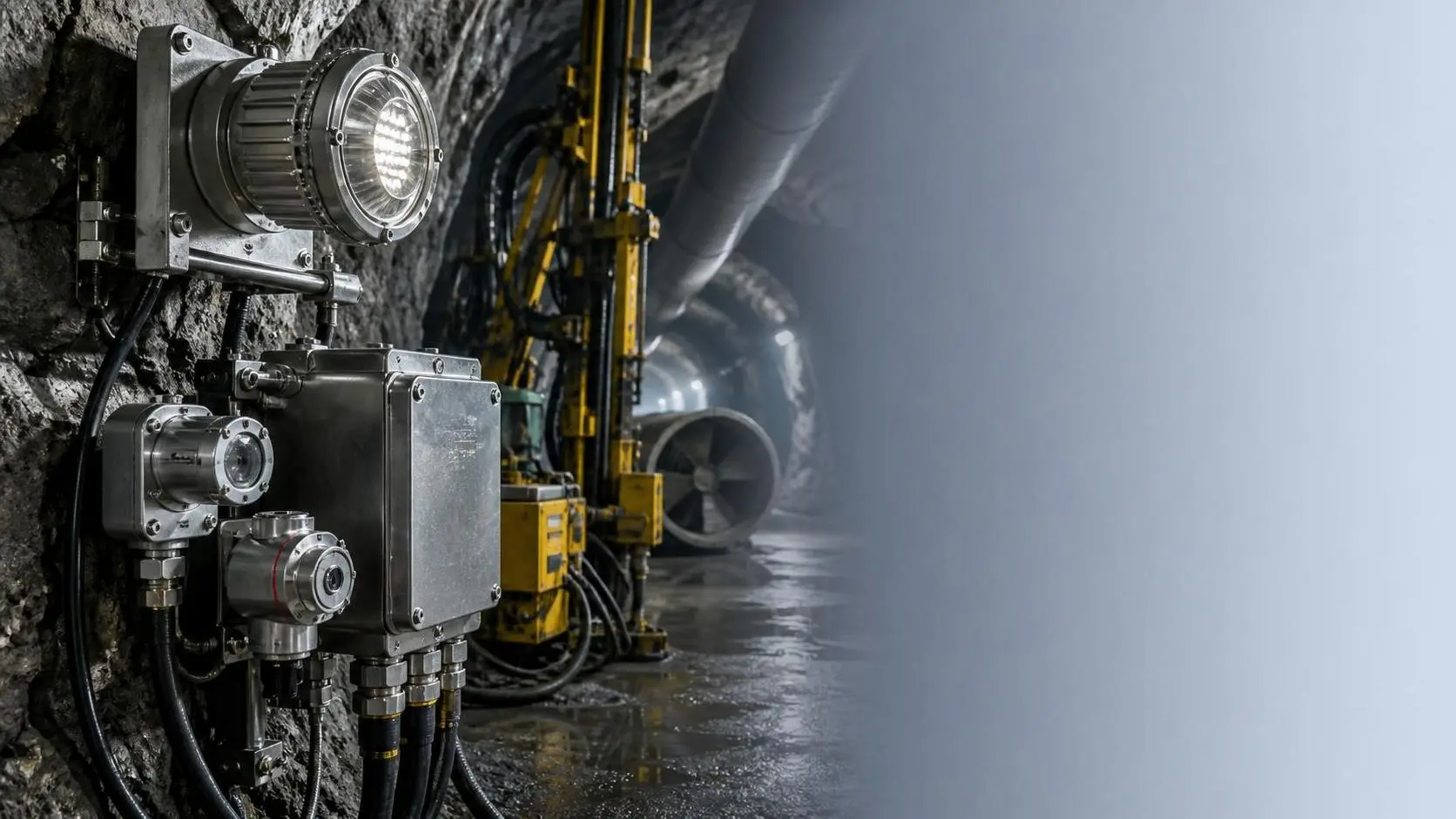
Flameproof Underground Safety Equipment: What Mine Teams Should Check Before Buying
Underground Safety Equipment flameproof buying guide: learn how mine teams should verify certification, durability, serviceability, and supplier support before purchase.
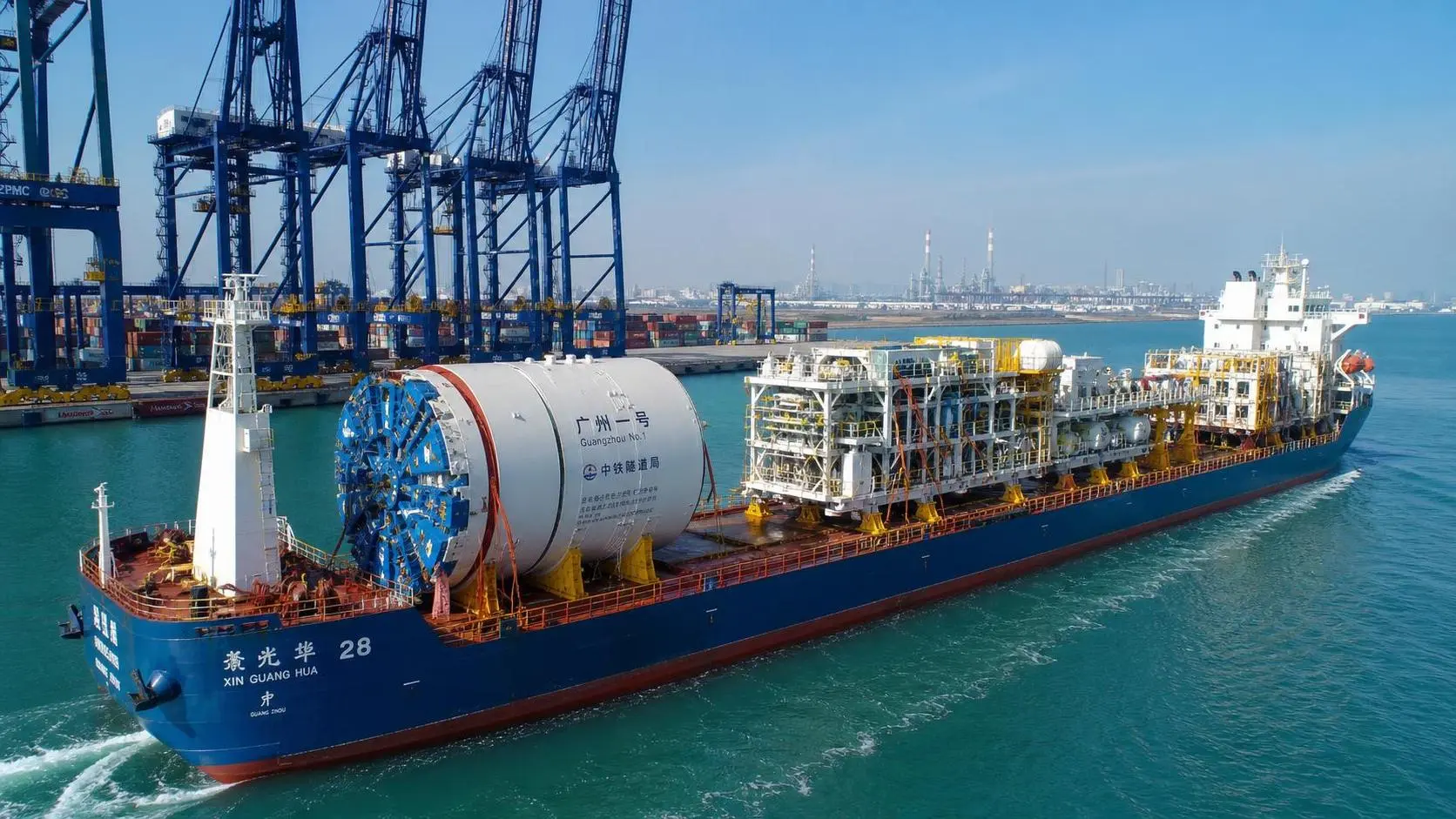
China-UAE Direct Sea Route Cuts TBM and Large Tunneling Equipment Lead Times
China-UAE direct sea route shortens TBM and large tunneling equipment lead times by 12–15 days, improving delivery predictability for major infrastructure projects. Read the full impact.
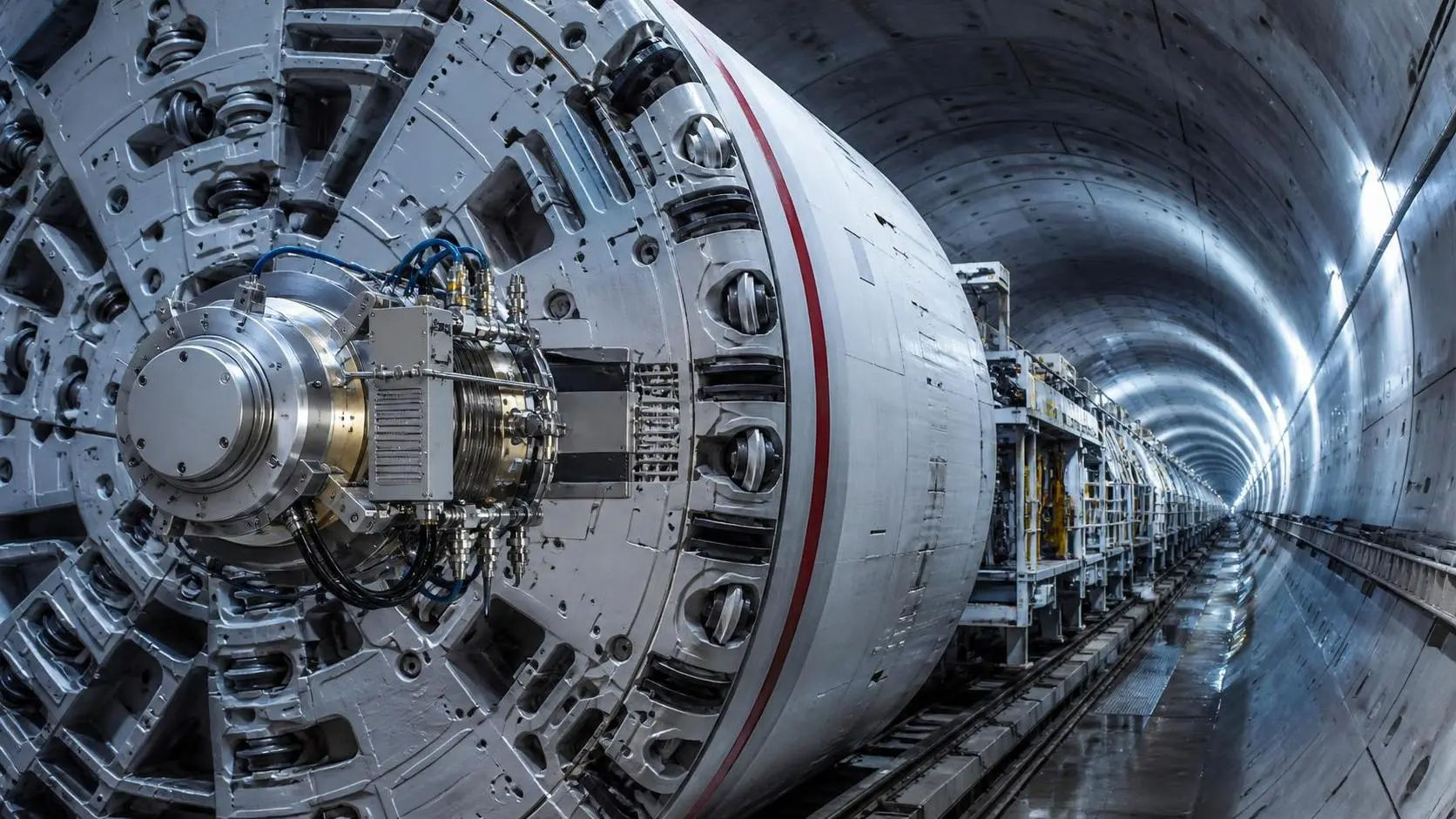
What Is a TBM Guidance System Gyroscope, and Why Does It Matter Underground?
TBM Guidance Systems gyroscope improves underground accuracy, reduces drift, and helps tunnel boring machines stay on line in harsh conditions.
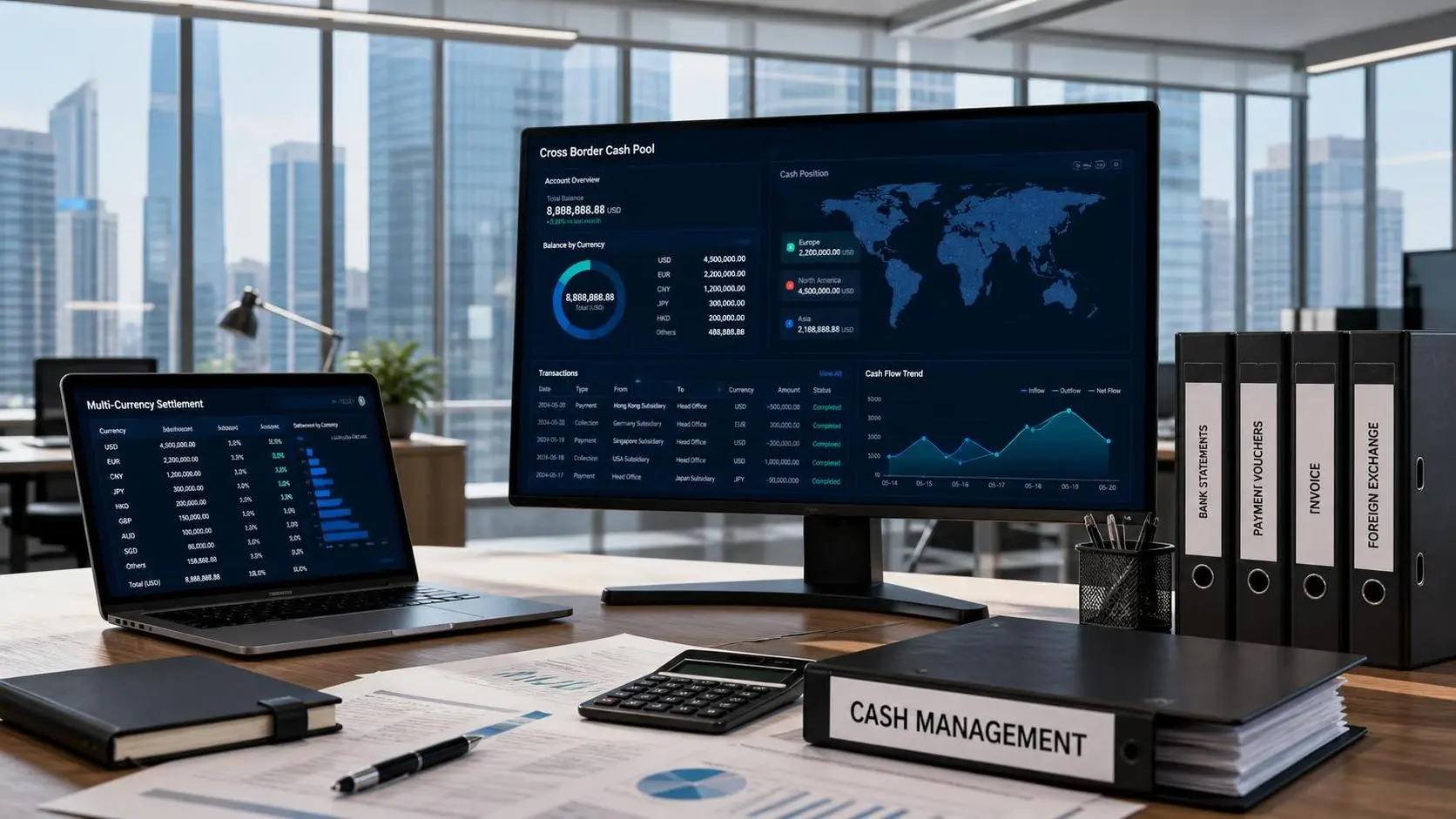
China to Roll Out Nationwide Local and Foreign Currency Cash Pools for Multinationals on Sept. 14
China will roll out nationwide local and foreign currency cash pools for multinationals on Sept. 14, streamlining cross-border treasury management and boosting liquidity efficiency.
How to Choose a Reliable Underground Mining Equipment Supplier for Harsh Site Conditions
Find a reliable underground mining equipment supplier for harsh site conditions with rugged, maintainable solutions that boost uptime, reduce risk, and support long-term production.
China Customs Tightens TBM Export Checks from Aug. 16
China Customs tightens TBM export checks from Aug. 16, 2026. Learn how new mandatory inspections may affect tunnelling equipment shipments, compliance, and delivery plans.
Related News
- 00
0000-00
What Drives TBM Excavation Cost in Urban Tunneling Projects? - 00
0000-00
What Does Energy Metals Mining in Australia Mean for Supply, Cost, and Project Risk? - 00
0000-00
EU Eases Dual CE and UKCA Path for Chinese Tunnel Boring Equipment - 00
0000-00
Flameproof Underground Safety Equipment: What Mine Teams Should Check Before Buying - 00
0000-00
China-UAE Direct Sea Route Cuts TBM and Large Tunneling Equipment Lead Times
Weekly Insights
Stay ahead with our curated technology reports delivered every Monday.