How YLCSD300 Cutter Suction Dredger Parameters Affect River Dredging Output





Output in river dredging is driven by more than installed power
When a cutter suction dredger underperforms in a river project, the root cause is often not a single fault but a mismatch between machine parameters and site conditions. Technical evaluators usually need to determine whether the dredger can maintain a stable solids production rate under changing depth, sediment density, current, transport distance, and discharge constraints. In that context, the model name alone says very little. What matters is how the main parameters interact in real work.
A YLCSD300-class dredger sits in a size range commonly considered for river maintenance, channel clearance, silt removal, and medium-duty hydraulic excavation. For this kind of equipment, production depends on a chain of linked capacities: the cutter must loosen material efficiently, the pump must keep slurry moving without excessive dilution, the pipeline system must avoid unnecessary losses, and the hull and spud arrangement must support a consistent swing pattern. If one part of that chain is oversized or undersized relative to the rest, theoretical capacity rarely becomes delivered output.
That is why parameter review before ordering is more important than brochure comparison. In many procurement discussions, the question is framed as “How many cubic meters per hour can this dredger achieve?” A better question is “Under which river conditions can this parameter set sustain economically acceptable solids throughput?”
Why river conditions change the meaning of dredger parameters
River dredging differs from pond dredging, mining ponds, or sheltered reclamation basins because the working environment is less stable. Water level can vary, current can disturb swing control, and sediment layers may shift from soft silt to compacted sand within the same reach. Debris, woody material, and municipal waste can also enter the suction path. Because of that, the same cutter suction dredger can perform very differently at two sites even when the nominal depth and distance look similar on paper.
Technical assessment therefore has to connect machine parameters with four field variables:
- sediment type and compactness;
- required dredging depth and width;
- discharge distance and elevation difference;
- continuity of operation, including obstacles and stoppage risk.
A dredger that is well matched for loose silt over a short discharge line may lose productivity sharply in sandy material or over a longer pipeline. In procurement terms, this means the evaluator should not treat headline specifications as independent values. Cutter power, pump output, pipe diameter, draft, and installed power need to be read as a system.
How the main parameters affect actual dredging output
Cutter head power and geometry determine how much material reaches the suction mouth
In river work, the cutter is not only a loosening tool. It regulates how steadily the soil enters the suction zone. If cutter torque is too low for the expected material, the dredger may still rotate and swing, but excavation becomes intermittent. The operator then compensates by reducing swing speed, making repeat passes, or increasing water dilution. All three responses lower solids concentration and reduce effective output.
Geometry matters alongside power. A cutter head suited to soft silt may not penetrate dense sand layers efficiently, while a more aggressive design can increase wear or create instability in very soft formations. Evaluators should ask whether the expected riverbed includes seasonal compaction, shell content, gravel contamination, or debris. A machine selected purely on nominal cutter power may look sufficient but still struggle if the head design is poorly matched to the riverbed.
Dredge pump capacity affects output only if slurry concentration remains stable
A larger pump does not automatically mean higher production. River dredging output is usually limited by stable slurry transport, not by maximum water movement. If the pump can move high volume but the cutter-suction system feeds mostly water, the pipeline stays active while solids output remains disappointing. On the other hand, if the slurry concentration is high but the pump cannot maintain velocity through the discharge line, blockage risk rises and production becomes erratic.
For a technical evaluator, the useful question is whether the pump curve, expected slurry density, and pipeline resistance fall into a workable operating window. A machine such as the YLCSD300 cutter suction dredger should be reviewed not just by nominal pump performance but by how that pump is expected to behave with the planned pipe length, sediment class, and elevation profile. This is especially important in rivers where temporary routing changes can lengthen the discharge line during the project.
Discharge pipe diameter controls hydraulic losses and solids handling behavior
Pipe diameter is often underestimated during bid evaluation because it appears secondary to cutter and pump specifications. In reality, discharge diameter strongly affects velocity, friction loss, and the size of material that can pass safely. If the diameter is too small for the intended solids load, friction rises and wear can accelerate. If it is too large relative to pump characteristics, slurry velocity may become too low to keep solids suspended.
This parameter also affects operational flexibility. River projects often require line extensions, floating and shore pipe transitions, and temporary rerouting around banks or traffic areas. A technically balanced pipeline system should be judged by more than initial installation convenience. Evaluators should review how the chosen diameter performs when line length increases, bends accumulate, or deposition points are moved.
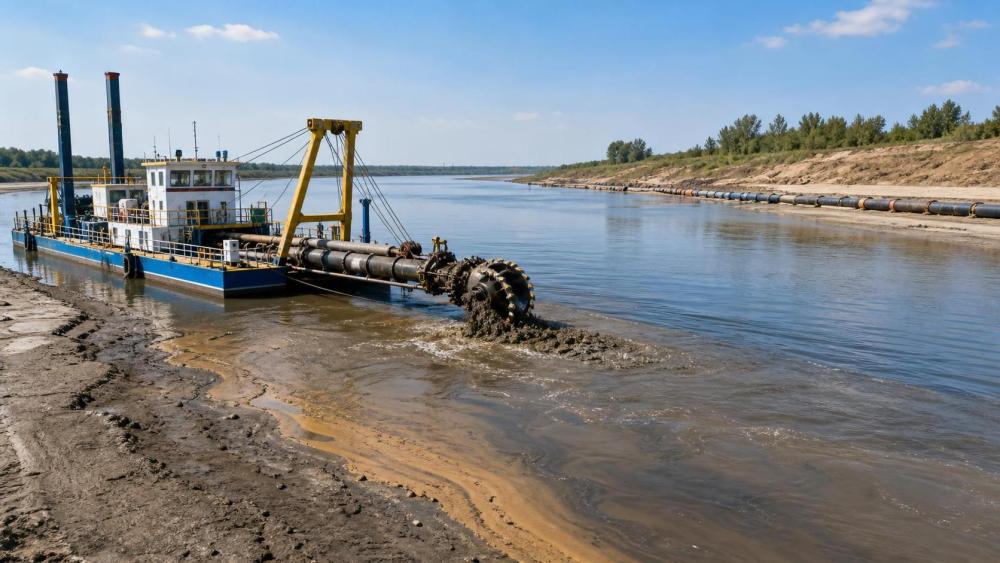
Digging depth is only useful when combined with ladder design and bottom access
Maximum dredging depth looks impressive in a specification sheet, but production depends on whether the ladder can keep the cutter working at an effective angle while maintaining stable suction conditions. In river sections with steep side slopes, irregular bed profiles, or restricted maneuvering space, theoretical depth capability may not translate into consistent excavation. Poor cutter entry angle can reduce cutting efficiency and increase recirculation at the suction mouth.
There is also a practical inspection issue before ordering: evaluators should confirm whether the quoted depth is measured under standard configuration or depends on optional components. A model that reaches the target depth only with changes to pontoon setup, ladder length, or auxiliary supports may introduce transport, assembly, and stability implications that do not appear in headline literature.
Installed power must be allocated correctly across the system
Total installed power is frequently used as a shorthand for dredger capability, yet river output depends on how that power is distributed between cutter drive, dredge pump, hydraulic systems, winches, and auxiliary functions. If too much emphasis is placed on one subsystem, the dredger may show strong numbers in one area while remaining constrained elsewhere.
For example, strong pump power without adequate cutter performance can raise water throughput more than solids throughput. Strong cutter capability without enough pump margin can create dense slurry that is difficult to transport over longer distances. In shallow river work with repeated maneuvering, insufficient auxiliary hydraulic performance may also slow the spud-winch cycle and reduce swing efficiency even if excavation and pumping capacity are acceptable.
Hull dimensions, draft, and pontoon layout influence time-on-task
Output is not only about cubic meters moved per operating hour. It is also about how many hours can be spent productively in the river reach. Hull size, draft, and modular layout affect transport logistics, launch conditions, stability, and working access in narrow or shallow channels. A dredger with suitable excavation parameters can still lose productivity if it cannot reposition easily, if assembly takes too long, or if draft limits access at low water periods.
For technical review, this is where a paper-accurate design can fail in field execution. River maintenance contracts often involve multiple work points rather than one fixed basin. If the dredger must be dismantled, towed, or shifted frequently, transport module size and assembly method become real output factors, not secondary details.
Parameters should be checked as a production chain, not as isolated numbers
The table below shows how evaluators can connect key parameters to likely production effects in river dredging.
Inspection checks before ordering matter as much as the parameter list
The added note about inspection checks is highly relevant because dredger output risk often starts before delivery. Technical evaluators should verify what the quoted configuration actually includes and how it will be inspected. A specification may appear suitable, yet small omissions in review can later reduce production or complicate commissioning.
Check whether the offered configuration matches the intended river duty
Before ordering, confirm whether the quoted dredger is configured for soft silt removal, mixed sediment, or sandier material. Cutter arrangement, pump wear components, pipe arrangement, and auxiliary systems should align with the expected duty. A mismatch here tends to surface only after mobilization, when correction is expensive.
Review wear-prone components and replacement practicality
Rivers carrying sand, shell fragments, or abrasive fines can consume impellers, liners, cutter teeth, and pipe bends quickly. Technical assessment should include the material and access design of wear parts, not just the initial dredging capability. A dredger that produces well in the first operating period but requires long stoppages for parts replacement can lose its advantage over the contract duration.
Verify assembly, transport, and commissioning details
Many river projects are constrained by bridge clearance, road transport limits, launch conditions, or crane availability. Modular dimensions, connection method, and on-site assembly sequence should be checked before ordering. If transport and assembly are more complex than expected, the project may lose valuable start-up time even when the machine itself is technically adequate.
Inspect hydraulic, electrical, and control integration
Stable output depends on more than mechanical excavation. Spud movement, swing winches, pump control, engine loading, and alarm systems all affect how consistently the dredger can operate. Inspection before ordering should clarify what instrumentation is included for monitoring pressure, density, depth, and engine load, because these signals help crews keep the dredger inside an efficient working range rather than chasing problems after production drops.
What technical evaluators often miss during comparison
One common error is comparing dredgers only at nominal output values without fixing the boundary conditions behind those values. Another is treating optional equipment as interchangeable later add-ons, when some options materially change the production envelope. Evaluators also sometimes overlook the relationship between discharge distance and seasonal river changes. A setup that works in a short early-stage discharge route may become marginal after spoil area relocation or longer pipe deployment.
There is also a tendency to focus on maximum capability instead of stable average production. In river dredging, steady operation with manageable wear and predictable maintenance often matters more than brief peak performance. For that reason, parameter review should include likely interruptions: debris handling, shallow-water repositioning, bank restrictions, and pumpability changes as sediment transitions across the reach.
How to read a YLCSD300-class dredger specification more realistically
When assessing a YLCSD300 cutter suction dredger, a practical reading method is to start with the riverbed and discharge route, then work backward to the machine. Ask what sediment has to be cut, what slurry must be transported, and what access limitations will affect the dredger’s cycle. From there, judge whether the cutter, pump, pipe, ladder, and hull parameters form a balanced system for that duty.
If the machine is being considered for routine river maintenance in mostly soft deposits, the evaluation may favor smooth feeding behavior, manageable draft, and simple deployment. If denser layers or longer transport distances are expected, more attention should go to cutter effectiveness, pump margin, wear exposure, and pipeline resistance. In both cases, inspection before ordering should verify that the quoted arrangement reflects the intended application rather than a generic platform description.
The strongest technical decision usually comes from treating output as the result of system balance under actual river constraints. Once that approach is applied, the most relevant parameters become easier to interpret, and procurement discussions move away from headline claims toward operating reality.
Related News
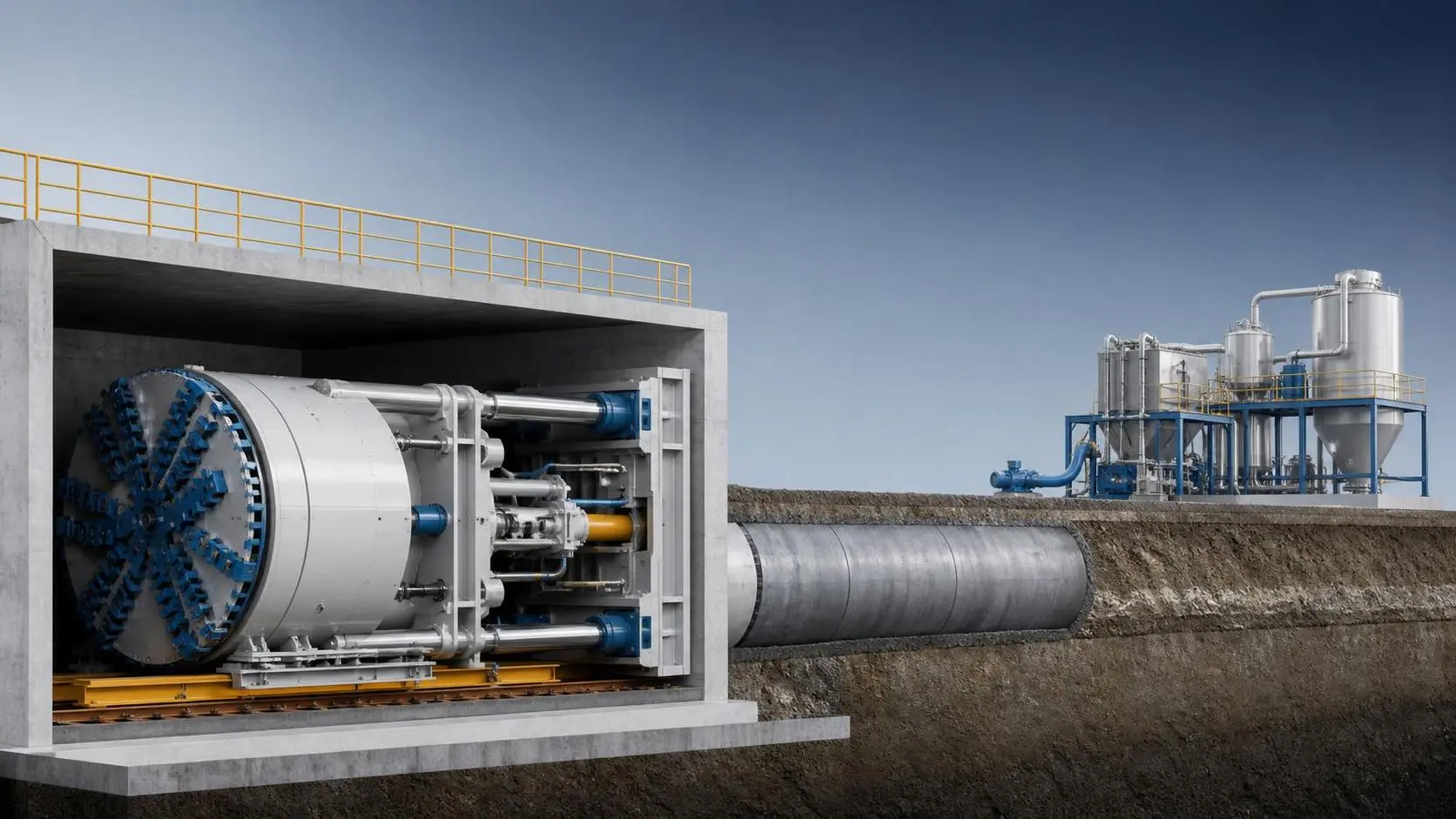
How to Evaluate Pipe Jacking Equipment for Municipal Sewer and Utility Projects
Pipe jacking equipment for municipal projects: learn how to compare machine type, steering, spoil handling, safety, and lifecycle cost for reliable sewer and utility installation.
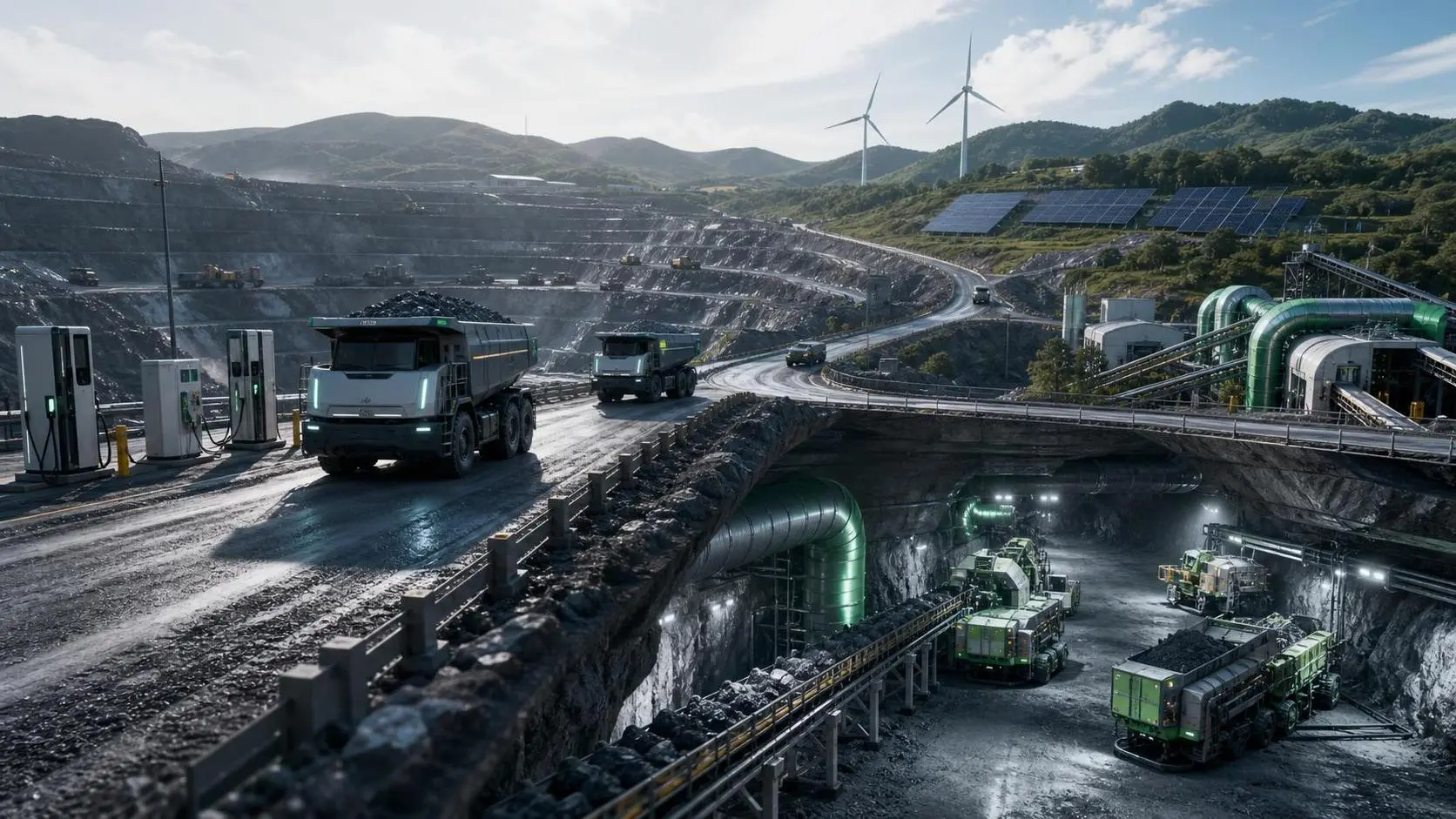
What Should a Mine Decarbonization Roadmap Include to Cut Emissions Without Hurting Output?
Mine decarbonization roadmap essentials: learn how to cut mining emissions with phased electrification, ventilation planning, and infrastructure readiness—without sacrificing output.
How to Evaluate Underground Mine Automation Companies for Safety and ROI
Underground mine automation companies vary widely in safety, interoperability, and ROI. Learn how to compare vendors, reduce deployment risk, and choose a scalable solution.
How to Evaluate Underground Haulage Systems for Ore Output, Ramp Grade, and Ventilation Limits
Underground haulage systems should be evaluated by ore output, ramp grade, and ventilation limits—not brochures. Learn how to compare trucks, LHDs, and electric options for smarter mine planning.
How to Evaluate a Pipe Jacking Equipment Distributor for Project Support and Uptime
Pipe jacking equipment distributor evaluation made practical: learn how to assess parts support, service response, training, and technical readiness to reduce downtime and protect project uptime.
How to Build a Mining Decarbonization Strategy That Balances Emissions, Cost, and Fleet Reality
Mining decarbonization strategy starts with fleet reality. Learn how to cut emissions, control cost, and align power, ventilation, and production for a practical mine transition.
How to Evaluate Articulated Dump Trucks Payload for Haul Road Conditions and Cycle Efficiency
Articulated Dump Trucks payload evaluation starts with real haul road conditions, not brochure numbers. Learn how to balance payload, traction, grades, and cycle efficiency for safer, higher output.
How Pipe Fittings Material and Pressure Class Affect Water Line Selection
Pipe fittings selection starts with material and pressure class. Learn how these factors affect water line reliability, corrosion resistance, installation, and long-term cost.
What Drives TBM Excavation Cost in Urban Tunneling Projects?
tbm excavation cost in urban tunneling depends on geology, shafts, segment lining, logistics, and risk. Discover the key cost drivers and compare bids with greater confidence.
Related News
- 00
0000-00
How to Evaluate Pipe Jacking Equipment for Municipal Sewer and Utility Projects - 00
0000-00
How YLCSD300 Cutter Suction Dredger Parameters Affect River Dredging Output - 00
0000-00
What Should a Mine Decarbonization Roadmap Include to Cut Emissions Without Hurting Output? - 00
0000-00
How to Evaluate Underground Mine Automation Companies for Safety and ROI - 00
0000-00
How to Evaluate Underground Haulage Systems for Ore Output, Ramp Grade, and Ventilation Limits
Weekly Insights
Stay ahead with our curated technology reports delivered every Monday.