
How Autonomous Mining Trucks reshape mine planning





Autonomous Mining Trucks are changing more than haulage. They are reshaping mine planning itself, from pit geometry to shift logic, traffic control, electrification pathways, and long-term capital timing.
For underground and surface intelligence platforms like UTMD, this shift matters because transport automation now links equipment design, digital mine models, ESG compliance, and asset utilization into one planning framework.
When planners understand where Autonomous Mining Trucks create value, they can design mines that run safer, smoother, and more predictably under future production pressure.
Why mine planning changes when Autonomous Mining Trucks enter the operating scenario
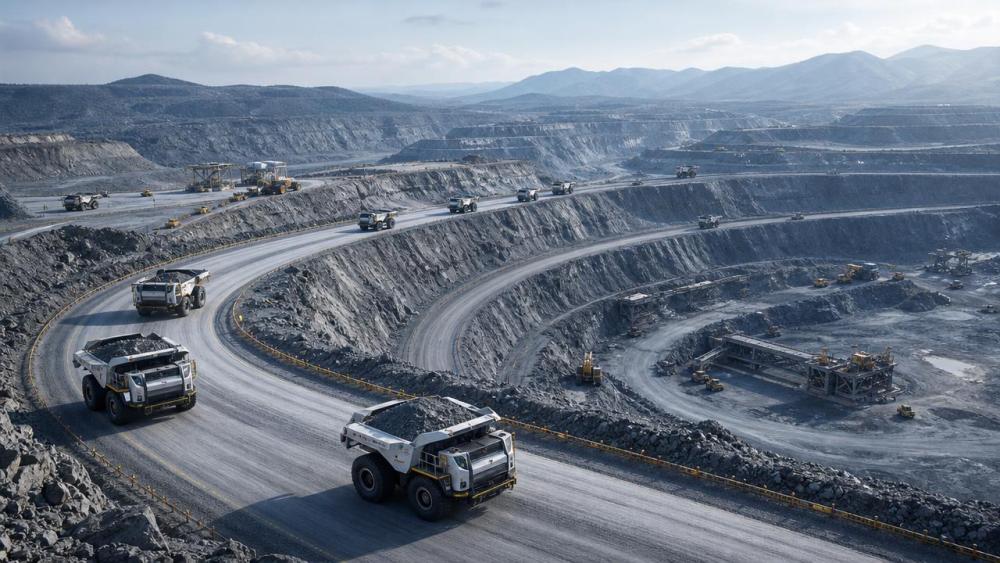
Traditional mine plans assume human variability. Break times, fatigue, visibility limits, and reaction differences affect haul cycles, queue formation, and road safety buffers.
Autonomous Mining Trucks reduce that uncertainty. They follow defined routes, speed rules, spacing logic, and dispatch instructions with higher consistency than conventional fleets.
That consistency changes planning assumptions in several areas:
- Haul road width and passing strategy
- Loading and dumping zone layout
- Fleet sizing and reserve truck ratios
- Shift scheduling and maintenance windows
- Safety zoning and worker interaction rules
- Electrification and energy recovery planning
In practical terms, Autonomous Mining Trucks force planners to move from static layouts to operating-system thinking. The mine becomes a coordinated transport network, not only a digging sequence.
Which mine scenarios benefit most from Autonomous Mining Trucks
Not every site gains equally. The value of Autonomous Mining Trucks depends on route stability, traffic complexity, orebody life, communication infrastructure, and production discipline.
Long-life open-pit mines with repeated haul cycles
This is the most favorable scenario. Repetitive routes allow autonomous systems to learn road conditions, optimize dispatch, and maintain predictable cycle times over long production periods.
Here, Autonomous Mining Trucks support tighter planning around crusher feed, waste stripping rhythm, and equipment replacement timing. The longer the mine life, the stronger the return visibility.
High-altitude or harsh-climate operations
Extreme weather often reduces human driving performance and shift stability. Autonomous Mining Trucks help preserve cycle consistency where dust, snow, heat, or darkness challenge operators.
In these settings, planning gains come from fewer performance swings, improved route discipline, and more reliable production forecasting during seasonal stress periods.
Mines facing labor access or safety pressure
Some regions face driver shortages, remote camp constraints, or stronger safety scrutiny. Autonomous Mining Trucks reduce exposure in high-risk traffic areas and support lower-personnel operating models.
Mine planning then shifts toward remote operations, exclusion zones, traffic segregation, and digital supervision instead of purely manpower-based control.
Electrification-led fleet renewal projects
When mines evaluate battery or trolley-assist haulage, Autonomous Mining Trucks become highly relevant. Energy optimization requires precise routing, regenerative braking control, and stable dispatch behavior.
Autonomy improves those conditions, making energy models more bankable and road design decisions more precise during decarbonization planning.
How Autonomous Mining Trucks reshape key planning decisions on site
Haul road design becomes data-led
Autonomous Mining Trucks require cleaner geometry and stronger road discipline. Curves, gradients, berms, intersections, and passing areas must support machine perception and predictable movement.
This often leads to earlier road standardization in life-of-mine planning. Better geometry can reduce delays, tire wear, and collision risk while improving average speed consistency.
Fleet utilization moves above simple truck count
Autonomous Mining Trucks can increase effective operating hours through fewer unnecessary stops, fewer behavior-driven delays, and better dispatch alignment with shovels and crushers.
As a result, mine planning should assess throughput stability, queue reduction, and bottleneck exposure, not just nominal truck capacity or annual tonnage targets.
Safety planning shifts from reaction to separation
Conventional planning manages driver behavior. Autonomous Mining Trucks require managed interaction rules between machines, light vehicles, pedestrians, and maintenance crews.
The planning focus becomes geofencing, controlled crossing points, maintenance access windows, and communication reliability across all traffic zones.
Capital planning becomes more integrated
Autonomous Mining Trucks are not isolated purchases. They influence connectivity systems, control rooms, road upgrades, sensing layers, maintenance capability, and training architecture.
Mine planners must therefore treat autonomy as a staged transformation program rather than a truck replacement event.
Where planning needs differ across mine scenarios
The table below shows how Autonomous Mining Trucks create different planning priorities depending on operational context.
Practical adaptation strategies for planning with Autonomous Mining Trucks
A strong plan usually starts small, validates assumptions, and then expands. The following actions help align mine design with Autonomous Mining Trucks.
- Map stable haul circuits first, then phase autonomy into repeated routes.
- Standardize intersections, dumping points, and loading approaches before fleet scaling.
- Model mixed traffic early, including service vehicles and emergency access logic.
- Link dispatch, maintenance, and road condition data into one planning dashboard.
- Test communication redundancy in weather, dust, and topographic shadow areas.
- If electrification is planned, combine energy modeling with autonomous route design.
These steps help prevent overinvestment in hardware before road logic, digital governance, and operational discipline are ready.
Common planning mistakes when evaluating Autonomous Mining Trucks
One common mistake is treating Autonomous Mining Trucks as a labor substitution story only. Their bigger effect is on system design, not only operator removal.
Another mistake is ignoring transition complexity. During phased deployment, mixed fleets can create temporary inefficiencies if road rules and dispatch logic stay unclear.
A third mistake is underestimating infrastructure dependencies. Connectivity, sensing reliability, maintenance response, and control room maturity strongly influence real outcomes.
Some plans also focus too much on headline productivity. In reality, the strongest value from Autonomous Mining Trucks often comes from lower variability, safer exposure control, and better forecasting confidence.
What to do next when assessing Autonomous Mining Trucks in mine planning
Start with a scenario review. Identify which haul routes are repetitive, which zones create risk, and where dispatch instability affects mine economics most.
Then compare three models: conventional optimization, partial autonomy, and full Autonomous Mining Trucks deployment across selected circuits. Use safety, energy, and variability metrics together.
For intelligence-led organizations, this is where deeper technical observation matters. The future mine will be planned around connected, automated transport behavior, not around isolated machines.
Autonomous Mining Trucks are therefore becoming a strategic planning variable. Mines that adapt early can unlock stronger resilience, cleaner energy pathways, and more dependable output across the asset lifecycle.
Related News
What Drives TBM Excavation Cost in Urban Tunneling Projects?
tbm excavation cost in urban tunneling depends on geology, shafts, segment lining, logistics, and risk. Discover the key cost drivers and compare bids with greater confidence.
What Does Energy Metals Mining in Australia Mean for Supply, Cost, and Project Risk?
Energy metals mining Australia is reshaping supply, cost, and project risk. Discover what it means for buyers, investors, and operators.
EU Eases Dual CE and UKCA Path for Chinese Tunnel Boring Equipment
EU eases CE and UKCA certification for Chinese tunnel boring equipment, cutting compliance time and helping importers move faster.
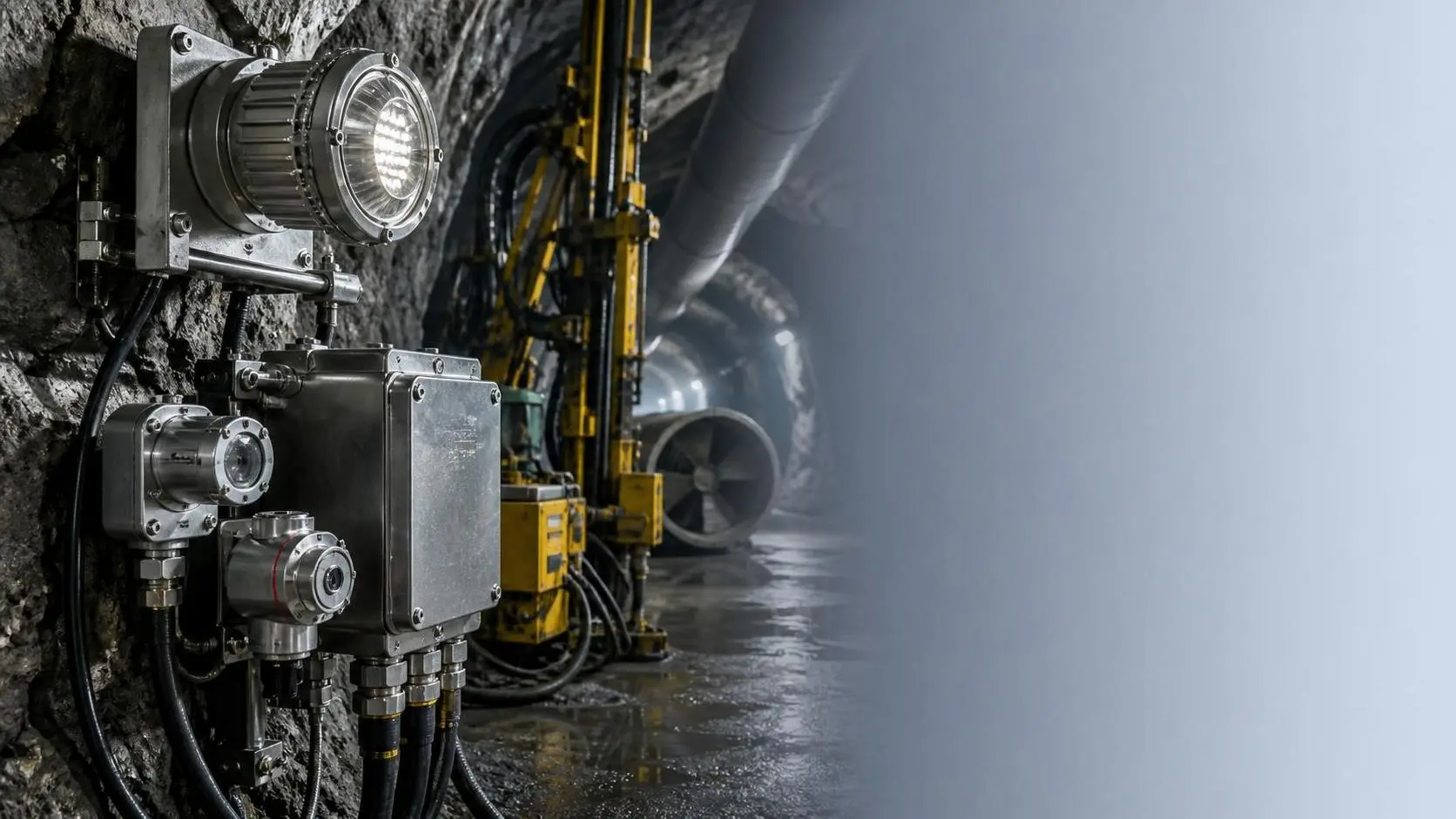
Flameproof Underground Safety Equipment: What Mine Teams Should Check Before Buying
Underground Safety Equipment flameproof buying guide: learn how mine teams should verify certification, durability, serviceability, and supplier support before purchase.
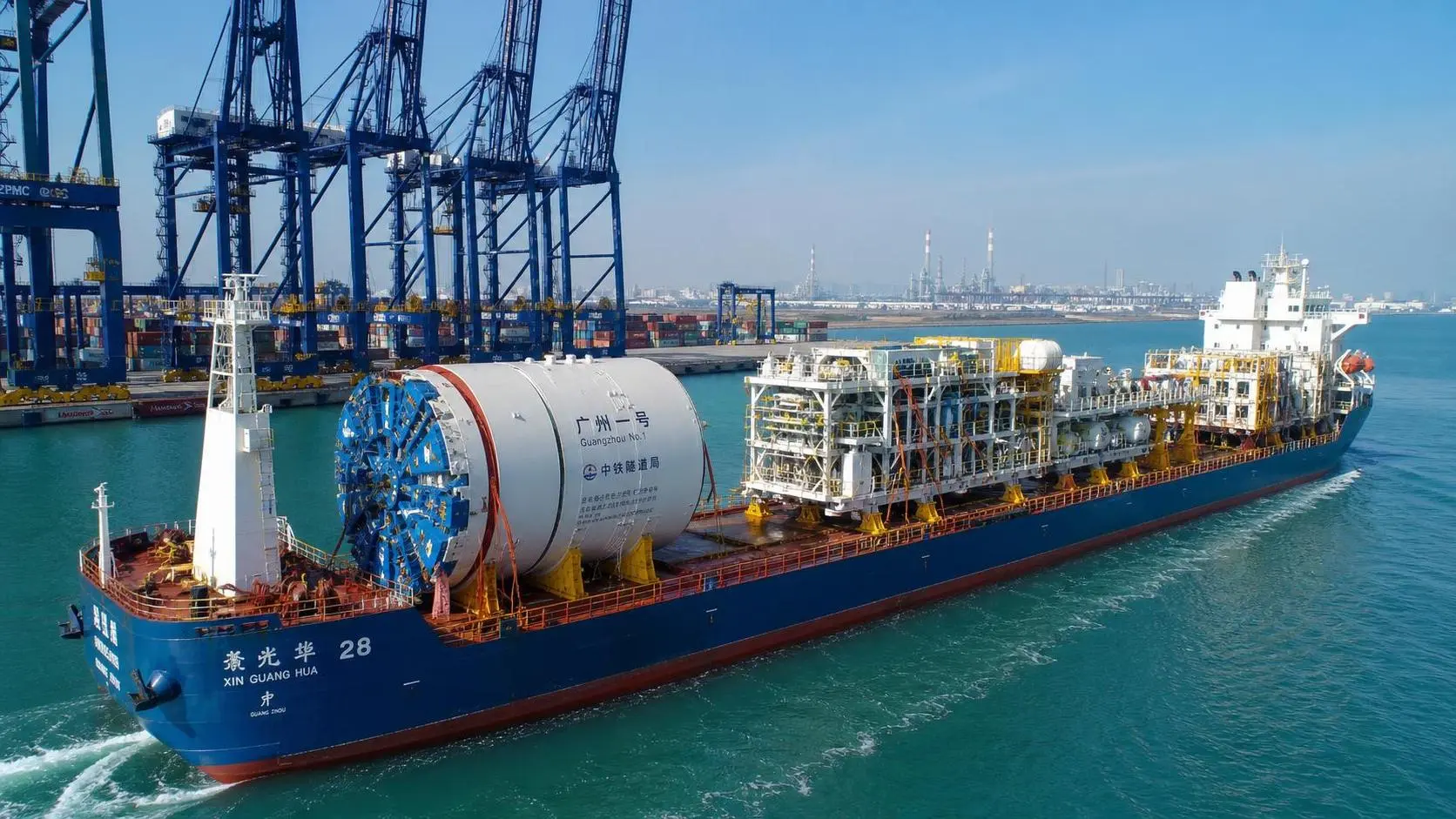
China-UAE Direct Sea Route Cuts TBM and Large Tunneling Equipment Lead Times
China-UAE direct sea route shortens TBM and large tunneling equipment lead times by 12–15 days, improving delivery predictability for major infrastructure projects. Read the full impact.
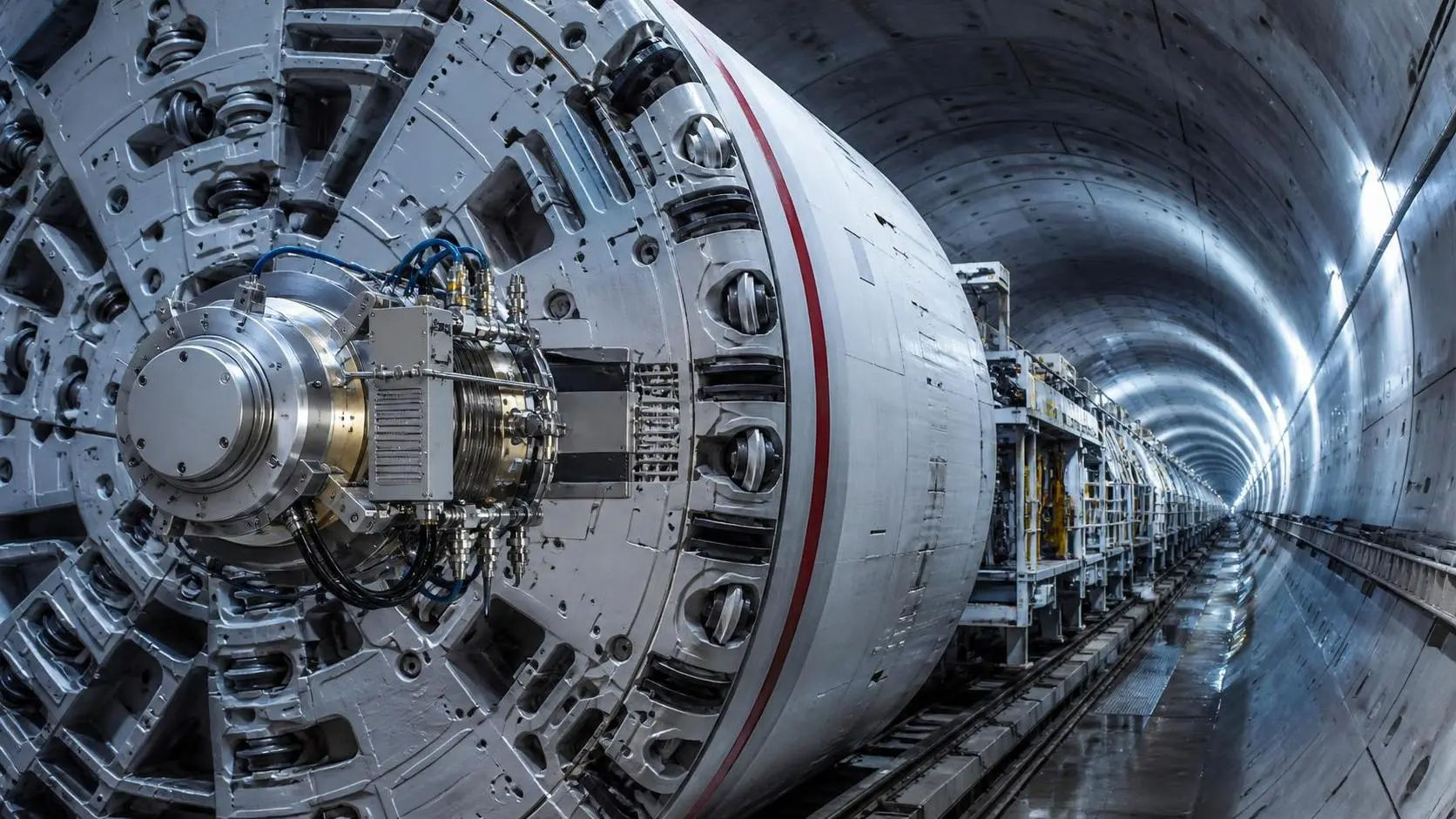
What Is a TBM Guidance System Gyroscope, and Why Does It Matter Underground?
TBM Guidance Systems gyroscope improves underground accuracy, reduces drift, and helps tunnel boring machines stay on line in harsh conditions.

China to Roll Out Nationwide Local and Foreign Currency Cash Pools for Multinationals on Sept. 14
China will roll out nationwide local and foreign currency cash pools for multinationals on Sept. 14, streamlining cross-border treasury management and boosting liquidity efficiency.
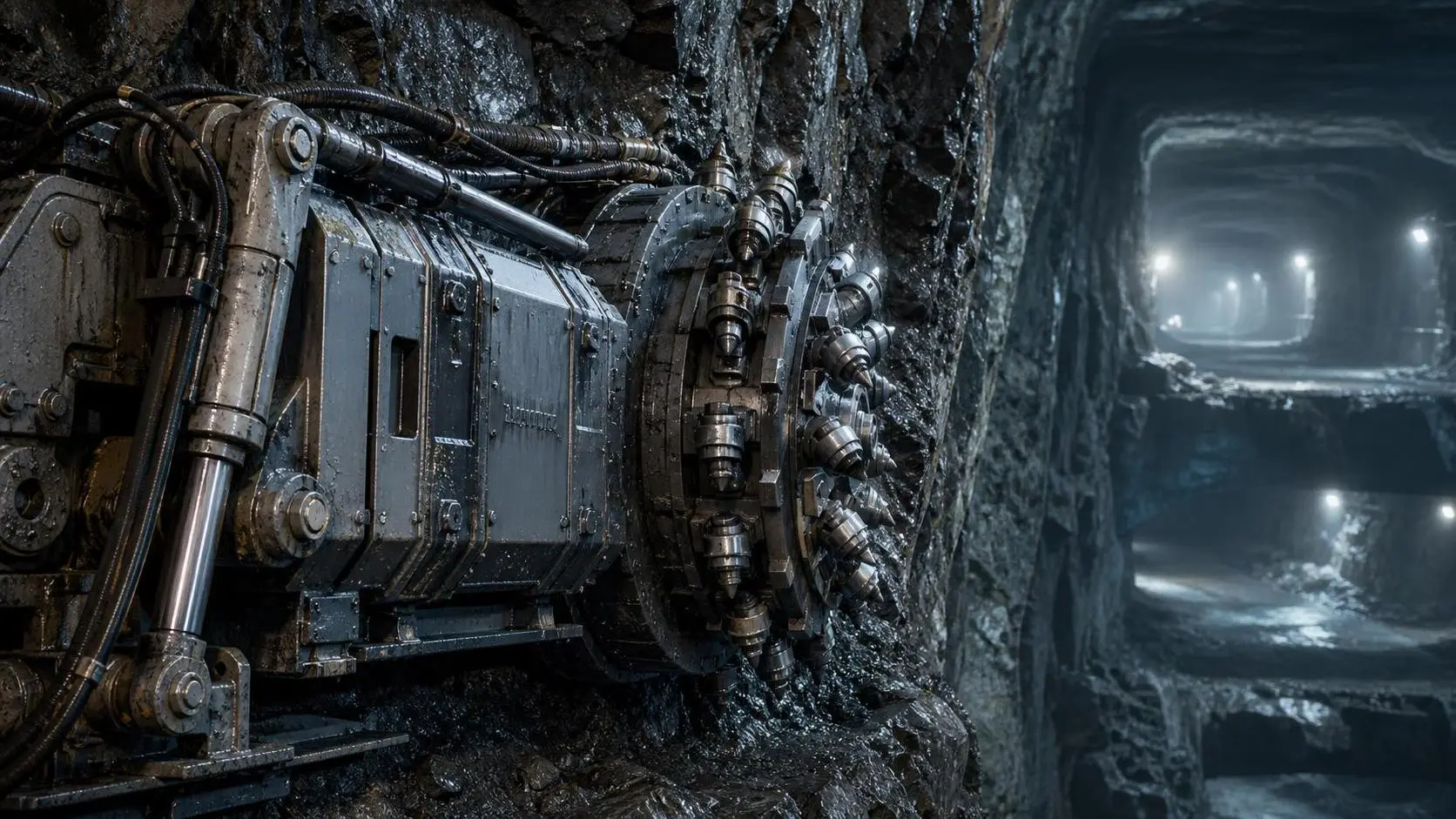
How to Choose a Reliable Underground Mining Equipment Supplier for Harsh Site Conditions
Find a reliable underground mining equipment supplier for harsh site conditions with rugged, maintainable solutions that boost uptime, reduce risk, and support long-term production.
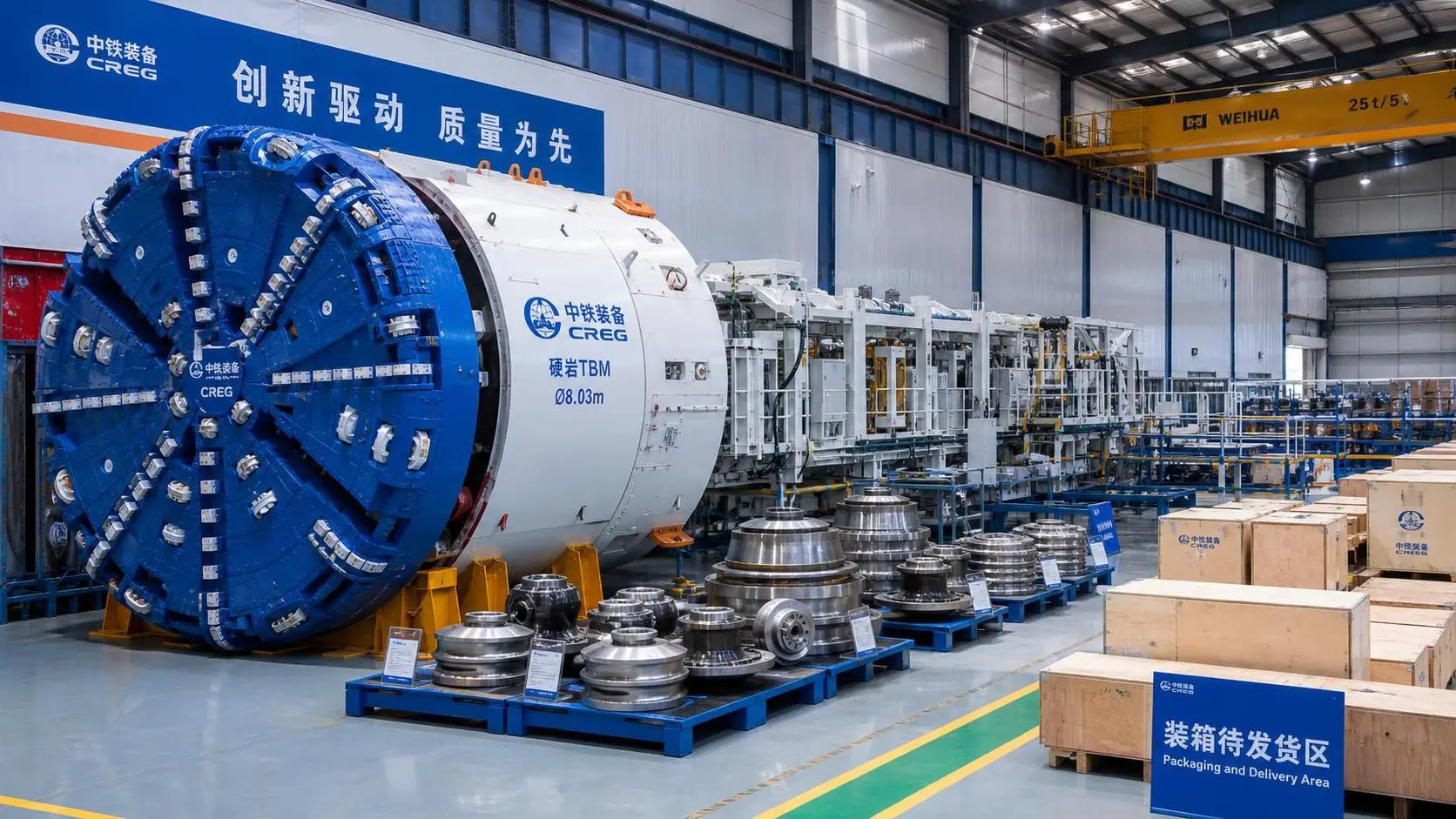
China Customs Tightens TBM Export Checks from Aug. 16
China Customs tightens TBM export checks from Aug. 16, 2026. Learn how new mandatory inspections may affect tunnelling equipment shipments, compliance, and delivery plans.
Related News
- 00
0000-00
What Drives TBM Excavation Cost in Urban Tunneling Projects? - 00
0000-00
What Does Energy Metals Mining in Australia Mean for Supply, Cost, and Project Risk? - 00
0000-00
EU Eases Dual CE and UKCA Path for Chinese Tunnel Boring Equipment - 00
0000-00
Flameproof Underground Safety Equipment: What Mine Teams Should Check Before Buying - 00
0000-00
China-UAE Direct Sea Route Cuts TBM and Large Tunneling Equipment Lead Times
Weekly Insights
Stay ahead with our curated technology reports delivered every Monday.