
Smart Mines: The Operational Risks Behind a Fast Digital Upgrade





Smart Mines promise faster productivity, cleaner operations, and stronger data visibility, but a rushed digital upgrade can expose serious operational risks. For quality control and safety managers, the real challenge is not adopting more technology—it is ensuring reliability, interoperability, and risk governance underground. This article explores where rapid mine digitalization may fail, how those failures affect safety and asset performance, and what practical controls can keep transformation both efficient and secure.
Why Smart Mines Are Accelerating Faster Than Their Control Systems
Across underground mining and connected heavy equipment environments, the move toward Smart Mines is no longer a slow modernization program. It is being pushed by several overlapping signals: tighter ESG expectations, pressure to improve labor safety, growing use of battery-electric fleets, wider deployment of remote operations, and stronger demand for production visibility across dispersed assets. In many operations, digital systems are being layered onto legacy fleets faster than governance frameworks can mature.
This speed matters. A mine can install sensors, fleet management software, wireless communications, autonomous features, and digital maintenance tools within a short period, yet still lack stable data ownership rules, failure-response procedures, or interoperable control logic. For quality control and safety managers, that gap becomes the real risk zone. In practice, the operational problem is not the idea of Smart Mines itself, but the mismatch between digital ambition and underground execution discipline.
The trend is especially relevant in operations using underground LHD loaders, drilling jumbos, electric haulage systems, and integrated transport networks. As more machines become connected, mines gain more data but also inherit more dependencies. A software fault can now influence dispatching, ventilation coordination, machine availability, operator response time, and maintenance scheduling at the same time. That is a major shift from isolated equipment risk to system-level operational risk.
The Main Trend Signal: Digital Expansion Is Moving from Pilot Zones to Critical Production Areas
One important industry change is that Smart Mines are no longer confined to innovation showcases or small pilot corridors. Digital tools are moving into production-critical areas such as ore haulage, drilling accuracy control, underground traffic management, battery swapping coordination, and condition-based maintenance. When digital systems begin influencing these core functions, downtime and safety consequences become far more serious.
For example, a mine may connect vehicle telemetry to maintenance planning to reduce unplanned stoppages. That sounds efficient, but if data quality is inconsistent, alarms are poorly prioritized, or vendor systems use incompatible definitions of machine health, teams may act on false confidence. In Smart Mines, bad data can be more dangerous than missing data because it creates the appearance of control while concealing emerging instability.
This trend is central to Smart Mines because digital maturity is often judged by deployment scale, while actual resilience depends on exception handling. Quality and safety leaders should therefore focus less on how many systems are installed and more on whether failure modes are known, tested, and governed.
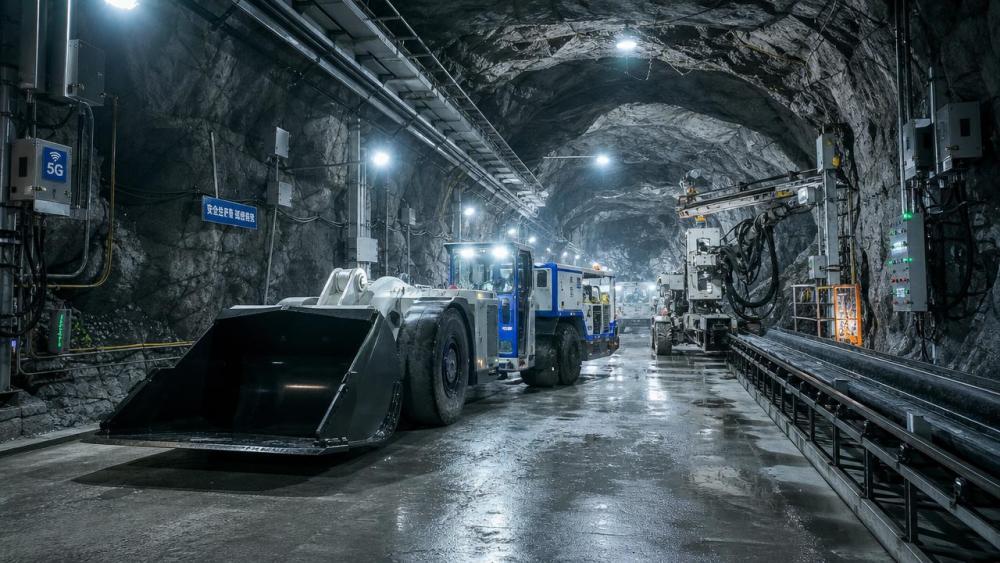
What Is Driving the Fast Upgrade in Smart Mines
Several drivers explain why Smart Mines are expanding quickly. First, underground labor constraints are making remote operation and task automation more attractive. Mines want to reduce human exposure in high-risk headings, loading zones, and haulage routes. Second, energy transition minerals such as copper, nickel, and lithium are increasing pressure on output reliability, which encourages tighter digital coordination across equipment and planning systems.
Third, electrification is changing how mines think about equipment management. Battery-electric LHDs, electric haul trucks, and digitally monitored auxiliary systems produce new types of operational data. These data streams can support better decisions, but they also require new standards for verification, calibration, and alarm logic. Fourth, executive teams increasingly expect mines to report measurable gains in uptime, emissions, and maintenance efficiency. That can compress implementation timelines and leave frontline control functions underprepared.
For organizations such as UTMD that observe TBMs, pipe jacking systems, drilling jumbos, mining dump trucks, and underground transport platforms, the common pattern is clear: the deeper and more automated the physical workspace becomes, the more important system integration quality becomes. Underground digitalization is not only about intelligence; it is about reliability under constraint.
Where Operational Risk Usually Appears First
In Smart Mines, risk usually appears first at the interfaces rather than inside individual machines. A loader may work as designed, a positioning system may work as designed, and a dispatch layer may work as designed, yet the interaction among them may still fail under congestion, communication loss, or environmental interference. This is why many digital incidents are not pure equipment defects. They are coordination failures.
Underground conditions make these failures harder to predict. Rock geometry affects communications. Dust, vibration, moisture, and heat affect sensors and connectors. Battery performance may shift with operating cycles. Navigation confidence may drop in repetitive tunnel layouts. Human operators may overtrust automation during routine production but lose time during non-routine recovery. Each of these conditions can turn a “smart” function into a hidden hazard if the mine does not test degraded-mode behavior.
Three early-warning patterns deserve close attention. The first is alarm inflation, where control rooms receive more signals but less decision clarity. The second is silent degradation, where systems continue operating despite declining data quality. The third is procedural drift, where teams adapt informally to software limitations and create undocumented workarounds. In Smart Mines, these weak signals often appear well before a serious event.
How These Changes Affect Quality Control and Safety Management
For quality control personnel, the digital shift changes what must be verified. Traditional inspection focused on physical condition, dimensional accuracy, wear, and maintenance conformance. In Smart Mines, quality assurance must also cover data integrity, sensor calibration stability, software version traceability, interface compatibility, and logic consistency across systems. A machine can pass mechanical inspection and still fail operationally if its telemetry feeds are inconsistent or its firmware differs from the validated configuration.
For safety managers, the challenge is even broader. Safety now depends not only on guarding, traffic rules, ventilation, and operator competence, but also on cyber-physical reliability. If underground communications fail, if a localization system loses confidence, or if an autonomous zone boundary is misconfigured, the safety consequence may emerge faster than manual controls can recover. This means risk assessments for Smart Mines must include software change control, fallback-state testing, and cross-functional emergency response planning.
The Most Overlooked Weakness: Interoperability Without Governance
Many Smart Mines expand by adding best-of-breed tools from different suppliers. This approach can improve functionality, but it often creates a fragmented operating model. When systems exchange data without shared definitions, mines face version conflicts, duplicate alarms, inconsistent equipment states, and unclear ownership when failures happen. In other words, interoperability without governance can produce a highly connected but weakly controlled mine.
This matters for underground fleets because dispatching, machine health, operator interfaces, and production tracking may all rely on different logic layers. If one vendor defines equipment availability differently from another, reported performance may look better while real readiness declines. If location confidence is not treated consistently, collision-avoidance assumptions may become unreliable. Smart Mines need common operating definitions, not just connected platforms.
How to Judge Whether a Digital Upgrade Is Becoming Unsafe
A fast digital transition is not automatically a bad strategy. The problem begins when deployment speed exceeds verification speed. Quality and safety leaders should watch for specific signs. If software updates are frequent but change records are weak, risk is rising. If operators create unofficial workarounds to keep production moving, risk is rising. If downtime investigations stop at component replacement and never examine interface behavior, risk is rising. And if emergency drills assume network availability, risk is already embedded.
A practical way to judge Smart Mines is to ask whether the mine can operate safely in degraded conditions. Can autonomous or remote equipment revert predictably? Can supervisors identify which data source is authoritative? Can maintenance teams distinguish between sensor error and mechanical fault? Can production continue at reduced pace when one digital layer becomes unavailable? Resilience is a better maturity measure than feature count.
A More Reliable Path: Stage Smart Mines by Control Readiness, Not by Technology Hype
One of the strongest trend-based recommendations is to stage Smart Mines according to control readiness. Instead of rolling out every available digital function at once, mines should expand capability in phases linked to validation depth. A fleet telemetry project, for example, should reach stable data quality and clear response ownership before it is tied to automated maintenance actions or production-critical traffic logic.
This phased approach aligns well with complex underground equipment environments, including those tracked by UTMD, where TBMs, drilling systems, haulage fleets, and tunnel logistics platforms all depend on precise system behavior under stress. The lesson is consistent: digital capability should expand only when operational control expands with it.
What Safety and Quality Teams Should Prioritize Now
For the next stage of Smart Mines, quality control and safety management should prioritize five practical actions. First, build a formal critical-data register that identifies which data streams influence safety, maintenance, dispatch, and compliance decisions. Second, treat software and firmware changes with the same seriousness as physical modifications. Third, test failure scenarios that reflect real underground conditions, including communication loss, sensor disagreement, and degraded navigation confidence.
Fourth, require vendor interoperability reviews before scaling integrated systems. Mines should know how alerts, timestamps, machine states, and command hierarchies are defined across platforms. Fifth, strengthen feedback loops from operators and maintainers. In many Smart Mines, frontline staff detect unstable system behavior long before dashboards show clear evidence. Their observations should be captured as part of formal risk governance rather than dismissed as resistance to change.
The broader trend is clear: the most successful Smart Mines will not be the ones with the most digital tools. They will be the ones that combine automation, electrification, and analytics with disciplined validation, transparent governance, and credible recovery planning. That is where long-term safety, uptime, and asset value converge.
Final Judgment: Smart Mines Need Controlled Maturity, Not Just Fast Adoption
Smart Mines are reshaping how underground operations manage productivity, emissions, maintenance, and workforce exposure. The direction is real, and the opportunity is significant. Yet the operational risks behind a fast digital upgrade are equally real, especially when integration outruns governance. For quality control and safety managers, the central question is no longer whether digitalization is coming. It is whether each layer of digitalization can be trusted under pressure.
If an enterprise wants to judge how Smart Mines will affect its own business, it should confirm a few questions immediately: Which systems are now safety-critical because of digital dependence? Where are the weakest interfaces between vendors, fleets, and control rooms? Which degraded-mode scenarios have not been tested? And which data sets are being used for decisions without strong validation? The answers to those questions will reveal whether the upgrade path is merely fast—or genuinely resilient.
Related News
Tunnel Boring Machine Costs: Budgeting for Purchase, Operation, and Project Risk
Tunnel Boring Machines cost more than purchase price. Learn how to budget lifecycle costs, downtime, logistics, wear, and project risk for smarter TBM decisions.
Open-Pit Haulage Cost Analysis: How Mine Managers Can Cut Cost per Tonne
Open pit haulage cost analysis: discover practical ways to reduce cost per tonne through payload control, cycle-time optimization, road performance, and smarter fleet decisions.
Tunnel Construction Innovations That Reduce Risk and Schedule Delays on Urban Projects
Tunnel construction innovation for urban projects: discover smarter TBMs, real-time monitoring, trenchless methods, and automation that reduce risk and protect schedules.
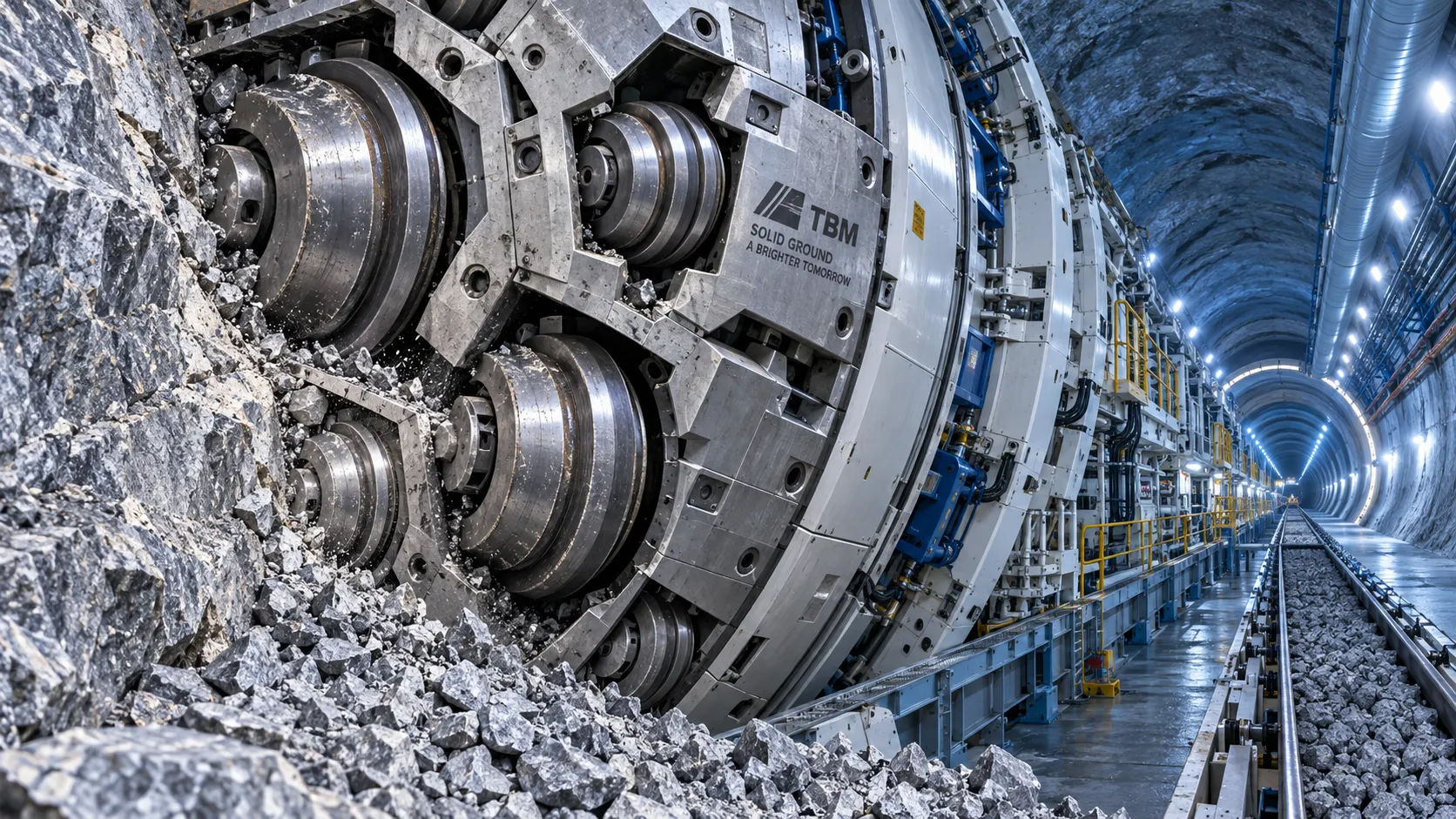
TBM Disc Cutter Design: Key Geometry and Load Factors for Hard Rock Tunnelling
TBM disc cutter design explained: explore geometry, spacing, load distribution and maintenance factors for reliable, efficient hard-rock tunnelling performance.
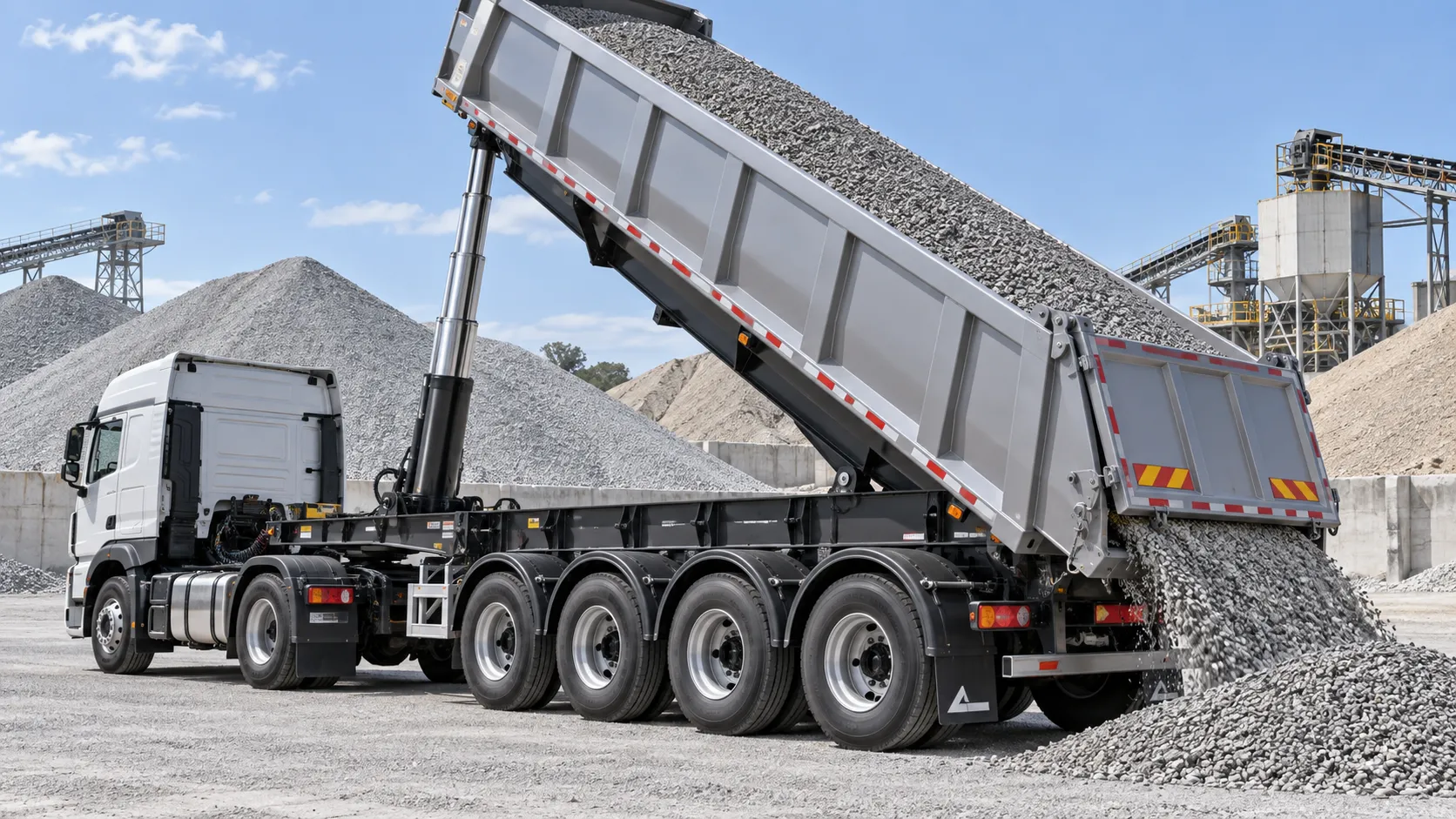
Hydraulic Tipping Stability Risks in Multi-Axle Dump Special Trailers
Dump special trailers: discover key hydraulic tipping stability risks, multi-axle load dynamics, and practical safety controls for safer, smarter bulk hauling.
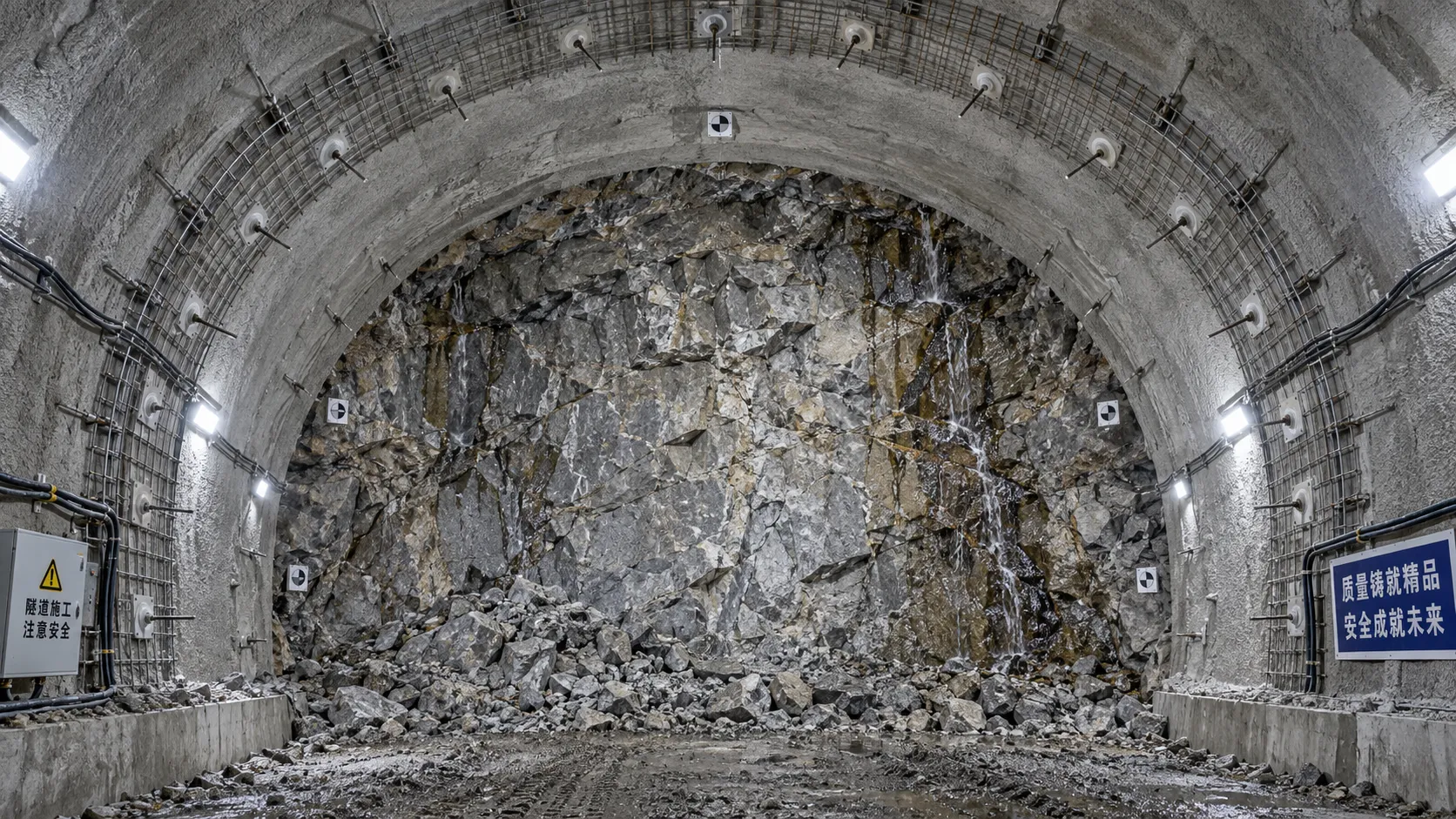
When rock reinforcement in tunnel construction must change after blasting
Rock reinforcement in tunnel construction must change when blasting reveals overbreak, weak joints, water inflow, or deformation. Discover key post-blast support decisions.
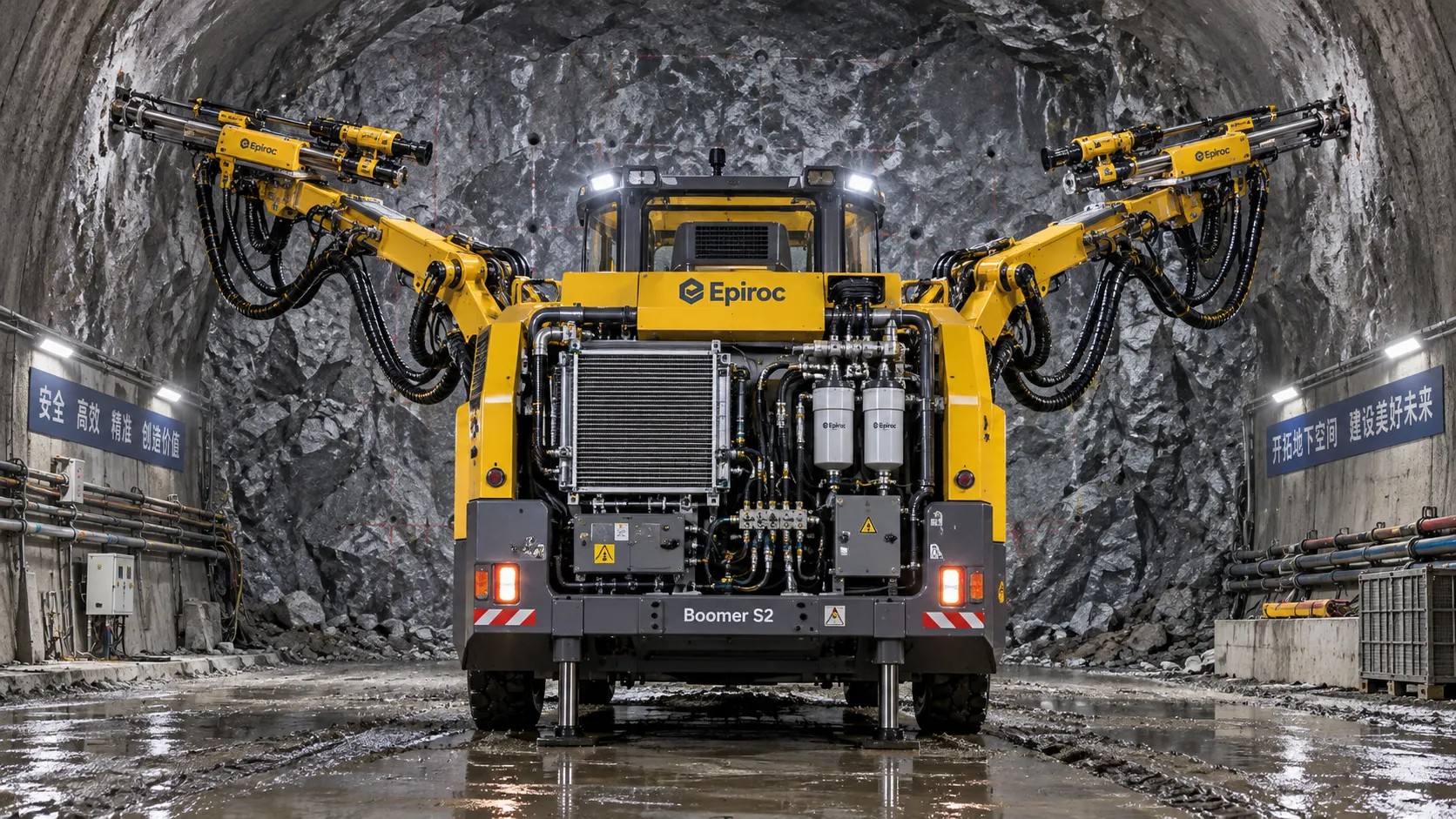
How tunnel hydraulic systems influence drill jumbo uptime underground
Tunnel hydraulic systems directly influence drill jumbo uptime. Explore how stable pressure, clean oil, cooling, and maintainable design reduce underground downtime.
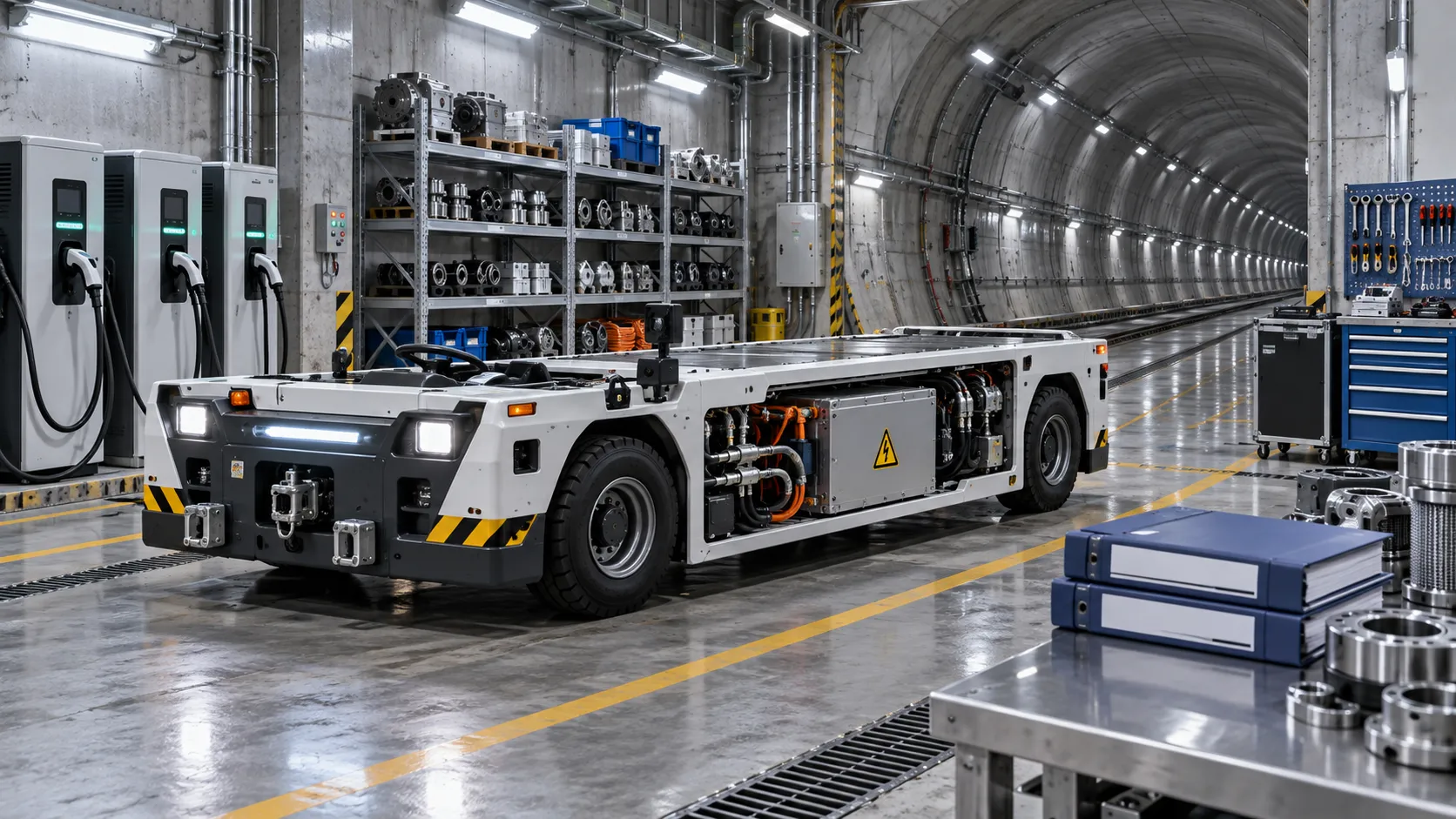
What to verify before appointing a tunneling vehicles manufacturer
Choosing a tunneling vehicles manufacturer? Verify application fit, reliability, compliance, parts support, training, and channel terms before appointing a partner.
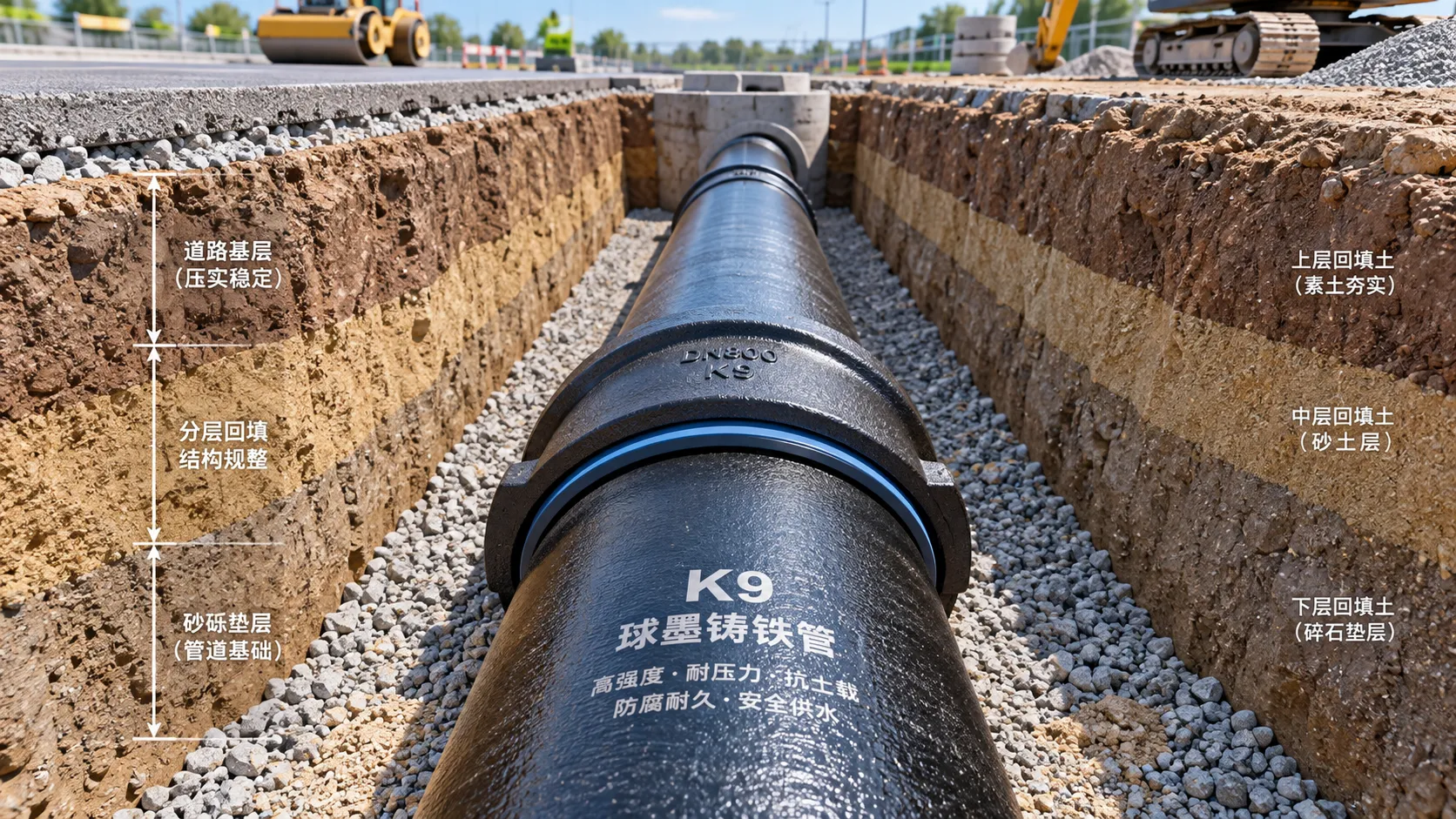
Selecting K9 Ductile Iron Pipe for Buried Water Pipeline Conditions
K9 ductile iron pipe selection for buried water pipelines: compare pressure duty, joints, soil loads, corrosion protection, and installation controls for reliable long-term performance.
Related News
- 00
0000-00
Tunnel Boring Machine Costs: Budgeting for Purchase, Operation, and Project Risk - 00
0000-00
Open-Pit Haulage Cost Analysis: How Mine Managers Can Cut Cost per Tonne - 00
0000-00
Tunnel Construction Innovations That Reduce Risk and Schedule Delays on Urban Projects - 00
0000-00
TBM Disc Cutter Design: Key Geometry and Load Factors for Hard Rock Tunnelling - 00
0000-00
Hydraulic Tipping Stability Risks in Multi-Axle Dump Special Trailers
Weekly Insights
Stay ahead with our curated technology reports delivered every Monday.