
APEC Auto Dialogue Confirms Semi-Solid Batteries in Mass Production for EV Mining Trucks





APEC’s 43rd Automotive Dialogue, held on May 12, 2026, in Shanghai, confirmed that semi-solid-state batteries have entered mass production and are now deployed in commercial electric mining trucks — with 15-minute 80% fast charging also operational. This development directly affects stakeholders in electric heavy-duty transport, battery supply chains, and global mining equipment markets, particularly those operating in extreme-heat, arid environments such as Australia’s Pilbara region and Chile’s Atacama Desert.
Event Overview
On May 12, 2026, the Ministry of Industry and Information Technology (MIIT) announced at the APEC 43rd Automotive Dialogue in Shanghai that semi-solid-state batteries have achieved mass production and are being installed in electric vehicles for real-world operation. The announcement included confirmation of functional 15-minute 80% fast-charging capability. As a specific application example, the 90-ton electric rigid haul truck jointly developed by CATL and XCMG was cited as an early adopter benefiting from improved thermal management and energy replenishment efficiency under high-temperature, low-humidity conditions.
Industries Affected
Electric Heavy-Duty Vehicle OEMs & Tier-1 Suppliers
These manufacturers face accelerated validation timelines for export models targeting harsh-climate mining regions. The confirmed thermal resilience and rapid charging performance reduce technical risk in customer acceptance processes — especially where ambient temperatures exceed 45°C and grid infrastructure is limited.
Battery Component & Materials Producers
Suppliers of solid electrolytes, high-voltage cathodes (e.g., nickel-rich NMC), and thermally stable separators may see increased qualification activity. The shift toward semi-solid systems implies stricter tolerances for moisture control, interfacial stability, and high-rate cycling durability — all critical for mining duty cycles.
Mining Equipment Importers & Distributors
Importers serving Australian, Chilean, and other arid-region mining operators now face shorter technical due diligence windows. With MIIT’s confirmation, regulatory and fleet procurement teams may accelerate pilot deployments — but only for configurations explicitly validated under comparable environmental stress profiles.
Global Charging Infrastructure Providers
Providers deploying DC fast-charging stations near remote mining sites must align power delivery specifications (e.g., peak voltage, cooling capacity, and protocol compatibility) with the 15-minute 80% charge requirement. This includes verifying thermal derating behavior during back-to-back charging events in ambient temperatures above 40°C.
What Relevant Enterprises or Practitioners Should Focus On
Monitor official technical documentation releases from MIIT and APEC working groups
While the event confirmed deployment, detailed test protocols, safety certification pathways, and environmental validation criteria remain pending. These documents will define acceptable operating envelopes for overseas use — particularly regarding maximum sustained discharge rate, thermal shutdown thresholds, and cycle life under partial-state-of-charge operation.
Track validation status for specific vehicle-battery configurations in target markets
The 90-ton CATL–XCMG truck serves as a reference case, not a universal standard. Enterprises should verify whether their own or partner vehicle platforms have completed equivalent third-party testing in Pilbara- or Atacama-simulated conditions — including dust ingress, thermal soak, and repeated fast-charge cycling.
Distinguish between policy signal and field-ready implementation
This announcement reflects a milestone in domestic industrial readiness, not automatic global regulatory acceptance. For example, UN GTR 20 (electric vehicle safety) and IEC 62660-3 (battery reliability) compliance remain mandatory for export — and no alignment announcements were made at the Dialogue. Enterprises should treat this as a supply chain readiness indicator, not a market access trigger.
Prepare thermal and logistics contingency plans for battery-integrated equipment shipments
Semi-solid batteries retain higher sensitivity to temperature extremes during transit than conventional lithium-ion. Shippers should review packaging standards, monitor ambient exposure during air/sea freight, and confirm warehouse storage protocols at destination ports — especially in tropical or desert climates where pre-delivery conditioning may be required.
Editorial Perspective / Industry Observation
Observably, this confirmation functions primarily as a supply chain maturity signal — not yet a full-scale market inflection point. It validates that Chinese battery and vehicle integrators have crossed a key engineering threshold: achieving stable electrochemical performance under sustained high-power draw and elevated ambient heat. However, international adoption hinges less on domestic verification and more on independent, jurisdiction-specific validation. Analysis shows that the impact is currently strongest for procurement planning and technical roadmap alignment — not immediate sales acceleration. From an industry perspective, the most consequential implication is shortened time-to-validation for new entrants targeting arid-region mining electrification; yet parallel progress in local grid support, service network buildout, and spare-part logistics remains uncaptured by this announcement.
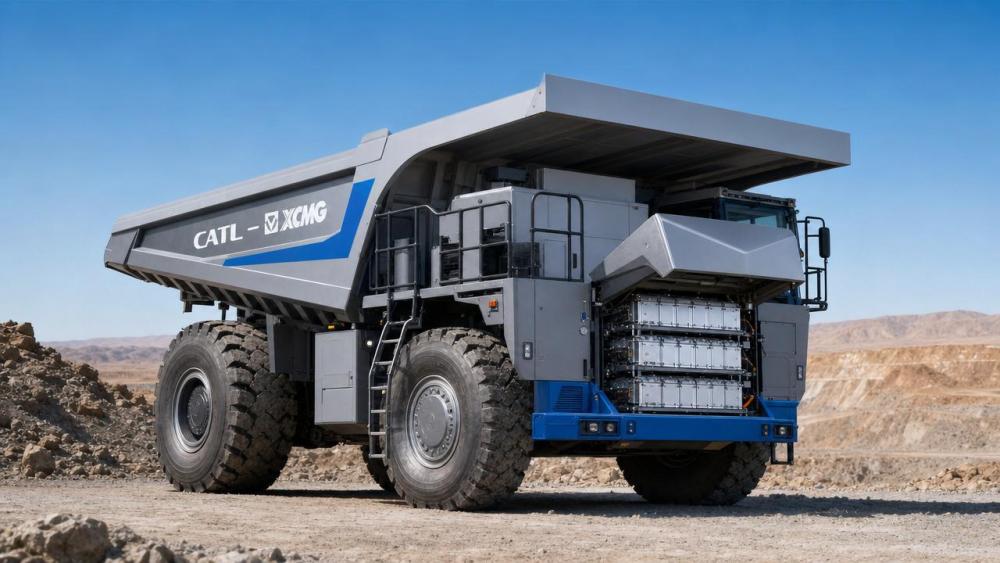
In summary, the APEC Automotive Dialogue outcome confirms a functional advancement in semi-solid battery integration for extreme-duty EV applications — but its practical influence remains constrained to supply chain coordination, technical benchmarking, and early-stage export feasibility assessment. It is better understood as a calibrated step in industrial capability demonstration rather than a broad-based market catalyst.
Source: Ministry of Industry and Information Technology (MIIT), APEC Secretariat – 43rd Automotive Dialogue Official Summary (May 12, 2026).
Note: Technical specifications, international certification status, and regional regulatory alignment remain subject to ongoing verification and are not covered in the official summary.
Related News
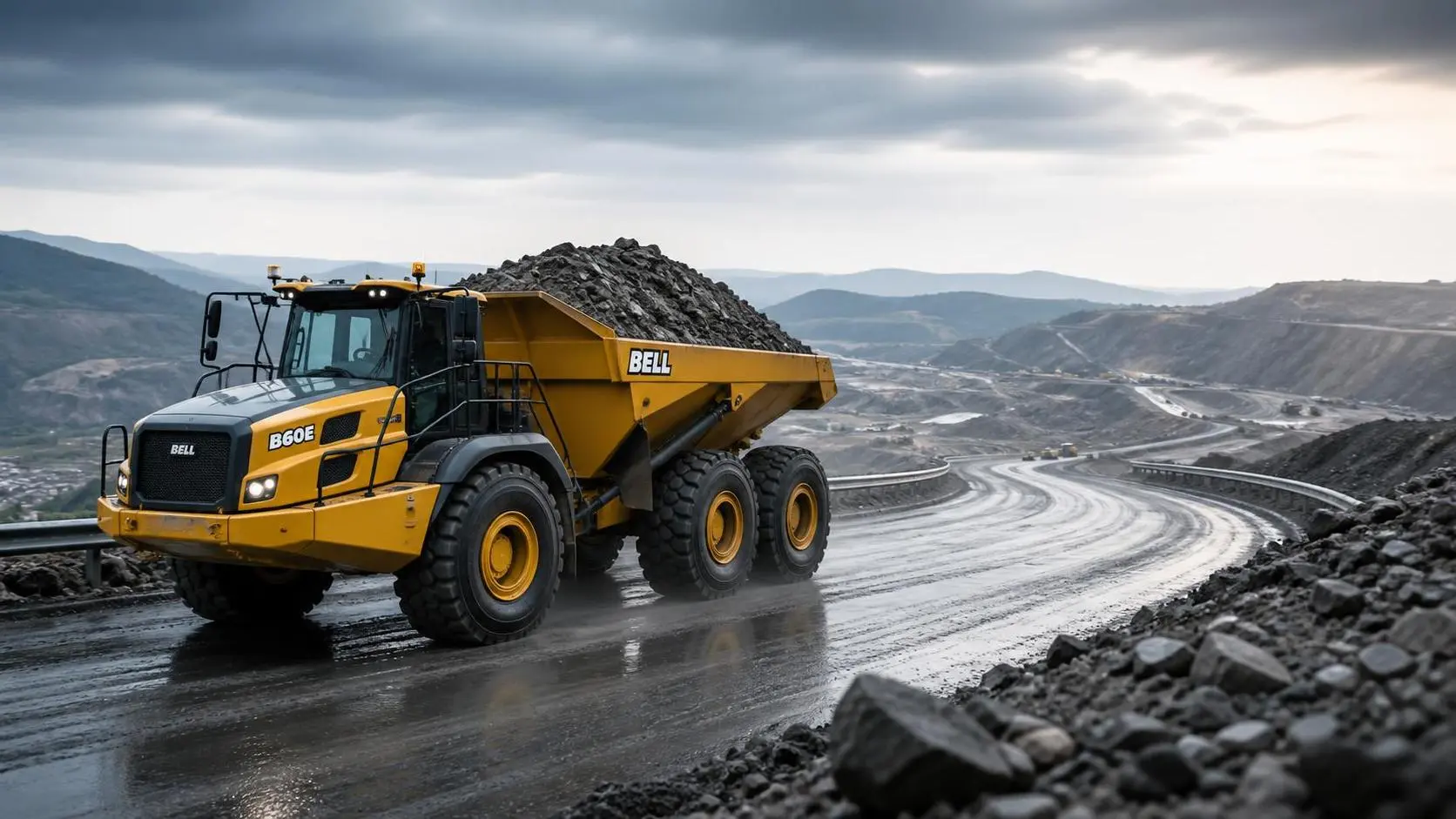
How to Evaluate Articulated Dump Trucks Payload for Haul Road Conditions and Cycle Efficiency
Articulated Dump Trucks payload evaluation starts with real haul road conditions, not brochure numbers. Learn how to balance payload, traction, grades, and cycle efficiency for safer, higher output.
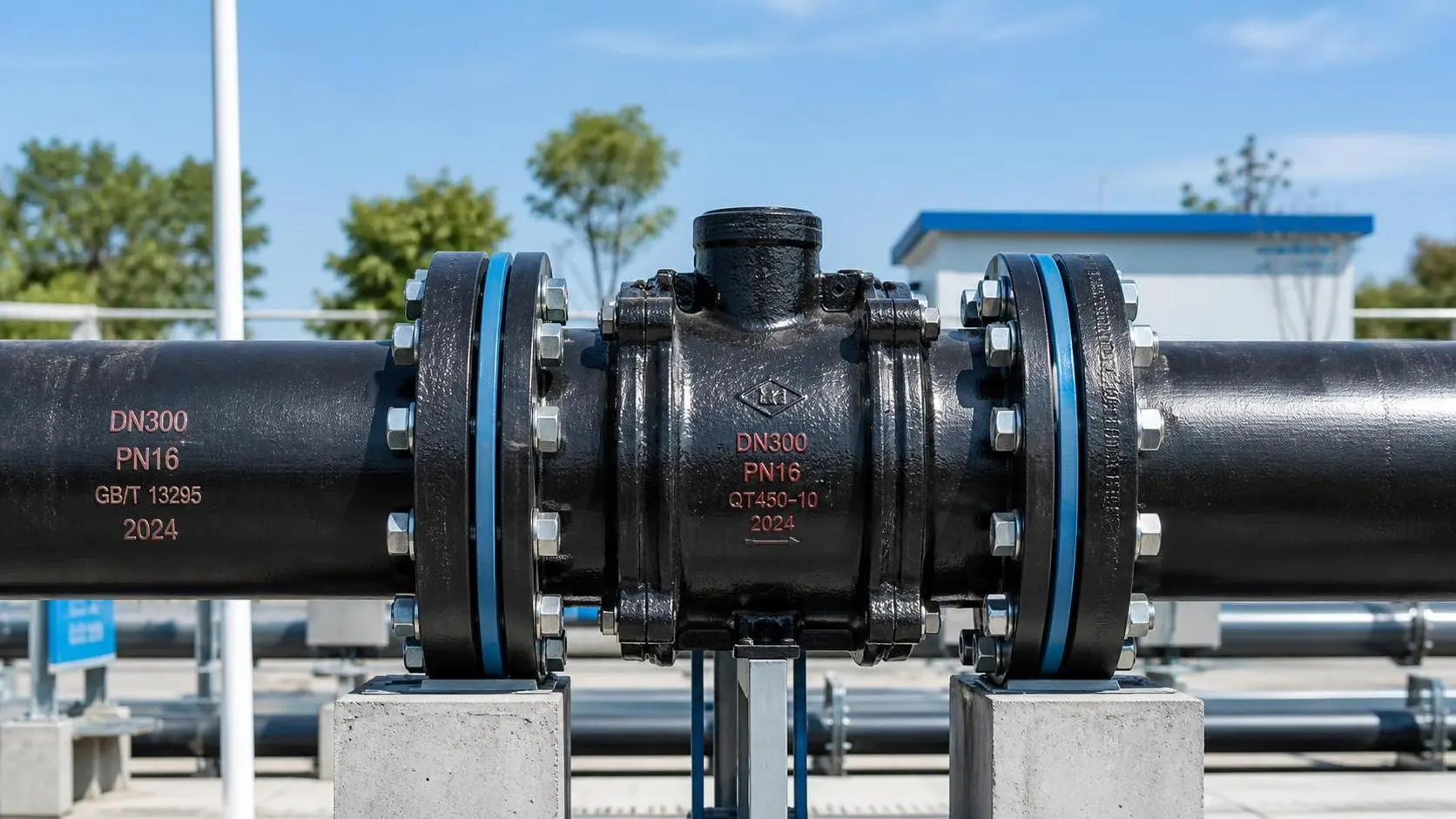
How Pipe Fittings Material and Pressure Class Affect Water Line Selection
Pipe fittings selection starts with material and pressure class. Learn how these factors affect water line reliability, corrosion resistance, installation, and long-term cost.
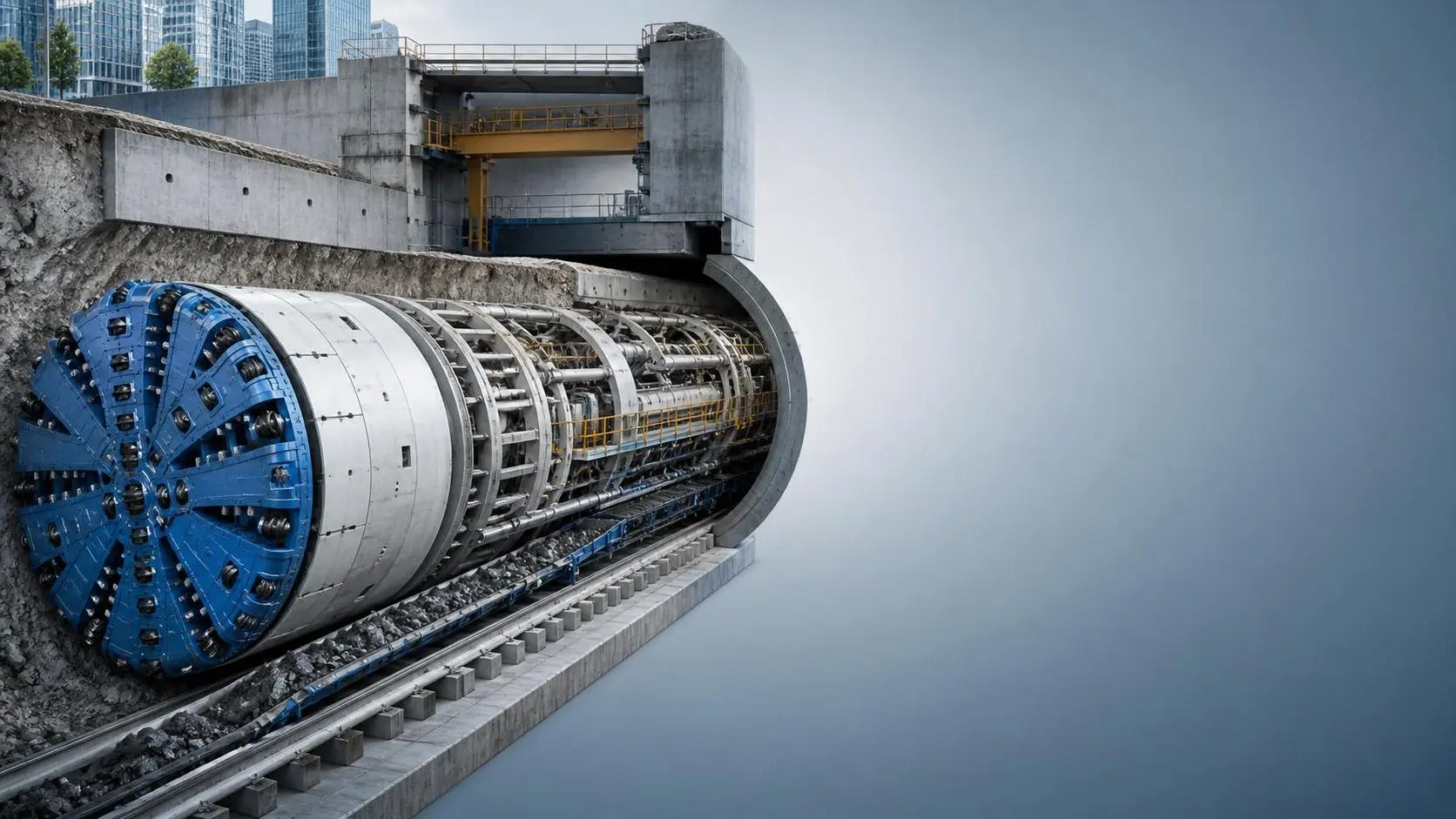
What Drives TBM Excavation Cost in Urban Tunneling Projects?
tbm excavation cost in urban tunneling depends on geology, shafts, segment lining, logistics, and risk. Discover the key cost drivers and compare bids with greater confidence.
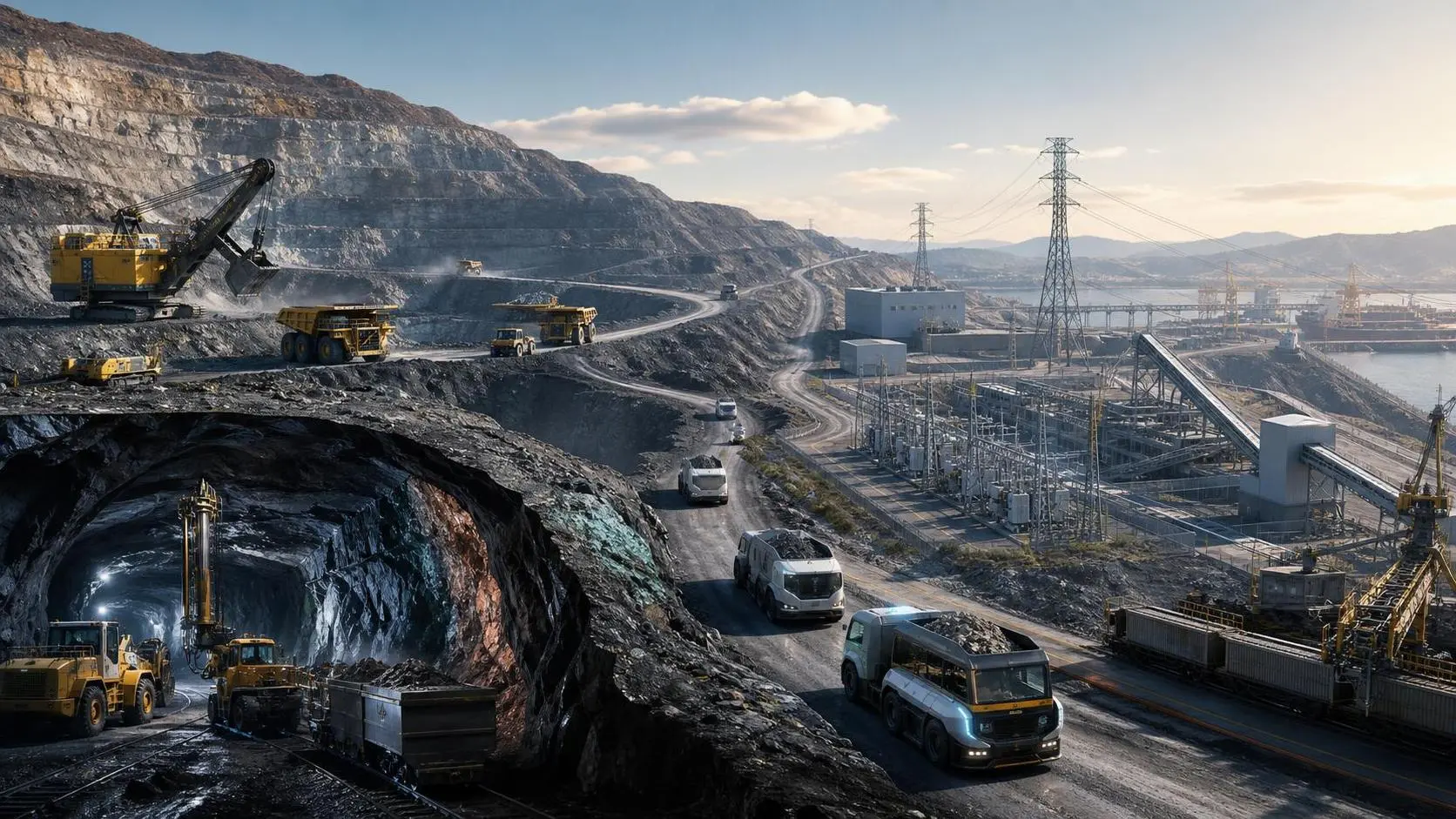
What Does Energy Metals Mining in Australia Mean for Supply, Cost, and Project Risk?
Energy metals mining Australia is reshaping supply, cost, and project risk. Discover what it means for buyers, investors, and operators.
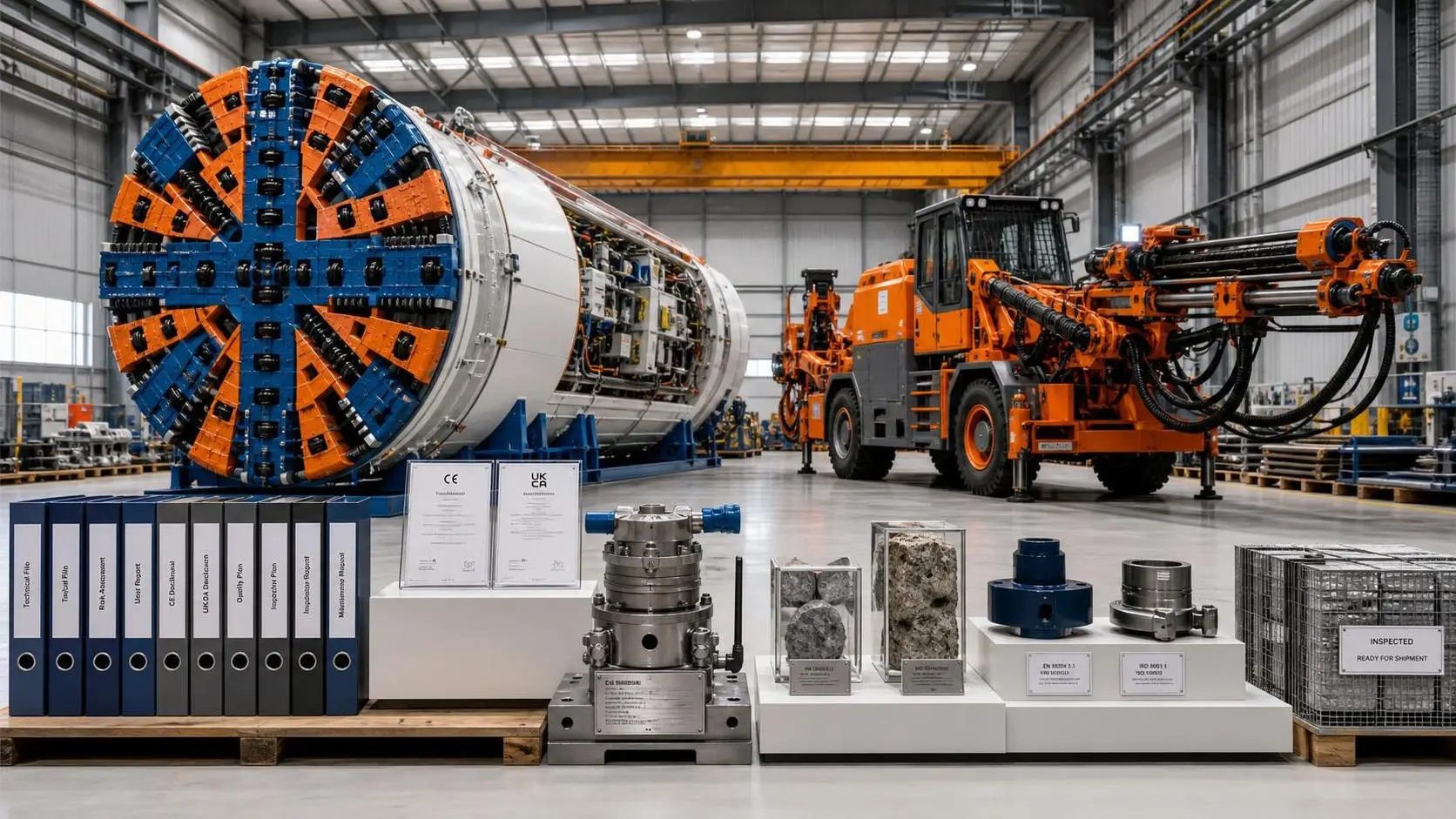
EU Eases Dual CE and UKCA Path for Chinese Tunnel Boring Equipment
EU eases CE and UKCA certification for Chinese tunnel boring equipment, cutting compliance time and helping importers move faster.
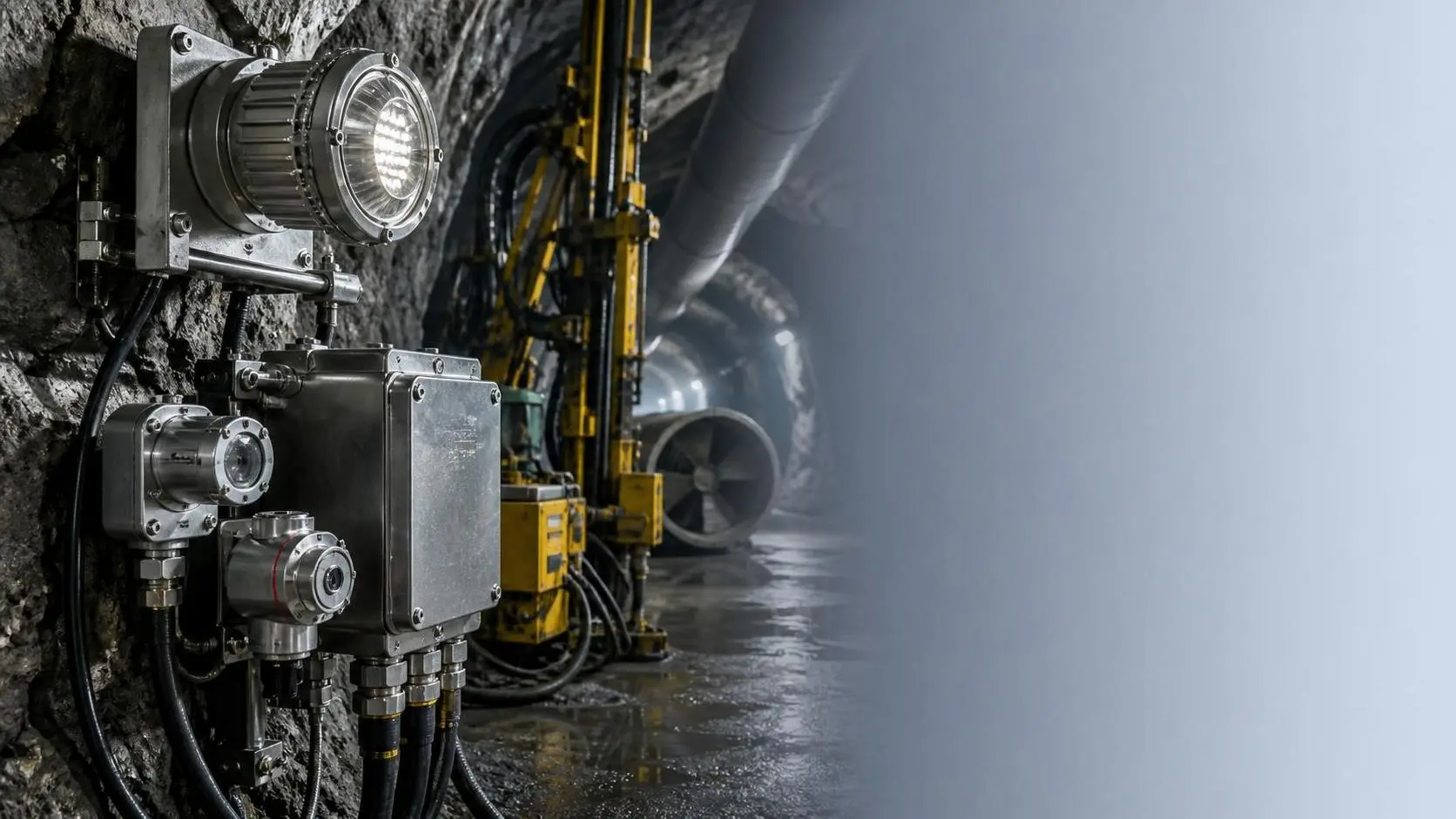
Flameproof Underground Safety Equipment: What Mine Teams Should Check Before Buying
Underground Safety Equipment flameproof buying guide: learn how mine teams should verify certification, durability, serviceability, and supplier support before purchase.
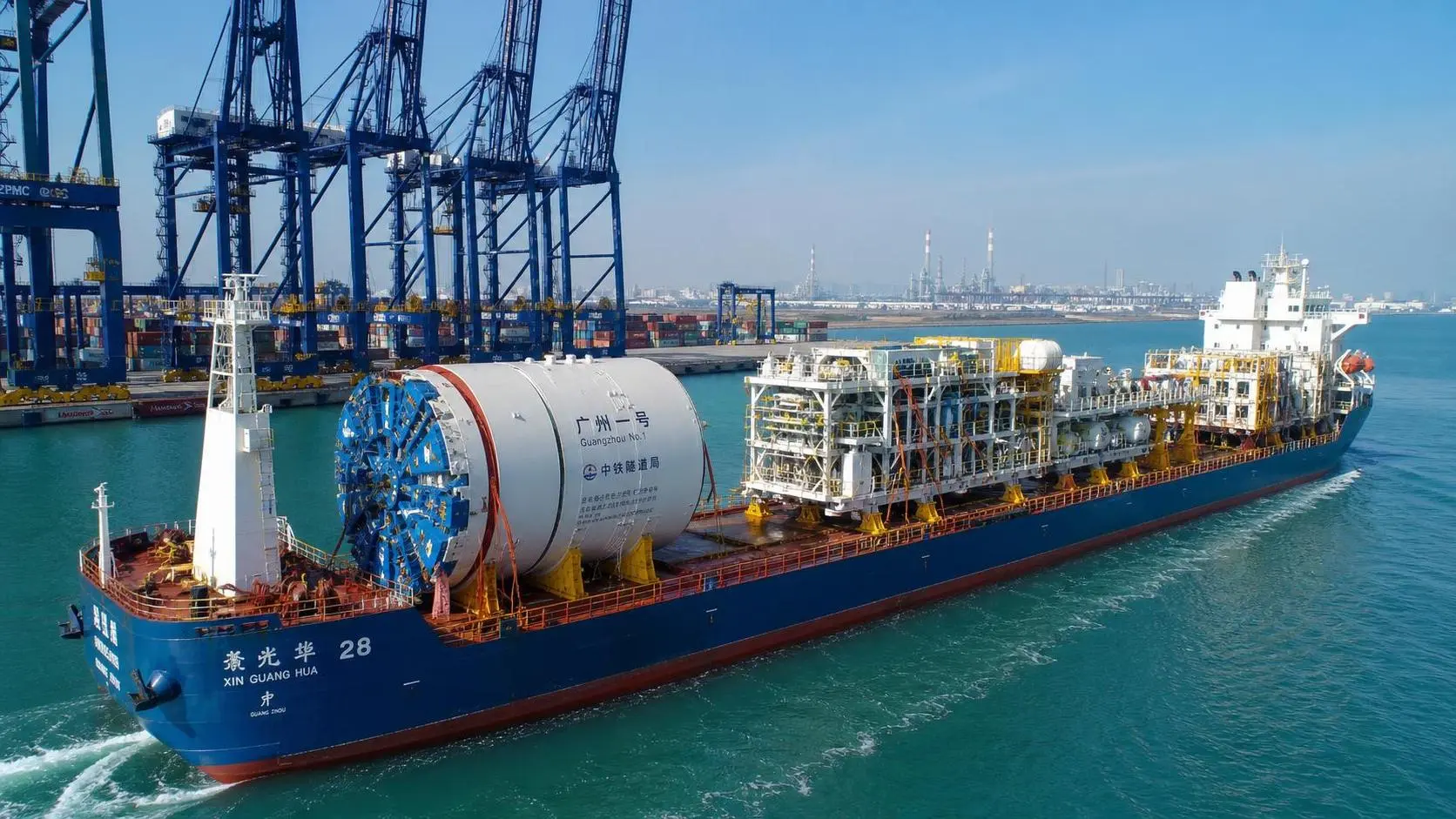
China-UAE Direct Sea Route Cuts TBM and Large Tunneling Equipment Lead Times
China-UAE direct sea route shortens TBM and large tunneling equipment lead times by 12–15 days, improving delivery predictability for major infrastructure projects. Read the full impact.
What Is a TBM Guidance System Gyroscope, and Why Does It Matter Underground?
TBM Guidance Systems gyroscope improves underground accuracy, reduces drift, and helps tunnel boring machines stay on line in harsh conditions.
China to Roll Out Nationwide Local and Foreign Currency Cash Pools for Multinationals on Sept. 14
China will roll out nationwide local and foreign currency cash pools for multinationals on Sept. 14, streamlining cross-border treasury management and boosting liquidity efficiency.
Related News
- 00
0000-00
How to Evaluate Articulated Dump Trucks Payload for Haul Road Conditions and Cycle Efficiency - 00
0000-00
How Pipe Fittings Material and Pressure Class Affect Water Line Selection - 00
0000-00
What Drives TBM Excavation Cost in Urban Tunneling Projects? - 00
0000-00
What Does Energy Metals Mining in Australia Mean for Supply, Cost, and Project Risk? - 00
0000-00
EU Eases Dual CE and UKCA Path for Chinese Tunnel Boring Equipment
Weekly Insights
Stay ahead with our curated technology reports delivered every Monday.