
Zero Emission Mining trends that will shape new fleets





Zero Emission Mining is rapidly reshaping how new fleets are specified, financed, and deployed across underground and surface operations. For dealers, distributors, and agents, understanding these trends means more than following ESG pressure—it means identifying the next wave of demand in battery-electric haulage, smart automation, and high-reliability equipment built for harsh mining environments.
For channel partners serving mining contractors, underground operators, and project developers, the shift is no longer theoretical. In many tenders, fleet discussions now include battery duty cycles, charging or swapping strategy, automation readiness, thermal safety, and digital service capability within the first 3 to 5 procurement checkpoints.
This matters especially in underground mining, where ventilation cost, heat load, diesel particulate exposure, and space constraints directly affect equipment selection. It also matters in surface operations, where haul cycles, grade resistance, and regenerative braking economics are changing how new fleets are evaluated over 5 to 10 years.
For an intelligence-driven platform such as UTMD, which tracks TBMs, pipe jacking systems, drilling jumbos, mining dump trucks, and underground LHD loaders, Zero Emission Mining is not an isolated equipment topic. It sits at the intersection of rock mechanics, electrification, autonomy, service engineering, and replacement demand driven by new mine development and fleet renewal.
Why Zero Emission Mining is becoming a fleet planning priority
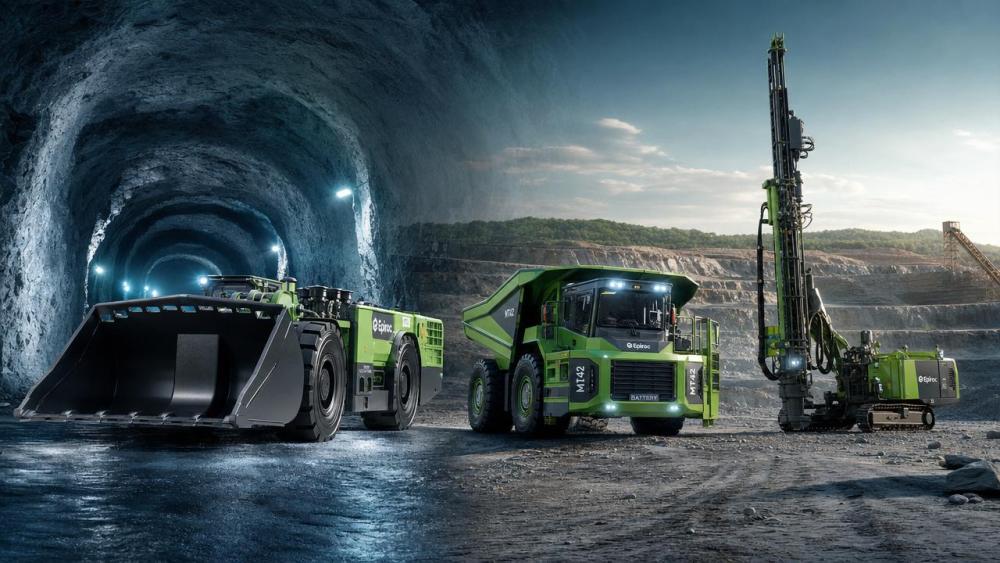
In underground environments, zero-emission equipment addresses three operational pressures at once: lower local exhaust, reduced ventilation dependency, and improved operator conditions. In practical terms, mines often compare diesel and electric fleets across 4 core metrics: energy cost per cycle, ventilation burden, maintenance hours, and equipment availability over a 12-month period.
The strongest demand today is appearing in applications where duty cycles are repetitive and predictable. Underground LHD loaders, battery-electric haul trucks, electric utility vehicles, and certain drilling support fleets are leading adoption because route lengths, ramp gradients, and shift structures can be mapped with reasonable accuracy before commissioning.
The demand signals dealers should watch
Distributors often see the transition first through customer questions rather than signed orders. When buyers start asking about 1 to 2 hour fast-charge windows, battery swap duration below 15 minutes, enclosure protection, high-voltage training, or remote diagnostics response within 24 hours, the market has already moved past basic awareness.
- Requests for ventilation savings analysis during pre-sales discussions
- More RFQs asking for automation-ready electrical architecture
- Growing interest in mixed fleets during a 2 to 4 year transition period
- Higher weighting on uptime support and spare parts stocking plans
Another signal is how procurement teams are redefining total cost. Instead of comparing purchase price alone, many now assess the first 36 months of operation, including infrastructure, charger utilization, battery replacement assumptions, software support, and planned maintenance labor.
The table below highlights how Zero Emission Mining trends are changing fleet specifications across common mining equipment categories relevant to UTMD’s coverage areas and channel sales opportunities.
The key takeaway is that equipment performance is still critical, but specification logic is broadening. Dealers who can connect payload, cycle time, and rock-condition suitability with power architecture and service readiness will be in a stronger position than those selling only machine hardware.
The 5 Zero Emission Mining trends shaping new fleets
Not every operation will adopt the same technology path, but five trends are consistently influencing tenders, demonstrations, and replacement plans. For channel partners, these trends can guide inventory planning, technical training, and partnership strategy over the next 24 to 48 months.
1. Battery-electric haulage is moving from pilot phase to fleet architecture
Battery-electric mining is moving beyond single-unit trials. Buyers now want to know whether a site can support 4, 8, or 12 machines across multiple headings or haul routes. This changes the conversation from “Can one truck run?” to “Can the system sustain two shifts, charging peaks, and redundancy?”
What this means for distributors
Distributors should be ready to discuss charger placement, transformer capacity, cable routing, battery room safety, and swap logistics. In underground mines, a 10-minute delay repeated across 8 swaps per day can materially affect utilization, so site layout knowledge becomes part of the sales value.
2. Battery swapping is gaining ground in confined underground operations
For narrow tunnels and high-throughput headings, battery swapping often solves the uptime problem better than waiting for charge windows alone. In practical deployment models, mines may target swap durations of 10 to 20 minutes and keep 1 additional battery pack for every 3 to 5 production units, depending on cycle intensity.
This favors partners who can support both equipment and battery-handling systems. It also raises demand for training on lifting procedures, pack inspection, connector wear, and thermal incident response.
3. Automation and electrification are being purchased together
A major shift in Zero Emission Mining is that electrification is increasingly bundled with autonomy. Electric fleets are often specified alongside obstacle detection, remote operation, fleet management software, and underground positioning tools such as SLAM-based navigation support. That is especially relevant for LHDs working in repetitive ore passes and drawpoint routes.
For agents and dealers, this means the profitable opportunity may no longer sit in the machine alone. It extends into sensors, software updates, communication hardware, commissioning, and remote troubleshooting contracts lasting 12 to 36 months.
4. Reliability under harsh conditions is becoming the real differentiator
Mining customers accept that electrification changes architecture, but they still expect performance in dust, vibration, water ingress, steep gradients, and temperature fluctuation. In many tenders, the real screening questions concern enclosure protection, cable routing durability, cooling system resilience, and component accessibility during 250-hour or 500-hour service checks.
This is where UTMD’s engineering focus matters. In deep underground spaces, technical credibility depends on understanding not just batteries, but rock-cutting conditions, haul geometry, shock loads, and the service realities of hard-rock operations.
5. Financing models are adapting to fleet transition risk
Customers are increasingly hesitant to absorb all technology risk in one capital purchase. As a result, new fleet discussions may include staged rollouts, performance-linked support agreements, or phased deployment where 20% to 40% of the fleet transitions first. This creates room for dealers who can coordinate OEMs, financing partners, and aftersales support in one package.
The strongest commercial positioning often comes from presenting a transition roadmap rather than a single product quote.
How dealers, distributors, and agents should evaluate supplier readiness
Zero Emission Mining creates opportunity, but it also exposes weak supply chains and underprepared channel networks. A dealer that cannot support commissioning, parts availability, software access, and safety training may lose business even if the machine price is competitive.
A practical 6-point evaluation framework
- Power system maturity: battery chemistry, BMS logic, cooling design, and fault isolation
- Duty-cycle fit: ramp grade, payload class, haul distance, and idle time profile
- Infrastructure burden: charger footprint, grid requirement, swap station complexity
- Service support: spare parts lead time, field technician availability, remote diagnostics
- Safety preparedness: isolation procedures, fire response protocol, operator training hours
- Digital compatibility: telemetry output, fleet software integration, autonomy upgrade path
A reliable benchmark is to ask whether the supplier can support the first 90 days, the first 12 months, and the first major component replacement cycle. If answers are vague at any of those three stages, channel risk is higher than it appears in the proposal.
The following table can help channel partners compare supplier readiness in a structured way during early-stage negotiations and pre-distribution assessments.
The most important conclusion is that Zero Emission Mining sales depend on ecosystem readiness. A technically promising unit can still become a commercial burden if support layers are missing, delayed, or controlled too tightly by the manufacturer.
Common mistakes in zero-emission fleet transition
Many early projects underperform not because the concept is wrong, but because assumptions are incomplete. Dealers who understand the most common planning errors can protect both margin and reputation.
Mistake 1: treating diesel replacement as one-to-one
An electric machine may outperform a diesel unit in responsiveness and torque delivery, but operational equivalence still depends on route profile, battery reserve, ambient conditions, and charging or swapping discipline. One-to-one replacement works in some cases, but not all.
Mistake 2: underestimating infrastructure lead time
Equipment may ship in 3 to 6 months, while electrical upgrades, charger rooms, ventilation redesign, and underground cable work can take longer. If infrastructure planning starts after machine order placement, deployment slippage becomes likely.
Mistake 3: ignoring technician capability
High-voltage service, battery handling, software diagnostics, and remote support procedures require a different skill base than conventional diesel maintenance. A practical training plan often needs 3 levels: operator awareness, maintenance fundamentals, and advanced electrical fault response.
Mistake 4: selling emissions reduction without productivity proof
Procurement teams may welcome decarbonization goals, but production managers still need evidence on tons moved per shift, drilling output, queue time, and planned maintenance impact. The winning sales argument usually combines environmental value with cycle-level productivity logic.
What the next generation of fleets will look like
Over the next few years, the most competitive fleets will likely be mixed, connected, and site-optimized rather than fully standardized. A single mine may operate battery-electric LHDs underground, trolley-assisted or regenerative haulage on ramps, autonomous support units in restricted zones, and digitally monitored drilling assets under one data environment.
That creates clear opportunity for channel partners who understand more than machine sales. The market increasingly rewards those who can advise on fleet architecture, application fit, service planning, and staged investment logic across 2 to 3 deployment phases.
Where UTMD insight becomes commercially useful
UTMD’s coverage of underground engineering and mining transport systems is particularly relevant here. Intelligence on drilling jumbos, EV mining trucks, underground LHDs, TBM-related electrification, and smart control systems helps channel partners translate industry trends into practical market timing, product positioning, and account targeting.
When dealers can connect hard-rock operating reality with Zero Emission Mining strategy, they move from vendor status to advisory relevance. That shift often improves bid quality, shortens technical clarification cycles, and supports stronger aftermarket relationships.
Zero Emission Mining is shaping new fleets through battery-electric haulage, swapping models, automation integration, higher reliability expectations, and more flexible financing structures. For distributors, agents, and dealers, the best opportunity lies in combining technical understanding with service readiness and application-specific guidance.
If you are planning to expand your portfolio in underground or surface mining equipment, now is the time to evaluate where electrified fleets, smart transport systems, and zero-exhaust underground machines fit your market. Contact UTMD to get tailored insights, explore product positioning opportunities, and learn more about practical solutions for the next generation of mining fleets.
Related News
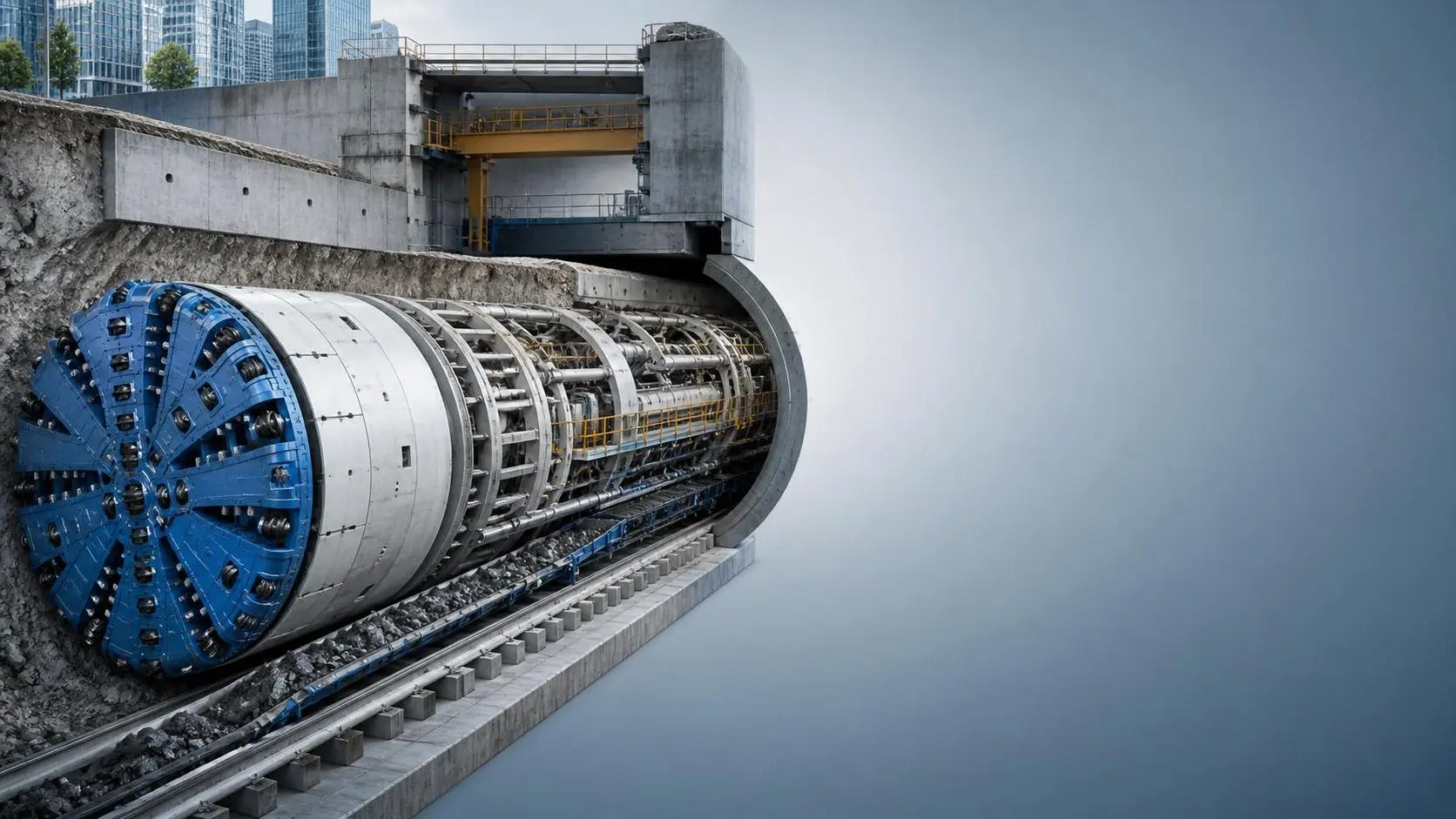
What Drives TBM Excavation Cost in Urban Tunneling Projects?
tbm excavation cost in urban tunneling depends on geology, shafts, segment lining, logistics, and risk. Discover the key cost drivers and compare bids with greater confidence.
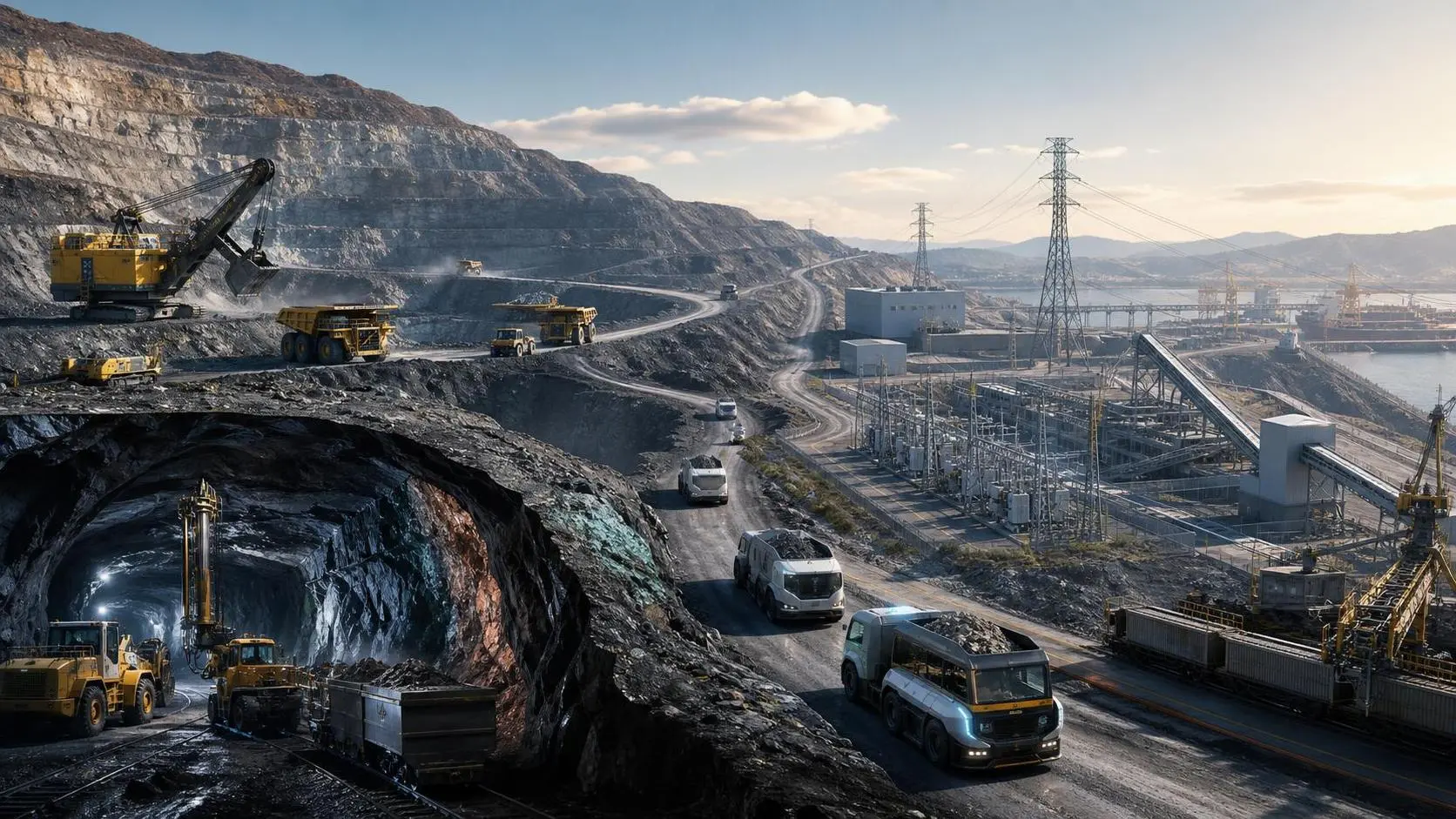
What Does Energy Metals Mining in Australia Mean for Supply, Cost, and Project Risk?
Energy metals mining Australia is reshaping supply, cost, and project risk. Discover what it means for buyers, investors, and operators.
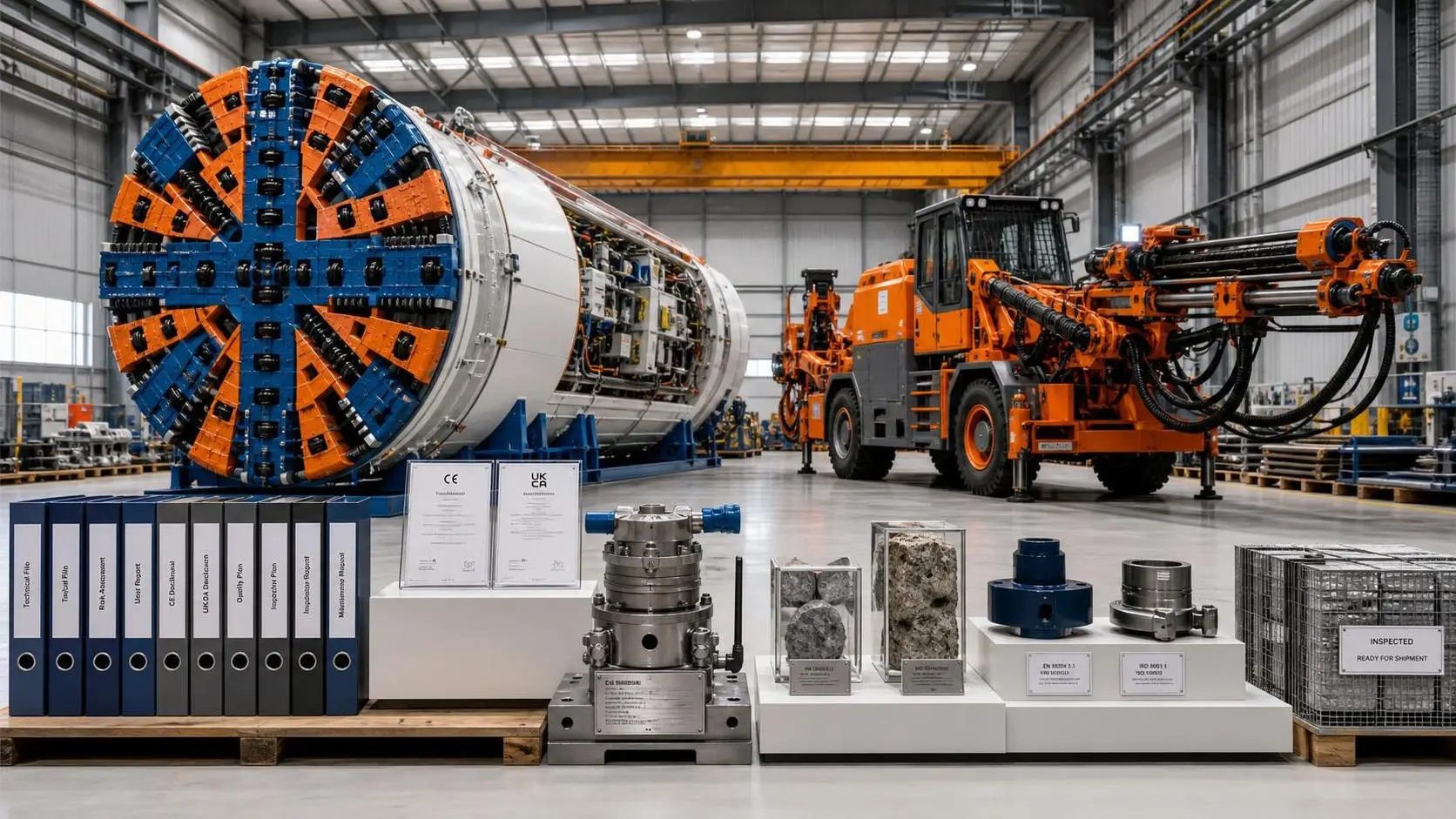
EU Eases Dual CE and UKCA Path for Chinese Tunnel Boring Equipment
EU eases CE and UKCA certification for Chinese tunnel boring equipment, cutting compliance time and helping importers move faster.
Flameproof Underground Safety Equipment: What Mine Teams Should Check Before Buying
Underground Safety Equipment flameproof buying guide: learn how mine teams should verify certification, durability, serviceability, and supplier support before purchase.
China-UAE Direct Sea Route Cuts TBM and Large Tunneling Equipment Lead Times
China-UAE direct sea route shortens TBM and large tunneling equipment lead times by 12–15 days, improving delivery predictability for major infrastructure projects. Read the full impact.
What Is a TBM Guidance System Gyroscope, and Why Does It Matter Underground?
TBM Guidance Systems gyroscope improves underground accuracy, reduces drift, and helps tunnel boring machines stay on line in harsh conditions.
China to Roll Out Nationwide Local and Foreign Currency Cash Pools for Multinationals on Sept. 14
China will roll out nationwide local and foreign currency cash pools for multinationals on Sept. 14, streamlining cross-border treasury management and boosting liquidity efficiency.
How to Choose a Reliable Underground Mining Equipment Supplier for Harsh Site Conditions
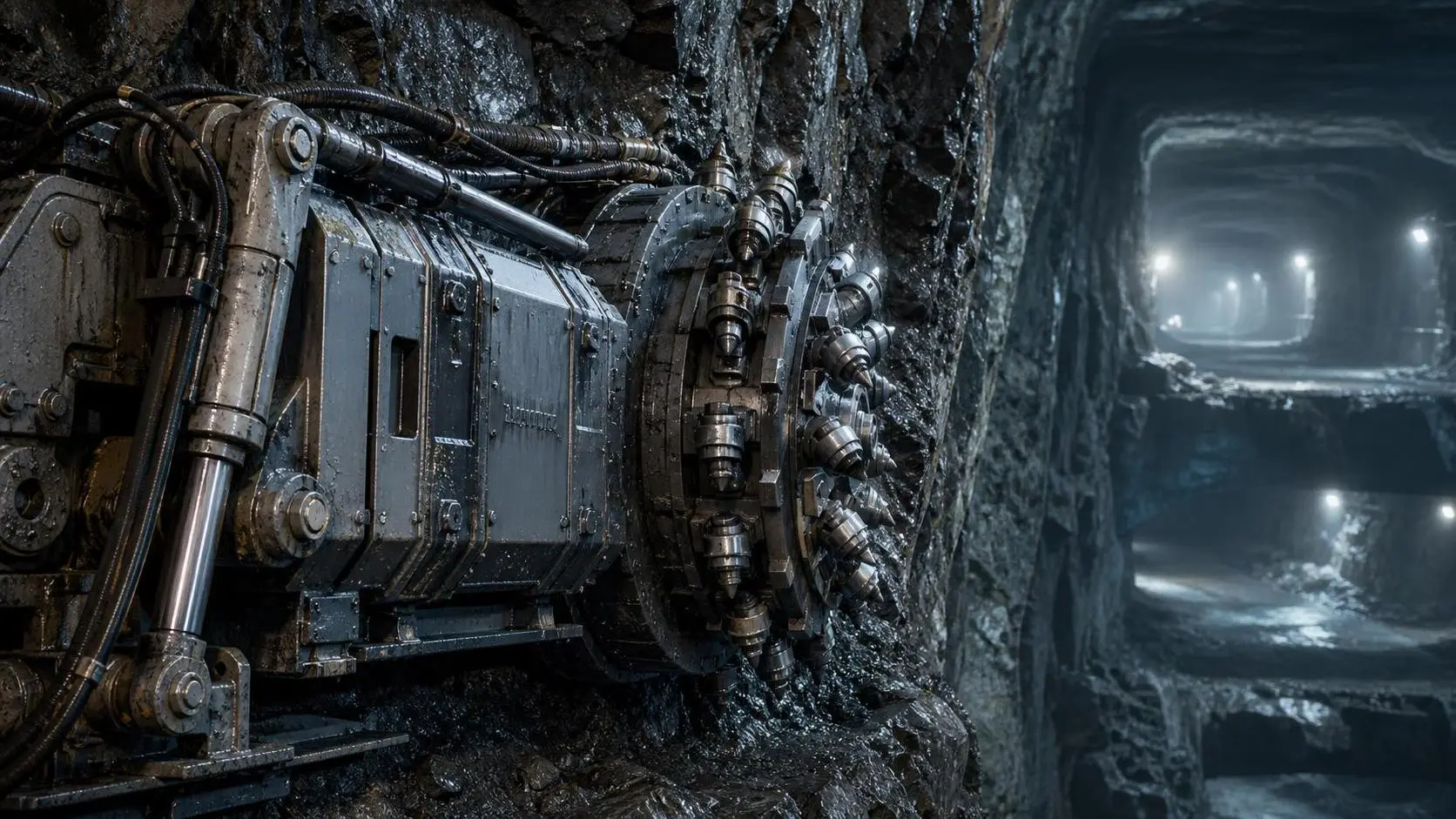
Find a reliable underground mining equipment supplier for harsh site conditions with rugged, maintainable solutions that boost uptime, reduce risk, and support long-term production.
China Customs Tightens TBM Export Checks from Aug. 16
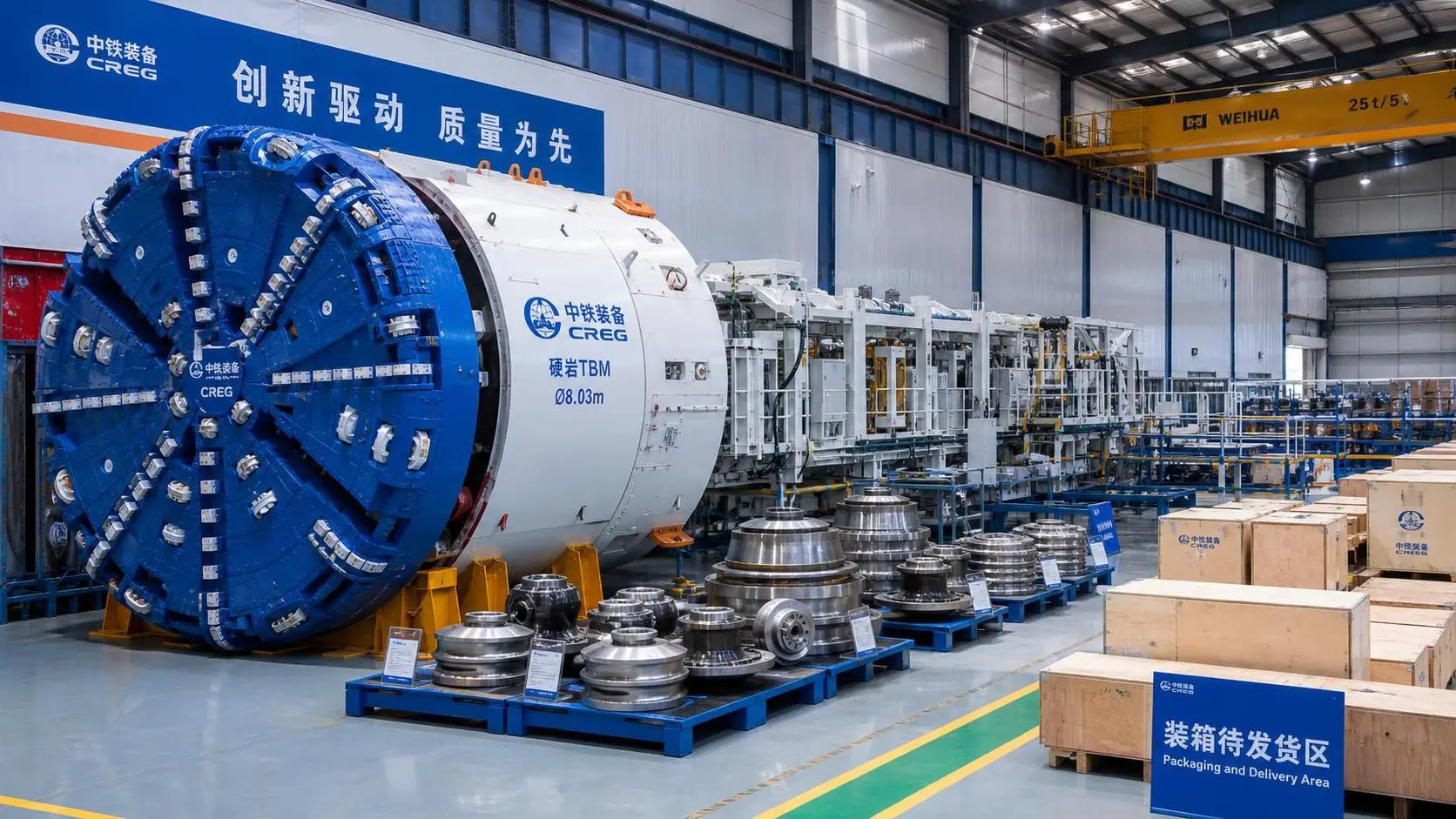
China Customs tightens TBM export checks from Aug. 16, 2026. Learn how new mandatory inspections may affect tunnelling equipment shipments, compliance, and delivery plans.
Related News
- 00
0000-00
What Drives TBM Excavation Cost in Urban Tunneling Projects? - 00
0000-00
What Does Energy Metals Mining in Australia Mean for Supply, Cost, and Project Risk? - 00
0000-00
EU Eases Dual CE and UKCA Path for Chinese Tunnel Boring Equipment - 00
0000-00
Flameproof Underground Safety Equipment: What Mine Teams Should Check Before Buying - 00
0000-00
China-UAE Direct Sea Route Cuts TBM and Large Tunneling Equipment Lead Times
Weekly Insights
Stay ahead with our curated technology reports delivered every Monday.