
Autonomous Mining Trucks: What to Check Before Scaling a Pilot Fleet





Autonomous Mining Trucks promise major gains in safety, productivity, and cost control, but scaling from a pilot fleet requires more than successful trials. For enterprise decision-makers, the real test lies in validating site readiness, interoperability, data reliability, energy strategy, and long-term operational risk before wider deployment turns innovation into measurable mine-wide value.
What should decision-makers verify before expanding Autonomous Mining Trucks?
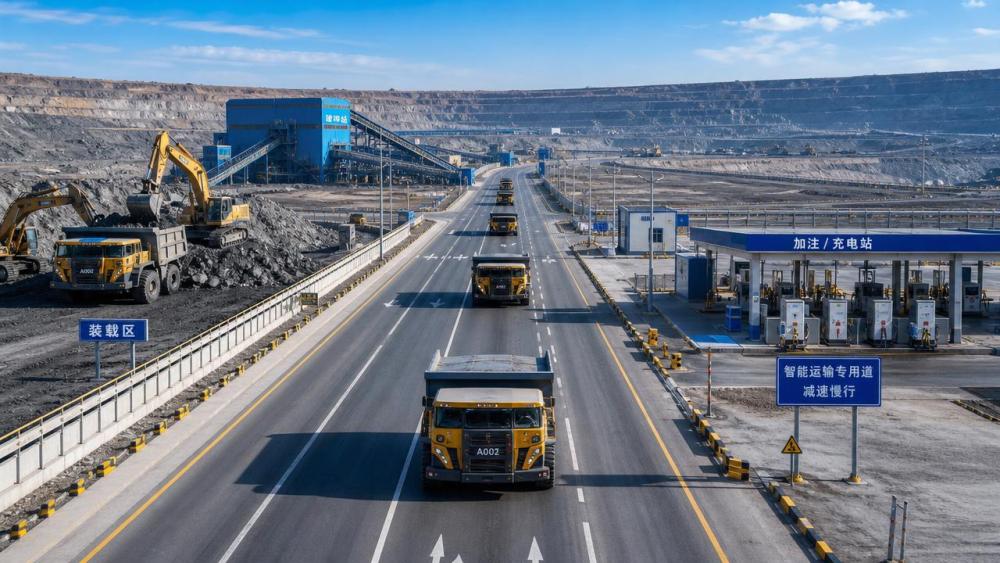
A pilot can prove that Autonomous Mining Trucks work on a limited haul route, under controlled dispatching conditions, with a small number of machines and close vendor support. Scaling is different. Once a mine moves from a handful of units to a fleet-level rollout, bottlenecks appear in traffic management, charging or fueling logistics, maintenance planning, workforce adaptation, and integration with loaders, crushers, and mine planning systems.
For enterprise leaders, the key question is not whether autonomous haulage is technically possible. The question is whether the operating model can sustain autonomy across shifts, seasons, ore phases, and expansion stages without creating a new dependency on unstable digital infrastructure or fragmented data flows.
UTMD follows this transition from a systems perspective. That matters because smart underground and mining transport does not evolve in isolation. The same decision logic seen in TBM automation, SLAM-enabled underground LHDs, and zero-emission heavy haulage also applies to autonomous trucks: reliability under stress, safe machine coordination, sensor performance in harsh environments, and the economic value of deep operational intelligence.
- Check whether the pilot route reflects actual production complexity, not just the easiest section of the mine.
- Confirm that fleet management, dispatch, maintenance, and energy systems can exchange data in real time.
- Evaluate whether the business case still holds when support teams, software licenses, network coverage, and redundancy measures scale up.
- Assess whether autonomy improves total mine performance, not only truck-level utilization.
Site readiness: is the mine itself prepared for fleet-scale autonomy?
Many autonomous haulage projects slow down because the equipment is ready before the site is ready. Autonomous Mining Trucks rely on repeatable road conditions, robust geofencing, dependable positioning, and disciplined traffic control. A pilot may tolerate manual workarounds. A scaled fleet cannot.
Critical site-readiness checkpoints
Before expansion, executives should insist on a structured readiness review covering physical infrastructure, digital backbone, and production interface points. The table below summarizes the most important pre-scaling checks for Autonomous Mining Trucks.
If one of these foundations is weak, scaling Autonomous Mining Trucks often shifts the problem rather than solving it. The fleet may look more advanced on paper while mine throughput becomes less predictable in practice.
- Road maintenance must become more disciplined because autonomous systems react consistently to road defects that human drivers may improvise around.
- Intersection logic should be tested during peak activity, not only on low-traffic pilot shifts.
- Energy or fueling points should be positioned according to cycle efficiency, not retrofitted as an afterthought.
Interoperability and data quality: can Autonomous Mining Trucks talk to the rest of the mine?
A pilot fleet can succeed with manual reconciliation between software platforms. A scaled operation cannot. Autonomous Mining Trucks sit inside a wider production ecosystem that includes short-term mine planning, dispatch, loading units, maintenance platforms, condition monitoring, safety systems, and ESG reporting layers.
If data models are inconsistent, decision-makers lose visibility on true cycle time, real availability, battery or fuel behavior, and causes of downtime. That weakens both capital planning and vendor accountability. UTMD’s strategic focus on intelligent heavy equipment highlights a recurring lesson across underground and surface systems: poor interoperability destroys the value of good automation.
Questions leaders should ask vendors and internal teams
- Can the autonomous haulage stack exchange data with existing fleet management and enterprise systems without manual exports?
- Who owns operational data, event logs, exception histories, and route-learning insights?
- How are false positives, sensor anomalies, and localization deviations tagged and audited?
- Can performance dashboards separate software downtime, site constraints, and truck mechanical issues?
- Is the integration design scalable across future mixed fleets, electrified assets, or underground extensions?
These questions matter because a pilot often benefits from vendor engineers interpreting the system in real time. Fleet scale requires internal operational ownership. If the mine cannot independently read exceptions, root causes, and utilization patterns, it will struggle to optimize Autonomous Mining Trucks after deployment.
Pilot success versus scale readiness: what changes economically?
Executive teams usually approve pilot projects because the downside is contained. Scaling requires a different financial lens. The cost base expands from vehicle hardware and autonomy software to communication infrastructure, control-room capabilities, training, maintenance adaptation, cyber risk management, and often road redesign or power-system upgrades.
A useful decision framework is to compare pilot economics with fleet-scale economics across productivity, resilience, and mine-life alignment. The table below shows where Autonomous Mining Trucks can create or lose value during expansion.
The interpretation is straightforward: fleet-scale autonomy is a mine system investment, not only a truck acquisition decision. This is why leadership teams should model several operating scenarios, including seasonal degradation, expansion into new pit phases, and changing ore-to-waste ratios.
Energy strategy and zero-emission alignment: what if the haulage roadmap includes electrification?
For many mining companies, Autonomous Mining Trucks are being evaluated alongside decarbonization goals. That creates a second layer of complexity. If the future fleet is expected to move toward battery-electric or trolley-assisted architectures, the autonomy roadmap should not be isolated from the energy roadmap.
UTMD closely tracks how zero-emission requirements reshape heavy transport engineering, especially where long downhill segments, regenerative braking opportunities, and confined operating environments influence system selection. Although open-pit haulage differs from underground transport, the same principle applies: energy efficiency, reliability, and control architecture must be designed together.
What to check early
- Whether the autonomy platform is compatible with future electric truck operating logic, charging windows, and regenerative behavior.
- Whether dispatch optimization includes state-of-charge constraints, charger queue management, or hybrid transition phases.
- Whether power availability, substation planning, and grid reliability have been stress-tested against fleet growth.
- Whether ESG reporting requirements can capture emissions impact at both fleet and site levels.
If these issues are postponed, mines often end up rebuilding software logic or physical infrastructure later. That raises total cost and delays returns from Autonomous Mining Trucks.
Operational risk, governance, and compliance: what many pilots fail to expose
A short pilot rarely captures full exposure to weather, staffing turnover, cyber threats, or rare-event response. Yet those are exactly the conditions that define long-term confidence in autonomous haulage. Decision-makers need governance rules that extend beyond technology validation.
Governance areas that deserve board-level attention
- Intervention authority: define who can switch operating modes, under what conditions, and with what audit trail.
- Cybersecurity: review remote access control, software patching discipline, incident response plans, and third-party access boundaries.
- Functional safety: confirm risk assessment methods, fail-safe behaviors, emergency stop logic, and mixed-traffic procedures.
- Change management: track how route changes, new benches, or altered dumping patterns are validated before release.
- Workforce transition: clarify supervision roles, training requirements, and how manual operators, dispatchers, and maintenance teams interact with the autonomous fleet.
Depending on jurisdiction and mine type, companies may also need to align with general machinery safety requirements, occupational health and safety obligations, radio or communications rules, and internal digital-governance standards. The exact certification path varies, but the discipline is universal: Autonomous Mining Trucks should be evaluated as part of an auditable operating system.
Common scaling mistakes with Autonomous Mining Trucks
Mistake 1: treating the pilot as proof of mine-wide readiness
A pilot proves capability under selected conditions. It does not automatically prove readiness across every route, shift pattern, or production interface.
Mistake 2: measuring truck autonomy without measuring system throughput
Autonomous Mining Trucks can show good individual performance while the mine still loses time at shovels, dump points, or energy nodes. The KPI stack must include total material movement and variability reduction.
Mistake 3: underestimating integration labor
Digital integration is often harder than hardware deployment. Mines with fragmented systems usually face longer commissioning periods and more hidden costs.
Mistake 4: waiting too long to build internal competence
If only the vendor understands exception handling, localization issues, or software behavior, the site will struggle to improve performance after go-live.
FAQ: what do buyers and operators ask most often?
How many Autonomous Mining Trucks are enough to validate a pilot?
There is no universal number. The more useful test is whether the pilot includes realistic traffic interactions, production loading variability, shift handovers, and exception events. A small fleet can be enough if those conditions are captured and measured systematically.
What procurement criteria matter most when selecting an autonomous haulage solution?
Focus on interoperability, safety architecture, localization robustness, support model, energy compatibility, data access rights, and upgrade path. Purchase price alone does not predict long-term fleet value.
Are Autonomous Mining Trucks suitable only for large greenfield mines?
No. Large greenfield operations often have an advantage because infrastructure and traffic logic can be designed early, but brownfield mines can also scale successfully if road standards, integration pathways, and governance rules are upgraded before rollout.
How long does scale-up usually take after a successful pilot?
Timing depends on infrastructure maturity, software integration depth, procurement lead times, and workforce readiness. The critical point is not speed alone but whether the scale-up sequence preserves production continuity and risk control.
Why work with UTMD when evaluating Autonomous Mining Trucks?
Decision-makers need more than vendor brochures or isolated pilot reports. They need cross-domain intelligence that connects autonomy, electrification, underground transport logic, heavy equipment reliability, and evolving mine investment trends. That is where UTMD adds practical value.
UTMD tracks the operational limits of advanced underground and mining systems, from TBM automation and trenchless engineering equipment to drilling jumbos, underground LHDs, and mining dump trucks. This broader view helps enterprise teams judge whether Autonomous Mining Trucks fit a long-term asset strategy rather than a short-term technology trial.
- Ask us to help compare pilot metrics with fleet-scale readiness indicators.
- Consult on solution selection criteria, including interoperability, energy roadmap fit, and risk checkpoints.
- Request support on delivery planning, implementation sequencing, and governance questions for smart mine deployment.
- Discuss how zero-emission transport trends, digital mine systems, and future equipment replacement cycles may affect your investment timing.
If your organization is moving from pilot validation to fleet-scale decision-making, contact UTMD to discuss parameter confirmation, technology selection logic, deployment timelines, integration priorities, certification considerations, and commercial evaluation points for Autonomous Mining Trucks.
Related News
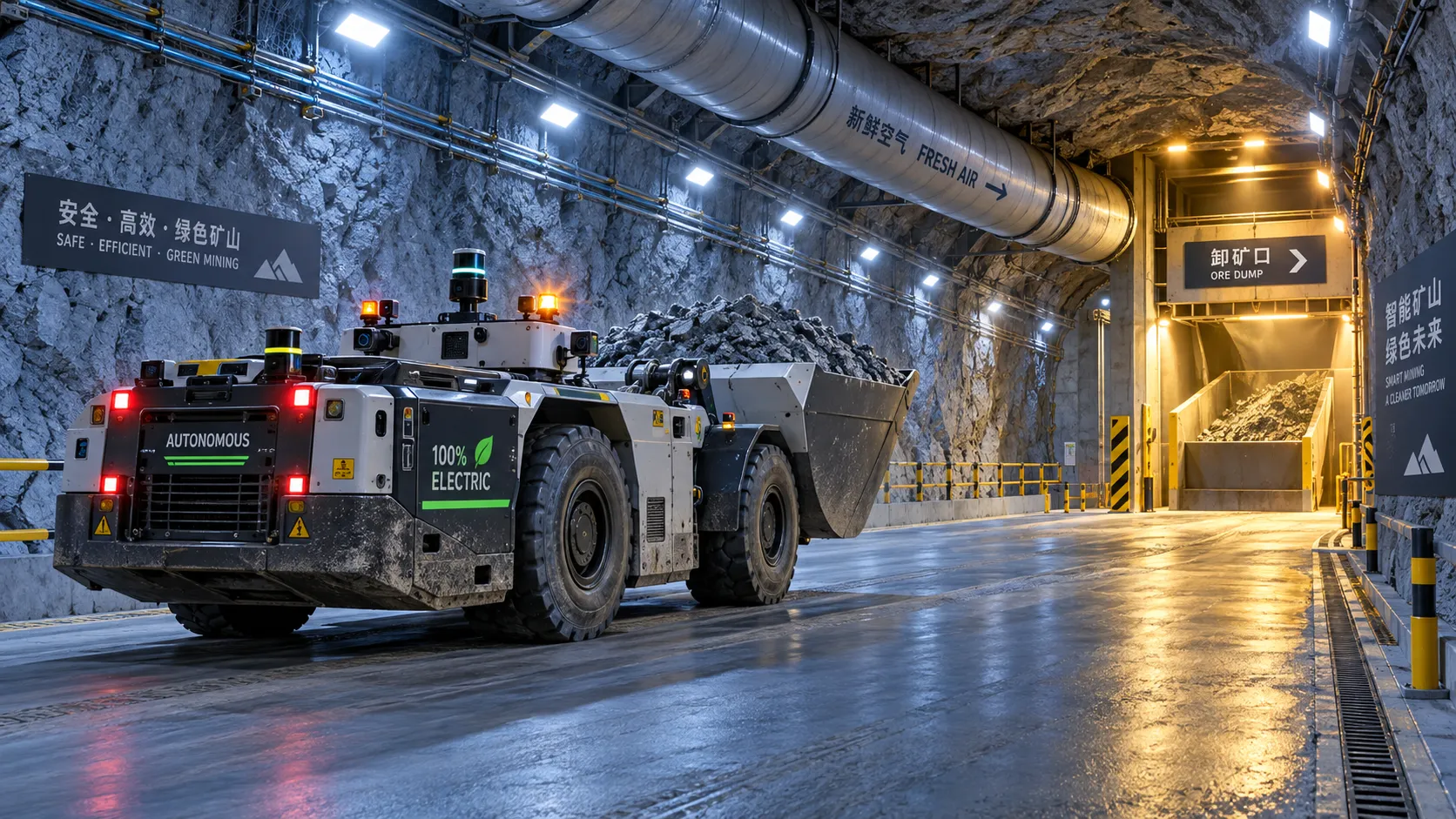
Where Autonomous Mining Loaders Deliver the Most Value in Underground Operations
Autonomous Mining Loaders deliver greater underground value through safer blast-zone work, repeatable haul cycles, and improved ventilation efficiency. Discover the best deployment zones.
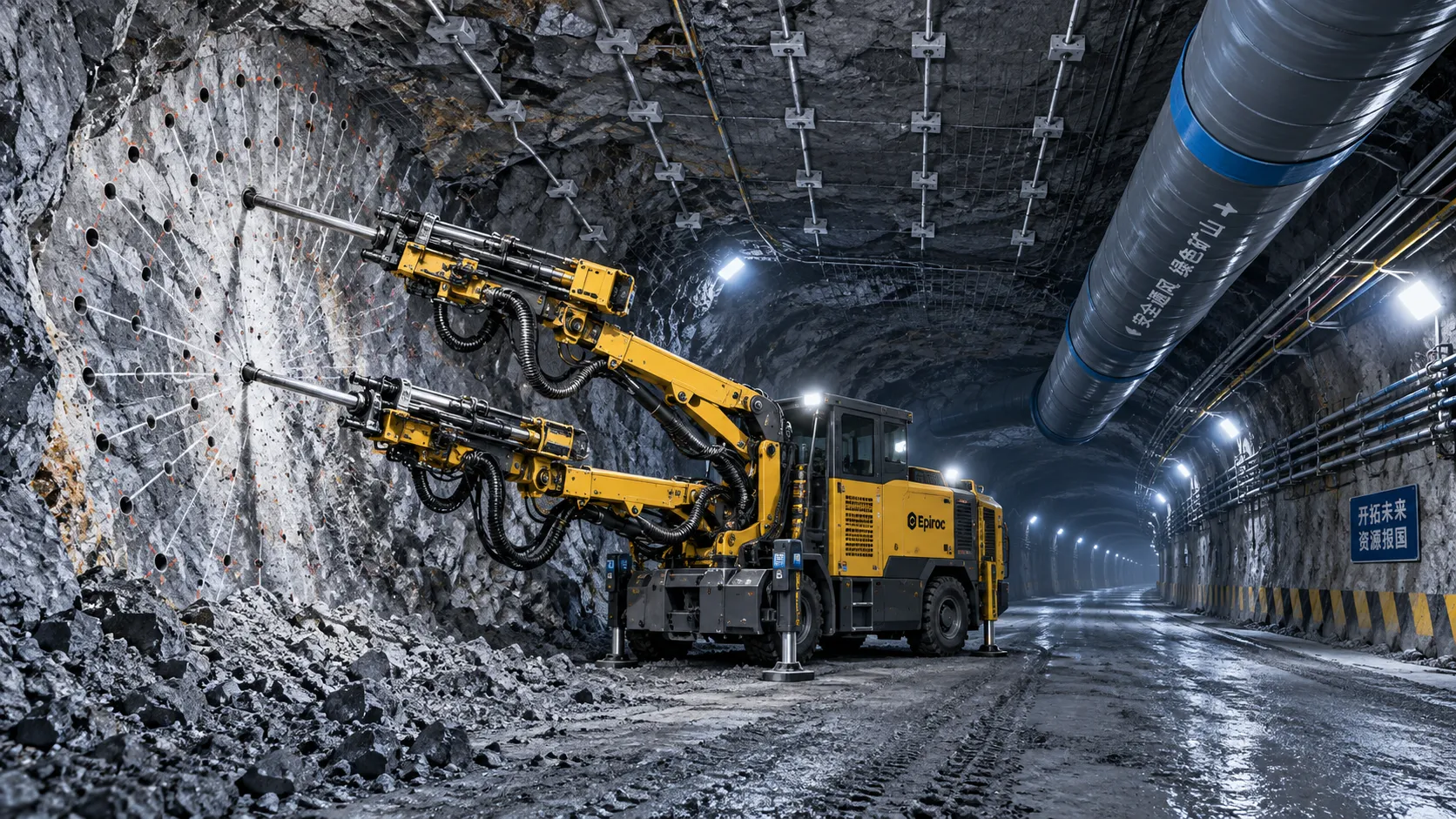
Underground Drilling for Mining: Selecting Methods for Rock Conditions and Mine Layout
Underground drilling for mining: learn how to match drilling methods to rock conditions, mine layout, accuracy needs, ground support, and cycle efficiency.
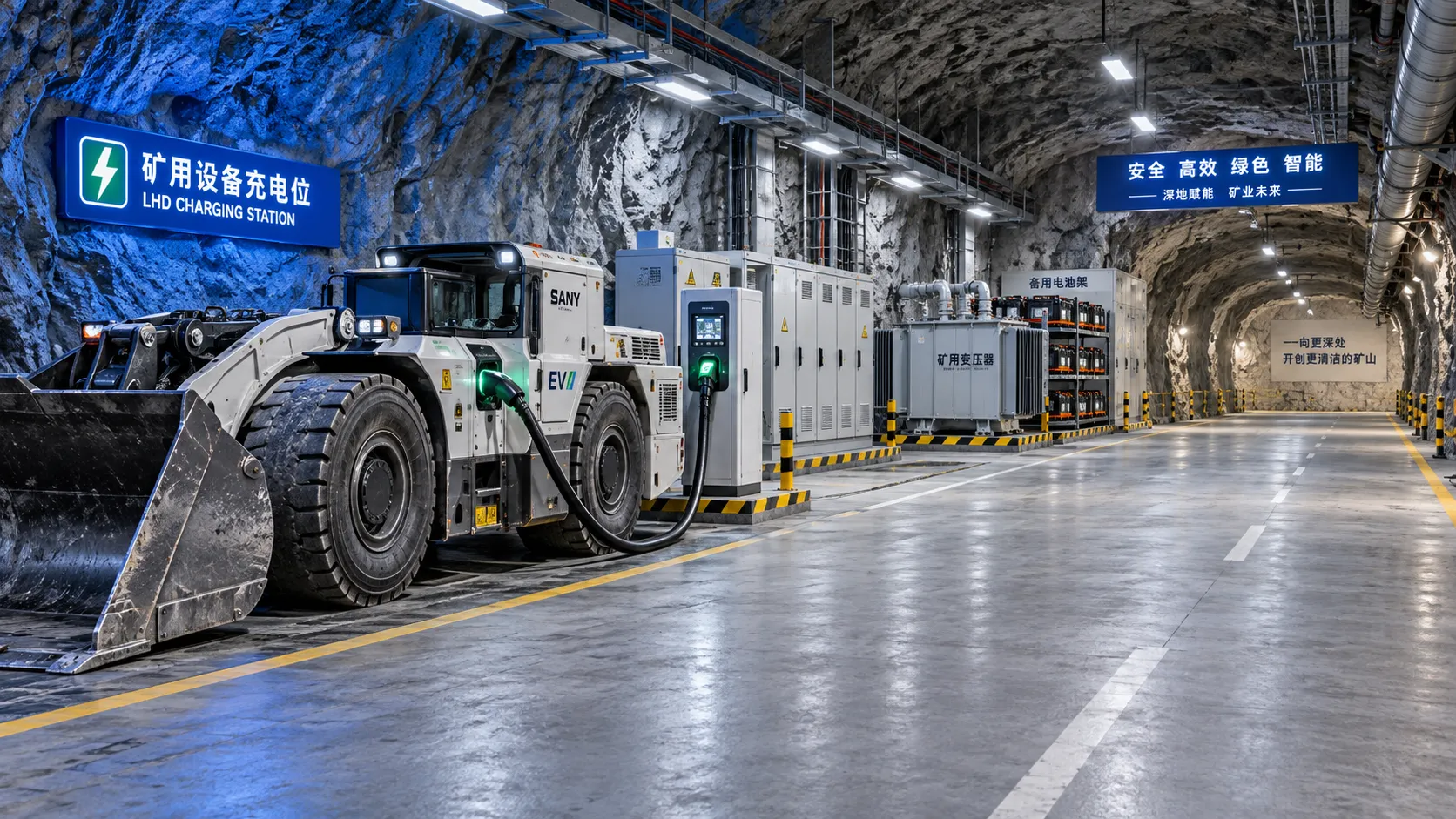
Underground Mine Electrification: How to Size Battery Fleets and Charging Capacity
Mining electrification for underground mines: learn how to size battery fleets, chargers, and power capacity to prevent queues, peak-load issues, and production downtime.

How to Evaluate European Drill-and-Blast Tunnelling Contractors for Complex Projects
Drill and blast tunnelling contractors Europe: learn how to assess geology expertise, blast control, equipment reliability, safety, and programme resilience for complex projects.

Which Trenchless Construction Technique Fits Your Utility Crossing Conditions?
Trenchless construction techniques compared for utility crossings: choose HDD, microtunnelling, pipe jacking, or auger boring based on ground, accuracy, access, and risk.

What Is Driving Metro Tunnelling Demand Across Southeast Asia’s Major Cities?
Metro tunnelling Southeast Asia is accelerating as major cities tackle congestion, flooding, and connectivity. Explore the market forces, technical risks, and opportunities shaping demand.

Hard Rock Tunnelling in Australia: Selecting Methods for Variable Ground Conditions
Hard rock tunnelling in Australia: compare TBM, drill-and-blast and hybrid methods to manage variable ground, reduce risk and protect project costs.

Hydropower Tunnel Excavation: Selecting Methods for Variable Rock Conditions
Hydropower tunnel excavation methods for variable rock conditions: compare TBM, drill-and-blast, and hybrid strategies to improve safety, progress, and project control.

How to Select Underground Safety Equipment for Tunnelling by Hazard and Work Zone
Underground Safety Equipment for tunnelling: match protection to hazards, work zones, compliance, and emergency needs with this practical selection guide.
Related News
- 00
0000-00
Where Autonomous Mining Loaders Deliver the Most Value in Underground Operations - 00
0000-00
Underground Drilling for Mining: Selecting Methods for Rock Conditions and Mine Layout - 00
0000-00
Underground Mine Electrification: How to Size Battery Fleets and Charging Capacity - 00
0000-00
How to Evaluate European Drill-and-Blast Tunnelling Contractors for Complex Projects - 00
0000-00
Which Trenchless Construction Technique Fits Your Utility Crossing Conditions?
Weekly Insights
Stay ahead with our curated technology reports delivered every Monday.