
China’s Driverless Mining Truck Demand Surges as Shipments Rise Nearly 100-Fold in Six Years





China’s driverless mining truck market is seeing accelerating demand, according to a CCTV Finance report cited in the supplied information. The event date is not specified, although the summary includes cumulative figures through the end of June 2026 and delivery announcements since September. For equipment manufacturers, autonomous driving system suppliers, mine operators and exporters, the reported expansion raises practical questions about procurement specifications, delivery acceptance and overseas compliance. The supplied information identifies no new policy, regulation, standard or certification requirement, so its implications should be assessed as a market execution signal rather than evidence of a formal rule change.
Reported Shipments Approach 8,500 Systems
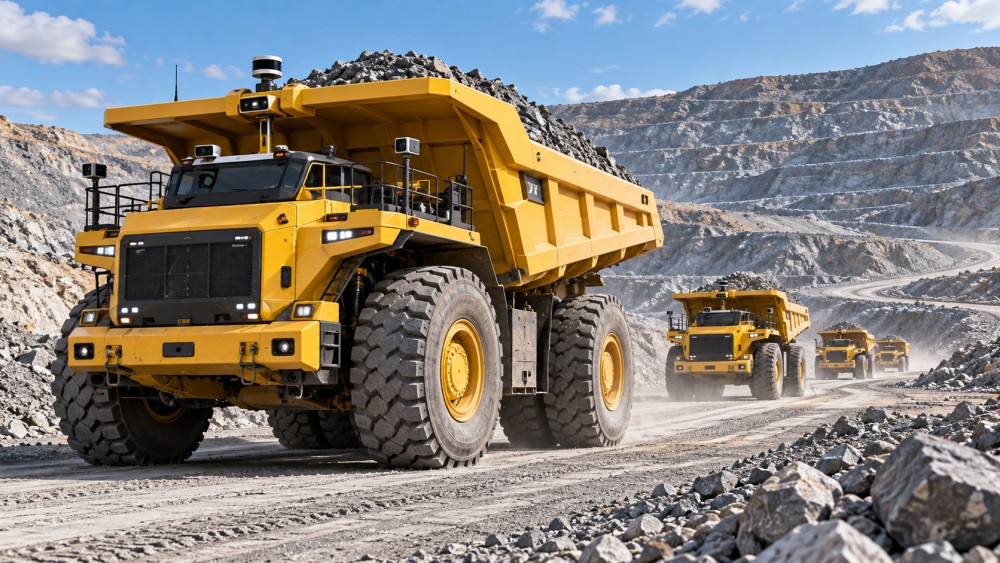
According to the supplied summary of CCTV Finance reporting, cumulative domestic shipments of autonomous driving systems for mining transport vehicles approached 8,500 units or sets by the end of June 2026. Nearly 6,000 vehicles were operating online, and the reported shipment total had increased almost one hundredfold over six years.
The summary also describes successive batch delivery announcements since September. One example is the delivery to a mining customer of 70-tonne battery-electric driverless mining trucks jointly developed by CIDI and Yutong Heavy Industries. The year associated with those September announcements is not specified.
The supplied information further reports that Chinese solutions are expanding into Southeast Asia, Africa and Latin America. It does not identify destination countries, individual overseas contracts or the regulatory arrangements applicable to those deliveries.
Growing Deliveries Put Procurement and Acceptance Terms in Focus
Vehicle and system suppliers may face closer specification reviews
Analysis suggests that larger delivery volumes could make the division of responsibilities between truck manufacturers and autonomous driving system suppliers more consequential. Buyers may seek clearer descriptions of the supplied vehicle, software functions, operating conditions and support arrangements. Suppliers could therefore benefit from checking that technical proposals, delivery documents and acceptance criteria describe the same configuration. These are potential commercial responses to scale, not newly announced regulatory obligations.
Mine operators need to distinguish equipment delivery from operational readiness
From a procurement perspective, the separate figures for cumulative system shipments and vehicles operating online merit attention. The supplied information does not explain the difference between them, and it would be inappropriate to attribute it to approval delays, installation problems or unused capacity. Analysis nevertheless suggests that buyers should distinguish shipment, site integration, acceptance and operation when evaluating delivery commitments and supplier references.
Export growth creates a need for destination-specific checks
For exporters, integrators and service partners, the reported expansion into three overseas regions may increase the importance of checking the requirements applicable to each proposed destination and project. As a practical recommendation, suppliers could assess import documentation, equipment conformity, site operating permissions and after-sales responsibilities before making delivery commitments. The summary does not establish that any particular certificate is mandatory or that Chinese approvals are accepted in those markets.
Contract Reviews Should Follow the Actual Delivery Scope
Clarify what each shipment figure represents
As a procurement recommendation, companies should clarify whether a quotation or delivery record covers an autonomous driving system, a complete mining truck or an integrated operating package. The reported cumulative figure concerns systems measured in units or sets; it should not automatically be treated as an equivalent number of complete vehicles delivered. Maintaining that distinction could improve comparisons between supplier capacity claims and project requirements.
Connect acceptance evidence to intended operating conditions
Analysis suggests that purchasers could request technical documentation and agreed verification evidence relevant to the intended mine environment. Contracts could identify the operating conditions to be assessed, the evidence needed for acceptance and the responsibilities of the vehicle supplier, system provider and site operator. The reported delivery of a 70-tonne electric model does not, by itself, establish suitability for other sites or demonstrate compliance with an unspecified standard.
Check certification claims before committing to exports
As a practical recommendation, exporters could verify which approvals or conformity documents, if any, apply to the exact product configuration and destination. Commercial teams should distinguish documents already available from those still requiring confirmation. Because the supplied information names no certification scheme or trade rule change, neither a new certification obligation nor an exemption can be inferred from the reported market expansion.
Define support and traceability alongside delivery schedules
From an execution perspective, suppliers and buyers could review how maintenance, software support, configuration records and fault handling would be covered after handover. These suggested checks are particularly relevant when evaluating repeat deliveries or overseas projects, where contractual responsibility needs to be clear. They should not be presented as requirements introduced by the reported news.
A Commercial Scaling Signal, With Regulatory Questions Still Open
Editorial analysis: the information is best understood as evidence of expanding commercial deployment. It does not demonstrate that a new regulatory framework has taken effect, that certification procedures have changed or that procurement requirements have become uniform across mining projects.
The summary cites an industry forecast that full-year 2026 shipments could exceed 10,000 units. That remains a forecast rather than a confirmed result. Its significance for purchasing and capacity planning will depend on subsequent shipment reporting, operational deployment and customer feedback.
For compliance decisions, useful follow-up evidence would include any applicable official requirements, project tender documents, acceptance provisions and destination-specific trade guidance. Changes in those materials could reveal whether growing deployment is accompanied by more explicit operating or procurement rules. The current summary does not establish such changes.
Use the Demand Signal to Review Project Readiness
Analysis suggests that the reported growth warrants closer attention to supplier capacity, technical scope and delivery readiness. Companies can use the information to review procurement assumptions and prepare project-specific compliance checks, while keeping market forecasts separate from contractual commitments.
At this stage, the most supportable interpretation is that driverless mining truck deployment is expanding and overseas commercial activity is increasing. Any conclusion about new mandatory standards, certification access or simplified trade procedures would require additional evidence.
Reporting Basis and Evidence Still to Be Verified
This article is based solely on the user-provided news title, the statement that the event date was not specified, and the accompanying event summary. That summary attributes the reporting to CCTV Finance. No underlying report link or specific official source link was provided in the input, so continued verification is needed.
Further assessment should follow the original media report, relevant official announcements where applicable, certification guidance, tender documentation, trade implementation information and company delivery disclosures. Particular attention should be paid to the reporting periods, the definition of shipment totals, subsequent operating figures and any documented changes in procurement or compliance requirements. The recommendations and interpretations above are analysis, not confirmation that additional rules have been issued or implemented.
Related News
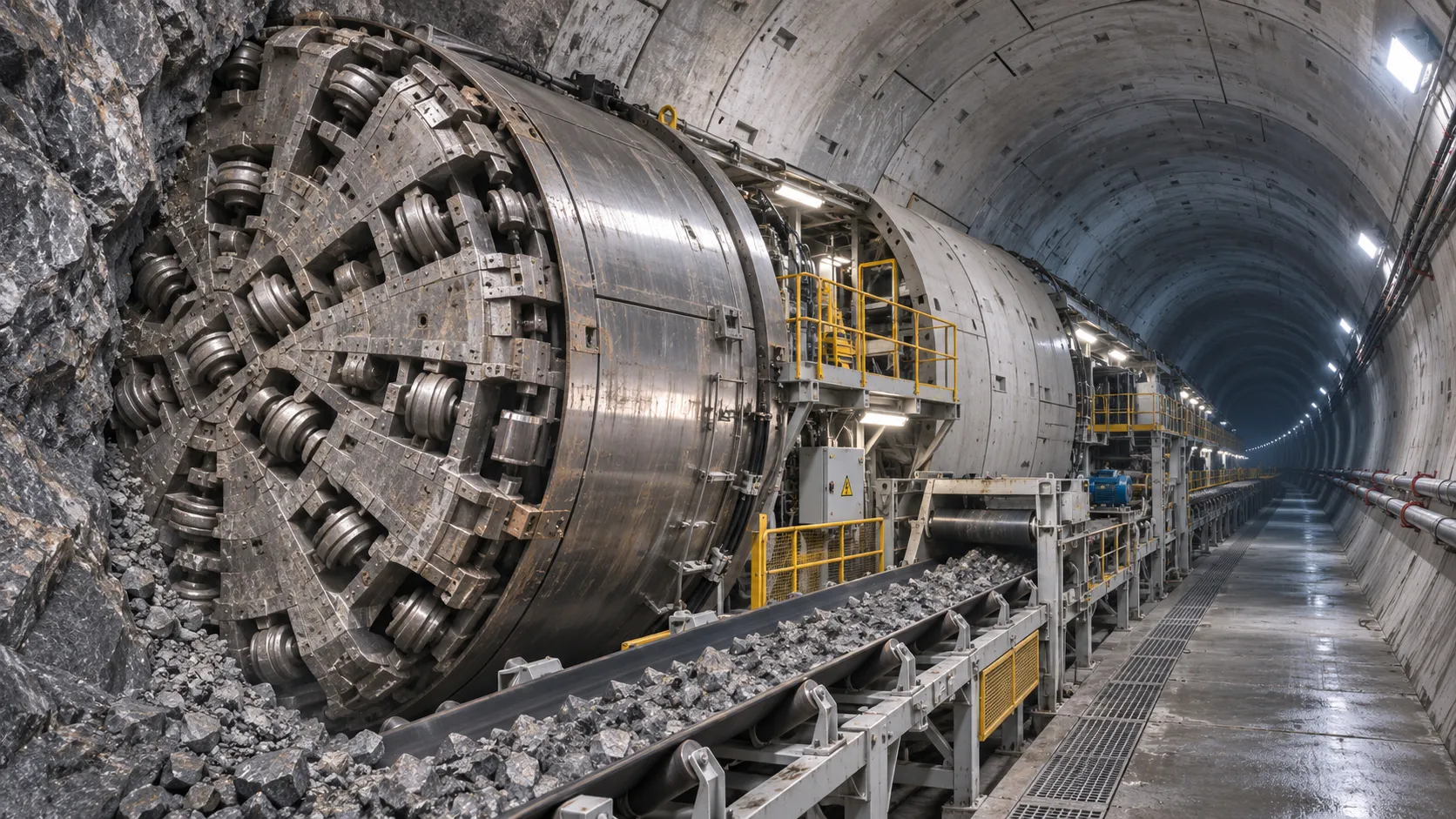
How TBM Excavation Works in Rock and Soft Ground: A Practical Guide
TBM Excavation in rock and soft ground explained: compare machine types, ground support, spoil removal, and the factors that guide smarter project planning.
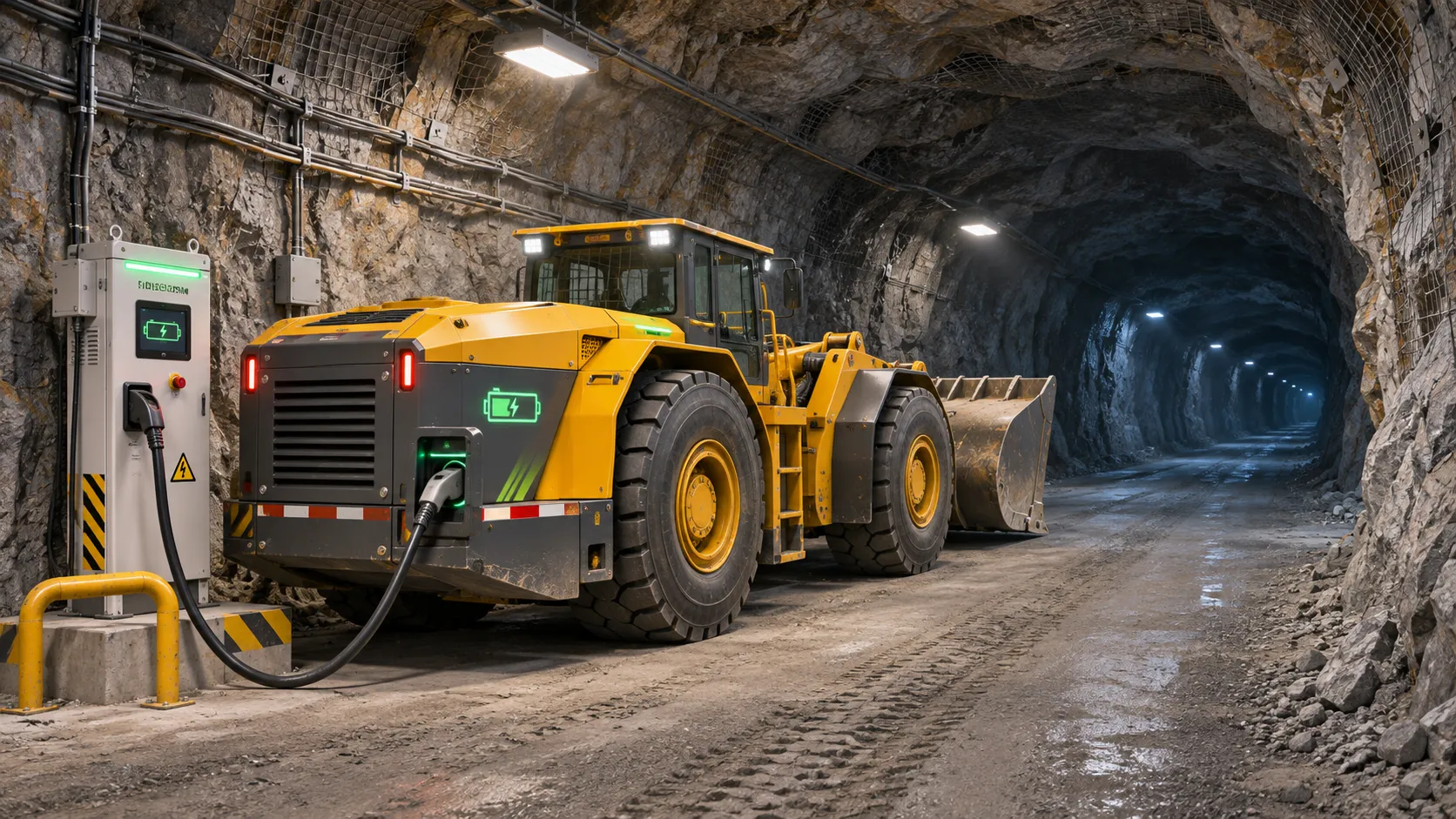
Choosing a Zero-Emission Underground Equipment Supplier: What to Check
Choosing a zero emission underground equipment supplier? Compare duty-cycle performance, charging, safety, total costs and support before you commit.

Construction Starts on Germany's Pfaffensteig Rail Tunnel, With Two TBMs Planned
Pfaffensteig rail tunnel construction is underway in Germany. Discover how two planned TBMs will support the 11-kilometre project near Stuttgart.
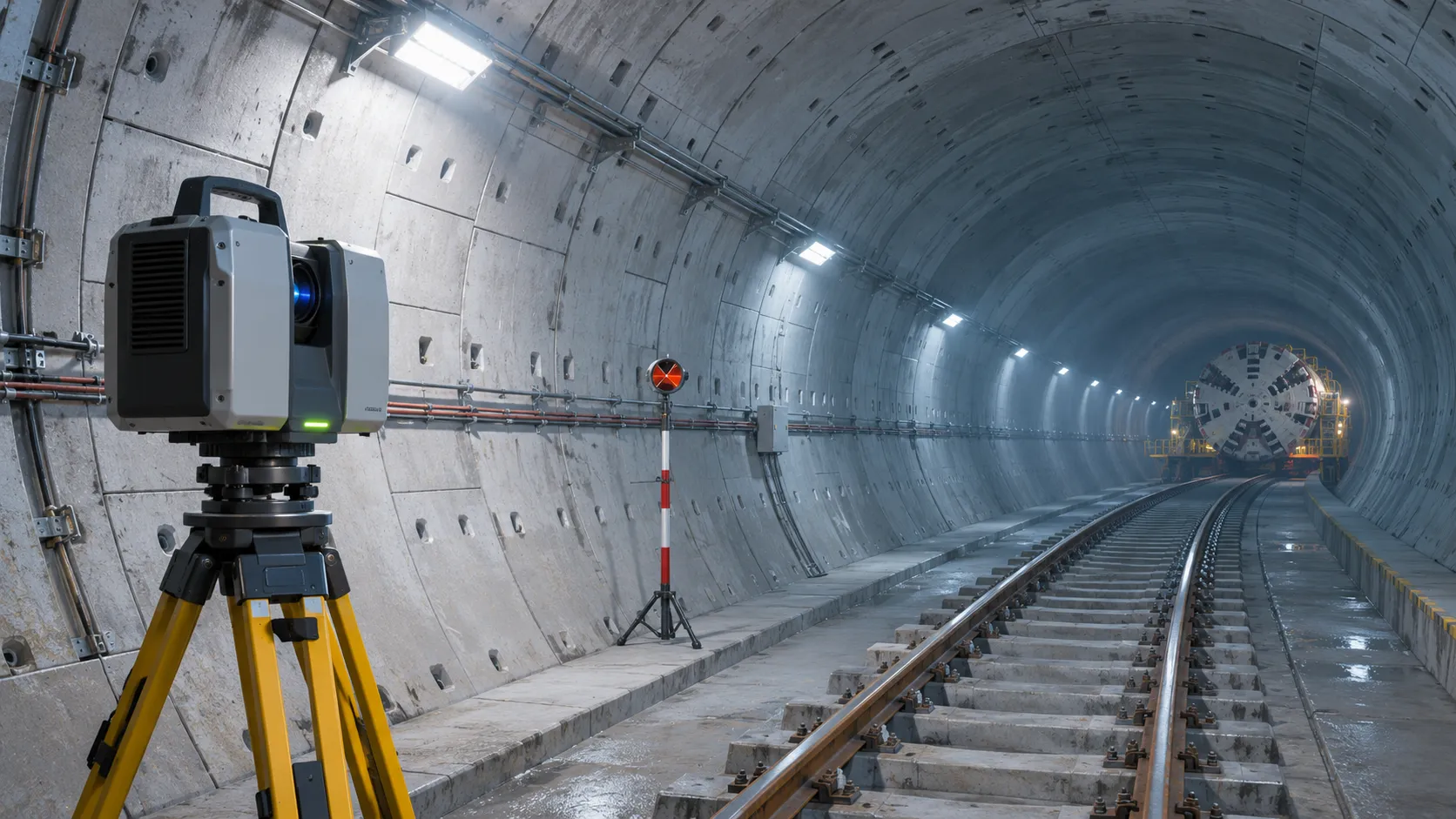
How Real-Time Underground Mapping Systems Work in Tunneling
Discover how real-time underground mapping systems guide tunneling teams, integrate sensor data, and support confident decisions with verified accuracy.

First Mechanized Tunnel Crossing Beneath the Panama Canal Completed
Panama Canal tunnel crossing: Explore the reported Metro Line 3 milestone and what it could mean for future underwater tunneling projects.
Underground Utility Construction Equipment: Choosing by Ground Conditions
Choose underground utility construction equipment with confidence. Compare trenching, HDD, microtunnelling and TBMs by ground conditions, risk and cost.
China Sets Tunnel Boring Machine Export Controls as India Pushes Local Production
China tunnel boring machine export controls could reshape procurement as India pushes local production. Explore potential supply and project impacts.
Choosing a Trenchless Pipeline Installation Contractor: Key Qualifications
Choose a trenchless pipeline installation contractor with confidence. Learn how to assess experience, equipment, safety, costs, and project risks before you hire.
China's 70% TBM Share and Export Controls Challenge India's Local Production
China's TBM export controls could challenge India's local production and infrastructure sourcing. Explore the potential risks and procurement options.
Related News
- 00
0000-00
How TBM Excavation Works in Rock and Soft Ground: A Practical Guide - 00
0000-00
Choosing a Zero-Emission Underground Equipment Supplier: What to Check - 00
0000-00
Construction Starts on Germany's Pfaffensteig Rail Tunnel, With Two TBMs Planned - 00
0000-00
How Real-Time Underground Mapping Systems Work in Tunneling - 00
0000-00
First Mechanized Tunnel Crossing Beneath the Panama Canal Completed
Weekly Insights
Stay ahead with our curated technology reports delivered every Monday.