
Fortescue Uses KUKA Robots to Handle 6 MW Mining Truck Charging Cables





Fortescue has deployed modified KUKA industrial robots in the Pilbara region to handle cables for a 6 MW charging system developed with Liebherr for battery electric mining trucks. The event date is not specified in the supplied information. The deployment addresses the difficulty of manually handling heavy charging cables, with potential implications for equipment procurement, integration and acceptance procedures. No accompanying policy, regulation, standard or certification change is identified in the supplied material; from an industry perspective, its relevance lies in the technical requirements that such installations could bring into purchasing and delivery decisions.
Robotic Cable Handling Supports the 6 MW Charging System
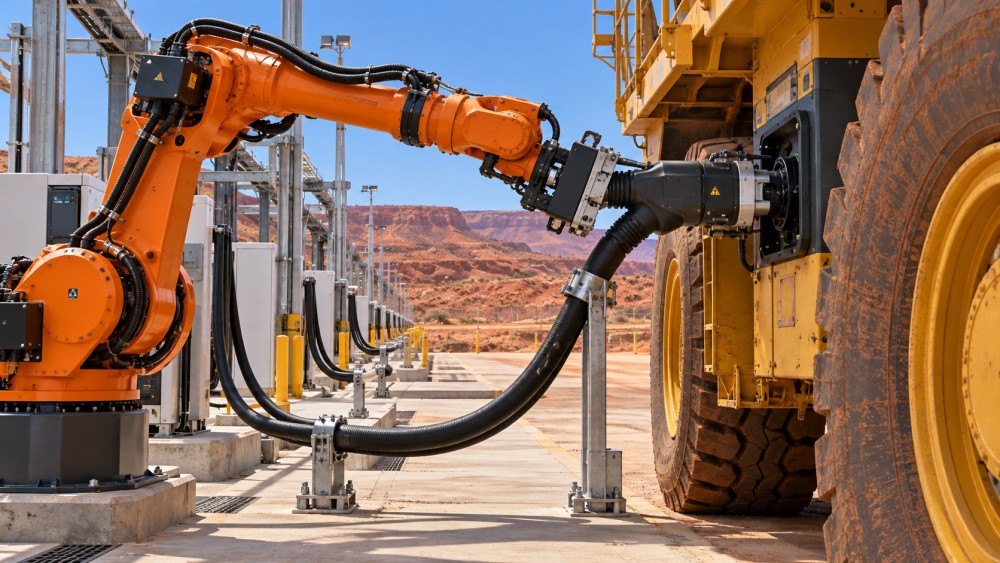
The Australian mining company is using modified KUKA industrial robots to manipulate heavy, liquid cooled copper cables and connect them for charging. The charging system was developed by Fortescue and Liebherr for the 240 tonne class Liebherr T 264 battery electric mining haul truck.
The system is designed to deliver a full charge in approximately 30 minutes. Robotic handling addresses the weight of the charging cables and the difficulty of operating them manually, supporting Fortescue's transition toward zero emission mining operations.
Procurement Specifications Could Extend Beyond Charging Power
Mine operators may need to assess the complete charging operation
Analysis suggests that buyers evaluating comparable systems may need to consider cable handling alongside charging power and charging time. The reported deployment illustrates how the physical connection process can influence equipment selection. Procurement teams could therefore examine whether tender specifications adequately describe connection procedures, operating conditions and the division of responsibility between truck, charger and robot suppliers. These are potential purchasing considerations, not confirmed new industry requirements.
Integrators could face broader delivery responsibilities
From an industry perspective, combining a modified industrial robot with a charging system may make interface coordination a more prominent part of project delivery. Equipment integrators could need to clarify how cable movement, connection status and charging operation are coordinated. Buyers may also seek clearer technical documentation and acceptance criteria. The supplied information does not establish which arrangements Fortescue uses or whether any have become standard practice.
Cable and service suppliers may receive more specific requests
Analysis suggests that suppliers of liquid cooled cables and related services could face requests to demonstrate suitability for robotic handling as well as electrical operation. Potential procurement questions include mechanical loading, repeated movement, maintenance access and replacement procedures. Any resulting test documentation or supplier qualification conditions would need to be established for the project concerned; the input confirms no new certification obligation or trade restriction.
What Buyers Could Clarify Before Ordering Similar Equipment
Establish which requirements actually apply
As a procurement recommendation, companies considering a similar installation could distinguish applicable legal and certification requirements from contractual specifications and supplier recommendations. The supplied account does not identify a governing standard, approval procedure or certification outcome. Buyers should therefore verify the requirements relevant to their intended installation before treating this deployment as evidence that a particular compliance route has been accepted.
Document interfaces and acceptance conditions
Analysis suggests that technical bid reviews could usefully address the interfaces between the truck, charger, robot and cable assembly. Purchasers could request documentation defining connection sequences, handling limits, fault responses and responsibilities for integration. They could also clarify the conditions under which charging performance would be demonstrated, because the reported charging time alone does not establish a complete acceptance procedure.
Assess maintenance and delivery dependencies
As a project planning recommendation, buyers could review access to replacement cables, robot servicing and support for the combined installation. A modified robot handling a heavy cable may create coordination needs across suppliers, so contracts could clarify maintenance responsibilities, documentation handover and replacement component compatibility. The supplied information provides no delivery schedules, service commitments or operating history from which to judge these issues.
A Deployment Signal With No Confirmed Rule Change
At this stage, it is more appropriate to understand the news as an equipment deployment signal with possible implications for future project specifications. The supplied material does not establish that a regulator has introduced a requirement, that a standards organization has revised a document, or that robotic cable handling has become mandatory.
Editorial analysis suggests that the relevant development to watch is whether comparable installations lead purchasers to specify automated cable handling, documented interface compatibility or particular acceptance tests. Such requirements could affect supplier selection and delivery obligations if adopted in contracts. Their adoption, scope and timing remain unconfirmed.
Further information on operating performance, maintenance experience and any published technical or certification documentation would help distinguish a project specific solution from an approach that may gain wider acceptance.
Treat the Installation as a Reference for Technical Due Diligence
Analysis suggests that Fortescue's use of KUKA robots highlights a practical consideration in high power mining truck charging: the connection equipment must be manageable as part of the overall operation. For buyers and suppliers, the immediate value of the news is a reason to examine cable handling, integration responsibilities and evidence of system performance during procurement.
The available information supports a measured conclusion. A deployment has been reported, while wider changes to standards, certification, trade rules or purchasing practices remain unverified. Companies considering similar equipment could use the example to sharpen project questions and assess the requirements applicable to their own installations.
Evidence Available and Developments to Verify
This article is based solely on the user supplied news title, event timing information and event summary. The event date was not specified, and no specific official source links were provided in the input. The factual account and any subsequent developments therefore remain subject to further verification.
Relevant materials for follow-up could include company announcements, project technical documents, applicable standards publications and any relevant regulatory guidance. Continued review could establish whether certification interpretations, tender specifications, supplier qualification conditions or operating feedback change as comparable systems are introduced. None of those subsequent changes is confirmed by the information supplied.
Related News
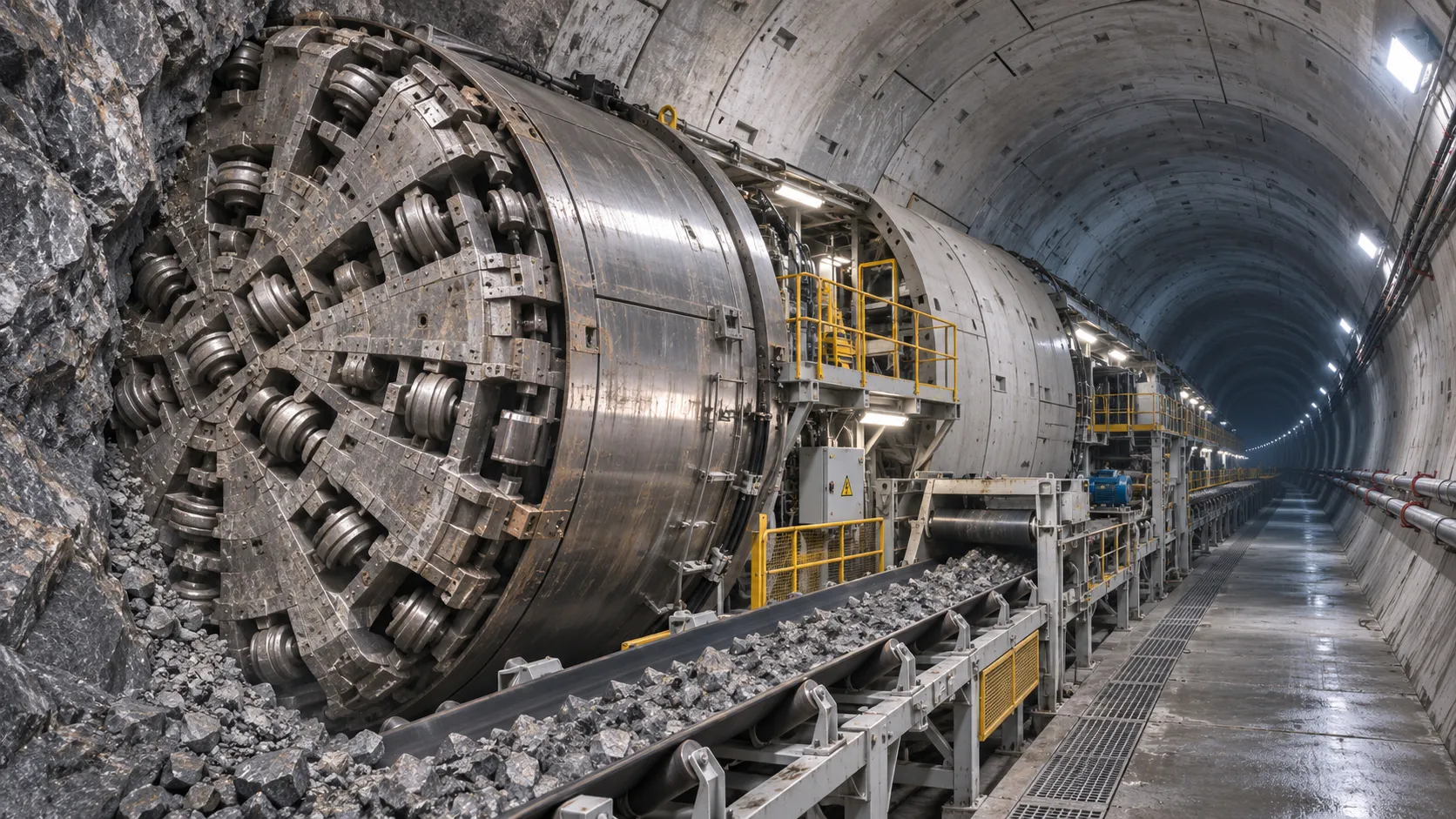
How TBM Excavation Works in Rock and Soft Ground: A Practical Guide
TBM Excavation in rock and soft ground explained: compare machine types, ground support, spoil removal, and the factors that guide smarter project planning.
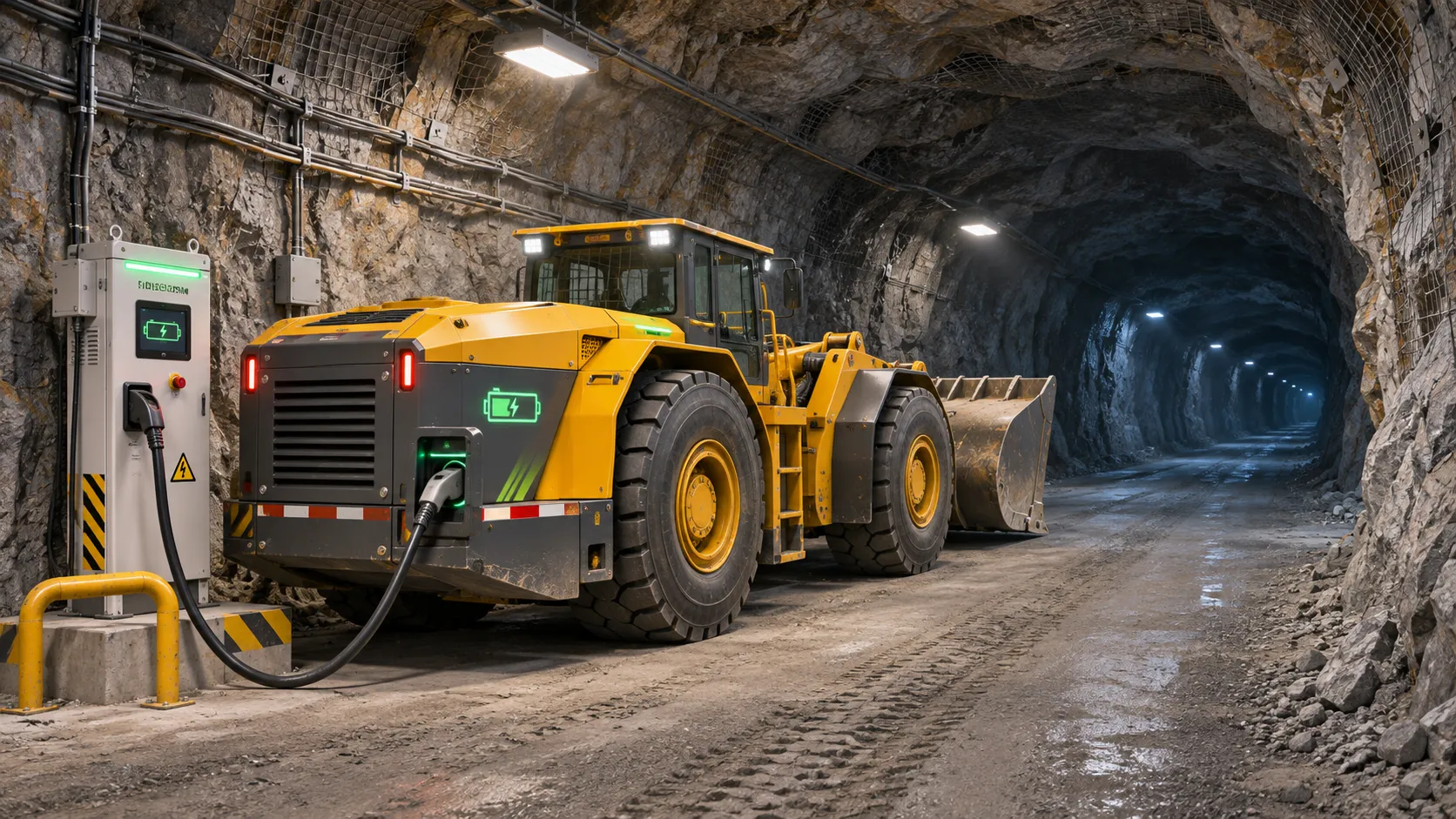
Choosing a Zero-Emission Underground Equipment Supplier: What to Check
Choosing a zero emission underground equipment supplier? Compare duty-cycle performance, charging, safety, total costs and support before you commit.
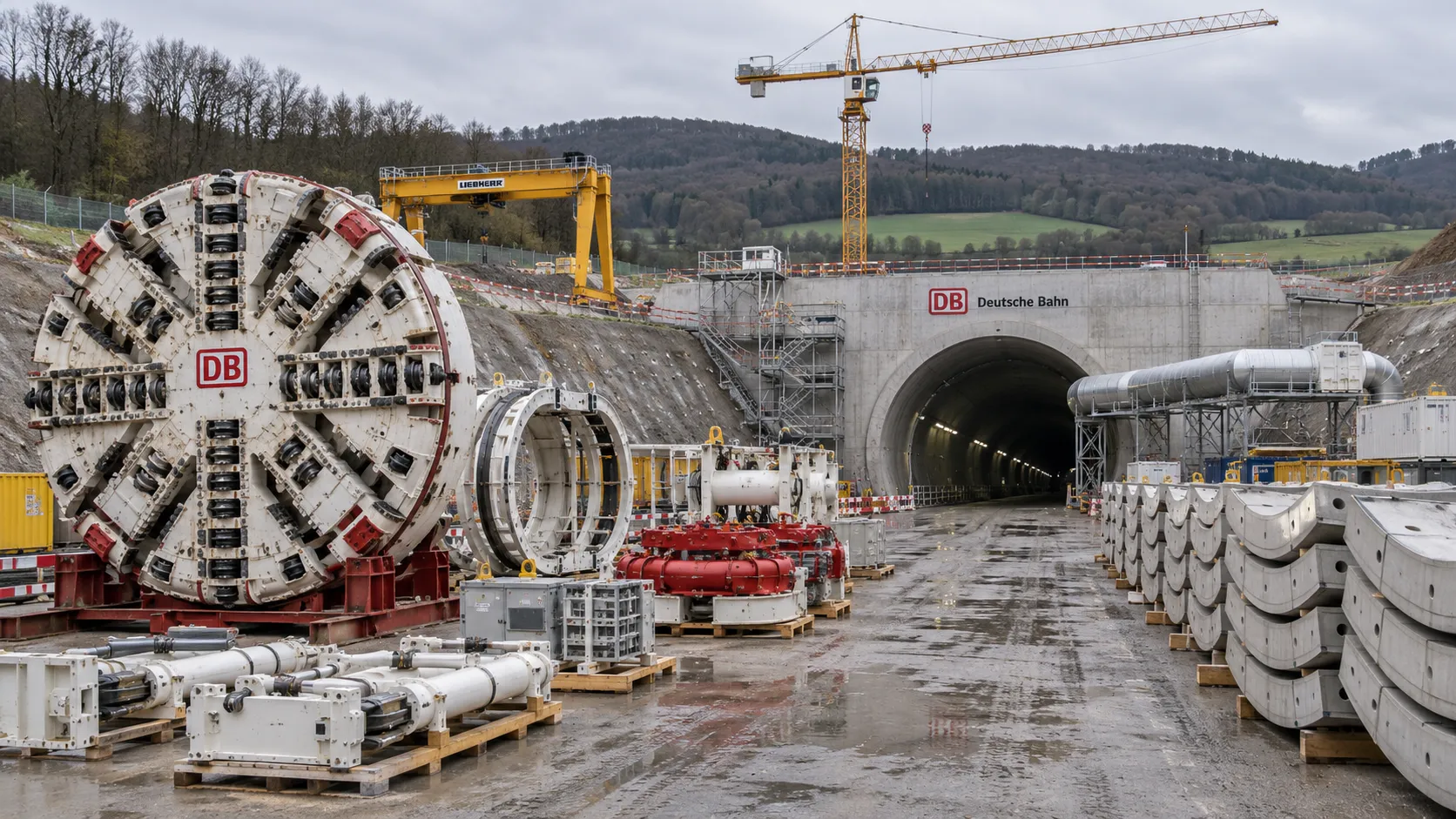
Construction Starts on Germany's Pfaffensteig Rail Tunnel, With Two TBMs Planned
Pfaffensteig rail tunnel construction is underway in Germany. Discover how two planned TBMs will support the 11-kilometre project near Stuttgart.
How Real-Time Underground Mapping Systems Work in Tunneling
Discover how real-time underground mapping systems guide tunneling teams, integrate sensor data, and support confident decisions with verified accuracy.
First Mechanized Tunnel Crossing Beneath the Panama Canal Completed
Panama Canal tunnel crossing: Explore the reported Metro Line 3 milestone and what it could mean for future underwater tunneling projects.
Underground Utility Construction Equipment: Choosing by Ground Conditions
Choose underground utility construction equipment with confidence. Compare trenching, HDD, microtunnelling and TBMs by ground conditions, risk and cost.
China Sets Tunnel Boring Machine Export Controls as India Pushes Local Production
China tunnel boring machine export controls could reshape procurement as India pushes local production. Explore potential supply and project impacts.
Choosing a Trenchless Pipeline Installation Contractor: Key Qualifications
Choose a trenchless pipeline installation contractor with confidence. Learn how to assess experience, equipment, safety, costs, and project risks before you hire.
China's 70% TBM Share and Export Controls Challenge India's Local Production
China's TBM export controls could challenge India's local production and infrastructure sourcing. Explore the potential risks and procurement options.
Related News
- 00
0000-00
How TBM Excavation Works in Rock and Soft Ground: A Practical Guide - 00
0000-00
Choosing a Zero-Emission Underground Equipment Supplier: What to Check - 00
0000-00
Construction Starts on Germany's Pfaffensteig Rail Tunnel, With Two TBMs Planned - 00
0000-00
How Real-Time Underground Mapping Systems Work in Tunneling - 00
0000-00
First Mechanized Tunnel Crossing Beneath the Panama Canal Completed
Weekly Insights
Stay ahead with our curated technology reports delivered every Monday.