
What Should a Mine Decarbonization Roadmap Include to Cut Emissions Without Hurting Output?





A mine decarbonization roadmap should help a mine cut emissions without creating a production penalty. That is the part many plans get wrong. They start with a net-zero ambition, then move too quickly into fleet replacement or power procurement, while leaving out haul cycle constraints, ventilation bottlenecks, charging downtime, and maintenance readiness. The result is predictable: higher capital intensity, stressed operations, and disappointed boards.
If you are shaping one of these plans, the practical question is not “How do we decarbonize?” It is “What sequence of decisions lowers emissions while protecting tonnes moved, development rates, and asset utilization?” A workable roadmap has to be operational before it is aspirational.
What a mine decarbonization roadmap really needs to do
At executive level, a mine decarbonization roadmap is not just a sustainability document. It is an operating model transition plan. It should show how the mine will change energy use, equipment, infrastructure, maintenance, ventilation, data systems, and procurement over time, with clear trade-offs.
In plain terms: if the roadmap cannot explain what happens to output during the transition, it is incomplete.
A useful roadmap usually includes six core elements:
- a reliable baseline of where emissions actually come from
- a mine-by-mine prioritization of the highest-impact interventions
- a sequence for electrification and supporting infrastructure
- an operating plan for ventilation, power, and maintenance impacts
- capital gates tied to measurable operational results
- a governance model that keeps ESG goals aligned with production reality
That sounds straightforward, but the hard part is choosing what to do first. In mining, the wrong sequence can be more damaging than slow execution.
Start with the emissions sources that also affect productivity
One common mistake is to build the roadmap around reporting categories instead of operational pain points. Scope definitions matter, but mines do not improve performance through accounting language. They improve by targeting the systems where fuel, power, idle time, and ventilation demand are concentrated.
For most operations, the shortlist is familiar:
- diesel haulage and loading fleets
- ventilation energy in underground mines
- power generation from carbon-intensive grids or on-site thermal sources
- drill, blast, and materials handling inefficiencies that increase energy per tonne
- equipment idle time, queuing, and underutilization
This is where many decision-makers need a sharper filter. Not every large emitter should be addressed first. The better question is which source offers both emissions reduction and operational leverage. Underground diesel fleets, for example, often affect two cost lines at once: fuel consumption and ventilation demand. That makes them strategically important, even when full fleet electrification is not immediately practical.
A short direct answer is this: the best roadmap starts with the parts of the mine where carbon, cost, and constraint meet.
Do not treat electrification as a single project
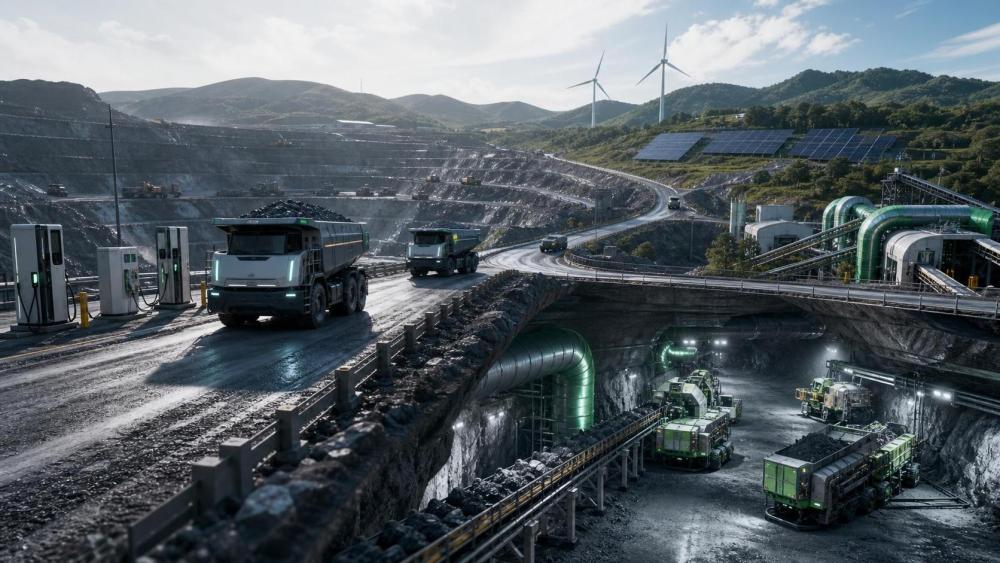
Electrification is usually the centerpiece of decarbonization discussions, especially in underground mining. It deserves that attention, but it should not be handled as a broad promise like “replace diesel with battery equipment.” Mines do not electrify in one move. They electrify in layers.
For underground operations, the sequence often matters more than the technology brand. A sensible roadmap may begin with auxiliary or shorter-cycle equipment, then move into battery-electric LHDs, trucks, or drills only after confirming charging logic, battery swapping strategy, cable management, workshop readiness, and operator acceptance.
For open-pit operations, the equation shifts. Haul profiles, gradients, cycle lengths, trolley assist potential, and charging windows can make or break the business case. A dump truck fleet on long downhill hauls may create regenerative braking opportunities, but that does not automatically justify immediate full conversion. The mine still has to test real impacts on dispatch, maintenance planning, and overall tonnes per hour.
Executives often ask whether they should wait for better technology. Usually, waiting is only justified when the site lacks enabling infrastructure or when the mine life does not support payback. Otherwise, the bigger risk is underpreparing the site and overestimating how quickly operations teams can absorb change.
Ventilation is often the hidden swing factor underground
In underground mines, decarbonization plans tend to focus on vehicles because they are visible, expensive, and easy to count. Ventilation receives less boardroom attention, even though it can shape both emissions and expansion options.
Reducing diesel equipment underground may lower ventilation requirements, but those gains are not automatic. They depend on the actual fleet mix, duty cycles, heat loads, mine depth, and ventilation control capability. If the ventilation system is fixed, oversized, or poorly instrumented, some expected savings may stay theoretical.
That is why a serious roadmap should include ventilation-on-demand potential, airflow modeling, heat management assumptions, and the schedule for control upgrades. In practice, this often separates paper decarbonization from usable decarbonization.
For operations dealing with confined underground environments, this is also where technical intelligence matters. Industry platforms such as UTMD are useful not because they provide generic ESG commentary, but because they track the operational interaction between underground transport systems, zero-emission equipment, and automation in real mine conditions. That kind of cross-disciplinary view is more valuable than broad sustainability messaging when executives need sequencing decisions.
Build the roadmap around infrastructure readiness, not equipment brochures
Another pattern shows up repeatedly: a mine selects low-emission equipment before confirming the site can support it. That reversal creates friction later.
The roadmap should spell out infrastructure readiness in detail:
- power supply capacity and reliability
- substation, reticulation, and charging network requirements
- battery handling or swapping layouts
- workshop modifications and safety protocols
- digital connectivity for fleet monitoring and remote support
- spare parts, technician skills, and OEM service coverage
This is especially important for mines planning to combine electrification with automation. A battery-electric fleet operating in a remote or partially autonomous environment asks more of the site, not less. You need stronger data visibility, tighter maintenance discipline, and a clearer failure-response model.
If the roadmap skips those points, it is not protecting output. It is just moving technical risk into later project phases.
Use phased economics, not one headline business case
Boards often want a single number: cost to decarbonize. Mines rarely operate that cleanly. A better approach is to structure the roadmap in phases with separate investment gates.
Phase-based planning lets leadership answer three different questions:
- What can we do now with limited operational disruption?
- What becomes viable after infrastructure upgrades or contract changes?
- What should be delayed until technology, mine design, or power availability improves?
This matters because the economics of decarbonization are site-specific. Diesel displacement, ventilation savings, maintenance changes, electricity pricing, renewable integration, and mine life all affect returns. Any article claiming a universal payback period should be treated carefully unless it cites a verifiable site context.
What you want in the roadmap is not a polished average. You want a range of outcomes, the assumptions behind them, and a trigger for moving from pilot to scale.
What experienced operators usually include that others miss
In well-built roadmaps, there are a few details that do not look glamorous but make the difference later.
One is productivity protection during commissioning. New low-emission equipment almost always comes with a learning curve. The roadmap should allow for ramp-up losses, operator retraining, spare unit strategy, and temporary parallel operation with legacy assets.
Another is mine planning alignment. Haul routes, level development timing, orebody access, and ventilation raises can change the decarbonization logic. A fleet decision that works in one stage of mine life may not work in the next.
The third is contract structure. Mines that rely heavily on contractors need to decide early how emissions expectations, equipment standards, and cost-sharing will be handled. Many roadmap delays are not technical at all; they are commercial.
Then there is data. If the site cannot measure energy intensity, idle time, equipment utilization, and emissions by activity, it will struggle to tell whether the roadmap is improving anything. Decision-makers do not need perfect data to start, but they do need data good enough to compare options honestly.
Common mistakes that make output slip
Not every decarbonization effort hurts production, but the ones that do tend to fail in familiar ways.
- They push a full fleet change before proving one operating zone or one cycle type.
- They underestimate charging, swapping, or maintenance downtime.
- They assume ventilation savings will arrive immediately.
- They focus on equipment acquisition and ignore workforce capability.
- They separate sustainability teams from mine planning and operations teams.
- They set public targets without internal trigger points for course correction.
If you are reviewing a roadmap and it reads smoothly but says little about uptime, queueing, maintenance response, or mine scheduling, that is a warning sign. Mines do not miss output because the ambition was wrong. They miss output because the operating constraints were softened in the planning stage.
A practical decision path for leadership teams
If the goal is to cut emissions without hurting output, leadership teams usually need to settle five questions before approving the roadmap:
- Which emission sources are also operational bottlenecks?
- Which interventions can be piloted without putting production guidance at risk?
- What infrastructure must be built before equipment conversion makes sense?
- How will the site measure productivity impact during the transition?
- What conditions would justify accelerating, pausing, or redesigning the plan?
That last question is often ignored. It should not be. A roadmap is not credible unless it has room for adjustment. Commodity cycles change. Grid conditions change. OEM delivery timelines change. Mine sequencing changes. Good plans absorb this. Bad plans pretend it will not happen.
Where the roadmap should end up
The end state is not simply “fewer emissions.” It is a mine that moves more intelligently: less diesel in constrained spaces, better use of power, tighter fleet control, stronger maintenance predictability, and clearer capital discipline. In some operations that means battery-electric underground fleets plus ventilation optimization. In others it may mean staged electrification, trolley support, renewable power integration, or automation-first improvements that reduce energy per tonne before major equipment replacement.
The right mine decarbonization roadmap is specific, phased, and operationally literate. It should make it easier for a mine to reduce carbon intensity and keep output stable, not force leadership to choose one at the expense of the other.
FAQ
Should every mine electrify its haul fleet first?
No. The first move depends on where emissions and operating constraints overlap. In some sites, ventilation and underground loaders are the better starting point. In others, power sourcing or dispatch efficiency may deliver faster returns.
How detailed should a mine decarbonization roadmap be before board approval?
Detailed enough to show baseline emissions, phased investments, infrastructure dependencies, operational risks, and measurable production safeguards. If those are missing, approval is being asked on ambition rather than execution.
Can automation support decarbonization even before major electrification?
Yes. Better dispatch, reduced idle time, optimized routes, and more stable cycle performance can lower energy use per tonne. It is not a substitute for fleet transition, but it can improve the starting position.
What is the biggest hidden risk in underground mine decarbonization?
Many teams underestimate the interaction between equipment change, ventilation performance, heat load, and maintenance readiness. That is where expected gains often slip.
Image Placeholder List
Suggested placement: after the section discussing phased electrification and before the ventilation discussion.
Suggested image content: a mine decarbonization roadmap visual showing phased fleet electrification, charging or battery swap infrastructure, ventilation optimization, and production safeguards.
Alt text: Phased mine decarbonization roadmap linking electrification, infrastructure, ventilation, and output protection.
Internal Link Anchor Text Suggestions
- Battery-electric LHD deployment planning: link to an equipment application or underground fleet strategy page
- Mining dump truck electrification trends: link to an industry analysis or fleet transition page
- Ventilation-on-demand in underground mines: link to an operational efficiency or mine systems page
- Smart mine automation and transport systems: link to an automation technology page
- How to evaluate mine fleet replacement timing: link to a capital planning or procurement insights page
External Authority Source Suggestions
- Government mining or energy regulator pages covering mine electrification, emissions reporting, or industrial power policy
- Industry association reports on mining decarbonization, underground ventilation, or zero-emission vehicle adoption
- OEM official technical documents on battery-electric mining equipment, trolley systems, or autonomous haulage performance
Related News
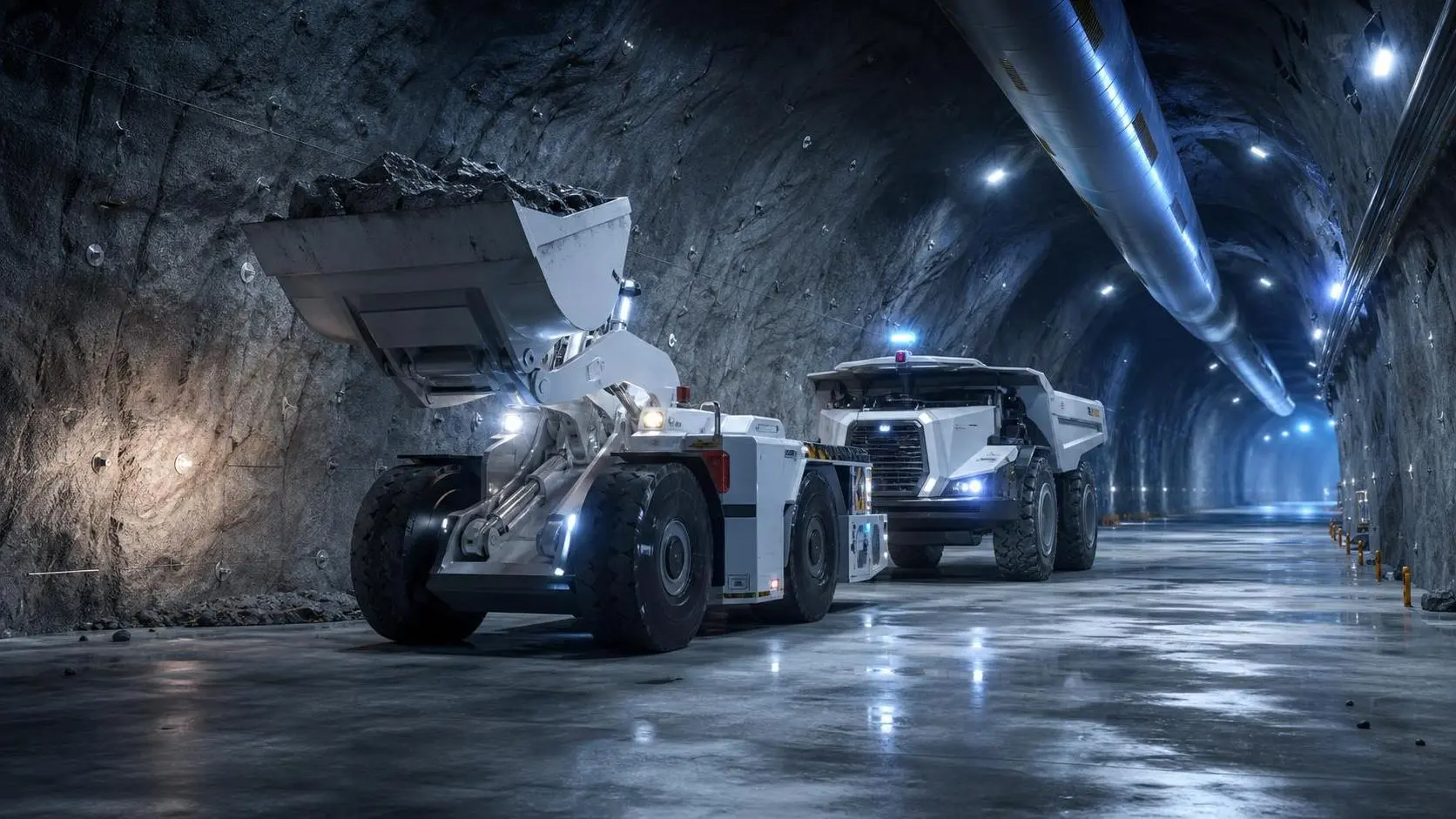
How to Evaluate Underground Mine Automation Companies for Safety and ROI
Underground mine automation companies vary widely in safety, interoperability, and ROI. Learn how to compare vendors, reduce deployment risk, and choose a scalable solution.
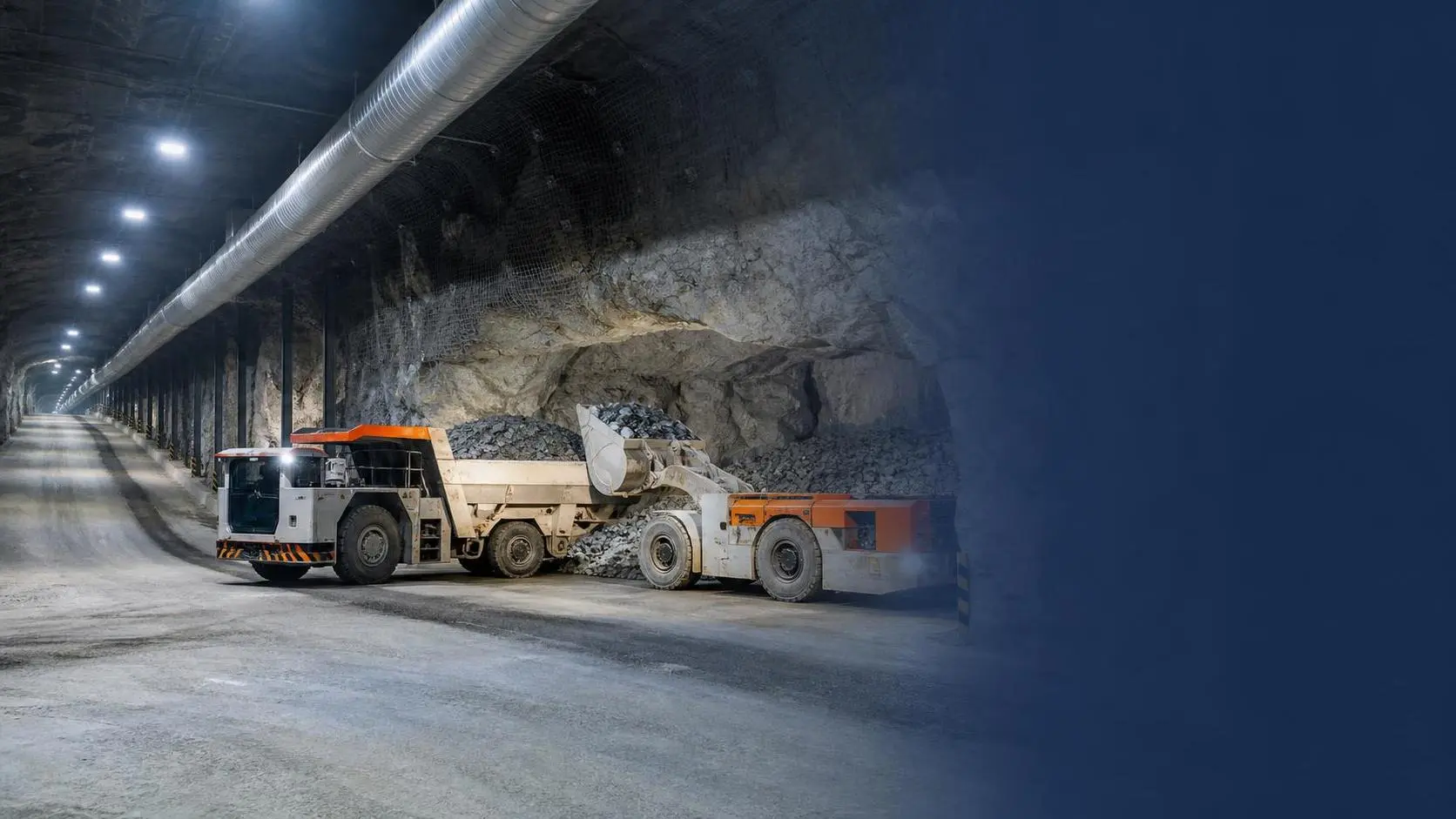
How to Evaluate Underground Haulage Systems for Ore Output, Ramp Grade, and Ventilation Limits
Underground haulage systems should be evaluated by ore output, ramp grade, and ventilation limits—not brochures. Learn how to compare trucks, LHDs, and electric options for smarter mine planning.
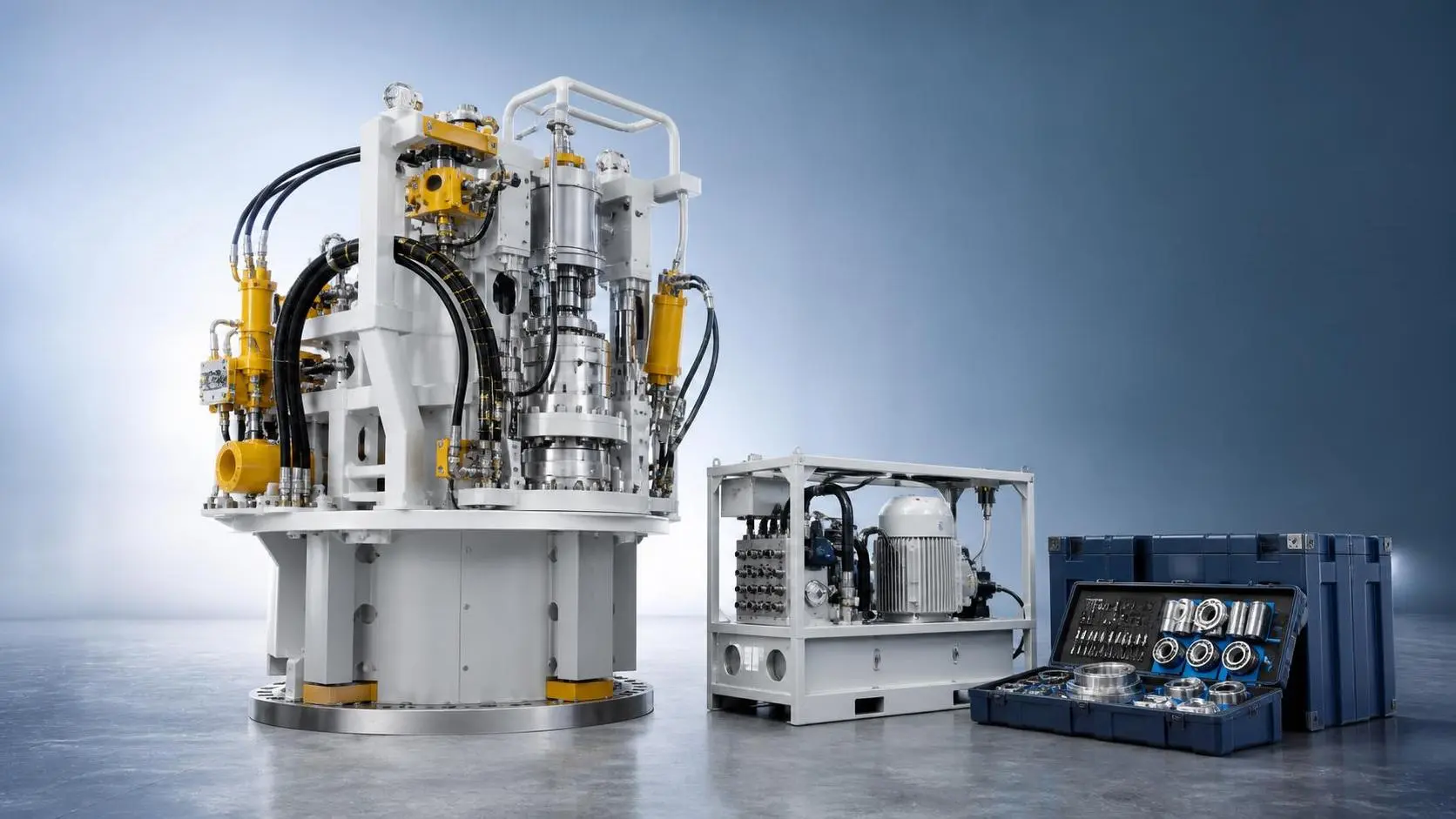
How to Evaluate a Pipe Jacking Equipment Distributor for Project Support and Uptime
Pipe jacking equipment distributor evaluation made practical: learn how to assess parts support, service response, training, and technical readiness to reduce downtime and protect project uptime.
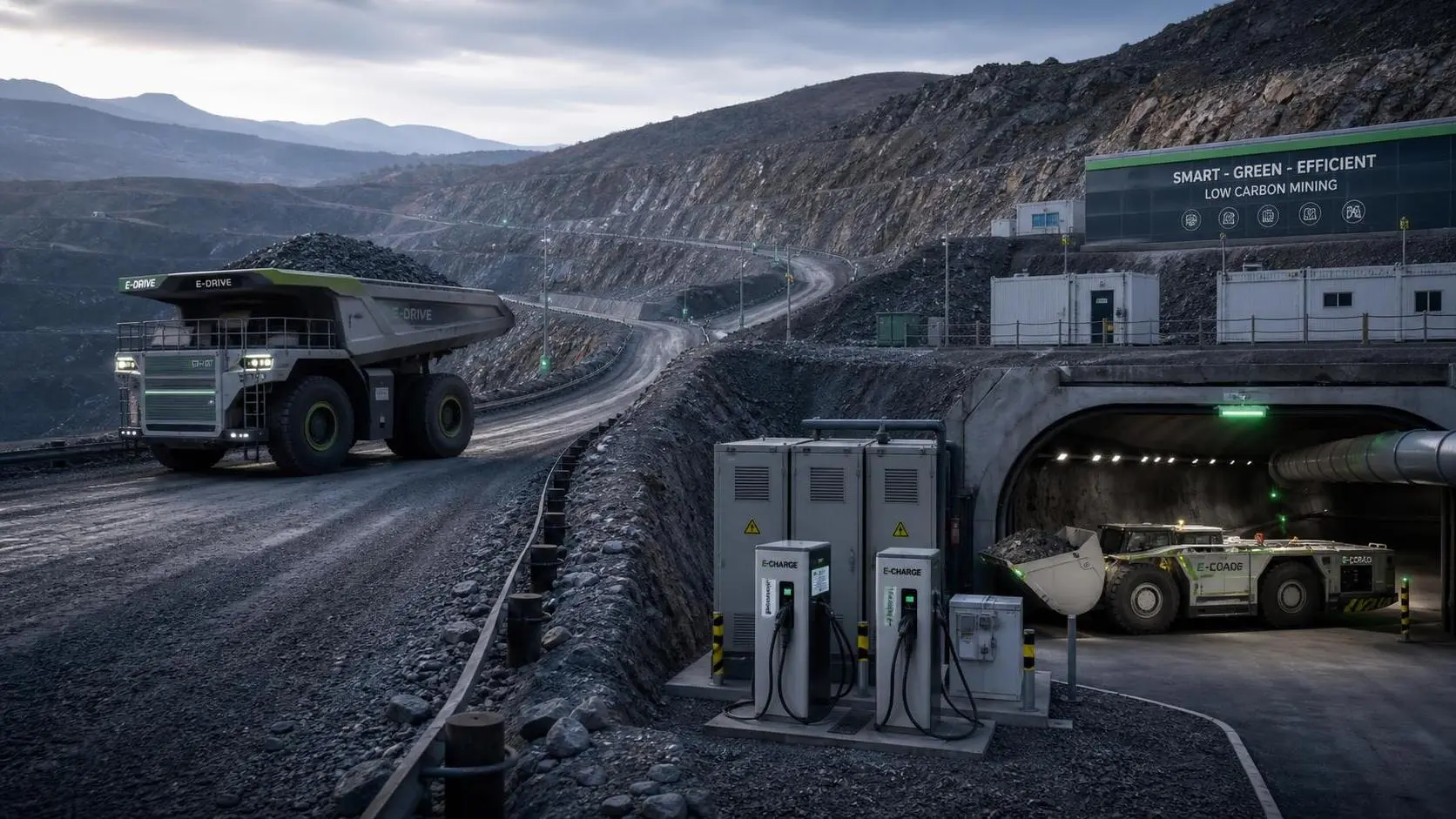
How to Build a Mining Decarbonization Strategy That Balances Emissions, Cost, and Fleet Reality
Mining decarbonization strategy starts with fleet reality. Learn how to cut emissions, control cost, and align power, ventilation, and production for a practical mine transition.
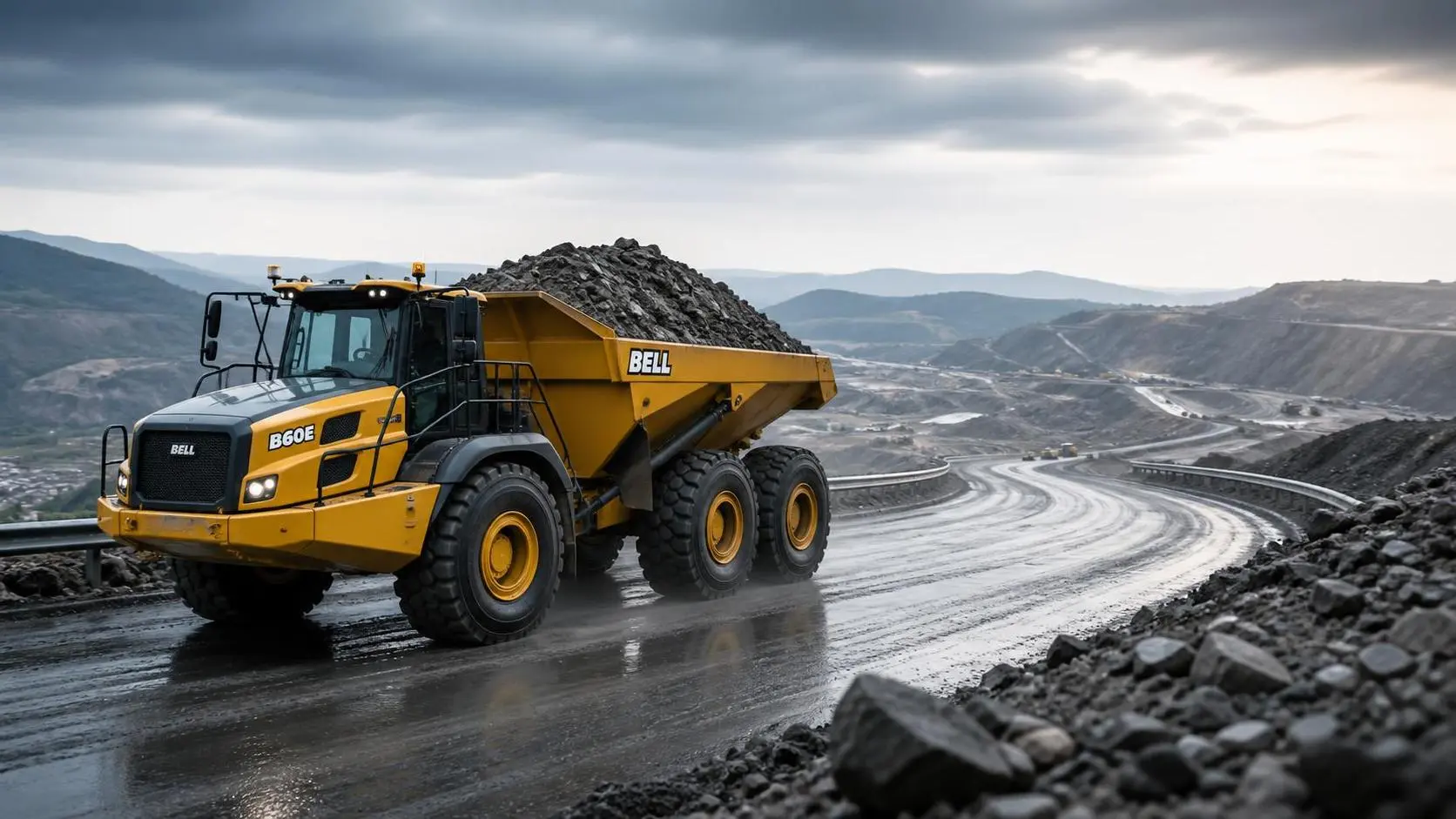
How to Evaluate Articulated Dump Trucks Payload for Haul Road Conditions and Cycle Efficiency
Articulated Dump Trucks payload evaluation starts with real haul road conditions, not brochure numbers. Learn how to balance payload, traction, grades, and cycle efficiency for safer, higher output.
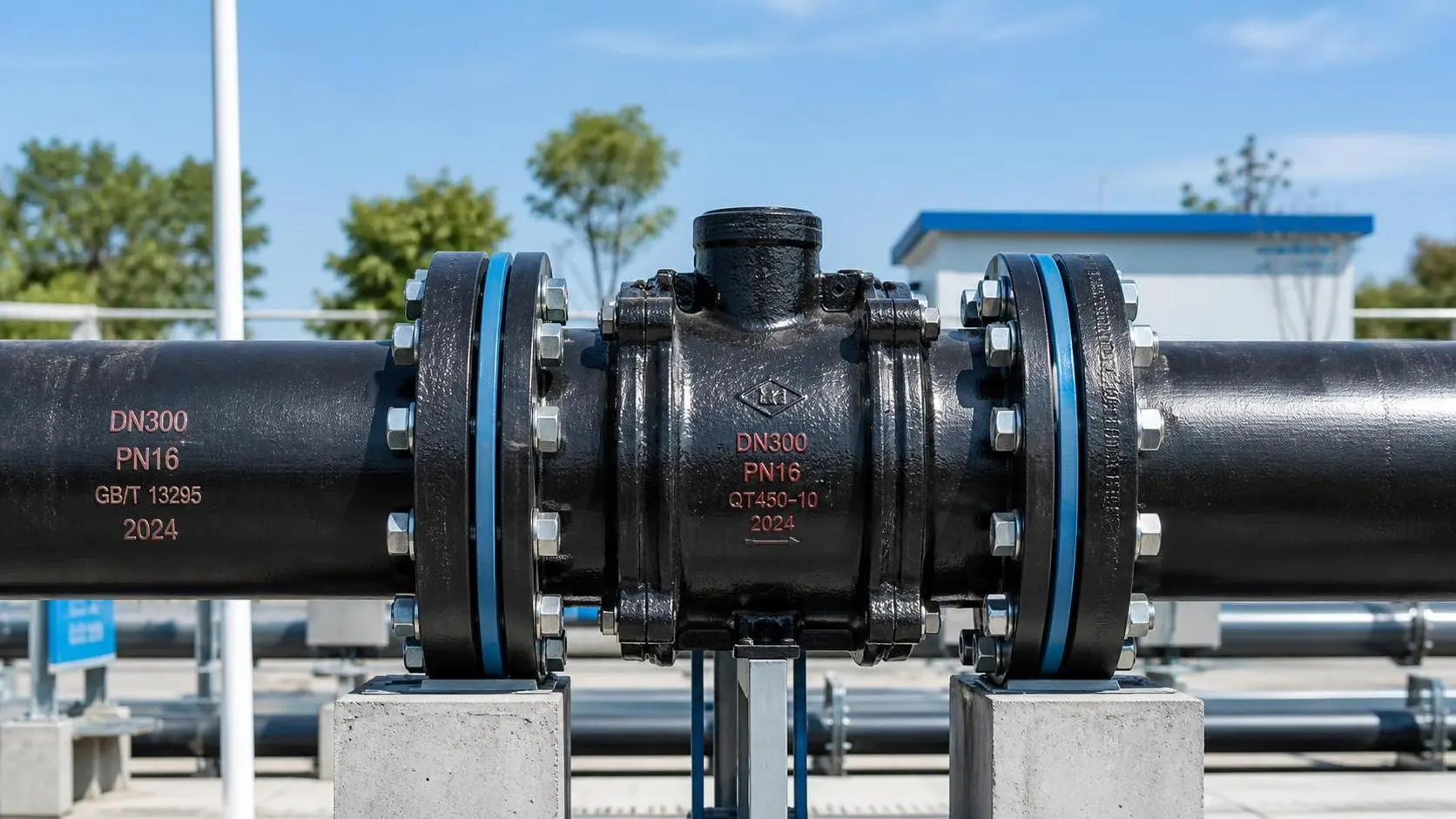
How Pipe Fittings Material and Pressure Class Affect Water Line Selection
Pipe fittings selection starts with material and pressure class. Learn how these factors affect water line reliability, corrosion resistance, installation, and long-term cost.
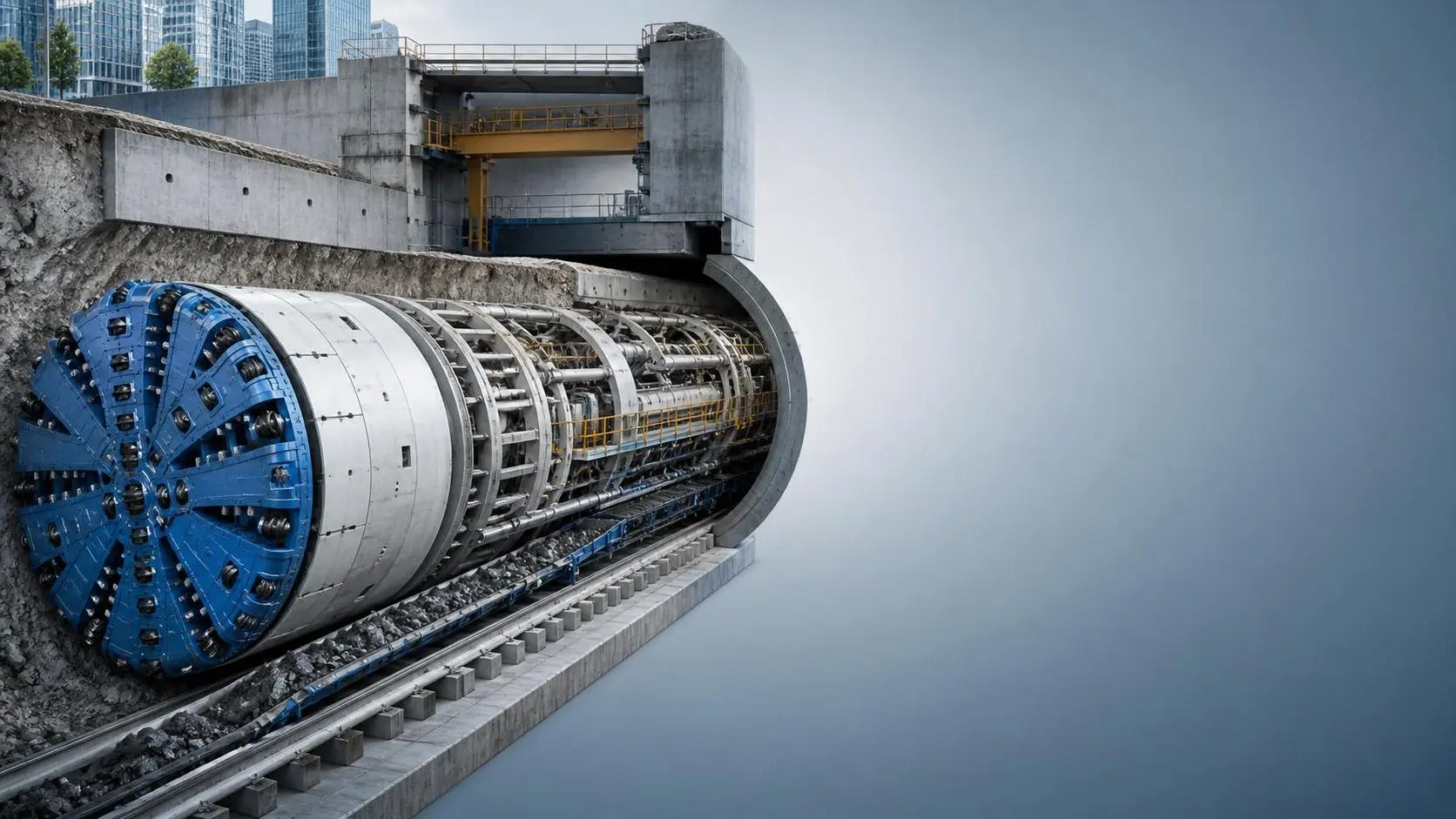
What Drives TBM Excavation Cost in Urban Tunneling Projects?
tbm excavation cost in urban tunneling depends on geology, shafts, segment lining, logistics, and risk. Discover the key cost drivers and compare bids with greater confidence.
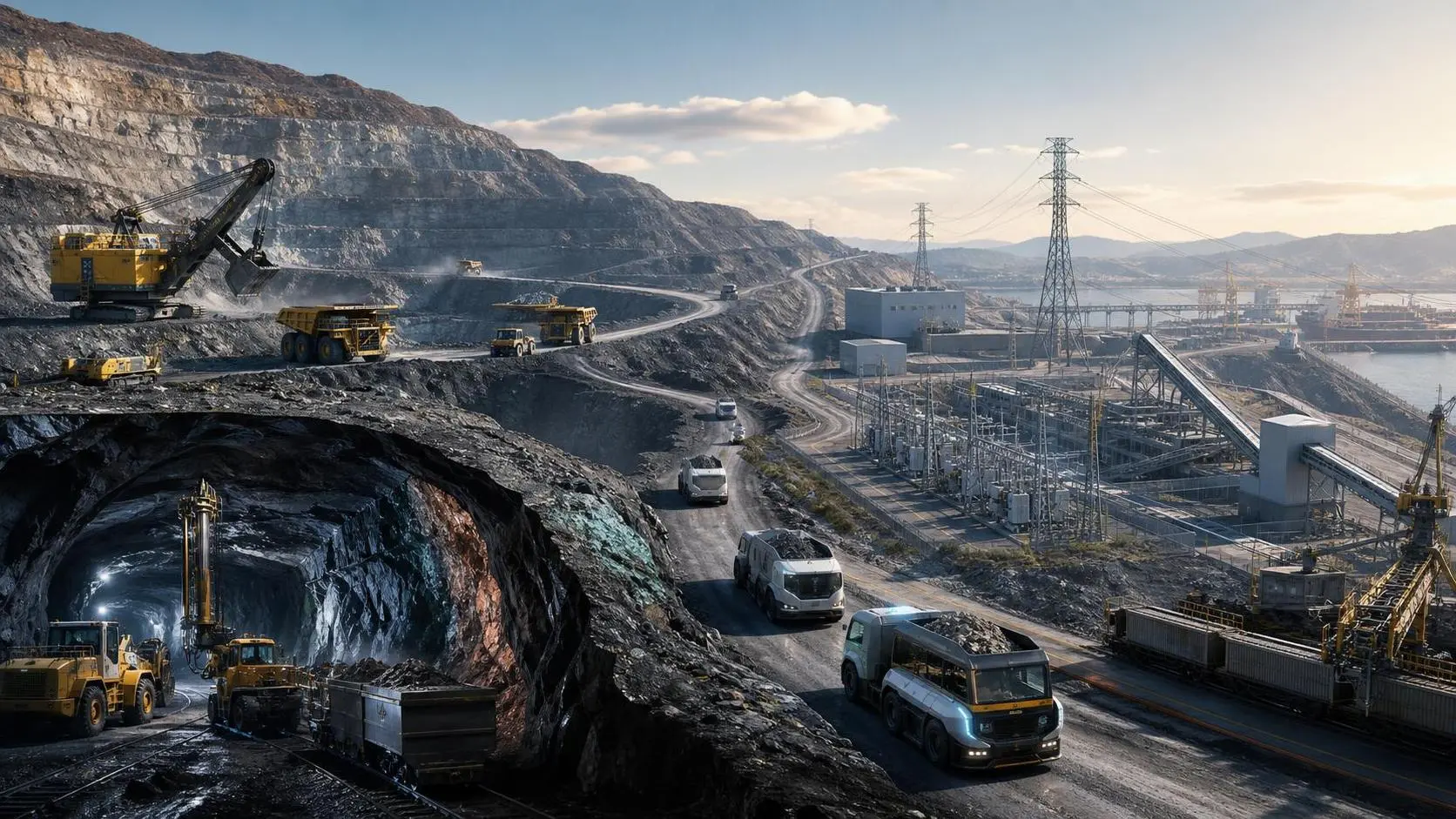
What Does Energy Metals Mining in Australia Mean for Supply, Cost, and Project Risk?
Energy metals mining Australia is reshaping supply, cost, and project risk. Discover what it means for buyers, investors, and operators.
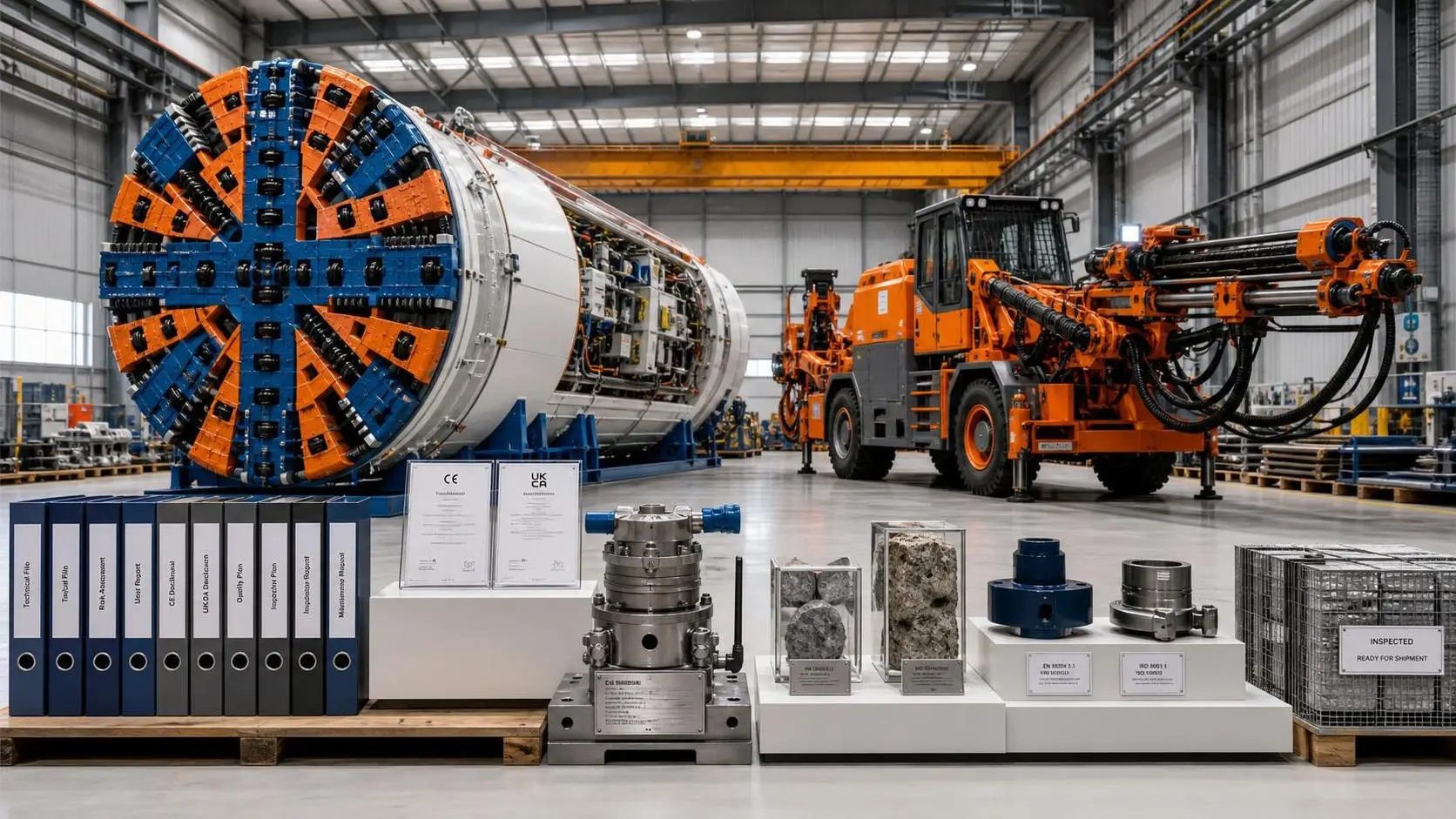
EU Eases Dual CE and UKCA Path for Chinese Tunnel Boring Equipment
EU eases CE and UKCA certification for Chinese tunnel boring equipment, cutting compliance time and helping importers move faster.
Related News
- 00
0000-00
What Should a Mine Decarbonization Roadmap Include to Cut Emissions Without Hurting Output? - 00
0000-00
How to Evaluate Underground Mine Automation Companies for Safety and ROI - 00
0000-00
How to Evaluate Underground Haulage Systems for Ore Output, Ramp Grade, and Ventilation Limits - 00
0000-00
How to Evaluate a Pipe Jacking Equipment Distributor for Project Support and Uptime - 00
0000-00
How to Build a Mining Decarbonization Strategy That Balances Emissions, Cost, and Fleet Reality
Weekly Insights
Stay ahead with our curated technology reports delivered every Monday.