
Heavy-Duty Mining Truck Suppliers Compared by Payload, Fuel Burn, and Lifecycle Cost





A mine can appear to have selected the lowest-cost truck while quietly approving the highest-cost haulage system. The problem usually emerges after commissioning: the truck carries less than the route can support, burns more fuel on ramps than the business case allowed, or spends too many scheduled hours waiting for parts and service access. By then, the purchase price is already sunk, while the operating cost continues for every tonne moved.
The practical comparison is not “which heavy-duty mining truck supplier offers the biggest truck?” It is which supplier can support the required tonnes moved at the lowest credible lifecycle cost under the mine’s actual haul profile. Payload, fuel burn, availability support, maintenance architecture, fleet commonality, and resale assumptions should be reviewed together. A larger nominal payload can be financially inferior when road geometry, loading tools, tyre limits, or cycle time prevent that capacity from being used consistently.
Start with the haulage requirement, not the brochure payload
Supplier comparisons often begin with rated payload because it is visible and easy to compare. It is also incomplete. Rated payload is a design limit under defined conditions; productive payload is the average material carried over real operating cycles without overloading, excessive underloading, or accelerated component wear.
Before comparing truck classes, establish the operating envelope that the fleet must serve:
- Required annual tonnes and expected production peaks
- Average and maximum haul distance
- Loaded uphill and empty downhill gradients
- Road width, rolling resistance, turning radius, and dumping conditions
- Material density, fragmentation, moisture variation, and spill risk
- Loader or shovel bucket size, pass-match target, and loading queue time
- Altitude, ambient temperature, dust exposure, and site maintenance conditions
A truck that is technically capable of carrying a larger load may create a mismatch with the loading fleet. Too few passes can make load distribution less controllable; too many passes can add excavator queue time. Either outcome affects tonnes per hour. The relevant measure is not only tonnes per truck, but productive tonnes per operating hour after loading, travel, dumping, and delay time are included.
For capital review, request supplier proposals based on one shared duty-cycle description. Without a common route model, each quotation may reflect different assumptions about grade, rolling resistance, speed, payload factor, or working hours. Comparing those proposals line by line can create false precision.
Payload comparison: capacity only has value when it is usable
Payload should be assessed through three layers: nominal capacity, achievable average payload, and payload compliance. The first appears on the specification sheet. The second depends on material and loading practice. The third determines whether the fleet can achieve the second without repeated overload events.
One frequent error is approving a higher-capacity truck solely because it reduces fleet count. A smaller fleet can lower operator count and simplify dispatch, but it can also reduce redundancy. When one large unit is unavailable, the percentage of lost fleet capacity is greater. The financial effect depends on whether standby equipment, alternative haul routes, or production buffers are available.
Ask each heavy-duty mining truck supplier to state how its proposed truck is expected to perform with the intended loading equipment and material. The request should cover target average payload, pass count, body recommendation, allowable payload range, and the operating consequences of persistent overload. Responses that only repeat rated payload do not answer the production question.

Fuel burn must be converted into energy cost per productive tonne
Fuel consumption expressed as litres per hour is useful for maintenance planning, but it is not sufficient for supplier selection. A high-output truck may consume more fuel per hour while moving more tonnes per hour. Conversely, a truck with a modest hourly fuel figure can have poor fuel efficiency if it spends long periods queuing, climbing slowly, or operating below its intended payload.
The more relevant calculation is:
Energy cost per productive tonne = total energy cost during the operating period ÷ productive tonnes hauled during the same period.
For diesel equipment, total energy cost should include fuel, applicable delivery or storage costs, and expected idle consumption. For electric or trolley-assist proposals, include electricity supply, charging or infrastructure losses where applicable, demand-related charges where contractually relevant, and the cost of maintaining the energy delivery system. The objective is not to force unlike systems into a simplistic comparison; it is to ensure that each option carries its full energy burden.
Route characteristics can reverse the apparent ranking
A supplier’s claimed fuel advantage may not transfer from one mine to another. Long uphill loaded hauls generally place greater emphasis on engine output, transmission strategy, cooling performance, and sustained gradeability. Long downhill sections can shift attention toward braking capacity, retarding control, heat management, and, where the system allows it, energy recovery. Short, congested cycles tend to magnify idling, acceleration, loading delays, and traffic interactions.
Review fuel or energy estimates by route segment rather than accepting one fleet-average number. At a minimum, separate loading, loaded travel, dump time, empty return, idle time, and planned delays. This approach makes it easier to see whether an attractive estimate depends on assumptions that the mine cannot realistically control.
Fuel burn also has a maintenance connection. Excessive engine load, poor road condition, prolonged high-temperature operation, and frequent braking events can change component life. A low fuel estimate that assumes ideal roads but ignores the cost of maintaining those roads is not a complete ownership estimate.
Lifecycle cost is where supplier differences become visible
The initial truck price is only one line in the cost model. Lifecycle cost should cover all expenses and value effects that result from acquiring, operating, maintaining, and retiring the equipment. The model should be transparent enough to show which assumptions drive the result.
A usable lifecycle model normally includes:
- Acquisition price, freight, commissioning, and initial tooling
- Financing or cost-of-capital treatment consistent with internal approval rules
- Fuel or electricity, lubricants, tyres, and wear materials
- Scheduled maintenance labour, parts, fluids, and service consumables
- Expected major component events, rebuild scope, and exchange-unit arrangements
- Unscheduled repair allowance and production impact from downtime
- Fleet management hardware, software subscriptions, and data support where required
- Site infrastructure needed specifically for the selected powertrain or truck size
- Residual value, disposal obligations, and the expected condition at replacement
The difficult part is not listing these categories. It is avoiding assumptions that hide risk. For example, a supplier may quote attractive planned-maintenance costs but exclude travel time for field technicians, local parts holding, consumables, or labour outside a standard service window. Another proposal may include a more complete support package but look expensive until the included scope is separated from optional items.
Use a common ownership period and clearly define the expected operating hours or kilometres within that period. A truck replacement decision based on calendar years alone can distort the comparison when utilisation differs between sites or seasons.
Do not treat downtime as a vague contingency
Availability has a direct capital consequence because a truck fleet is sized around expected working capacity. If actual availability falls below the planning assumption, the mine may need additional units, overtime, rental equipment, deferred production, or a larger maintenance buffer. These costs may not sit in the truck purchase order, but they are still caused by the fleet decision.
Supplier evaluation should therefore examine serviceability as closely as mechanical specification. Useful questions include:
- Which routine tasks can be completed at site, and what tools are required?
- What parts are expected to be held locally, and who owns that inventory?
- Which failures require specialist intervention or remote diagnostics?
- What component exchange options exist for engines, drive systems, batteries, or power electronics?
- How are warranty exclusions, response times, and machine-condition requirements documented?
- Can the supplier provide maintenance intervals and planned shutdown durations for the proposed duty cycle?
A supplier with a slightly higher purchase price may be financially preferable where its parts pathway, maintenance access, and technical support reduce the risk of production interruption. That conclusion should be supported by stated scope and contractual terms, not by generic claims about reliability.
Compare diesel, electric, and autonomy-related costs without mixing assumptions
Where powertrain options differ, the financial case needs separate treatment for truck cost and system cost. Diesel trucks may have a lower initial infrastructure requirement, while battery-electric or trolley-assisted concepts can move part of the cost into charging, power distribution, substations, cable systems, or route modifications. The right comparison is the total operating system required to deliver the same haulage outcome.
Battery-electric equipment also requires an operating plan for charging windows, battery exchange where applicable, thermal management, and spare energy assets. A proposal may be technically sound yet still be a poor financial fit if charging interruptions conflict with production peaks. On the other hand, evaluating electric equipment only by its purchase price can ignore savings from reduced fuel handling and different maintenance demands. Both sides belong in the same model.
Autonomous or remotely assisted functions should be costed in a similar way. Consider onboard hardware, communications coverage, control systems, training, supervision, integration with dispatch, and changes to road management. Productivity gains should not be assumed unless the operating rules, loading interactions, and traffic design can support them.
A disciplined way to evaluate supplier quotations
Build the comparison around a base case, then test the assumptions most likely to move the decision. The base case should use the same production target, haul profile, operating hours, fuel or power cost basis, tyre assumptions, maintenance labour rate, and discounting approach for every supplier.
- Define the required output. Set tonnes, cycle assumptions, production hours, and planned availability before requesting final commercial offers.
- Normalize technical inputs. Require each supplier to provide payload, cycle, energy, maintenance, and infrastructure assumptions in the same format.
- Separate included from excluded costs. Do not allow bundled service claims to obscure gaps in parts, labour, tooling, or infrastructure responsibility.
- Model low, expected, and stressed conditions. Test lower payload factors, higher fuel prices, reduced availability, longer parts lead times, and road-condition deterioration.
- Review capacity risk. Determine whether a single truck outage creates a production shortfall and what mitigation costs would follow.
- Document decision gates. Identify assumptions that must be validated through route surveys, tyre studies, power studies, or maintenance planning before award.
Sensitivity testing is especially important for financial approval. A proposal that remains competitive when payload is modestly lower or availability is slightly reduced is usually less exposed than one that only works under near-perfect conditions. The goal is not to select the cheapest optimistic forecast; it is to select the option with a credible cost range and manageable downside.
Residual value and fleet standardization deserve a separate review
Residual value is often assigned as a percentage without enough examination. Its credibility depends on truck condition, accumulated hours, rebuild history, component status, market demand, transportability, and the availability of support after the mine’s ownership period. Treat supplier repurchase language carefully unless it is contractual, measurable, and tied to defined acceptance conditions.
Fleet standardization can also carry material value. A common truck platform may reduce training requirements, simplify parts inventory, improve mechanic familiarity, and make fleet balancing easier. Yet standardization should not override route fit. A mine with materially different haul profiles may benefit from more than one truck class if the operational savings exceed the added complexity.
The strongest procurement decision is usually supported by a supplier comparison that makes trade-offs visible: productive payload rather than rated payload alone, energy cost per tonne rather than hourly burn alone, and lifecycle exposure rather than purchase price alone. Where those measures are based on the mine’s actual road, loading, maintenance, and power conditions, the approval discussion becomes a capital decision grounded in operating reality rather than a specification contest.
Related News
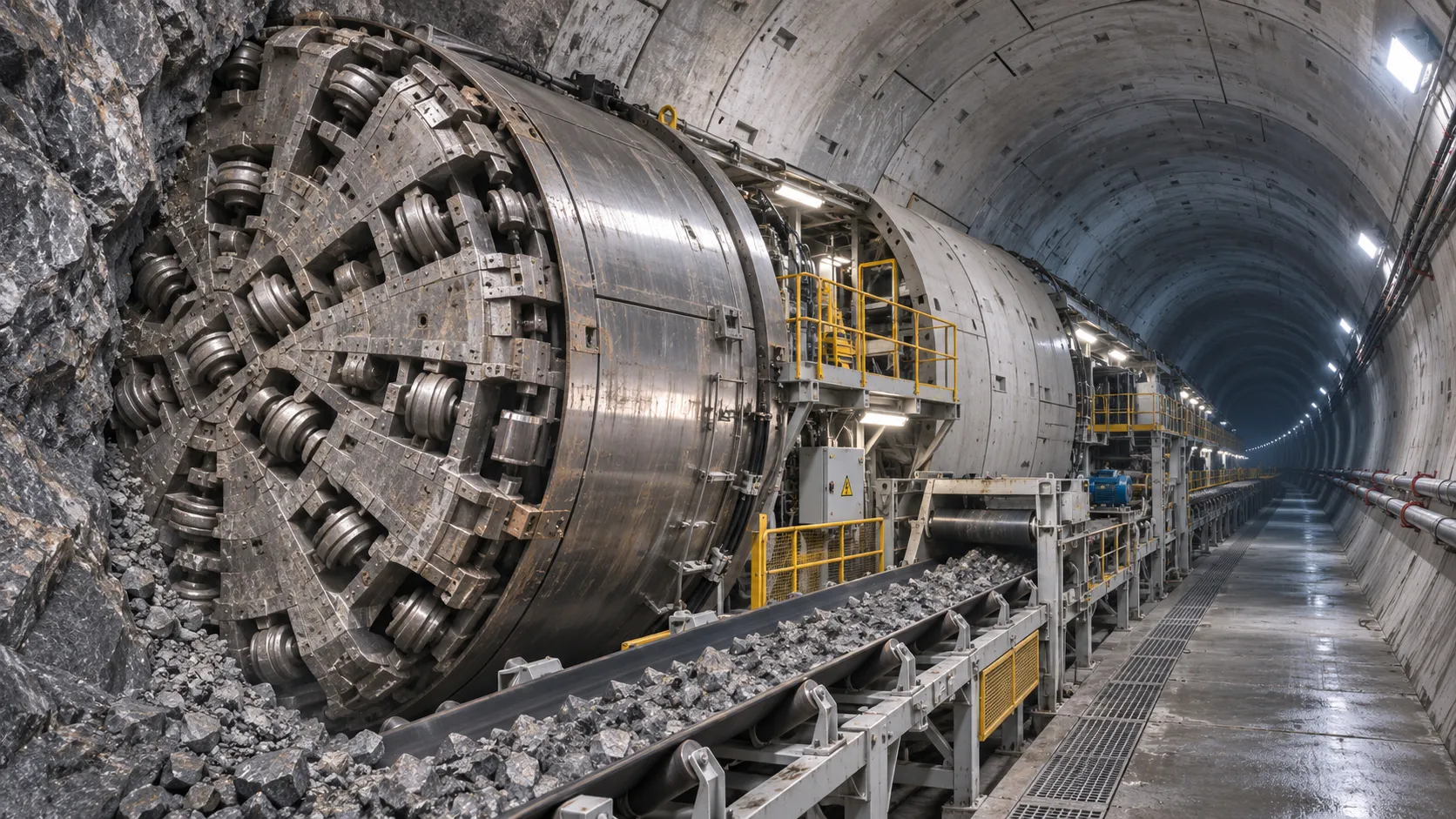
How TBM Excavation Works in Rock and Soft Ground: A Practical Guide
TBM Excavation in rock and soft ground explained: compare machine types, ground support, spoil removal, and the factors that guide smarter project planning.
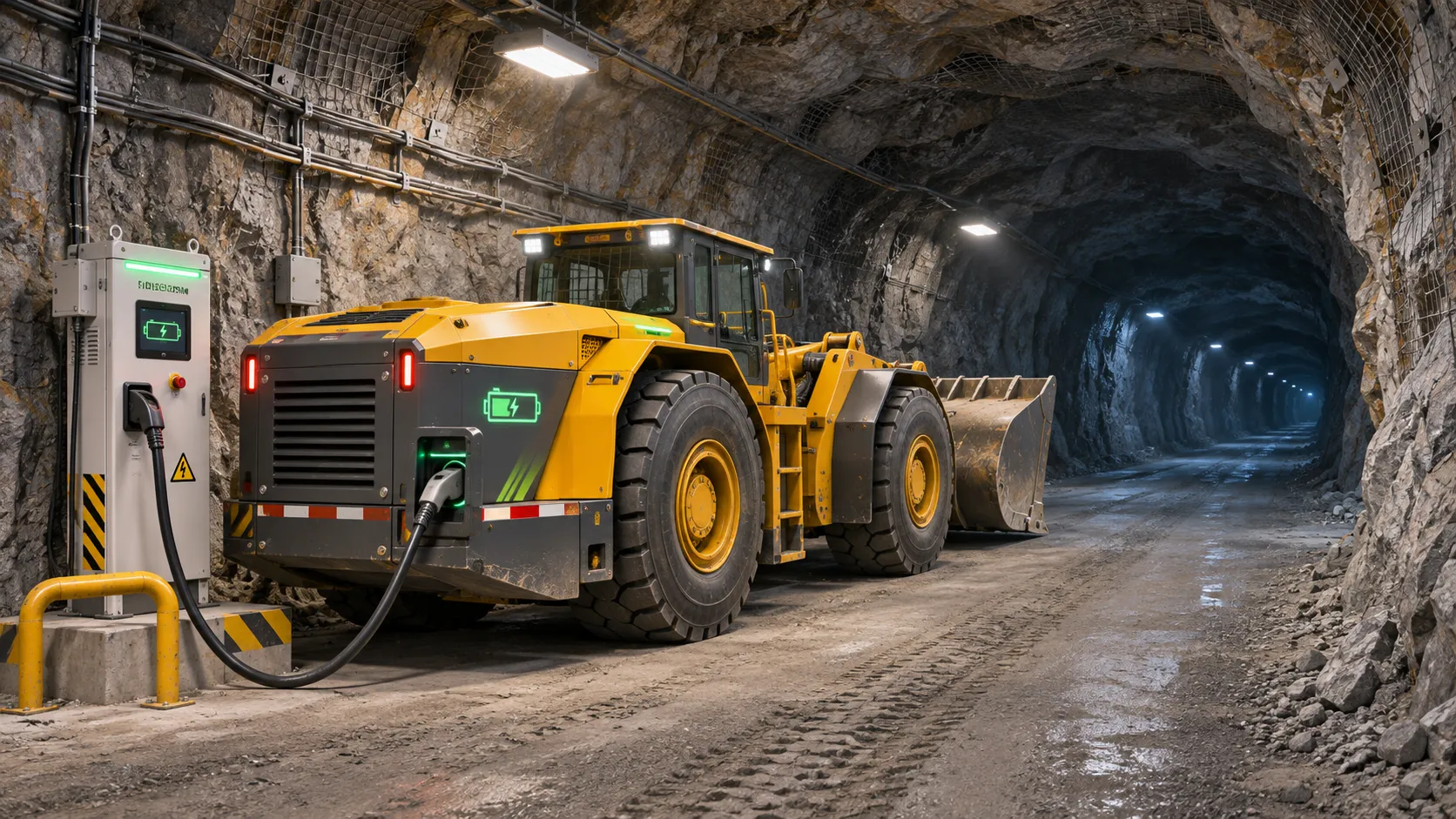
Choosing a Zero-Emission Underground Equipment Supplier: What to Check
Choosing a zero emission underground equipment supplier? Compare duty-cycle performance, charging, safety, total costs and support before you commit.
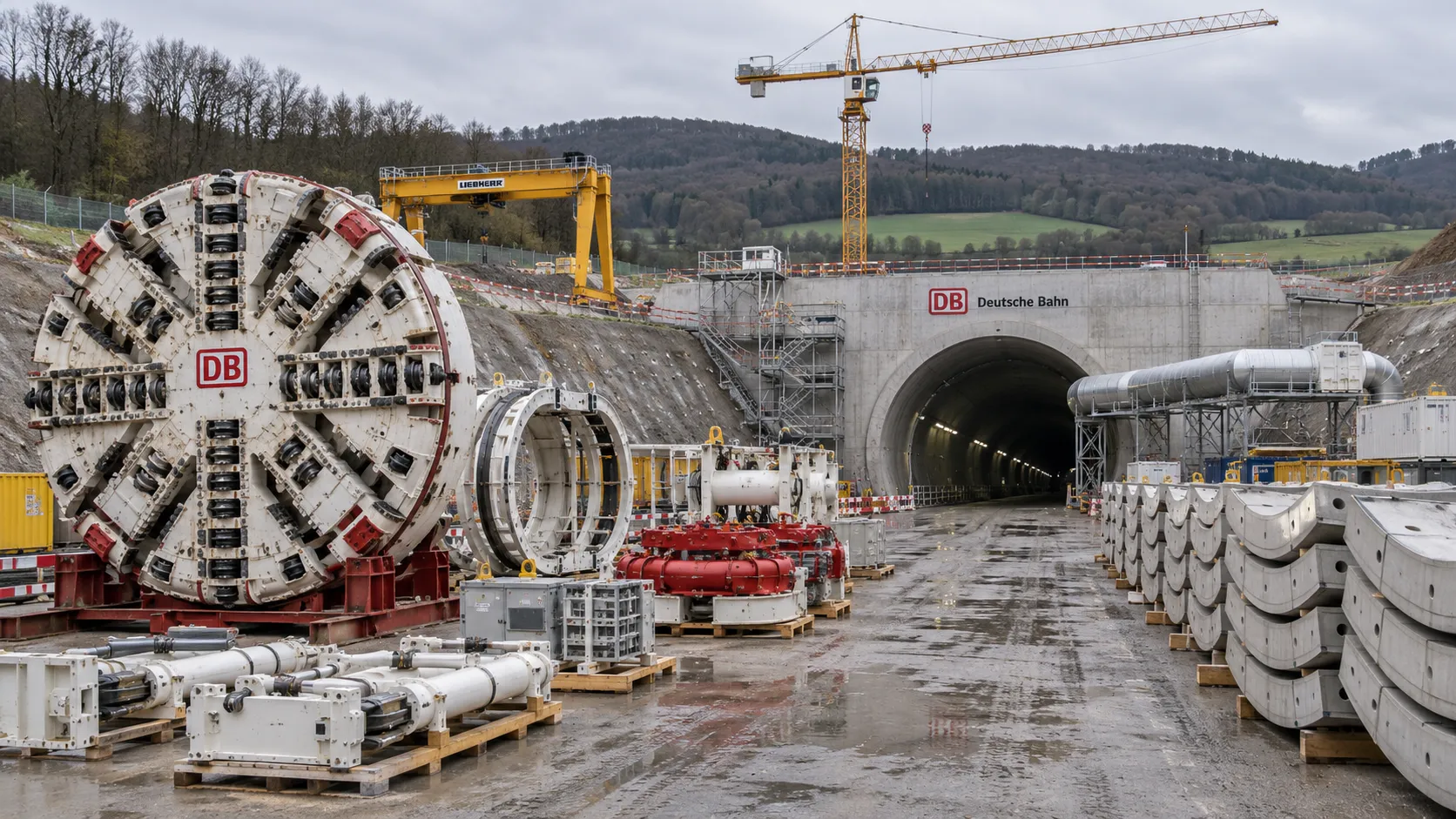
Construction Starts on Germany's Pfaffensteig Rail Tunnel, With Two TBMs Planned
Pfaffensteig rail tunnel construction is underway in Germany. Discover how two planned TBMs will support the 11-kilometre project near Stuttgart.
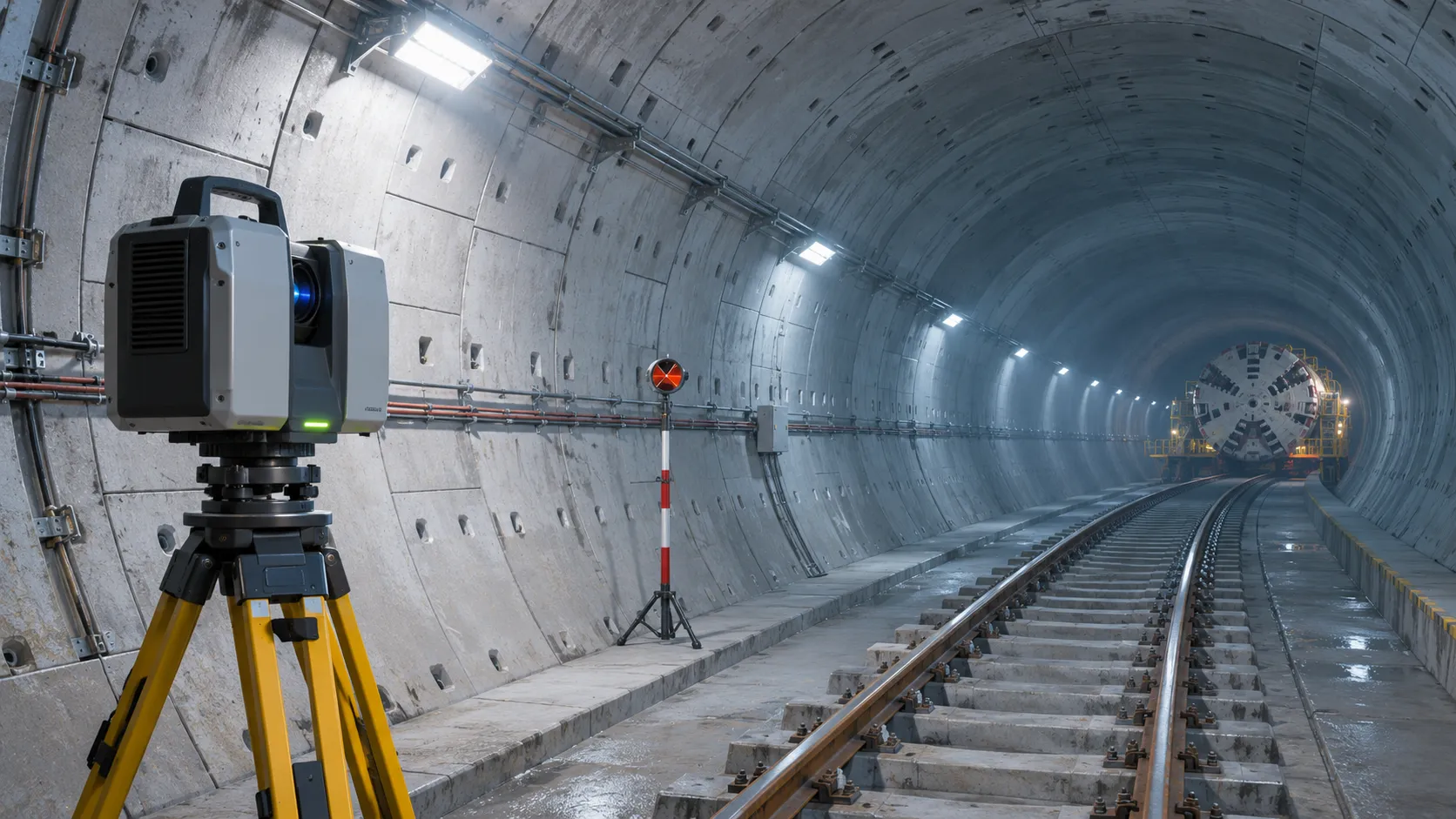
How Real-Time Underground Mapping Systems Work in Tunneling
Discover how real-time underground mapping systems guide tunneling teams, integrate sensor data, and support confident decisions with verified accuracy.
First Mechanized Tunnel Crossing Beneath the Panama Canal Completed
Panama Canal tunnel crossing: Explore the reported Metro Line 3 milestone and what it could mean for future underwater tunneling projects.
Underground Utility Construction Equipment: Choosing by Ground Conditions
Choose underground utility construction equipment with confidence. Compare trenching, HDD, microtunnelling and TBMs by ground conditions, risk and cost.
China Sets Tunnel Boring Machine Export Controls as India Pushes Local Production
China tunnel boring machine export controls could reshape procurement as India pushes local production. Explore potential supply and project impacts.
Choosing a Trenchless Pipeline Installation Contractor: Key Qualifications
Choose a trenchless pipeline installation contractor with confidence. Learn how to assess experience, equipment, safety, costs, and project risks before you hire.
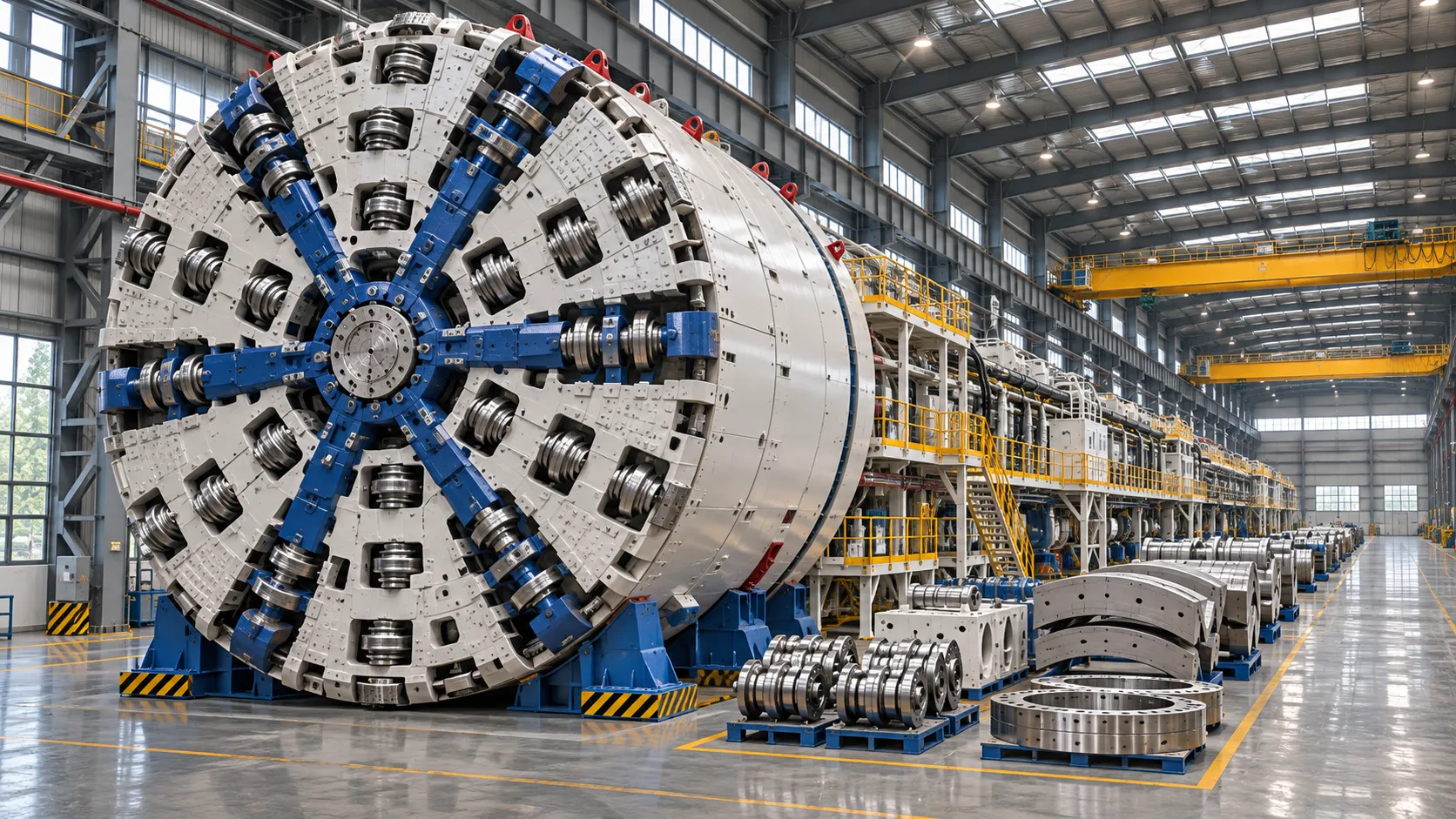
China's 70% TBM Share and Export Controls Challenge India's Local Production
China's TBM export controls could challenge India's local production and infrastructure sourcing. Explore the potential risks and procurement options.
Related News
- 00
0000-00
How TBM Excavation Works in Rock and Soft Ground: A Practical Guide - 00
0000-00
Choosing a Zero-Emission Underground Equipment Supplier: What to Check - 00
0000-00
Construction Starts on Germany's Pfaffensteig Rail Tunnel, With Two TBMs Planned - 00
0000-00
How Real-Time Underground Mapping Systems Work in Tunneling - 00
0000-00
First Mechanized Tunnel Crossing Beneath the Panama Canal Completed
Weekly Insights
Stay ahead with our curated technology reports delivered every Monday.