
Selecting a Heavy Mining Vehicle Supplier for High-Altitude Haulage Operations





Selecting a heavy mining vehicle supplier for high-altitude haulage is a fleet-operating decision, not a catalogue comparison. A truck can meet its stated payload target on a test sheet and still become the constraint in service when low air density reduces engine output, long downhill sections overload the braking system, and parts take too long to reach a remote site.
The supplier should be assessed against the actual haul cycle: loaded distance, empty return, road gradient, rolling resistance, elevation changes, loading method, dump point, ambient temperatures, and maintenance access. The correct choice is the supplier that can support reliable production across that complete cycle, including abnormal conditions, rather than the one offering the largest nominal truck or the lowest initial price.
Start with the haul profile, not the truck class
High-altitude sites often create a misleading purchasing problem. A vehicle may appear oversized for the planned payload, yet still struggle to maintain safe cycle times because its available power is reduced at elevation or because the haul road demands continuous retardation. Conversely, choosing a smaller unit to reduce capital cost can increase traffic density, loading delays, tyre wear, and operator exposure.
Before inviting proposals, define the operating envelope in a form suppliers can work with. It should include the maximum operating elevation, the route elevation change, the steepest sustained grade, typical road condition, expected payload distribution, weather range, shift pattern, and annual operating plan. Also identify the difference between the “normal” route and the route used after rain, snow, road repairs, or pit expansion. The latter often determines whether a fleet remains productive.
A useful request for proposal asks suppliers to explain how their recommended configuration performs on the stated route, not simply to submit a standard brochure specification. Require assumptions to be visible. If a cycle-time estimate depends on a dry, smooth road, a reduced payload, or a limited downhill speed, that should be clear before the equipment order is placed.
Thin air changes the powertrain decision
At altitude, internal-combustion engines have less oxygen available for combustion. Modern engines with turbocharging and electronic controls can compensate across a range of elevations, but compensation is not unlimited and should not be treated as a generic feature. The question is whether the proposed engine, cooling package, transmission, and final-drive arrangement can sustain the required loaded climb without operating continuously at its thermal or power limit.
Ask the supplier for route-specific performance modelling that shows loaded climbing speed, gear selection behaviour, heat rejection assumptions, and expected fuel use under realistic payload and rolling-resistance conditions. A supplier should also explain what happens when the road becomes softer or rougher. Extra rolling resistance can have as much operational impact as grade, especially when altitude has already reduced available power.
Fuel quality, cold-start conditions, dust filtration, and service access also matter. A vehicle that is technically capable of operating at elevation but requires highly controlled fuel handling or specialist diagnostic support may be a poor fit for a remote operation with limited infrastructure. The evaluation should separate equipment capability from the practical ability to keep that capability available.
Battery-electric haulage needs a route and energy model
Battery-electric mining trucks can be well suited to high-altitude operations where ventilation reduction, energy strategy, or emissions objectives are important. They should not be evaluated as diesel trucks with a different fuel source. The critical question is whether the battery system, charging or exchange method, and electrical infrastructure fit the haul cycle.
Long downhill runs may allow regenerative braking to recover energy, but the value depends on vehicle mass, grade, speed control, battery acceptance, and the balance between descent and subsequent climb. Regeneration does not remove the need for robust service braking, retarding capability, and thermal management. A supplier should show how the vehicle handles a full battery at the start of a descent, poor road conditions, queueing at the dump point, and loss of charging availability.
For battery fleets, evaluate the supplier’s infrastructure scope as carefully as the truck itself. Charging capacity, cable routing, substation reliability, workshop procedures, battery handling, emergency isolation, and spare battery strategy all affect availability. A sound vehicle proposal without an executable power and maintenance plan is incomplete.
Downhill control is a supplier capability test
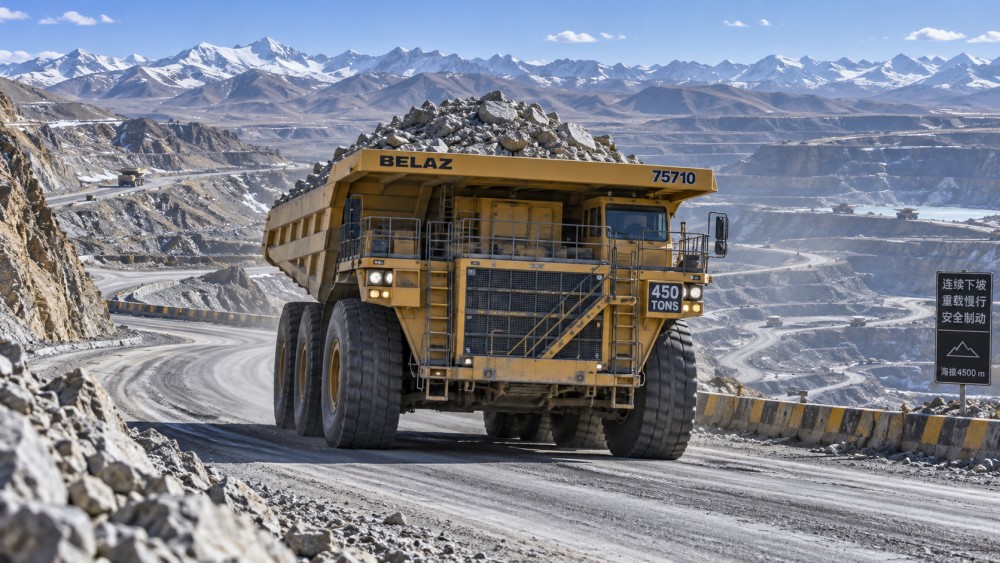
Steep downhill haulage is where selection decisions become visible very quickly. A loaded truck must control speed without relying on repeated service-brake application. The preferred operating approach is to use the primary retarding system for sustained descent while retaining service brakes for controlled stops and emergencies. The exact equipment may differ by vehicle type, but the principle remains the same: heat must be managed before braking performance becomes a risk.
Do not accept a general statement that a truck is “designed for mining grades.” Ask how the supplier sizes the braking and retarding system for the planned gross vehicle weight, descent length, grade profile, rolling resistance, ambient temperature, and target travel speed. This should include operating limits, warning logic, derating behaviour, and the response when a vehicle exceeds a temperature or speed threshold.
Brake-system selection also needs to account for human factors. Clear displays, predictable retard response, overspeed protection, and operator training are operational controls, not optional extras. In an autonomous or remotely operated fleet, the control philosophy must be tested against loss of communications, sensor faults, road obstructions, and degraded positioning. Automation cannot compensate for a vehicle whose braking capacity is mismatched to the route.
Compare suppliers on whole-cycle availability
Purchase price is easy to compare because it is visible. Lost tonnes from unavailable trucks are harder to see during procurement, yet they usually have a larger operational effect. High-altitude sites can amplify this issue because travel distances are long, weather can interrupt logistics, and workshop recovery may be difficult.
Evaluate support using concrete operating questions. Where will planned maintenance be completed? Which high-consumption parts will be held locally? How are major component failures diagnosed and repaired? What equipment is needed to recover an immobilised truck from a haul road? Who owns the availability data, and how quickly can the supplier provide engineering support when repeated faults emerge?
Service commitments should be matched to the project’s own maintenance model. Some operations have a capable workshop and need parts availability, technical documentation, and escalation support. Others need a supplier that can provide resident technicians, component planning, and maintenance systems. Neither model is automatically better. The risk comes from assuming a supplier’s standard service package matches the site’s actual capability.
Payload is only productive when the truck survives the road
A larger payload can lower the number of trips required, but it may also increase road loading, braking demand, tyre heat, queueing at loading tools, and repair time when a truck is out of service. The optimal truck size depends on the entire material-handling system. Loader pass match, shovel bucket size, dump-point capacity, road width, turning geometry, and maintenance bay dimensions all belong in the decision.
Payload monitoring should be treated as part of the operating solution. Consistent underloading wastes capacity, while repeated overloading raises stress on tyres, frames, suspension, driveline components, and braking systems. At altitude and on grades, a small payload deviation can materially affect climb performance and descent control. Select a supplier that can integrate payload data into fleet reporting and help define practical load-control procedures.
Tyre selection deserves particular attention. The correct tyre depends on haul-road surface, rock sharpness, speed, payload, heat build-up, and maintenance practices. Choosing the most aggressive tread or the highest nominal load rating without considering the route may create unnecessary cost or reduce ride quality. Suppliers should be able to discuss tyre suitability alongside vehicle configuration rather than treating tyres as a separate purchasing item.
Test the supplier’s assumptions before committing the fleet
A structured technical review is more valuable than a broad list of specifications. Bring operations, maintenance, road engineering, safety, electrical or fuel infrastructure, and digital systems into the review early. Each group sees a different failure point: operations sees cycle-time loss, maintenance sees component access, road teams see rolling resistance and drainage, while safety teams see speed control and recovery risks.
Use the same route data and production assumptions for every bidder. Then ask each supplier to state where its recommendation has limits. A credible response will explain trade-offs: a higher-capacity truck may need road upgrades; a battery solution may need more charging redundancy; an autonomous-ready platform may require stronger communications coverage and controlled road rules. This information makes competing proposals comparable.
Where possible, include a validation stage before full deployment. This can involve a route assessment, operator and maintainer familiarisation, configuration review, and verification of the data required to monitor payload, speed, braking events, energy use, and component condition. The purpose is not to recreate a laboratory test. It is to make sure the ordered vehicle, site infrastructure, and operating rules function as one system.
Digital readiness should serve the haulage plan
Fleet telemetry, collision awareness, dispatch integration, remote diagnostics, and autonomy functions can improve control over a difficult haul route. Their value depends on whether they address a real operating problem. For example, speed and retard-event data can help identify unsafe descent practices or road sections that need maintenance. Condition monitoring can support planned component replacement where transport delays make reactive repairs expensive.
A supplier should be able to define what data the vehicle produces, who can access it, how it connects to the site fleet-management system, and what happens if communications are interrupted. Avoid committing to an isolated proprietary platform if the operation expects to mix vehicle brands, introduce autonomous haulage later, or consolidate maintenance data across equipment types.
Resources such as the Global Underground Tunnelling & Mining Dynamics intelligence coverage can be useful at this stage because haulage decisions increasingly intersect with electrification, automation, regenerative braking, and smart mining transport. The practical value is in using that market and technical context to ask better route, infrastructure, and lifecycle questions before a procurement decision is finalised.
Make the award decision on operating evidence
The strongest proposal is not necessarily the one with the highest paper specification. It is the one that gives a workable answer to the specific altitude, grade, road, maintenance, and infrastructure conditions of the project. Weight the decision toward demonstrated route suitability, braking and thermal logic, support depth, parts strategy, data access, and the supplier’s willingness to make assumptions explicit.
Before issuing an order, confirm the vehicle configuration against the latest haul-road design and production schedule. Check that the workshop, recovery equipment, fuel or charging system, tyre facilities, and digital network are planned for the selected fleet rather than for a generic truck class. When those elements are aligned, the vehicle becomes a dependable part of the material movement system instead of the project’s most expensive bottleneck.
Related News
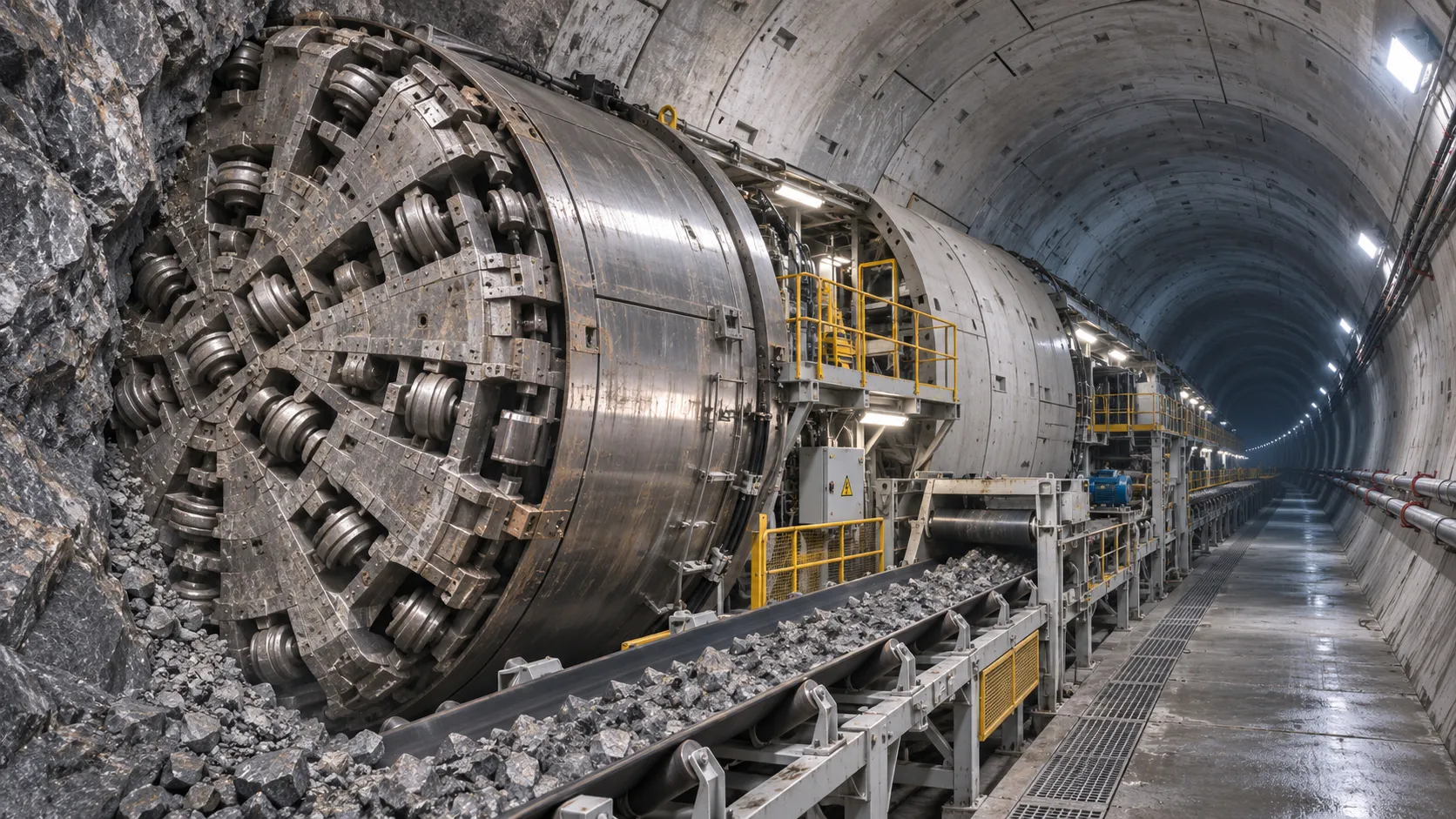
How TBM Excavation Works in Rock and Soft Ground: A Practical Guide
TBM Excavation in rock and soft ground explained: compare machine types, ground support, spoil removal, and the factors that guide smarter project planning.
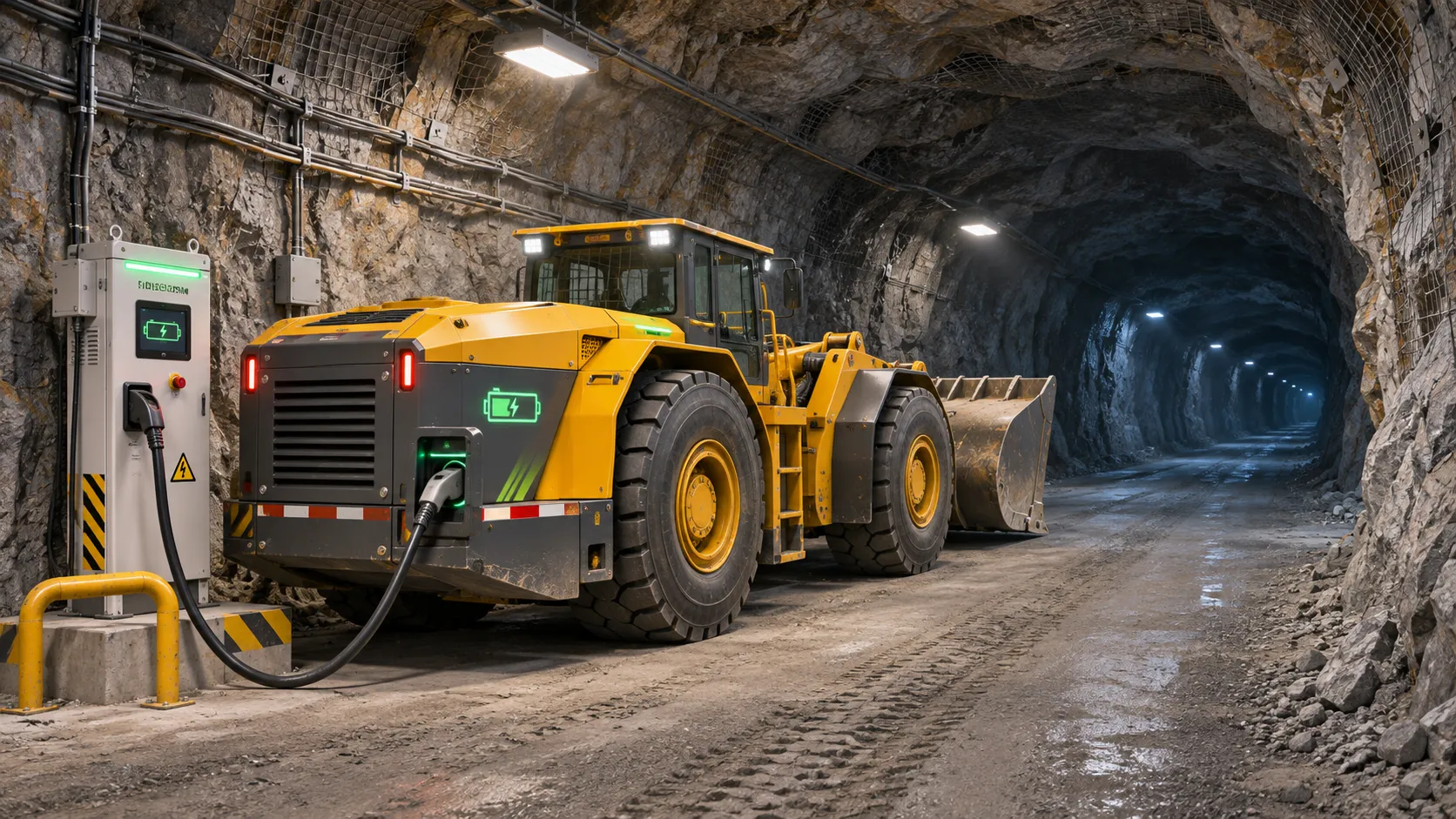
Choosing a Zero-Emission Underground Equipment Supplier: What to Check
Choosing a zero emission underground equipment supplier? Compare duty-cycle performance, charging, safety, total costs and support before you commit.
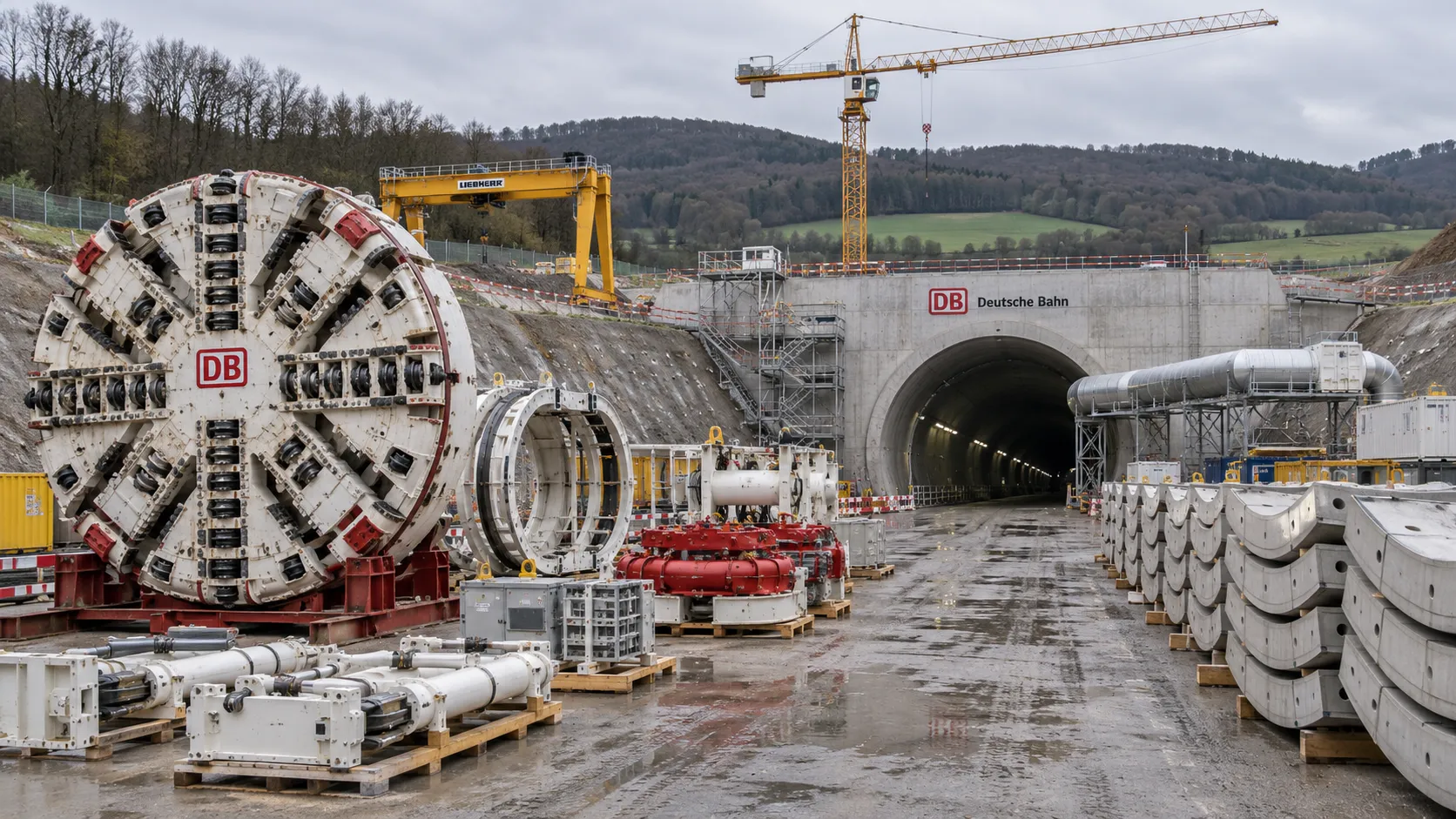
Construction Starts on Germany's Pfaffensteig Rail Tunnel, With Two TBMs Planned
Pfaffensteig rail tunnel construction is underway in Germany. Discover how two planned TBMs will support the 11-kilometre project near Stuttgart.
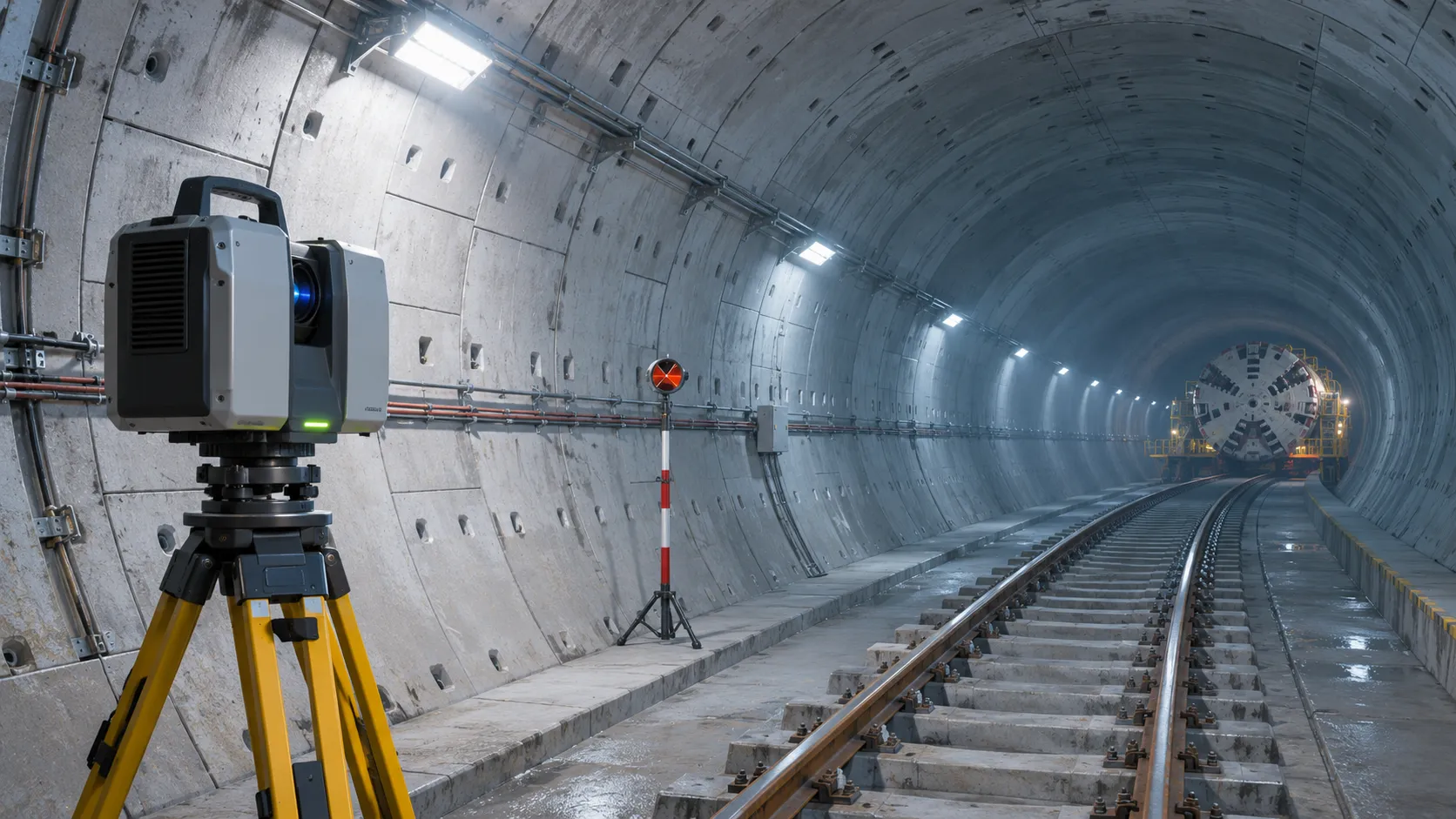
How Real-Time Underground Mapping Systems Work in Tunneling
Discover how real-time underground mapping systems guide tunneling teams, integrate sensor data, and support confident decisions with verified accuracy.
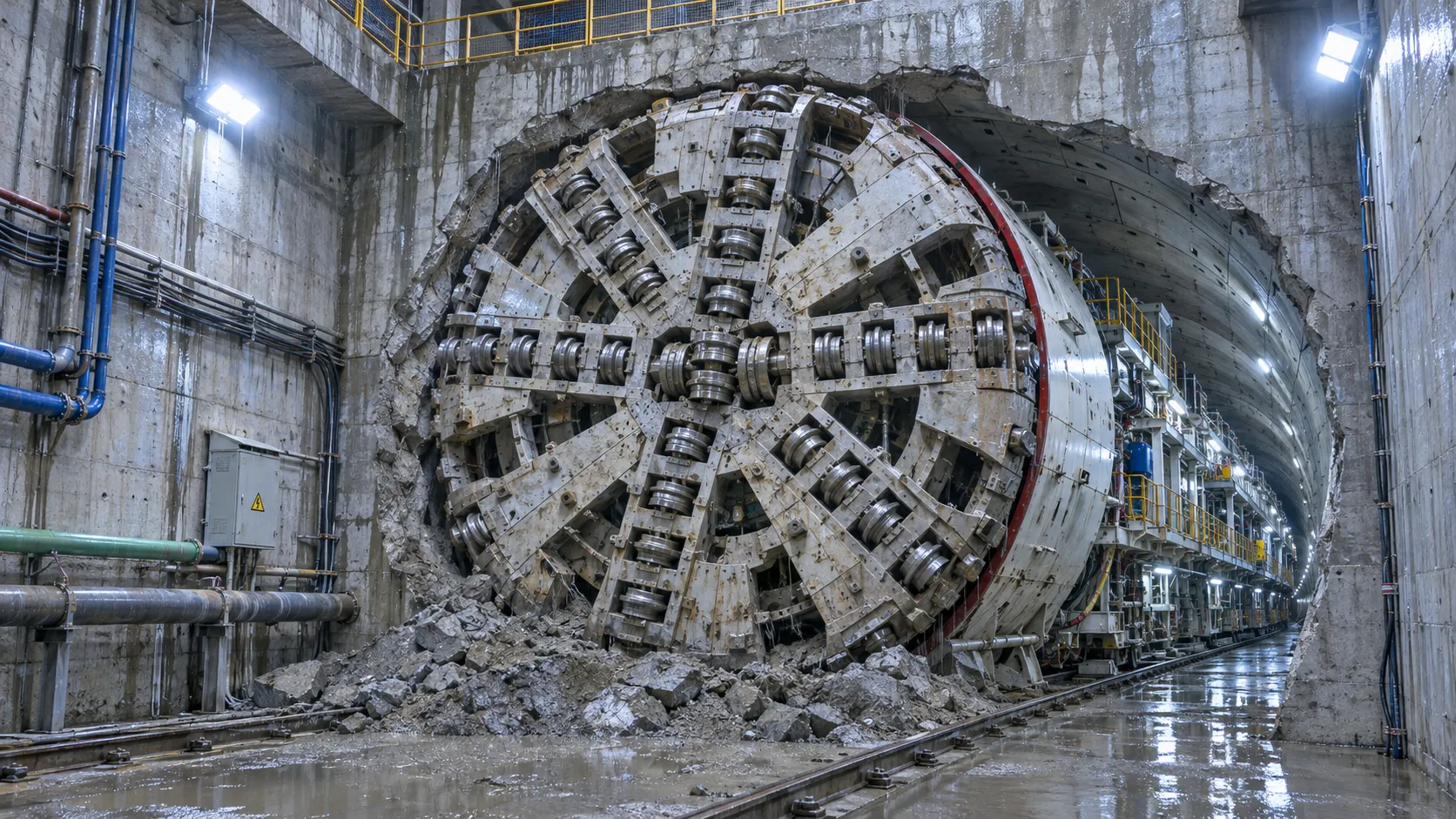
First Mechanized Tunnel Crossing Beneath the Panama Canal Completed
Panama Canal tunnel crossing: Explore the reported Metro Line 3 milestone and what it could mean for future underwater tunneling projects.
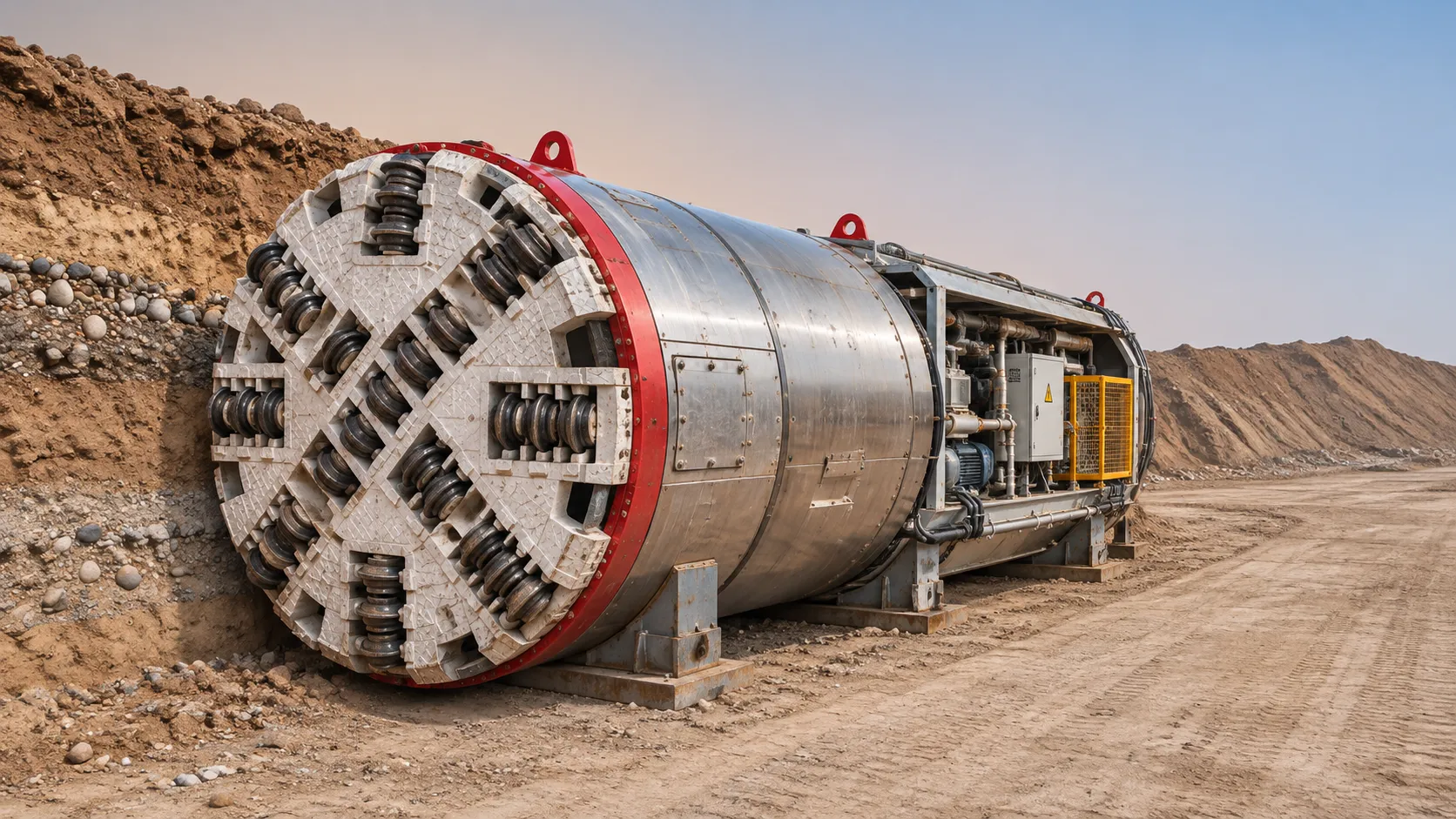
Underground Utility Construction Equipment: Choosing by Ground Conditions
Choose underground utility construction equipment with confidence. Compare trenching, HDD, microtunnelling and TBMs by ground conditions, risk and cost.
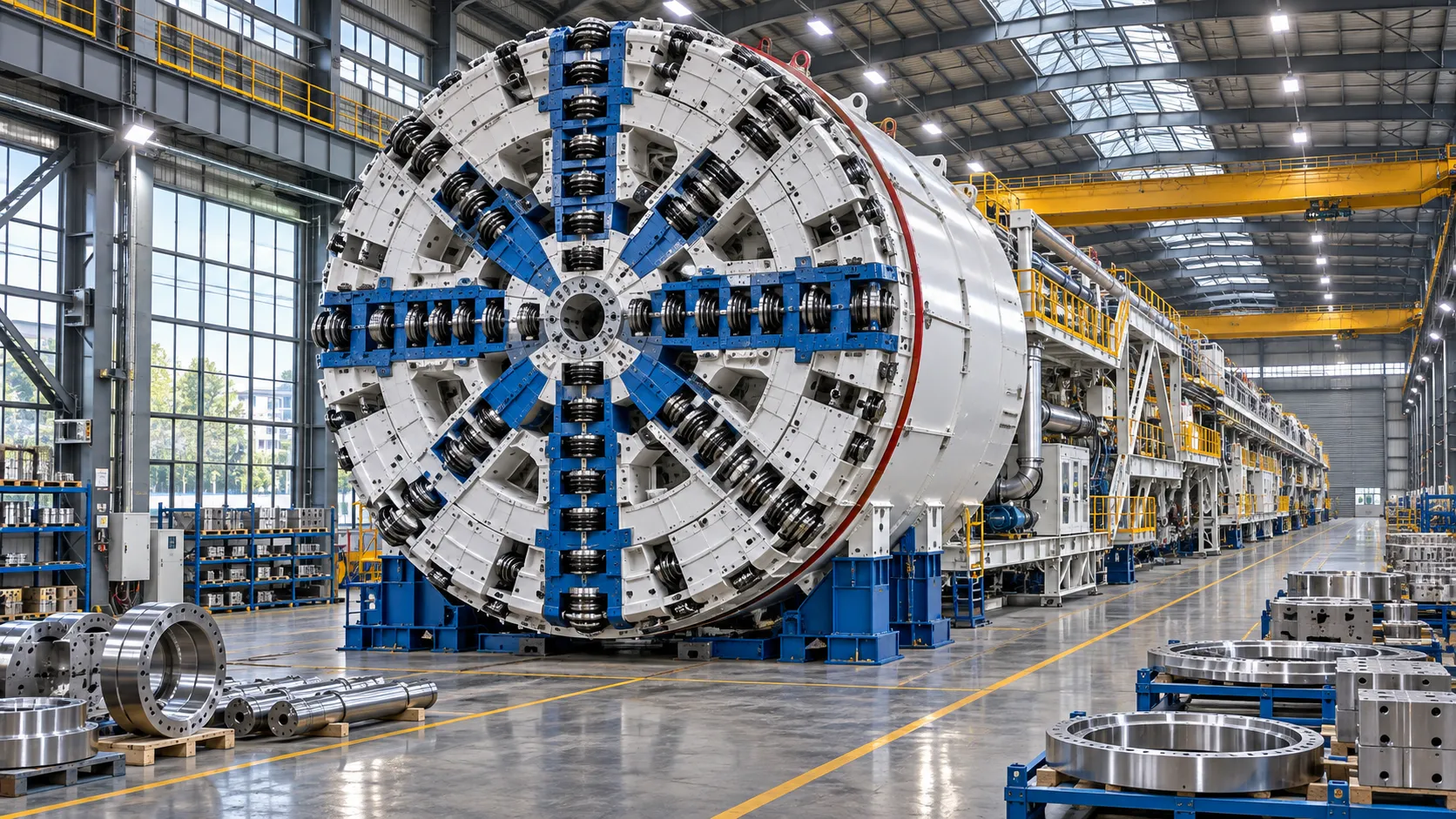
China Sets Tunnel Boring Machine Export Controls as India Pushes Local Production
China tunnel boring machine export controls could reshape procurement as India pushes local production. Explore potential supply and project impacts.
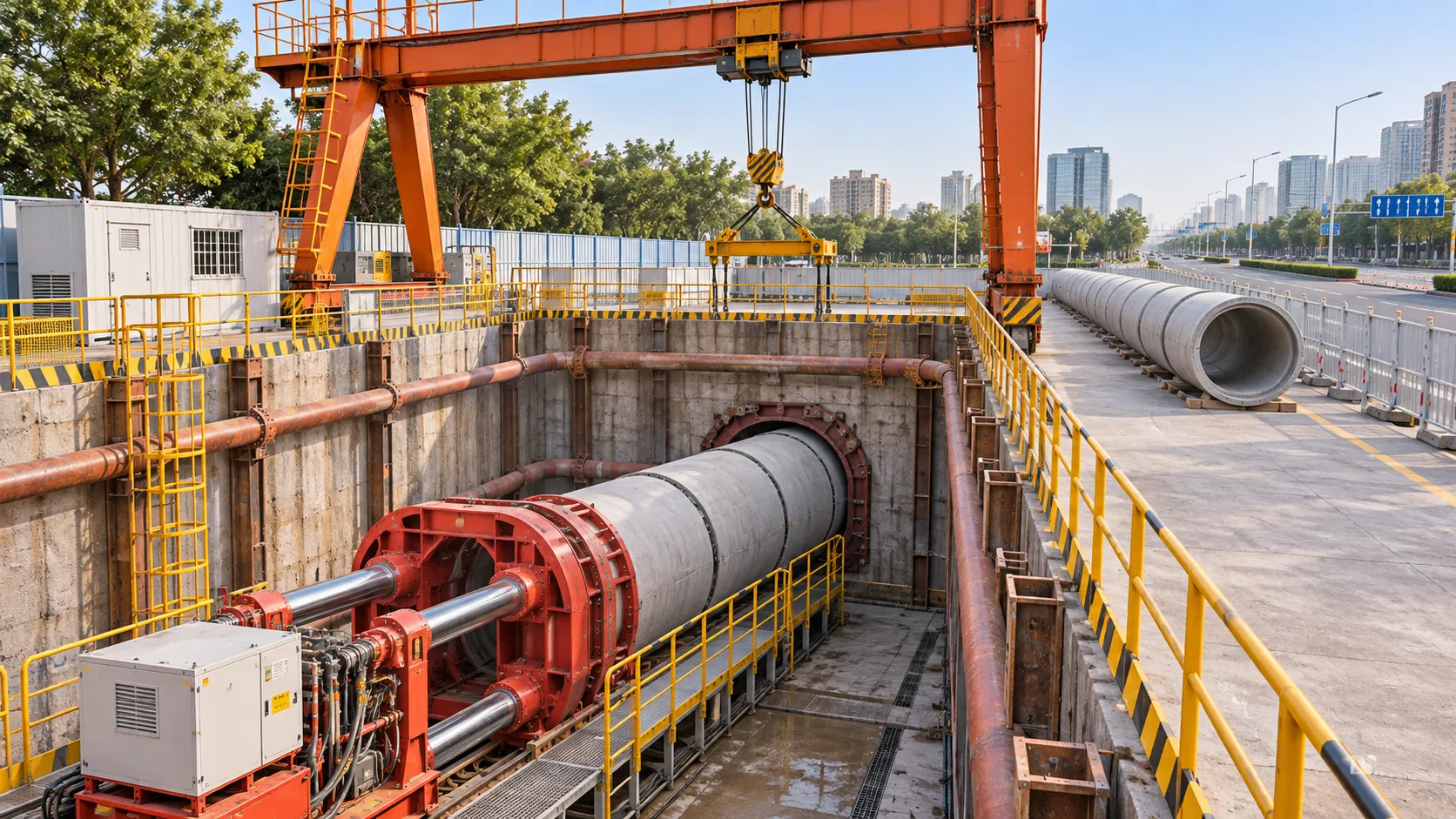
Choosing a Trenchless Pipeline Installation Contractor: Key Qualifications
Choose a trenchless pipeline installation contractor with confidence. Learn how to assess experience, equipment, safety, costs, and project risks before you hire.
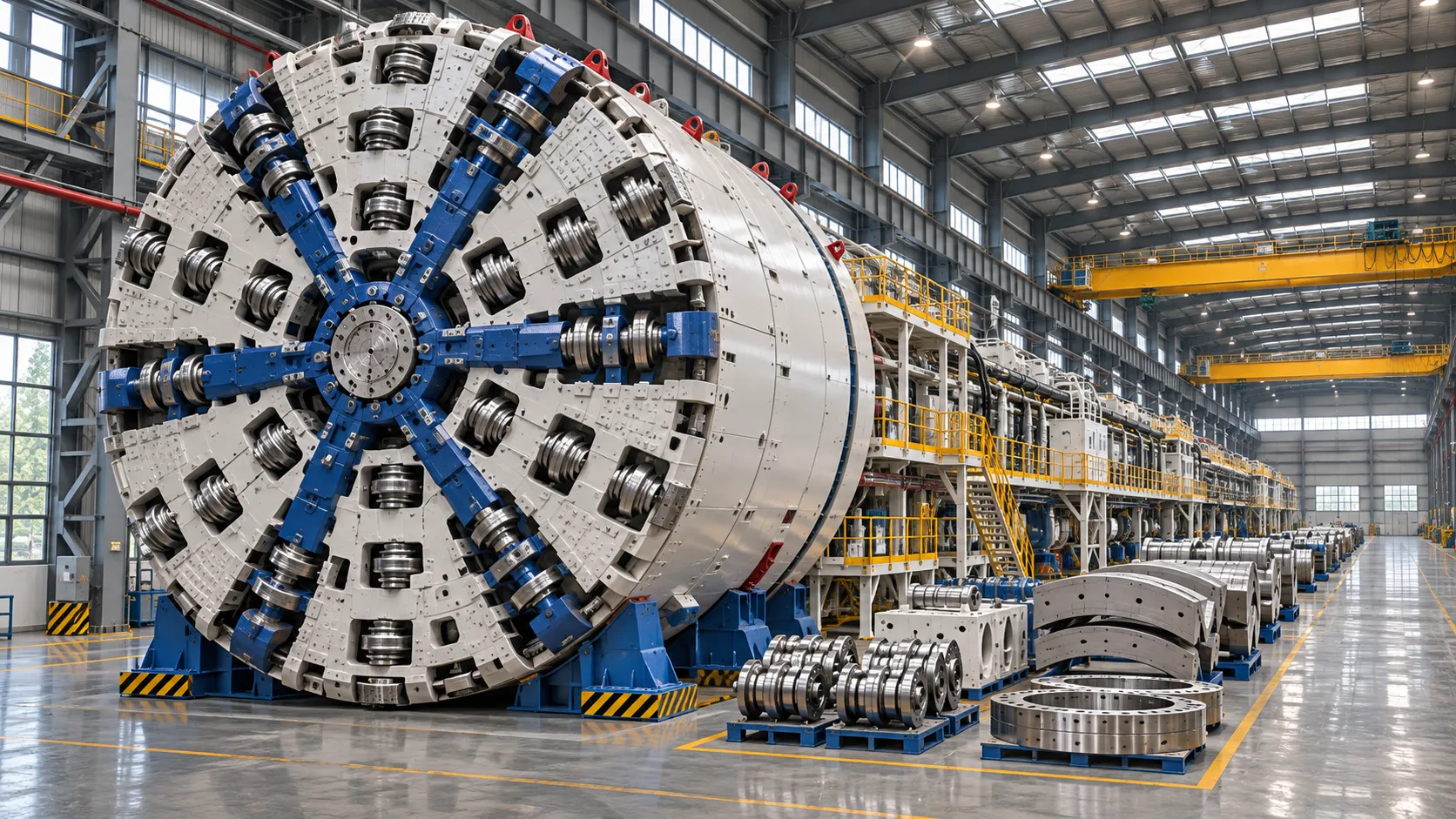
China's 70% TBM Share and Export Controls Challenge India's Local Production
China's TBM export controls could challenge India's local production and infrastructure sourcing. Explore the potential risks and procurement options.
Related News
- 00
0000-00
How TBM Excavation Works in Rock and Soft Ground: A Practical Guide - 00
0000-00
Choosing a Zero-Emission Underground Equipment Supplier: What to Check - 00
0000-00
Construction Starts on Germany's Pfaffensteig Rail Tunnel, With Two TBMs Planned - 00
0000-00
How Real-Time Underground Mapping Systems Work in Tunneling - 00
0000-00
First Mechanized Tunnel Crossing Beneath the Panama Canal Completed
Weekly Insights
Stay ahead with our curated technology reports delivered every Monday.