
How mining truck load capacity affects fleet purchase planning





Mining truck load capacity is not simply a specification on a data sheet. It sets the scale of the haulage system around it: the number of trucks required, excavator or shovel matching, road geometry, fuel or electricity demand, tyre exposure, maintenance windows, and the production risk carried by each unit of lost availability.
A larger payload can reduce the number of truck cycles needed to move a target tonnage, but it does not automatically reduce cost per tonne. A truck that is too large for the loading tool, haul road, dump point, or power infrastructure can create underutilized capital, queueing, accelerated road wear, and inconsistent payloads. Fleet purchase planning therefore begins with a site-specific question: what payload range allows the mine to move its planned material volume reliably under real operating constraints?
Capacity determines the architecture of the haulage fleet
Annual material movement targets are usually translated into an hourly haulage requirement, then into truck numbers. The basic relationship is straightforward:
Required fleet payload per hour = planned tonnes per hour ÷ effective operating hours.
In practice, the critical variable is not rated payload alone. It is the effective payload delivered per operating hour, which depends on payload, cycle time, availability, utilization, and loading consistency. A 240-tonne truck operating with frequent delays or partial loads may move less material over a shift than a smaller truck operating in a well-balanced system.
Fleet planning should distinguish between several layers of capacity:
- Rated payload: the manufacturer’s specified material carrying limit under defined conditions.
- Target payload: the planned operating payload after considering material density, body design, safety limits, and loading accuracy.
- Effective fleet capacity: the tonnes actually moved after accounting for availability, dispatch delays, refuelling or charging, road conditions, and planned maintenance.
- Contingency capacity: the margin needed when one truck is down, haul distances change, weather affects roads, or mine sequencing creates temporary bottlenecks.
Confusing rated capacity with effective fleet capacity is a common source of procurement error. A purchase model that assumes every unit will run at nominal payload, with nominal cycle time and no operational interruption, can produce an apparently efficient fleet that has too little resilience once operations begin.
Payload must match the loading tool, not only the production target
Truck capacity and loading equipment pass count must be evaluated together. A haul truck that needs too many passes from a shovel, hydraulic excavator, or wheel loader spends more time at the loading face. This extends cycle time and may reduce loader productivity. A truck that can be filled in too few passes can be difficult to load consistently, particularly where bucket fill varies with fragmentation, moisture, operator technique, or material segregation.
The objective is repeatable loading within the truck’s allowable payload range, rather than the lowest possible number of passes. A practical matching exercise should assess:
- nominal and actual bucket payload by material type;
- the variation in loose density between ore, waste rock, and wet material;
- the number of passes needed to reach target payload without frequent overloading;
- loading time, spotting time, and the effect of truck queueing at the face;
- body volume and the risk of volumetric limitation before payload is reached.
Volume matters as much as mass. Low-density overburden may fill a body before the truck reaches rated tonnes, while dense ore can make overloading easier if payload monitoring and operator controls are weak. A fleet intended to haul both materials may require different body configurations, operating payload limits, or a more deliberate allocation of truck classes by route and material stream.
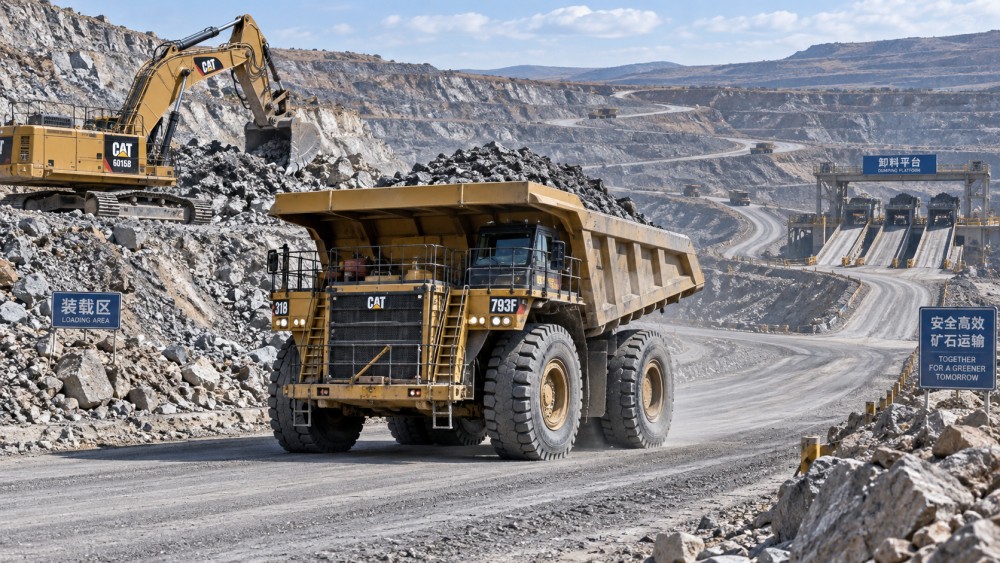
The haul route can make a larger truck uneconomic
Payload has physical consequences for every part of the haul route. Higher gross vehicle weight affects rolling resistance, braking demand, tyre heat, road surface loading, berm design, turning radius, dumping-area stability, and the safety margin on grades. These factors cannot be treated as secondary engineering details after the truck class has been selected.
On long, relatively smooth routes with adequate width and well-managed grades, larger trucks can reduce the fleet count required for a given tonnage movement. On constrained routes, the same truck may deliver less value. Narrow switchbacks, short loading faces, limited dump space, poor drainage, soft road foundations, and frequent intersections can reduce its speed advantage or make the road upgrade cost disproportionate to the expected productivity gain.
Grade is especially important. Uphill hauls influence engine or traction-power requirements and cycle time. Long downhill segments place a different burden on retardation systems, brakes, tyres, and energy recovery systems. For battery-electric mining trucks, route elevation is central to energy planning because downhill regenerative braking can recover part of the energy used on the ascent. That does not eliminate the need to assess charging windows, battery thermal conditions, power supply capacity, and the effect of payload on uphill energy demand.
Road investment should therefore be included in the capacity decision. It is not enough to compare truck acquisition prices. The relevant comparison is between integrated haulage systems: trucks, road works, loading interfaces, workshops, fuelling or charging facilities, tyre management, dispatch technology, and required spare capacity.
Cycle time matters more than nominal fleet size
A higher-capacity truck is often purchased to reduce the number of units in the fleet. Fewer trucks can simplify parking, maintenance planning, operator allocation, and some elements of fleet supervision. Yet fewer units also concentrate production risk. When a large truck is unavailable, the lost tonnes per hour can be substantial, especially if the remaining fleet has little reserve capacity.
The planning model should use a cycle-time breakdown rather than a single average haul speed. It should separate loading, spotting, travel loaded, queueing, dumping, return travel, shift changes, refuelling or charging, and expected operational delays. Each component responds differently to truck size.
For example, a larger body may reduce the number of loaded trips, but it may also increase loading time, require longer spotting, travel more slowly on a grade, or spend longer at a constrained crusher dump. If a crusher pocket or tipping point cannot receive the truck efficiently, payload capacity is not the limiting factor; the receiving interface is.
Planning should also test route changes rather than assuming a single permanent distance. Open-pit haul profiles evolve as benches deepen, waste dumps move, and ore destinations change. A truck size that fits an early-stage route may be poorly matched to a later, longer, steeper haul. Conversely, purchasing only for a distant future haul profile may burden early operations with oversized equipment and underused capacity.
Underloading and overloading create different economic problems
Underloading reduces the immediate value of the truck asset: fuel, labour, tyres, and fixed ownership costs are spread over fewer tonnes. Persistent underloading may signal poor loader-truck matching, a volumetrically limited body, a fragmented dispatch process, or conservative loading practices after earlier overload incidents.
Overloading is not the opposite of efficiency. It can increase mechanical stress, tyre loading, brake demand, suspension wear, fuel or energy consumption, and road deterioration. It can also affect safety margins on grades and at dump points. The cost appears across multiple departments, which is why payload discipline can be difficult to enforce if truck production is measured without corresponding maintenance and road-performance indicators.
On-board payload monitoring is valuable only when its data are incorporated into operating control. Fleet purchase planning should assess sensor accuracy, calibration procedures, payload reporting, integration with dispatch systems, and whether the system can distinguish useful material from avoidable variation. A capability that exists but is not embedded in loading practices will not protect the economic case.
Electrification changes the meaning of capacity
Diesel truck selection traditionally focuses heavily on payload, engine performance, fuel burn, and mechanical availability. Battery-electric and trolley-assist configurations add another set of capacity interactions. Battery mass, charging time, grid connection, charging location, route grade, ambient conditions, and regenerative braking all influence effective haulage output.
A battery-electric truck should not be assessed only by comparing its rated payload with a diesel equivalent. The useful question is whether it can complete the intended duty cycle at the required payload with a workable energy and charging strategy. If charging creates queueing at shift peaks or forces a truck off route before a planned cycle is complete, fleet capacity must include that lost operating time.
Trolley-assist systems can improve uphill performance on high-frequency ramps, but they require route stability and substantial infrastructure planning. Their economics are tied to the section of road electrified, traffic patterns, truck compatibility, and mine-life assumptions. A high-payload fleet may strengthen the case for such infrastructure where it concentrates large volumes over predictable routes; it may weaken it where the mine plan causes frequent route relocation.
Decarbonization targets should be translated into operating constraints, not treated as a separate procurement criterion. The selected payload class affects the size and timing of electrical infrastructure, the number of chargers or battery-swapping positions, and the operational tolerance for charging-related delays.
Autonomy requires a capacity decision that is operationally stable
Autonomous haulage systems can improve consistency in speed control, route adherence, spacing, and payload data capture, but they do not remove the need for physical compatibility. Larger trucks may reduce fleet count, yet their operating envelope requires adequate road width, intersection design, stopping distance, exclusion zones, and maintenance access.
The key issue is not whether a truck model is described as automation-ready. It is whether the selected capacity class can operate autonomously on the mine’s intended road network and loading-dumping interfaces without creating excessive redesign requirements. Interoperability also deserves attention where autonomous systems, dispatch platforms, high-precision positioning, collision-avoidance technology, and workshop diagnostic tools may involve different suppliers.
Capacity choices are difficult to reverse after autonomy infrastructure is deployed. A mine that expects to transition in phases should avoid selecting a truck class solely for short-term manual operation if that class would later constrain road standards, digital integration, or fleet expansion.
Assess manufacturers as lifecycle partners
Choosing a mining truck load capacity manufacturer involves more than comparing payload ratings and quoted unit prices. The manufacturer’s ability to support the selected truck class over the mine’s operating horizon can materially affect the fleet’s actual capacity.
Evaluation should cover the local or regional parts pathway, technician capability, field-service response arrangements, rebuild options, diagnostic access, warranty boundaries, and lead times for high-value components. Tyre availability and body-liner supply should also be considered where local geology is abrasive or haul distances are long. A truck with a strong nominal specification may be a weak fleet choice if a critical component outage creates extended downtime because parts and specialist support are distant.
Contract terms should make payload-related assumptions visible. Availability commitments, planned maintenance intervals, exclusions for road conditions or overload events, software access, battery warranty conditions, and data ownership can all affect the delivered economics. These provisions matter particularly when the fleet model relies on high utilization and minimal standby capacity.
A purchase decision should be tested against failure modes
The strongest capacity decision is usually one that remains workable when operating conditions depart from the base case. Before committing to a fleet, the model should be stressed against lower equipment availability, slower road speeds, longer queues, seasonal road deterioration, denser material, lower bucket fill, delayed charging, or the loss of one major truck.
This approach often reveals that the lowest-cost fleet on paper is not the lowest-risk fleet in operation. The appropriate capacity may be a smaller class with more units and better route flexibility, or a larger class supported by road upgrades and sufficient maintenance redundancy. Neither outcome is inherently superior.
The decision is sound when payload, loading equipment, haul route, energy system, maintenance capability, and production plan are treated as one operating system. Rated tonnes remain important, but the purchase case should be approved on the tonnes that can be moved safely, consistently, and economically through the full life of the mine plan.
Related News
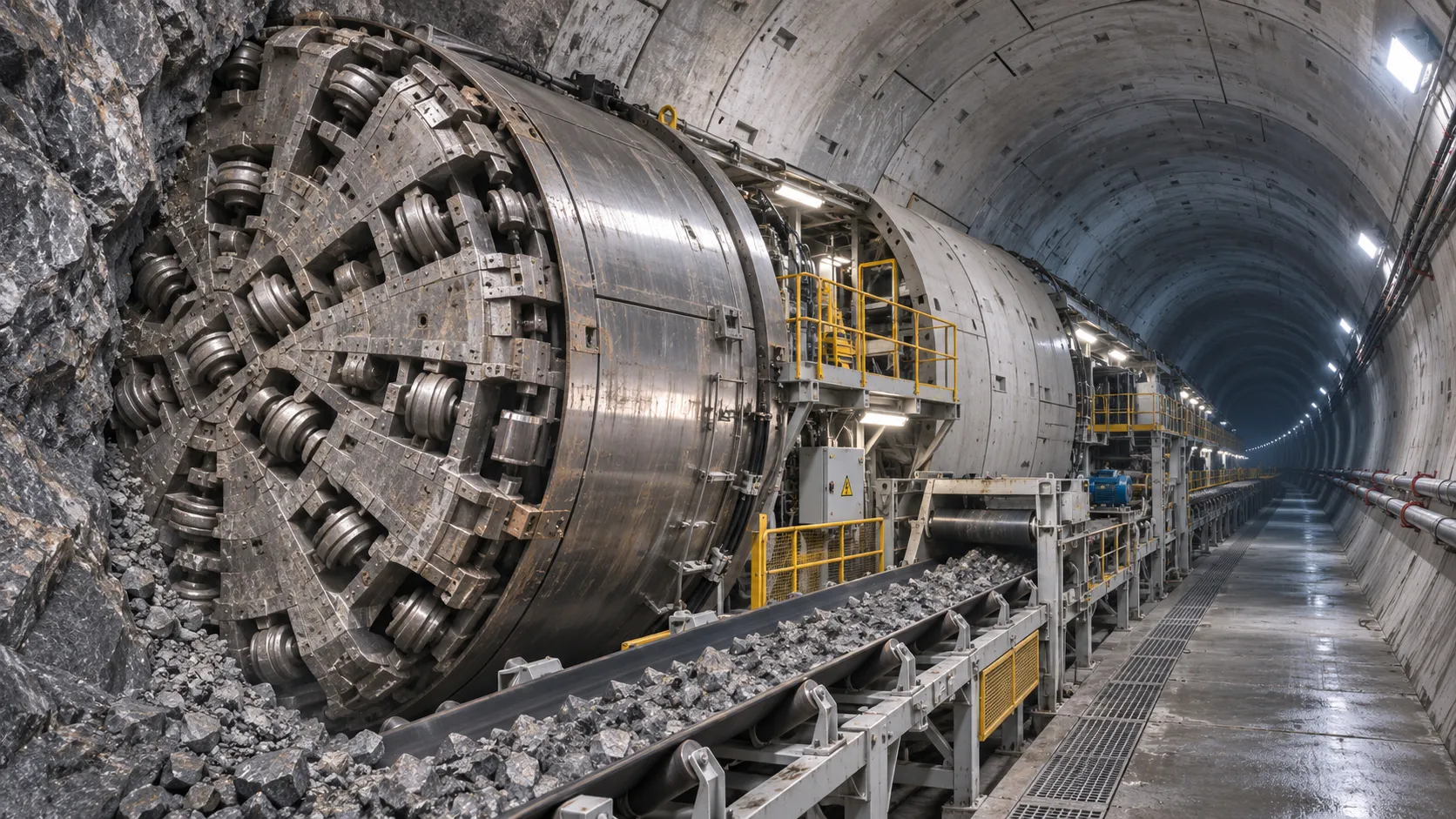
How TBM Excavation Works in Rock and Soft Ground: A Practical Guide
TBM Excavation in rock and soft ground explained: compare machine types, ground support, spoil removal, and the factors that guide smarter project planning.
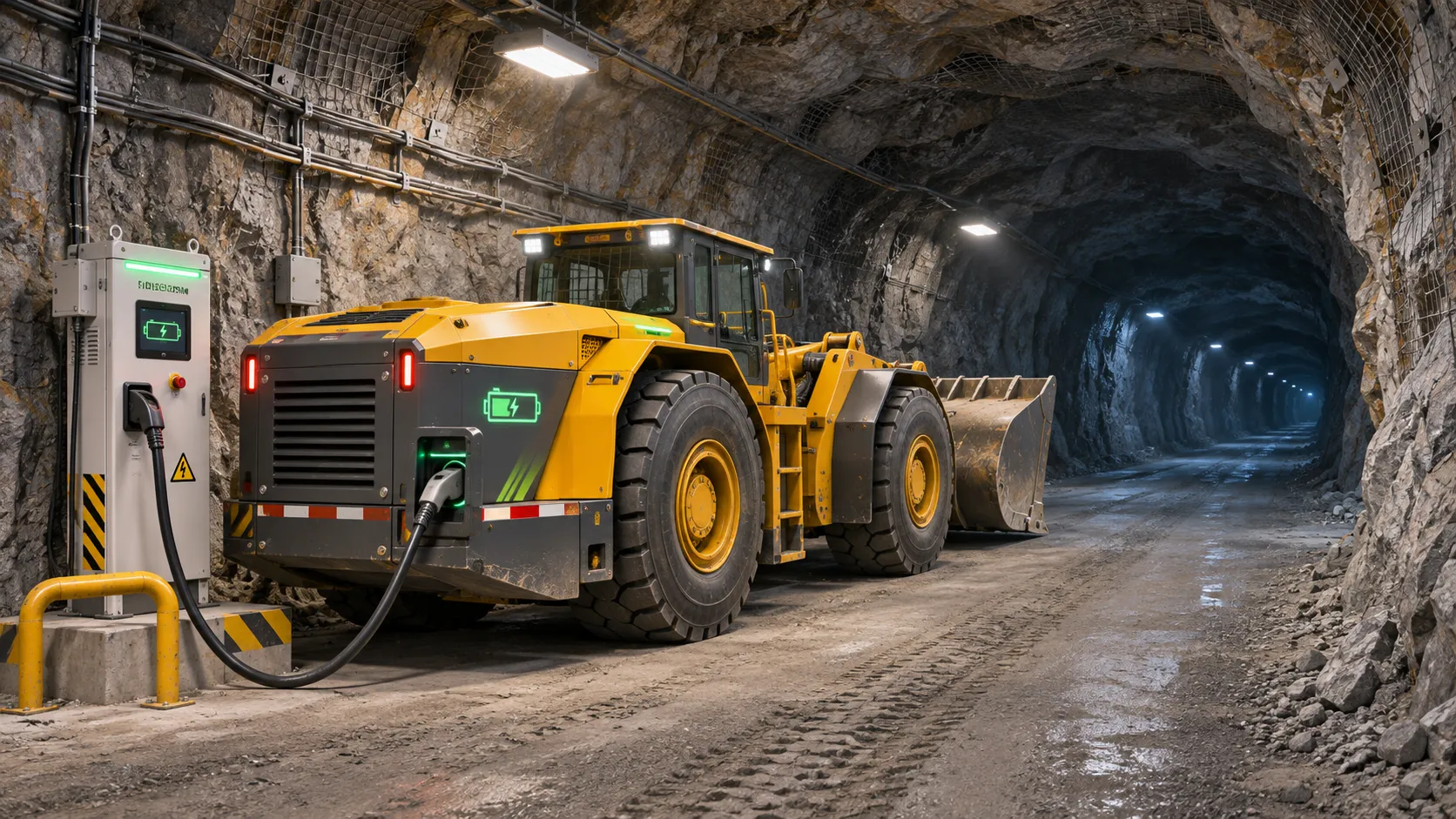
Choosing a Zero-Emission Underground Equipment Supplier: What to Check
Choosing a zero emission underground equipment supplier? Compare duty-cycle performance, charging, safety, total costs and support before you commit.
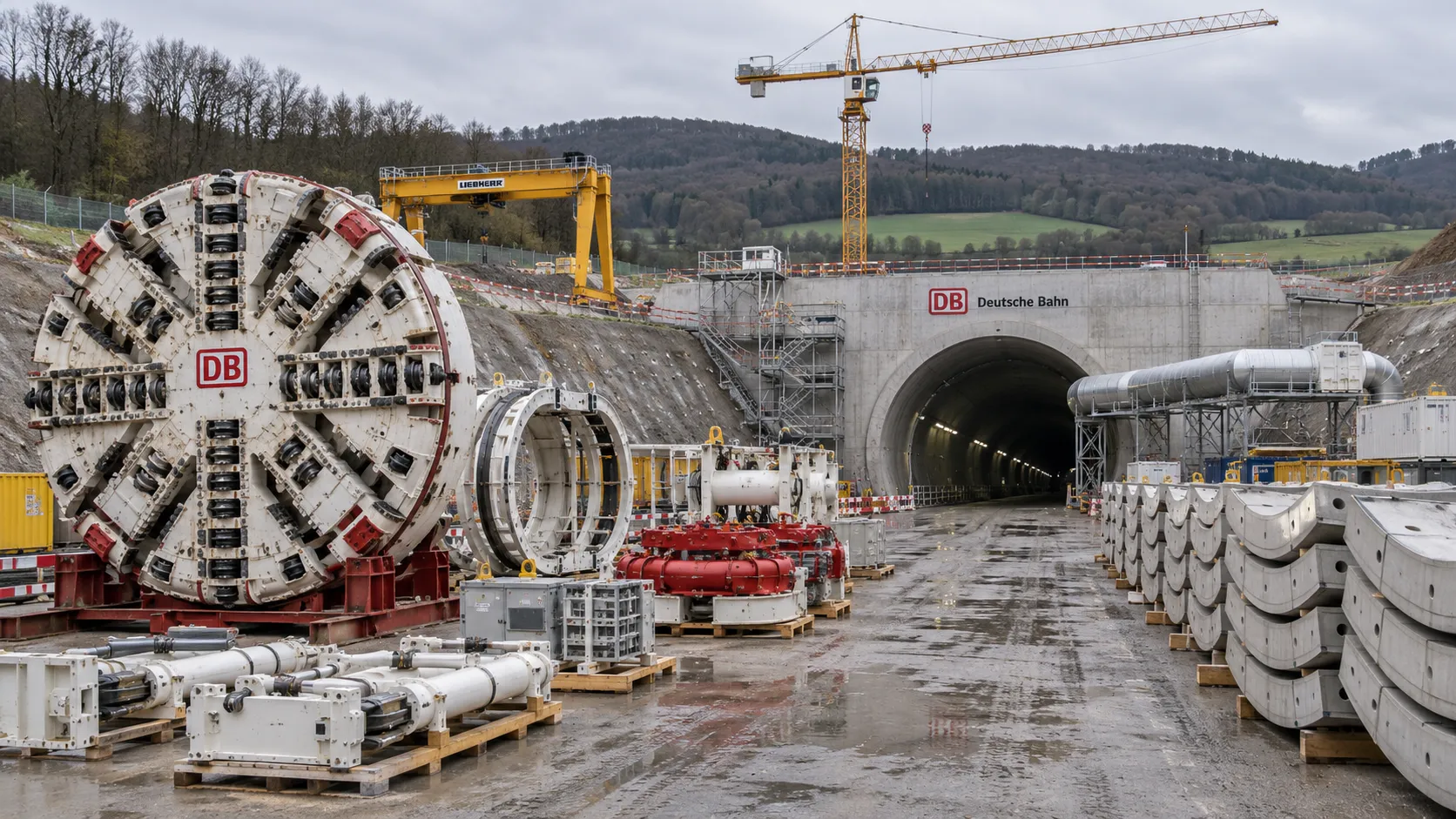
Construction Starts on Germany's Pfaffensteig Rail Tunnel, With Two TBMs Planned
Pfaffensteig rail tunnel construction is underway in Germany. Discover how two planned TBMs will support the 11-kilometre project near Stuttgart.
How Real-Time Underground Mapping Systems Work in Tunneling
Discover how real-time underground mapping systems guide tunneling teams, integrate sensor data, and support confident decisions with verified accuracy.

First Mechanized Tunnel Crossing Beneath the Panama Canal Completed
Panama Canal tunnel crossing: Explore the reported Metro Line 3 milestone and what it could mean for future underwater tunneling projects.
Underground Utility Construction Equipment: Choosing by Ground Conditions
Choose underground utility construction equipment with confidence. Compare trenching, HDD, microtunnelling and TBMs by ground conditions, risk and cost.
China Sets Tunnel Boring Machine Export Controls as India Pushes Local Production
China tunnel boring machine export controls could reshape procurement as India pushes local production. Explore potential supply and project impacts.
Choosing a Trenchless Pipeline Installation Contractor: Key Qualifications
Choose a trenchless pipeline installation contractor with confidence. Learn how to assess experience, equipment, safety, costs, and project risks before you hire.
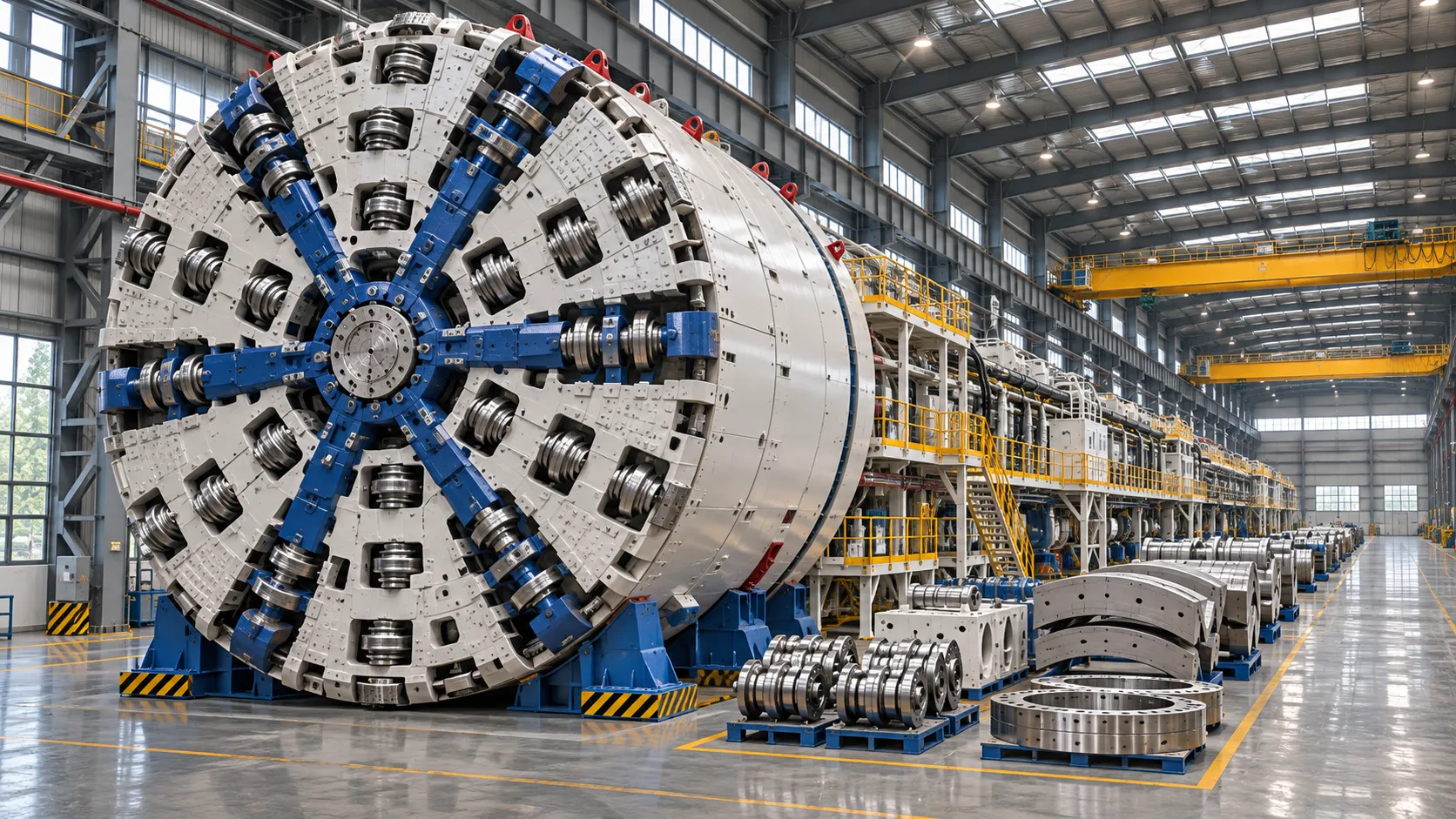
China's 70% TBM Share and Export Controls Challenge India's Local Production
China's TBM export controls could challenge India's local production and infrastructure sourcing. Explore the potential risks and procurement options.
Related News
- 00
0000-00
How TBM Excavation Works in Rock and Soft Ground: A Practical Guide - 00
0000-00
Choosing a Zero-Emission Underground Equipment Supplier: What to Check - 00
0000-00
Construction Starts on Germany's Pfaffensteig Rail Tunnel, With Two TBMs Planned - 00
0000-00
How Real-Time Underground Mapping Systems Work in Tunneling - 00
0000-00
First Mechanized Tunnel Crossing Beneath the Panama Canal Completed
Weekly Insights
Stay ahead with our curated technology reports delivered every Monday.