
How payload variation affects fuel use for dump trucks in mines





How Payload Variation Affects Fuel Use for Dump Trucks in Mines
For operators of dump trucks in mines, payload variation is more than a production issue. It changes the force needed to move the truck, the way the engine and transmission respond, the heat generated in tires and brakes, and the time required to complete a haul cycle. A payload figure can look acceptable in a shift report while the fleet is still burning more fuel than it should because loads are too scattered around the target.
The basic relationship is straightforward: more mass generally requires more energy to accelerate, climb grades, overcome rolling resistance, and stop safely. The operating reality is less simple. A truck that is slightly underloaded may use less fuel per trip but more fuel per tonne moved. A truck that is overloaded may appear productive in the short term, yet consume fuel inefficiently through slower acceleration, longer climbing time, excess wheel slip, and mechanical stress. The most efficient result usually comes from consistently loading close to the approved target payload, not from chasing the largest possible load.
Fuel is consumed by work, not just distance
On a level, well-maintained haul road, payload affects fuel use mainly through rolling resistance and acceleration. On an uphill loaded haul, gravity becomes the dominant factor. Every additional tonne must be lifted through the vertical rise of the route. That demand is reflected in engine load, gear selection, travel speed, cooling demand, and the time the truck spends at high power.
This is why fuel litres per hour alone can be misleading. A heavily loaded truck may burn more fuel per hour while still using less fuel per tonne-kilometre than an underloaded truck, provided it remains within its approved operating envelope and maintains a reasonable travel speed. Conversely, if payload pushes the machine into lower gears for most of the climb, causes repeated speed loss, or forces operators to compensate with aggressive throttle use, the expected efficiency benefit can disappear.
For practical fleet assessment, mines commonly compare several measures together: fuel per operating hour, fuel per tonne hauled, fuel per tonne-kilometre, average payload, payload distribution, loaded travel time, idle time, and speed by road segment. None should be read in isolation. A change in fuel per tonne may be caused by loading practice, but it may also come from road deterioration, wet material, longer queue times, a changed pit elevation, or a truck entering service with a mechanical issue.
Underloading: lower trip fuel, higher fuel intensity
Underloading is often treated as harmless because it does not trigger the obvious safety concerns associated with overload. Yet persistent underloading can be a major source of avoidable fuel use. The truck still has to move its own empty weight, climb the same grades, travel the same distance, stop at the dump point, and return for another load. Many of those energy demands do not fall in proportion to the missing payload.
Consider a fleet where truck bodies are regularly loaded below target because the loader operator is avoiding spill, material is fragmented unevenly, or bucket passes are not matched to the truck class. The truck may make more trips to move the same daily tonnage. More trips mean more acceleration events, intersections, queuing, spotting, dumping, and empty returns. Fuel per trip may look favorable; fuel per tonne delivered often does not.
Underloading also distorts planning. Dispatch systems may show acceptable truck availability, but fewer tonnes are moved per productive hour. The response is sometimes to add another truck or extend the operating period, which adds fuel burn before the loading inconsistency has been addressed. Before expanding the fleet, it is worth checking the payload histogram. A broad cluster well below the target can reveal a loading problem that no amount of driving discipline will solve.
Overloading changes the operating envelope
Overloading has a different fuel signature. It may increase tonnes per trip, but it can also lengthen loaded travel time and raise the energy needed at precisely the parts of a route where the truck is already working hardest. On steep ramps, an overloaded unit may spend longer at high engine output, shift more frequently, or climb at a speed that interferes with traffic flow. Those effects increase fuel use and can create delays behind the truck.
The risk extends beyond the engine. Tire load, temperature, and speed need to remain within the tire manufacturer’s operating guidance. Braking and retardation capacity must also be suitable for the total mass, road grade, haul distance, surface condition, and ambient temperature. An overloaded truck descending a long ramp is not simply carrying extra production; it is placing more thermal demand on the retarding and braking system. Fuel efficiency is never a valid reason to exceed approved payload limits.
A common misconception is that the heaviest legal-looking load is automatically the most economical. The more useful question is whether the load is close to the site target, correctly distributed, and compatible with the truck’s current haul profile. Mine plans change. A payload level that worked on a short, firm route may no longer be appropriate after the loaded haul becomes steeper, wetter, or more congested.
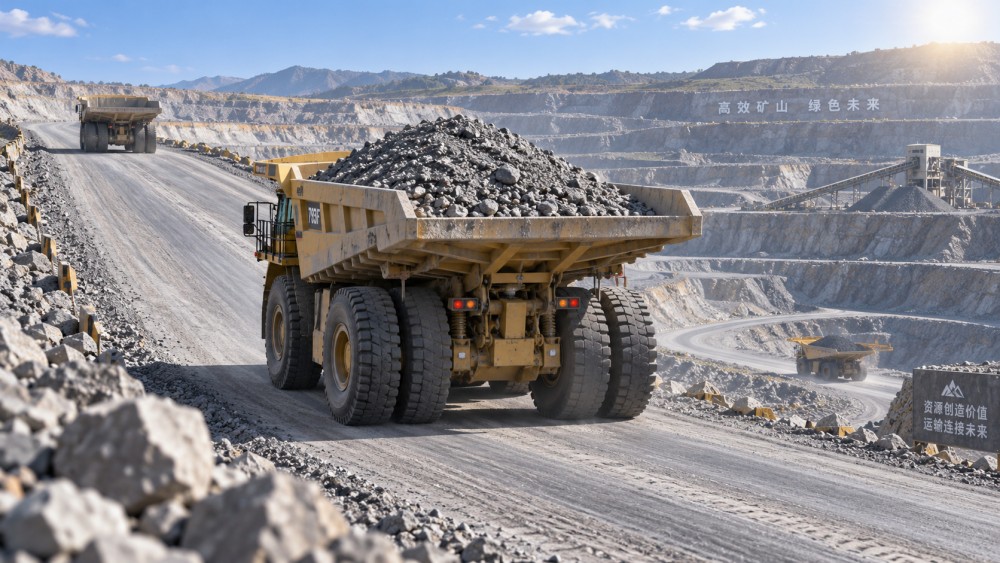
Variation matters almost as much as the average
An average payload can hide a poor loading process. A fleet average near target may include a mix of underloaded trucks, correctly loaded trucks, and occasional overloads. From a fuel and maintenance perspective, that is not the same as a fleet consistently loaded near target.
High variation makes cycle times less predictable. Dispatching becomes harder because the system is trying to balance trucks that accelerate, climb, and brake differently. Operators encounter more speed variation on ramps. Loader and shovel teams may also lose rhythm when they must compensate for uncertain bucket-pass counts or uneven material flow. In an autonomous or semi-autonomous operation, payload inconsistency can affect how closely the actual machine behavior matches the assumptions used in route control and traffic management.
Load distribution is part of this issue. A truck can be near its nominal payload but still have an unsuitable distribution if material is concentrated too far forward, rearward, or to one side. Uneven loading can affect axle loads, tire loading, ride quality, steering response, and body stability. It may also lead the operator to make unnecessary speed corrections that add fuel use. Payload monitoring should therefore be paired with loader technique and body-loading observations, not treated as a single number on a dashboard.
Material density is a frequent source of hidden variation
Truck bodies are filled by volume, while payload limits are defined by mass. That difference matters whenever material density changes. Broken ore, waste rock, clay-rich material, wet fines, mixed overburden, and blasted rock with different fragmentation can occupy the same body volume but weigh very differently. A loading method based only on body fullness or a fixed number of bucket passes can therefore create large payload swings.
Moisture is especially relevant. Rain, poor drainage at the face, and wet stockpile conditions can increase material mass while also increasing rolling resistance on the road. The result is a double penalty: trucks may leave the loader heavier than expected and travel on a surface that needs more tractive effort. In such conditions, a production target set for dry material may no longer represent the safest or most fuel-efficient loading target.
Operators need timely feedback when density shifts. Onboard payload systems, loader scales, dispatch records, and periodic reconciliation all have a role, but each has limits. Payload data should be checked against known conditions such as material source, bucket configuration, and road state. If a reading changes abruptly, the cause may be genuine density variation, sensor drift, a calibration problem, or an altered loading practice. Treating every value as exact can lead to the wrong correction.
Road conditions can outweigh a small payload adjustment
Payload is only one part of the fuel equation. Rolling resistance rises when haul roads develop loose material, potholes, poor crossfall, standing water, corrugation, or inadequate compaction. A loaded truck can consume substantially more energy fighting a poor road surface than it would from a modest change in payload near the approved target. Rough roads also reduce speed, increase suspension movement, and encourage throttle changes that are difficult to standardize.
This is why payload investigations should begin with route segmentation. Compare trucks on the same loading source, same destination, similar shift conditions, and similar road sections. If fuel performance worsens only on one ramp or one dump approach, the root cause may be road maintenance rather than loading. A practical review asks whether the truck is carrying more mass, doing more work because of the road, or losing time in queues and low-speed maneuvers.
A usable operating standard for loading consistency
The right payload standard is site-specific. It should be based on the truck manufacturer’s payload guidance, body configuration, tire requirements, brake and retardation capability, haul-road design, loading equipment, material characteristics, and the mine’s operating procedures. It should not be reduced to an informal instruction to “fill the body.”
A workable standard normally defines the approved target payload, the acceptable operating band around that target, the response to overload alerts, and the method for handling changing density conditions. It should also state who owns calibration checks for onboard payload measurement and how discrepancies are investigated. If the loader operator, truck operator, dispatch team, and maintenance group all use different numbers, consistency is unlikely.
For operators, the standard should translate into clear field actions: approach the loading unit correctly; report unusual material conditions; watch for body loading that appears uneven; avoid accepting a load that exceeds site procedure; use the designated gear and speed practices on grades; and report changes in braking, retarding, or vehicle response. These are not separate safety and fuel-saving tasks. They are the same disciplined operating habits viewed from different angles.
Diesel, electric, and autonomous fleets read payload differently
In diesel trucks, payload variation is commonly visible through fuel rate, engine load, shift behavior, exhaust temperature trends, and cycle duration. The response is often focused on loading accuracy, haul-road condition, and operator technique. These remain relevant in electric haulage, but the energy picture changes because downhill travel may allow regenerative braking.
A heavier electric truck descending a suitable route may recover more energy than a lighter one, but that does not make overloading acceptable. Regeneration is limited by system design, battery state, traction conditions, grade, temperature, and the need to maintain safe speed control. The loaded uphill leg still requires energy, and the entire cycle must stay within vehicle and site limits. Energy accounting for electric dump trucks in mines should examine the complete route, not only the downhill segment.
Autonomous haulage can reduce some variation caused by inconsistent driving behavior, but it cannot correct an inconsistent payload at the source. If trucks are loaded unevenly, the autonomous system must still manage differing acceleration, stopping distance, and grade performance. Accurate payload data becomes more valuable because it supports better dispatch decisions and helps identify whether production losses originate at the loading tool, the haul route, or the truck itself.
What to review before changing loading targets
Before asking operators to carry more or less material, review a representative period of matched operating data. Separate routes by grade and condition. Compare payload spread, fuel or energy per tonne-kilometre, loaded travel time, idling, and tire or brake exceptions. Inspect the loading face and body condition as well as the truck data. A result that looks like an operator issue may actually be caused by changing density, incorrect bucket-pass guidance, a damaged road segment, or unreliable payload sensing.
The Global Underground Tunnelling & Mining Dynamics (UTMD) follows this wider systems view across heavy underground and surface equipment. Mining trucks may be the visible “mobile mountains” of an open-pit operation, but their energy performance is connected to rock fragmentation, loading practice, route design, machine control, and the growing use of electrified transport. The same discipline used to assess regenerative braking on long downhill hauls or automated LHD movement underground applies here: measure the actual duty cycle before drawing conclusions from one headline number.
The practical target is not maximum payload and not minimum fuel per hour. It is a stable, approved payload range that moves material safely with predictable cycle times and the lowest defensible fuel or energy use per unit of useful work. When payload variation narrows, operators gain a more consistent truck, supervisors gain clearer data, and maintenance teams gain fewer unexplained stresses to investigate.
Related News
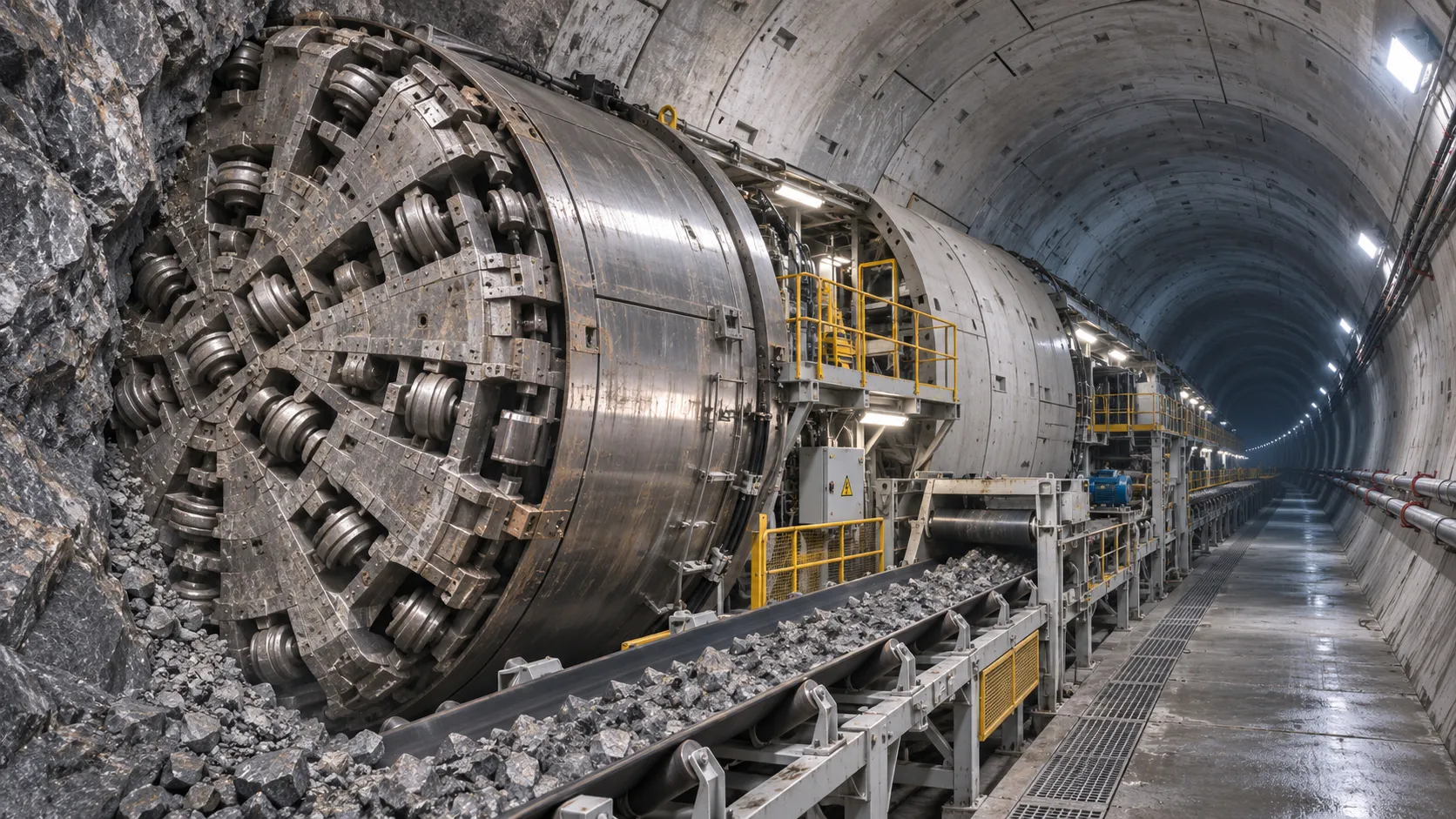
How TBM Excavation Works in Rock and Soft Ground: A Practical Guide
TBM Excavation in rock and soft ground explained: compare machine types, ground support, spoil removal, and the factors that guide smarter project planning.
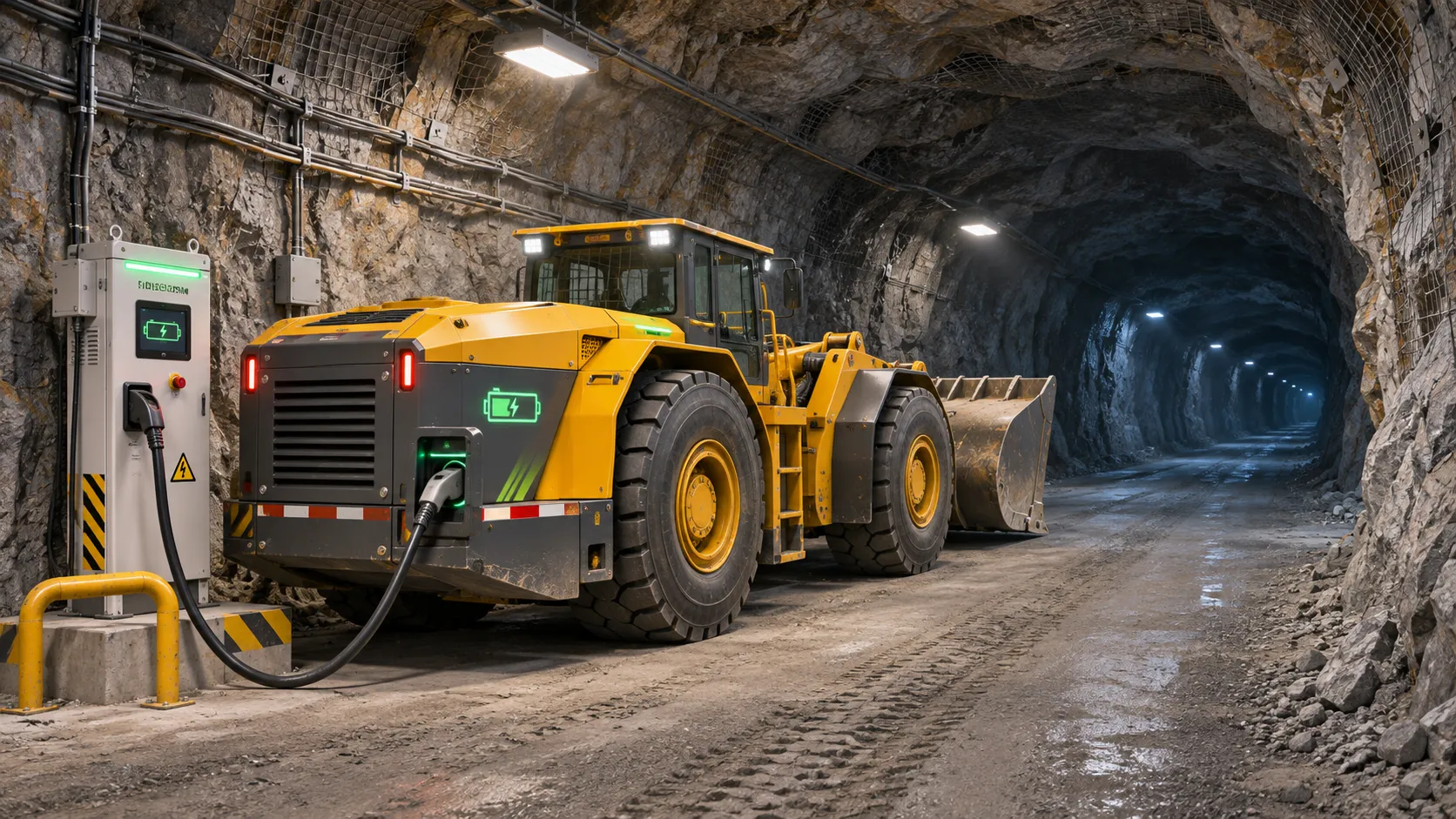
Choosing a Zero-Emission Underground Equipment Supplier: What to Check
Choosing a zero emission underground equipment supplier? Compare duty-cycle performance, charging, safety, total costs and support before you commit.
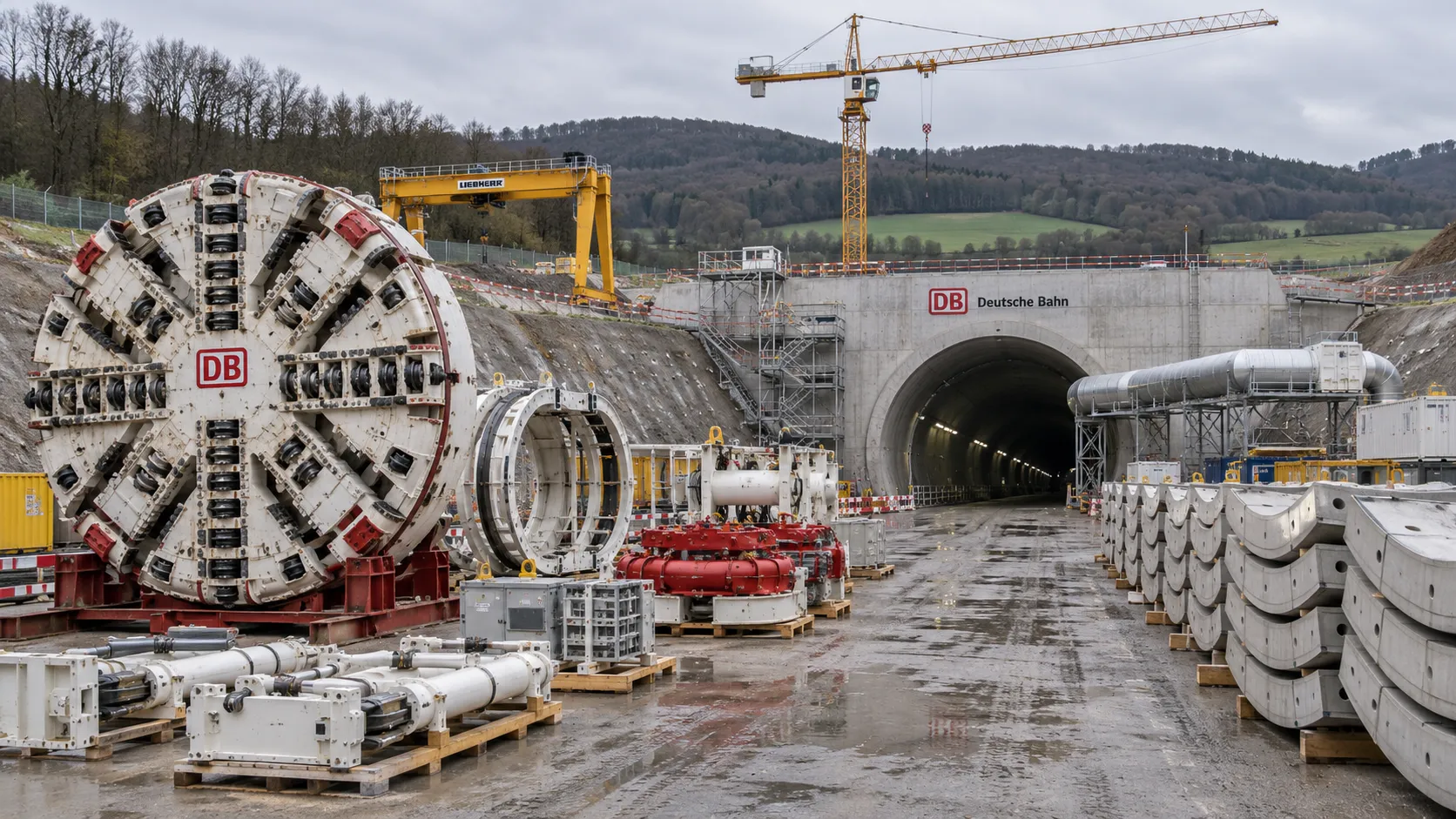
Construction Starts on Germany's Pfaffensteig Rail Tunnel, With Two TBMs Planned
Pfaffensteig rail tunnel construction is underway in Germany. Discover how two planned TBMs will support the 11-kilometre project near Stuttgart.
How Real-Time Underground Mapping Systems Work in Tunneling
Discover how real-time underground mapping systems guide tunneling teams, integrate sensor data, and support confident decisions with verified accuracy.

First Mechanized Tunnel Crossing Beneath the Panama Canal Completed
Panama Canal tunnel crossing: Explore the reported Metro Line 3 milestone and what it could mean for future underwater tunneling projects.
Underground Utility Construction Equipment: Choosing by Ground Conditions
Choose underground utility construction equipment with confidence. Compare trenching, HDD, microtunnelling and TBMs by ground conditions, risk and cost.
China Sets Tunnel Boring Machine Export Controls as India Pushes Local Production
China tunnel boring machine export controls could reshape procurement as India pushes local production. Explore potential supply and project impacts.
Choosing a Trenchless Pipeline Installation Contractor: Key Qualifications
Choose a trenchless pipeline installation contractor with confidence. Learn how to assess experience, equipment, safety, costs, and project risks before you hire.
China's 70% TBM Share and Export Controls Challenge India's Local Production
China's TBM export controls could challenge India's local production and infrastructure sourcing. Explore the potential risks and procurement options.
Related News
- 00
0000-00
How TBM Excavation Works in Rock and Soft Ground: A Practical Guide - 00
0000-00
Choosing a Zero-Emission Underground Equipment Supplier: What to Check - 00
0000-00
Construction Starts on Germany's Pfaffensteig Rail Tunnel, With Two TBMs Planned - 00
0000-00
How Real-Time Underground Mapping Systems Work in Tunneling - 00
0000-00
First Mechanized Tunnel Crossing Beneath the Panama Canal Completed
Weekly Insights
Stay ahead with our curated technology reports delivered every Monday.