
When an open-pit mining truck manufacturer should offer site trials





A haul truck can look convincing in a brochure and still become the wrong machine at the mine gate. Payload class, nominal gradeability, battery range, autonomous functions, and fuel or energy consumption figures all have value—but each depends on conditions that are rarely “nominal” in an active open-pit operation.
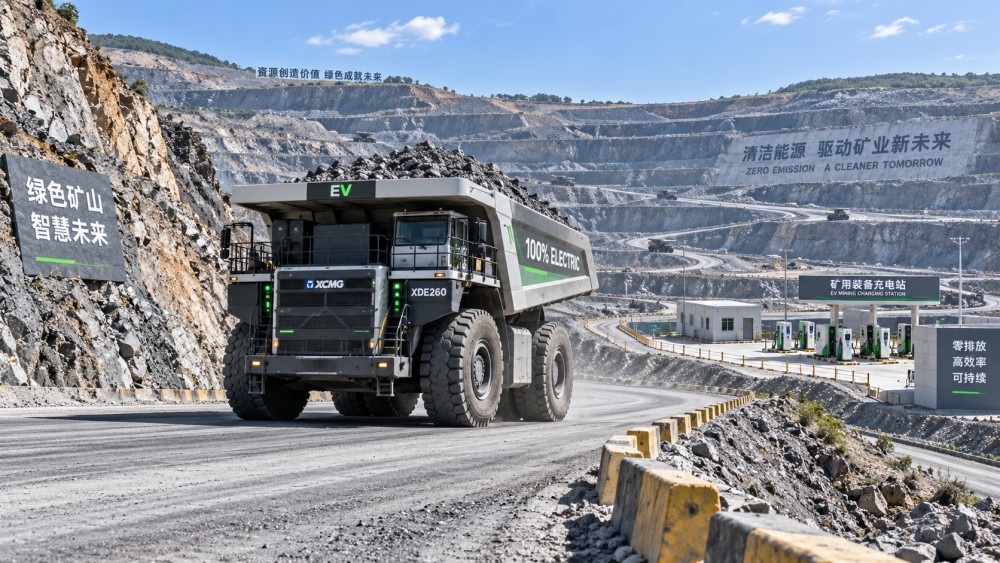
For project managers balancing production targets, haul-road conditions, maintenance windows, and decarbonization commitments, a site trial turns equipment claims into operational evidence. An open-pit mining truck manufacturer should offer site trials when a mine faces complex payload, grade, climate, road, or automation requirements that cannot be responsibly validated on a standard specification sheet.
The purpose is not to let a customer “test drive” a truck. A well-designed trial is a controlled engineering exercise: a chance to determine whether a haulage system will deliver the required tonnes, hours, safety margin, and lifecycle value in one particular pit. It also reveals whether the mine itself needs changes—better road geometry, revised loading practice, charging infrastructure, dispatch integration, or operator training—before a fleet decision is made.
When a specification sheet stops being enough
Site trials are not necessary for every purchase. A mine replacing an established truck model with a near-identical unit on familiar haul roads may have years of reliable fleet data to guide the decision. In that case, factory acceptance tests, reference-site visits, and commercial due diligence may be sufficient.
The need for a trial becomes stronger when the project carries uncertainty that is expensive to discover after delivery. This is especially true in greenfield mines, major pit expansions, transitions to deeper pushbacks, and fleet conversions involving electrification or automation.
An open-pit mining truck manufacturer should actively propose a site trial when one or more of the following conditions applies:
- The haul profile is unusually demanding. Long sustained ramps, steep downhill segments, rolling routes, high rolling resistance, or changing road surfaces can materially alter cycle time, brake temperatures, tire wear, and energy consumption.
- Payload behavior is difficult to control. Fragmentation changes, inconsistent loader passes, wet ore, low-density overburden, or frequent overloading create risks that a rated payload number does not explain.
- The mine is operating in severe climate conditions. Extreme heat, altitude, heavy rainfall, dust, cold starts, or seasonal road deterioration affect cooling, traction, visibility, battery performance, and component life.
- The operation is considering a new propulsion architecture. Diesel-to-electric, trolley assist, battery-electric haulage, or hybrid systems must be assessed as complete operating systems rather than isolated vehicles.
- Autonomy is part of the business case. Autonomous haulage depends on road design, communications coverage, traffic rules, loading-zone discipline, fleet-management compatibility, and recovery procedures.
- The cost of a wrong choice is high. At very large payload classes, a small mismatch in availability, speed on grade, or serviceability can cascade through shovels, crushers, stockpiles, and annual production plans.
In practical terms, a trial is most valuable where the mine’s “average conditions” hide operational extremes. A truck may perform acceptably on a dry, graded route in the morning and struggle after afternoon rain, at shift change congestion, or during a long downhill run with a full load. Project leaders need visibility into those moments because that is where schedules and safety controls are tested.
The trial should answer a decision, not merely showcase a truck
A common mistake is launching a trial with an undefined goal: run the truck for several weeks, gather large volumes of telemetry, and hope the conclusion becomes obvious. That approach can produce impressive dashboards but weak procurement guidance.
Before the machine arrives, the mine and manufacturer should write down the decision the trial must support. Is the operation choosing between payload classes? Confirming that an electric truck can complete a shift pattern? Testing whether a truck fits under existing loading tools? Validating autonomous operation on a mixed-traffic route? Each question requires different routes, test windows, data, and acceptance criteria.
A useful trial charter normally identifies:
- The operating boundary. Define routes, loading points, dumps, gradients, road widths, maximum haul distance, weather constraints, and material types.
- The baseline. Establish comparable data from the incumbent fleet or current plan, including cycle times, delays, payload distribution, fuel use, availability, and road maintenance activity.
- The success measures. Agree in advance which results are informative, which are contractual, and which are not representative because of abnormal conditions.
- The responsible teams. Production, maintenance, dispatch, HSE, IT/OT, power or charging specialists, and the supplier’s field engineers should all have defined roles.
- The end point. Decide how results will translate into a purchase recommendation, a redesign requirement, a further trial phase, or a decision not to proceed.
This discipline protects both parties. The mining company avoids being persuaded by a short demonstration under favorable conditions, while the manufacturer avoids being judged on variables outside the truck’s intended operating envelope.
What project managers should measure on site
Tonnes moved matter, but they are only the surface of the assessment. The best trials connect vehicle metrics to the mine’s production system. A truck that carries a high payload but waits excessively at the shovel, cannot maintain safe downhill speed, or requires frequent non-routine maintenance may not improve total material movement.
Production and cycle performance
Measure actual payload distribution, loader passes, loading time, queue time, travel time loaded and empty, spotting time, dumping time, and delay categories. Look at median values as well as upper and lower ranges. Averages can conceal whether performance is stable enough for planning.
Cycle analysis should separate truck capability from external delay. A slow cycle caused by a congested crusher is not a truck deficiency, but it may change the economic case for a larger or faster fleet. Likewise, a truck’s ability to sustain speed on a grade should be reviewed alongside safe operating limits, traffic interactions, and road condition—not as an isolated top-speed figure.
Energy, braking, and thermal behavior
For diesel trucks, fuel burn should be reviewed by tonne-kilometre and by duty segment, not only by hour. For battery-electric mining trucks, the critical questions expand: energy used per cycle, regenerative energy recovered on descent, charging or battery-swap time, state-of-charge reserve, and power demand at peak operating periods.
Long downhill hauls deserve particular attention. Regenerative braking may improve energy efficiency, but the operational value depends on grade, load, battery acceptance, thermal limits, and how the mine manages speed. Braking performance must be assessed conservatively, with clear operating rules for wet roads, loaded descents, and abnormal conditions.
Availability and maintainability
A trial rarely runs long enough to prove lifecycle reliability on its own. It can, however, expose maintainability issues early. Track scheduled and unscheduled downtime, diagnostic events, access time for routine inspections, component change procedures, parts availability, and the quality of technical support.
Ask maintenance teams for their direct observations. Can technicians access filters, cooling components, high-voltage isolation points, braking systems, and lubrication areas safely? Are fault codes understandable? Does the truck require specialist tools that are not yet on site? These practical details often determine whether fleet availability is achievable after commissioning.
Safety and human factors
Truck selection cannot be separated from the people and systems around the truck. Review visibility, camera and proximity-detection performance, cab ergonomics, fatigue-related alerts, emergency egress, fire response provisions, and interactions with light vehicles and ancillary equipment.
For autonomous or remotely supervised haulage, assess exception handling rather than only normal travel. How does the system respond to an obstructed route, a stopped vehicle, poor GNSS conditions, communication loss, loading-zone irregularities, or an unexpected person in a controlled area? Automation is valuable only when the mine understands its operating boundaries and has workable recovery procedures.
Site trials are especially important during electrification
The move toward lower-emission mining has made trial design more consequential. A battery-electric truck is not simply a diesel truck with a different powertrain. Its performance is shaped by charging strategy, power infrastructure, battery temperature management, route topology, operational dispatching, and maintenance competency.
Where trolley assist is under consideration, the trial should examine more than energy draw. The mine needs to know whether pantograph engagement is reliable, whether the trolley segment aligns with the highest-energy portion of the route, how road maintenance affects infrastructure, and what happens when trucks queue near the connection zone. A promising energy model can lose value if traffic flow becomes constrained.
For battery swapping, assess physical logistics: swap-bay location, traffic separation, battery handling, inventory requirements, and recovery procedures. For fixed charging, evaluate charger uptime, grid stability, demand peaks, and the consequences of one unavailable charging point. The supplier, mine electrical team, and site planners should interpret these results together.
Manufacturers that understand this reality do not position the trial as a vehicle event. They bring power, controls, software, and field-service expertise into the same conversation. That systems view is increasingly essential as mines connect haulage decisions to ESG commitments, energy planning, and long-term operating resilience.
How to keep a trial fair, safe, and commercially useful
A poorly controlled trial can create more disagreement than clarity. The mine may believe the supplier selected ideal routes or operators; the manufacturer may argue that the site used unsuitable loading practices or failed to maintain roads. Clear governance prevents these disputes from overwhelming the evidence.
Start with a joint test protocol that documents machine configuration, software version, tire specification, payload target, fuel or electricity source, operator training, and permitted operating conditions. If the truck is compared with an existing fleet, ensure that route assignments and loading conditions are genuinely comparable.
Data ownership also deserves early attention. Modern mining trucks generate extensive telemetry relating to location, equipment health, payload, energy, and operator behavior. Both parties should agree on who can access raw data, how data will be validated, what information remains confidential, and how conclusions will be reported. An independent review can be useful when the result will influence a large capital decision.
Safety controls must be operational, not ceremonial. Before the first loaded cycle, complete route inspections, traffic-management reviews, emergency response planning, operator and maintainer inductions, and communication checks. If autonomous functions are involved, define geofenced areas, interaction rules, remote-stop authority, and incident escalation responsibilities.
Red flags that suggest a manufacturer is not ready to support the project
Not every supplier needs to provide a full-scale, months-long demonstration. However, reluctance to discuss realistic site validation can be revealing when the project conditions are complex.
Project managers should be cautious if a manufacturer insists that generic performance figures are sufficient despite unusual grades or climate; cannot explain how test data will be normalized; avoids maintenance access reviews; treats charging or automation as an add-on rather than an operating system; or offers no structured plan for field support during the evaluation.
Another warning sign is a trial proposal focused only on favorable headline figures. If the plan excludes wet-weather operation, loaded descents, shift-change congestion, or the mine’s most difficult road segment without a sound safety reason, it may not answer the question the procurement team actually has.
Turning trial evidence into a fleet decision
At the end of the trial, resist the temptation to ask only, “Did the truck meet its target?” A more useful review asks where it performed strongly, where it became constrained, what site changes would unlock additional value, and what risks remain unproven due to limited operating time.
The final decision package should combine measured performance with implementation readiness. This includes required road upgrades, loading-tool compatibility, workshop changes, parts strategy, training needs, software integration, electrical infrastructure, and contingency arrangements. A truck may be technically capable yet commercially unsuitable if the mine is not prepared to support its operating model.
For an open-pit mining truck manufacturer, offering a site trial is therefore not merely a sales gesture. It is a demonstration of engineering confidence and partnership discipline. For the project manager, it is a way to replace assumptions with evidence before a fleet becomes embedded in the mine plan.
In an industry where every hour of haulage affects downstream production, the most valuable trial is not the one that produces the most flattering result. It is the one that exposes the real operating truth early enough for the mine and supplier to make the right decision together.
Related News
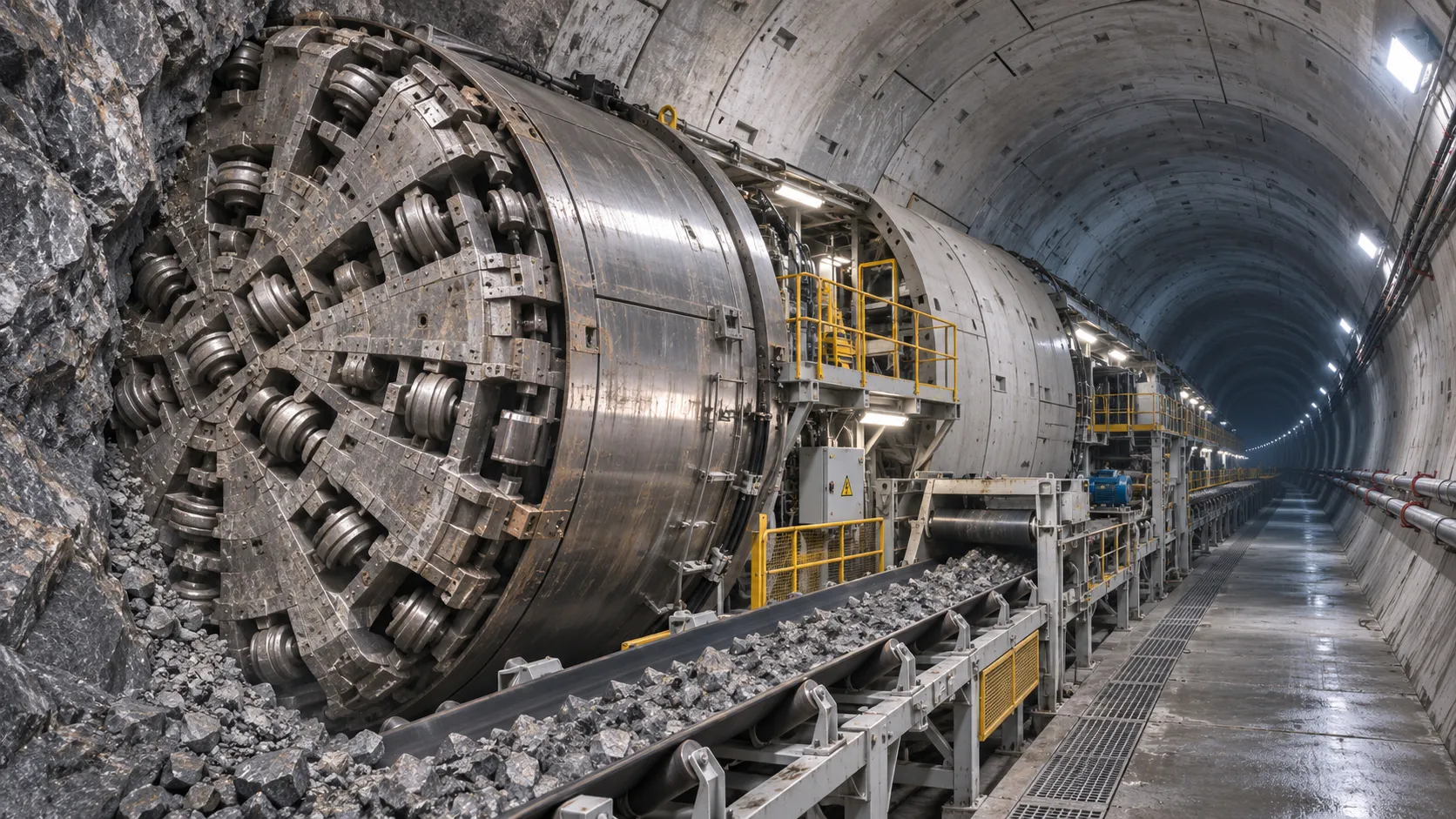
How TBM Excavation Works in Rock and Soft Ground: A Practical Guide
TBM Excavation in rock and soft ground explained: compare machine types, ground support, spoil removal, and the factors that guide smarter project planning.
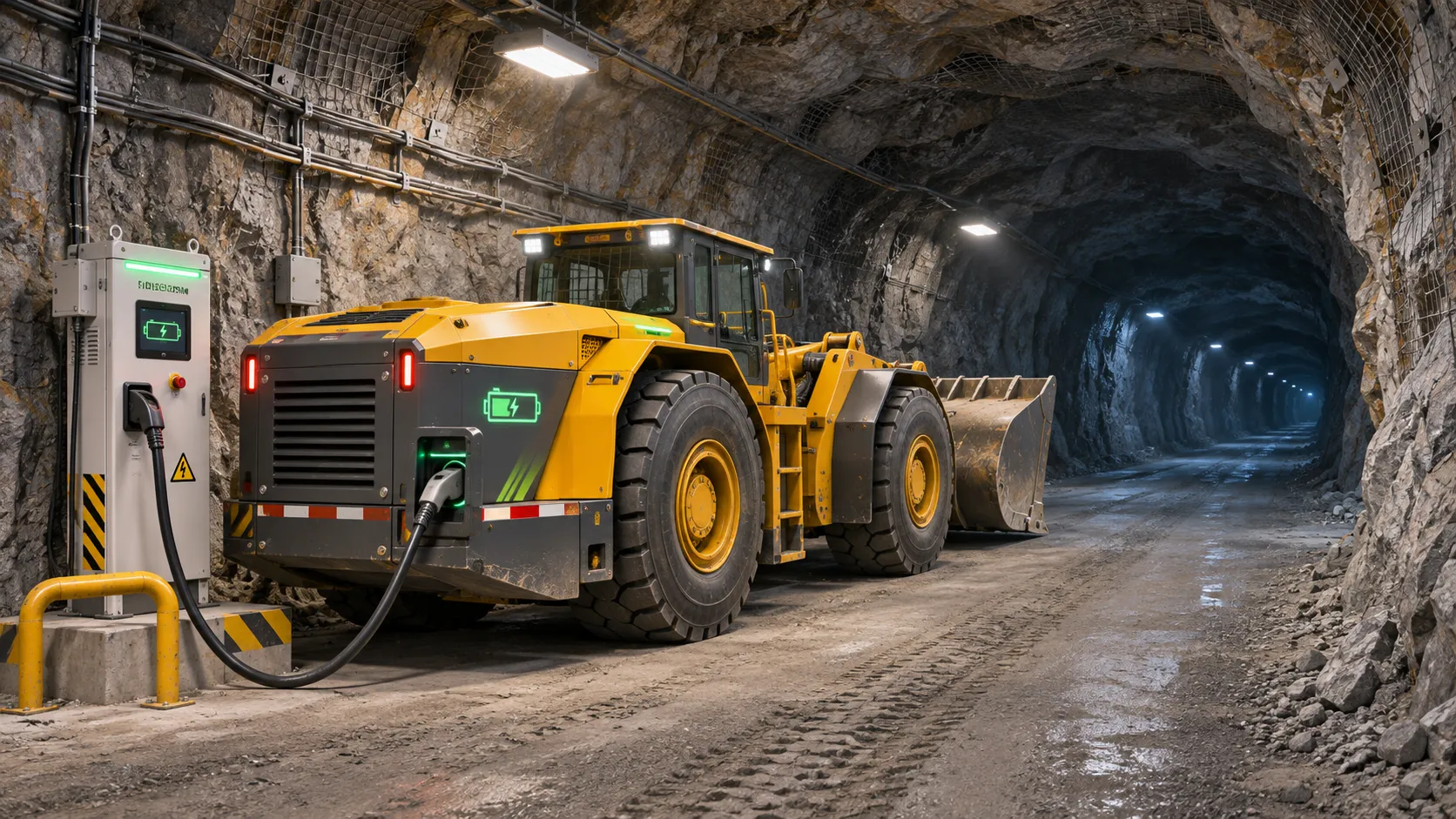
Choosing a Zero-Emission Underground Equipment Supplier: What to Check
Choosing a zero emission underground equipment supplier? Compare duty-cycle performance, charging, safety, total costs and support before you commit.
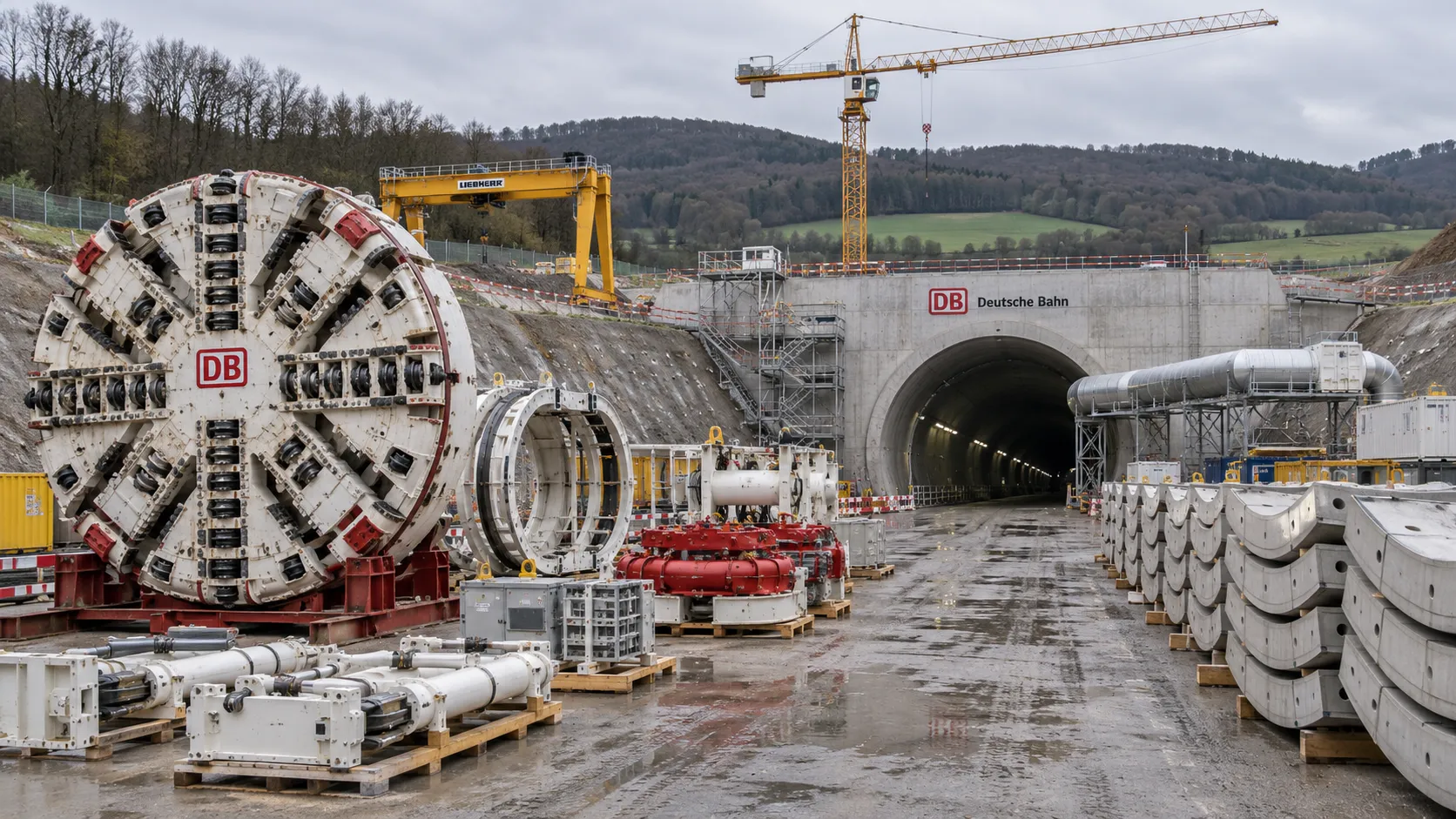
Construction Starts on Germany's Pfaffensteig Rail Tunnel, With Two TBMs Planned
Pfaffensteig rail tunnel construction is underway in Germany. Discover how two planned TBMs will support the 11-kilometre project near Stuttgart.
How Real-Time Underground Mapping Systems Work in Tunneling
Discover how real-time underground mapping systems guide tunneling teams, integrate sensor data, and support confident decisions with verified accuracy.
First Mechanized Tunnel Crossing Beneath the Panama Canal Completed
Panama Canal tunnel crossing: Explore the reported Metro Line 3 milestone and what it could mean for future underwater tunneling projects.
Underground Utility Construction Equipment: Choosing by Ground Conditions
Choose underground utility construction equipment with confidence. Compare trenching, HDD, microtunnelling and TBMs by ground conditions, risk and cost.
China Sets Tunnel Boring Machine Export Controls as India Pushes Local Production
China tunnel boring machine export controls could reshape procurement as India pushes local production. Explore potential supply and project impacts.
Choosing a Trenchless Pipeline Installation Contractor: Key Qualifications
Choose a trenchless pipeline installation contractor with confidence. Learn how to assess experience, equipment, safety, costs, and project risks before you hire.
China's 70% TBM Share and Export Controls Challenge India's Local Production
China's TBM export controls could challenge India's local production and infrastructure sourcing. Explore the potential risks and procurement options.
Related News
- 00
0000-00
How TBM Excavation Works in Rock and Soft Ground: A Practical Guide - 00
0000-00
Choosing a Zero-Emission Underground Equipment Supplier: What to Check - 00
0000-00
Construction Starts on Germany's Pfaffensteig Rail Tunnel, With Two TBMs Planned - 00
0000-00
How Real-Time Underground Mapping Systems Work in Tunneling - 00
0000-00
First Mechanized Tunnel Crossing Beneath the Panama Canal Completed
Weekly Insights
Stay ahead with our curated technology reports delivered every Monday.