
Mining Dump Trucks: Key Differences Between Rigid and Articulated Models





Mining Dump Trucks play a critical role in mine productivity, safety, and total operating cost, making model selection a key task for technical evaluators. This article examines the core differences between rigid and articulated Mining Dump Trucks, from payload capacity and haul-road suitability to maneuverability, maintenance demands, and electrification potential, helping decision-makers match equipment performance with complex mining conditions.
What is the real difference between rigid and articulated Mining Dump Trucks?
At the most basic level, the difference lies in chassis design and intended operating environment. Rigid Mining Dump Trucks use a fixed frame and are typically engineered for high-volume hauling on well-developed mine roads, especially in large open-pit operations. Their structure favors stability at speed, very high payloads, and efficient repeated cycles over long haul distances.
Articulated Mining Dump Trucks, by contrast, are built around a pivot joint between the cab and the dump body. That articulation allows the front and rear sections to move independently, which dramatically improves turning capability and traction on uneven ground. In practice, this means articulated models are often better suited to softer underfoot conditions, temporary haul roads, steeper grades, and tighter jobsite layouts.
For technical evaluation teams, this is more than a design distinction. It affects cycle time consistency, road construction standards, tire wear, operator confidence, and even whether a site can sustain automation or electrification in the future. In short, rigid trucks usually maximize output where infrastructure is strong, while articulated trucks protect flexibility where terrain and road quality are less predictable.
Which Mining Dump Trucks fit large-scale production best?
If the operation is a high-tonnage open-pit mine with established benches, wide haul roads, controlled gradients, and a central focus on moving as much material as possible per shift, rigid Mining Dump Trucks usually lead the comparison. Their payload range can be dramatically higher than articulated units, making them the preferred option for iron ore, copper, coal, and large hard-rock mines where haulage economics are measured in cents per ton.
The advantage is not simply that rigid trucks carry more. Larger payloads often reduce the number of trips needed, lower labor intensity per ton moved, and align better with high-capacity loading tools such as electric rope shovels or large hydraulic excavators. When loading equipment and haul roads are optimized together, rigid Mining Dump Trucks can produce a highly efficient material flow system.
However, “best for production” does not always mean “best for every mine stage.” During pre-stripping, satellite pit development, or temporary expansion works, articulated trucks can outperform rigid trucks simply because they keep moving in conditions where road geometry is still evolving. Evaluators should therefore match the truck type to the mine’s current maturity, not only its long-term production plan.
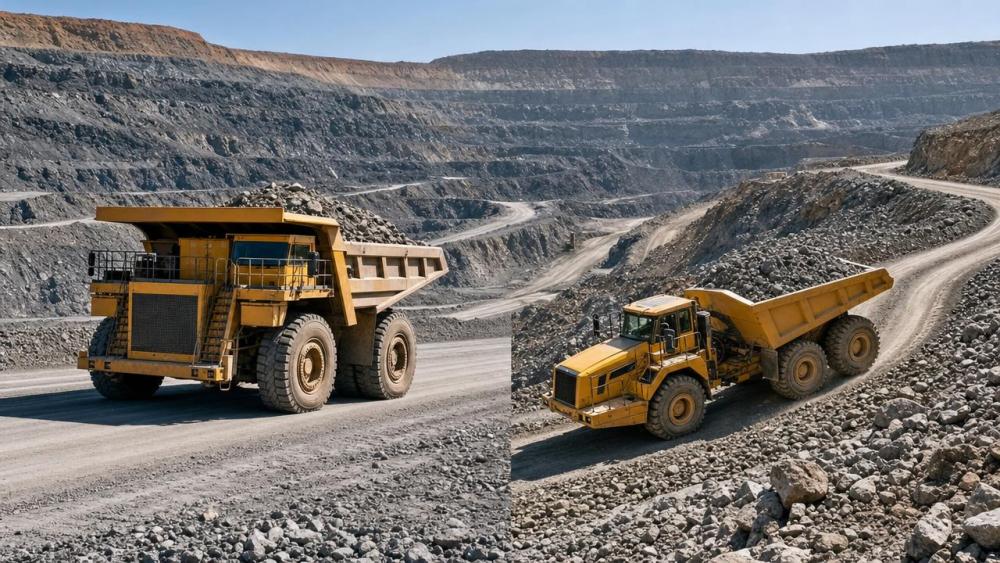
How do payload, haul-road quality, and maneuverability change the decision?
This is often the most practical comparison point because it connects directly to site design. Rigid Mining Dump Trucks typically dominate in payload capacity. If a mine can build and maintain broad, smooth, high-standard haul roads, rigid models deliver better tonnage per pass and often stronger long-distance fuel or energy efficiency per ton moved.
Articulated Mining Dump Trucks win on maneuverability. They can negotiate tighter turns, variable gradients, muddy segments, and less prepared road surfaces with less performance loss. Their all-wheel-drive layouts and articulated steering help maintain traction where rigid trucks may experience reduced mobility or increased risk of delay.
For technical assessors, the key question is not “Which truck is stronger?” but “What is the site asking the truck to tolerate?” A truck with superior payload can still be the wrong choice if roads are too narrow, underfoot conditions are unstable, or dump points require frequent repositioning. Likewise, a highly agile articulated truck may become economically weak if haul distances lengthen and annual tonnage targets rise sharply.
What should technical evaluators check beyond headline capacity?
A common mistake in Mining Dump Trucks comparison is to start and end with payload. Technical evaluation should instead consider the entire haulage system. First, check loading-tool compatibility. A truck that appears ideal on paper may create bucket mismatch, excess passes, or shovel waiting time if body volume and payload are not aligned with the loader fleet.
Second, examine road geometry and rolling resistance. Road width, curve radius, gradient profile, surface maintenance quality, and drainage all shape actual truck productivity. A rigid truck fleet on poorly maintained roads can suffer lower speeds, higher structural stress, more tire damage, and inconsistent braking performance. An articulated fleet on short, twisting routes may actually produce better real-world availability.
Third, assess duty cycle severity. Is the truck climbing loaded and descending empty, or the reverse? Are there stop-start zones, queuing points, or slippery ramps? Do seasonal rains turn sections into low-traction corridors? Technical teams should also review dump-body wear, suspension behavior, frame life, and the site’s maintenance culture. A fleet choice should support the mine’s discipline level, not assume ideal operating practice.
Finally, consider operator and automation readiness. Some mines are transitioning toward autonomous haulage, fleet management systems, and energy optimization. In these cases, the truck decision should not only solve current hauling needs but also fit digital dispatch logic, sensor integration, and future control architecture.
How do maintenance demands and lifecycle cost differ?
Rigid and articulated Mining Dump Trucks create very different maintenance profiles. Rigid trucks often involve larger tires, heavier structural loading, and greater dependency on haul-road quality. When roads are well built, they can run with excellent productivity and predictable service intervals. When roads degrade, however, impacts can spread quickly across tires, suspension systems, frames, and braking components.
Articulated trucks include the articulation joint as a critical maintenance point, and their operation in rough ground can accelerate wear in driveline and suspension-related systems. Yet they may reduce the cost burden associated with constructing and constantly upgrading roads to the standards rigid trucks require. This trade-off is important: sometimes the “cheaper truck” is not cheaper once road-building, standby time, and seasonal disruption are included.
Lifecycle cost analysis should therefore include at least six elements: acquisition price, fuel or power use, tire consumption, maintenance labor, parts support, and infrastructure cost. Advanced evaluators often add availability risk, operator training burden, and residual value. For mines in remote regions, supply-chain reliability for critical parts can influence truck selection almost as much as performance data.
Are rigid or articulated Mining Dump Trucks better for electrification and autonomy?
The answer depends on the mining environment and the technology pathway being considered. Rigid Mining Dump Trucks are currently more visible in ultra-class electrification and autonomous haulage discussions because large open-pit mines offer structured routes, repeatable cycles, and enough scale to justify major infrastructure investment. Trolley assist, battery-electric haulage concepts, regenerative braking on downhill segments, and autonomous traffic management are often easier to deploy in these controlled settings.
That said, articulated Mining Dump Trucks also have a strong future role, especially in projects where flexibility matters more than maximum payload. Quarries, developing pits, construction-linked mining zones, and sites with changing routes may benefit from compact low-emission articulated fleets. As electrification expands, battery packaging, charging strategy, and duty-cycle balancing will matter as much as raw vehicle class.
From a strategic intelligence perspective, the best question is not which truck type is “more modern,” but which platform can support your mine’s decarbonization and automation roadmap with acceptable risk. A mine with steep downhill hauls may gain from regenerative opportunities. A confined site with variable road conditions may value flexible zero-emission operation more than headline tonnage. The right answer comes from matching truck architecture with energy system design, traffic predictability, and safety objectives.
What are the most common selection mistakes when comparing Mining Dump Trucks?
One frequent mistake is buying for peak output while ignoring average operating conditions. A rigid truck may look superior in a vendor presentation, but if the mine spends months operating on wet, transitional, or narrow roads, the theoretical advantage can shrink quickly. Another mistake is underestimating infrastructure dependency. Haulage performance is always a system result, not a truck-only result.
A third error is evaluating only capital expenditure. Technical evaluators should challenge any comparison that excludes road maintenance cost, tire life, delay frequency, operator learning curve, and equipment matching with loaders and crushers. Mines also sometimes overlook future mine-plan changes. A truck fleet chosen for today’s route geometry may become inefficient after pit deepening, pushback expansion, or dump relocation.
Lastly, some teams treat electrification and autonomy as later add-ons rather than design criteria. In reality, truck selection today can either simplify or complicate future upgrades in charging, dispatch, safety zoning, and digital monitoring. This is especially relevant for organizations pursuing ESG goals or preparing for stricter emissions standards.
How can a technical evaluator make a practical final choice?
A practical selection process for Mining Dump Trucks starts with a site-based matrix rather than a brand-first discussion. Define haul distance, loaded and unloaded gradients, road width, annual tonnage target, weather variability, loader match, dump conditions, maintenance capability, and decarbonization timeline. Then compare rigid and articulated options against those realities using measured cycle assumptions rather than brochure values.
In many cases, the answer may not be purely one type or the other. Some operations use articulated trucks during development phases and shift toward rigid units as road standards and volumes increase. Others maintain a mixed fleet because different pit zones create different haulage demands. The right decision is the one that preserves safe throughput, supports predictable maintenance, and aligns with the mine’s next stage of operational evolution.
If you need to confirm a more specific direction, it helps to first discuss a few core questions: What is the real haul profile across seasons? How mature are the haul roads today, and how fast will they improve? What loading equipment must the trucks match? What are the site’s autonomy or electrification targets over the next three to five years? And what cost matters most—capital, operating cost per ton, or resilience under difficult ground conditions? Those answers will usually make the rigid versus articulated choice much clearer.
Related News
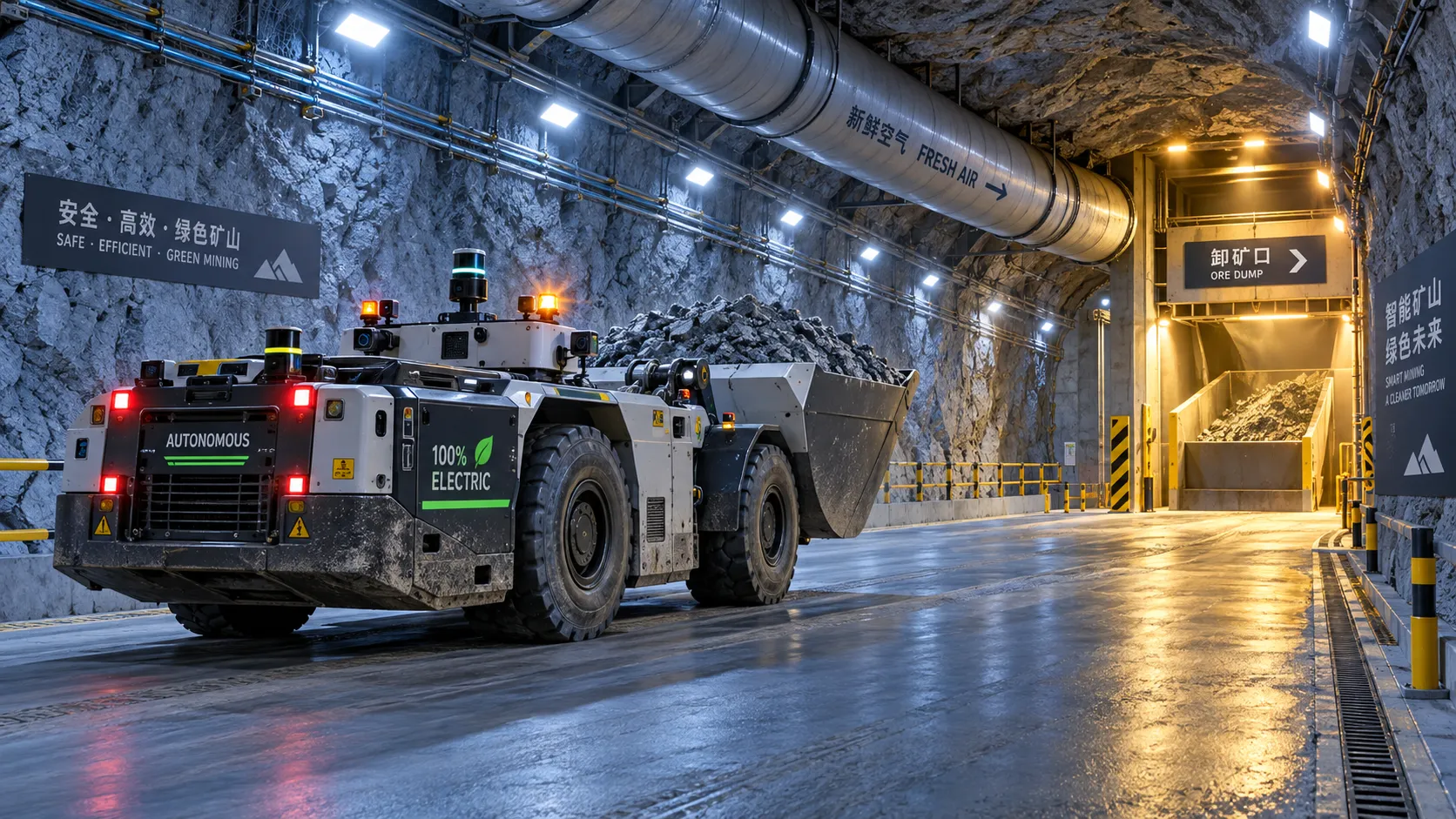
Where Autonomous Mining Loaders Deliver the Most Value in Underground Operations
Autonomous Mining Loaders deliver greater underground value through safer blast-zone work, repeatable haul cycles, and improved ventilation efficiency. Discover the best deployment zones.
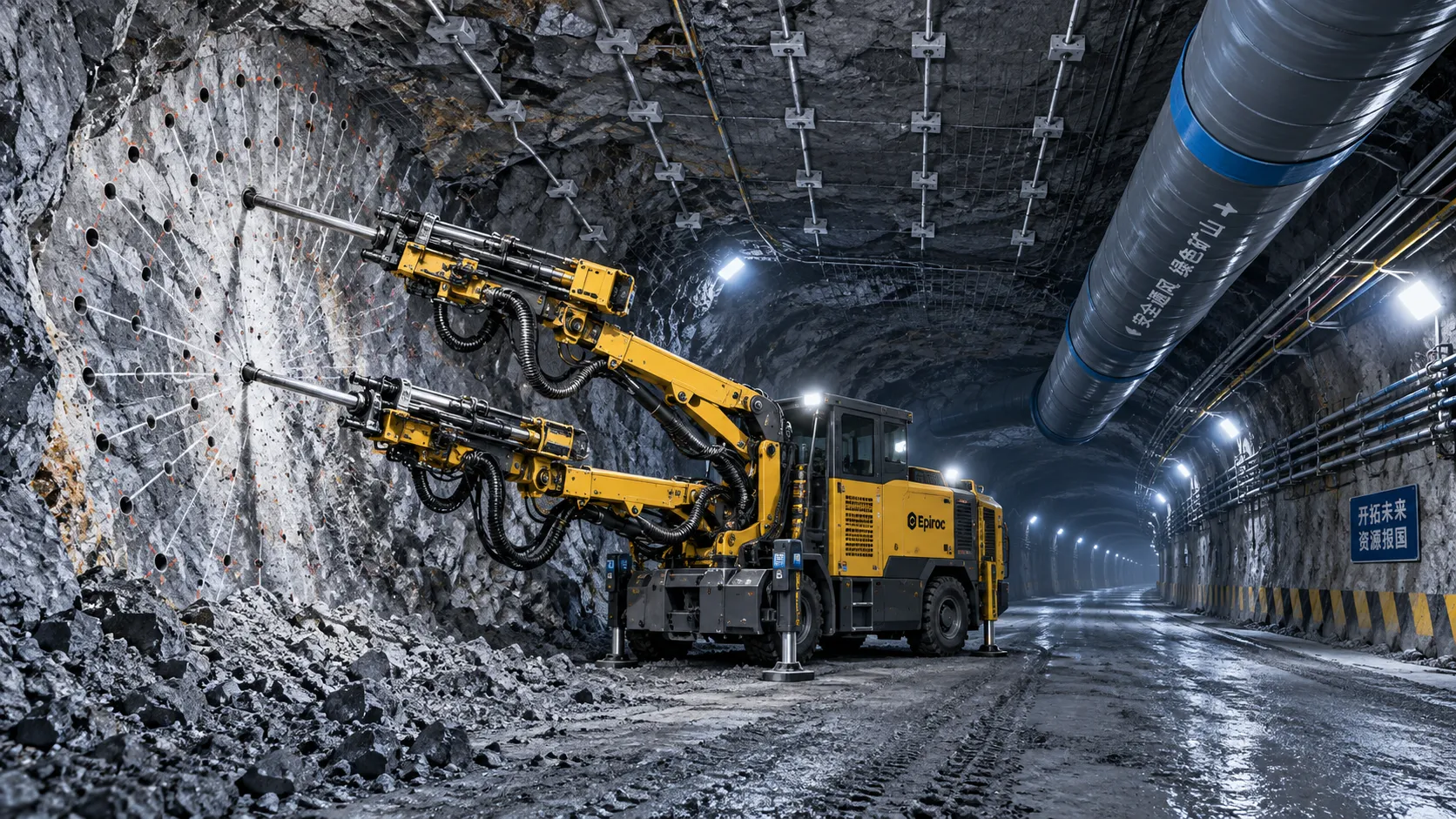
Underground Drilling for Mining: Selecting Methods for Rock Conditions and Mine Layout
Underground drilling for mining: learn how to match drilling methods to rock conditions, mine layout, accuracy needs, ground support, and cycle efficiency.
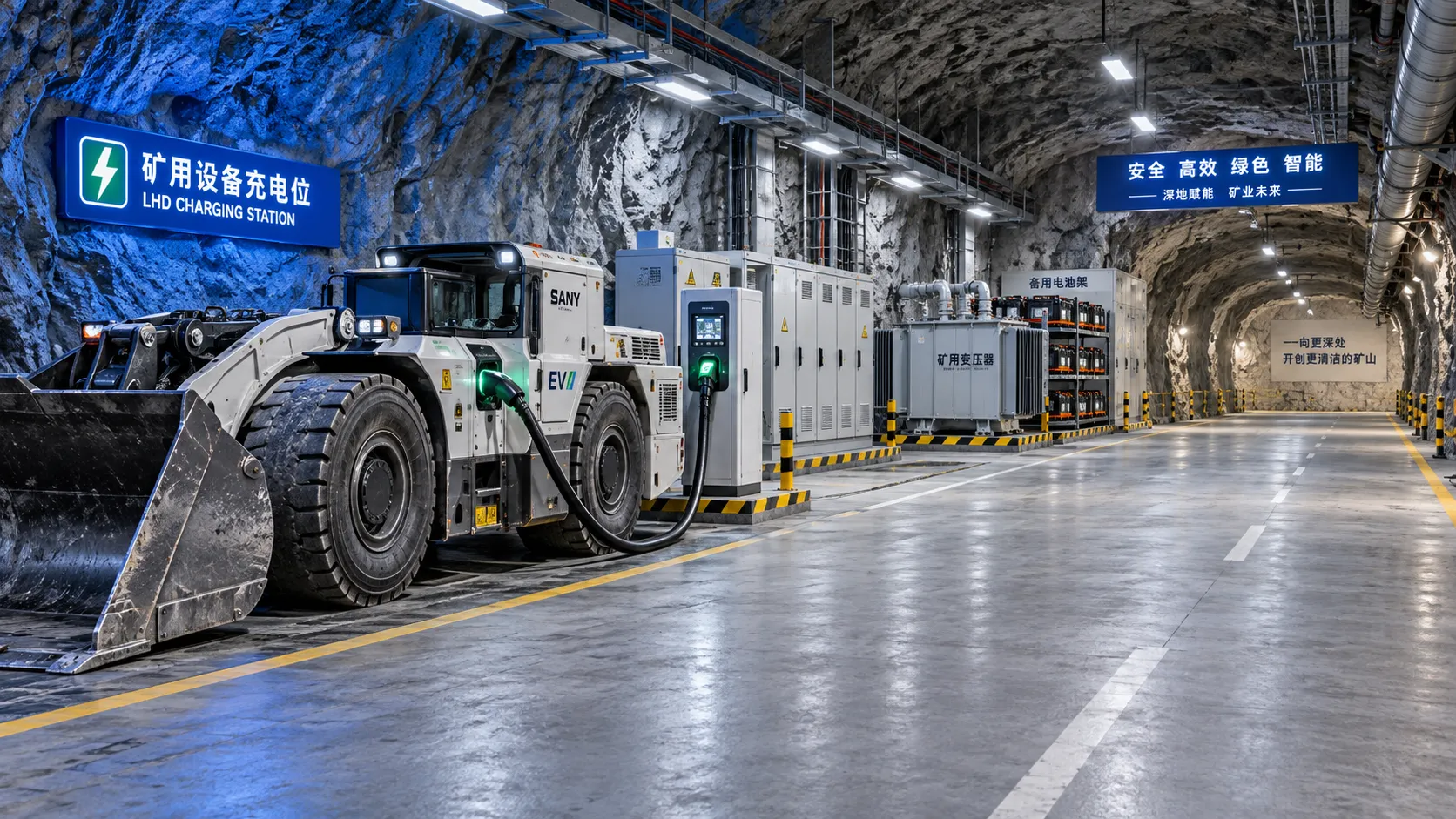
Underground Mine Electrification: How to Size Battery Fleets and Charging Capacity
Mining electrification for underground mines: learn how to size battery fleets, chargers, and power capacity to prevent queues, peak-load issues, and production downtime.
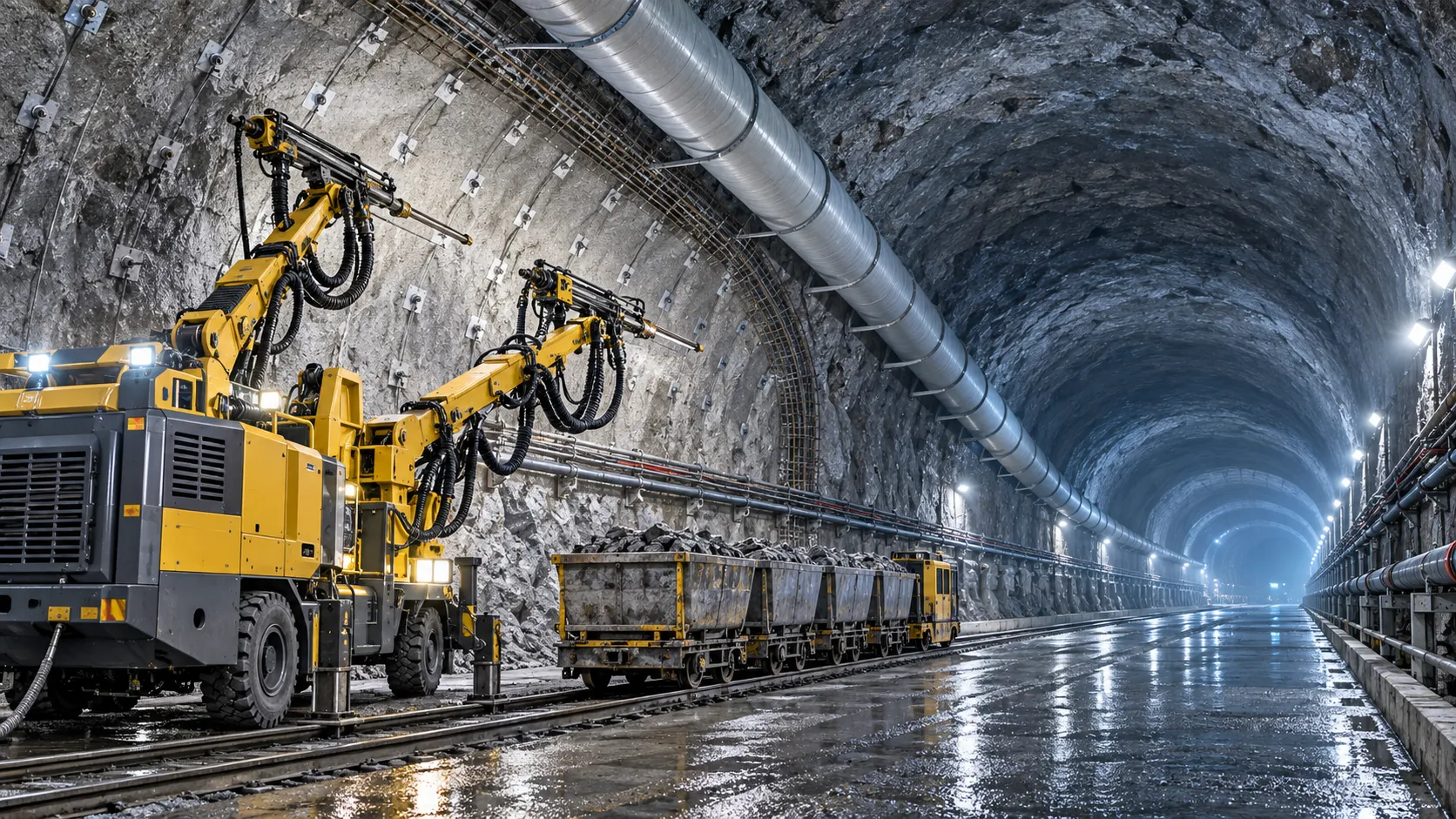
How to Evaluate European Drill-and-Blast Tunnelling Contractors for Complex Projects
Drill and blast tunnelling contractors Europe: learn how to assess geology expertise, blast control, equipment reliability, safety, and programme resilience for complex projects.
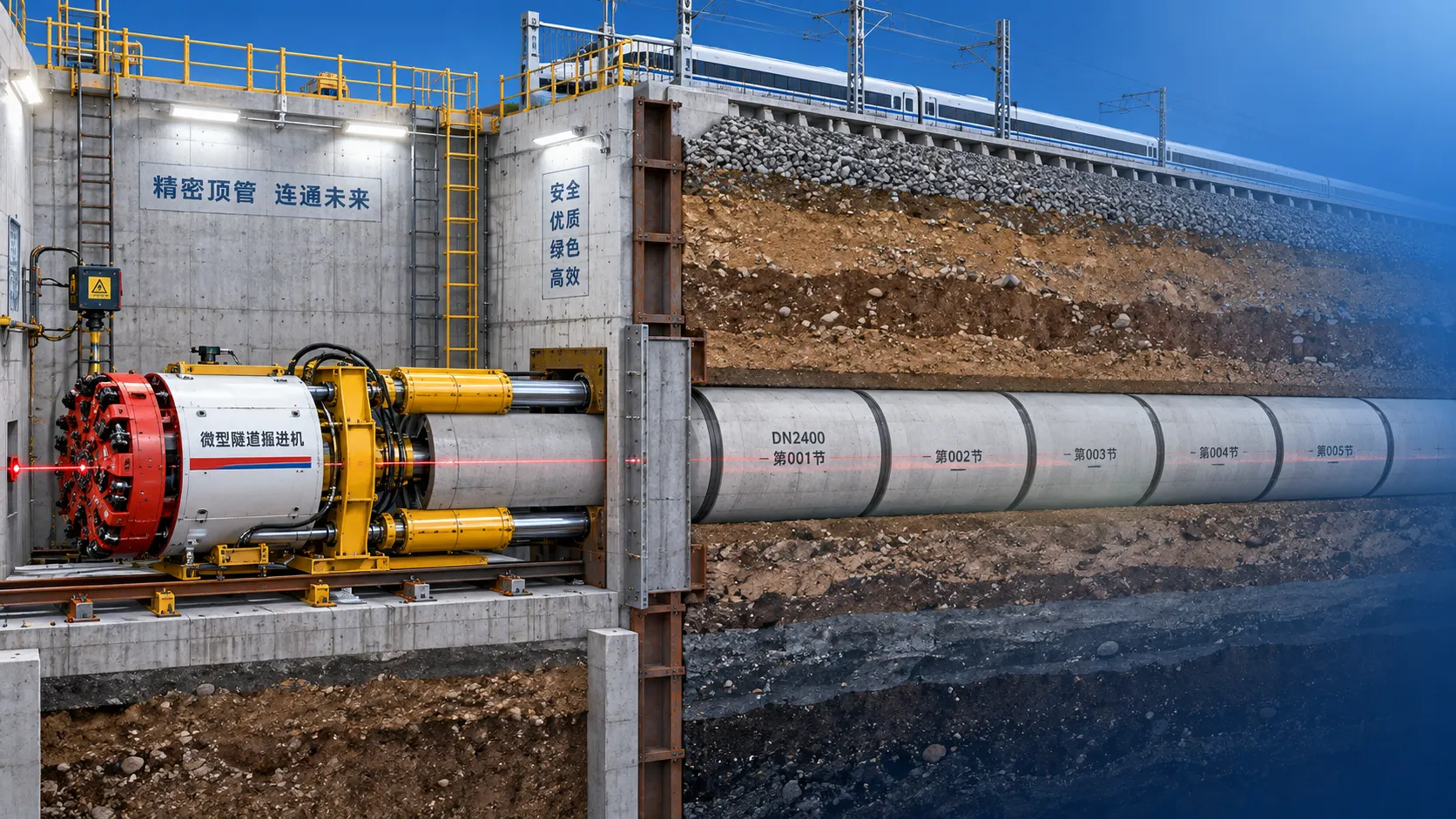
Which Trenchless Construction Technique Fits Your Utility Crossing Conditions?
Trenchless construction techniques compared for utility crossings: choose HDD, microtunnelling, pipe jacking, or auger boring based on ground, accuracy, access, and risk.
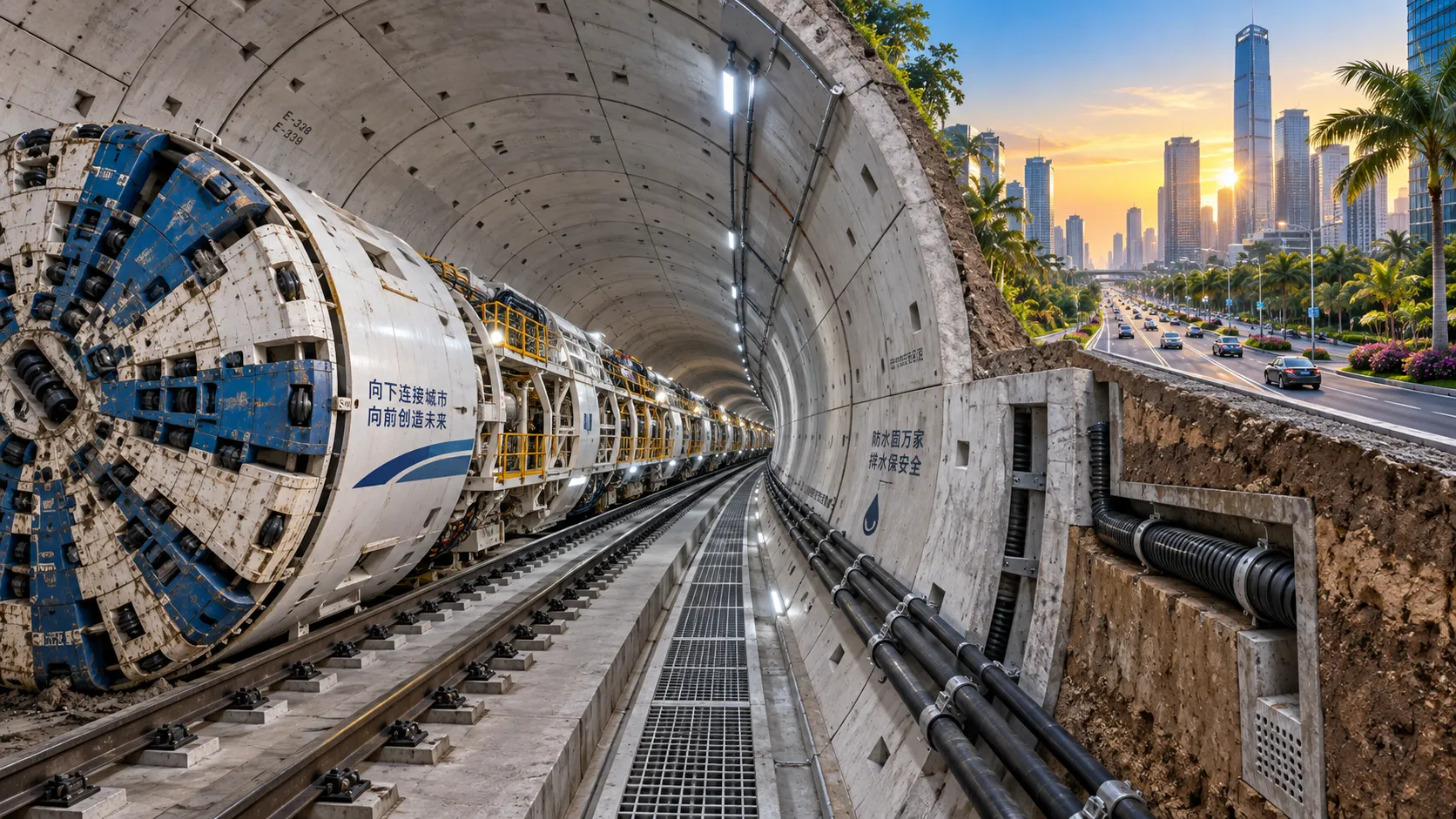
What Is Driving Metro Tunnelling Demand Across Southeast Asia’s Major Cities?
Metro tunnelling Southeast Asia is accelerating as major cities tackle congestion, flooding, and connectivity. Explore the market forces, technical risks, and opportunities shaping demand.
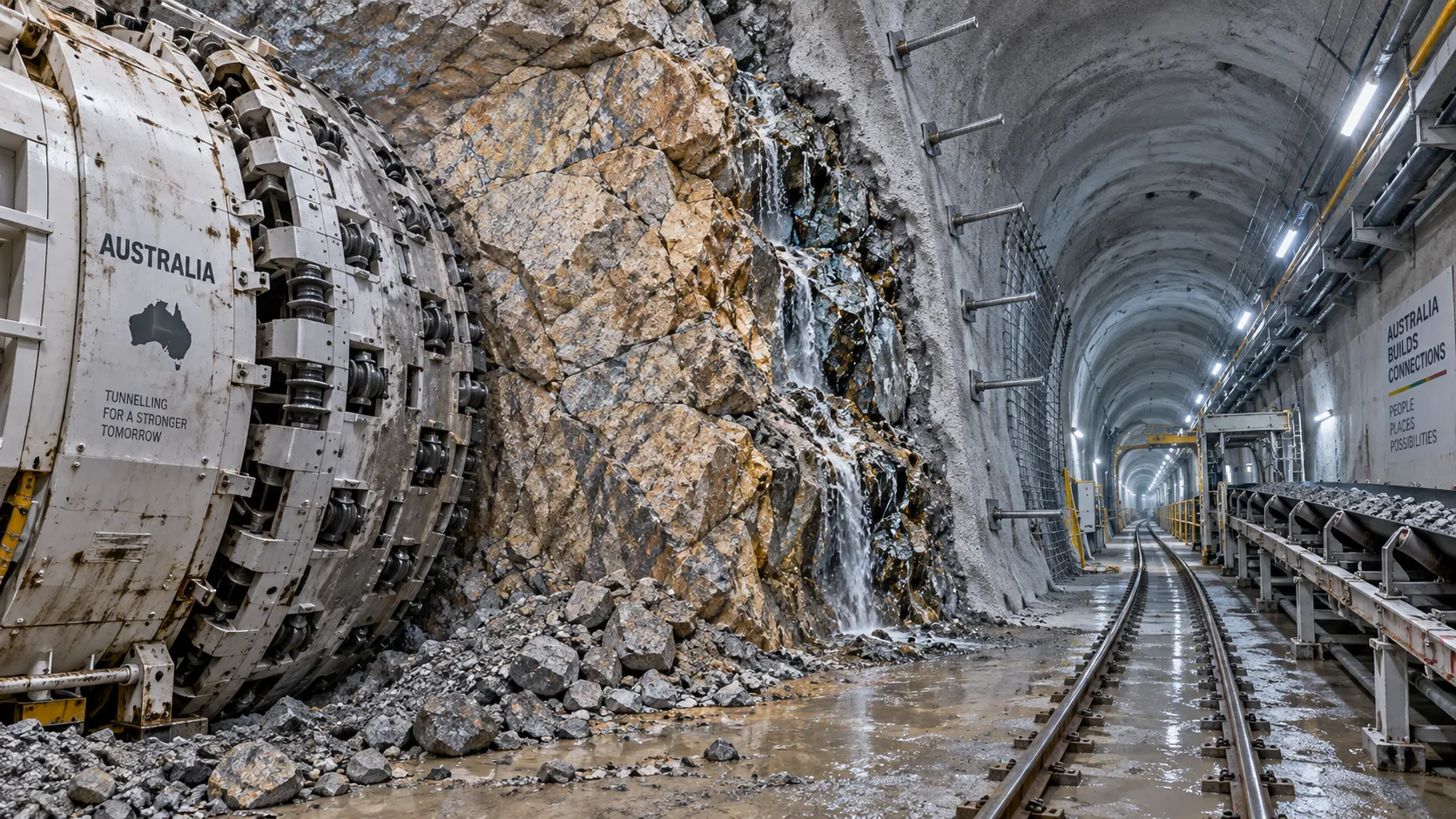
Hard Rock Tunnelling in Australia: Selecting Methods for Variable Ground Conditions
Hard rock tunnelling in Australia: compare TBM, drill-and-blast and hybrid methods to manage variable ground, reduce risk and protect project costs.
Hydropower Tunnel Excavation: Selecting Methods for Variable Rock Conditions
Hydropower tunnel excavation methods for variable rock conditions: compare TBM, drill-and-blast, and hybrid strategies to improve safety, progress, and project control.
How to Select Underground Safety Equipment for Tunnelling by Hazard and Work Zone
Underground Safety Equipment for tunnelling: match protection to hazards, work zones, compliance, and emergency needs with this practical selection guide.
Related News
- 00
0000-00
Where Autonomous Mining Loaders Deliver the Most Value in Underground Operations - 00
0000-00
Underground Drilling for Mining: Selecting Methods for Rock Conditions and Mine Layout - 00
0000-00
Underground Mine Electrification: How to Size Battery Fleets and Charging Capacity - 00
0000-00
How to Evaluate European Drill-and-Blast Tunnelling Contractors for Complex Projects - 00
0000-00
Which Trenchless Construction Technique Fits Your Utility Crossing Conditions?
Weekly Insights
Stay ahead with our curated technology reports delivered every Monday.