
Mining Dump Trucks costs that change the final ROI





For financial decision-makers, Mining Dump Trucks are not just capital assets—they are long-term ROI drivers shaped by energy use, maintenance cycles, fleet uptime, automation readiness, and residual value.
Understanding which cost factors truly move the financial outcome is essential before approving procurement or replacement plans in today’s electrified and productivity-focused mining landscape.
What makes Mining Dump Trucks costs more complex than the purchase price?
The sticker price is only the visible layer. The final ROI of Mining Dump Trucks is shaped by total cost of ownership across the asset life.
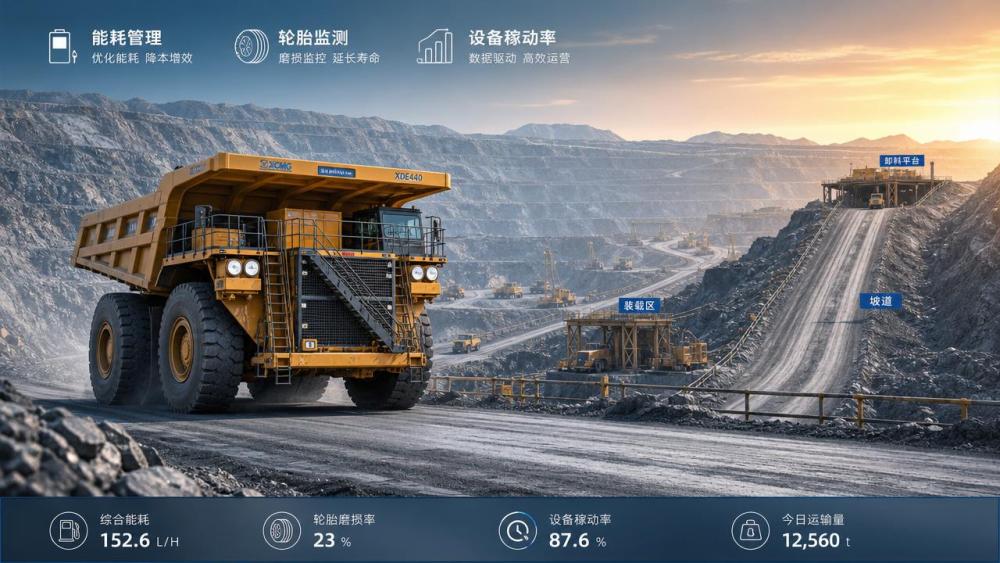
In open-pit mining, haulage often absorbs a large share of operating cost. Small efficiency changes can therefore produce major financial effects over years.
A realistic cost model should include acquisition, financing, commissioning, tires, fuel or electricity, maintenance labor, spare parts, downtime, and end-of-life value.
Mining Dump Trucks also face site-specific pressure. Haul road gradient, rolling resistance, temperature, altitude, and payload consistency all change operating economics.
That is why two trucks with similar rated capacity may deliver very different returns in different mines.
Another hidden factor is fleet interaction. Truck performance depends on loading match, queue time, dispatch logic, and crusher availability.
If the broader haulage system is unbalanced, premium Mining Dump Trucks may still underperform financially.
Which cost categories usually move ROI the most?
- Energy consumption over the duty cycle
- Tire wear under payload and road conditions
- Unplanned downtime and lost production
- Component rebuild intervals
- Operator variability or automation capability
- Residual value after replacement
How do energy choices change the economics of Mining Dump Trucks?
Energy is one of the strongest long-term cost levers. Diesel, trolley-assist, hybrid, and battery-electric Mining Dump Trucks create very different cost curves.
Diesel trucks usually offer familiar infrastructure and established service networks. Yet fuel volatility can distort planning, especially on long haul cycles.
Battery-electric Mining Dump Trucks can lower ventilation-related emissions, reduce mechanical complexity, and improve regenerative braking efficiency on downhill routes.
However, battery systems introduce charging strategy, power supply design, battery replacement timing, and thermal management into the ROI equation.
Trolley-assist options can significantly reduce diesel burn on uphill ramps. But the business case depends on route stability and capital for overhead infrastructure.
The right comparison is not fuel price alone. It is energy cost per ton-kilometer under the actual duty profile.
What should be tested before comparing diesel and electric fleets?
- Average haul distance and elevation change
- Queue time at loading and dumping points
- Peak power availability on site
- Seasonal temperature swings
- Regenerative braking potential
- Emission compliance targets and ESG pressure
Why do maintenance cycles and uptime often decide final ROI?
High utilization is the financial heart of Mining Dump Trucks. A truck that sits idle destroys return faster than one with a slightly higher purchase cost.
Maintenance should be measured beyond workshop expense. Every unscheduled stop also causes production loss, shovel waiting time, and dispatch disruption.
Major rebuild items usually include engines or traction systems, transmissions, suspensions, hydraulic systems, and structural inspections.
For electric Mining Dump Trucks, fewer moving parts may reduce certain maintenance burdens. Yet power electronics and battery health become strategic cost variables.
Tires deserve special attention. In many operations, tire cost rivals major mechanical cost due to heat, road damage, and overload events.
Condition monitoring can materially improve outcomes. Predictive alerts for temperature, vibration, brake wear, and motor performance can prevent high-cost failures.
What maintenance mistakes commonly erode Mining Dump Trucks ROI?
- Using generic service intervals instead of duty-based intervals
- Ignoring haul road quality as a maintenance driver
- Treating tire management as a minor issue
- Underestimating spare parts lead times
- Failing to connect telematics with maintenance planning
How do automation and digital systems affect Mining Dump Trucks costs?
Automation can increase consistency, reduce human variability, and improve safety in repetitive haul cycles. But it changes both cost structure and value realization timing.
Autonomous-ready Mining Dump Trucks may cost more upfront. They may also require site connectivity, control software, sensors, and integration support.
Still, the upside can be substantial. Better speed control, optimized routing, smoother braking, and reduced idle time often improve energy and tire performance.
Digital fleet systems also strengthen planning quality. They convert truck performance into measurable indicators such as tons per hour, delay cause, and cost per cycle.
The key question is not whether automation is advanced. The real question is whether the mine is operationally ready to capture its value.
When does autonomy readiness justify the investment?
It is usually more attractive in large, repetitive haul routes with stable production plans and a long remaining mine life.
It is less compelling when routes change constantly, infrastructure is weak, or dispatch discipline is poor.
What comparison points matter when selecting Mining Dump Trucks for a site?
Capacity is important, but matching matters more. The truck must fit the loader pass count, road layout, dump point geometry, and shift strategy.
Oversized Mining Dump Trucks can create bottlenecks if loading units cannot fill them efficiently or roads cannot support efficient travel speed.
Undersized trucks may raise fleet count, labor complexity, and maintenance exposure while reducing total tons moved per shift.
A strong evaluation should compare payload consistency, energy profile, structural durability, support network, parts availability, and software compatibility.
Which risks and misconceptions most often distort Mining Dump Trucks investment decisions?
One common mistake is comparing Mining Dump Trucks only by acquisition price. Lower capex can hide higher fuel, tire, and downtime exposure.
Another mistake is assuming newer technology automatically delivers savings. Without route fit, charging planning, and service readiness, expected gains may not appear.
Some models look excellent in brochures but struggle in real conditions with dust, shock loading, extreme slope, or poor road maintenance.
There is also a timing risk. Buying too early can lock in immature infrastructure. Buying too late can mean higher operating cost and compliance pressure.
Residual value uncertainty is rising as electrification accelerates. The secondary market may reward future-ready trucks more than older configurations.
Practical checklist before approving a Mining Dump Trucks plan
- Model cost per ton, not only purchase price
- Run duty-cycle simulations by route segment
- Test maintenance assumptions against site reality
- Include downtime cost in every scenario
- Review automation readiness and data quality
- Estimate resale or rebuild pathways early
FAQ summary: what should be prioritized first?
Start with the mine profile. The best Mining Dump Trucks choice depends on route geometry, annual tonnage, loading match, and infrastructure maturity.
Then build a life-cycle model covering energy, tires, maintenance, uptime, automation, and residual value. This reveals which cost drivers truly change final ROI.
In many cases, the strongest gains do not come from the cheapest truck. They come from the most balanced system fit.
For organizations tracking Mining Dump Trucks trends, electrification pathways, and intelligent haulage benchmarks, structured market intelligence helps reduce investment uncertainty.
Use site data, compare scenarios carefully, and validate assumptions against real operating conditions before making the next fleet decision.
Related News
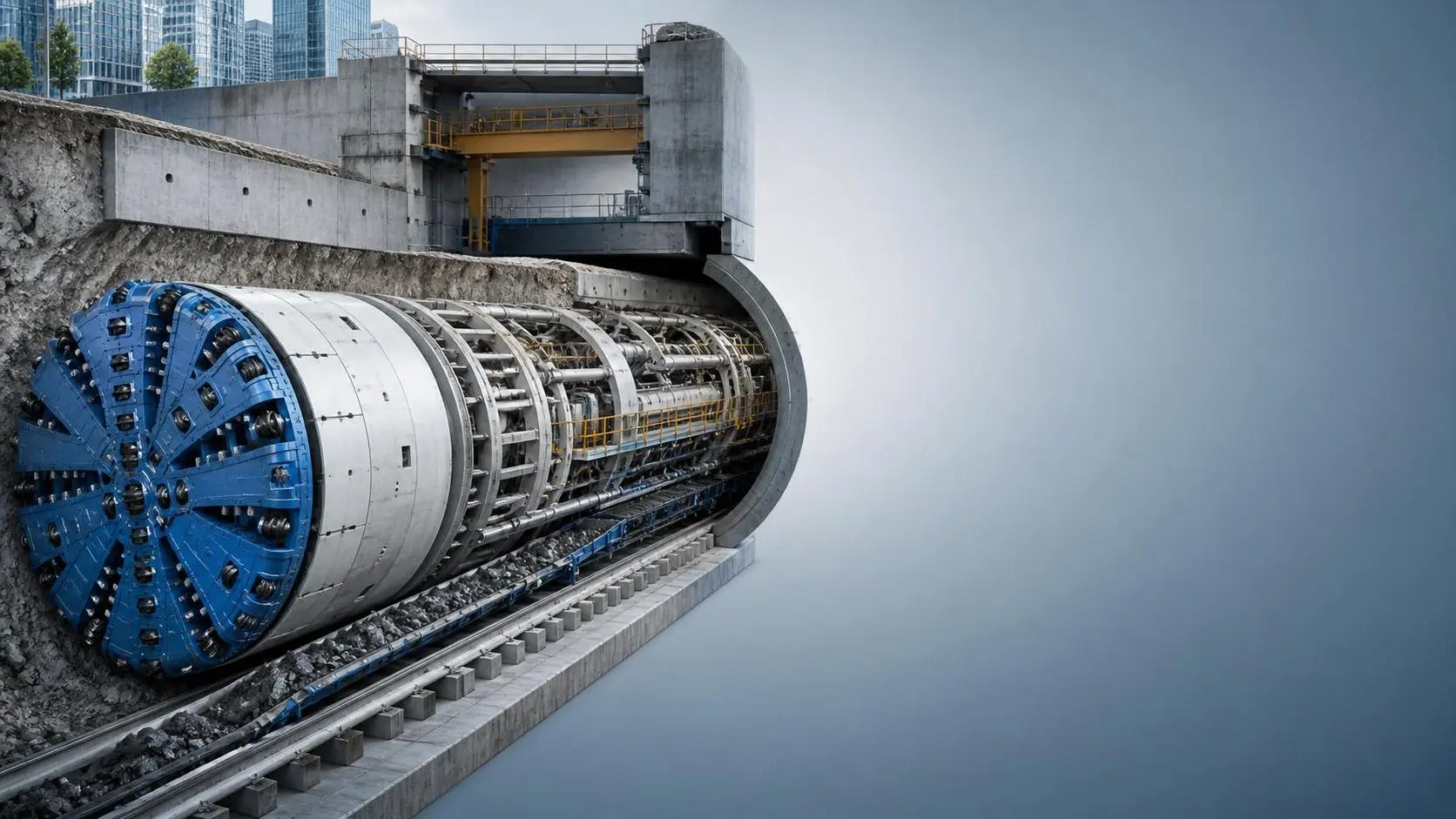
What Drives TBM Excavation Cost in Urban Tunneling Projects?
tbm excavation cost in urban tunneling depends on geology, shafts, segment lining, logistics, and risk. Discover the key cost drivers and compare bids with greater confidence.
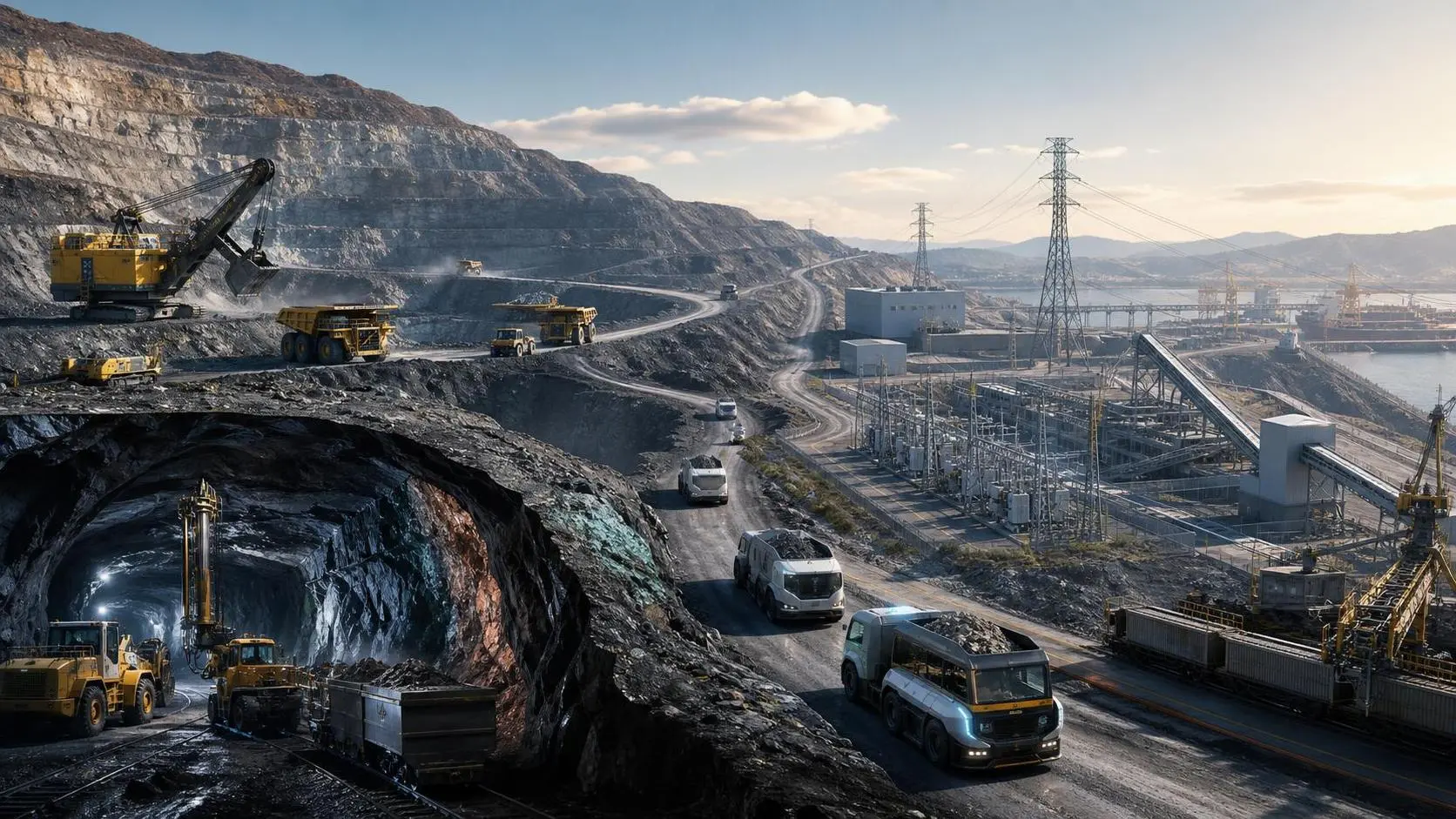
What Does Energy Metals Mining in Australia Mean for Supply, Cost, and Project Risk?
Energy metals mining Australia is reshaping supply, cost, and project risk. Discover what it means for buyers, investors, and operators.
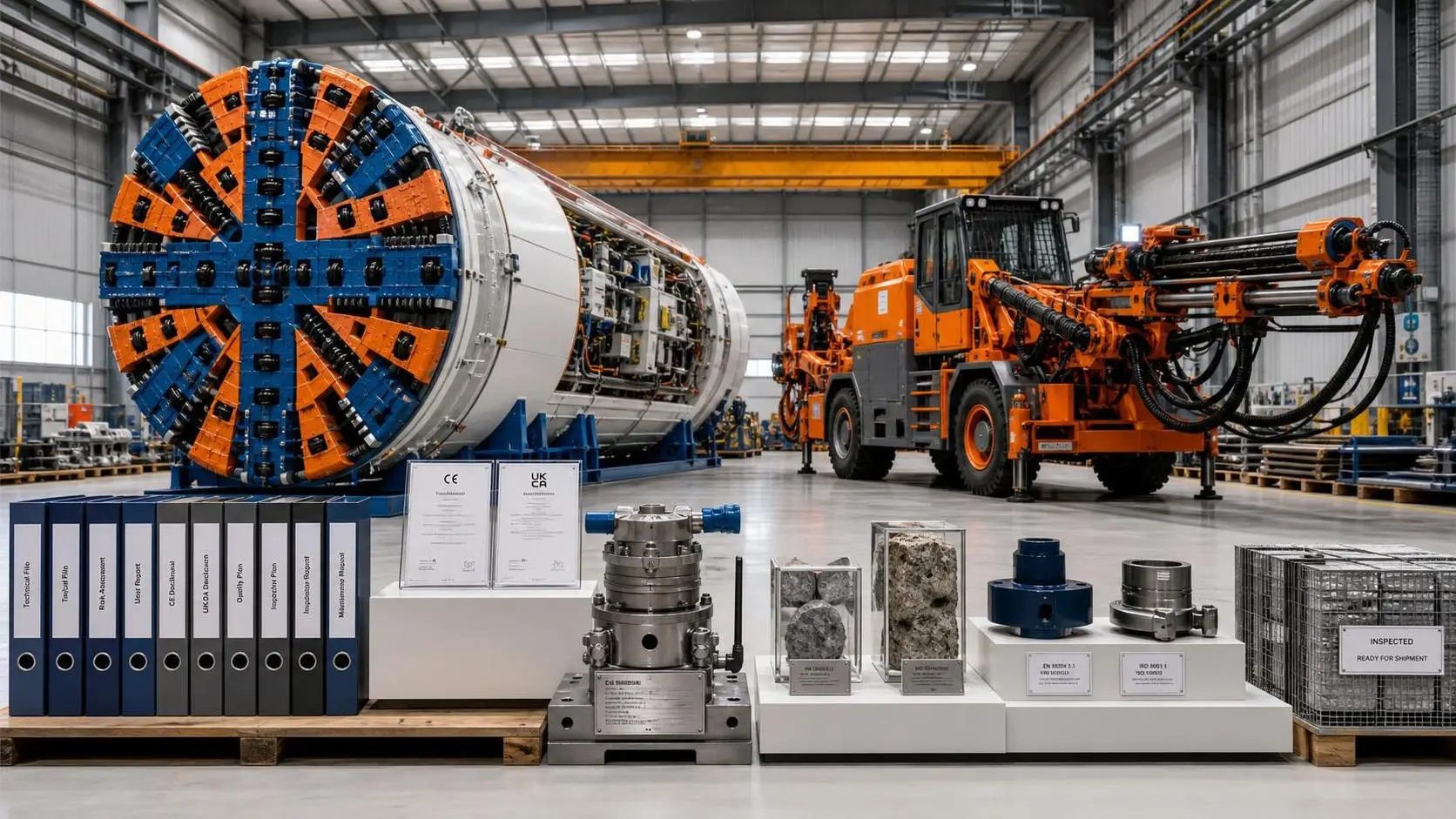
EU Eases Dual CE and UKCA Path for Chinese Tunnel Boring Equipment
EU eases CE and UKCA certification for Chinese tunnel boring equipment, cutting compliance time and helping importers move faster.
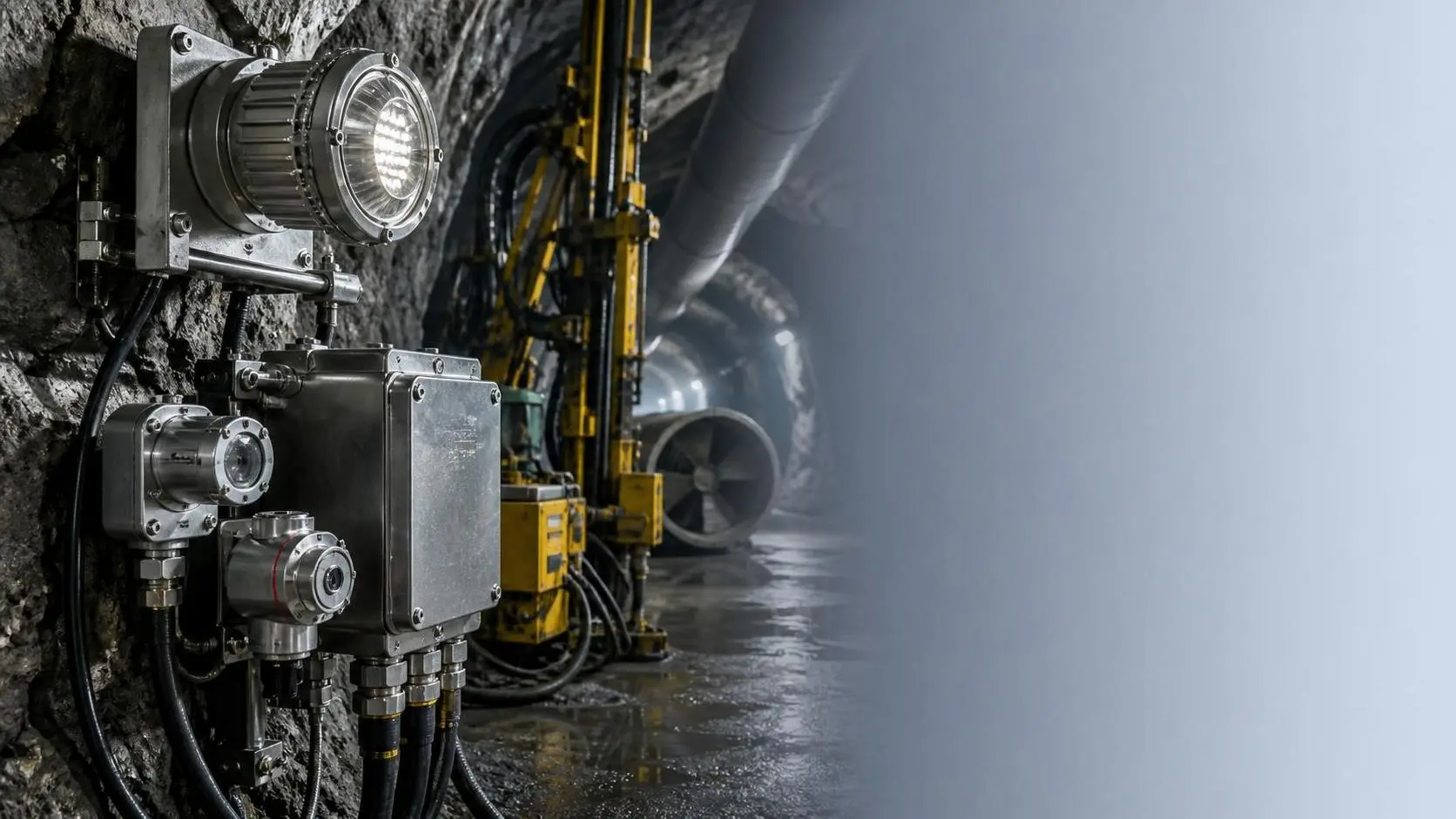
Flameproof Underground Safety Equipment: What Mine Teams Should Check Before Buying
Underground Safety Equipment flameproof buying guide: learn how mine teams should verify certification, durability, serviceability, and supplier support before purchase.
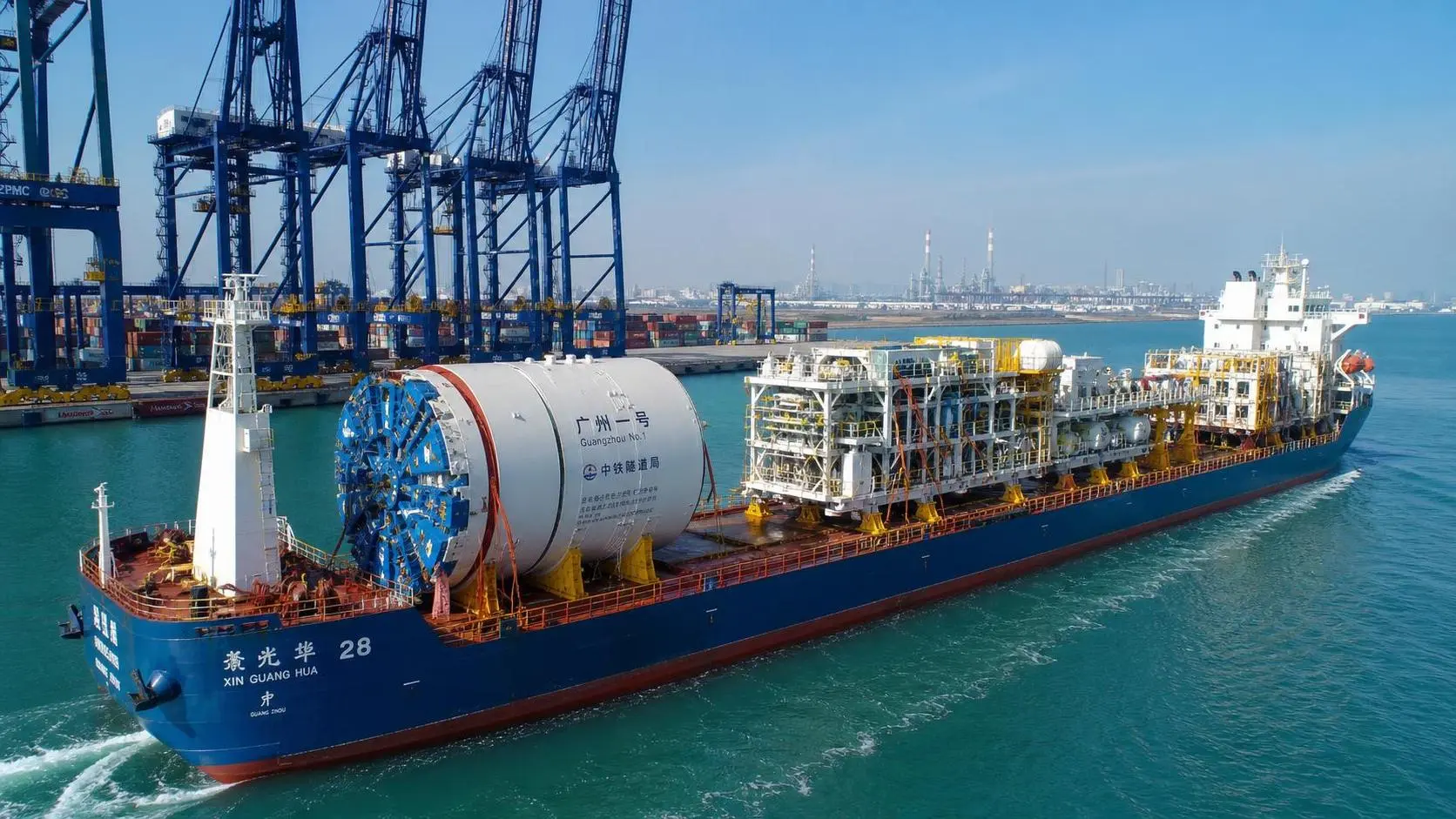
China-UAE Direct Sea Route Cuts TBM and Large Tunneling Equipment Lead Times
China-UAE direct sea route shortens TBM and large tunneling equipment lead times by 12–15 days, improving delivery predictability for major infrastructure projects. Read the full impact.
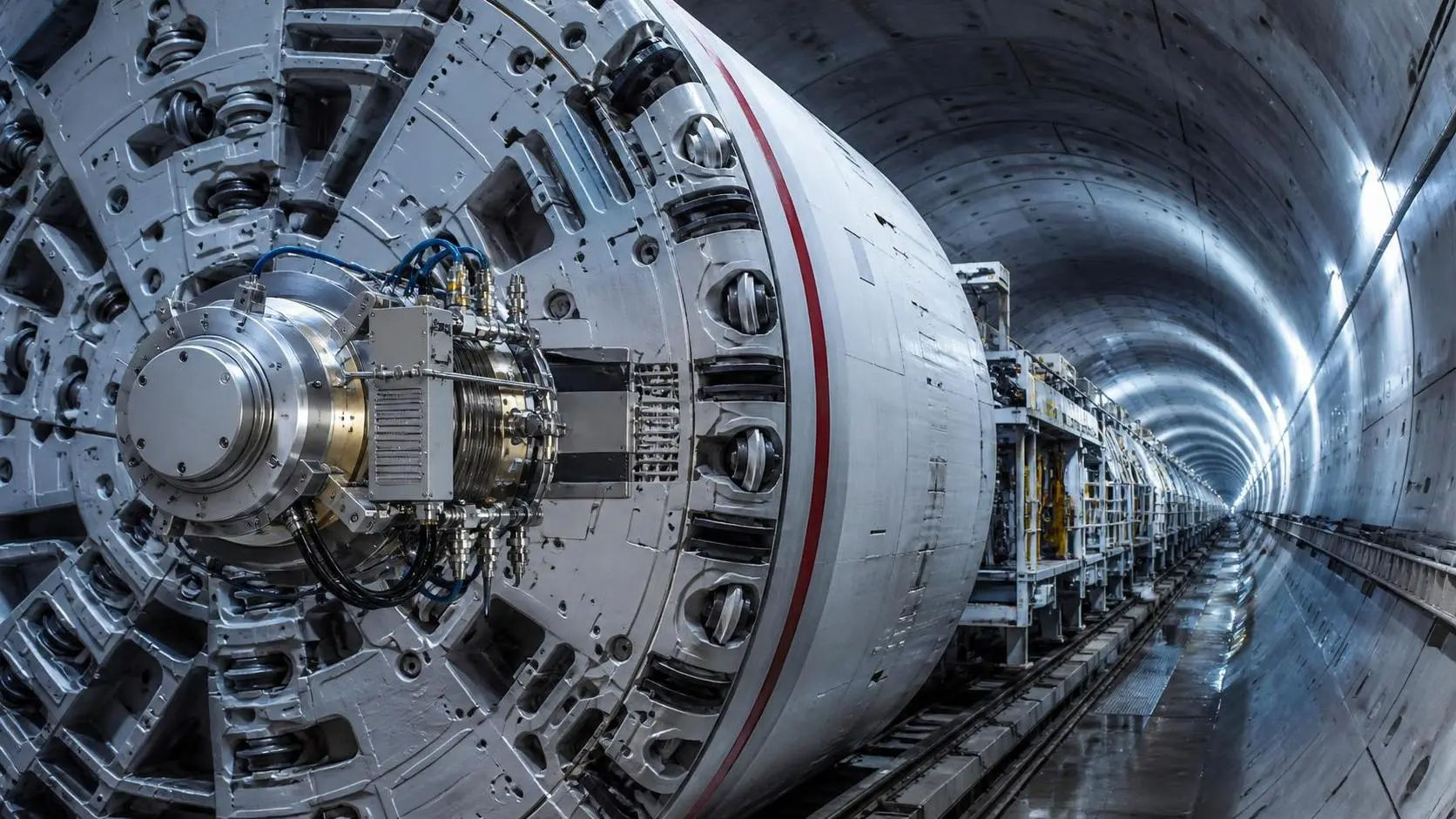
What Is a TBM Guidance System Gyroscope, and Why Does It Matter Underground?
TBM Guidance Systems gyroscope improves underground accuracy, reduces drift, and helps tunnel boring machines stay on line in harsh conditions.

China to Roll Out Nationwide Local and Foreign Currency Cash Pools for Multinationals on Sept. 14
China will roll out nationwide local and foreign currency cash pools for multinationals on Sept. 14, streamlining cross-border treasury management and boosting liquidity efficiency.
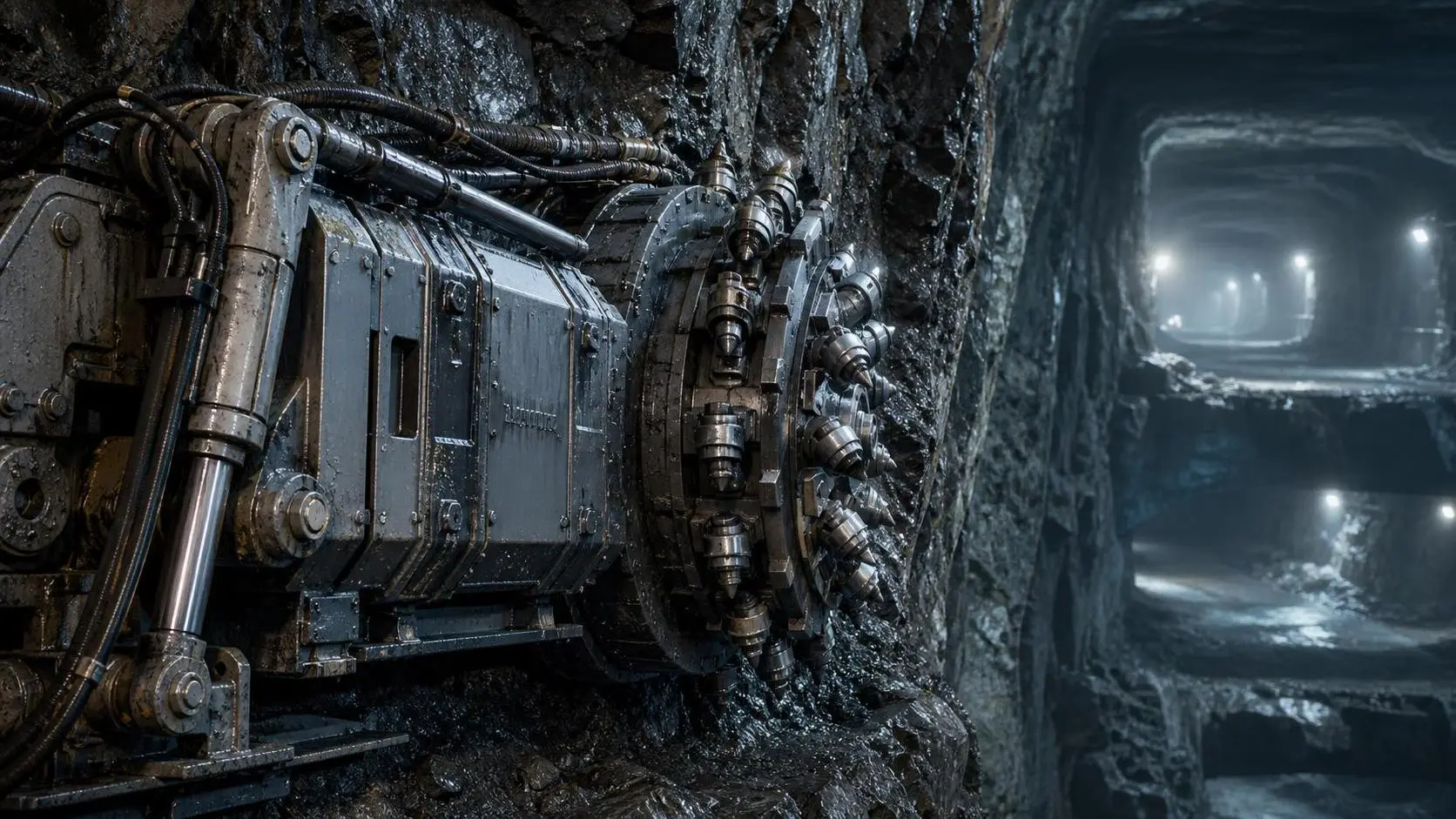
How to Choose a Reliable Underground Mining Equipment Supplier for Harsh Site Conditions
Find a reliable underground mining equipment supplier for harsh site conditions with rugged, maintainable solutions that boost uptime, reduce risk, and support long-term production.
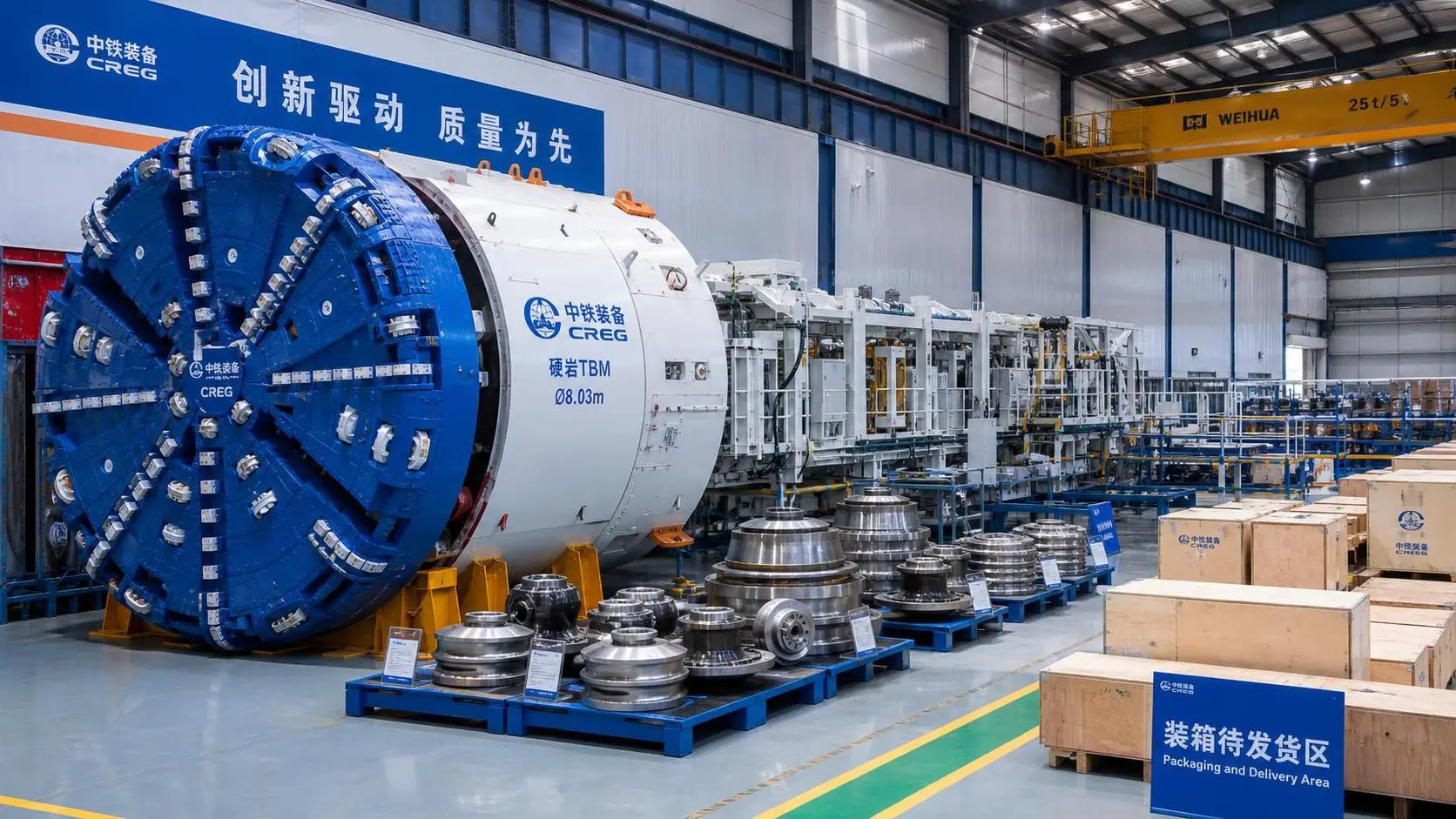
China Customs Tightens TBM Export Checks from Aug. 16
China Customs tightens TBM export checks from Aug. 16, 2026. Learn how new mandatory inspections may affect tunnelling equipment shipments, compliance, and delivery plans.
Related News
- 00
0000-00
What Drives TBM Excavation Cost in Urban Tunneling Projects? - 00
0000-00
What Does Energy Metals Mining in Australia Mean for Supply, Cost, and Project Risk? - 00
0000-00
EU Eases Dual CE and UKCA Path for Chinese Tunnel Boring Equipment - 00
0000-00
Flameproof Underground Safety Equipment: What Mine Teams Should Check Before Buying - 00
0000-00
China-UAE Direct Sea Route Cuts TBM and Large Tunneling Equipment Lead Times
Weekly Insights
Stay ahead with our curated technology reports delivered every Monday.